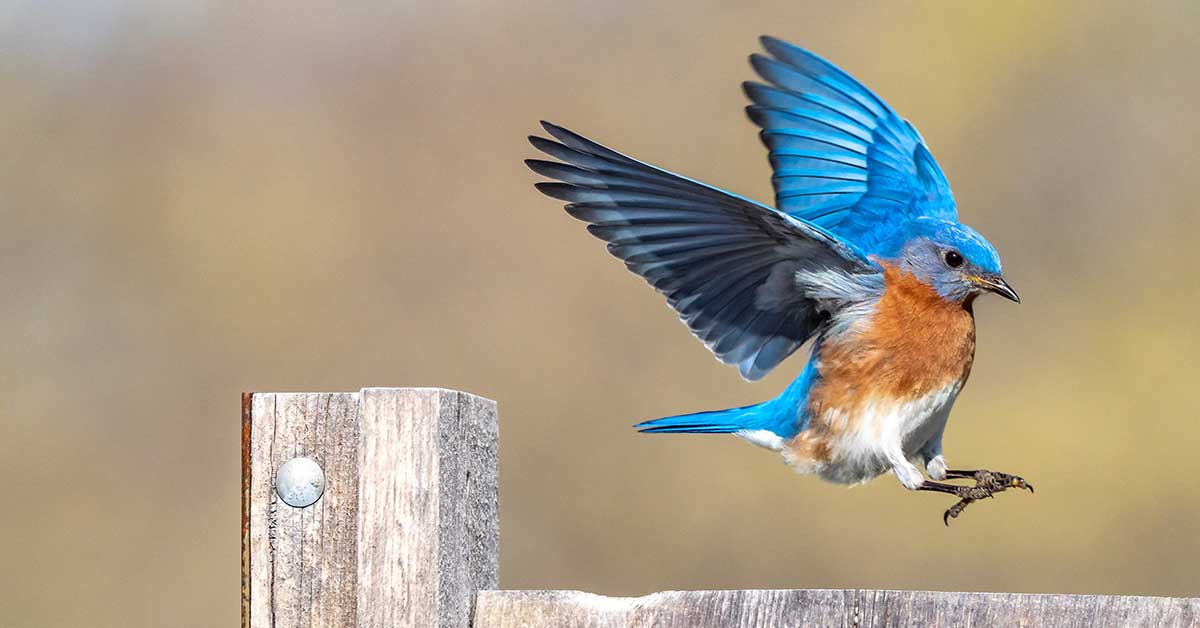

As an avid gardener who cherishes every flutter and chirp, I know the immense joy that bluebirds bring to a backyard sanctuary! Their vibrant blue hues and cheerful songs create a living symphony that lifts the spirit, and attracting them has become one of my most rewarding gardening adventures. Whether you’re starting with a modest patch or a sprawling yard, I understand how frustrating it can be to see your carefully nurtured garden overrun by pests while the birds you adore remain elusive. This guide is my heartfelt invitation to transform your space into a bluebird haven with foolproof, practical strategies that work wonders!
In my years of tending to nature’s wonders, I’ve discovered that a mix of well-planned habitat enhancements and a sprinkle of native charm goes a long way in inviting bluebirds to nest and thrive. From installing the perfect nesting boxes to creating a safe, insect-friendly environment, each method is designed to cater to bluebirds’ natural behaviors and instincts. I’m excited to share these eight foolproof tips with you, knowing that every thoughtful detail brings you one step closer to a lively, bluebird-filled retreat right outside your door!
Provide Bluebird Nesting Boxes
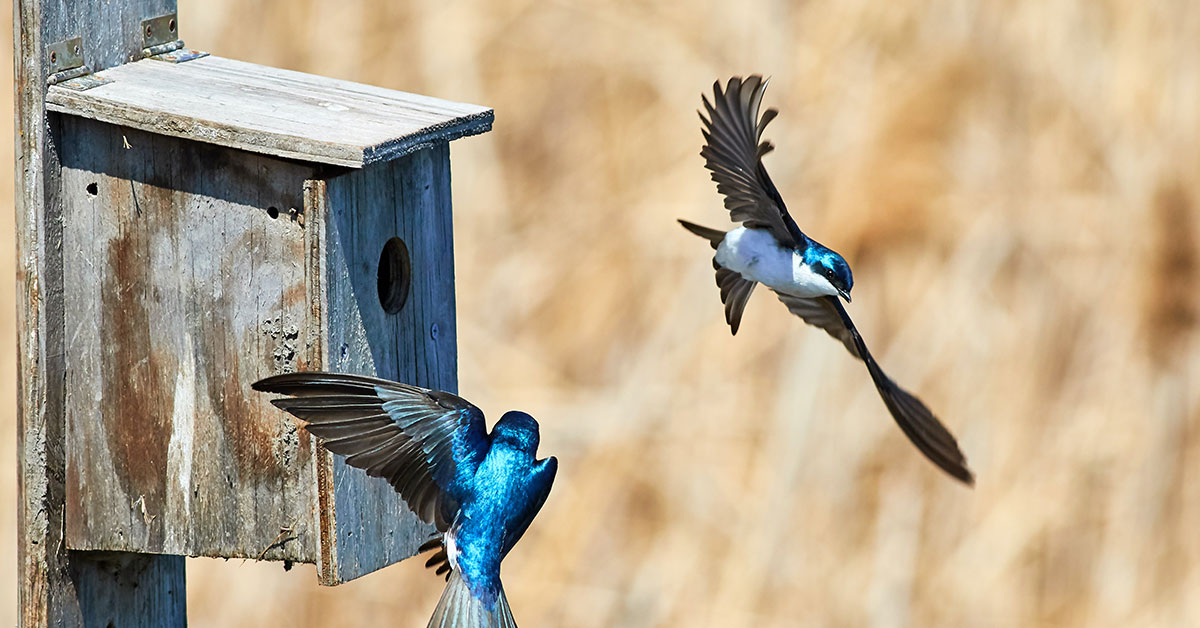
One of the most effective ways to invite bluebirds into your yard is by installing dedicated nesting boxes that mimic their natural hollows! Bluebirds, native to North America, are known for their cavity-nesting behavior, and providing a secure, thoughtfully placed box offers them an ideal sanctuary. I’ve found that placing these boxes on a post or building at a height of around 4 to 6 feet creates a welcoming haven that’s both safe from predators and easily accessible for these delightful birds. It’s such a joy to watch them inspect, settle in, and eventually nest in these carefully crafted shelters!
From my own experience, maintaining a clean and stable nesting box not only encourages bluebirds to take up residence but also attracts a community of beneficial insects that may help control garden pests. I always ensure the boxes are built with proper ventilation and drainage, as these details are crucial in mimicking the bluebirds’ natural habitat and preventing mold or parasite infestations. The presence of nesting boxes creates a lively ecosystem where bluebirds contribute to natural pest control, all while filling your yard with their melodious chirps and graceful flight patterns!
Create Open Ground Areas

Bluebirds are fond of open, uncluttered spaces where they can easily forage for insects and build their nests on the ground. Designing a part of your yard with open, grassy patches is a foolproof way to attract these vibrant visitors! In my garden, I leave certain areas free from dense shrubbery and tall grasses, allowing bluebirds to scout for mealworms, beetles, and other natural snacks. This natural clearing not only gives them ample space to land and rest but also creates a visual contrast that highlights the beauty of a well-tended lawn.
I understand that maintaining open ground areas might seem challenging, especially if you’re battling weeds or uneven terrain. However, with regular care and a little creative landscaping, these zones become sanctuaries for bluebirds and beneficial insects alike! The clear sightlines in open areas make it easier for bluebirds to spot predators and feel secure while nesting or foraging. Every time I trim and tidy these spaces, I’m reminded that sometimes, simplicity is the best way to invite nature’s wonders right into your backyard!
Offer Bluebird Feeders
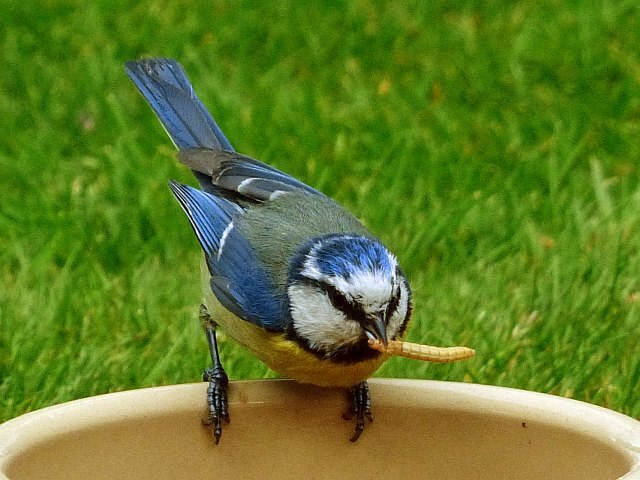
While bluebirds primarily feast on insects, offering supplemental feeders can create an added incentive for them to visit your yard. Specialized bluebird feeders, filled with mealworms or commercially available bluebird feed, provide an extra boost during breeding season or cooler months when natural food sources might be scarce. In my experience, placing a feeder in a quiet, sheltered spot not only attracts these charismatic birds but also creates a delightful opportunity to observe their playful interactions up close!
I’m always excited when my bluebird feeders become a bustling hub of activity, with bluebirds delicately perching, fluttering, and even “nesting” in the vicinity of these feeding stations. The feeders can serve as focal points in your garden, drawing in not only bluebirds but also other beneficial species that contribute to a balanced ecosystem. With a little regular cleaning and replenishing of the feed, you’ll create a reliable, seasonal treat that supports bluebird populations and enriches the natural symphony of your outdoor space!
Create a Native Plant Garden
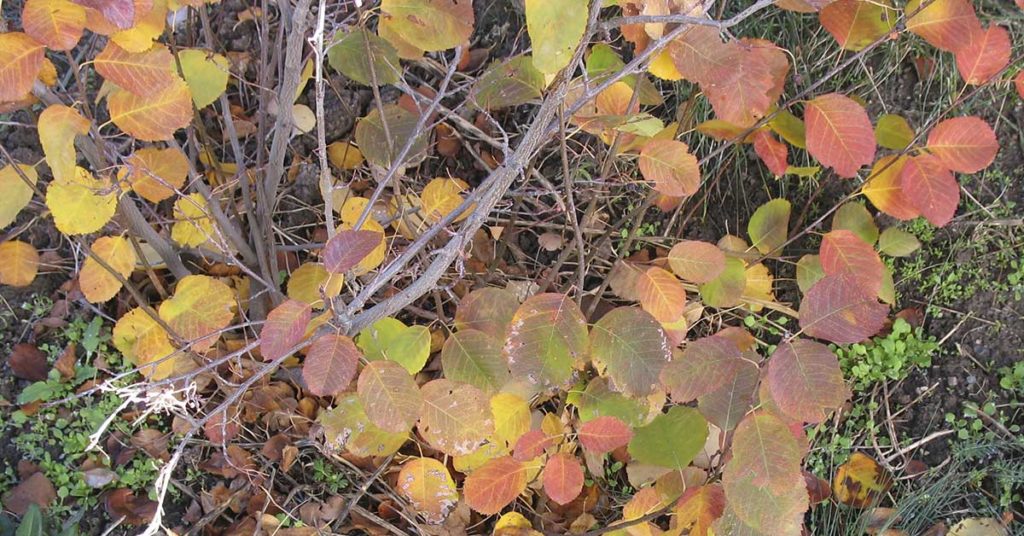
Incorporating native plants into your yard is a foolproof strategy to attract bluebirds, as these plants support local insect populations and provide natural nesting sites. Native flora, such as serviceberry, chokeberry, or elderberry, are well-adapted to the regional climate and create a rich, diverse habitat that bluebirds instinctively seek out. I’ve found that planting these species not only enhances the beauty of my garden but also brings an array of buzzing, beneficial insects that serve as a natural food source for bluebirds. These plants, with their historical roots and non-invasive nature, offer a sustainable solution to boosting local biodiversity!
I often marvel at how native plant gardens become living tapestries of color and life, drawing in a harmonious mix of birds, butterflies, and bees. The interplay between these species and bluebirds creates a dynamic ecosystem where every bloom and flutter of wings tells a story of resilience and natural balance. Creating a native plant garden has been a transformative journey for me—one that reinforces the importance of working with nature rather than against it. Every time I see bluebirds darting among these plants, I’m reminded that true beauty lies in a community that supports and nurtures one another!
Maintain an Insect-Friendly Yard

Bluebirds thrive on a diet rich in insects, so cultivating an insect-friendly yard is key to luring these feathered friends to your space! I always make sure to plant a variety of flowering species that are native and non-invasive, which in turn attract a plethora of beneficial insects. By creating a diverse habitat that encourages the natural proliferation of bugs like beetles, caterpillars, and spiders, you essentially set the stage for bluebirds to feast and flourish. It’s such a delight to see your yard transform into a buzzing, vibrant haven that supports life on every level!
In my own experience, maintaining an insect-friendly yard requires a delicate balance of minimal pesticide use and strategic planting. I embrace organic methods to control unwanted pests while allowing the beneficial ones to “nest” and multiply in my garden. The result is an ecosystem where every insect plays a role, ensuring that bluebirds always have an abundant supply of food. This interconnectedness not only benefits the birds but also enriches the overall health of the garden, making it a dynamic and sustainable environment that I absolutely cherish!
Install a Water Feature
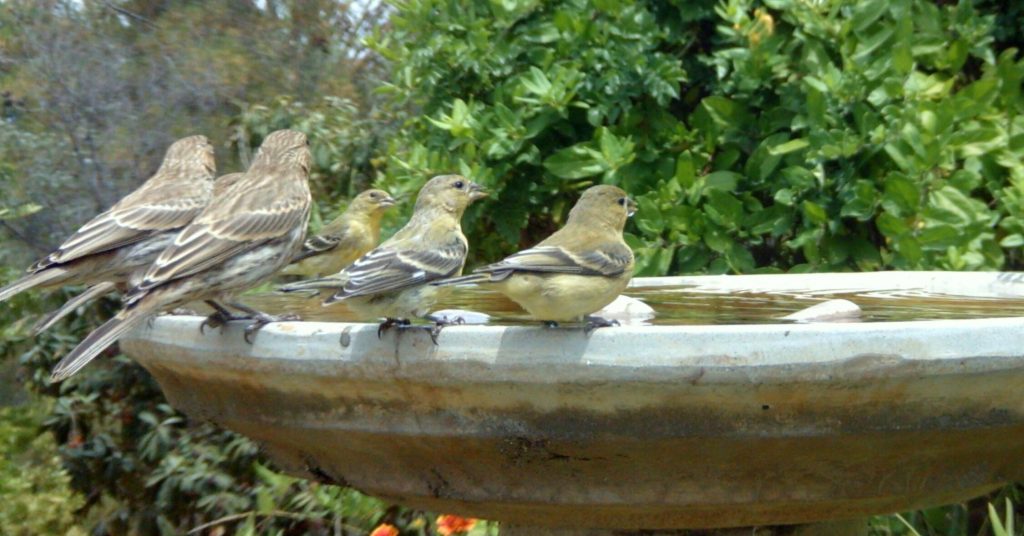
Adding a water feature, such as a birdbath or a small fountain, is one of the most charming ways to attract bluebirds to your yard! Bluebirds are naturally drawn to fresh, clean water sources, which serve as vital stops for drinking and bathing. In my garden, a modest birdbath not only provides a refreshing oasis for bluebirds but also creates a focal point that enhances the overall aesthetic of the space. The gentle sound of flowing water has an almost magical effect, encouraging bluebirds and other wildlife to gather, linger, and even “nest” in the nearby foliage!
I’ve observed that the presence of water can transform a garden from a simple green space into a dynamic, interactive ecosystem. The constant, soothing flow of water acts as a magnet for a variety of species, each contributing to the vibrant tapestry of life. By choosing a water feature that is both eco-friendly and easy to maintain, you ensure that your garden remains a welcoming refuge for bluebirds throughout the changing seasons. It’s amazing how a little splash of water can create ripples of joy and natural abundance in your outdoor sanctuary!
Limit Pesticide Use
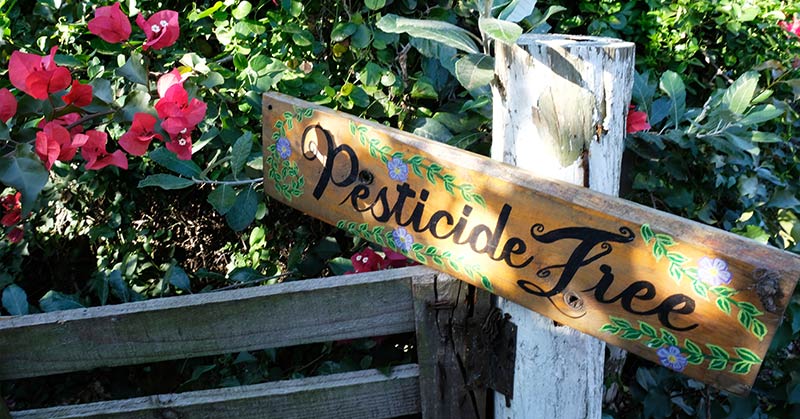
One of the most critical steps in creating a bluebird-friendly yard is to limit pesticide use and embrace organic gardening methods. Excessive chemicals not only reduce the insect population that bluebirds rely on for food but also harm the delicate balance of your garden’s ecosystem. In my own gardening journey, I’ve discovered that by opting for natural pest control methods, such as introducing beneficial insects and using organic repellents, I can foster an environment where bluebirds and their prey thrive in harmony. This approach helps ensure that every corner of your yard supports life in its most vibrant form!
I understand how tempting it can be to resort to chemical solutions when pests seem overwhelming, but the long-term benefits of an organic garden far outweigh the short-term fixes. By carefully reducing pesticide use, you not only protect bluebirds and their food sources but also enhance the overall health and resilience of your garden. Every insect, bird, and plant becomes part of a flourishing ecosystem where nature’s own checks and balances take over. It’s a gratifying experience to see your garden come alive with the gentle hum of life, knowing you’ve created a safe haven for bluebirds and countless other species!
Ensure a Safe, Quiet Habitat
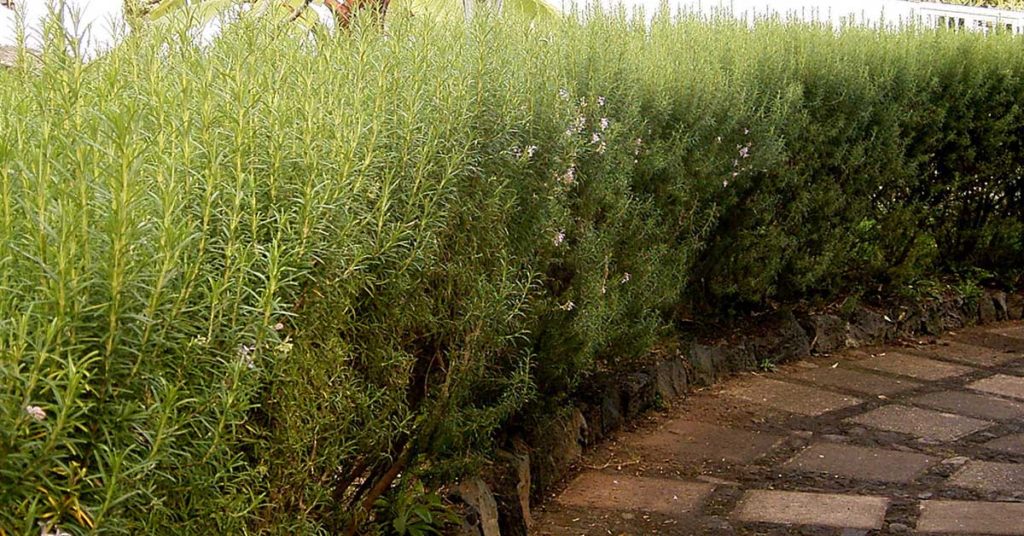
Creating a safe and quiet habitat is essential for attracting bluebirds, as these sensitive creatures are drawn to areas that offer tranquility and security. Bluebirds, native to diverse parts of North America, appreciate a yard that is shielded from excessive noise, heavy traffic, and frequent disturbances. In my garden, I strive to cultivate secluded corners with ample cover provided by native trees and shrubs that are non-invasive and well-suited to the local climate. These sheltered spots not only offer a sense of security but also become ideal nesting sites for bluebirds, where they can raise their young in peace!
I find that a safe, quiet habitat is the ultimate invitation for bluebirds to settle in and make your yard their home. By strategically planting hedges, maintaining a low-traffic garden area, and minimizing disruptive elements, you create a sanctuary where bluebirds can forage, nest, and thrive undisturbed. It’s such a joy to witness these delicate creatures enjoying the calm, secure environment you’ve worked hard to establish. Every time I see a bluebird fluttering about in the quiet corners of my yard, I’m reminded that nature rewards us when we offer it a place to feel safe and at home!