
Transforming a kale garden into a vibrant, supportive ecosystem is one of the most rewarding projects a gardener can undertake! I know how overwhelming it can be to choose plants that not only boost kale’s growth but also add beauty and ecological balance to your garden. Over the years, I’ve experimented with various companion plants, discovering that each one brings its own unique charm—from native heritage to fascinating behaviors like attracting beneficial insects and even offering safe spots for tiny critters to “nest.” Every plant has a story, and together they create a thriving tapestry that supports kale in every way possible!
When pests and environmental challenges threaten your garden’s harmony, the right companion plants can be a game changer. In my own gardening adventures, I’ve learned that combining kale with supportive neighbors isn’t just about improving yield—it’s about building a resilient community that nurtures life. Whether you’re a seasoned gardener or just starting out, these 20 companion plants bring practical benefits and a burst of natural beauty that will have your kale flourishing while adding color and intrigue to your garden!
Mint
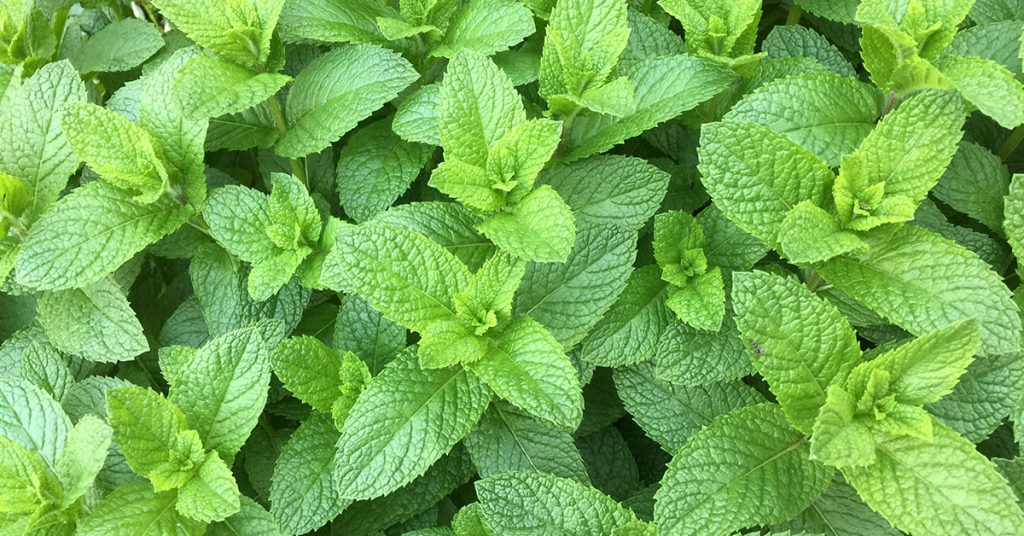
Mint is a refreshing and vigorous companion that can add a burst of flavor and aroma to your kale garden! Native to Europe and Asia, mint has spread far and wide thanks to its delightful scent and culinary versatility. In my garden, I’ve seen mint’s rapid growth create a lush, green carpet that not only deters certain pests but also attracts beneficial insects that are drawn to its aromatic leaves. However, mint is known to be invasive, so I always plant it in a controlled container to keep its exuberance in check while still reaping its numerous benefits.
I appreciate mint for its ability to create a natural microclimate that can help reduce the likelihood of pest infestations around kale. Its sprawling habit often offers a little haven for small critters and pollinators, making it a lively part of my garden’s ecosystem! With its invigorating aroma and resilient nature, mint is a true testament to nature’s ability to blend beauty and utility in a single, enchanting plant.
Garlic
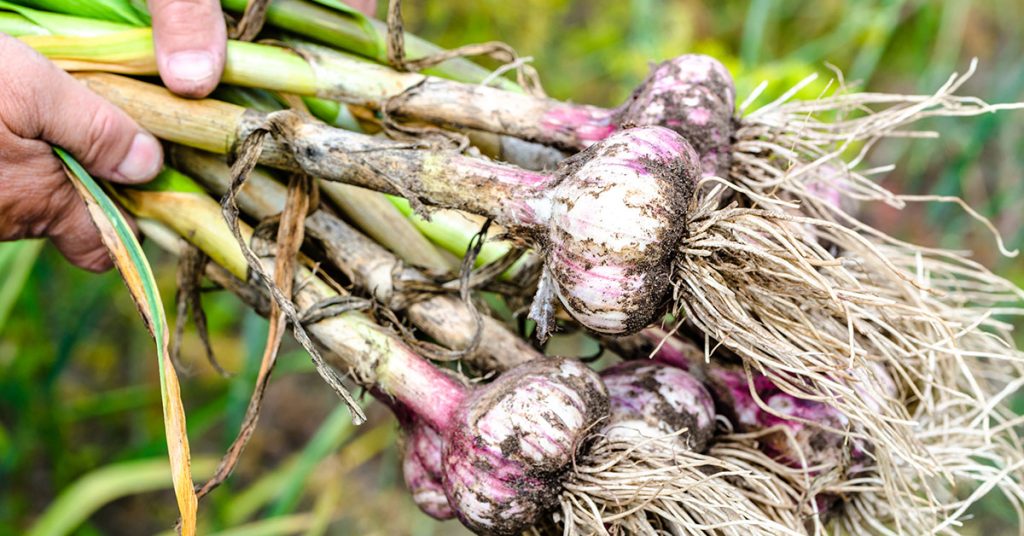
Garlic is a robust companion plant that not only enhances the flavor of nearby kale but also plays a crucial role in natural pest control! Native to central Asia, garlic has been treasured for centuries for its culinary and medicinal properties. In my garden, garlic cloves are planted near kale to help repel aphids and other unwanted pests, creating a healthier, more balanced growing environment. Unlike some aggressive species, garlic remains well-behaved, making it an ideal partner without the risk of taking over your garden space.
I’ve found that garlic’s presence also encourages beneficial insects, which sometimes “nest” among its slender leaves, contributing to a dynamic and thriving ecosystem. Its pungent aroma, while robust, works in harmony with kale to create a natural barrier against common garden nuisances. For those seeking both utility and a touch of spice in their garden, garlic is a dependable companion that brings centuries of natural wisdom to the modern garden!
Nasturtium

Nasturtium is a cheerful and versatile companion that not only adds vibrant splashes of color but also works wonders in repelling pests from kale! Originally native to South America, nasturtium is renowned for its trailing habit and bright, peppery blooms that attract beneficial insects. In my own garden, I love how these plants effortlessly drape over borders, creating a living shield that distracts pests while drawing in predatory bugs. Best of all, nasturtium is non-invasive, making it a stress-free addition to any kale companion planting strategy!
I enjoy watching nasturtium’s blossoms as they seem to “nest” a community of bees and butterflies, each contributing to the garden’s overall health. Their soft, cascading flowers create a dynamic, ever-changing display that not only delights the eye but also helps maintain a balanced ecosystem around kale. With their dual role in beautifying the garden and naturally defending it, nasturtiums have quickly become one of my favorite companions for a flourishing kale patch!
Marigold
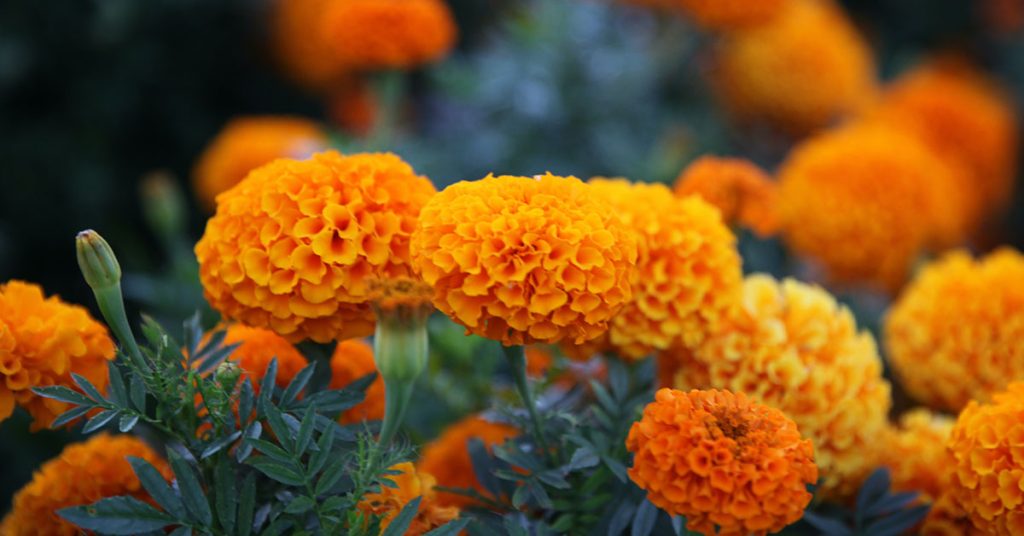
Marigolds are renowned for their bright, sunny blooms and remarkable ability to ward off pests in the garden! Native to the Americas, marigolds have a long history of being used as natural pest repellents due to the chemical compounds they release. In my kale garden, marigolds serve as a vibrant, living barrier that deters aphids and nematodes while simultaneously attracting beneficial insects that help maintain a healthy balance. Their non-invasive nature ensures that they complement kale without competing for space.
I find marigolds especially endearing because their bold colors and cheerful presence create an inviting atmosphere for both people and pollinators! The way these flowers seem to “nest” a small community of buzzing bees and fluttering butterflies is truly magical. Every time I see marigolds blooming alongside kale, I’m reminded that a garden is not just about individual plants—it’s about the lively interactions that make the whole ecosystem thrive!
Borage

Borage is an extraordinary companion plant that boosts soil health and attracts beneficial pollinators with its star-shaped blue flowers! Native to the Mediterranean region, borage has a long history of use in traditional gardens, celebrated for its ability to improve soil fertility and deter pests. In my kale garden, borage acts like a natural fertilizer, drawing in bees and other helpful insects that often “nest” among its charming blossoms. Best of all, borage is non-invasive and easy to manage, making it an excellent partner for kale without overwhelming the space.
I’m always thrilled by the way borage not only supports kale but also adds a splash of unexpected color and texture to the garden. Its vibrant blue flowers create a lively contrast against the deep greens of kale, turning a simple vegetable patch into an eye-catching display of natural artistry! The plant’s dynamic interactions with its insect visitors make borage a delightful and practical companion, proving that nature often provides the best solutions when plants work together in harmony.
Chives
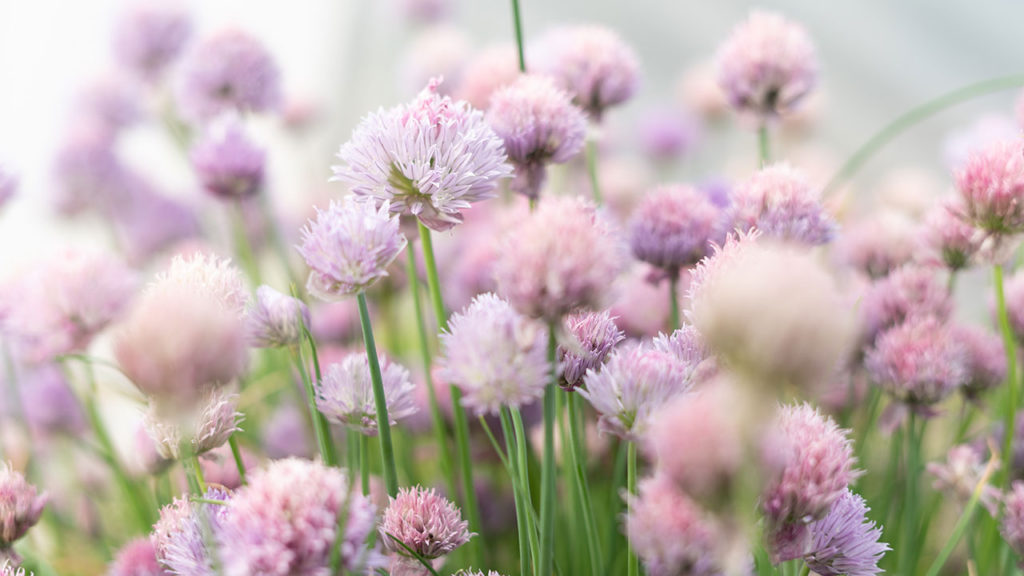
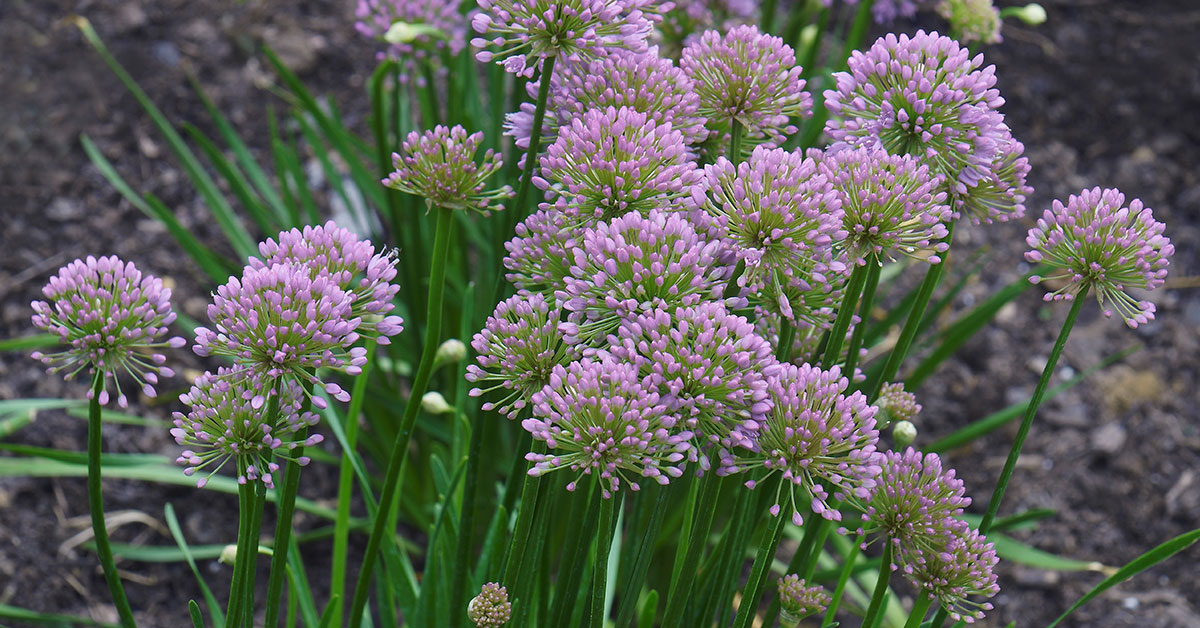
Chives are a delightful and aromatic addition to a kale garden, providing both culinary benefits and natural pest control! Native to Europe and parts of Asia, chives are cherished for their delicate, grassy foliage and subtle onion-like flavor. In my garden, these slender plants not only enhance the taste of nearby kale but also attract beneficial insects that help deter common pests. They are non-invasive and grow in neat clumps, making them a friendly and efficient companion that doesn’t overwhelm the garden space.
What excites me about chives is how their gentle presence creates a microhabitat for small pollinators and predatory bugs that can “nest” among their narrow leaves. Their low-maintenance nature and natural beauty add a sophisticated touch to the kale bed, contributing both to flavor and ecological balance. For gardeners who appreciate both functionality and charm, chives are a perfect companion that nurtures the soil and enhances the overall garden vibe!
Onions
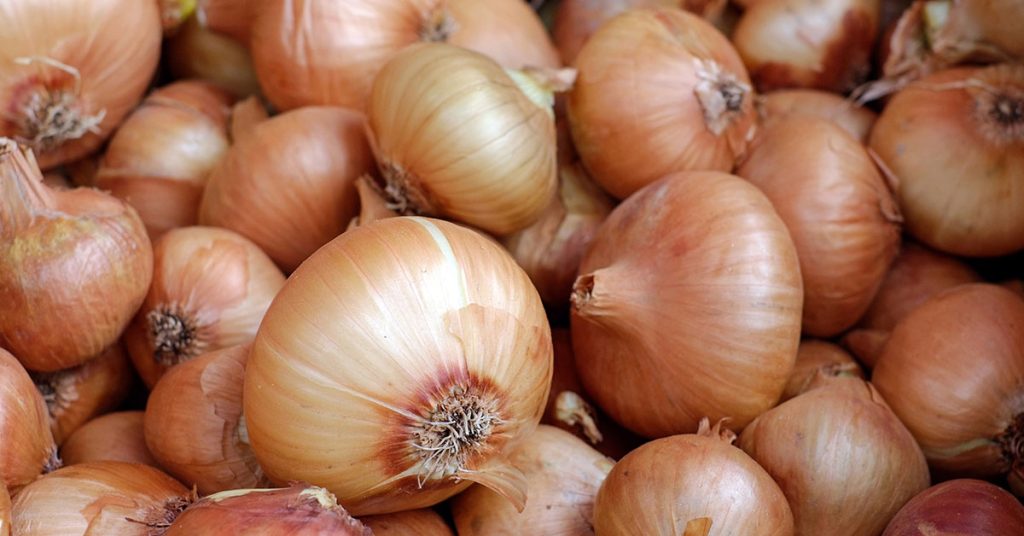
Onions are a time-tested companion that bring both robust flavor and natural defense mechanisms to a kale garden! Native to central Asia, onions have been cultivated around the world for their culinary and medicinal properties. In my garden, I plant onions near kale to help repel aphids and other pests, as their strong scent naturally deters unwanted visitors. Their non-invasive growth ensures that they work in harmony with kale, sharing space and resources without causing competition.
I love how onions also play a role in encouraging beneficial insect activity; tiny critters are often seen “nesting” in the shallow soil around their bulbs, which in turn supports a vibrant ecosystem. Their practical benefits, combined with their subtle beauty and historical significance, make onions an indispensable ally in maintaining a thriving kale garden. With every harvest, onions remind me that nature offers simple yet effective ways to protect and enhance our beloved plants!
Cilantro
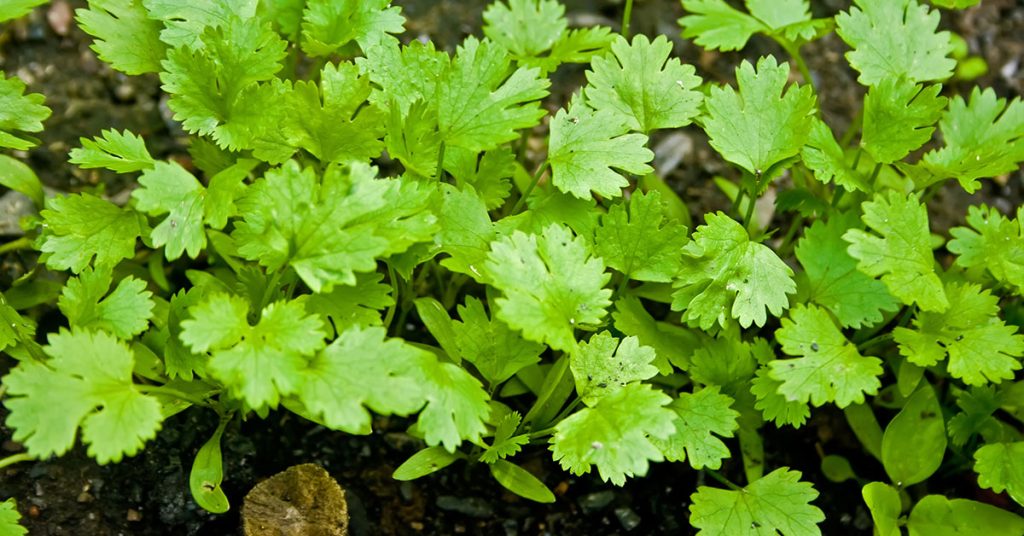
Cilantro is a versatile herb that pairs beautifully with kale, both in the garden and on the plate! Native to southwestern Asia and the Mediterranean region, cilantro adds a burst of flavor and a touch of greenery that complements kale’s robust leaves. In my garden, cilantro is valued for its rapid growth and its ability to attract beneficial insects, which sometimes “nest” among its delicate foliage. It’s non-invasive and easy to cultivate, making it an ideal companion for boosting kale’s overall health and vigor.
One of the aspects I appreciate most about cilantro is its dual role in the garden—it enhances both flavor and pest resistance. Its aromatic leaves create an environment that deters harmful insects while inviting tiny pollinators and natural predators to take up residence nearby. The synergy between cilantro and kale is a perfect example of how thoughtful companion planting can yield benefits that extend far beyond the individual plant, turning a simple garden into a dynamic, living ecosystem!
Parsley
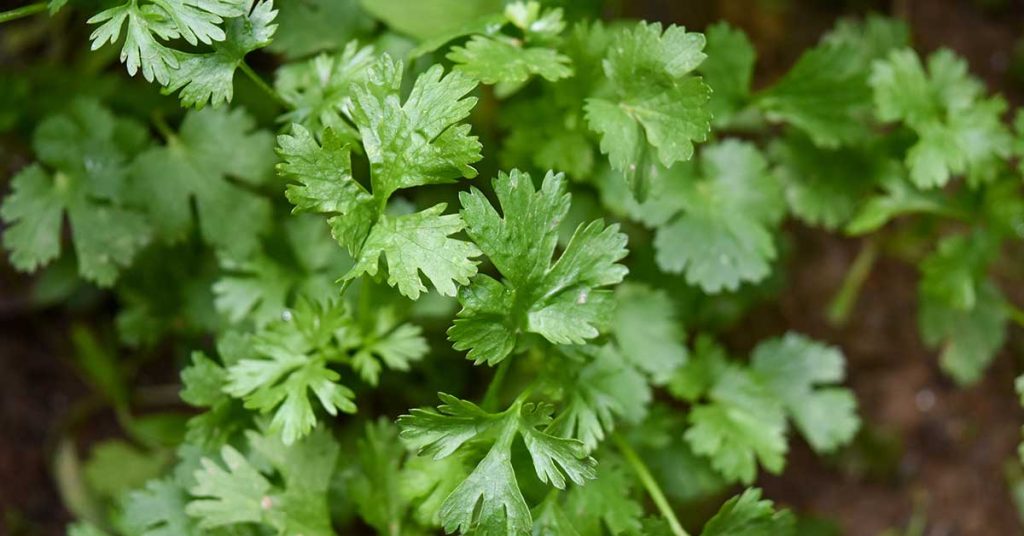
Parsley is a charming and nutritious herb that serves as a wonderful companion for kale in every sense! Native to the Mediterranean region, parsley has long been cherished for its rich flavor and versatility in cooking. In my garden, parsley not only enhances the aesthetic appeal of the kale bed with its lush, feathery foliage but also attracts beneficial insects that help keep pests at bay. Its growth is well-contained, ensuring that it coexists peacefully with kale without becoming invasive.
I find parsley particularly delightful because its bright, green leaves seem to create a natural microhabitat that invites tiny pollinators and predatory insects to “nest” and thrive. Its ability to improve soil conditions and promote a healthy ecosystem has made it a staple in my companion planting strategies. For any gardener looking to combine beauty, taste, and practicality, parsley is a steadfast partner that elevates both the flavor and function of your kale garden!
Dill
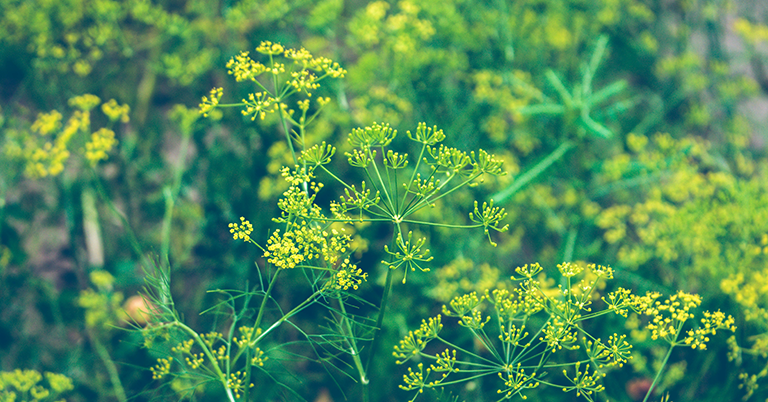
Dill is an aromatic herb that works wonders as a companion plant for kale, offering both culinary delights and natural pest deterrence! Native to regions of Europe and Asia, dill is known for its feathery leaves and delicate, sweet flavor that enhances many dishes. In my kale garden, dill’s slender, lacy fronds create a light, airy effect that attracts beneficial insects such as ladybugs and lacewings. These natural predators often “nest” in the fine foliage, helping to keep pest populations under control without interfering with the kale’s growth.
I love how dill transforms my garden into a dynamic ecosystem where every plant and insect plays a part. Its ability to thrive in full sun and well-drained soil makes it a reliable companion that not only beautifies the space but also boosts the overall health of the kale. With its dual purpose of flavor and function, dill is a must-have in any thoughtful companion planting strategy—bringing nature’s own pest control and a dash of fresh zest to every harvest!
Rosemary
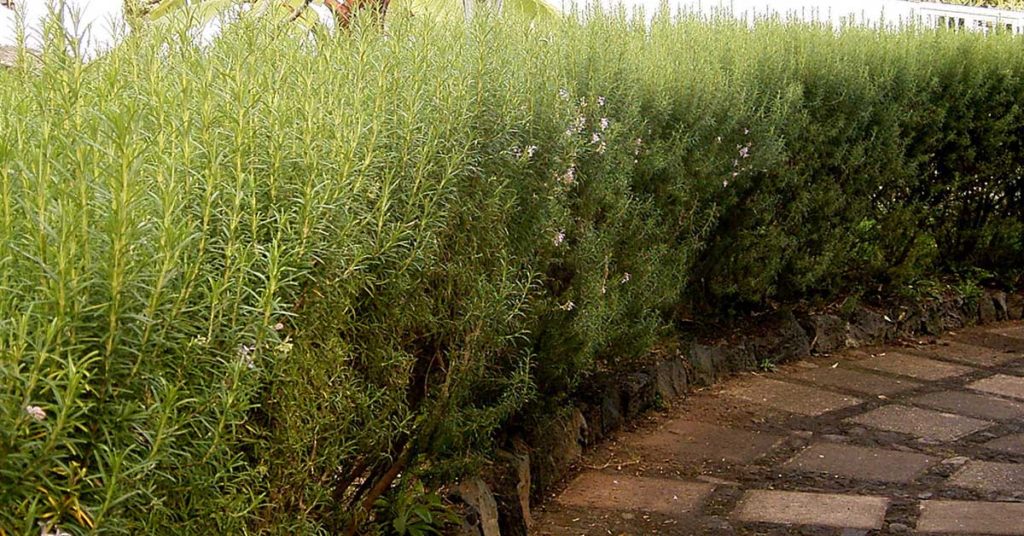
Rosemary is a fragrant and resilient herb that pairs exceptionally well with kale, offering both visual appeal and practical benefits! Native to the Mediterranean, rosemary has long been celebrated for its woody stems, aromatic needles, and culinary versatility. In my garden, I plant rosemary near kale to help deter pests with its strong scent while also attracting beneficial pollinators that occasionally “nest” in its dense branches. Its non-invasive nature ensures that it complements kale without competing for space, creating a harmonious garden partnership.
I’ve always admired rosemary for its ability to thrive in hot, dry conditions, making it a robust companion for kale in a variety of climates. Its evergreen quality and hearty growth not only add a touch of rustic charm to the garden but also contribute to a natural pest control system. Every time I tend to my rosemary and kale together, I’m reminded that nature offers endless ways to create beauty and resilience through thoughtful planting strategies!
Sage
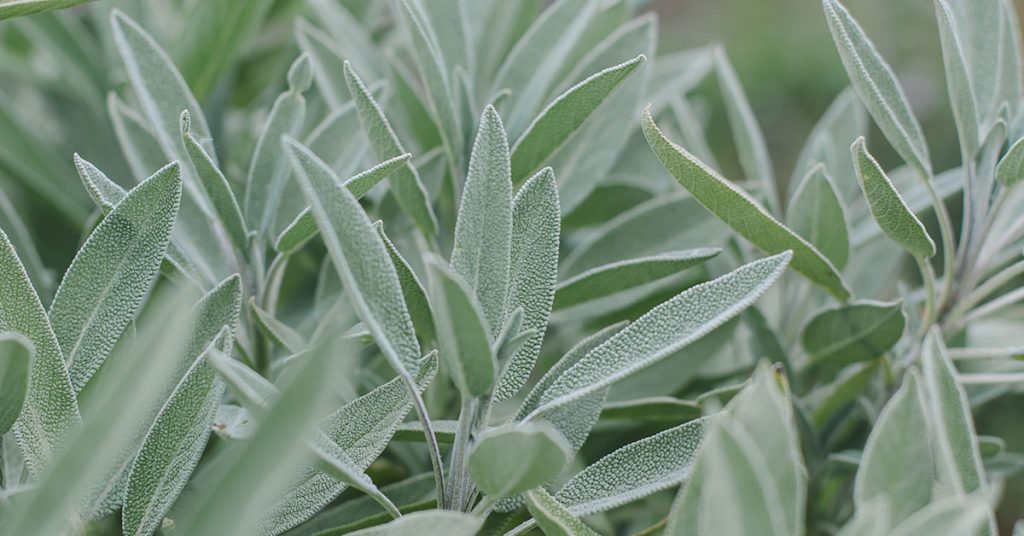
Sage is a venerable herb known for its earthy flavor and robust, silver-green foliage that makes it a brilliant companion for kale! Native to the Mediterranean, sage has been cultivated for centuries not only for its culinary uses but also for its medicinal properties. In my garden, sage stands proudly alongside kale, its aromatic leaves repelling pests and attracting beneficial insects that help maintain a balanced ecosystem. With its moderate growth habit and non-invasive tendencies, sage is a dependable partner that enhances the health of the kale bed without overpowering it.
I enjoy the way sage creates a natural habitat that encourages tiny pollinators and natural predators to “nest” around its bushy form. Its calming fragrance and resilient nature add a touch of timeless elegance to the garden, making it an indispensable part of my companion planting strategy. For anyone seeking a blend of functionality, flavor, and natural beauty, sage is a stellar choice that embodies the best of what a harmonious garden can be!
Thyme
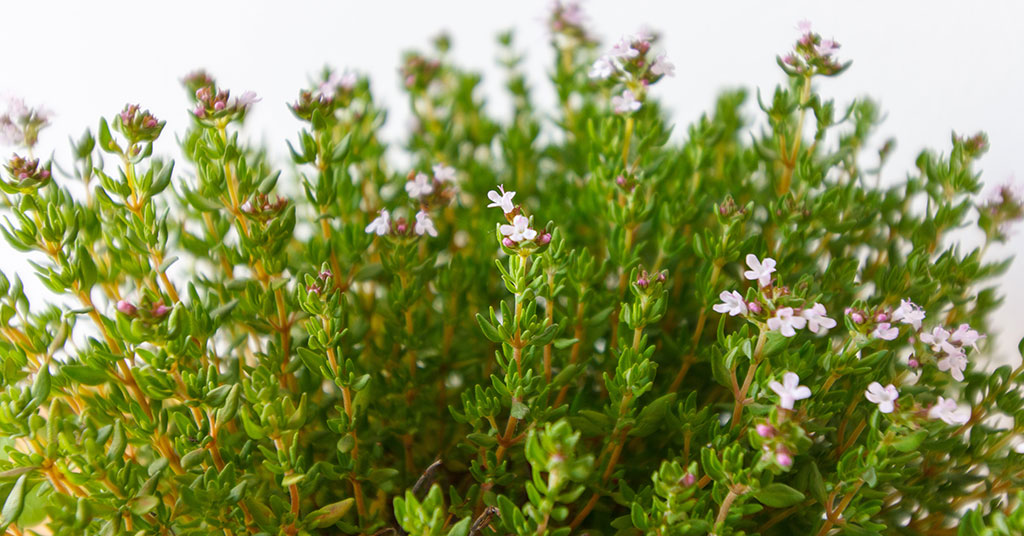
Thyme is a petite yet powerful herb that lends its aromatic charm and natural pest-repelling qualities to a kale garden! Native to the Mediterranean region, thyme has long been valued for its culinary and medicinal applications. In my garden, thyme’s low-growing, dense mats serve as a living mulch that not only conserves moisture and suppresses weeds but also attracts a host of beneficial insects that “nest” in its tiny blossoms. Its controlled, non-invasive growth makes it an ideal companion, perfectly complementing the more robust kale plants without competing for resources.
I find thyme to be a delightful addition because its delicate, fragrant blooms create an enchanting carpet of color and scent that enhances the entire garden. Its presence not only enriches the soil but also adds a subtle layer of natural defense against pests. Every time I see thyme thriving next to my kale, I’m reminded that even the smallest plants can play a monumental role in building a healthy, supportive garden ecosystem!
Oregano
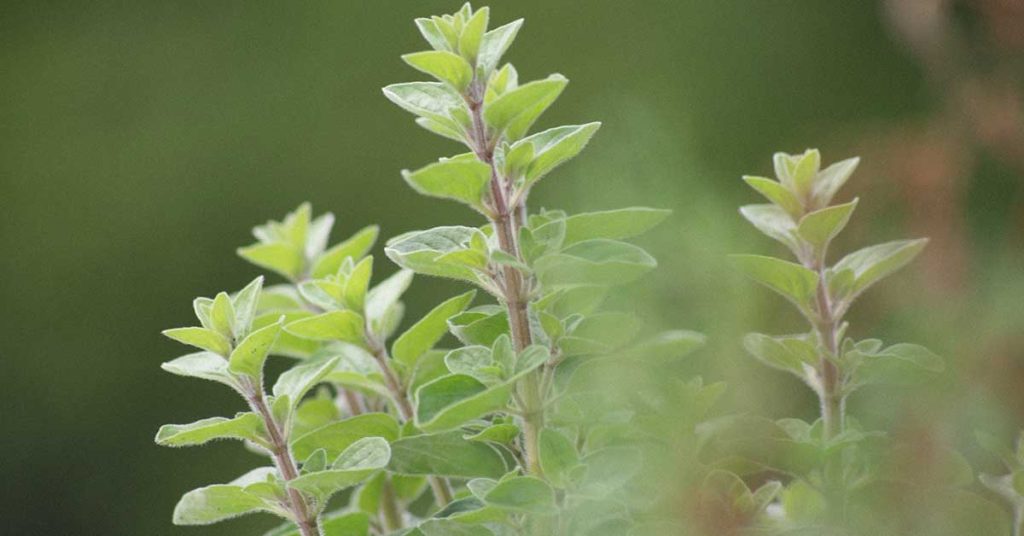
Oregano is a spirited herb that brings a burst of Mediterranean flavor and a host of beneficial properties to a kale garden! Native to the Mediterranean basin, oregano is renowned for its robust, aromatic leaves and its ability to thrive in warm, sunny conditions. In my garden, oregano’s sprawling habit helps suppress weeds and attract a variety of helpful insects that often “nest” in its dense, bushy growth. Its non-invasive nature ensures that it serves as a friendly neighbor to kale, sharing nutrients and space in perfect harmony.
I appreciate oregano for its capacity to create a natural microhabitat that not only boosts the flavor of nearby kale but also contributes to an integrated pest management system. The little clusters of tiny flowers serve as a magnet for bees and other pollinators, transforming the garden into a buzzing, lively haven. With its bold flavor and practical benefits, oregano is a cornerstone of my companion planting strategy, reminding me that nature’s wisdom is best applied in collaborative, flourishing communities!
Sunflower

Sunflowers are magnificent and cheerful additions that bring both beauty and functional benefits to a kale garden! Native to North America, sunflowers are celebrated for their towering stems, radiant blooms, and natural ability to attract pollinators. In my garden, these stately plants serve as natural beacons that draw in bees and butterflies, which often “nest” around their large, sunny faces. Their non-invasive, yet vigorous, growth habit makes them ideal companions that provide both shade and support for kale when planted at strategic distances.
I’m always thrilled by how sunflowers transform the garden landscape, creating a lively atmosphere that enhances both the visual appeal and ecological balance. Their robust presence not only offers a stunning backdrop for kale but also plays a role in natural pest control by luring in beneficial insects. With their unmistakable charm and dynamic interactions with the garden’s inhabitants, sunflowers are a joyful reminder that even the grandest plants can contribute to a collaborative, thriving ecosystem!
Peas
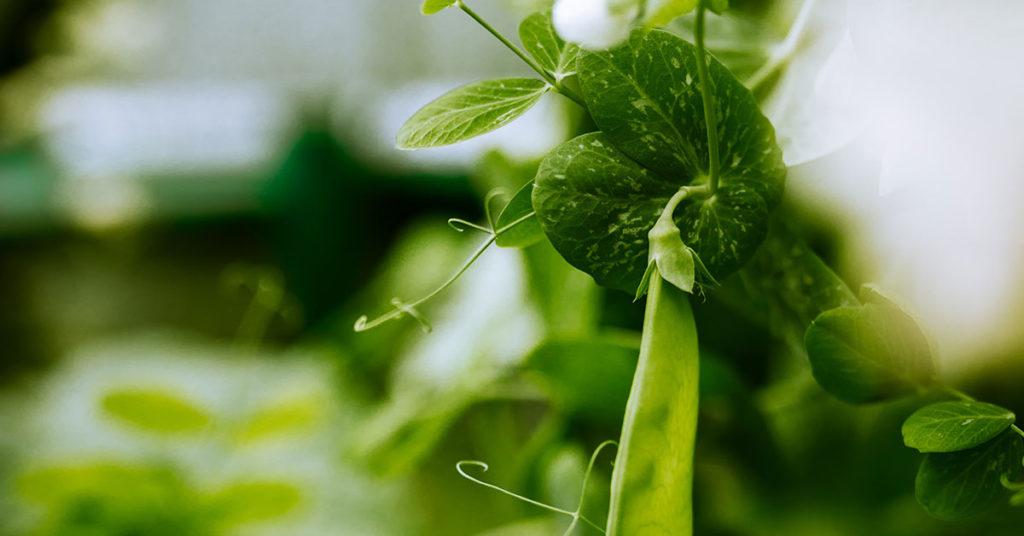
Peas are a wonderful legume companion that bring the added bonus of natural nitrogen fixation to a kale garden! Native to regions in the Mediterranean and parts of Asia, peas have long been prized for their sweet flavor and beneficial role in improving soil fertility. In my garden, pea vines gracefully twine around supports, creating a vertical dimension that attracts a host of beneficial insects which sometimes “nest” in their tendrils. Their non-invasive nature and ability to enrich the soil make them a superb ally in supporting healthy, vigorous kale growth.
I love the way peas transform the garden into a multi-layered ecosystem, where every plant contributes to the overall well-being of the space. Their delicate blossoms and lush green leaves not only enhance the aesthetic appeal but also play a crucial role in maintaining a balanced nutrient cycle. For gardeners looking to boost soil quality and add a touch of delicate charm, peas are an invaluable companion that enriches both the kale and the entire garden community!
Beans
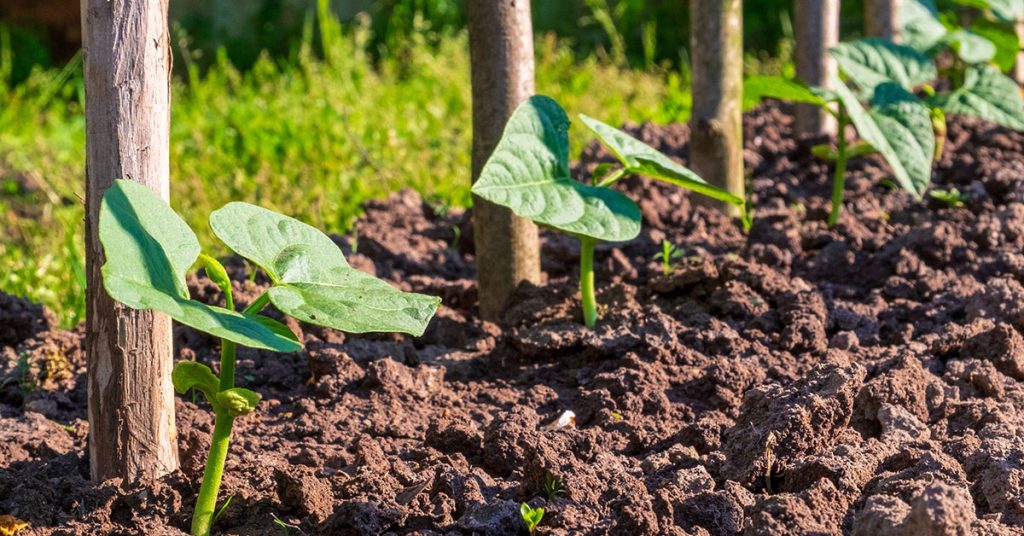
Beans are remarkable nitrogen fixers that can work wonders as companion plants for kale, contributing to improved soil fertility and robust growth! Native to Central and South America, beans have been cultivated for centuries for their nutritious pods and beneficial effects on the soil. In my garden, bush and pole beans are strategically planted near kale to naturally enrich the soil while attracting beneficial insects that occasionally “nest” among their foliage. Their non-invasive nature ensures that they coexist peacefully with kale, creating a mutually beneficial partnership that enhances overall productivity.
I find beans particularly inspiring because of the way they transform the garden into a living network of support and nourishment. Their climbing vines and vibrant pods add a vertical interest that complements the sprawling leaves of kale, turning the garden into a dynamic, interconnected system. With every harvest, beans remind me that companion planting isn’t just about proximity—it’s about creating a symbiotic environment where each plant plays its part in a larger, flourishing community!
Lettuce
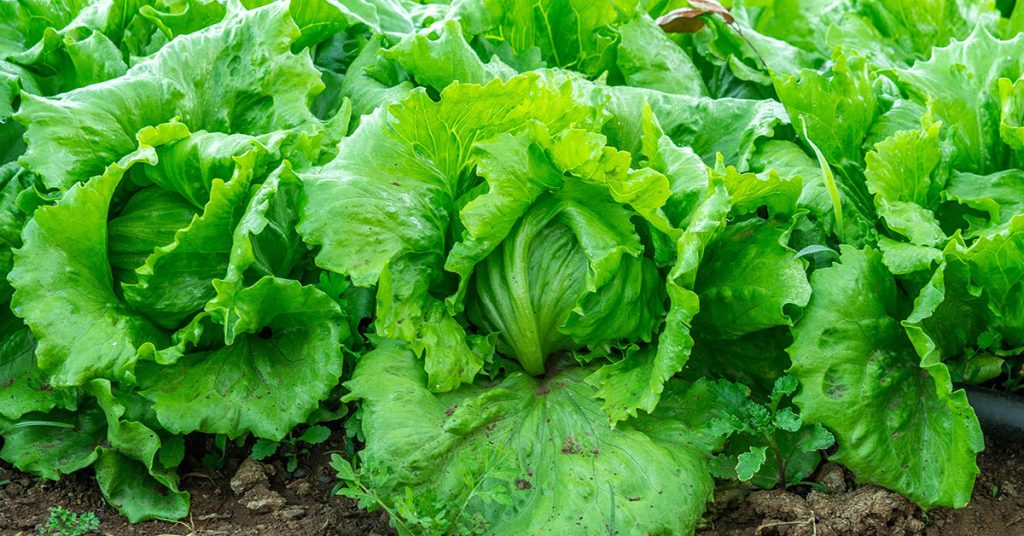
Lettuce is a cool, crisp companion that pairs beautifully with kale, both in terms of aesthetics and practical benefits! Native to the Mediterranean, lettuce has been a garden staple for centuries, admired for its tender leaves and refreshing flavor. In my garden, lettuce serves as a low-growing partner that not only contrasts beautifully with the bold texture of kale but also attracts beneficial insects that “nest” among its soft, delicate foliage. Its non-invasive nature means it can be interplanted with kale without any concerns of competition, ensuring both crops flourish side by side.
I’m always delighted by the way lettuce adds a fresh, vibrant element to the kale garden, creating a layered effect that is both visually appealing and ecologically balanced. Its ability to thrive in cooler conditions and provide natural ground cover helps maintain soil moisture and deter weeds, making it a perfect complement to kale. With each crisp, tender leaf harvested, lettuce reminds me that every component in a garden plays a vital role in nurturing a thriving, supportive ecosystem!
Radish

Radishes are a quick-growing and dynamic companion that offer both pest control benefits and a burst of spicy flavor to a kale garden! Native to Europe and Asia, radishes have been cultivated for their fast maturation and crisp texture. In my garden, these root vegetables are interplanted with kale to help break up the soil, improve aeration, and attract beneficial insects that often “nest” in the loose, well-drained soil around their roots. Their non-invasive growth makes them an excellent partner that coexists seamlessly with kale while contributing to overall soil health.
I appreciate radishes for their ability to provide rapid results, offering a delightful contrast in both color and texture to the robust kale leaves. Their early harvest cycle also means they can serve as a natural indicator for soil conditions, helping guide subsequent planting decisions. For gardeners seeking an energetic, fast-growing companion that enhances the kale garden’s productivity and vibrancy, radishes are an ideal, invigorating addition!
Spinach
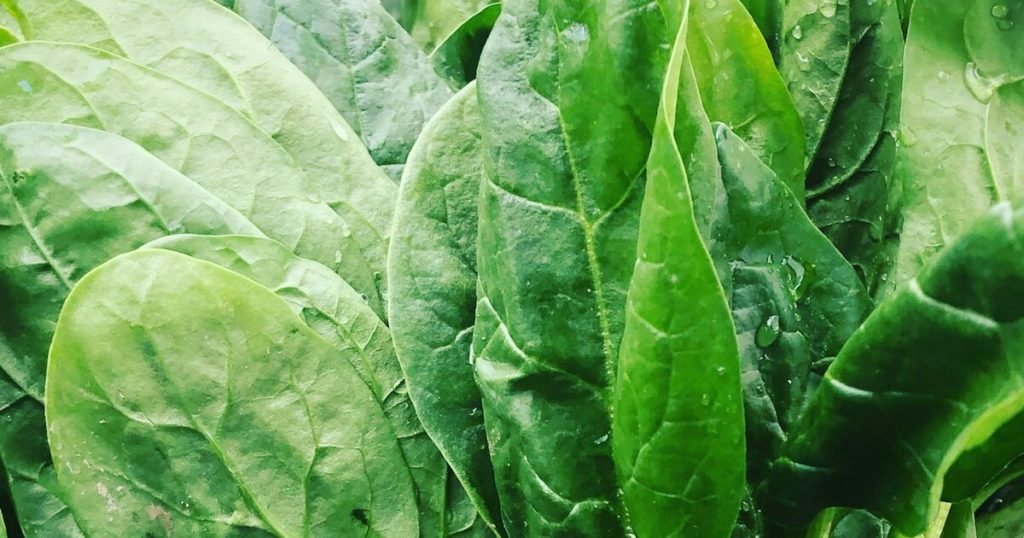
Spinach is a nutrient-packed and graceful companion that complements kale with its delicate texture and fast growth! Native to central and western Asia, spinach has long been cherished for its rich nutritional content and versatility in the kitchen. In my garden, spinach is interplanted with kale to create a dynamic, layered effect where both leafy greens benefit from shared space and mutual support. Its ability to attract beneficial insects that sometimes “nest” in its tender leaves adds an extra dimension of ecological balance, all while remaining non-invasive and easy to manage.
I’ve found that spinach brings a refreshing burst of color and vitality to the kale garden, offering a soft contrast to the robust, textured leaves of kale. Its quick-growing nature means that even in the face of challenging weather, spinach can bounce back and continue to thrive alongside its kale companion. For gardeners who want to boost both flavor and function in their garden beds, spinach is a delightful and efficient partner that underscores the beauty of cooperative planting!