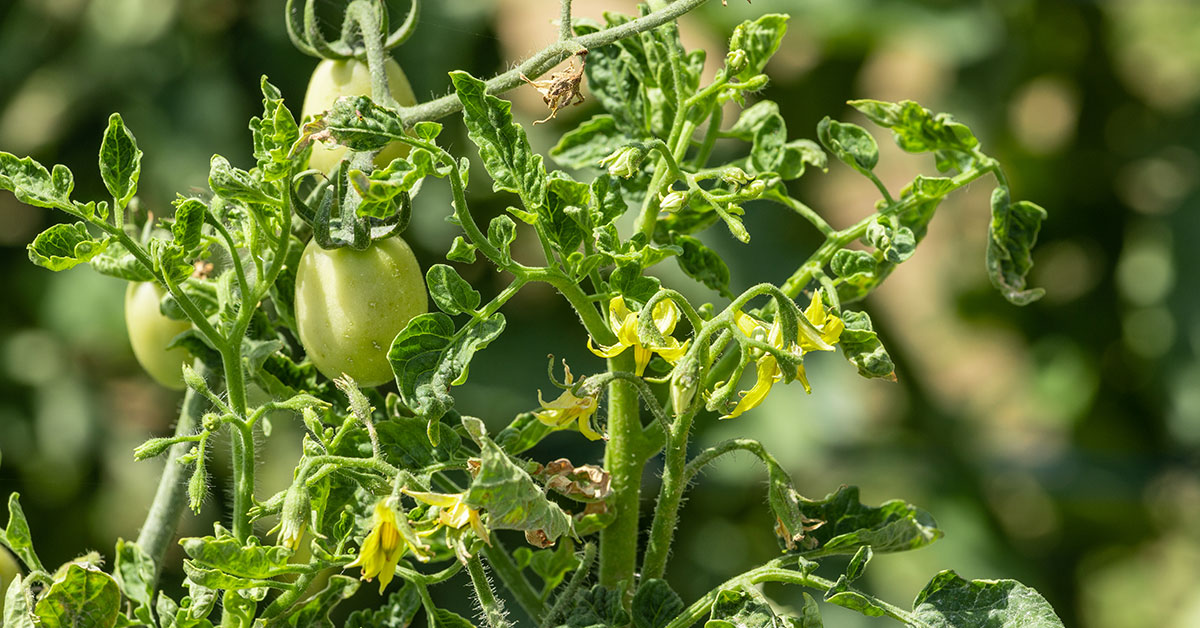

Gardening is a delightful journey filled with triumphs and challenges, and one of the more puzzling issues many tomato enthusiasts face is the appearance of black spots on their cherished fruits! I know how disheartening it is to see your beautiful tomatoes marred by unsightly blemishes after nurturing them with so much care. In my own gardening escapades, I’ve learned that understanding the root causes of these spots—whether they stem from microbial mischief or environmental quirks—is the first step toward reclaiming a vibrant, healthy harvest.
Over the years, I’ve encountered black spots on tomatoes that seemed to appear out of nowhere, leaving me both frustrated and curious. As someone who treasures the history and native heritage of the tomato—originally hailing from western South America—I’ve come to appreciate how even a beloved plant can develop issues under less-than-ideal conditions. This article is my way of walking you through the potential culprits and offering practical, friendly advice on how to fix these problems so you can enjoy a fruitful season once again!
Fungal Infections: A Hidden Culprit
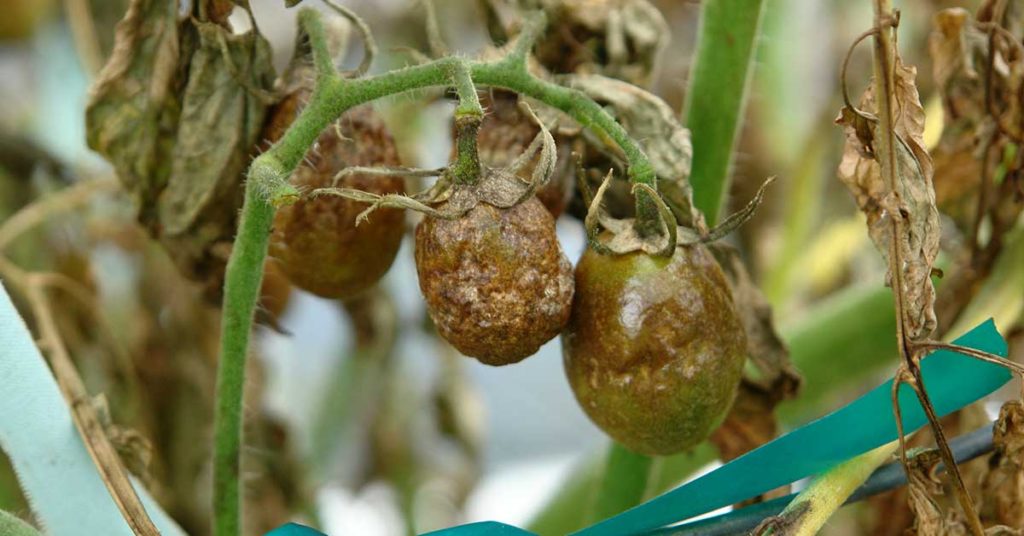
Fungal infections are among the most common reasons for black spots on tomatoes, and they often develop when humidity and warmth create the perfect breeding ground! One such fungus, Alternaria, can settle in and produce dark lesions on tomato fruits, giving them a charred appearance. I’ve seen how these infections can subtly nestle in, almost as if the spores are forming tiny colonies that spread their mischief silently across the plant. Although tomatoes are native to western South America and are rarely invasive, these fungal invaders can upset the balance of even the most carefully tended garden.
Dealing with fungal infections requires a vigilant eye and a proactive approach. I’ve found that ensuring proper air circulation around your plants and avoiding overhead watering can dramatically reduce the risk of fungus taking hold. It’s such a relief when you notice the subtle shift from a damp, closed environment to a breezy, sunlit garden—one where beneficial insects can also play a role in keeping unwanted fungal spores at bay! Embracing organic fungicides and rotational planting are just a few strategies that have worked wonders in my own garden.
Environmental Factors: The Role of Weather and Water

Sometimes, the black spots on tomatoes are not the result of an infection at all but rather the effects of environmental stressors such as sunscald, excess moisture, or sudden temperature changes. These conditions can create a scenario where the tomato’s skin becomes vulnerable, leading to dark, blemished spots that resemble burn marks or even minor fungal infections. I understand how frustrating it can be when Mother Nature herself seems to conspire against your garden, but these issues are usually reversible with a bit of care and attention!
I’ve often found that adjusting watering techniques and providing adequate shade can alleviate many of these environmental challenges. In my experience, establishing a mulch layer not only helps regulate soil temperature but also reduces the splash of water that can carry fungal spores. It’s like creating a little protective nest for your tomatoes—one that shields them from sudden weather shifts while inviting beneficial microorganisms to flourish! With some patience and proper management, you can transform these setbacks into opportunities for stronger, more resilient plants.
Pest and Insect Influence: The Unseen Villains

It may surprise you that sometimes the tiny creatures buzzing around your tomato plants can inadvertently contribute to the problem of black spots. Certain pests, like tomato fruitworms or even some species of beetles, can inflict minor wounds on the fruit, creating entry points for pathogens that lead to discolored patches. I know how it feels to discover that your hard work is being undermined by these stealthy invaders—it’s such a bummer when pests seem to nestle in the crevices of your garden and wreak havoc on your harvest!
Over the years, I’ve learned that encouraging a natural balance in your garden is key to keeping these unwelcome guests in check. Introducing beneficial insects, like ladybugs or parasitic wasps, can naturally curb the population of harmful pests and reduce the risk of infection. It’s amazing how a vibrant ecosystem—with predators and prey in perfect harmony—can shield your tomatoes from damage! With careful monitoring and the use of organic pest repellents, you can minimize these injuries and keep your plants in robust health.
Cultural Practices: Nurturing Your Tomatoes Right
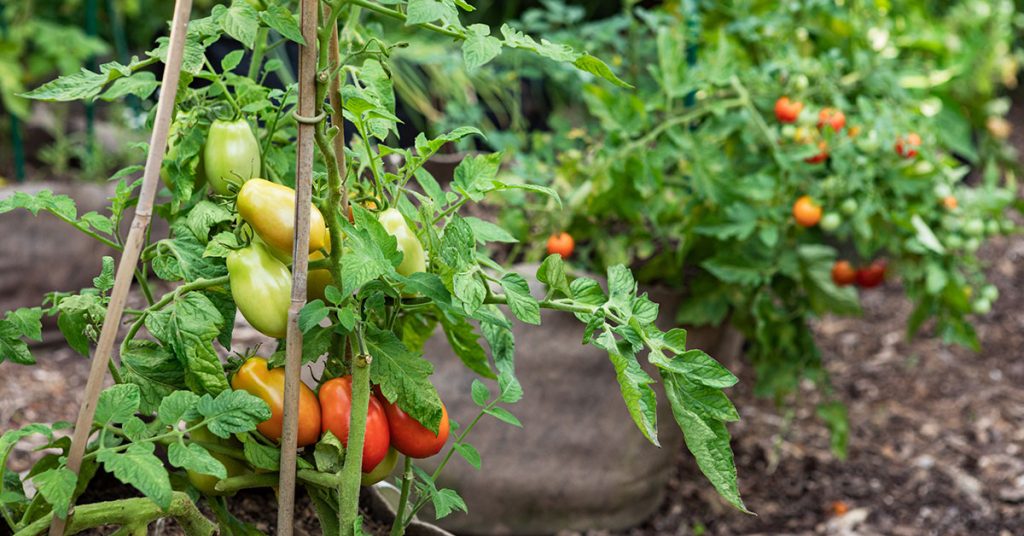
One of the most empowering aspects of gardening is learning the cultural practices that keep your plants thriving. Proper pruning, staking, and spacing of your tomato plants not only promote better air circulation but also reduce the risk of black spots by limiting moisture retention on the foliage and fruits. I’ve always believed that every detail matters—each careful decision in the garden can be the difference between a bountiful harvest and one marred by disease. Embracing these practices feels like giving your tomatoes the perfect home in a well-organized neighborhood!
Beyond just spacing and support, thoughtful crop rotation and timely removal of plant debris play crucial roles in preventing the spread of pathogens. I know how overwhelming it can feel when you’re juggling the demands of daily life and a thriving garden, but investing time in these cultural practices pays off in spades! Creating a harmonious garden environment not only benefits your tomatoes but also invites a host of beneficial insects and microorganisms that help maintain a natural balance. It’s a win-win situation that makes every gardening session a joy!
Bacterial Diseases: The Microscopic Offenders
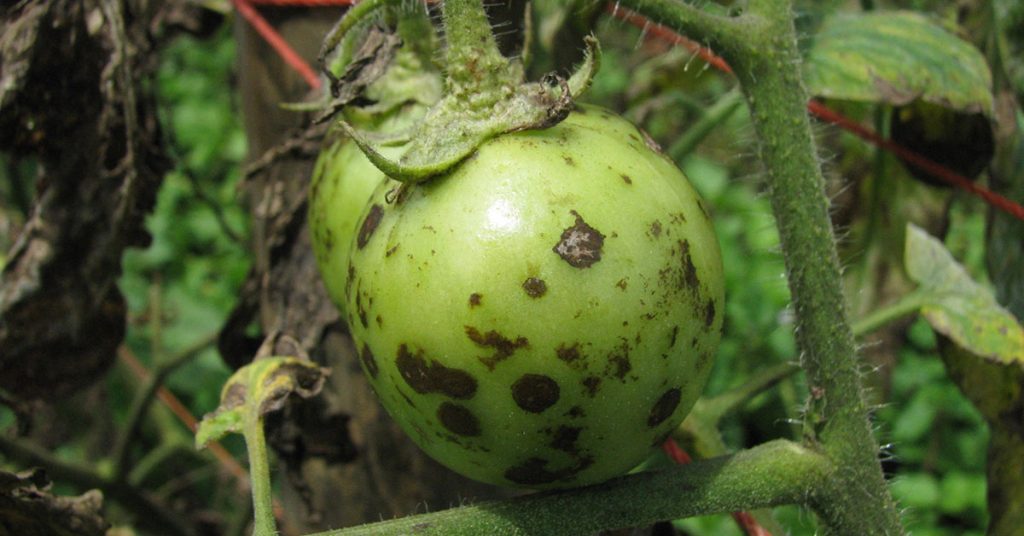
Bacterial diseases can also be responsible for the dreaded black spots on tomatoes, with bacteria like Xanthomonas causing dark, sunken lesions on the fruit’s surface. These microscopic offenders often thrive in conditions of high humidity and poor air circulation, similar to their fungal counterparts. I’ve experienced firsthand how a slight delay in removing infected fruits can allow the bacteria to nestle deeper into the plant, spreading its influence in a way that is both subtle and destructive. Despite tomatoes being native to western South America and generally well-behaved, bacterial issues can disrupt even the most organized garden setups!
Managing bacterial diseases requires a combination of vigilant sanitation and proactive prevention. I make it a habit to remove any infected leaves or fruits as soon as I notice the first signs of trouble, a practice that has saved me from larger outbreaks on more than one occasion. It’s important to treat your garden like a community—each plant and microorganism playing its part in maintaining balance, while you, as the gardener, act as the vigilant guardian! Using copper-based sprays or other organic bactericides can also help curb the spread, ensuring that your tomatoes remain as healthy and vibrant as nature intended.
How To Fix It: Practical Solutions for a Healthy Harvest

Fixing the issue of black spots on your tomatoes begins with identifying the underlying cause and implementing tailored solutions for each scenario. For fungal infections, I recommend ensuring your garden has plenty of space and sunlight, as well as employing organic fungicides when necessary. I’ve found that consistent monitoring and early intervention make all the difference, and it’s incredibly satisfying to see your plants bounce back from minor setbacks! Preventing further spread is as simple as practicing good garden hygiene—removing affected leaves and ensuring that the garden is free from excess moisture can work wonders.
When it comes to addressing bacterial and pest-related problems, the key lies in a balanced approach that integrates both prevention and treatment. Rotating crops, applying organic bactericides, and encouraging beneficial predators have all been part of my successful strategy in tackling these issues. I understand the frustration of watching black spots appear on tomatoes, but with the right adjustments in care and environment, you can overcome these challenges! Every remedy is an opportunity to learn more about your garden and to celebrate the resilience of nature, ensuring that each harvest is a step toward a healthier, more vibrant garden.
Final Thoughts: Embracing a Balanced Garden

At the end of the day, the journey to a thriving tomato garden is all about balance, vigilance, and a little bit of trial and error! Every challenge—whether it’s black spots from fungal infections, bacterial diseases, or pest damage—offers an opportunity to learn and improve your gardening practices. I know how disheartening it can be to see your favorite plants struggle, but trust me, each setback is a stepping stone toward a more robust and resilient garden ecosystem. Embracing the natural behaviors and native heritage of your tomatoes reminds us that even in imperfection, there’s beauty and potential waiting to be nurtured.
In my own garden, every season brings new lessons and renewed enthusiasm for the art of cultivation. With careful attention to environmental factors, cultural practices, and timely interventions, you can overcome the challenges posed by black spots on tomatoes and enjoy a plentiful, healthy harvest! Remember, gardening is as much about the journey as it is about the destination, and every moment spent tending to your plants is a celebration of life, growth, and the wonders of nature!