
Embarking on the journey to cultivate a full year’s supply of vegetables is both an art and a science that I’m thrilled to share with you! I completely understand the excitement and occasional anxiety that comes with planning a garden that can sustain you through all seasons. Every plant has its own story—its native origins, growth behaviors, and unique ways of interacting with the local ecosystem—and learning these details has transformed my gardening experience into an endless adventure filled with delightful surprises!
In my own garden, every seed sown represents not just potential nourishment but also a new chapter in nature’s grand narrative. I’ve experienced the joy of witnessing tiny pollinators visit blossoms and the satisfaction of managing unexpected pests, all while marveling at how each vegetable adapts to its environment. This guide is my way of empathizing with your gardening trials and triumphs, providing thorough details about the number of plants you might consider and the fascinating traits that make each one special!
Tomatoes

Tomatoes hold a special place in my garden due to their juicy flavor and robust growth! Native to western South America, these vibrant plants have become a staple in gardens worldwide, thriving in warm climates and abundant sunshine. Although they are not typically invasive, their sprawling vines can sometimes serve as cozy hideaways for small critters seeking refuge. I find it remarkable how the bright blossoms attract bees and other pollinators, adding life and color to the garden every season!
Tending to tomato plants reminds me of the importance of balance in nature. Their vigorous growth demands ample space and proper support, yet each tomato that ripens is a small victory against the challenges of pests and unpredictable weather. Even when faced with the occasional setback, the interplay between tomato plants and beneficial insects never ceases to inspire me. Every harvest is a celebration of nature’s abundance and the care you invest in nurturing these delightful fruits!
Eggplant
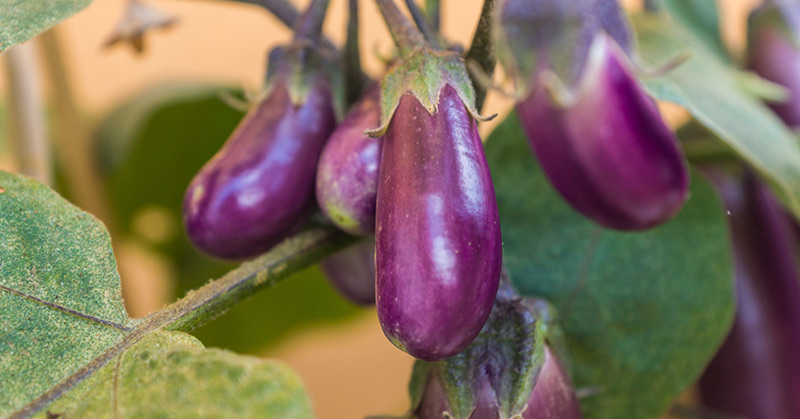
Eggplant is one of those vegetables that surprises you with its deep, glossy purple skin and rich history! Originating from the Indian subcontinent, eggplant has journeyed across continents to become a beloved component in diverse culinary traditions. While it is usually well-behaved and non-invasive, its broad leaves can provide temporary shelter for small garden visitors. I often marvel at the way its vibrant flowers open wide to welcome a host of buzzing pollinators, each playing a role in the plant’s success!
In my own gardening endeavors, eggplant has proven to be both a challenge and a joy. The plant’s robust nature and unique fruit structure demand a bit of extra care during the hot summer months, yet the rewards are immeasurable when you bite into its tender flesh. I empathize with those moments of worry when pests threaten to disrupt your harvest, but I’ve learned that a well-maintained eggplant patch can foster beneficial insect activity that keeps nuisances at bay. Its exotic origins and fascinating behaviors continue to inspire me every time I tend to it!
Kale
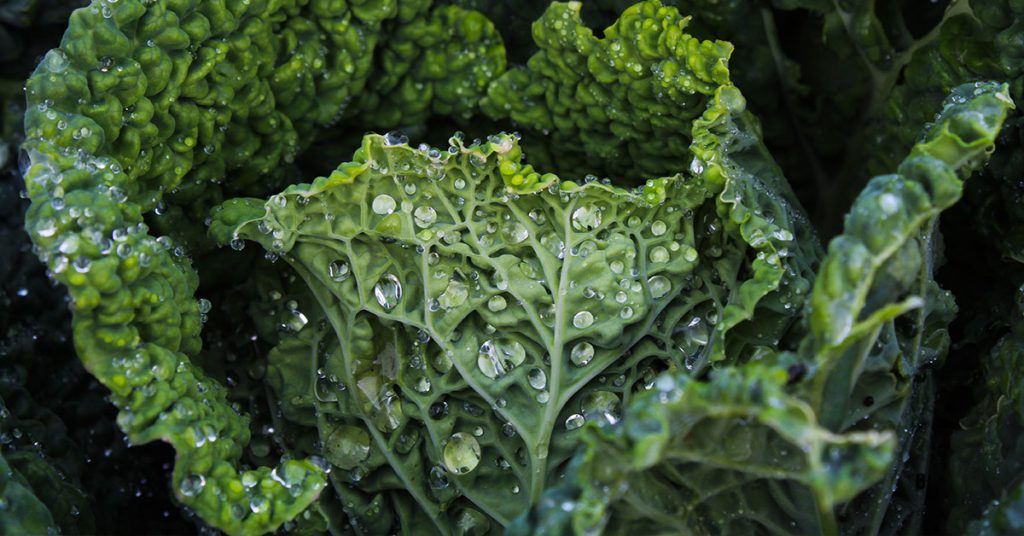
Kale is a nutritional powerhouse that has become a favorite in my garden for its versatility and hardy nature! Originally from the eastern Mediterranean and Asia Minor, kale thrives in cooler climates and stands resilient against frost, making it a dependable green for winter harvests. Though it typically remains contained, its sprawling leaves sometimes offer a safe haven for tiny insects that contribute to a balanced ecosystem. I’m always excited to see how these leaves, with their intricate textures, attract both beneficial bugs and curious onlookers alike!
Working with kale has taught me that strength and beauty often come in leafy bundles. Its robust growth and crisp leaves create a picturesque landscape, and the plant’s native heritage shines through in its remarkable adaptability. I understand how disheartening it can be to see pests nibbling on your greens, but kale’s natural resilience often attracts predators that keep those threats in check. Every head of kale is a testament to nature’s ability to thrive in even the most challenging conditions, and nurturing it is always a gratifying experience!
Beans
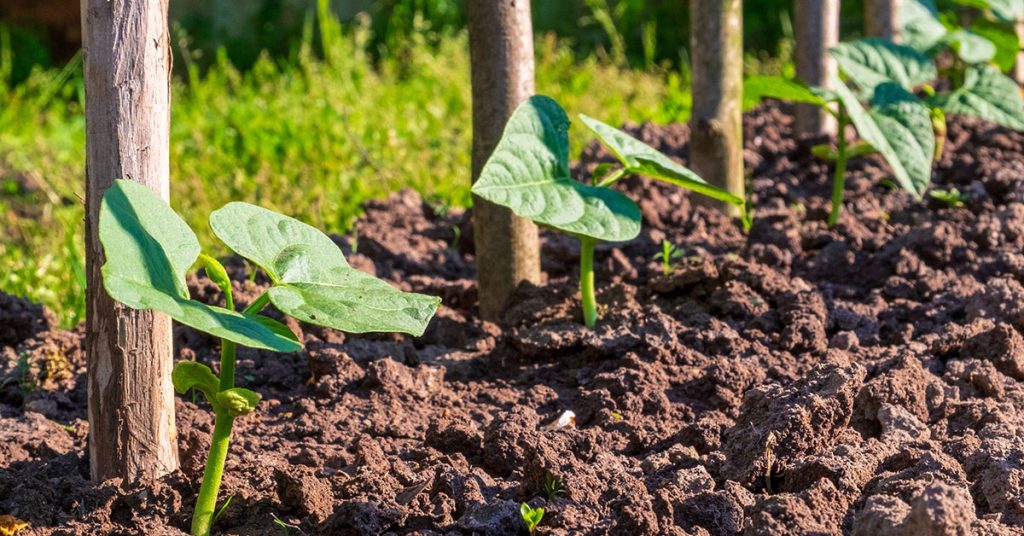
Beans are an enduring favorite in my garden, celebrated for their ability to climb and provide a consistent harvest! Native to Central and South America, these versatile climbers are a testament to nature’s ingenuity, winding gracefully around supports and trellises. Though generally well-mannered, certain varieties can spread rapidly if not carefully managed. I love how their delicate blossoms attract beneficial pollinators that help ensure a steady yield, almost as if the plants are inviting nature to join in the harvest celebration!
I always relish the moment when bean pods start to form, each one a tiny package of potential and nourishment. Their growth habits, reminiscent of nature’s own nesting techniques, remind me of the interconnectedness of all garden life. Even when pests make an appearance, the presence of these climbing wonders tends to draw in helpful insects that naturally balance the ecosystem. With each new vine, beans add a lively, dynamic element to the garden that makes every day feel like a step toward abundance!
Broccoli
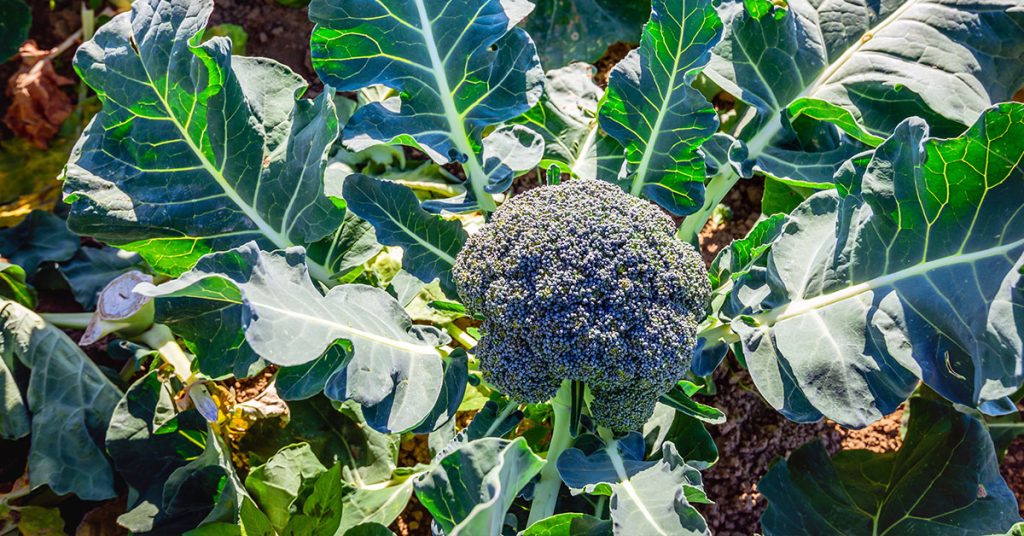
Broccoli is a vegetable that never ceases to impress me with its intricate, tree-like structure and robust flavor! With its roots in the Mediterranean, this cool-weather crop has long been a symbol of healthy eating and garden resilience. While broccoli is not invasive, its dense heads and leafy flanks create natural microhabitats that attract a variety of beneficial insects. I find it fascinating how these tiny garden allies interact with the plant, almost as if they’re setting up temporary homes among the florets!
In my experience, growing broccoli requires a delicate balance of care and timing. I’ve witnessed firsthand how the right conditions can transform a modest seedling into a magnificent head of broccoli, replete with crisp, nutritious florets. Despite occasional pest challenges, the natural behavior of broccoli to foster a mini-ecosystem makes it all the more special. Every harvest is a reminder of the plant’s native heritage and the importance of nurturing a diverse and thriving garden environment!
Radishes

Radishes might be small in size, but they pack a punch of flavor and rapid growth that I truly appreciate! Native to regions spanning Europe and Asia, radishes are known for their quick maturation and crisp, peppery bite. Though they are not invasive, their compact roots and vibrant greens create little pockets of activity that can attract beneficial microfauna. I’m always intrigued by how these speedy vegetables seem to “nest” in the soil, thriving in a brief window of perfect conditions!
My gardening adventures with radishes have been both satisfying and educational. Their rapid life cycle means you can enjoy multiple harvests in one growing season, a fact that always brings a smile to my face! I understand how it feels to battle the ever-present threat of pests, but radishes often draw in those tiny critters that help balance the ecosystem. Their historical significance and adaptable nature make every radish I pull from the soil a small victory in the ongoing dance of nature!
Spinach
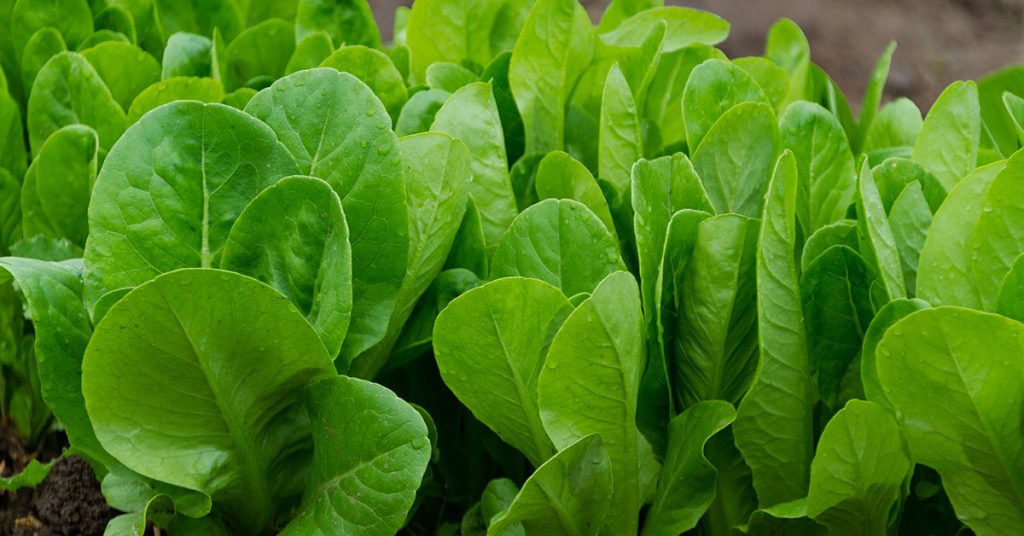
Spinach is one of the greenest and most nutrient-packed vegetables in my garden, and it never fails to energize me! Originating from Persia, spinach has become a global favorite for its tender leaves and remarkable versatility in the kitchen. Although it is generally non-invasive, its sprawling leaves provide a natural haven for small insects that contribute positively to soil health. I always enjoy the way its delicate foliage attracts beneficial pollinators, creating a lively and inviting microclimate around each plant!
Every time I harvest spinach, I’m reminded of the careful balance required to nurture a thriving garden. Its rapid growth and cool-weather preference demand precise timing and attentive care, yet the rewards are well worth the effort. I empathize with the frustration of battling pesky intruders, but spinach’s natural behavior often lures in predators that keep those challenges in check. Embracing its native heritage and dynamic growth patterns has enriched my gardening practices and deepened my connection with nature’s rhythms!
Lettuce
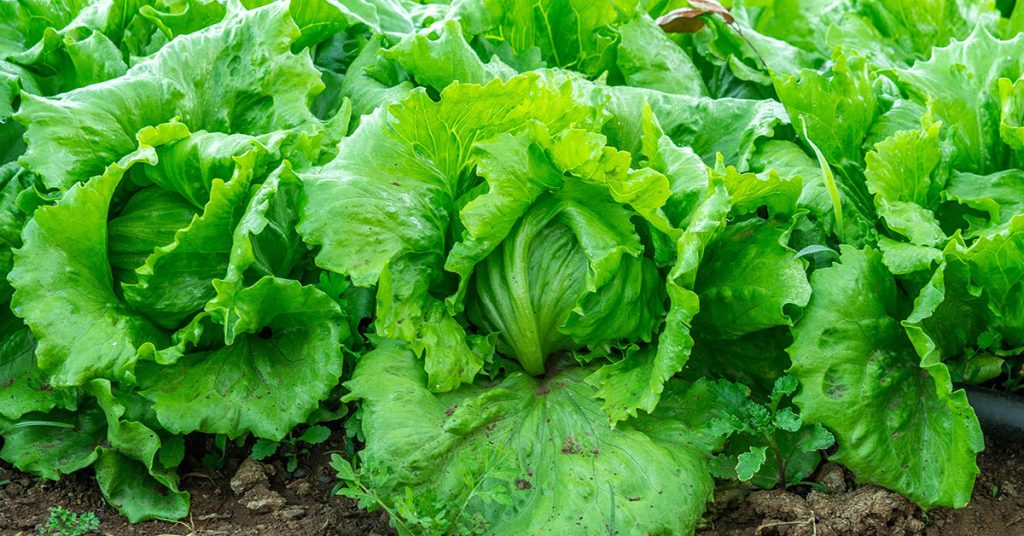
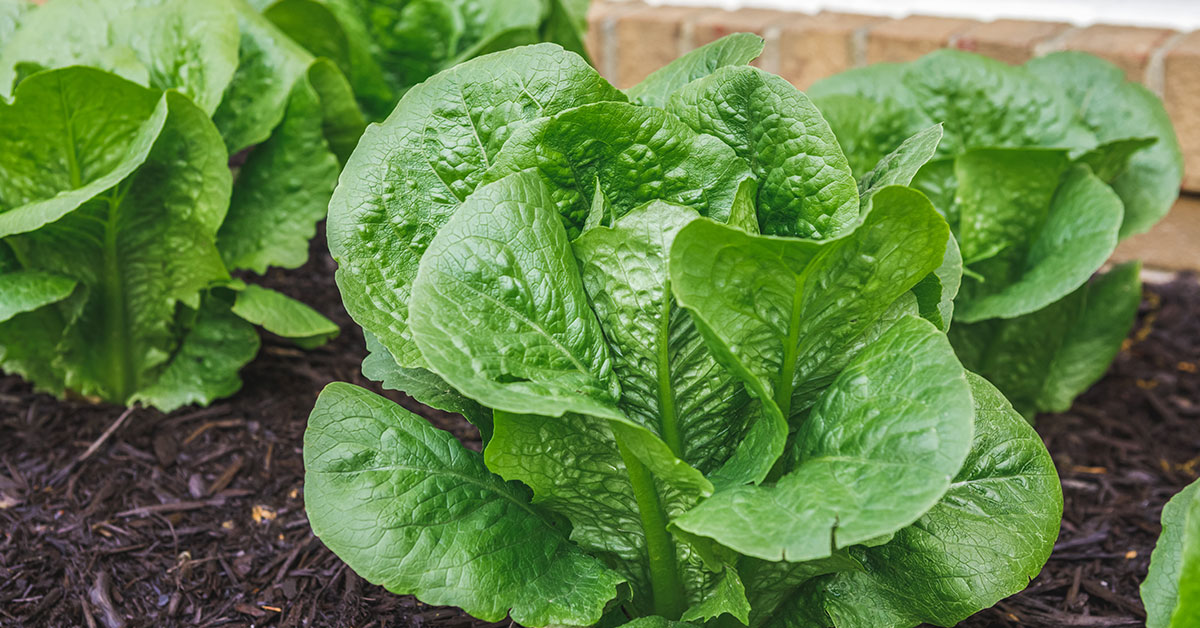
Lettuce is a refreshing delight that adds both crisp texture and a burst of color to any garden! Its origins in the Mediterranean and the Middle East give it a storied past that resonates through its delicate leaves. Although not typically invasive, lettuce spreads its broad leaves across the soil, creating natural nesting spots for beneficial insects that help maintain a balanced ecosystem. I love watching the gentle interplay between these insects and the plant, as each interaction seems to whisper secrets of ancient gardening traditions!
In my experience, every head of lettuce represents a small triumph against the odds of weather and pests. I understand how disheartening it can be when these tender greens attract unwanted attention, yet each harvest is a reminder of nature’s resilience. The native origins of lettuce instill in it a quiet strength, and its behavior of providing microhabitats makes it an integral part of a thriving garden community. Tending to lettuce has taught me that even the simplest plants can play a crucial role in nature’s grand design!
Garlic
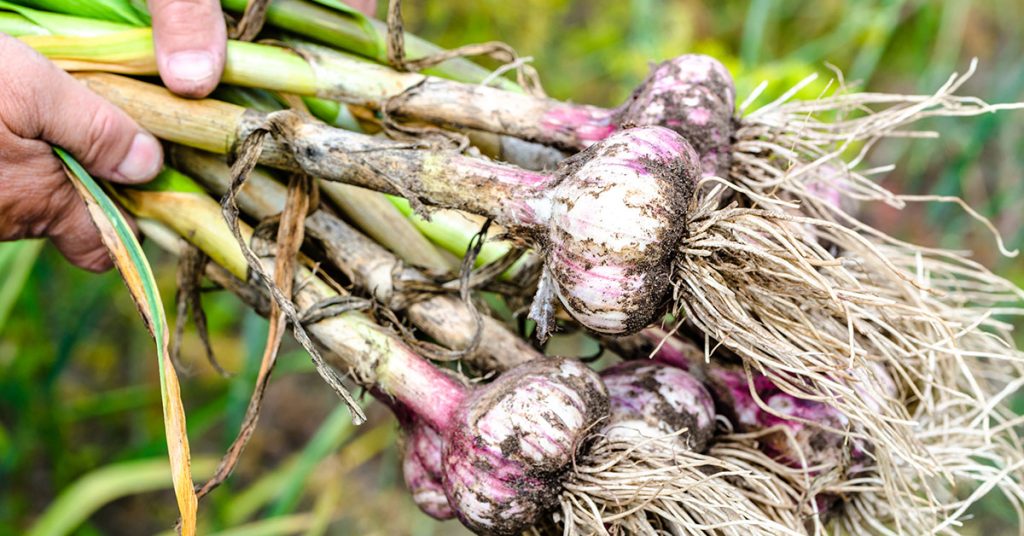
Garlic is a remarkable vegetable that fills my garden with both a robust aroma and a legacy of natural remedies! With its origins in Central Asia, garlic has been cherished for centuries for its culinary and medicinal properties. While it typically remains well-behaved, its pungent bulbs and layered cloves create a fascinating underground structure that can harbor beneficial soil organisms. I’m continually amazed at how its intense scent not only wards off certain pests but also attracts pollinators when its flowers bloom in later seasons!
Working with garlic has been one of the most gratifying experiences, as it teaches patience and reward in equal measure. Its growth cycle, from bulb to bloom, encapsulates the beauty of natural progression and the nurturing of hidden treasures beneath the soil. Even when confronted with the challenges of garden pests, garlic’s robust nature and deep-rooted history shine through, reminding me of the plant’s time-tested role in human culture. Every clove harvested feels like unlocking a small piece of history, with nature’s own defense mechanisms working in perfect harmony!
Sweet Potatoes
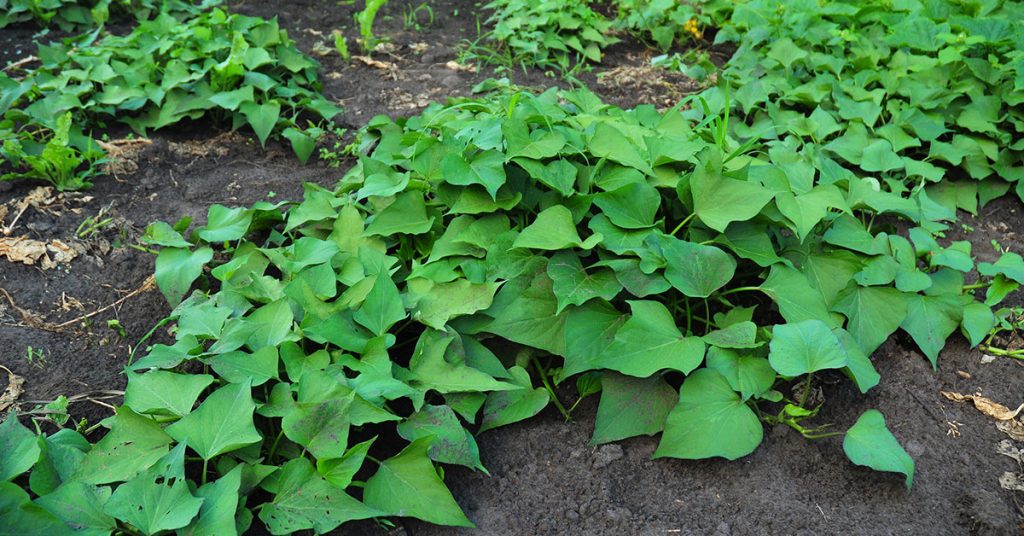
Sweet potatoes bring a unique blend of hearty nutrition and ornamental charm to my garden! Native to Central and South America, these tuberous plants are cherished for their sweet flavor and impressive adaptability to warm climates. Though they are generally non-invasive, their sprawling vines can create natural mats that serve as nesting spots for beneficial insects. I delight in watching their trailing growth as it sprawls across the soil, turning every corner of the garden into a vibrant tapestry of green and orange hues!
In my own experience, cultivating sweet potatoes has been both an exercise in patience and a celebration of nature’s bounty. Their underground storage roots develop like hidden treasures, nurturing the plant above and creating a microhabitat for various soil dwellers. I understand the frustration when pests threaten to disturb this delicate balance, but sweet potatoes often attract natural predators that help mitigate these issues. Embracing their native history and unique growth patterns has made sweet potatoes one of the most rewarding additions to my garden!
Peas
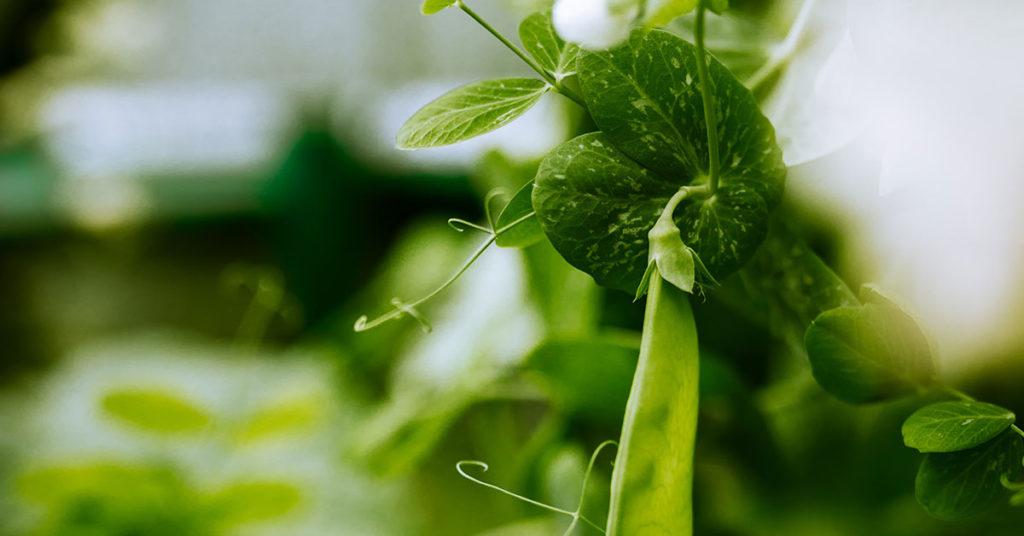
Peas are a delightful treat in any garden, offering both sweet flavor and a charming, climbing habit that never fails to impress! Hailing from regions in the Mediterranean and Southwest Asia, these plants are known for their tender pods and gentle vines that ascend gracefully along supports. Although peas are not considered invasive, their growth encourages the nesting of small beneficial insects that contribute to soil vitality. I always smile at the sight of their delicate blossoms, which attract bees and create an atmosphere of lively activity in the garden!
Every pea plant I nurture feels like a miniature celebration of nature’s resilience. Their propensity to fix nitrogen in the soil not only enriches the garden but also supports a thriving ecosystem of supportive organisms. I truly empathize with the challenges of maintaining a balanced garden, and peas have often been a source of comfort due to their natural ability to invite helpful critters into the fold. The experience of harvesting sweet, crisp peas is a testament to the magic of nature and the rewards of attentive gardening!
Zucchini
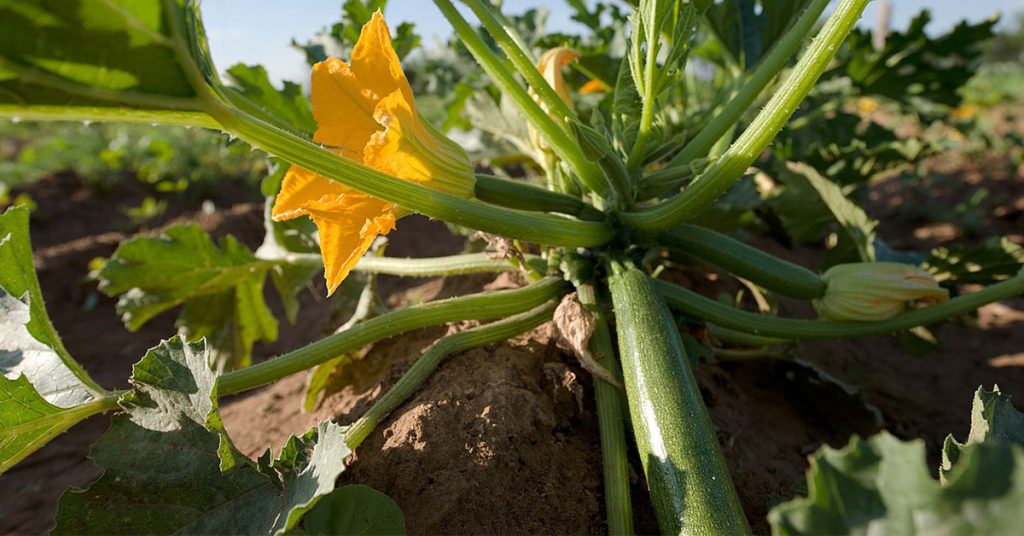
Zucchini is a powerhouse in the vegetable world, known for its prolific yield and versatile use in the kitchen! Originating from Central America, zucchini plants are celebrated for their rapid growth and abundant fruit production. Although not typically invasive, their sprawling vines can sometimes create mini microhabitats for beneficial insects, giving them a playful, almost whimsical quality. I love watching the way zucchini blossoms open to welcome bees and butterflies, each visit adding a spark of life to the garden!
Caring for zucchini has taught me that sometimes abundance comes with a bit of chaos—yet that chaos is part of the charm! Every season, these plants remind me that nature rewards boldness and attentiveness with an impressive harvest. I completely understand the challenges when pests decide to join the zucchini party, but the natural balance of beneficial insects usually comes to the rescue. Embracing the native traits and dynamic growth habits of zucchini makes it an indispensable part of my gardening repertoire!
Cucumbers
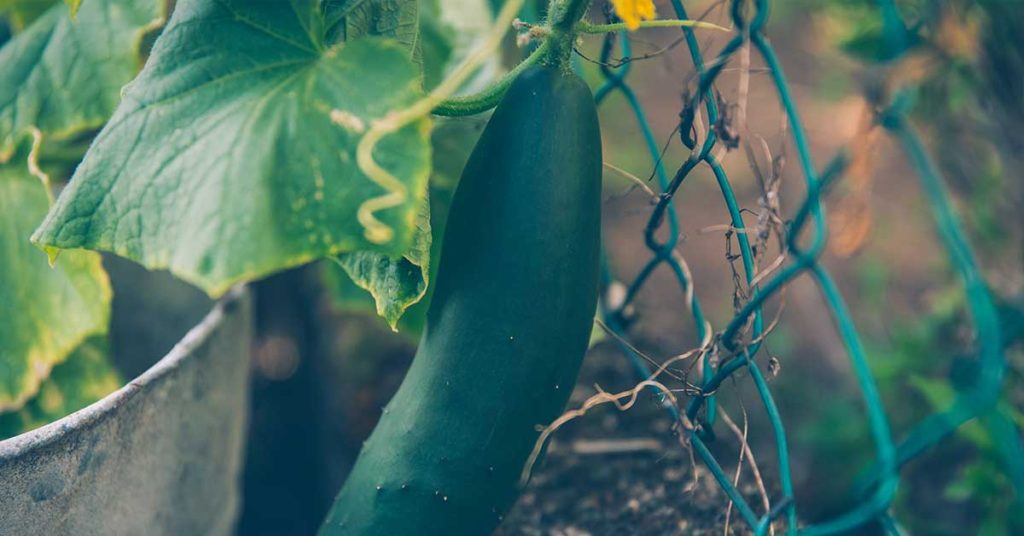
Cucumbers bring a refreshing crispness and a cool, watery flavor to any vegetable garden, making them a perennial favorite! Native to South Asia, these trailing climbers are cherished for their ability to produce an abundant supply of fruit under the right conditions. While cucumbers are generally well-behaved, their long, winding vines occasionally offer shelter for a variety of small garden critters. I’m always impressed by how their bright, delicate flowers attract bees and other pollinators, ensuring a steady flow of energy throughout the garden!
In my garden, cucumbers have taught me the art of vertical gardening, as they elegantly twine around supports to make the most of limited space. Their behavior, almost reminiscent of nature’s own nesting instincts, creates a vibrant ecosystem that thrives on collaboration and mutual support. Even when faced with pesky intruders, I’ve found that cucumbers often draw in beneficial insects that help keep the balance intact. Growing these cool vegetables is not only a culinary adventure but also an exploration of nature’s intricate, interconnected web!
Potatoes
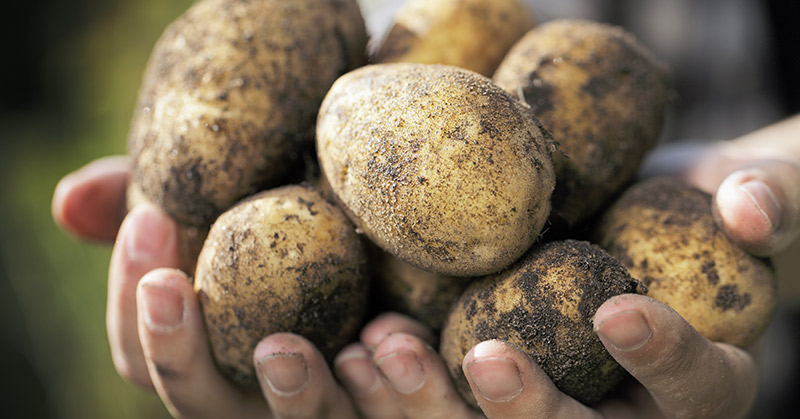
Potatoes are a true underground treasure that transform simple soil into a vault of sustenance and history! Native to the Andean regions of South America, potatoes have been a cornerstone of agriculture for centuries, renowned for their hearty nature and versatility in dishes. Although they generally remain contained underground, their growth can sometimes stimulate a lively community of soil-dwelling organisms that aid in nutrient cycling. I always find it thrilling to unearth a cluster of perfectly formed potatoes—a true reward for my gardening efforts!
In my experience, cultivating potatoes is both an exercise in careful planning and a celebration of nature’s hidden wonders. Their propensity to form natural “nests” beneath the soil, where each tuber is nurtured by its neighbors, mirrors the cooperative spirit of a thriving garden. I completely empathize with the occasional frustration when pests disturb this delicate balance, yet the resilience of potato plants never ceases to amaze me. Each spadeful of soil holds a story of ancient cultivation practices and modern gardening triumphs!
Onions
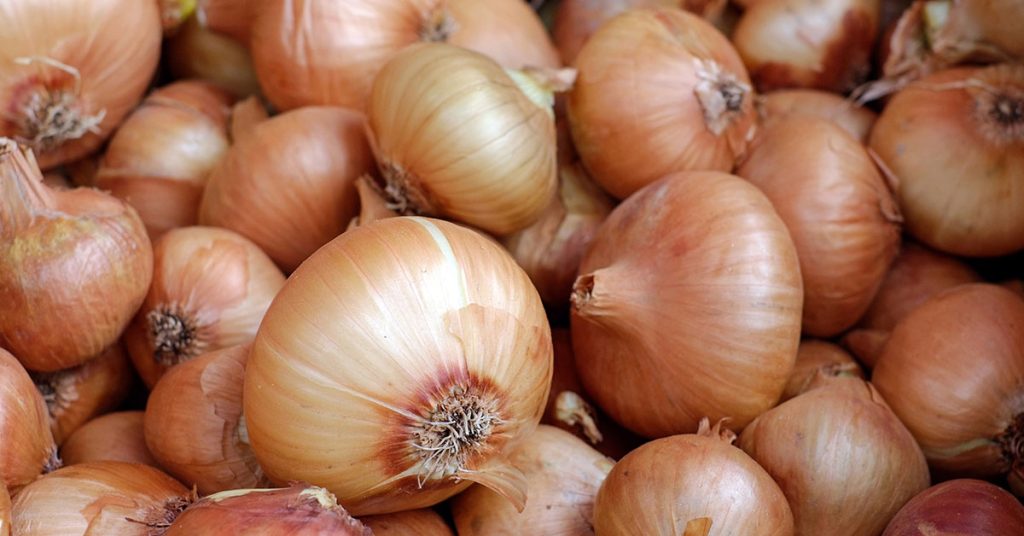
Onions are a fundamental building block in the kitchen and the garden, celebrated for their robust flavor and layered growth habit! Originating from central Asia, onions have long been cultivated for both their culinary and medicinal properties. Their bulbous structure, though hidden beneath the surface, creates a unique microenvironment that can occasionally attract beneficial soil critters. I always find it delightful when a well-cultivated onion patch reveals its secrets, with each layer representing a chapter in its long, storied history!
Working with onions has given me a newfound respect for the art of underground gardening. Their growth behavior, akin to natural nesting, supports an ecosystem that quietly nurtures the plant’s development even in challenging conditions. I understand the frustration when pests threaten these delicate bulbs, yet the innate resilience of onions consistently shines through. Each harvest is a reminder that even the simplest vegetables carry centuries of tradition and a wealth of natural wonder!
Beets
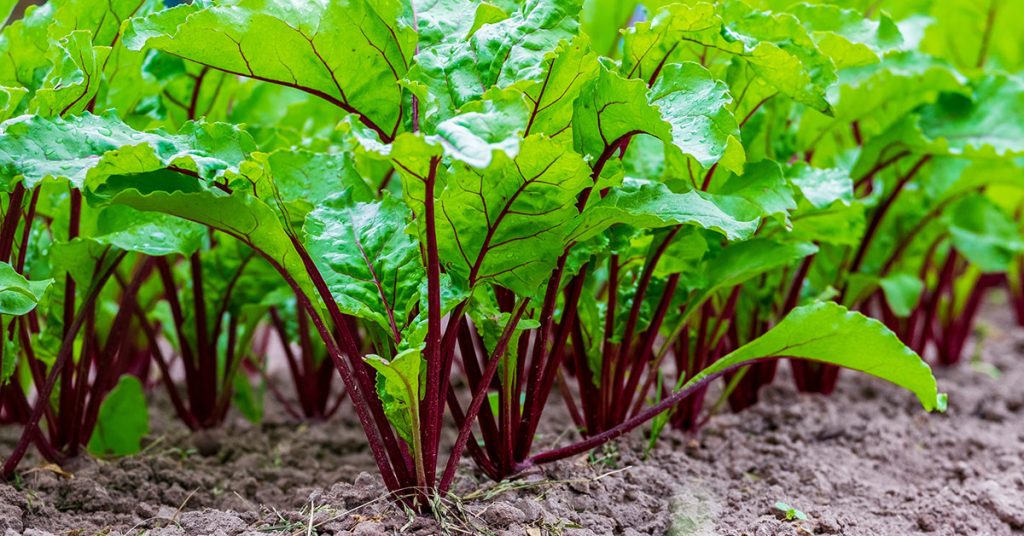
Beets are a vibrant and versatile addition to any garden, offering both their earthy sweetness and striking color! Native to the Mediterranean region, beets have been treasured for their nutritional benefits and ornamental value. Though they are not known to be invasive, their root systems and leafy crowns create small niches that invite beneficial soil insects to settle in. I love how the beet greens flutter in the breeze and how the roots, once unearthed, reveal layers of history and flavor that tell a story of ancient cultivation!
In my own gardening adventures, beets have often been a symbol of resilience and natural beauty. Their ability to flourish in diverse conditions and create a microhabitat for supportive organisms never ceases to fascinate me. I completely understand the challenges of managing garden pests, but beets have an innate charm that encourages a balanced ecosystem. Harvesting these ruby-red treasures feels like a small victory—a moment of pure connection with the earth and its enduring bounty!
Corn
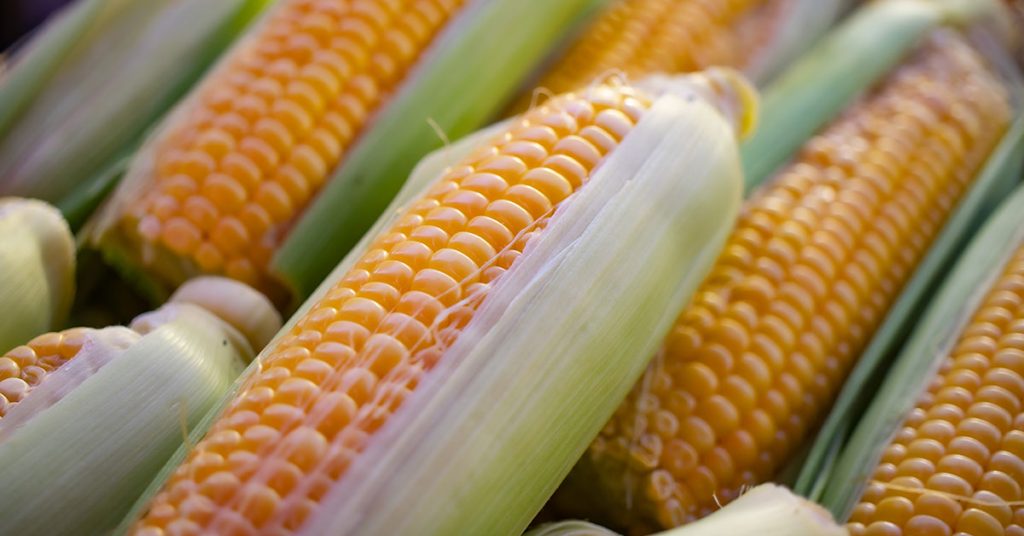
Corn brings a touch of nostalgia and a burst of sunshine to the garden with its tall, stately stalks and golden kernels! Native to Mesoamerica, corn has been an essential crop for millennia, thriving in warm weather and full sunlight. Although it is generally not invasive, the towering nature of corn creates natural windbreaks and shelters for small garden inhabitants. I’m always amazed by how the rustling leaves and the steady hum of pollinators create a vibrant, dynamic scene around these majestic plants!
In my garden, tending to corn is like orchestrating a symphony of growth and sustainability. Its high-reaching stalks, which sometimes serve as natural nesting sites for beneficial birds and insects, remind me of the interconnectedness of all life. I understand the occasional frustration when pests threaten to disrupt the harmony, but corn’s robust native traits often foster a resilient ecosystem. Each ear of corn harvested is a tribute to centuries of agricultural tradition and a celebration of nature’s generous bounty!