

As a gardener with an enduring passion for vibrant landscapes, I know how transformative a burst of white blossoms can be for your outdoor space. There’s nothing quite like the delicate, luminous beauty of white-flowering trees to create a serene and enchanting atmosphere—especially when they attract pollinators and even offer tiny natural nesting spots for beneficial insects! I understand the frustration of battling pests and the challenges of maintaining a garden that feels both lively and low-maintenance. That’s why I’m excited to share my top 10 trees with stunning white flowers, each bringing its own unique charm and ecological benefits to your yard.
In this guide, you’ll discover trees from diverse native regions, ranging from the elegant magnolias of East Asia to the classic flowering pears from North America. I’ve compiled detailed insights on each species, including their ideal growing conditions, natural behaviors, and even notes on their invasive tendencies where applicable. Whether you’re dreaming of a peaceful backyard retreat or a dynamic landscape bursting with life, these white-flowering trees are sure to inspire you and elevate your garden to a new level of beauty!
Saucer Magnolia
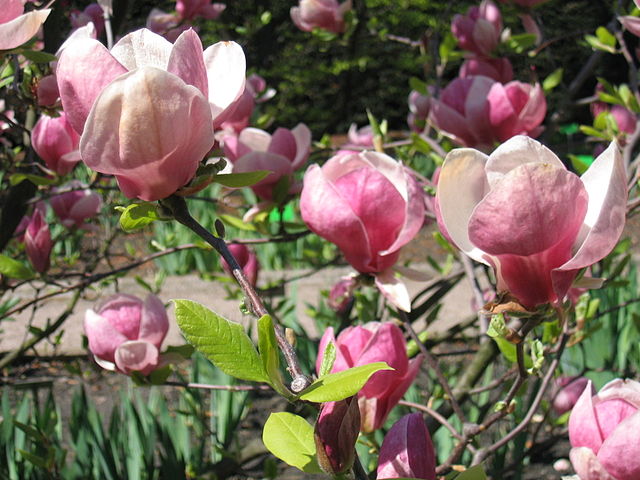
Saucer Magnolia, or Magnolia x soulangeana, is a breathtaking tree renowned for its large, cup-shaped blossoms that often appear in a soft blend of white and pink hues. Native to China, this ornamental magnolia thrives in full sun to partial shade and well-drained soils, making it a favorite for gardeners seeking a dramatic early-spring display. I’ve always marveled at how its enormous, delicate blooms seem to float effortlessly on the branches, creating a natural canopy that attracts bees and other pollinators looking for an early nectar feast!
While its stunning blossoms are a sight to behold, Saucer Magnolia does require a bit of care to prevent overwatering and root rot in humid climates. It’s not typically considered invasive when planted in the right conditions, but it does benefit from a little extra attention to pruning and spacing. For anyone eager to add an iconic, conversation-starting tree to their garden, Saucer Magnolia delivers both visual impact and ecological value, making every spring feel like a celebration of nature’s artistry!
Star Magnolia
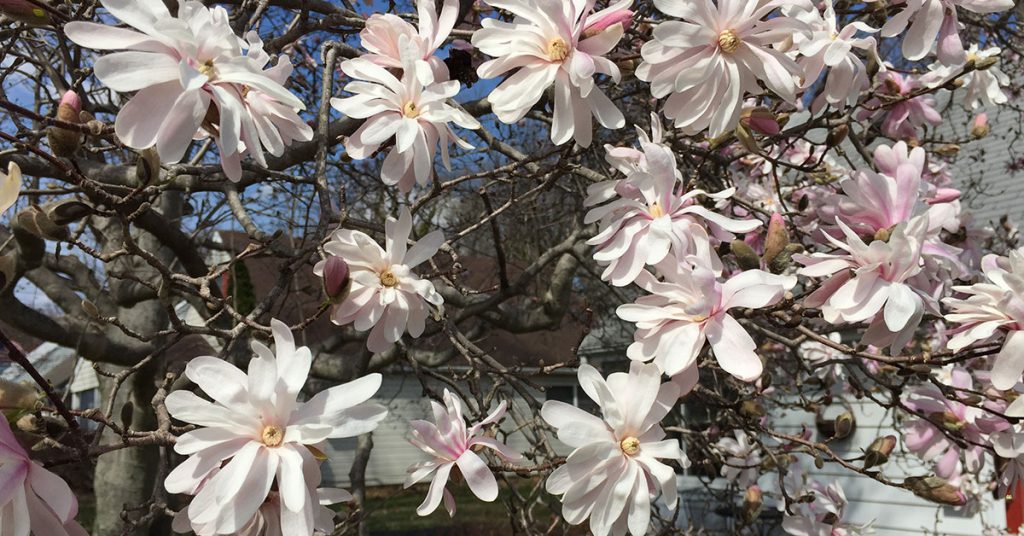
Star Magnolia (Magnolia stellata) offers a more compact yet equally captivating option with its star-shaped, pure white blossoms that herald the arrival of spring. Native to Japan, this elegant tree prefers cooler climates and well-drained, slightly acidic soils, which mimic its natural mountain habitat. I love how its delicate, starry flowers create a gentle, ethereal display that not only attracts bees and butterflies but also offers a soft, natural nesting ground for smaller beneficial insects. Its subtle fragrance adds an extra layer of sensory delight to any garden setting!
Despite its modest size, Star Magnolia demands careful attention to temperature and soil conditions to avoid stress, as it can be quite particular about its growing environment. It’s generally non-invasive and perfect for smaller gardens or as a feature in container planting, making it a versatile choice for those with limited space. With its timeless charm and minimal maintenance needs when properly cared for, Star Magnolia transforms any outdoor space into a serene haven of natural beauty and pollinator activity!
Fringetree

Fringetree (Chionanthus virginicus) is a unique tree known for its cascading, fringed white blossoms that lend an almost ethereal quality to any landscape. Native to the eastern United States, this deciduous tree thrives in moist, well-drained soils and full sun to partial shade. I’m always enchanted by how its delicate, lace-like flowers create a natural, airy effect that seems to invite bees to gather and rest among the intricate blooms, almost as if they’re forming tiny, fluttering nests on the branches!
Its graceful habit and striking floral display make Fringetree a favorite for adding texture and movement to the garden. Although it spreads modestly, it’s generally non-invasive and adapts well to different garden settings, provided it’s given enough space to showcase its natural form. For gardeners looking to add a touch of natural artistry and an inviting habitat for pollinators, Fringetree is a splendid choice that effortlessly blends elegance with ecological benefits!
Flowering Pear
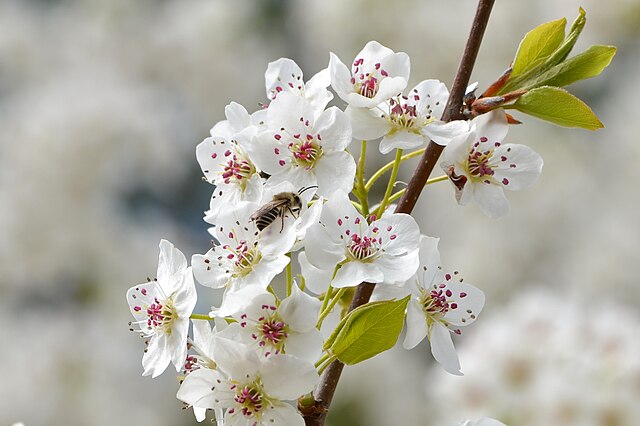
Flowering Pear (Pyrus calleryana ‘Bradford’) is celebrated for its profuse display of crisp, white blossoms that create a stunning visual impact in the early spring. Native to Asia, this ornamental tree thrives in full sun and well-drained soils, making it an excellent addition to urban and suburban landscapes alike. I’m always impressed by how its delicate clusters of blooms attract bees and butterflies, turning a simple tree into a bustling hive of natural activity. The blossoms form an ephemeral, cloud-like cover that invites onlookers to pause and appreciate the fleeting beauty of nature!
While Flowering Pears are admired for their spectacular display, they require regular pruning to maintain their shape and prevent potential crowding, as they can sometimes spread rapidly. They are generally non-invasive in managed landscapes, though a bit of care is essential to keep them in check. By integrating Flowering Pear into your garden, you not only enjoy a visual feast each spring but also support a dynamic ecosystem where pollinators can thrive and contribute to the cycle of life!
White Dogwood

White Dogwood (Cornus florida ‘Snowbird’) is a classic tree that enchants with its elegant, creamy-white blossoms and distinctive, rounded form. Native to the eastern United States, Dogwoods flourish in moist, well-drained soils under partial shade, where their iconic blooms create a soft, luminous canopy that seems to capture the very essence of spring. I’m always thrilled to see how these delicate flowers attract bees and small butterflies, which use the intricate branching structure as natural perches and nesting sites during their foraging flights!
Despite its delicate appearance, White Dogwood is a hardy tree that, when properly cared for, offers a long season of visual appeal and ecological benefits. It’s non-invasive and can be a focal point in both large landscapes and intimate garden settings. Its ability to support local pollinator populations while adding timeless beauty to any yard makes White Dogwood a beloved choice for gardeners who crave both elegance and functionality in their outdoor spaces!
Stewartia

Stewartia pseudocamellia is a charming tree that captivates with its subtle, white, camellia-like blooms and striking bark that peels to reveal warm, cinnamon hues. Native to eastern Asia, this tree thrives in well-drained, acidic soils and enjoys partial shade, making it an excellent addition to gardens that mimic its woodland origins. I love how Stewartia’s soft, white flowers naturally attract bees and other beneficial insects, which find the delicate blooms a perfect place to gather and even form tiny, transient nesting sites among the branches!
Though Stewartia is not invasive, it does require a bit of patience as it grows slowly over time, rewarding the dedicated gardener with a unique, multi-season display of beauty. Its distinctive bark and understated blossoms provide a sophisticated, natural accent to any landscape while contributing to a healthy ecosystem by supporting local pollinators. For those looking for a tree that combines subtle elegance with ecological benefits, Stewartia is a true gem that adds depth and character to your garden!
Silver Bell
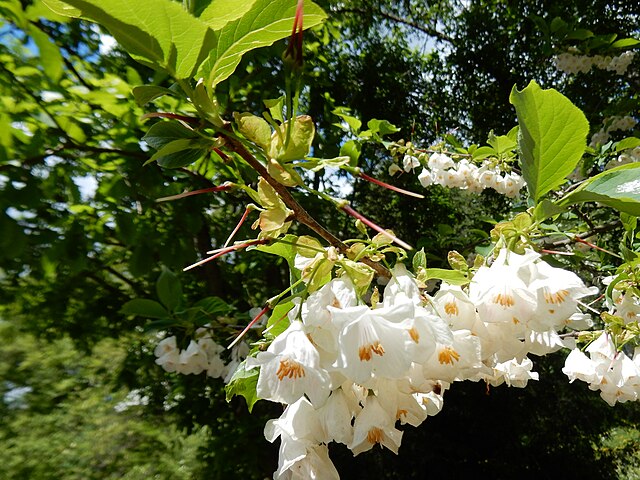
Silver Bell (Halesia tetraptera) is an underrated treasure that produces clusters of bell-shaped, creamy-white flowers, creating a soft, ethereal display in the spring. Native to the southeastern United States, this tree thrives in moist, well-drained soils and full sun, and its delicate, pendulous blooms naturally attract bees and other pollinators. I’m always captivated by how its charming, bell-like flowers sway gently in the breeze, as if inviting local insects to settle in and enjoy a moment of repose—almost like tiny, natural chimes in a verdant symphony!
Though Silver Bell is not known for being invasive, its moderate growth habit means it requires space to fully display its beauty. With a bit of routine care and the right environmental conditions, Silver Bell can transform your garden into a serene, pollinator-friendly oasis. Its unique floral structure and gentle fragrance make it an ideal choice for gardeners who appreciate both visual allure and the subtle benefits of attracting beneficial insects to their landscape!
Yoshino Cherry
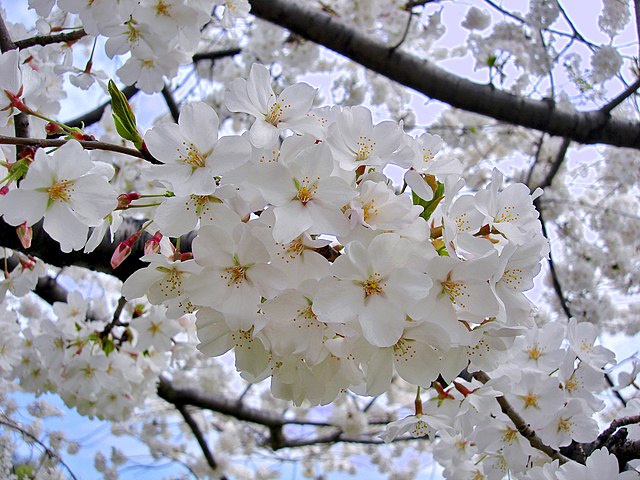
Yoshino Cherry (Prunus x yedoensis) is a beloved tree famed for its ethereal, pale white blossoms that create an almost magical canopy in the springtime. Native to Japan, this cherry tree thrives in well-drained soils and full sun, producing clusters of delicate, fragrant flowers that naturally attract bees and butterflies. I’ve often been mesmerized by how these blossoms appear as a soft, pinkish-white cloud, transforming any garden into a scene of poetic beauty that invites pollinators to settle in and contribute to the natural cycle of growth!
While Yoshino Cherry is celebrated for its stunning floral display, it does require a bit of maintenance to manage its sprawling growth and ensure healthy flowering in subsequent seasons. Fortunately, it is generally non-invasive and fits beautifully into urban and suburban landscapes when given proper care. For gardeners who long for a touch of ephemeral beauty and the benefits of attracting pollinators, Yoshino Cherry is an ideal choice that brings a touch of spring magic to every outdoor space!
Crape Myrtle
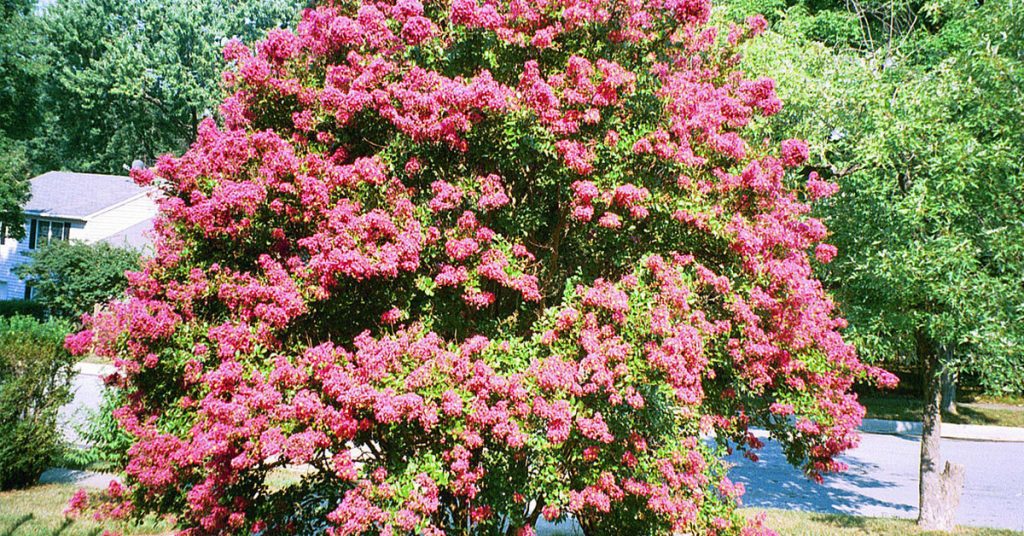
Crape Myrtle (Lagerstroemia indica ‘Natchez’) is a vibrant tree that offers a brilliant display of pure white flowers, adding a touch of elegance and modern flair to any garden setting. Native to Southeast Asia, Crape Myrtle thrives in full sun and well-drained soils, producing long clusters of blossoms that attract bees and other pollinators with their abundant nectar. I’m always delighted by how its cascading white flowers create a striking contrast against the dark, exfoliating bark—a natural spectacle that transforms your garden into an urban oasis of light and color!
Despite its showy display, Crape Myrtle is relatively low maintenance and non-invasive when properly pruned and managed. Its rapid growth and continuous blooming period make it a favorite among gardeners with limited space who still crave a bold floral statement. With its blend of aesthetic appeal and ecological function, Crape Myrtle is a superb choice for anyone seeking to enhance their landscape with a tree that not only looks fantastic but also supports a vibrant pollinator community!
Serviceberry

Serviceberry (Amelanchier canadensis) is a charming tree that offers a delicate display of white blossoms in the early spring, followed by a cascade of edible berries that attract both birds and bees. Native to North America, Serviceberry thrives in moist, well-drained soils and full sun to partial shade, making it an ideal addition to a variety of garden settings. I’m always impressed by how its understated, daisy-like flowers create a soft, inviting atmosphere that seems to encourage pollinators to visit and even form tiny, transient nests amid its branches!
Although Serviceberry is not known for being invasive, its multi-season appeal—from spring blossoms to summer berries and brilliant autumn foliage—makes it a versatile and dynamic choice for any landscape. Its ability to support local wildlife and enrich the ecosystem with natural food sources for pollinators ensures that your garden remains a lively, interconnected community of life. For gardeners looking to combine beauty, functionality, and ecological balance, Serviceberry is a standout option that brings a seasonal symphony of color and activity to your outdoor space!