

As a passionate gardener who’s spent years cultivating my own little patch of paradise, I’ve come to appreciate not only the beauty but also the healing power of nature. There’s something incredibly fulfilling about tending to medicinal herbs in your own backyard—knowing that every plant you nurture can offer natural remedies and a touch of wellness to your everyday life. I understand the frustration when pests invade your garden or when it seems impossible to grow a healthy, vibrant patch in a challenging climate, so I’m excited to share 12 medicinal herbs that are both practical and potent. These herbs come with fascinating histories, unique behaviors, and, in many cases, a legacy that spans centuries of traditional healing!
In this guide, I’ll walk you through each herb’s origins, its natural habits (from attracting pollinators to forming natural nesting grounds for beneficial insects), and important tips on whether it can become invasive in your area. Whether you’re a seasoned herbalist or just starting to explore the world of natural remedies, these plants promise to enrich your garden and your well-being. So, grab your gardening gloves and join me as we dive into the wonderful, healing world of medicinal herbs—each with its own story and charm that can transform your backyard into a vibrant, healthful oasis!
Aloe Vera
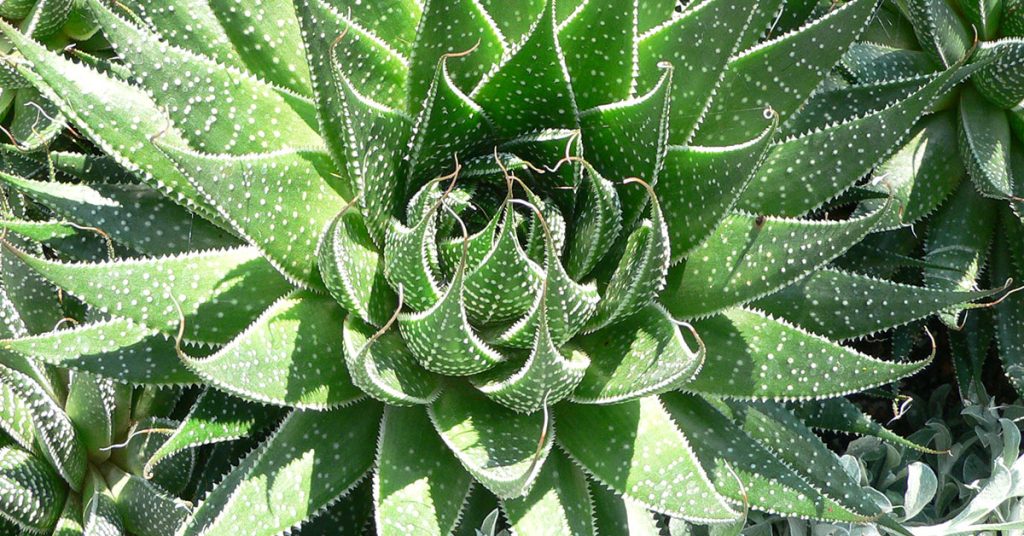
Aloe Vera is a succulent miracle known for its soothing gel that has been used for centuries to heal burns and skin irritations. Native to arid regions of the Arabian Peninsula, Aloe Vera thrives in warm, sunny conditions and well-drained soil, making it an ideal candidate for xeriscaping in your backyard. I’m always amazed at how its thick, fleshy leaves store moisture, allowing it to withstand drought while providing a natural, cooling remedy that seems almost magical. Its rosette formation creates a unique texture that not only adds visual interest but also offers a natural habitat for small beneficial insects.
Despite its low-maintenance nature, Aloe Vera does require careful placement in regions with cold winters—it’s not considered invasive in most climates, but it can be sensitive to frost. Watching this resilient plant spread slowly over time and attract a few curious pollinators is truly inspiring. If you’re looking to add a plant that’s as practical as it is beautiful, Aloe Vera is a must-have, providing both healing benefits and a striking, sculptural presence in your garden!
Lavender
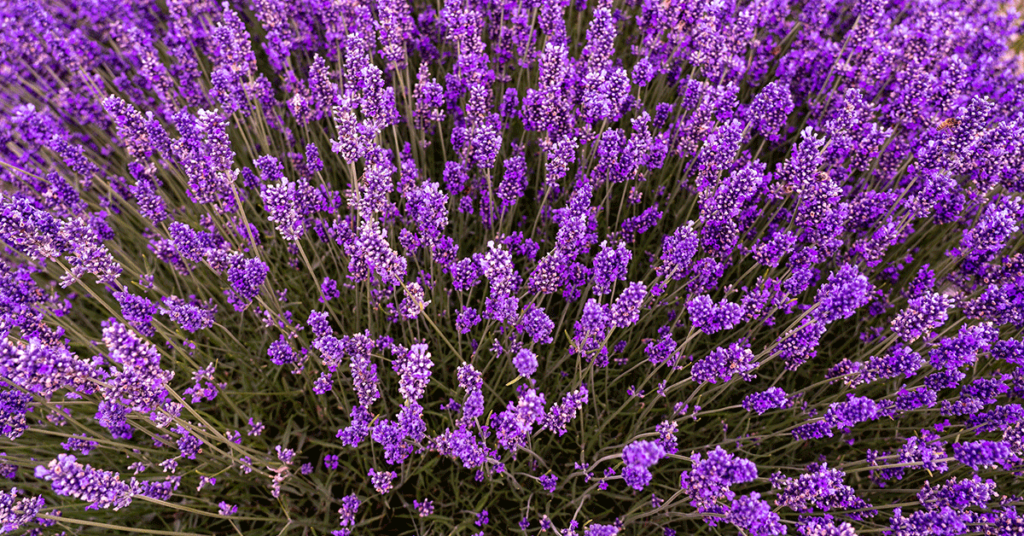
Lavender is celebrated not only for its aromatic, purple blooms but also for its soothing properties and versatility in natural remedies. Native to the Mediterranean region, Lavender thrives in sunny, well-drained soils and has a delightful ability to attract bees and butterflies—its nectar-rich flowers create a natural nesting spot for these important pollinators. I always enjoy the calming scent of Lavender wafting through my garden; it’s like nature’s own air freshener and stress-reliever rolled into one beautiful plant!
Despite its popularity, Lavender can be somewhat finicky if overwatered or planted in overly humid conditions, so it’s essential to replicate its native dry, warm environment. It rarely becomes invasive when properly maintained, making it an ideal choice for gardeners seeking both beauty and ease of care. Incorporating Lavender into your backyard not only boosts your garden’s visual appeal but also provides a treasure trove of therapeutic benefits, from homemade essential oils to soothing teas that help calm the mind and body!
Peppermint
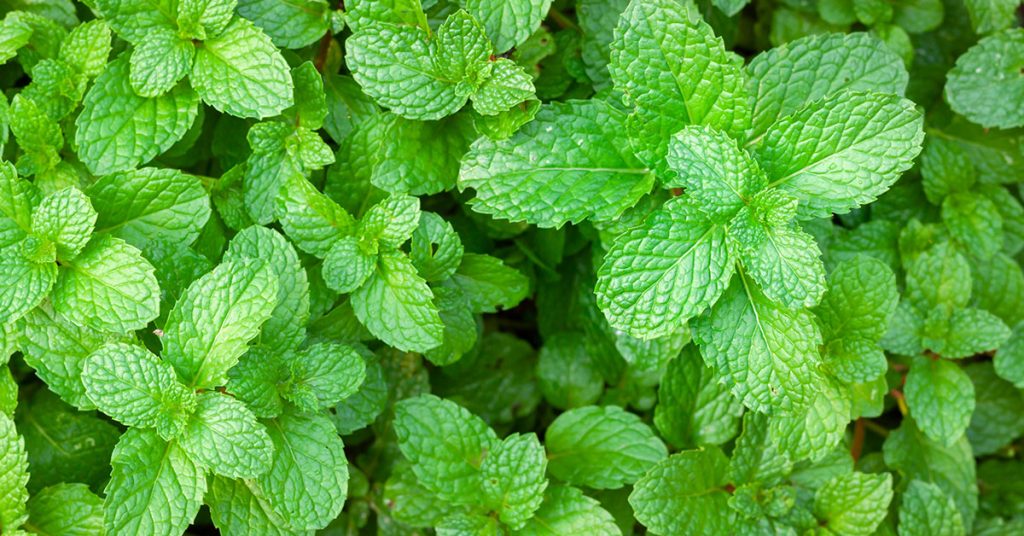
Peppermint is a versatile herb cherished for its refreshing aroma and potent medicinal qualities, particularly in soothing digestive discomfort and clearing sinuses. Native to Europe and the Middle East, Peppermint adapts well to garden life but can be quite vigorous—its spreading habit makes it a magnet for bees, which are drawn to its small, tubular flowers that form natural little clusters. I’ve found that the refreshing scent of Peppermint transforms my garden into a lively, invigorating space, where even a light breeze carries its cool, minty fragrance throughout the yard!
However, be cautious: Peppermint is known to be invasive if not contained, as its underground runners can quickly overrun adjacent beds. To manage its growth, I always recommend planting it in containers or establishing clear boundaries in your garden. Despite this, the benefits of Peppermint—from fresh leaves for teas and culinary delights to its natural pest-repellent properties—make it an essential herb for any eco-conscious gardener looking to harness nature’s remedies!
Chamomile
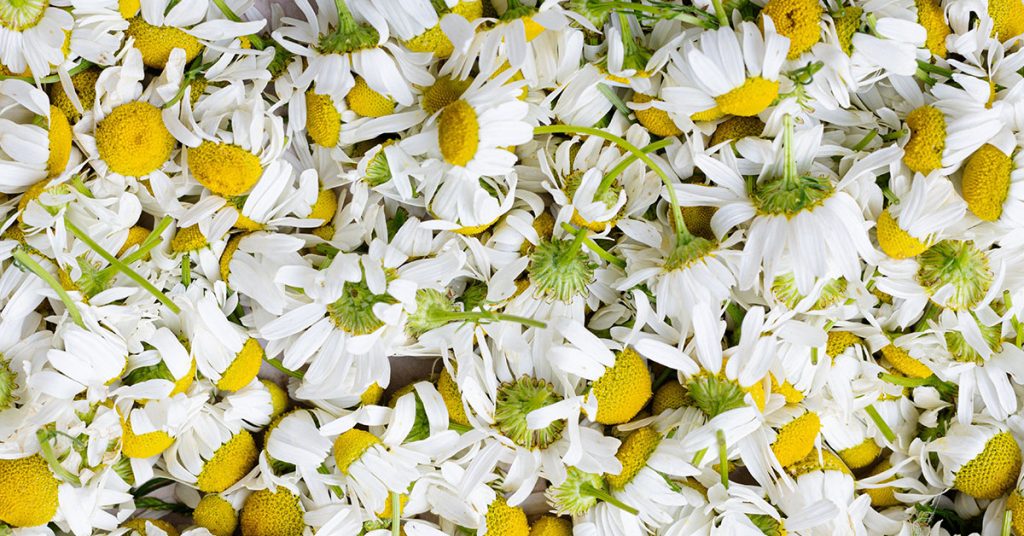
Chamomile is a gentle, soothing herb prized for its calming teas and anti-inflammatory properties. Native to Europe and Western Asia, Chamomile thrives in sunny spots with well-drained soil and produces delicate, daisy-like flowers that attract bees and other beneficial insects. I find it heartwarming how its soft, white petals and sunny yellow centers create a natural, inviting microhabitat in my garden—a little nest where nature’s tiny helpers can gather and contribute to a healthy ecosystem!
Despite its simplicity, Chamomile can be a bit temperamental regarding soil conditions and moisture levels. It tends to prefer slightly sandy, well-drained soils and may struggle in overly rich or waterlogged areas. Nevertheless, its ease of use in teas and natural remedies, combined with its ability to create a calming garden atmosphere, makes Chamomile an irresistible choice for anyone looking to add a touch of natural wellness to their backyard.
Lemon Balm
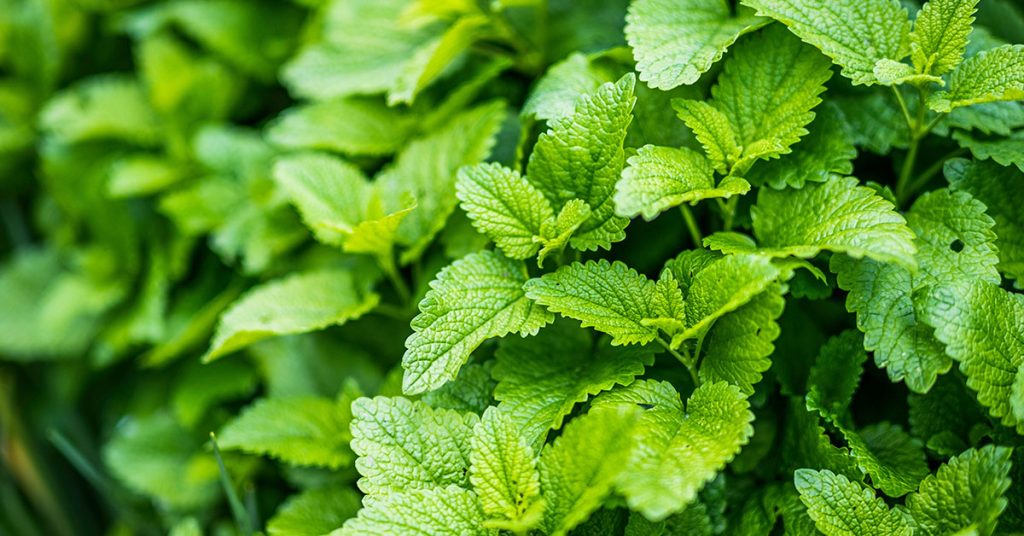
Lemon Balm is an uplifting herb known for its bright, citrusy aroma and gentle, calming effects on the mind. Native to the Mediterranean, this herb thrives in full sun to partial shade and is adored for its soft, lemon-scented leaves that attract bees and other pollinators. I’m always impressed by how Lemon Balm’s sprawling habit creates a natural carpet that not only brightens up garden spaces but also forms little, inviting spots where beneficial insects can nest and forage. Its fresh, invigorating scent is a constant reminder of sunny days and the simple pleasures of nature!
While Lemon Balm is generally non-invasive, it does have a tendency to spread if left unchecked, so regular trimming is key to maintaining its form in your garden. Its medicinal properties—ranging from stress relief to digestive aid—make it a wonderful addition for anyone interested in natural remedies. Embracing Lemon Balm in your backyard not only enhances your garden’s sensory appeal but also provides a practical, aromatic herb that supports a healthier, more balanced lifestyle!
Sage
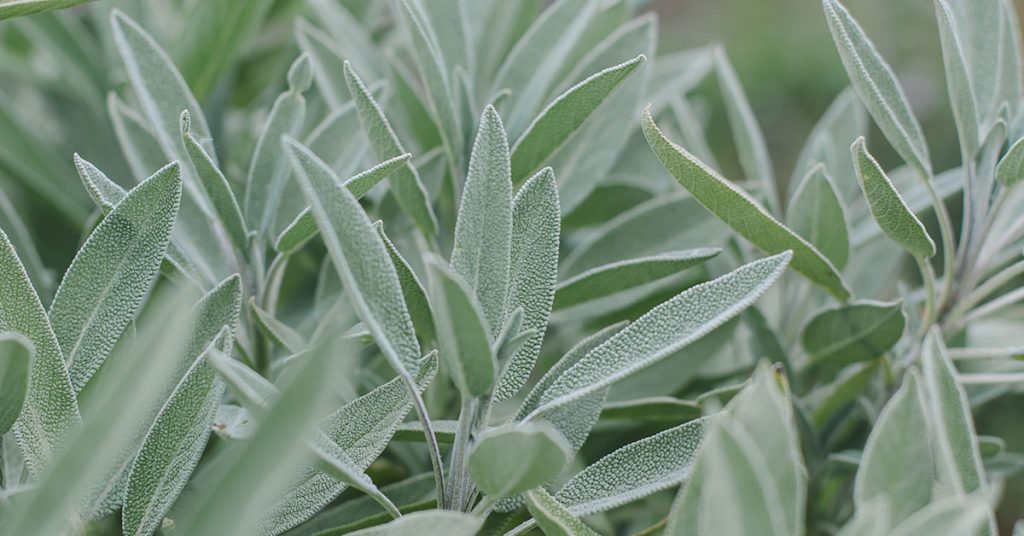
Sage is a revered culinary and medicinal herb known for its earthy, aromatic qualities and its historical use in natural remedies. Native to the Mediterranean, Sage thrives in full sun and well-drained soils, and its silvery-green leaves emit a distinctive fragrance that attracts bees and butterflies. I’m always thrilled by how its robust, bushy habit creates a natural barrier that seems to encourage pollinators to visit, forming little nests in its dense foliage. Sage’s timeless appeal makes it one of the most versatile herbs in any garden!
Despite its hardy nature, Sage does require a bit of attention to avoid overwatering, which can lead to root rot in cooler, damper conditions. It’s generally non-invasive and easily managed with occasional pruning, ensuring that it remains a reliable staple in your backyard. Beyond its culinary uses, Sage offers a host of medicinal benefits—from anti-inflammatory properties to digestive support—making it an indispensable herb for anyone looking to cultivate a garden that nourishes both body and soul!
Calendula

Calendula, often known as pot marigold, is a bright and cheerful herb that doubles as a natural remedy and a garden beautifier. Native to the Mediterranean, Calendula thrives in sunny, well-drained conditions and produces vibrant orange or yellow blooms that are as attractive to bees as they are to the human eye. I love how these radiant flowers not only add a splash of color to my garden but also create natural gathering spots for pollinators, with their open, daisy-like structure acting as tiny, inviting nests for beneficial insects.
This herb is celebrated for its anti-inflammatory and wound-healing properties, making it a favorite for creating homemade salves and teas. Calendula is generally low-maintenance and non-invasive, which means it easily integrates into any garden setting without overwhelming other plants. Its dual role as both a decorative and medicinal plant makes Calendula an ideal addition to your backyard, providing a natural remedy that’s as practical as it is pretty!
Echinacea

Echinacea, commonly known as Purple Coneflower, is celebrated for its immune-boosting properties and striking, daisy-like appearance. Native to central and eastern North America, Echinacea thrives in sunny, well-drained soils and produces robust, vibrant blooms that naturally attract bees and butterflies. I’m always captivated by its bold, spiky center surrounded by soft, colorful petals that seem to beckon pollinators and create natural nesting spots for beneficial insects. Its resilience and medicinal reputation make it a popular choice for those interested in natural health remedies!
While Echinacea is generally hardy and non-invasive, it does require consistent care in areas with poor drainage or extreme conditions. Regular deadheading and proper spacing ensure that the plant remains vigorous and continues to produce its iconic blooms season after season. Known for its ability to stimulate the immune system and fight off infections, Echinacea not only enhances your garden’s aesthetic appeal but also contributes to your overall well-being—a true win-win for any herbal enthusiast!
Thyme
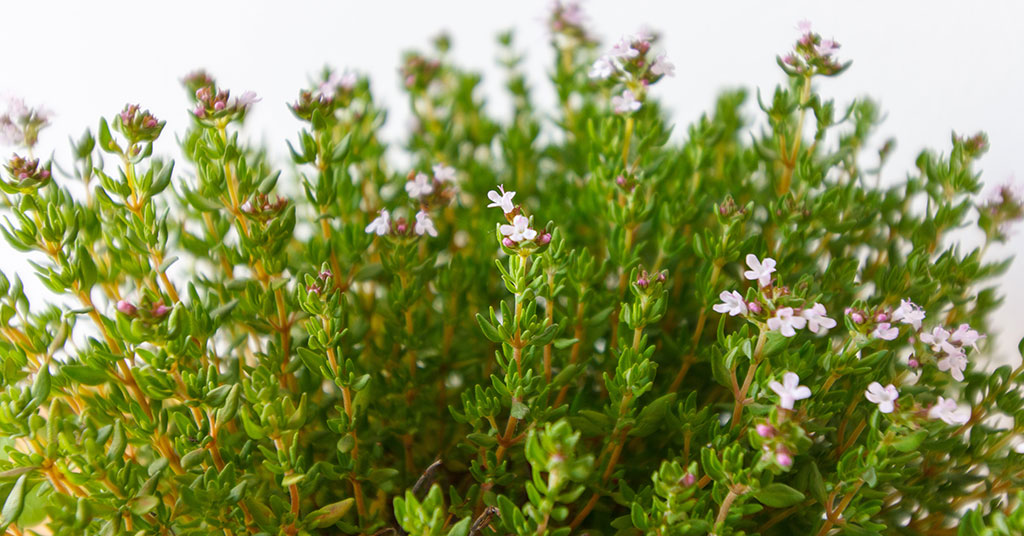
Thyme is a small but mighty herb that packs a punch both in the kitchen and in natural remedies. Native to the Mediterranean region, Thyme thrives in full sun and well-drained, rocky soils, and its tiny, aromatic leaves are a natural attractant for bees and other pollinators. I’m always impressed by how this humble herb creates a low-growing, dense mat that not only adds texture to my garden but also provides an ideal microhabitat for beneficial insects seeking shelter and nectar. Its subtle yet uplifting fragrance is a constant reminder of its culinary and medicinal versatility!
Thyme is typically non-invasive and very low-maintenance, making it a fantastic choice for gardeners who want to incorporate functional beauty into their landscape. It’s renowned for its antiseptic properties and is often used in homemade remedies for colds and respiratory issues. Whether you’re using it to season your favorite dishes or brew a soothing tea, Thyme is an indispensable herb that brings a natural, rustic charm to any backyard garden—offering both health benefits and a delightful sensory experience!
Ginger
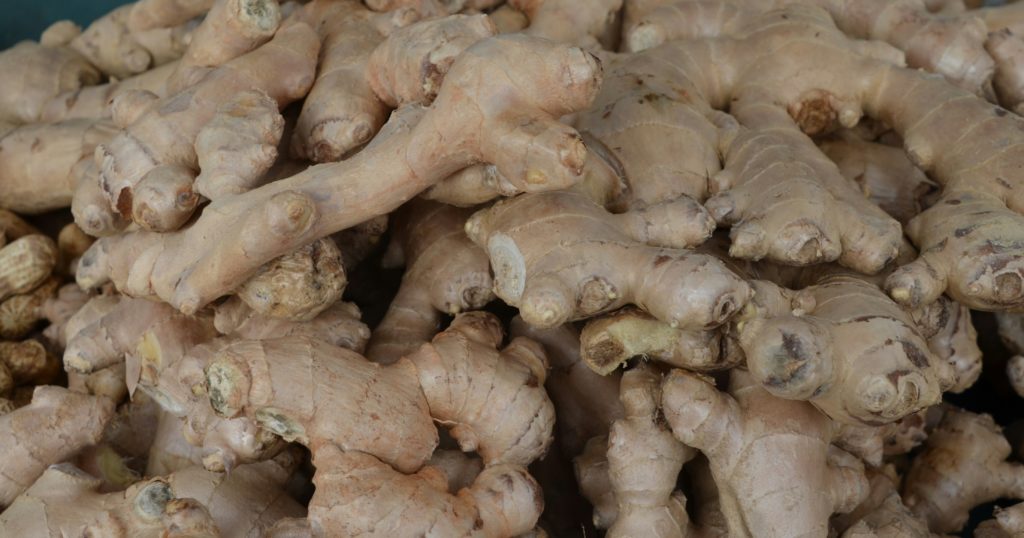
Ginger is a powerful medicinal herb renowned for its anti-inflammatory and digestive benefits, and it’s a fascinating addition to any garden. Native to Southeast Asia, Ginger grows as a perennial in warm climates, producing underground rhizomes that are harvested for their potent, spicy flavor and healing properties. I love how its lush, tropical foliage creates a mini oasis in my garden, attracting a variety of beneficial insects that seem to treat the clumps as natural nesting spots. The process of digging up the rhizomes and seeing that familiar, earthy aroma is nothing short of magical!
Although Ginger requires a bit of a warm, sheltered environment to thrive, it’s non-invasive when grown in containers or dedicated garden beds. It demands rich, moist soil and partial shade—conditions that mimic its native habitat and encourage optimal growth. Growing Ginger in your backyard not only provides you with a versatile ingredient for teas, stir-fries, and natural remedies, but it also adds an exotic, tropical touch that transforms your garden into a vibrant, healthful retreat!
St. John’s Wort
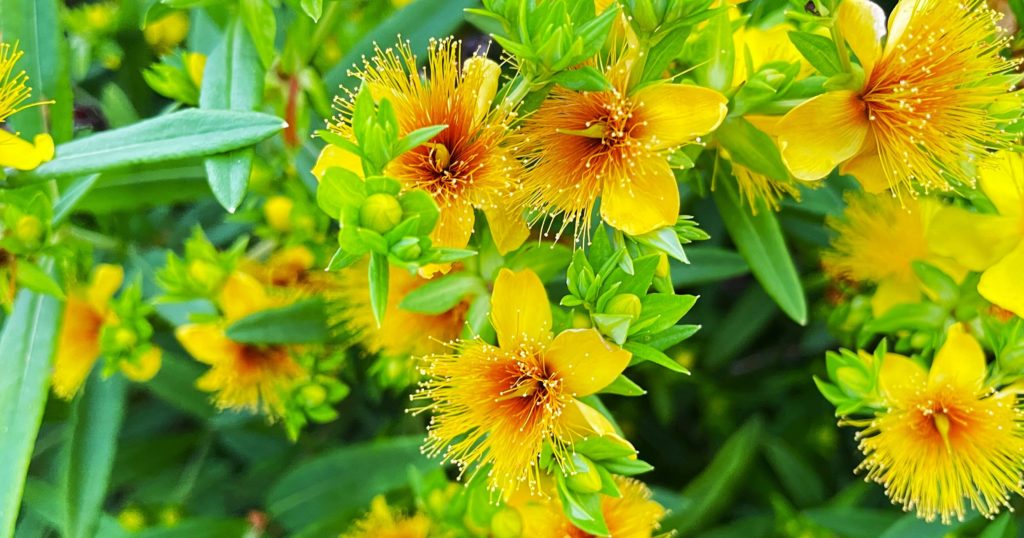
St. John’s Wort is a storied herb renowned for its mood-boosting properties and vibrant yellow blooms that seem to radiate sunshine in any garden setting. Native to Europe, this herb thrives in well-drained soils and full sun, where its cheerful, star-shaped flowers naturally attract bees and other pollinators. I’ve always found its bright, uplifting presence to be a beacon of natural wellness, drawing in not only beneficial insects but also a sense of positive energy that can transform your backyard into a sanctuary of light and vitality!
Despite its appealing qualities, St. John’s Wort can be somewhat aggressive in its growth and may spread rapidly if not contained, though it’s generally not considered invasive with proper management. Regular pruning and monitoring ensure that it doesn’t overpower neighboring plants while still offering its full range of medicinal benefits. With its long history of use as a natural remedy for mild depression and anxiety, St. John’s Wort is a remarkable addition for gardeners seeking both beauty and holistic health in their own backyard!
Holy Basil (Tulsi)
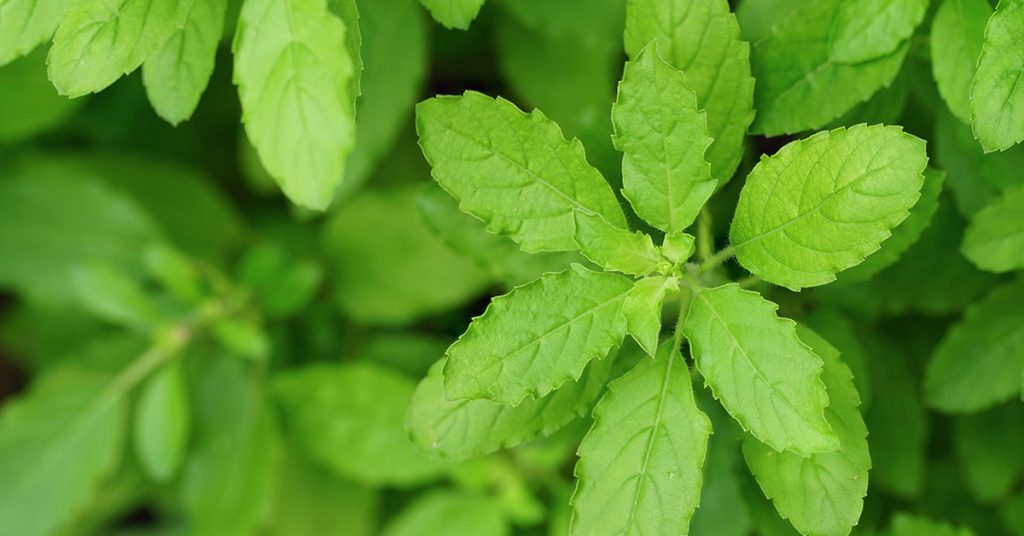
Holy Basil, or Tulsi, is a revered medicinal herb cherished for its adaptogenic properties and its ability to balance mind and body. Native to the Indian subcontinent, Tulsi thrives in warm climates and well-drained soils, and its aromatic leaves emit a spicy, clove-like scent that naturally attracts bees and other pollinators. I’m continually impressed by how this sacred plant not only brings a touch of spiritual calm to my garden but also forms a compact, attractive clump that serves as a natural nesting site for beneficial insects. Its vibrant green foliage and occasional purple hues make it both a visual and olfactory delight!
While Tulsi is non-invasive and relatively easy to care for in warm, sunny areas, it does require protection from frost and overly wet conditions to flourish. Its traditional use in Ayurvedic medicine for stress relief and immunity support makes it a priceless addition to any medicinal herb garden. For those seeking to create a backyard sanctuary that nurtures both physical and mental well-being, Holy Basil offers a powerful, natural remedy along with an enchanting cultural legacy that enriches your gardening experience!