

As a passionate gardener who’s experimented with countless unconventional techniques over the years, I know that sometimes the most surprising ideas can spark amazing results. One question that often pops up in our green community is whether it’s safe to pee in your garden! I totally get the skepticism—after all, it sounds a bit out there—but there’s actually some interesting science behind using urine as a natural fertilizer. I’ve seen firsthand how a little common sense and proper dilution can transform this everyday waste product into a resource that nourishes plants and even attracts beneficial microbes.
In my own gardening journey, I’ve faced the frustration of overpaying for chemical fertilizers and battling nutrient deficiencies in my soil. It’s such a bummer when your beloved blooms or veggies don’t reach their full potential, especially after all your hard work. That’s why I started exploring the idea of using urine safely in my garden—and let me tell you, the results have been eye-opening! In this article, I’ll break down the science, benefits, risks, and best practices for turning your pee into a garden booster, so you can decide for yourself if this natural approach is right for your outdoor space.
The Science Behind Urine as Fertilizer
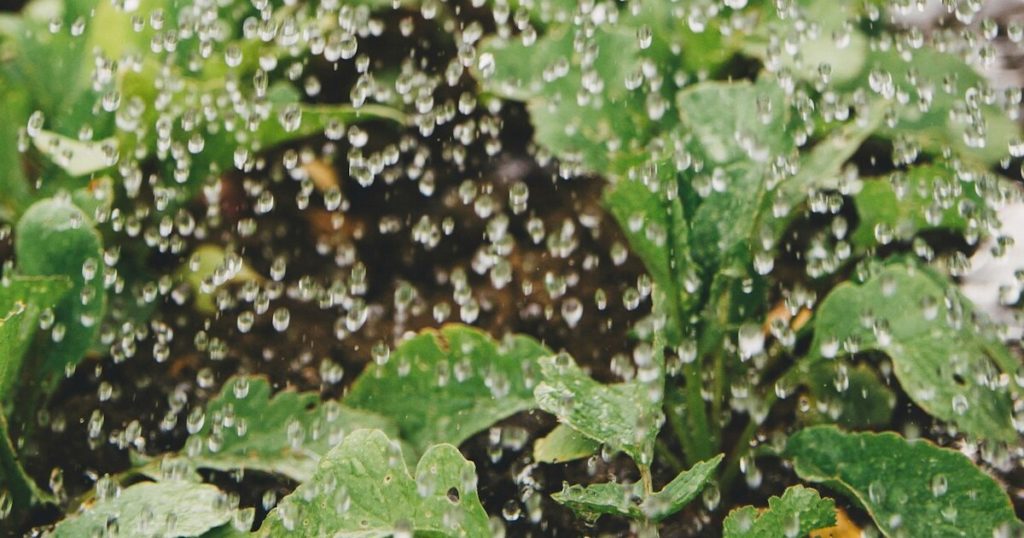
Urine is packed with nitrogen, phosphorus, and potassium—the three key nutrients that plants need for robust growth. When diluted properly, it acts as a natural fertilizer that can help boost soil fertility without resorting to synthetic chemicals. I’ve read numerous studies and even seen experiments where diluted urine contributed to stronger, greener plants, thanks to its nutrient-rich profile. It’s fascinating to think that something as ordinary as urine, which most of us flush away without a second thought, can have such a beneficial impact on our gardens!
What really intrigues me is the way urine interacts with soil biology. The organic compounds in urine can encourage the growth of beneficial microbes that help break down nutrients and make them more available to plants. Just as certain native plants in their natural habitats rely on specific soil organisms for optimal growth, a well-managed dose of urine can promote a healthier, more vibrant garden ecosystem. It’s like giving your plants a little secret energy boost that not only feeds them directly but also nurtures the natural network of life beneath the surface!
Benefits of Peeing in Your Garden

One of the most appealing benefits of using urine as a fertilizer is its cost-effectiveness—it’s essentially free and readily available, reducing your dependency on expensive store-bought fertilizers. I’ve experienced the joy of knowing that something so natural can provide a steady supply of nutrients to my garden, often leading to lusher foliage and bountiful blooms. The high nitrogen content is especially beneficial for leafy greens and other plants that thrive on a rich, nitrogenous boost, creating an environment where your garden can truly flourish!
Another fantastic perk is that urine, when used correctly, can help recycle nutrients that might otherwise go to waste. It supports a more sustainable gardening practice by reducing your ecological footprint and encouraging a circular economy right in your backyard. Just as certain native plants have evolved in nutrient-poor soils and developed unique strategies to conserve resources, using urine can be a part of a holistic approach to gardening that respects nature’s cycles. Plus, there’s something satisfying about knowing you’re turning a simple bodily function into a powerful tool for growth!
Potential Risks and How to Mitigate Them

While the benefits are promising, it’s important to acknowledge the potential risks associated with using urine in your garden. Fresh urine is highly concentrated and, if applied directly without proper dilution, can burn plant roots and foliage—much like over-fertilizing with synthetic chemicals. I’ve seen cases where a splash of undiluted urine has left patches of plants scorched and stressed, so caution is absolutely key. It’s crucial to remember that moderation and proper dilution (usually a ratio of about 1:10 with water) are your best friends in this process!
Another concern is the potential buildup of salts and other compounds that can alter soil chemistry over time. In some instances, repeated use without monitoring soil health may lead to nutrient imbalances, especially in more sensitive or less resilient plant species. I always recommend testing your soil periodically to ensure that your innovative fertilizing method is enhancing, not harming, your garden’s ecosystem. By taking these precautions, you can minimize the risks and harness the benefits of using urine as a sustainable nutrient source.
Environmental and Health Considerations

Using urine as a fertilizer isn’t just a matter of saving money—it’s a step toward a more environmentally responsible gardening practice. By recycling your own waste, you reduce the need for synthetic fertilizers that often contribute to water pollution and soil degradation. I find it incredibly fulfilling to know that by making this simple change, I’m playing a part in a larger movement towards sustainable living and resource conservation. It’s like giving back to the earth in a way that’s both practical and impactful!
That said, it’s important to consider personal health and hygiene when incorporating urine into your garden routine. Always use your own urine—never that of others—to minimize any potential health risks. Make sure to store and dilute it properly, and avoid applying it to edible parts of plants directly. This careful approach not only safeguards your own well-being but also ensures that your garden remains a safe and thriving space for both you and the surrounding ecosystem. Taking these precautions allows you to reap the benefits of this practice without compromising safety.
My Personal Experience and Final Thoughts

Over the years, I’ve integrated this unconventional method into my gardening routine, and I must say, the results have been both surprising and gratifying. I remember the first time I tried diluted urine on a patch of leafy greens—I was skeptical at first, but soon enough, I noticed a marked improvement in their vibrancy and growth rate. There’s a sense of empowerment in knowing that you’re turning something that most people consider waste into a valuable resource that contributes to the health and sustainability of your garden!
At the end of the day, whether you choose to pee in your garden is a personal decision that hinges on careful research, experimentation, and a commitment to safe practices. For me, the benefits have far outweighed the risks, as long as I remain mindful of dilution, application techniques, and overall soil health. I encourage you to explore this method if you’re curious, but always prioritize the well-being of your plants and your own safety. Here’s to creative, eco-friendly gardening that not only nurtures your green space but also champions a healthier, more sustainable future for all!