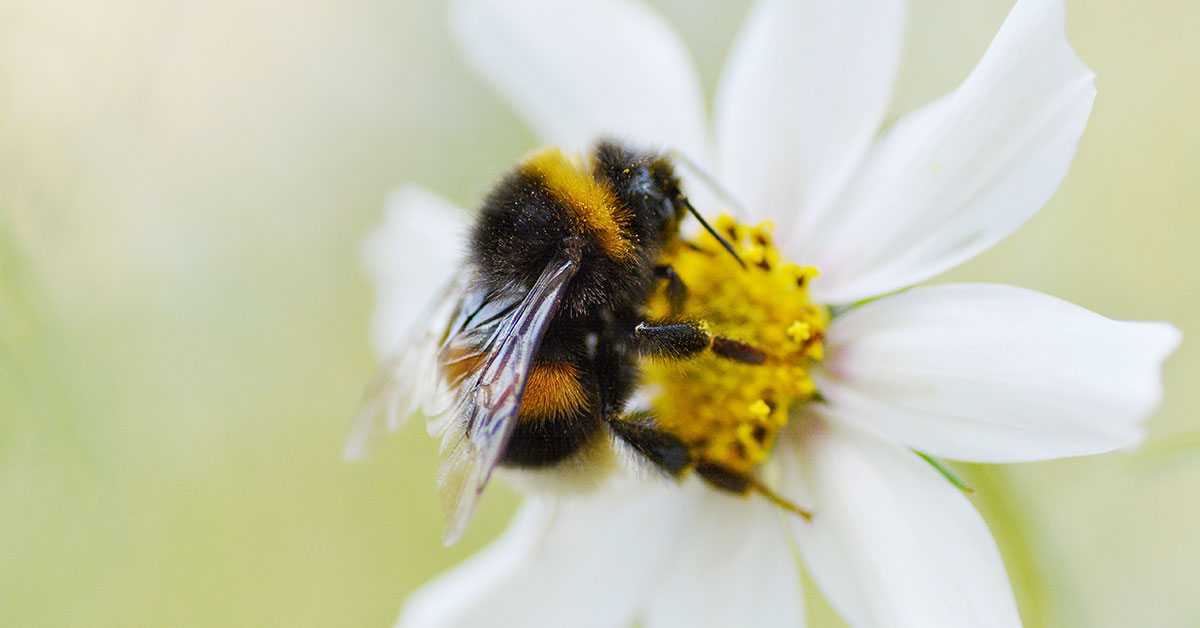

As a lifelong gardener who’s seen firsthand the wonders of a thriving, bee-friendly garden, I know just how vital these incredible pollinators are to our ecosystem—and how heartbreaking it is when their numbers dwindle. I’ve experienced those frustrating moments when pests, chemicals, and a lack of natural habitat seem to rob the garden of its buzzing, vibrant life. That’s why I’m eager to share 9 practical steps you can take right now to protect and nurture our beloved bees, ensuring that your garden remains a lively, sustainable haven for these essential creatures!
In this guide, I’ll dive into actionable tips drawn from years of gardening trials and successes, each designed to help you create a safe, welcoming environment for bees. From planting native wildflowers to setting up cozy nesting sites and reducing harmful chemicals, every suggestion is rooted in the belief that a little care goes a long way. So, grab your gardening gloves and let’s get started on turning your outdoor space into a true bee sanctuary!
Plant Native Wildflowers
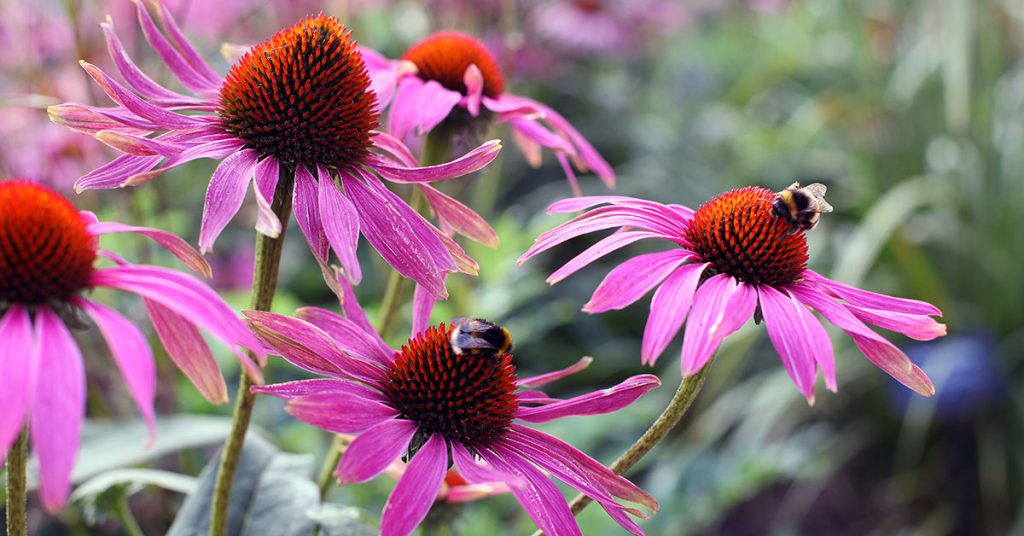
One of the simplest yet most effective ways to help save the bees is to plant native wildflowers in your garden. Native wildflowers, such as coneflowers and black-eyed Susans, are naturally adapted to your local climate and soil, making them low-maintenance and highly beneficial to native bee species. I love watching how these blooms attract bees with their vibrant colors and sweet nectar, while also providing natural nesting grounds for tiny pollinators. Their evolutionary history means they’re perfectly in tune with the local ecosystem and, best of all, they rarely exhibit invasive tendencies!
By incorporating native wildflowers into your garden design, you’re not only enhancing its visual appeal but also creating a continuous, seasonal buffet for bees. The open, airy structure of these flowers makes them ideal landing pads for bees, allowing them to forage and rest without disturbance. It’s such a rewarding feeling when you see a cluster of native blossoms become a hub of buzzing activity—a true sign that you’re contributing to the survival and well-being of our pollinators!
Provide Bee Nesting Sites
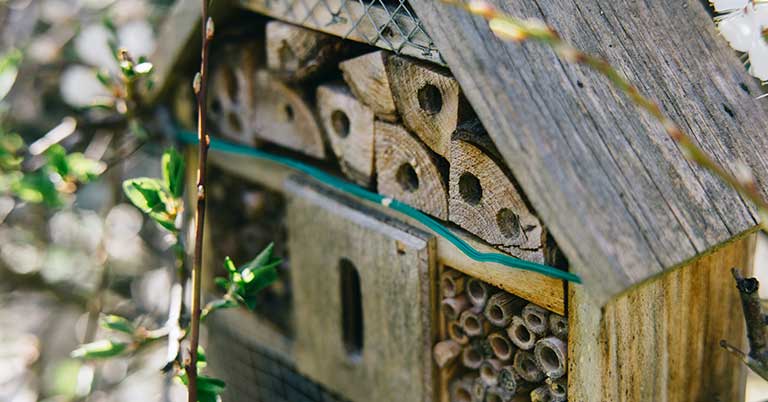
Creating safe and inviting nesting sites is another practical step you can take to support bee populations. Not all bees live in hives like honeybees; many solitary bees prefer to nest in small cavities, in the ground, or in woodpecker holes. By installing bee houses or nesting boxes in a quiet, sheltered spot of your garden, you offer a perfect retreat for these hardworking insects. I always make sure mine are placed in sunny, wind-protected areas with a bit of rough texture to help bees grip and settle in—they truly transform into cozy little micro-nests!
In addition to bee houses, consider leaving some areas of your garden a bit wild, with undisturbed patches of bare soil or decaying wood. These natural nesting spots are invaluable for ground-nesting bees, which often dig small burrows to raise their young. By combining both man-made structures and natural habitats, you create a diverse environment that caters to the different nesting behaviors of bees, ensuring they have safe havens throughout your garden!
Avoid Pesticides and Chemical Fertilizers
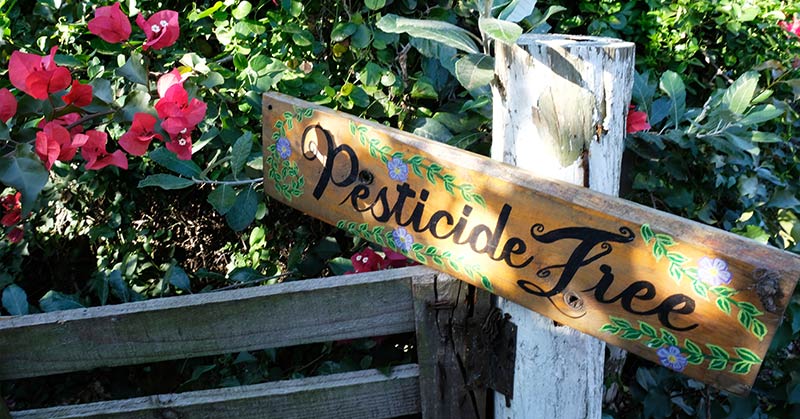
Cutting back on pesticides and chemical fertilizers is one of the most impactful actions you can take to protect bees. As a gardener, I know how tempting it can be to reach for quick fixes when pests invade, but many of these chemicals are harmful to bees and other beneficial insects. Opting for organic pest control methods and natural fertilizers helps create a balanced ecosystem where bees can thrive. I’ve seen how even a slight reduction in chemical use can lead to a noticeable increase in bee activity and overall garden health!
By embracing natural alternatives such as neem oil, insecticidal soap, or companion planting, you encourage a harmonious environment that supports the natural behavior of bees. These organic methods not only reduce the risk of toxicity but also promote healthier soil and plant growth. It’s such a relief to know that with a few mindful changes, you can protect the tiny pollinators that play a huge role in sustaining our gardens and food systems!
Create a Fresh Water Source
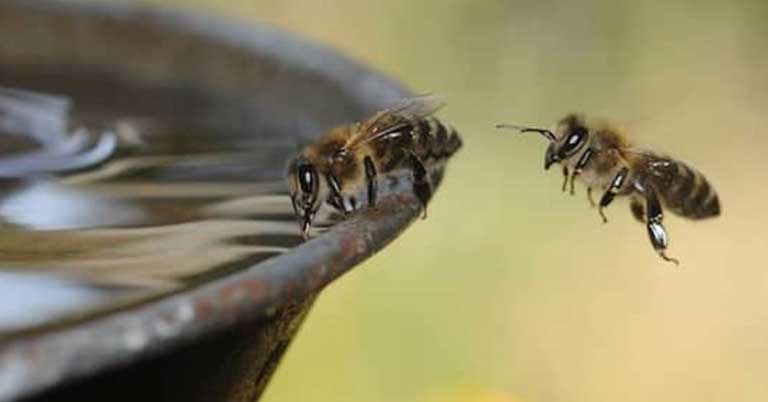
Providing a reliable water source is a practical and often overlooked way to help save the bees. Bees need water for hydration and to help regulate the temperature of their hives, and by adding a shallow water feature—like a small birdbath or a DIY bee watering station—you ensure they have easy access to this essential resource. I always enjoy setting up a shallow dish with pebbles so that bees can land safely and sip without risk, turning an ordinary water bowl into a vital mini oasis for pollinators!
A steady water supply not only attracts bees but also creates a microhabitat where other beneficial insects can gather, enhancing the overall biodiversity of your garden. The combination of water, natural sun-warmed surfaces, and gentle splashes can mimic a natural stream or puddle that bees would find in the wild. It’s a simple, cost-effective addition that has a profound impact on encouraging a healthy bee population and a more resilient garden ecosystem!
Grow Bee-Friendly Herbs
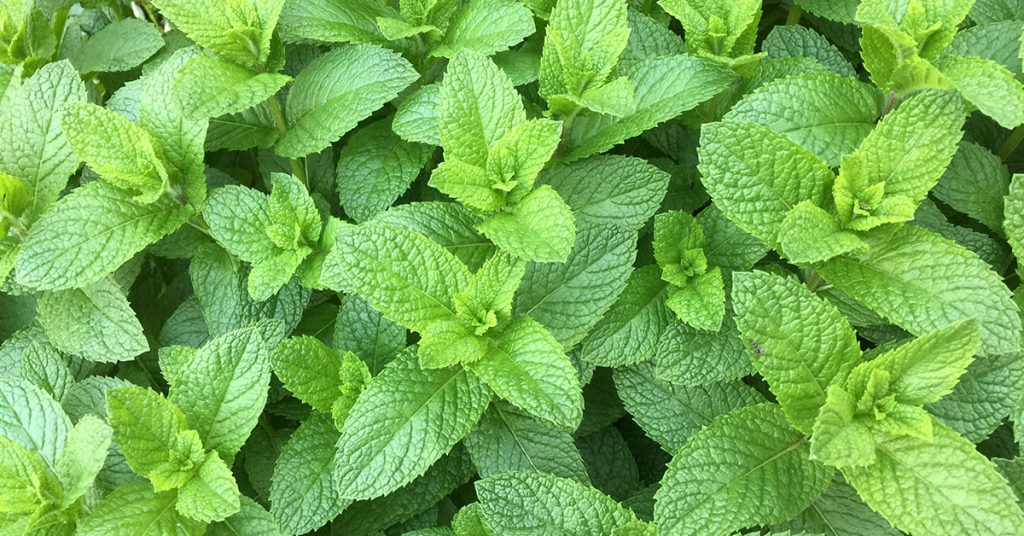
Herbs are a double win for any garden—they not only elevate your culinary adventures but also serve as potent magnets for bees. Plants like basil, mint, and rosemary are native to regions like the Mediterranean and are prized for their aromatic foliage and nectar-rich flowers. I’m always thrilled to see bees buzzing around my herb garden, as these plants not only provide flavorful leaves but also create natural mini-nests and landing pads for these vital insects!
Incorporating a variety of bee-friendly herbs ensures that there is a continuous source of nectar and pollen throughout the growing season. Their unique fragrances and vibrant blooms attract different species of bees, creating a dynamic and bustling garden environment. Plus, many of these herbs are non-invasive and easy to maintain, meaning you can enjoy both the culinary and ecological benefits without worrying about them taking over your space!
Let Your Lawn Grow Wild
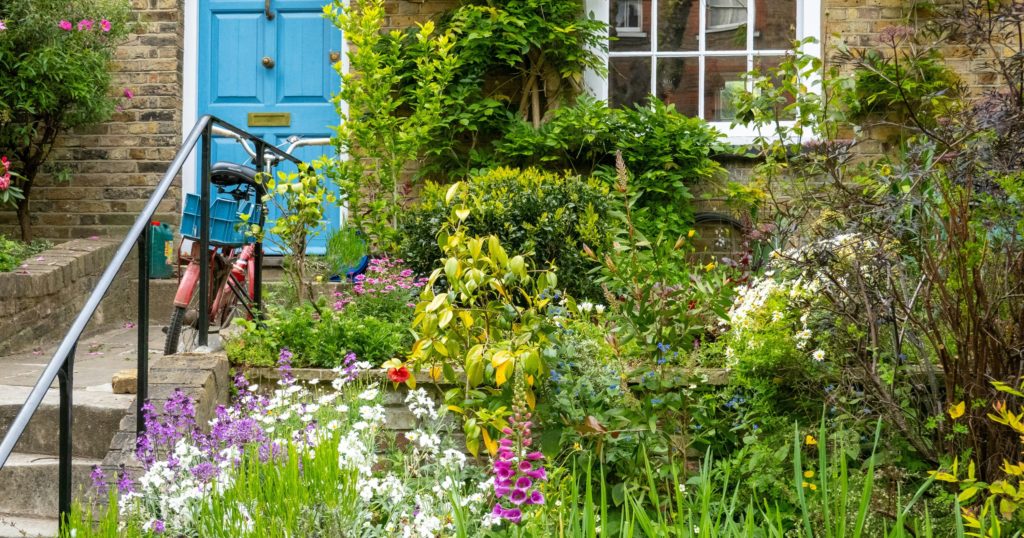
Allowing part of your lawn to grow a bit wilder is a surprisingly effective way to support bee populations. Rather than maintaining a manicured, uniform expanse, consider leaving a small section of your yard with a mix of grasses, wildflowers, and native plants. I’ve found that this wild patch not only creates a natural, unstructured habitat for bees but also provides a safe nesting area for ground-nesting species that prefer less disturbed soil. It’s such a refreshing change from the norm, and it invites nature to reclaim a little corner of your space!
This approach mimics natural meadows, where bees and other pollinators have thrived for generations. The diverse plant life in a wild lawn offers continuous blooming periods and a rich source of nectar that attracts a wide variety of bees. Plus, a wild lawn is generally low-maintenance and non-invasive, making it a sustainable and cost-effective way to support your local ecosystem. Embracing a bit of wilderness in your garden can transform it into a buzzing, living mosaic that benefits both you and the environment!
Support Local Beekeepers
Supporting local beekeepers is an impactful way to help save the bees and bolster the community’s pollination efforts. By purchasing honey and other bee-related products from local sources, you contribute directly to the wellbeing of local hives and the sustainable practices that keep bee populations thriving. I’ve found that engaging with local beekeepers not only enriches my gardening experience but also deepens my connection to the community and the natural world, creating a sense of shared responsibility for our environment!
In addition to buying local products, consider attending workshops or volunteering with beekeeping associations to learn more about how you can protect these incredible insects. This hands-on approach not only educates you on best practices but also helps create a network of like-minded individuals who are passionate about bee conservation. Supporting local beekeepers is a practical, community-focused step that reinforces the importance of pollinators and ensures that your garden—and the bees that visit it—benefit from a stronger, healthier ecosystem!
Compost and Build Healthy Soil

Building healthy soil through composting is a foundational step in creating a garden that can sustain robust bee populations. Rich, organic soil not only nurtures vibrant plants but also supports a diverse community of microorganisms and insects that contribute to the overall ecosystem. I’m always excited to add a fresh batch of compost to my garden beds—it feels like giving back to the earth and creating a nurturing environment that benefits both plants and pollinators! Healthy soil, in turn, leads to stronger plants that produce more nectar and pollen, attracting bees and providing them with ample resources.
Composting is a practical, low-cost way to recycle garden waste and enhance soil fertility, making it a win-win for both your garden and the environment. As your plants thrive in nutrient-rich soil, they develop natural structures and behaviors—such as abundant flowering and robust foliage—that create ideal nesting and foraging sites for bees. Embracing composting not only boosts your garden’s productivity but also forms the backbone of a sustainable ecosystem where bees can flourish, ensuring that every part of your garden works together in harmony!
Spread Awareness and Educate Others

One of the most impactful steps you can take to save the bees is to spread awareness and educate others about their importance. As a passionate gardener, I’ve learned that every small action can ripple outward to create significant change. Sharing your knowledge about bee-friendly practices—whether it’s through social media, community workshops, or casual conversations with neighbors—can inspire others to adopt habits that protect these vital pollinators. I always enjoy hearing stories from fellow gardeners about how a simple change in their planting strategy made all the difference, and I believe that knowledge truly is power when it comes to conservation!
By educating others about the benefits of native plants, the dangers of pesticides, and the simple joys of providing nesting sites and water sources, you help build a community of environmentally conscious individuals dedicated to safeguarding our bees. This collective effort not only enhances your local ecosystem but also sets the stage for long-term change that benefits agriculture, biodiversity, and our planet as a whole. Spreading awareness is a practical, immediate action that empowers everyone to join in the mission of saving the bees, one garden at a time!