
As a passionate gardener who’s spent years nurturing every corner of my outdoor oasis, I know how magical it feels when your garden becomes a haven for butterflies. There’s something truly enchanting about watching these delicate creatures flutter among vibrant blooms and settling on natural host plants that not only feed them but also provide ideal spots for nesting and breeding. I understand how frustrating it can be when pests or unsuitable conditions hinder your dream of a lively, butterfly-friendly garden, so I’m thrilled to share 14 exceptional host plants that can transform your landscape into a veritable paradise for these winged wonders!
In this guide, I’ll dive into the fascinating world of butterfly host plants, exploring where each plant is native, its growth habits, and even a few quirky behaviors—like how they form natural micro-nests for beneficial insects! Whether you’re a seasoned gardener or just starting out, these carefully selected plants promise to bring color, life, and the delightful buzz of butterflies to your garden while being mindful of invasive tendencies. So, grab your gloves and let’s embark on a journey to create a vibrant, butterfly-friendly sanctuary that you and your garden will love!
Milkweed

Milkweed is the cornerstone of any butterfly garden, especially if you’re hoping to attract Monarch butterflies, which rely on this plant as a larval host. Native to North America, Milkweed comes in various species that display clusters of fragrant, pastel blooms and long, slender leaves that create a natural, inviting nesting ground for caterpillars and other beneficial insects. I’ve always been amazed at how this plant not only serves as a critical food source but also sets the stage for a dynamic ecosystem where nature’s cycles flourish!
While Milkweed is celebrated for its indispensable role in the life cycle of butterflies, it’s important to note that some species can spread quickly if left unmanaged, though they are generally not considered invasive when cultivated responsibly. Its open, airy growth habit attracts a variety of pollinators and even provides a safe haven for tiny critters, making it an all-around winner in my garden. With a burst of color and an essential function for butterfly conservation, Milkweed is a must-have for anyone serious about creating a thriving, sustainable habitat!
Butterfly Bush
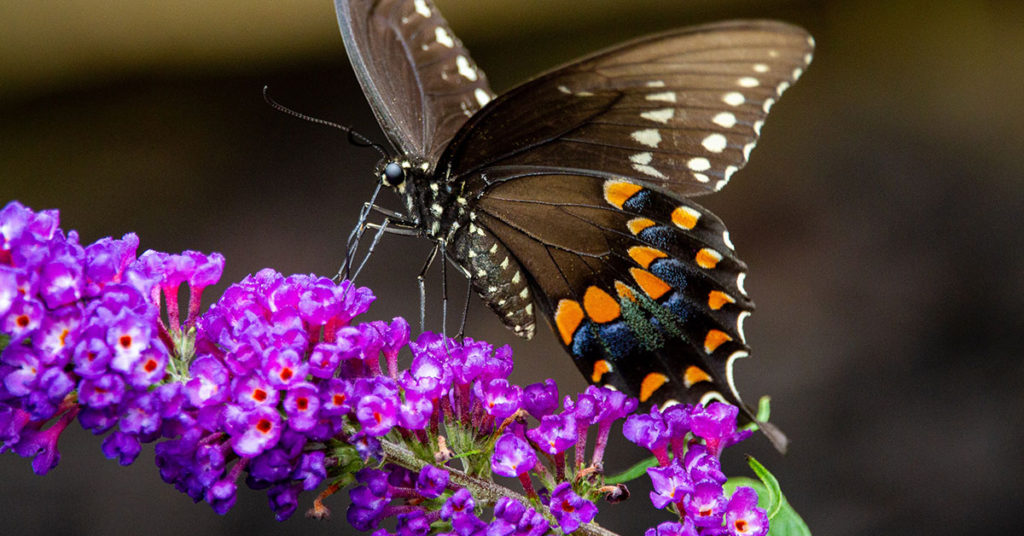
Butterfly Bush, scientifically known as Buddleja davidii, is a showstopper when it comes to luring butterflies with its abundant, fragrant flower clusters. Native to Asia, this plant bursts into bloom with vibrant spikes that range from purple to white and attract countless butterflies, bees, and even hummingbirds. I’m always delighted by how its cascading flowers form natural pollinator hotspots, almost like tiny gathering spots where nature’s winged wonders come to rest and feed!
Although Butterfly Bush is celebrated for its exceptional ability to attract a myriad of pollinators, it’s worth noting that in some regions it can be invasive if not properly managed. With its vigorous growth and sprawling habit, regular pruning is key to keeping it in check while still enjoying the spectacular display. In my garden, I cherish Butterfly Bush for its relentless energy and its power to transform any outdoor space into a buzzing, lively sanctuary—just be sure to contain its exuberance if you live in areas prone to invasiveness!
Passionflower
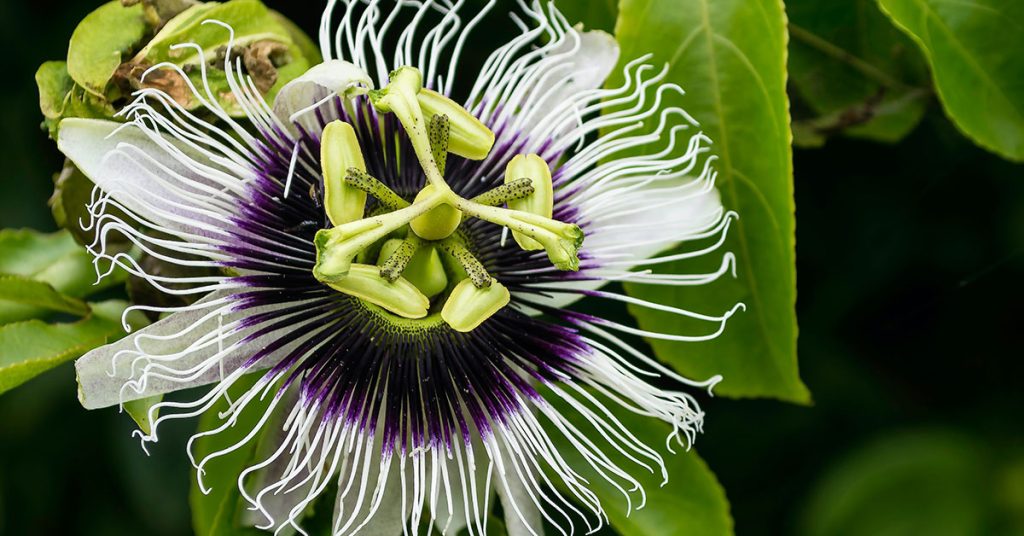
Passionflower is a uniquely captivating host plant that offers not only intricate, exotic blooms but also serves as a vital larval food source for several butterfly species, including the Gulf Fritillary. Native to the Americas, this vine’s ornate flowers—rich in color and detail—appear almost otherworldly as they unfurl, creating natural, whimsical nests that invite butterflies to linger and explore. I find its delicate tendrils and lush foliage to be an inspiring sight, as they weave together to create a natural tapestry that beckons to both pollinators and butterfly larvae!
Beyond its striking appearance, Passionflower exhibits fascinating behaviors; its climbing nature encourages a natural structure that many butterflies use as a landing pad and a place to breed. While it’s generally non-invasive in most garden settings, it does require a sturdy support structure and a sunny spot to truly thrive. For those looking to add an exotic twist and practical ecological function to their garden, Passionflower is a stellar choice that brings both beauty and life to your butterfly haven!
Black-Eyed Susan
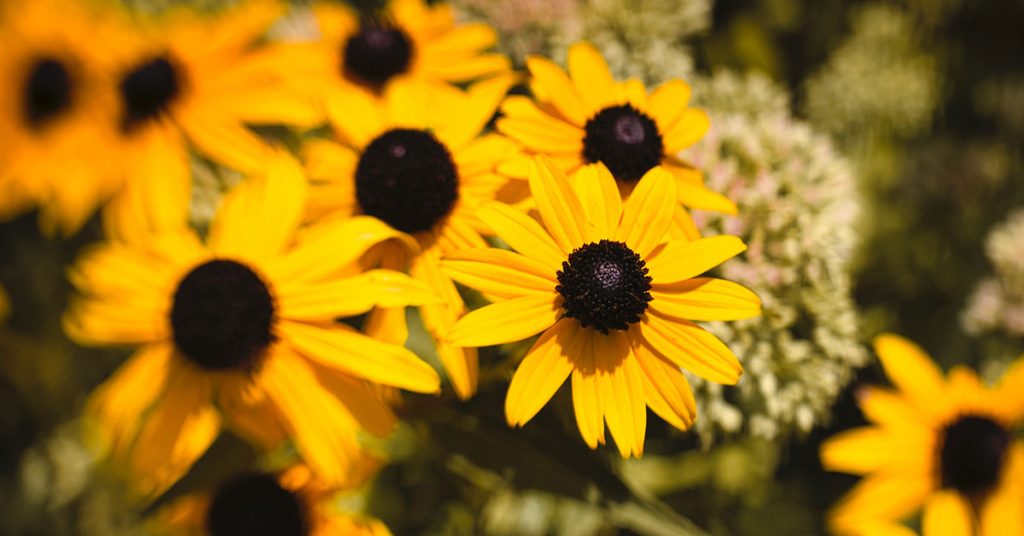
Black-Eyed Susan, or Rudbeckia hirta, is a cheerful perennial that infuses any garden with a burst of sunshine and acts as a magnet for butterflies and other beneficial insects. Native to North America, these vibrant flowers display bright yellow petals with dark centers, forming clusters that serve as natural landing pads for butterflies while providing essential nectar. I’ve often admired how their dense, sun-loving habit seems to naturally invite a flurry of activity—transforming even a modest garden bed into a lively outdoor festival!
This hardy plant not only brightens your garden with its warm hues but also plays an important role in supporting the local ecosystem. While Black-Eyed Susan is generally well-behaved and non-invasive, a little division every few years can help maintain its vigor and prevent overcrowding. Its dual appeal of striking beauty and ecological functionality makes it a dependable addition to any garden focused on attracting and nurturing butterflies, ensuring that every visit from these winged guests is a delightful spectacle!
Zinnia
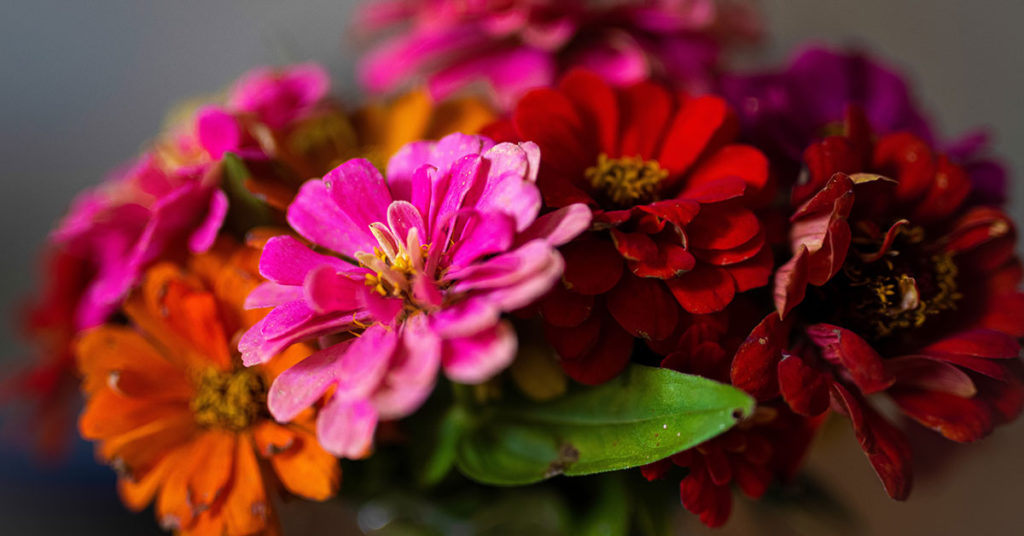
Zinnias are a vibrant and easy-to-grow addition to any garden, renowned for their kaleidoscope of colors and ability to attract a multitude of butterflies. Native to Mexico and Central America, these annuals (often treated as perennials in warmer climates) produce an array of dazzling, daisy-like blooms that form natural clusters, inviting butterflies to feast on their nectar and use the foliage for brief resting spots. I’ve found that their bright, bold colors create a festive atmosphere that immediately enlivens any garden space!
In addition to their visual appeal, Zinnias are remarkably low-maintenance and rarely exhibit invasive behavior, making them perfect for gardeners of all skill levels. Their fast-growing nature ensures a continuous burst of blooms throughout the season, keeping your garden buzzing with activity and serving as a reliable beacon for butterflies. If you’re looking to add a splash of instant color and life to your garden, Zinnias are a must-have that offer both beauty and the joyful promise of fluttering visitors!
Lantana

Lantana is a dynamic, multi-colored perennial that brings both beauty and practicality to your garden by attracting a wide variety of butterflies and beneficial insects. Native to the tropical regions of the Americas, this plant boasts clusters of small, vibrant flowers that shift in hue as they mature—creating natural, eye-catching displays that seem to beckon butterflies to settle in for a visit. I find its sprawling, bushy growth habit particularly charming, as it forms natural, informal groupings that serve as perfect nesting sites for nature’s tiniest pollinators!
While Lantana is highly prized for its ability to attract butterflies, it’s important to note that in some climates it can become invasive if not carefully managed. Regular pruning and thoughtful placement are key to keeping Lantana under control while still enjoying its dazzling color show. For those who crave a plant that offers both visual flair and the practical benefit of drawing in butterflies, Lantana is an exceptional choice that adds a burst of tropical energy to any garden setting!
Verbena
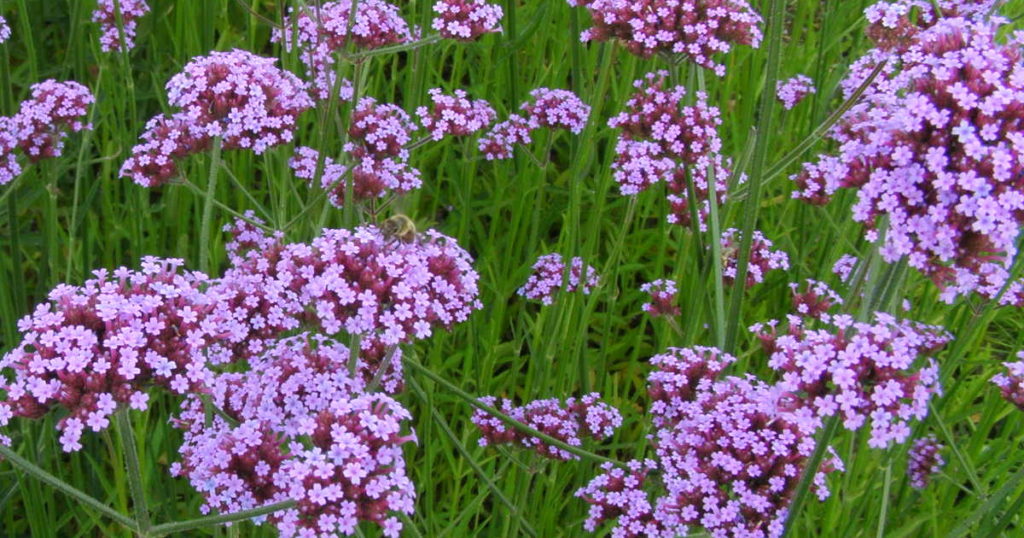
Verbena is a delightful perennial that enchants with its delicate clusters of blossoms and its natural ability to draw in butterflies like a magnet. Native to South America, these plants feature slender, often aromatic foliage and dainty flowers that form intricate, lace-like clusters—almost as if nature has woven tiny, perfect nests for pollinators to congregate. I’m always captivated by the soft, whimsical quality of Verbena, which transforms any garden space into a serene and inviting retreat for butterflies and other beneficial insects!
Not only is Verbena a visual treat, but it’s also remarkably low-maintenance and rarely exhibits invasive behavior, making it ideal for both beginner and experienced gardeners alike. Its ability to flourish in sunny spots with well-drained soil means that you can expect a steady stream of blooms that continuously attract a diverse array of butterflies. If you’re aiming to create a garden that buzzes with life and gentle color, Verbena is a superb choice that effortlessly marries beauty with ecological function!
Coneflower (Echinacea)

Coneflower, or Echinacea, is a perennial favorite known for its striking, daisy-like blooms and its proven ability to attract butterflies and other pollinators. Native to the central regions of North America, Echinacea features large, vibrant petals surrounding a distinctive, spiky center that serves as a natural landing pad for butterflies. I’ve always been impressed by how these resilient flowers not only add a dramatic splash of color to the garden but also create a welcoming microhabitat where butterflies and beneficial insects gather in harmony!
In addition to their visual allure, Coneflowers are celebrated for their low-maintenance nature and adaptability, thriving in a range of soil types without becoming invasive. Their robust, clumping habit ensures that they form a dense, interactive patch that not only looks stunning but also contributes to the ecological balance of your garden. For anyone looking to add a touch of natural elegance while encouraging butterfly activity, Echinacea is a truly outstanding perennial that never fails to impress!
Joe Pye Weed

Joe Pye Weed is a stately perennial that brings a touch of rustic charm to any garden while serving as an excellent host for butterflies. Native to North America, this plant is known for its tall, graceful stems and clusters of soft, pinkish-purple flowers that create a natural, airy canopy—almost like a gentle invitation for butterflies to land and linger. I find the way Joe Pye Weed sways in the breeze absolutely mesmerizing, its foliage forming a natural shelter that seems to nurture a mini ecosystem of pollinators and other beneficial insects!
While Joe Pye Weed is generally non-invasive and easy to manage, its vigorous growth means that it might require occasional division to keep its form neat and tidy. Its impressive stature and vibrant blooms make it a standout feature in any garden, where it provides both visual delight and practical benefits by drawing in butterflies throughout the growing season. For gardeners seeking a plant that combines towering beauty with the practical benefit of attracting nature’s colorful guests, Joe Pye Weed is an exceptional choice!
Aster
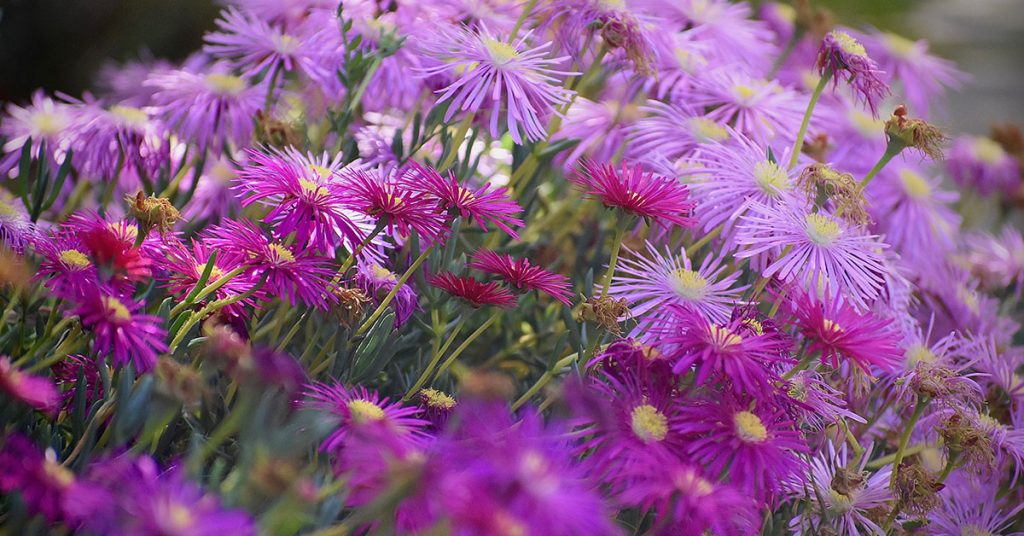
Asters are a delightful group of perennials that burst into bloom with starry, daisy-like flowers, creating a natural display that attracts a myriad of butterflies. Native to temperate regions of North America and Europe, these plants exhibit a range of colors from soft blues to vivid purples and pinks that seem to twinkle in the sunlight—much like tiny stars in a botanical sky. I love how Asters form neat clumps that not only add structure to the garden but also serve as cozy gathering spots for butterflies and other pollinators, fostering a mini habitat of life and color!
Their low-maintenance nature and non-invasive growth habit make Asters an excellent choice for gardeners who want continuous blooms from late summer into fall. With a little care and occasional division, these perennials will keep gracing your garden with their enchanting displays, ensuring that butterflies have a consistent food source and resting place. For anyone longing to extend the season of color and invite nature’s winged wonders into their outdoor space, Asters are a superb, enduring addition!
Phlox
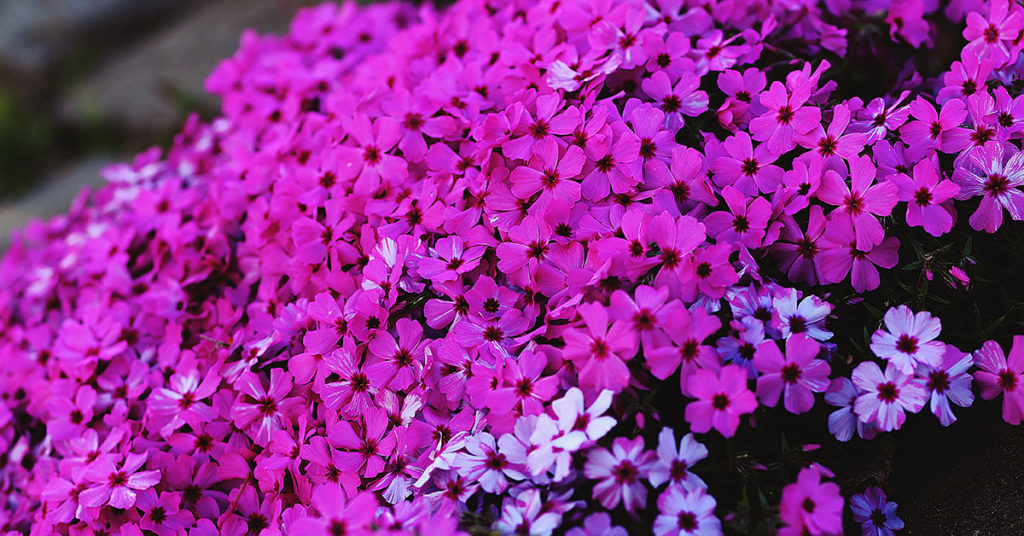
Phlox is an eye-catching perennial that lights up the garden with its profuse, fragrant blooms and gentle, cascading habit—an absolute magnet for butterflies! Native to North America, Phlox offers a range of varieties, from tall garden phlox to creeping forms that naturally nestle among other plants, creating a tapestry of colors that dances in the sunlight. I’ve always been delighted by how its clusters of flowers form natural microhabitats that not only invite butterflies to feast on its nectar but also provide subtle shelter for smaller insects, enhancing the overall vitality of the garden!
While Phlox is generally well-behaved and non-invasive, proper spacing and occasional division are recommended to keep it flourishing. Its sweet fragrance and abundant blooms ensure that butterflies and other pollinators are drawn to your garden time and again, creating a vibrant and ever-changing display of nature’s finest. For those who seek both beauty and practical benefits in their garden, Phlox is a timeless choice that never fails to captivate and charm!
Salvia
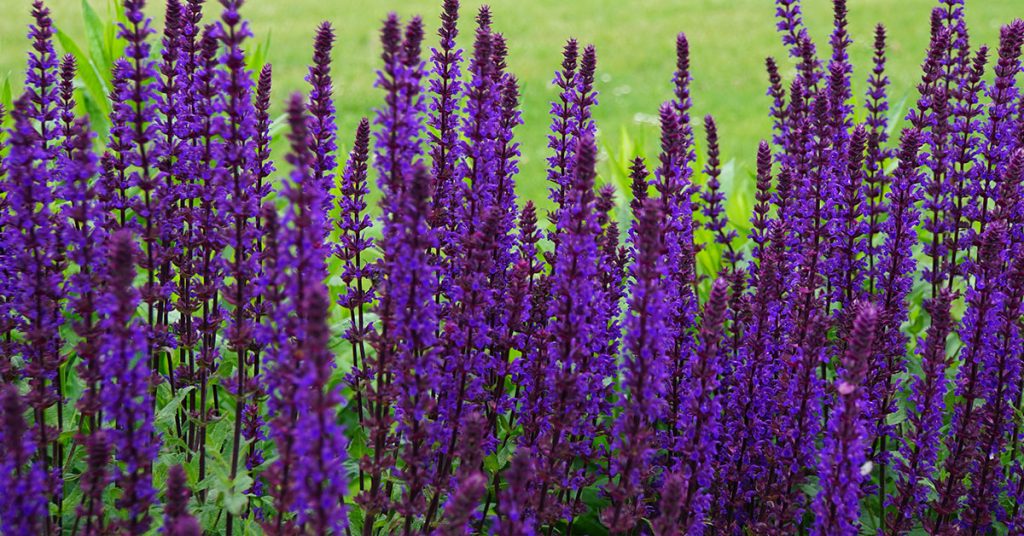
Salvia is a dynamic perennial that brings a burst of vibrant color and an irresistible fragrance to any garden, making it a favorite among butterflies. Native to regions as varied as Central and South America and the Mediterranean, Salvia produces tall, spiky flower clusters that act like natural beacons, drawing in butterflies and bees with their nectar-rich offerings. I’m always excited by the way Salvia’s architectural form creates a natural structure in the garden—almost like a series of green nests that support a bustling community of pollinators!
Not only is Salvia visually striking, but it’s also remarkably resilient and non-invasive when given the right conditions. Its easy-care nature and constant bloom cycle make it an ideal choice for gardeners who want to enjoy an ever-changing display of color and life throughout the season. Salvia’s combination of beauty, practicality, and its proven ability to attract butterflies makes it a standout addition to any garden looking to embrace nature’s splendor with minimal fuss!
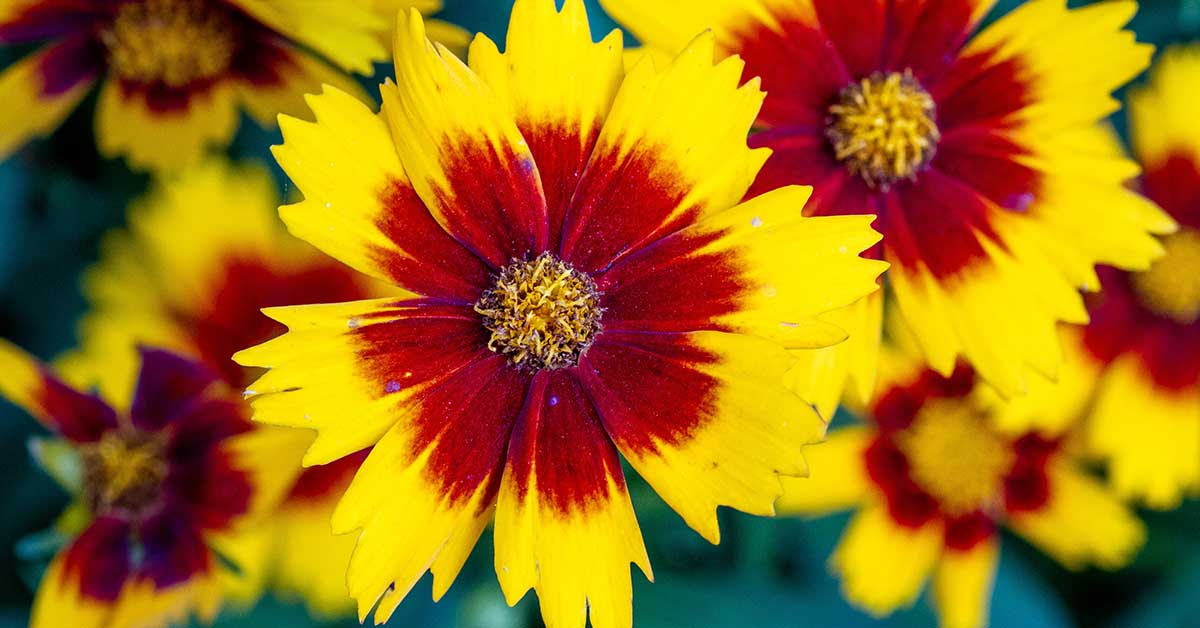
Coreopsis
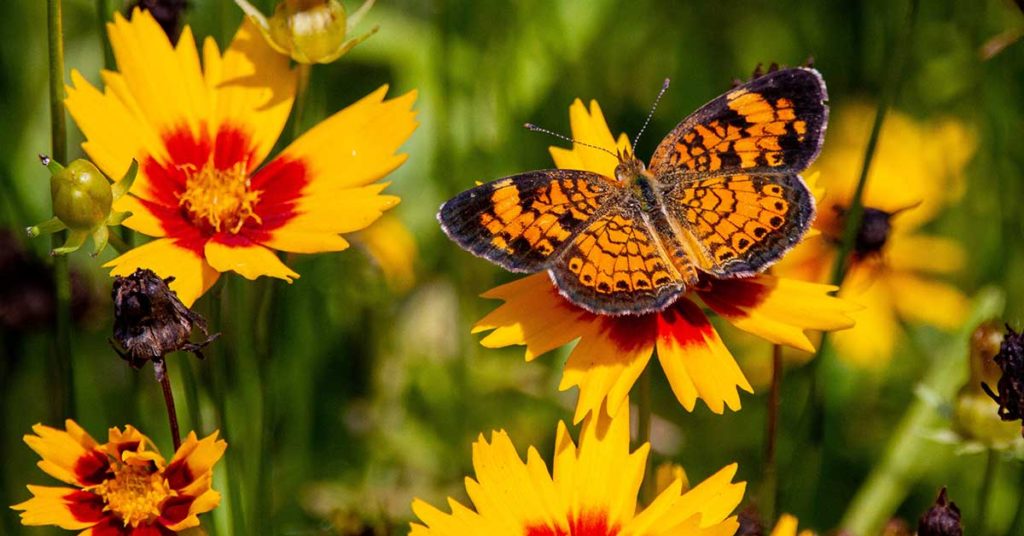
Coreopsis, often known as tickseed, is a radiant perennial that adds a splash of sunshine to the garden and serves as a delightful host for butterflies. Native to North America, these cheerful blooms range in color from brilliant yellows to warm oranges, forming natural clusters that appear to invite butterflies into a gentle embrace. I appreciate how Coreopsis’s open, airy habit creates a natural landing strip for butterflies, with its delicate petals and lush green foliage forming an ideal setting for these winged wonders to pause and refresh!
Its non-invasive nature and low-maintenance care requirements make Coreopsis an excellent choice for gardeners of all levels. With regular deadheading and occasional division, this perennial will continuously reward you with vibrant displays that enhance the overall ecosystem of your garden. For those seeking a plant that combines effortless beauty with practical benefits in attracting butterflies, Coreopsis is an absolutely brilliant and reliable option!
Sedum
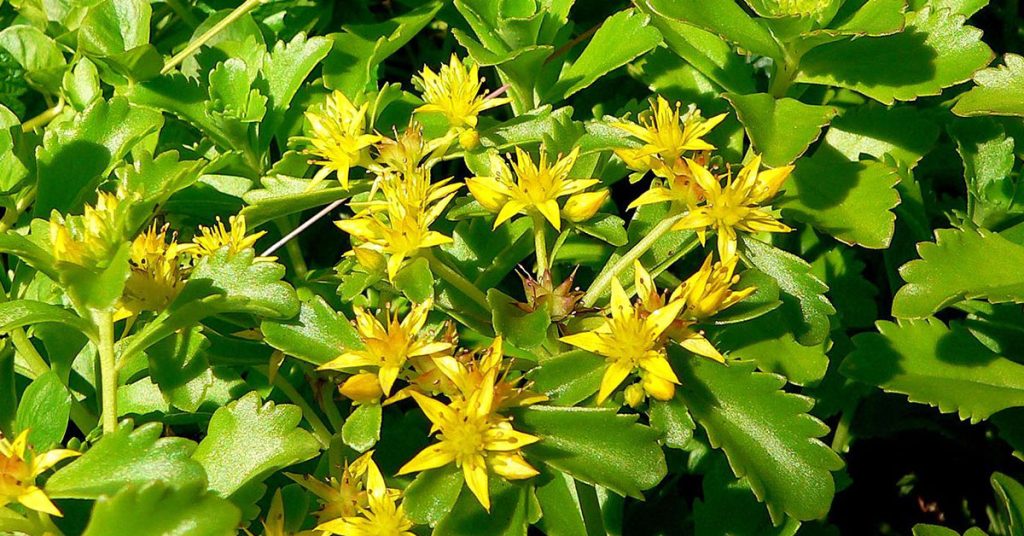
Sedum, commonly known as Stonecrop, is a hardy succulent that surprises many with its unexpected charm and appeal to butterflies. Native to Europe and Asia, Sedum is renowned for its thick, fleshy leaves and clusters of star-shaped flowers that form in tight, compact arrangements—creating a natural, low-maintenance carpet that butterflies find irresistible! I’m always amazed at how this succulent not only adds texture and contrast to the garden but also provides a subtle, yet important, nectar source for visiting butterflies and other beneficial insects.
Its drought-tolerant nature and non-invasive growth make Sedum an ideal addition for gardeners looking for a resilient plant that thrives with minimal care. The way its clusters seem to nestle into rocky or well-drained soils creates a unique microenvironment where small pollinators can easily find refuge and nourishment. For those who appreciate both beauty and practicality, Sedum offers a charming blend of rustic elegance and ecological support, ensuring that your garden remains a vibrant haven for butterflies all season long!