

As a devoted gardener who’s weathered the ups and downs of pest invasions and unpredictable weather, I know how uplifting it is to discover perennial flowers that practically fend off unwelcome visitors on their own! It’s such a relief when you can plant vibrant, long-lasting blooms that not only captivate the eye but also remain virtually pest-free. Over the years, I’ve experimented with countless varieties, and these 14 perennials have proven to be real champions—thriving in my garden, attracting beneficial insects, and even forming natural nests that enhance the overall ecosystem.
I understand the frustration of battling pests while trying to create a serene and flourishing outdoor space, so I’m excited to share these resilient beauties with you. Each flower in this collection comes with a unique story—where it’s native to, how it behaves in your garden, and whether it has any invasive tendencies when conditions are just right. So, grab your gardening gloves and join me on this journey to explore perennials that bring color, charm, and ease to even the busiest of gardens!
Salvia
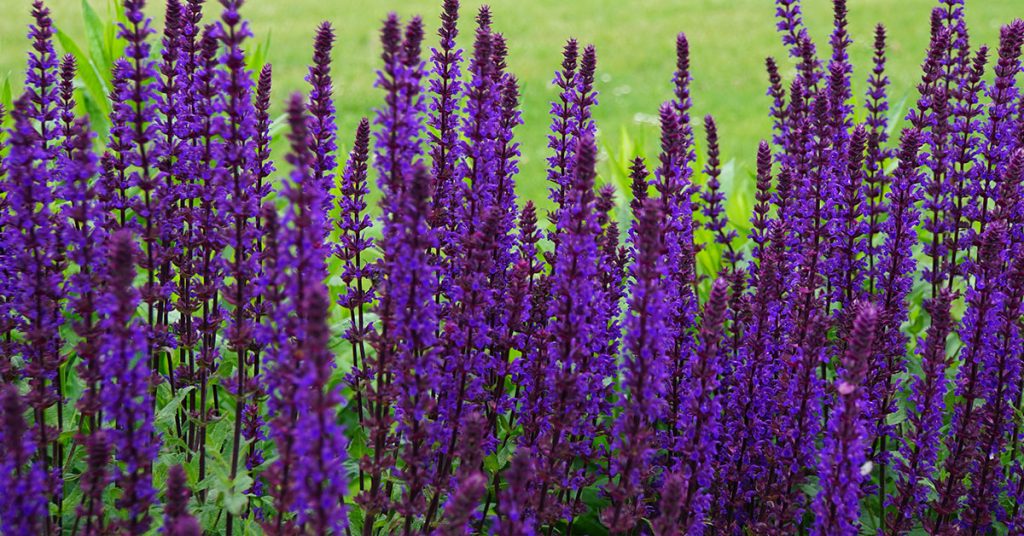
Salvia bursts onto the scene with its vibrant spikes of flowers and aromatic foliage, making it an absolute must-have for any beginner’s garden. Native to regions as diverse as Central and South America as well as parts of the Mediterranean, Salvia offers a range of colors—from deep purples to fiery reds—that naturally attract hummingbirds and butterflies. I’ve found that its tall, graceful habit not only creates a striking vertical accent but also seems to form natural nesting sites for small pollinators, enriching the garden’s overall activity!
This perennial is celebrated for its minimal pest issues and its ability to flourish in well-drained soil with plenty of sunshine. While Salvia isn’t considered invasive, its robust growth can sometimes surprise you, so a little pruning every now and then helps keep it in shape. I always enjoy the energetic burst of color Salvia provides—it’s like a festival in my garden that requires little more than a bit of basic care and a sunny spot to truly shine!
Yarrow
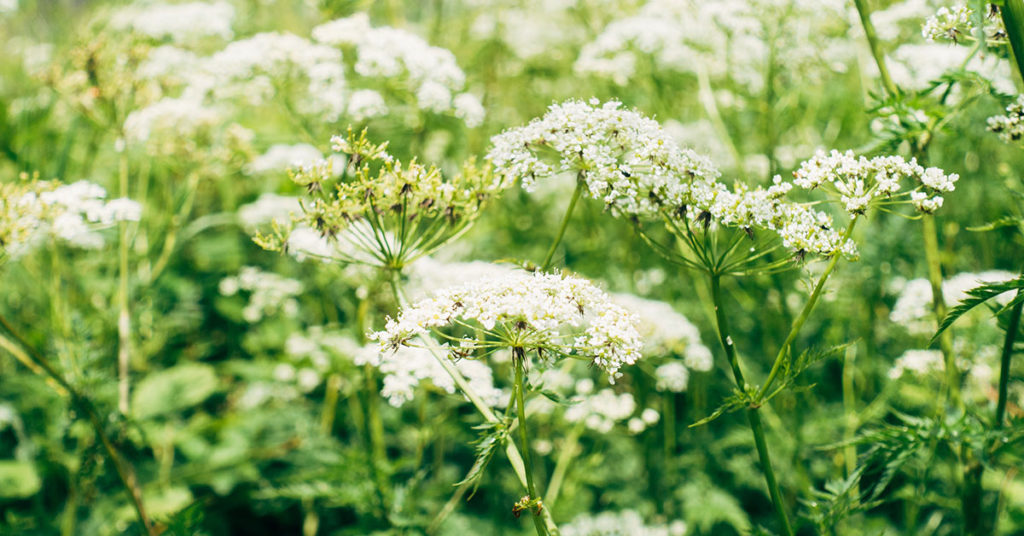
Yarrow, with its clusters of small, daisy-like blooms, is a perennial star that’s as hardy as it is charming. Native to temperate regions of the Northern Hemisphere, Yarrow thrives in a variety of soil types and is renowned for its virtually pest-free nature. I’ve witnessed firsthand how its feathery foliage and flat-topped clusters create an inviting microhabitat that draws beneficial insects while deterring troublesome pests. Its delicate yet resilient character is a constant source of inspiration in my garden!
Not only does Yarrow provide a burst of color with shades ranging from soft yellows to deep reds, but its spreading habit also helps fill in gaps without overwhelming other plants. It’s generally non-invasive when managed with a bit of occasional division, ensuring that it remains a harmonious addition to your landscape. For me, Yarrow is a delightful reminder that sometimes nature provides solutions that are both beautiful and low-maintenance—perfect for gardeners seeking ease and elegance!
Black-Eyed Susan
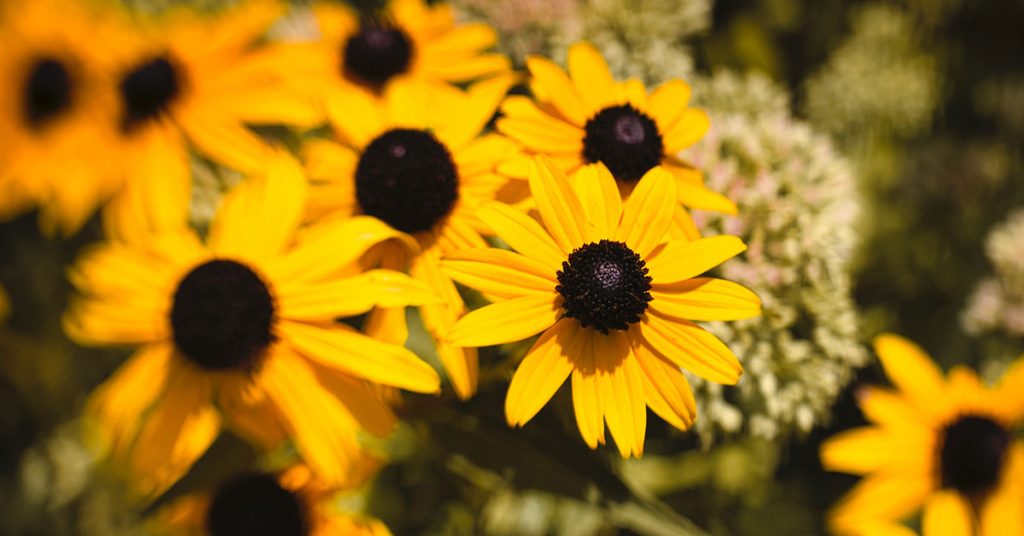
Black-Eyed Susan is a perennial delight known for its bold, daisy-like blossoms and striking dark centers that seem to capture the very essence of summer. Native to the prairies and open fields of North America, these flowers are celebrated for their ability to thrive in a wide range of soil conditions and climates. I’m always thrilled by the way their bright yellow or orange petals create natural clusters that invite butterflies and bees, almost as if they’re offering a safe nesting haven in the heart of your garden!
Despite its robust nature, Black-Eyed Susan remains virtually pest-free, making it an ideal choice for those who want a splash of color without the hassle of constant pest management. Although it can self-seed under ideal conditions, it is generally not invasive and can be easily controlled with a bit of routine maintenance. For me, every time I see a patch of Black-Eyed Susan, it’s a joyful nod to the resilient beauty of native plants that can brighten even the most challenging garden spaces!
Dianthus
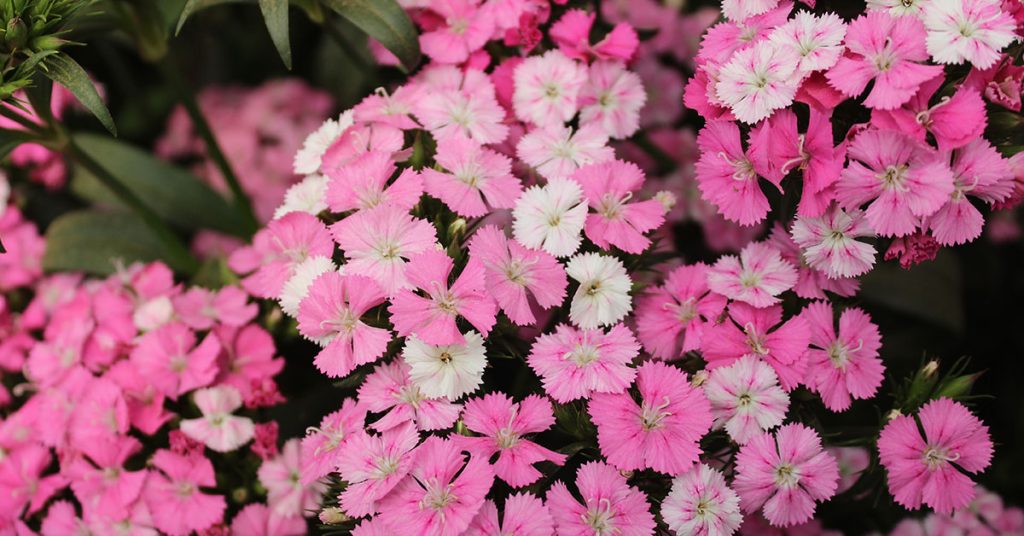
Dianthus, often known as the “pinks,” enchants with its fringed petals and a fragrance that’s nothing short of delightful. Native to Europe and parts of Asia, these perennial flowers offer a palette of colors ranging from soft pastels to bold, vibrant hues. I’ve always admired how Dianthus not only adds a refined touch to garden beds but also seems to create intimate clusters that attract small, beneficial insects—almost as if they’re forming their own little community among the blooms!
One of the many joys of growing Dianthus is its reputation for being nearly pest-free, which means more time admiring its beauty and less time worrying about unwanted invaders. While it isn’t known to be invasive, proper spacing and occasional thinning help maintain its elegant form and ensure each flower has room to shine. In my garden, Dianthus stands as a perfect example of low-maintenance charm, offering both visual appeal and a delightful aroma that lifts my spirits every time I stroll past!
Coreopsis
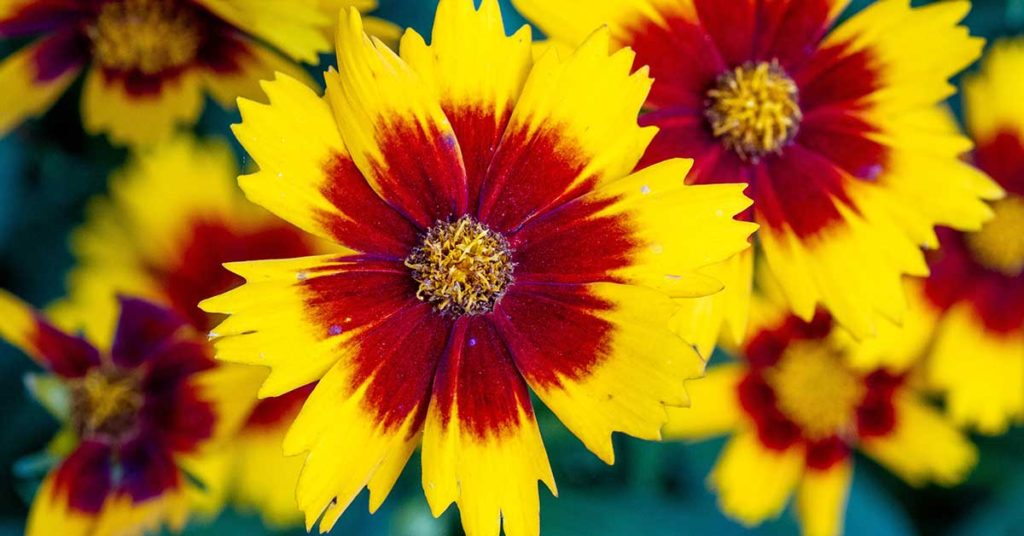
Coreopsis, or tickseed, is a perennial gem that brings a radiant burst of sunny colors to the garden while practically fending off pests on its own. Native to North America, Coreopsis thrives in full sun and well-drained soil, making it an ideal candidate for gardeners looking for vibrant, hassle-free blooms. I love watching its daisy-like flowers open in a brilliant display of yellows, oranges, or reds, creating natural clusters that seem to invite bees and butterflies to settle in for a visit!
This resilient perennial is also appreciated for its non-invasive nature, as it tends to form tidy clumps that can be divided every few years to maintain vigor. Its ability to attract beneficial insects while remaining virtually pest-free has made Coreopsis a staple in my garden, where it fills in spaces with an effortless charm. For anyone starting out in gardening, Coreopsis is a cheerful and dependable choice that brightens your outdoor space with minimal fuss and maximum visual impact!
Russian Sage
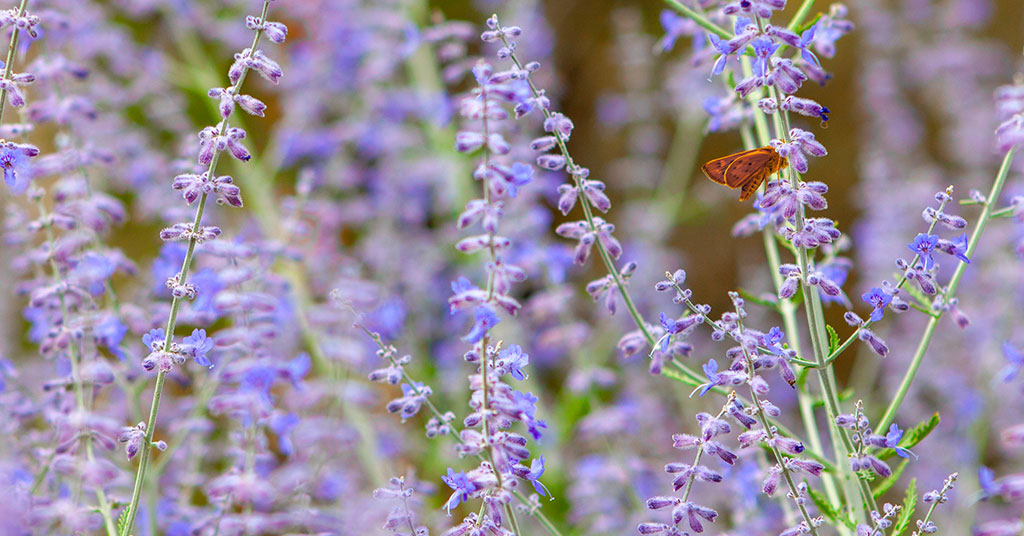
Russian Sage enchants with its airy, silvery foliage and delicate clusters of blue flowers, creating a soft, ethereal presence in the garden. Native to the arid regions of Central Asia, this perennial thrives in full sun and well-drained soil, effortlessly blending rugged resilience with refined beauty. I always appreciate how Russian Sage seems to form natural, wind-swept clusters that act like tiny nests, inviting beneficial insects while repelling common garden pests with its aromatic oils!
Though its sprawling habit can be vigorous, Russian Sage is generally non-invasive when given a bit of regular pruning to keep it tidy. Its long blooming period and low-maintenance requirements make it an ideal choice for beginners who want a perennial that not only stands out for its beauty but also requires little pest management. In my garden, Russian Sage is a reminder of the elegance that arises when nature is allowed to flourish with minimal intervention—a true symbol of effortless, pest-free charm!
Gaillardia (Blanket Flower)
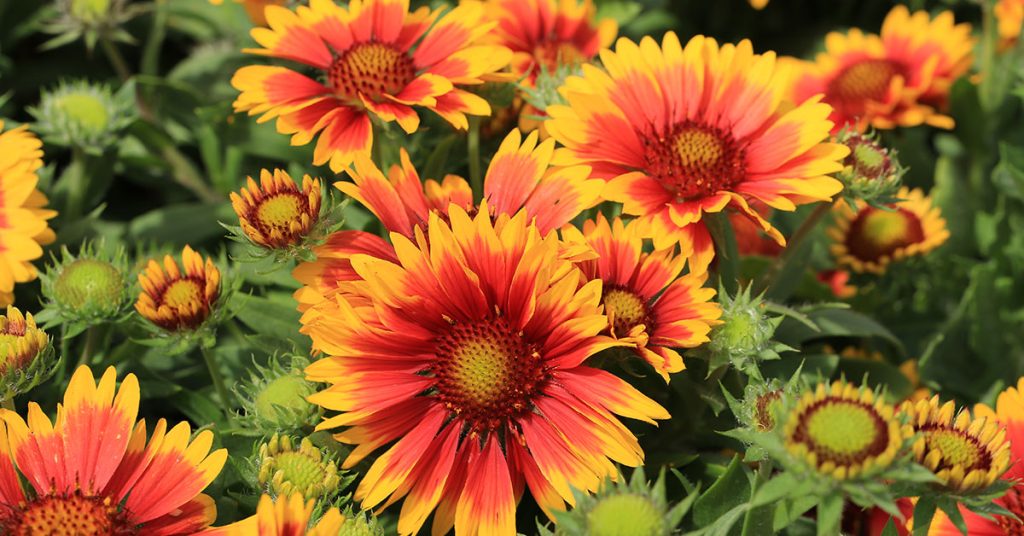
Gaillardia, commonly known as Blanket Flower, is a striking perennial that lights up any garden with its warm, fiery hues and robust growth habit. Native to the prairies of North America, this flower thrives in hot, dry conditions and is famed for its nearly pest-free nature. I’m always impressed by how its vibrant red and yellow petals form captivating, daisy-like clusters that not only attract pollinators but also create natural, sheltered microhabitats for beneficial insects to nest!
Despite its bold appearance, Gaillardia is remarkably easy to care for and tends not to invite unwanted pests, making it a fantastic choice for beginners. While it spreads a bit in ideal conditions, it’s generally well-behaved and can be managed with periodic division to maintain its form. For me, Blanket Flower is an exciting reminder that a burst of color and energy can be achieved without the headache of constant pest control—truly a win-win for any garden enthusiast!
Shasta Daisy
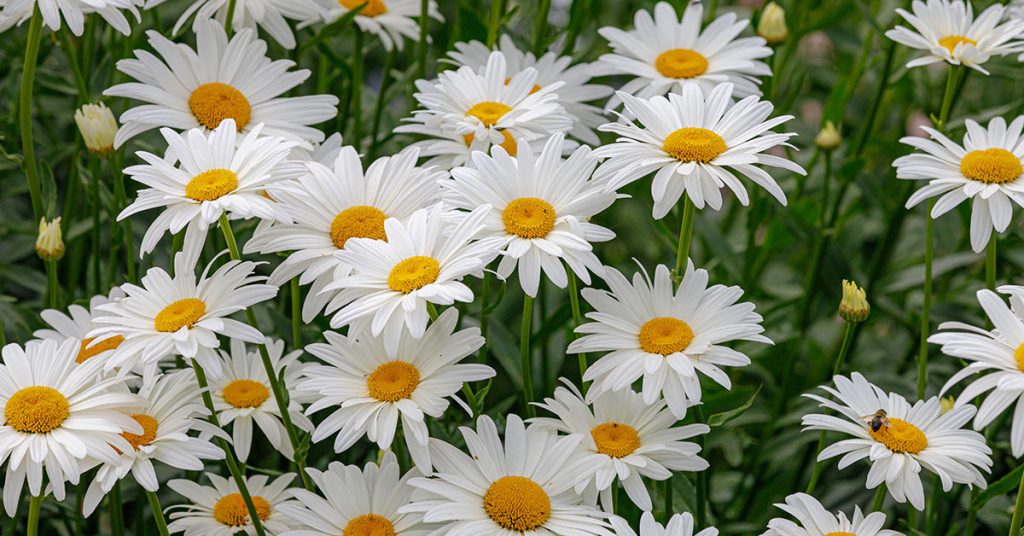
Shasta Daisy is a perennial classic that brings timeless charm to any garden with its pure white petals and sunny yellow centers. Developed in the United States, these daisies are cherished for their simplicity and resilience, thriving in both full sun and partial shade. I love how their natural tendency to form low, sprawling clumps creates inviting little nests that encourage pollinators to stop by, enhancing the overall vitality of the garden!
Known for being virtually pest-free, Shasta Daisy is a dream come true for gardeners who want beauty without extra maintenance. Although not invasive, regular division every few years helps keep the plants vigorous and ensures they continue to bloom profusely. In my own garden, Shasta Daisies symbolize the joy of uncomplicated beauty—elegant, effortless, and always a cheerful sight, even on the busiest days!
Catmint

Catmint, a member of the mint family, delights with its soft, aromatic foliage and clusters of lavender-blue flowers that add a whimsical touch to garden borders. Native to Europe and parts of Asia, Catmint thrives in sunny spots with well-drained soil and is celebrated for its ability to remain virtually pest-free. I’ve observed that its sprawling habit and inviting scent seem to naturally deter pests while attracting beneficial insects, almost as if it creates a miniature sanctuary where nature can flourish!
Its non-invasive nature makes Catmint an ideal addition for beginners who want to enjoy a burst of color and fragrance without the worry of pest infestations. Regular pruning ensures that it maintains a neat form while continuing to produce abundant blooms throughout the season. For me, Catmint is a perfect example of nature’s balance—a plant that combines beauty, ease, and the subtle magic of pest resistance, making every garden visit a soothing and inspiring experience!
Daylily
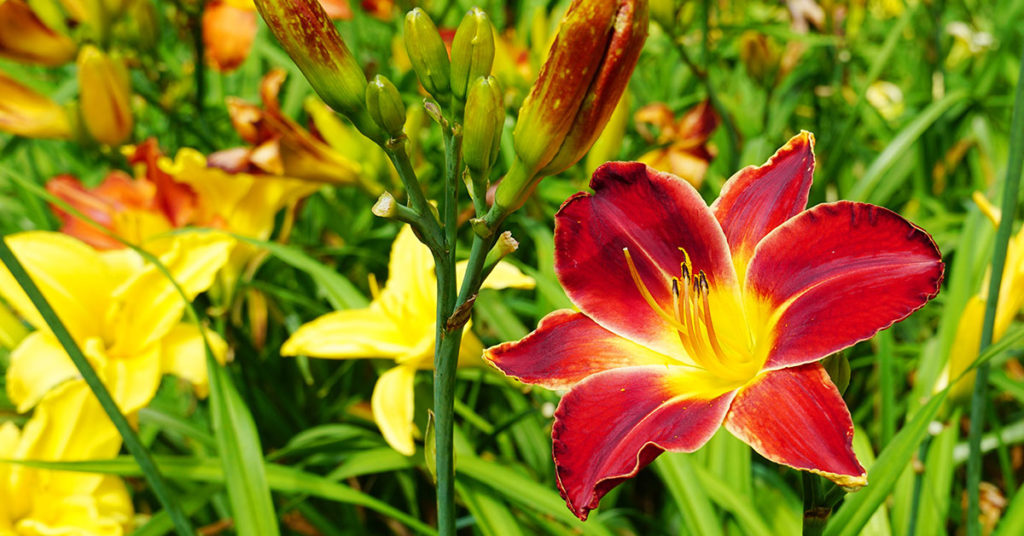
Daylilies are a perennial favorite known for their vibrant, effortless beauty and almost non-existent pest issues. Native to Asia, these robust flowers come in an array of colors and are celebrated for their ability to thrive in a variety of conditions—from full sun to partial shade. I’m always amazed by how their clumps form natural, inviting nests that attract pollinators while deterring common pests, making them an excellent choice for gardeners who crave beauty without constant vigilance!
While each individual bloom lasts only a day, the plant continuously produces new flowers throughout the growing season, creating a stunning, ever-changing display. Daylilies are non-invasive and require very little maintenance, which makes them particularly appealing for beginner gardeners. Their vibrant colors and dynamic growth not only elevate the garden’s aesthetic but also serve as a gentle reminder that nature’s rhythm is full of surprises—each day bringing a new burst of life and color!
Sedum (Stonecrop)
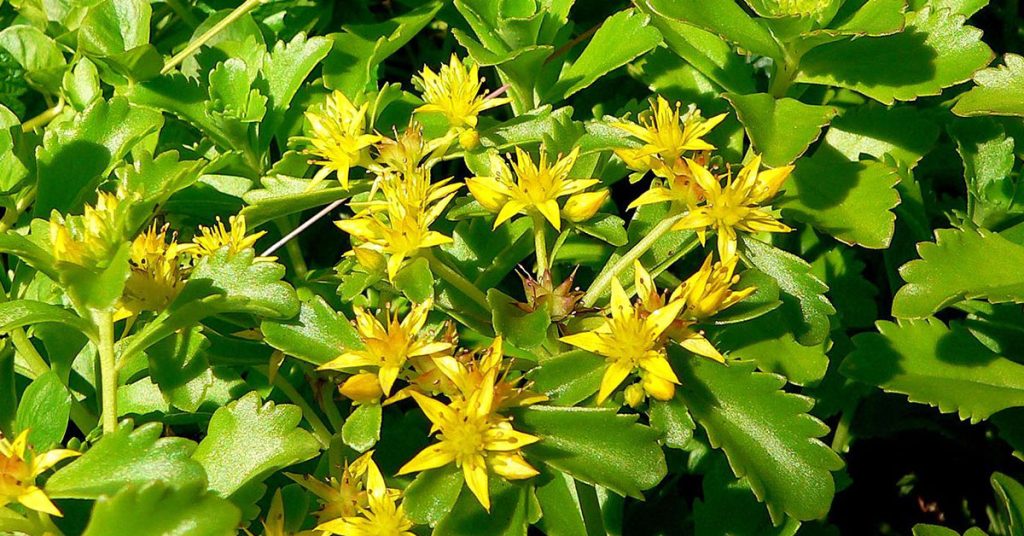
Sedum, commonly known as Stonecrop, is a succulent perennial that stands out for its hardy nature and clusters of star-shaped flowers. Native to Europe and Asia, Sedum thrives in rocky, well-drained soils and is admired for its ability to flourish in challenging conditions while remaining virtually pest-free. I love how its fleshy leaves and scattered blooms create natural groundcover that attracts beneficial insects and provides a unique, textured contrast to more delicate plants in the garden!
Its low-maintenance character and non-invasive growth habit make Sedum an ideal pick for gardeners who want to add a splash of color with minimal effort. A little division every few years keeps it looking neat and ensures that it continues to form those charming, succulent clusters. For me, Sedum epitomizes the beauty of resilience—a plant that transforms harsh environments into vibrant displays of life, all while requiring little more than a sunny spot and a bit of well-drained soil!
Echinacea (Purple Coneflower)

Echinacea, or Purple Coneflower, is a perennial powerhouse celebrated for its striking daisy-like blooms and its virtually pest-free nature. Native to the central and eastern regions of North America, Echinacea thrives in sunny, well-drained conditions, and its robust form naturally attracts bees and butterflies that help create a balanced garden ecosystem. I’m always in awe of how its large, vibrant petals frame a distinctive cone-shaped center, forming a natural gathering point for beneficial insects that seem to take shelter among its blooms!
This resilient flower is not only a visual treat but also a breeze to maintain, with minimal susceptibility to pests. While it may self-seed in ideal conditions, regular division every few years ensures that it remains a well-behaved part of your garden palette. For anyone looking for a perennial that combines stunning aesthetics with ease of care, Echinacea is a must-have—a true symbol of nature’s ability to flourish with grace and minimal fuss!
Helenium (Sneezeweed)
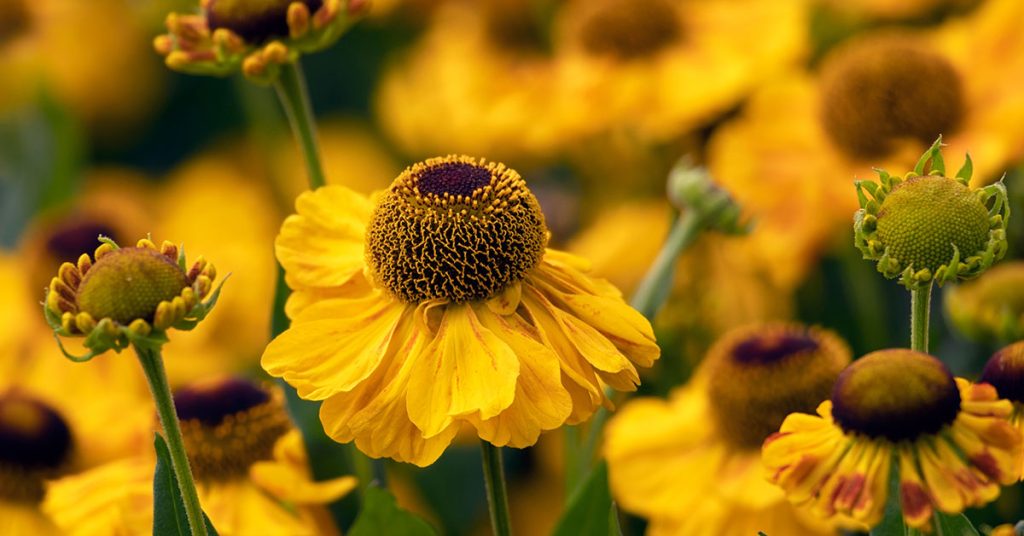
Helenium, affectionately known as Sneezeweed, adds a burst of autumnal brilliance to the garden with its rich, golden to deep reddish-brown blossoms. Native to North America, this perennial thrives in full sun and moist, well-drained soils, creating natural clusters that attract pollinators and beneficial insects. I find its layered, daisy-like blooms absolutely captivating as they form intricate patterns that seem to encourage a lively exchange between nature and nurture in every corner of the garden!
While Helenium remains virtually free of pest problems, its vigorous growth may require occasional deadheading to keep its appearance fresh and tidy. It is generally non-invasive, but a little division every few years will help maintain its robust form and prevent overcrowding. For me, Helenium represents the warm, inviting spirit of fall—a perennial that lights up the garden with its rich hues and friendly demeanor, making it a delightful addition to any landscape!
Peony
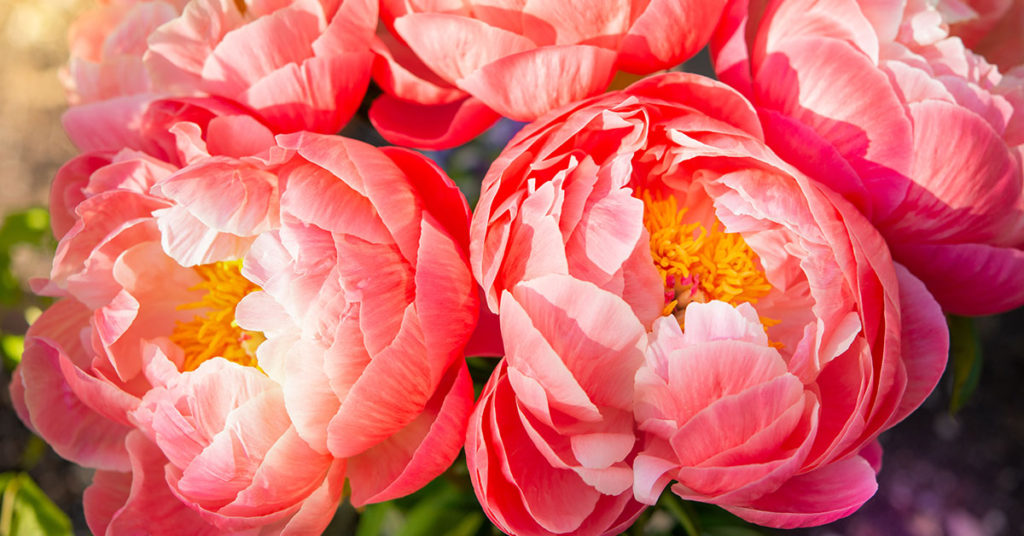
Peonies are the epitome of perennial luxury, renowned for their lush, full blooms and intoxicating fragrance that fills the garden with old-world charm. Native to Asia, Europe, and parts of Western North America, these magnificent flowers create dramatic floral displays while maintaining an almost pest-free reputation. I always marvel at the way their large, ruffled petals form natural, sumptuous clusters that not only captivate the eye but also seem to provide a safe haven for beneficial insects, enhancing the garden’s overall vibrancy!
Although Peonies require a bit of patience to establish and bloom at their fullest potential, they reward you with spectacular, long-lasting blossoms year after year. They are generally non-invasive and need only minimal care beyond annual pruning and division every few seasons to keep them flourishing. For any beginner gardener eager to add a touch of timeless elegance and minimal pest hassle to their outdoor sanctuary, Peonies are truly an investment in beauty and serenity that pays off with every enchanting bloom!