

Gardening is a journey full of unexpected challenges, and one of the most frustrating battles is against those seemingly harmless weeds that turn out to be surprisingly harmful! As a devoted gardener, I understand the heartache of watching invasive plants choke your beloved flower beds, ruin your lawns, and even pose risks to your family’s health. These weeds may look unassuming at first glance, but many harbor dangerous toxins, aggressively outcompete native species, or trigger severe allergies. It’s such a bummer when all your hard work is undermined by these relentless invaders, and I’m here to help you identify and eradicate them once and for all!
I’ll introduce you to 11 common weeds that you should kill on sight—each with its own story, native origins, and invasive behaviors. We’ll explore how some of these plants not only spread like wildfire but also attract or even provide nesting sites for unwanted insects, further disturbing your garden’s delicate ecosystem. Whether you’re battling itchy rashes, property damage, or allergy flare-ups, these detailed insights and personal gardening tips will empower you to reclaim your space and restore a healthy balance in your outdoor haven!
Poison Ivy
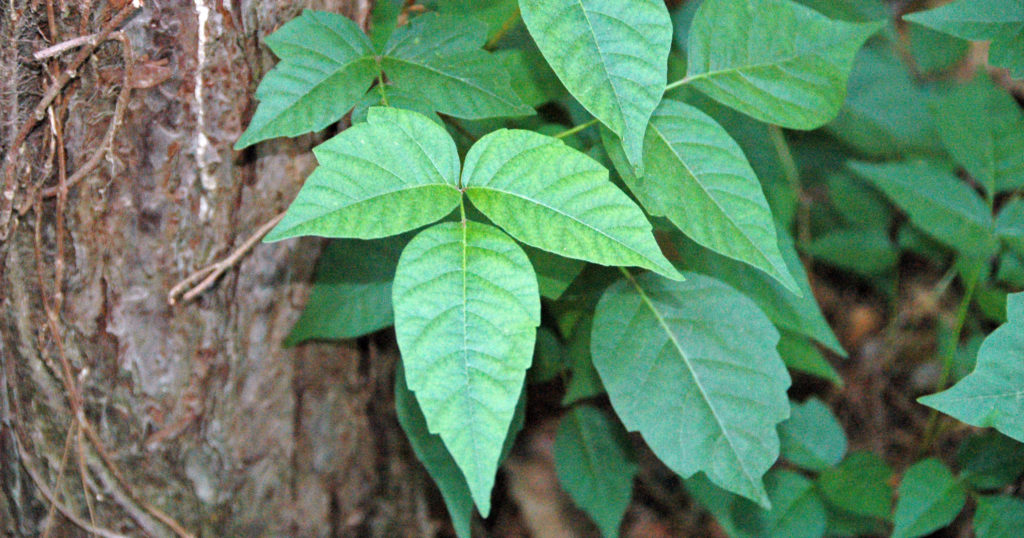
Poison Ivy is notorious for its toxic oils that cause severe skin irritation and allergic reactions. Native to North America, this unassuming vine displays clusters of small greenish or white flowers that give way to inconspicuous berries—but don’t be fooled by its modest appearance! I’ve experienced the frustration of unwittingly brushing against its leaves and suffering from painful rashes, which is why I always advise gardeners to eliminate it immediately.
Despite its harmful nature, Poison Ivy does attract certain wildlife such as birds that feed on its berries, though this inadvertently helps spread its seeds over a wide area. Its twisted, climbing habit can also provide cover for small insects, which might find temporary shelter in its tangled vines. However, the risks to humans and pets far outweigh any ecological benefits. When you spot Poison Ivy, take swift action with proper protective gear and targeted removal methods to protect your garden and health!
Japanese Knotweed

Japanese Knotweed is a true force of nature, renowned for its rapid growth and destructive potential. Native to East Asia, this perennial invader forms dense thickets with bamboo-like canes and clusters of small, creamy-white flowers. I’ve witnessed how quickly it can overrun an area, undermining structures and suffocating native plants—an absolute nightmare for any gardener!
This aggressive weed doesn’t just damage your landscape; it can also alter the ecosystem by providing unintended nesting spots for certain insects that thrive in its dense, tangled growth. Despite its ornamental appeal in some cultures, Japanese Knotweed is considered one of the world’s most invasive species in many regions outside its native range. It’s critical to act fast and remove it completely, using specialized techniques to prevent its notorious underground rhizomes from re-sprouting. Kill it on sight before it wreaks more havoc in your garden!
Bindweed
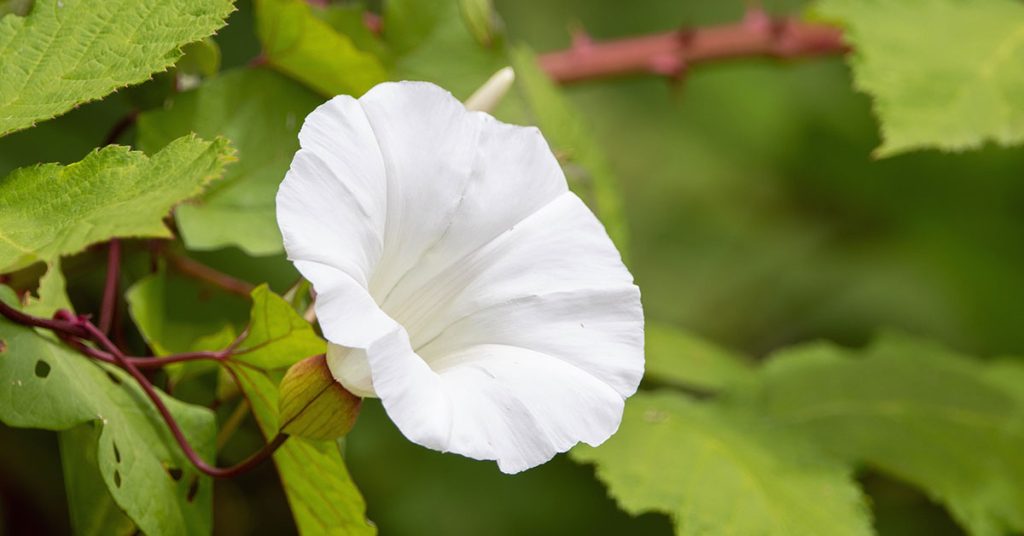
Bindweed, or Convolvulus arvensis, is a stealthy and persistent foe that chokes out desirable plants with its twining vines. Native to temperate regions of Eurasia, this perennial weed boasts pretty white to pink funnel-shaped flowers that mask its destructive nature. I’ve spent many long hours trying to eradicate Bindweed from my garden, only to see it return with relentless vigor—making it one of the most exasperating weeds to combat!
Its deep, extensive root system and rapid seed production allow Bindweed to quickly re-establish itself, often outcompeting crops and ornamental plants. Moreover, its vines can create shady, humid microhabitats that attract various insects, some of which may nest in its dense foliage. Although Bindweed might add a fleeting touch of color, its invasive growth poses a serious threat to your garden’s health. Don’t hesitate—remove it on sight and prevent it from strangling your precious plants!
Dandelion

Dandelions (Taraxacum officinale) are a familiar sight in many gardens, with their bright yellow flowers and fluffy seed heads that seem to float on the breeze. While many appreciate them for their cheerful appearance and even culinary or medicinal uses, these hardy perennials are surprisingly aggressive weeds. Native to Eurasia, dandelions have spread throughout the world, often taking over lawns and garden beds with their deep taproots and prolific seed production.
Despite their charm, dandelions can create a dense ground cover that outcompetes other plants and disrupts the balance of your garden’s ecosystem. Their wind-dispersed seeds ensure rapid colonization, and the open, sunny spots they favor can also attract a variety of pollinators and small insects that might nest among their leaves. Although they have some benefits, the relentless spread of dandelions can quickly overwhelm your garden, so it’s wise to remove them promptly to keep your landscape in check!
Bull Thistle
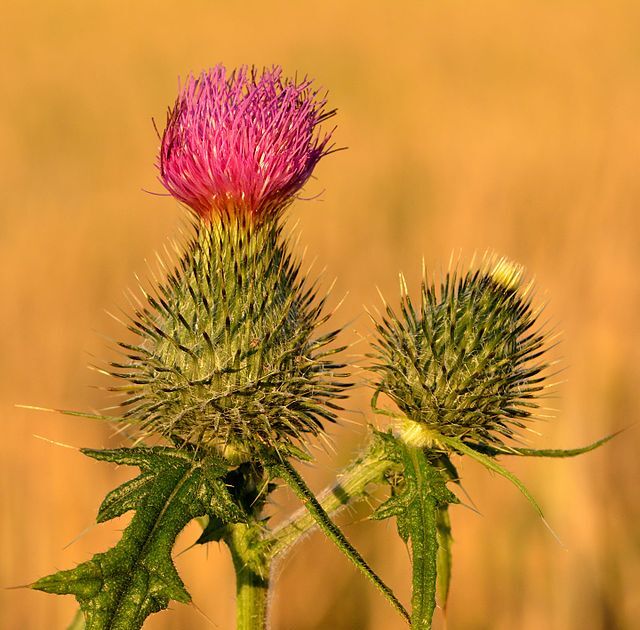
Bull Thistle (Cirsium vulgare) is a formidable weed that packs a serious punch with its towering spines and vibrant purple flower heads. Native to Europe and Asia, this robust biennial or short-lived perennial can wreak havoc in open fields and garden beds alike. I’ve encountered Bull Thistle in several of my projects, and its aggressive nature and intimidating spines make it clear that this plant is not to be trifled with!
Its dense, spiny foliage not only deters gardeners but also provides an ideal, though unwelcome, nesting site for certain pest insects. While Bull Thistle’s striking appearance might initially catch the eye, its invasive growth habit and potential to dominate an area mean that it should be removed on sight. This weed can seriously impact local biodiversity by displacing native plants, so acting swiftly to control its spread is absolutely essential!
Creeping Charlie
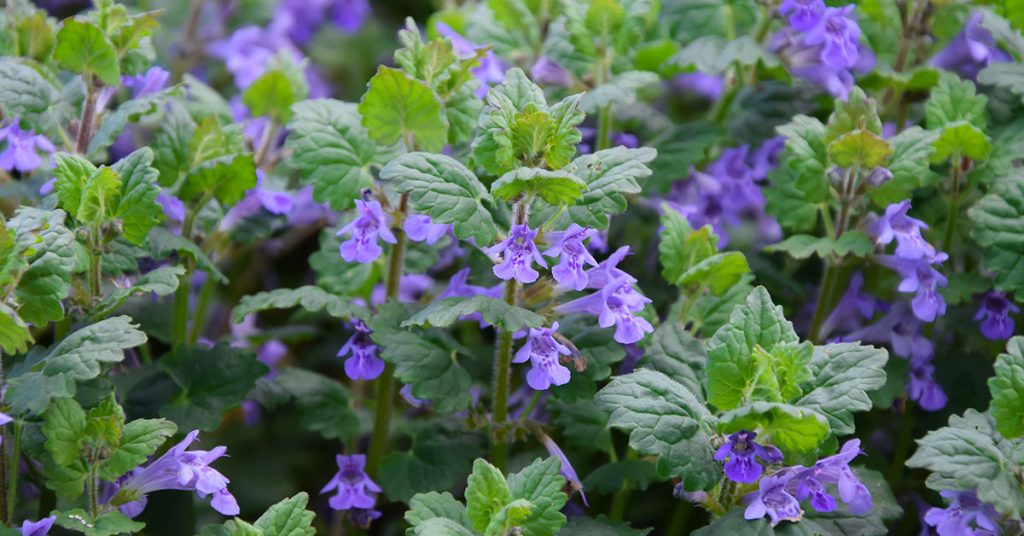
Creeping Charlie (Glechoma hederacea), also known as Ground Ivy, is a low-growing perennial that may appear harmless with its small, scalloped leaves and purple, tubular flowers—but it’s a stealthy and invasive menace! Native to Europe and Asia, this creeping weed spreads rapidly through runners, forming thick mats that choke out lawns and garden plants. I’ve often found myself frustrated by its persistent invasion, as it seems to reappear no matter how diligently I try to remove it.
Its ability to spread so quickly makes it a magnet for certain insects, which can find safe nesting spots within its dense, green carpet. Although Creeping Charlie might provide a bit of ground cover in shady areas, its aggressive growth can undermine the health of your garden by monopolizing space and resources. For anyone serious about maintaining a tidy, balanced landscape, spotting and eliminating Creeping Charlie immediately is a must!
Yellow Nutsedge
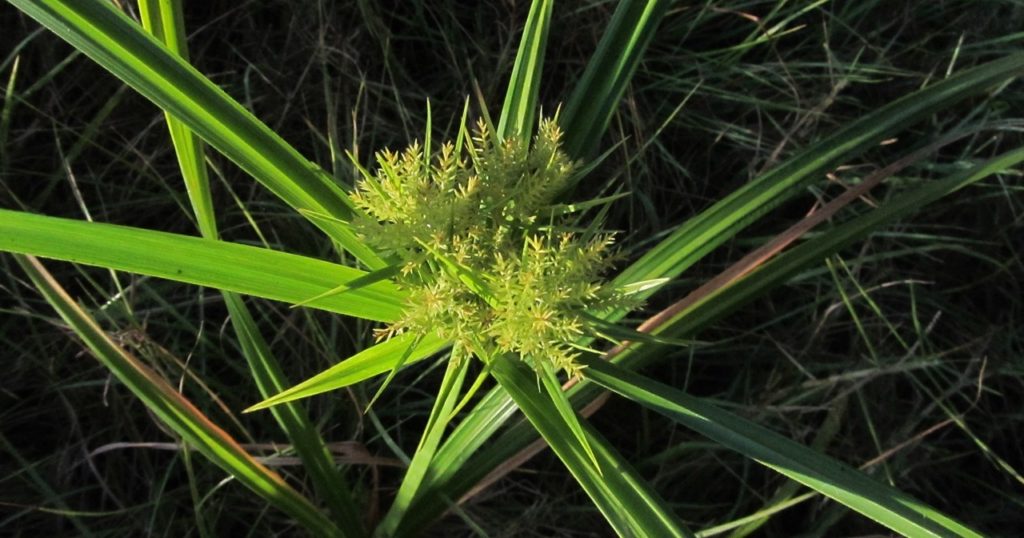
Yellow Nutsedge (Cyperus esculentus) is a tenacious, grass-like weed that invades gardens with astonishing speed. Native to tropical regions, this sedge has found its way into lawns and garden beds around the globe, where its slender, bright green stems and distinctive nut-like tubers make it a relentless competitor. I’ve had my fair share of battles with Yellow Nutsedge, as its underground tubers make it exceptionally difficult to eradicate—once it’s established, it practically takes over the space!
This invasive weed’s rapid growth not only crowds out desirable plants but also creates an environment that can attract soil-dwelling pests and insects, which sometimes use its clumps for nesting. Although it may resemble harmless grass, Yellow Nutsedge is a serious threat to the integrity of your garden’s ecosystem. With its deep root systems and prolific seeding, it’s best to remove it on sight before it spreads any further and causes long-term damage!
Common Ragweed

Common Ragweed (Ambrosia artemisiifolia) might seem innocuous with its muted green leaves and inconspicuous flowers, but this weed is a major health hazard and ecological disruptor. Native to North America, Common Ragweed is infamous for releasing pollen that triggers severe allergic reactions in millions of people. I’ve experienced the frustration of ragweed season myself, with its fine, airborne pollen turning a peaceful garden stroll into a sneezing, watery-eyed ordeal!
Beyond its impact on human health, ragweed can dominate disturbed soils, outcompeting native plants and altering the local ecosystem. Its pollen attracts very few beneficial insects but instead contributes to environmental imbalances that can affect entire communities. Given its harmful effects on both health and biodiversity, Common Ragweed is a weed you must eliminate as soon as it appears. Protect your garden and your well-being by keeping this allergenic menace at bay!
Japanese Stiltgrass

Japanese Stiltgrass (Microstegium vimineum) is a fast-spreading annual grass that has become a serious invasive problem in many forests and gardens across North America. Native to Asia, this weed forms dense, mat-like stands that smother native plants and disrupt the natural balance of the ecosystem. I’ve witnessed how Japanese Stiltgrass can quickly overtake an area, leaving behind a uniform, lifeless carpet that’s both unsightly and ecologically damaging!
Its fine, delicate stems and abundant seed production make it a magnet for various insects, although these visitors rarely contribute to any beneficial outcomes. Instead, the weed’s rapid growth and aggressive spread can severely hinder the regeneration of native vegetation, making restoration efforts even more challenging. When you see Japanese Stiltgrass in your yard, it’s crucial to remove it immediately to preserve your local biodiversity and protect your garden’s natural charm!
Purslane

Purslane (Portulaca oleracea) is a succulent annual that, while sometimes celebrated for its edible qualities, can become a pervasive and harmful weed in many gardens. Native to the Mediterranean region, Purslane thrives in warm, sunny environments, spreading quickly with its prostrate, fleshy stems. I’ve noticed that its low-growing habit forms a dense mat that not only competes with other plants for nutrients but also creates an ideal environment for certain insects to hide and nest—an unwelcome bonus for any gardener!
Its rapid growth and prolific seed production mean that Purslane can easily overrun a garden if left unchecked, reducing the space available for your cherished flowers and vegetables. Although some appreciate its tangy flavor in salads, its invasive tendencies make it more of a nuisance than a benefit in a well-maintained garden. For these reasons, if you encounter Purslane, it’s best to remove it on sight to keep your garden’s balance intact and ensure that your other plants have room to thrive!
Henbit
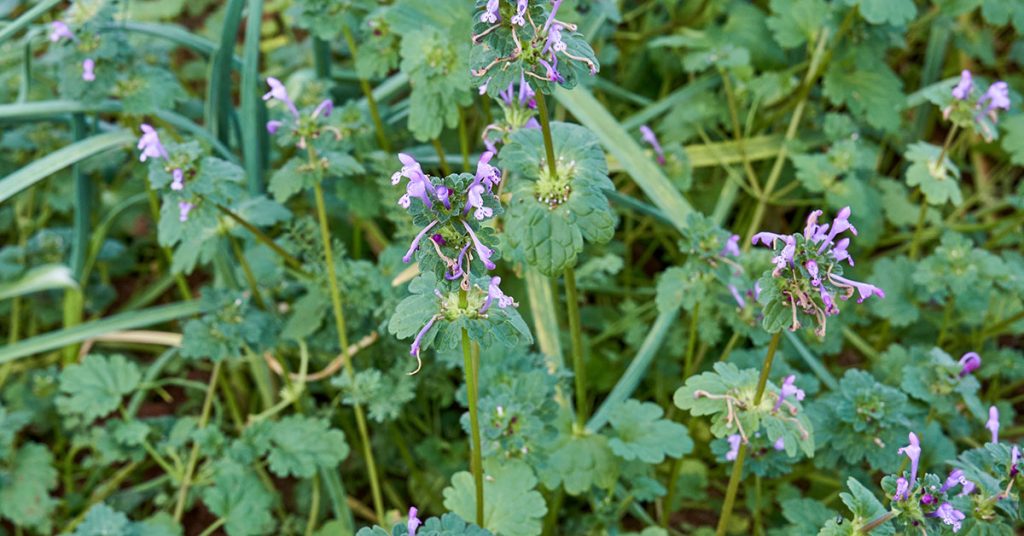
Henbit (Lamium amplexicaule) is a common winter annual weed that, despite its delicate appearance, can be surprisingly invasive in gardens and lawns. Native to Europe and Asia, Henbit features small, tubular purple flowers and scalloped leaves that create a dense, mat-like growth on the soil surface. I’ve often found Henbit creeping into my garden beds, where it competes with more desirable plants and quickly becomes a maintenance headache—definitely a weed to kill on sight!
Its dense growth habit not only smothers other plants but also provides convenient shelter for pests and small insects that may use it as a temporary nesting ground. While Henbit can add a bit of seasonal color in early spring, its overall impact on garden health is negative, as it depletes resources and disrupts the natural balance of your ecosystem. Prompt removal of Henbit is essential for anyone looking to maintain a pristine, well-managed garden free from invasive, resource-hogging weeds!