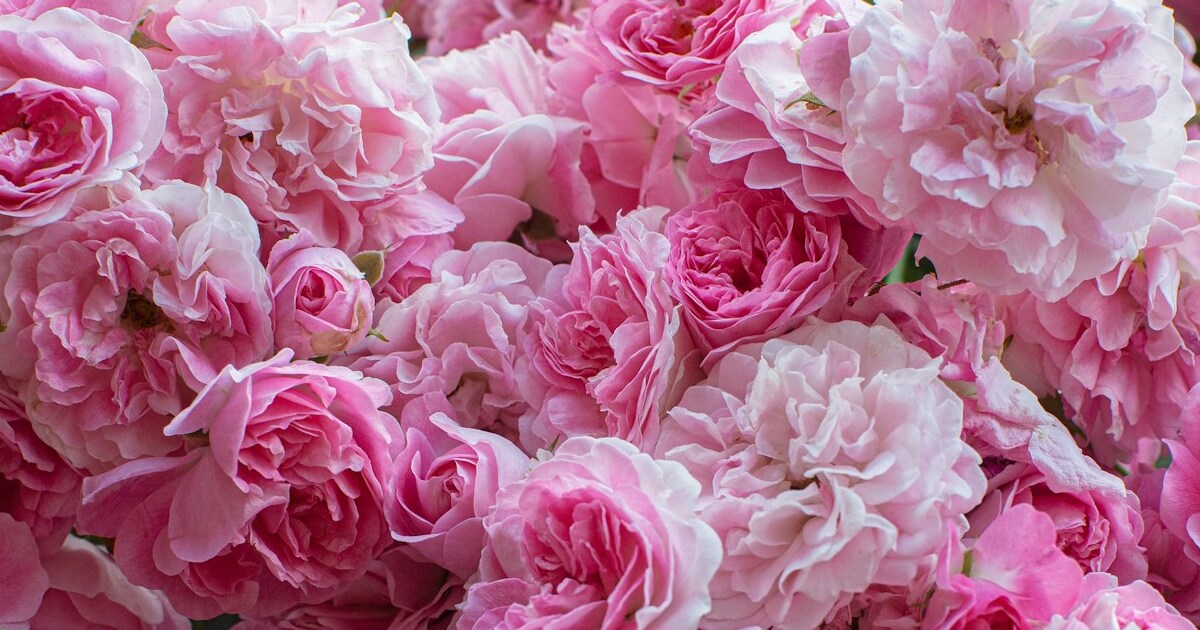

There’s nothing more rewarding than a garden that practically takes care of itself, where lush perennial flowers crowd out invasive weeds and create a vibrant, low-maintenance landscape. As a passionate gardener, I know all too well the frustration of spending endless hours weeding only to see those pesky invaders return. Imagine a garden where your beautiful blooms not only dazzle the eye but also do the hard work for you! In this article, I’m excited to share 15 perennial flowers that are powerful enough to outcompete weeds, ensuring that your garden remains a flourishing oasis with minimal weeding required.
Each of these remarkable plants has been selected for its vigorous growth habits, native resilience, and ability to attract beneficial pollinators—sometimes even providing nesting spots for nature’s little helpers! I’ll dive into where each plant is native, whether it’s considered invasive if left unchecked, and how it naturally suppresses unwanted weeds.
Daylily (Hemerocallis)
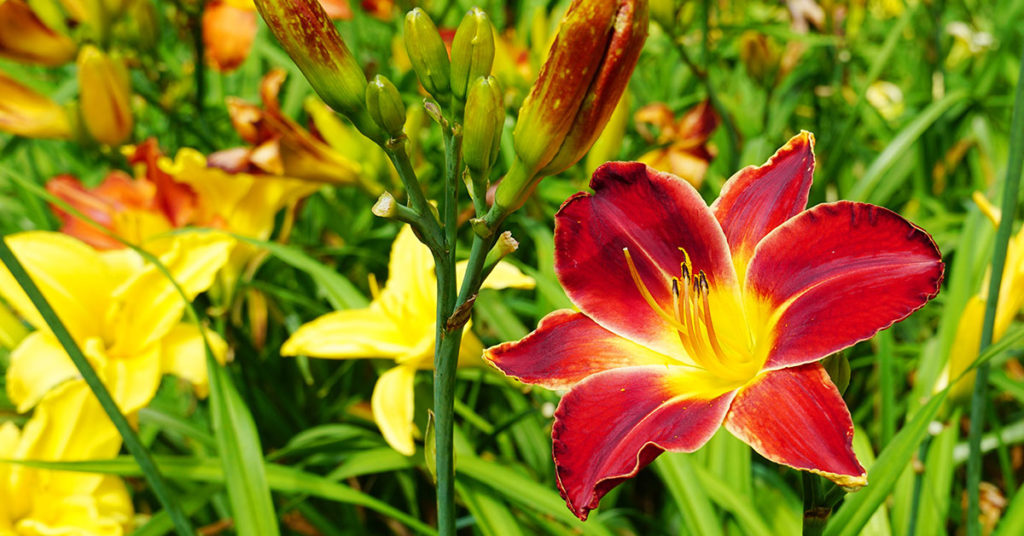
Daylilies are a gardener’s delight, with their prolific blooming and dense clumps that can choke out competing weeds. Native to Asia, these hardy perennials burst into vibrant color throughout the growing season, their individual blooms lasting just one day but overlapping to create a nearly continuous display! I’ve been amazed at how effortlessly Daylilies cover garden beds, reducing the space available for weeds and creating a natural carpet of color.
Their vigorous growth and fibrous root systems not only suppress weeds but also attract a host of pollinators, such as bees and butterflies. These beneficial insects sometimes use the tight clumps as temporary nesting sites, further enhancing the ecosystem around your garden. With minimal maintenance and robust performance, Daylilies are truly one of my favorite plants for reducing the need for constant weeding!
Sedum (Stonecrop)
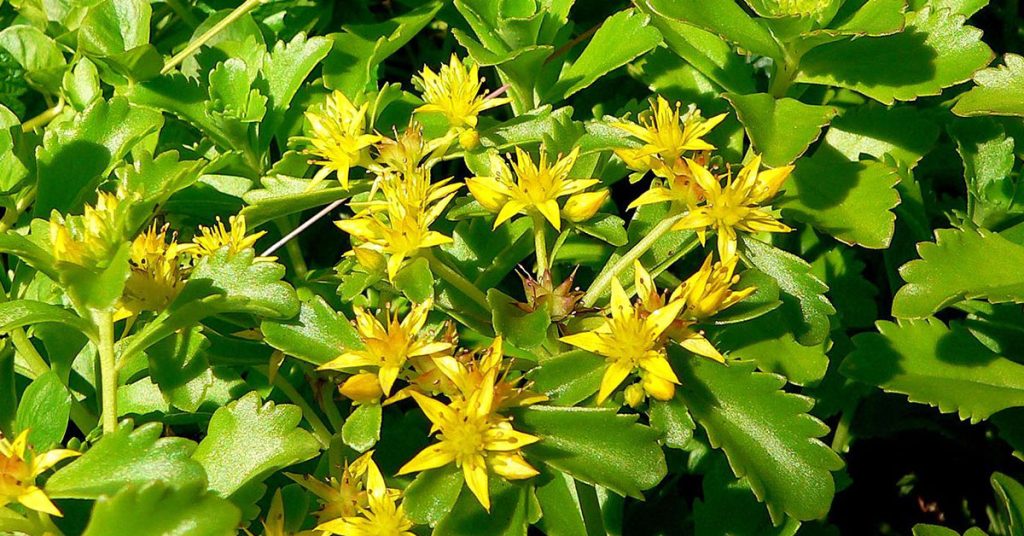
Sedum, or Stonecrop, is a succulent perennial that thrives in poor soils and harsh conditions, making it a superb choice for weed suppression. Native to Europe and Asia, Sedum forms low, spreading mats that cover ground quickly, outcompeting weeds by monopolizing light and water. I’m always impressed by how its clusters of star-shaped flowers not only add a striking visual element but also create a resilient, self-sustaining carpet!
This remarkable plant attracts a variety of pollinators, including bees and small butterflies, that help maintain a balanced garden ecosystem. The dense mats of Sedum often provide microhabitats for beneficial insects to nest, further contributing to natural pest control. Its low-maintenance nature and robust growth make Sedum an indispensable ally for gardeners determined to say “no more weeding!”
Coreopsis (Tickseed)
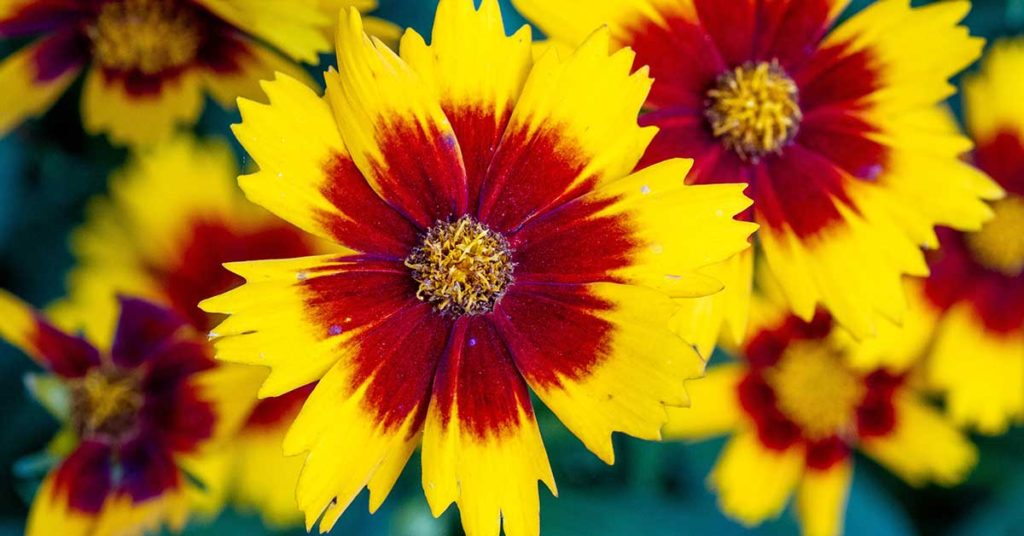
Coreopsis, commonly known as Tickseed, is a vibrant perennial native to North America that effortlessly blankets garden beds with its cheerful, daisy-like blooms. Its aggressive spreading habit allows it to outcompete many weed species by forming a dense, fibrous root network that clings tightly to the soil. I’m always delighted by the sunny bursts of color Coreopsis brings, turning any patch of earth into a living mosaic that leaves little room for unwanted intruders!
Not only does Coreopsis suppress weeds effectively, but it also lures in a variety of pollinators such as bees, butterflies, and hoverflies. These beneficial visitors often take shelter in the plant’s airy, open structure, occasionally nesting in its clumps. With its long blooming season and robust growth, Coreopsis is a true champion for gardeners seeking beauty and natural weed control in one stunning package!
Black-Eyed Susan (Rudbeckia hirta)
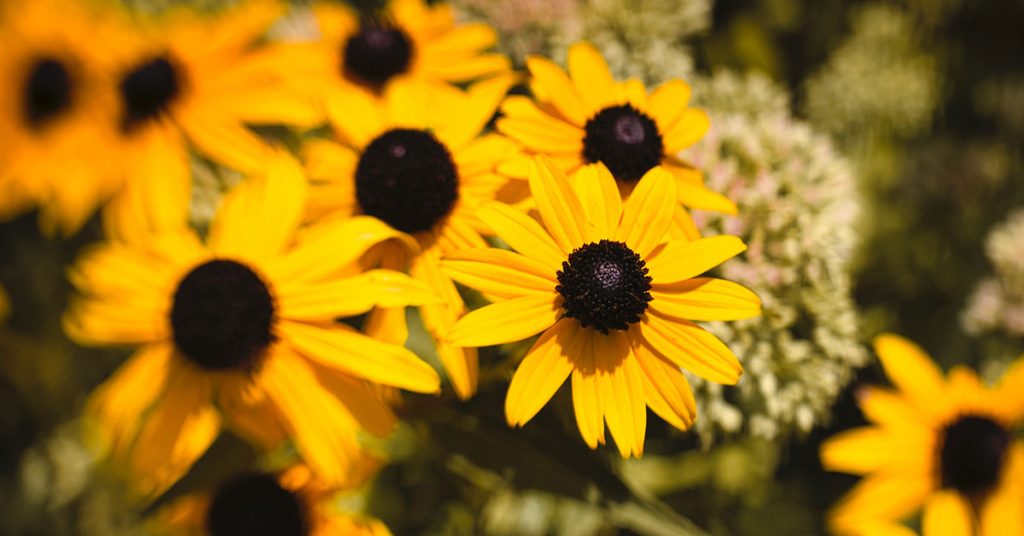
Black-Eyed Susan is a perennial powerhouse, native to the prairies of North America, renowned for its vibrant yellow petals and dark centers. Its bushy, spreading habit allows it to form a thick mat that effectively suppresses weeds while adding a burst of cheerful color to any garden. I’ve seen Black-Eyed Susan transform barren spaces into lively, low-maintenance beds that practically take care of themselves!
This dynamic flower attracts a wide array of pollinators, including bees, butterflies, and even small beetles, which help maintain a healthy garden ecosystem. Their open, composite flowers provide perfect landing spots and even occasional nesting niches for these beneficial insects. With minimal fuss and a naturally aggressive growth habit, Black-Eyed Susan is a fantastic choice for anyone who dreams of a garden with less weeding and more wonder!
Lavender
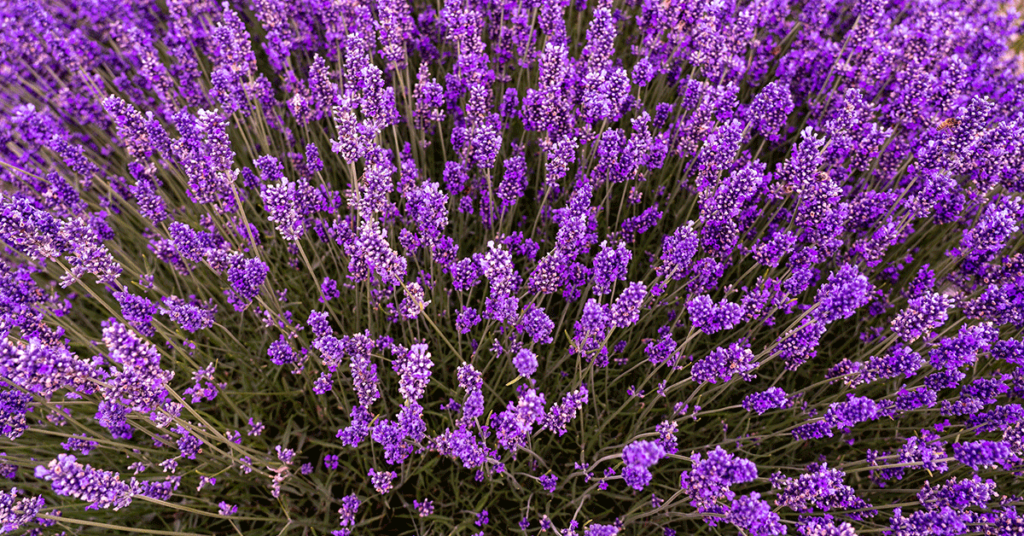
Lavender is not only beloved for its intoxicating fragrance and soothing appearance, but it also serves as a natural weed suppressor. Native to the Mediterranean, this resilient herb thrives in full sun and well-drained soil, forming dense clumps that smother weeds while emitting a relaxing, herbaceous aroma. I always appreciate how lavender transforms a garden into a sensory retreat, where beauty and practicality go hand in hand!
Its silvery foliage and spike-like blooms attract a multitude of pollinators, including bees and butterflies, which help ensure a thriving ecosystem. The tight growth habit of lavender creates microhabitats that are sometimes used by beneficial insects for nesting, contributing to the garden’s natural balance. With its dual role as a stunning ornamental and a natural weed barrier, lavender is a must-have for any garden seeking both elegance and ease!
Bee Balm (Monarda didyma)

Bee Balm is a show-stopping perennial that captivates with its vibrant red, pink, or purple, ruffled blooms and robust habit. Native to North America, it grows in clumps that are so vigorous they can quickly outcompete many common weeds. I love watching Bee Balm transform my garden, its bold colors drawing in not only admiration but also a flurry of pollinators that bring life and energy to the space!
The dense, upright growth of Bee Balm makes it a magnet for bees, butterflies, and hummingbirds, all of which contribute to a dynamic and balanced ecosystem. These pollinators may even use the plant’s thick foliage as temporary nesting sites, further enhancing its ecological value. While Bee Balm is non-invasive when properly maintained, its natural competitiveness makes it an excellent ally for gardeners who dream of a weed-free, thriving garden!
Echinacea (Coneflower)

Echinacea, or Coneflower, is a striking perennial native to the prairies of North America, celebrated for its bold purple petals and spiky central cone. Its vigorous growth habit enables it to form large, clumping stands that naturally suppress the growth of weeds by monopolizing resources like sunlight and moisture. I’ve always been drawn to the robust charm of Echinacea, which adds both a medicinal touch and a wild, natural beauty to my garden beds!
Beyond its impressive ability to outcompete weeds, Echinacea is a favorite among pollinators. Bees, butterflies, and even some bird species are attracted to its nectar-rich flowers, and these beneficial visitors sometimes find refuge in the plant’s dense clusters. Although Echinacea is non-invasive, its aggressive growth requires occasional thinning to maintain balance. Its dual benefits of striking beauty and natural weed control make it an essential addition to any gardener’s arsenal!
Russian Sage (Perovskia atriplicifolia)
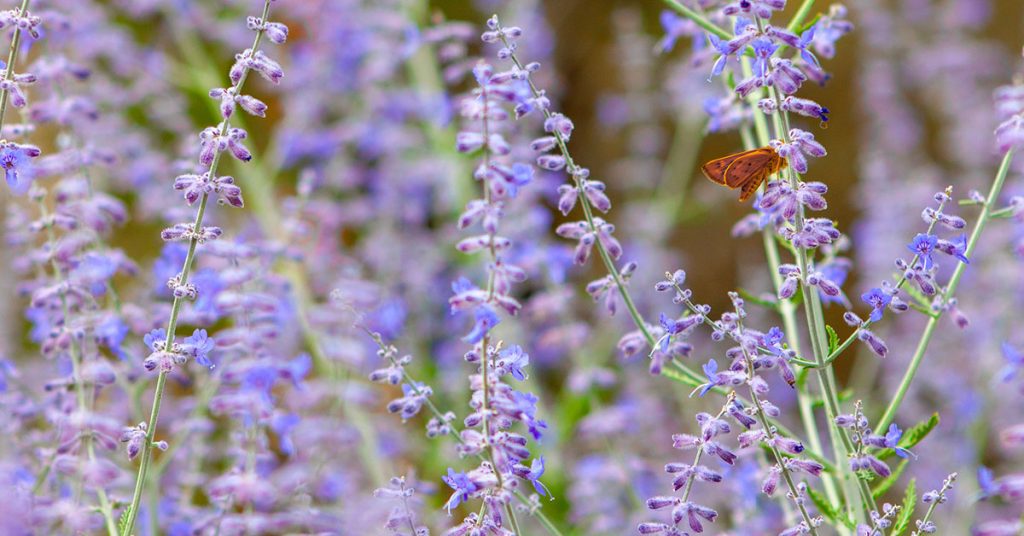
Russian Sage is a graceful perennial native to the dry steppes of Russia and Central Asia, renowned for its airy, silvery foliage and clusters of lavender-blue flowers. Its sprawling growth habit forms an impenetrable mat that can effectively outcompete weeds, while its drought tolerance makes it ideal for low-maintenance landscapes. I find the ethereal quality of Russian Sage utterly captivating—it brings a cool, calming vibe to my garden that feels both modern and timeless!
The plant’s open structure attracts a myriad of pollinators, including bees and butterflies, which often use the spaces between its delicate stems as nesting spots. Though Russian Sage is generally non-invasive, its vigorous spreading nature means regular pruning is necessary to keep it in check. Its remarkable ability to suppress weeds while adding a touch of refined elegance makes Russian Sage a top pick for gardeners who crave both beauty and efficiency!
Blanket Flower (Gaillardia)
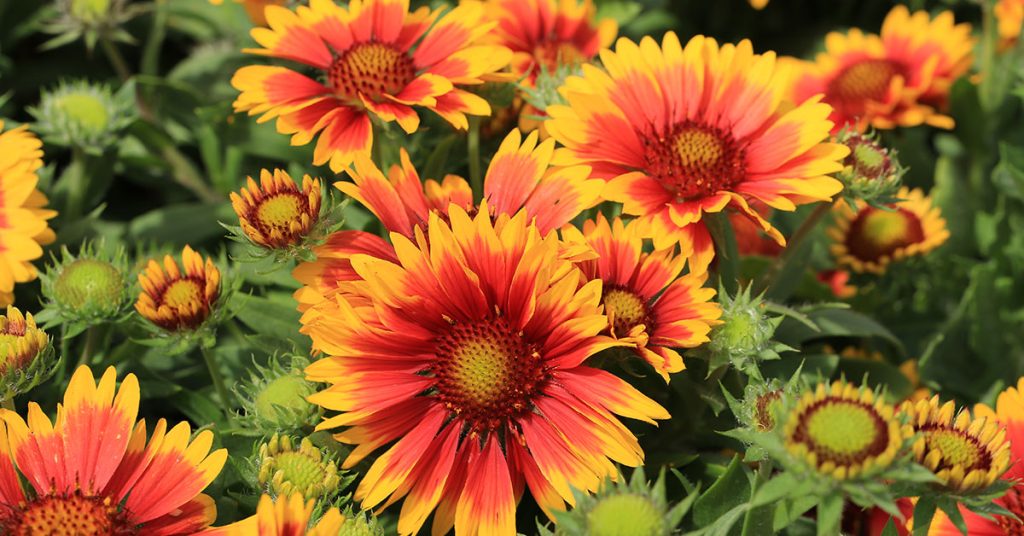
Blanket Flower, or Gaillardia, is a vibrant perennial native to the prairies of North America that brings bold splashes of red and yellow to any garden. Its low, spreading habit and fibrous root system allow it to form a dense ground cover, effectively outcompeting pesky weeds and creating a natural mulch. I’m always amazed by how Blanket Flower can transform a dull, weedy area into a lively, sun-drenched display of color and energy!
Not only does Blanket Flower offer eye-catching beauty, but it also attracts an array of beneficial insects, including bees, butterflies, and hoverflies. These visitors not only help with pollination but may also take refuge among the plant’s robust growth, further contributing to a balanced ecosystem. With its long blooming season and natural weed-suppressing abilities, Blanket Flower is a delightful solution for gardeners who want to reduce weeding and enjoy a flourishing, colorful landscape!
Shasta Daisy (Leucanthemum × superbum)
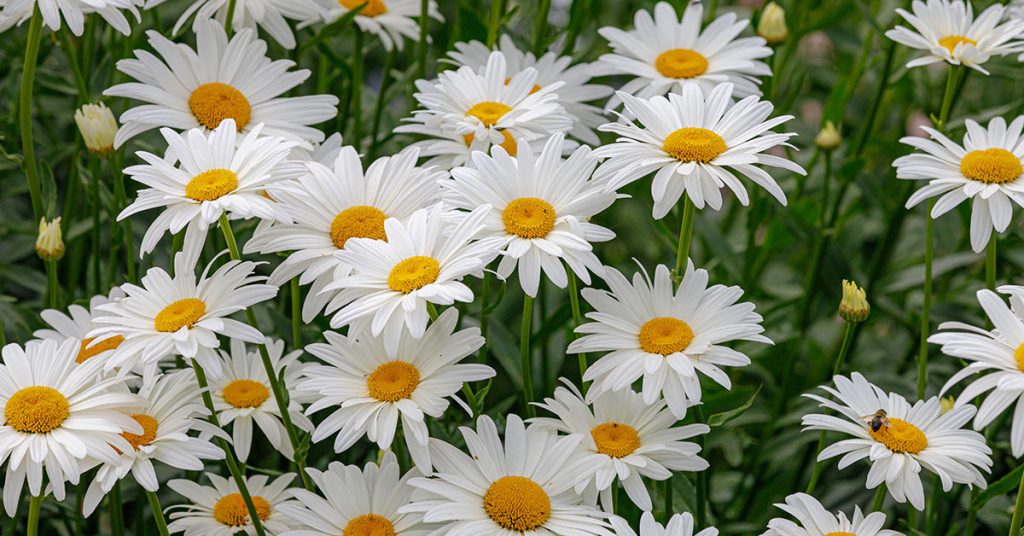
Shasta Daisy is a timeless perennial native to Europe that exudes classic charm with its crisp white petals and sunny yellow centers. Its sprawling, clumping growth habit naturally crowds out weeds by creating a dense mat that minimizes bare soil. I’ve always been enchanted by the way Shasta Daisies brighten up a garden, their simple elegance a constant reminder that beauty doesn’t always require a lot of fuss—and neither does weed control!
Their open, composite flower heads attract a multitude of pollinators such as bees and butterflies, which add life and movement to the garden. These beneficial insects sometimes even use the spaces within the daisy clusters for temporary nesting, enhancing the garden’s natural balance. Shasta Daisies are non-invasive when well-managed and are a wonderful choice for gardeners looking to blend classic beauty with practical, natural weed suppression!
Catmint (Nepeta)

Catmint is a fragrant perennial native to Europe and parts of Asia that enchants with its soft, aromatic foliage and charming spikes of light blue to lavender flowers. Its vigorous, spreading habit makes it an excellent ground cover that chokes out weeds, reducing the need for constant weeding. I’m particularly fond of Catmint because it not only adds a soothing scent to my garden but also creates a lush, carpet-like effect that keeps those stubborn weeds at bay!
The delicate blooms of Catmint attract a variety of pollinators—especially bees and butterflies—which help sustain a vibrant garden ecosystem. These beneficial visitors sometimes even find the plant’s dense growth ideal for temporary nesting. While Catmint is non-invasive in most conditions, regular trimming is advised to maintain its compact form. Its dual role in beautifying your garden and acting as a natural weed suppressant makes Catmint a truly practical and delightful addition!
Yarrow (Achillea millefolium)

Yarrow is a hardy perennial native to temperate regions of the Northern Hemisphere that displays clusters of tiny, flat-topped flowers in shades of white, yellow, or pink. Its extensive, fibrous root system and spreading habit make it an excellent natural weed suppressant by outcompeting less vigorous plants. I’ve seen Yarrow create a self-sustaining mat that not only adds a rustic charm to my garden but also minimizes the space available for invasive weeds—truly a gardener’s dream!
This resilient plant attracts a wealth of beneficial insects, including ladybugs, lacewings, and various bees, all of which are drawn to its sweet, nectar-rich flowers. These insects sometimes use the dense foliage as nesting spots, further bolstering the garden’s biodiversity. Yarrow is non-invasive and remarkably low-maintenance, making it a perfect choice for anyone seeking to reduce weeding efforts while enhancing the natural ecosystem of their garden!
Salvia
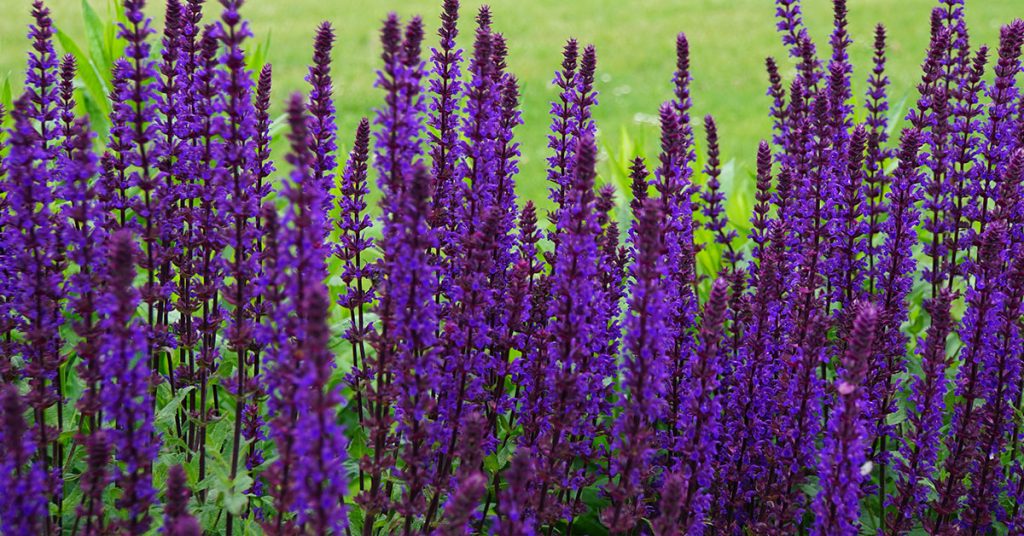
Salvia, with its bold, spiky flower clusters and aromatic leaves, is a perennial favorite native to regions ranging from Central and South America to the Mediterranean. Its vigorous growth habit enables it to form dense clumps that naturally crowd out weeds, while its vibrant blooms create a visual feast that attracts bees, butterflies, and hummingbirds. I always appreciate how Salvia brings a modern, sculptural element to my garden while playing an active role in weed suppression—truly a win-win!
The structure of Salvia’s flower spikes offers ideal perches and even nesting sites for beneficial insects, which further promote a healthy garden ecosystem. Although some Salvia species can be moderately aggressive, they are generally non-invasive when maintained with regular deadheading and pruning. With its striking appearance and practical advantages, Salvia is a must-have for gardeners looking to combine beauty with natural, low-maintenance weed control!
Penstemon (Beardtongue)
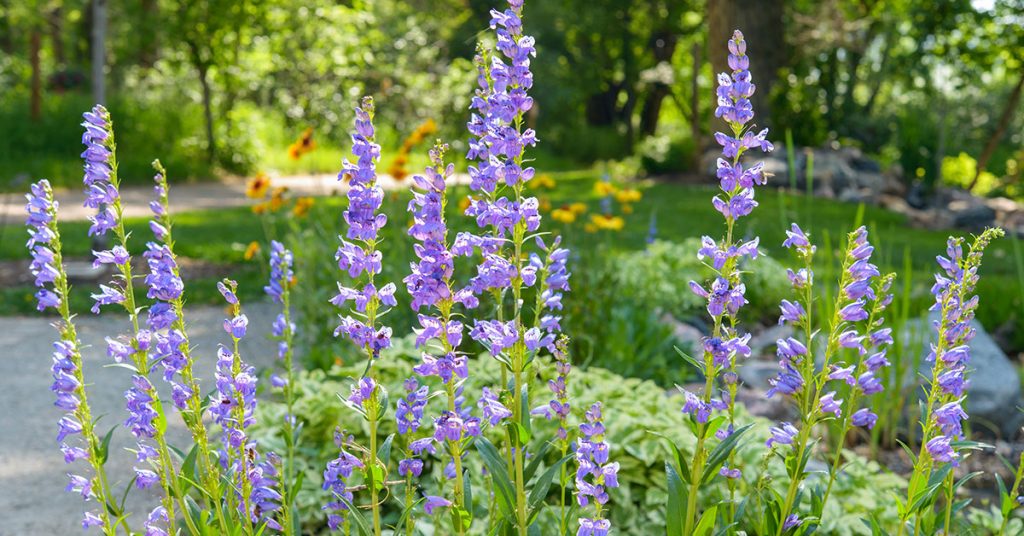
Penstemon, known commonly as Beardtongue, is a vibrant perennial native to North America that enchants with its tubular, bell-shaped flowers in hues ranging from pink to deep red. Its clumping growth habit forms a dense ground cover that effectively suppresses the emergence of weeds, all while adding an elegant vertical accent to garden borders. I’ve always admired Penstemon for its unique, sculptural quality and the way its flowers seem to call out to hummingbirds and bees, creating a dynamic, interactive garden space!
The tubular blossoms not only attract an abundance of pollinators but also provide a snug haven for beneficial insects that may nest in the gaps between the stems. While Penstemon is non-invasive when planted in suitable conditions, its vigorous nature requires occasional thinning to prevent overcrowding. Its stunning color, combined with its natural weed-controlling abilities, makes Penstemon a delightful and functional choice for any gardener looking to simplify maintenance while enhancing biodiversity!
Dianthus (Pinks/Carnation)

Dianthus, a charming perennial native to Europe, is celebrated for its fragrant, frilly blooms that range from soft pinks to deep reds. Known commonly as Pinks or Carnations, these flowers form low, spreading clumps that create an attractive, dense ground cover—perfect for outcompeting weeds in garden beds and borders. I’m always delighted by the timeless elegance of Dianthus, whose delicate blooms add a touch of old-world charm to modern landscapes while reducing the need for constant weeding!
Their intricate, fringed petals and compact growth habit make Dianthus particularly appealing to small pollinators, such as solitary bees and butterflies, which often use the plant’s tight clusters as temporary nesting sites. Although Dianthus is non-invasive in well-managed gardens, its tendency to self-seed can enhance ground cover when desired, contributing further to natural weed suppression. With their enchanting fragrance and low-maintenance nature, Dianthus is a beautiful addition that brings both style and functionality to any garden!