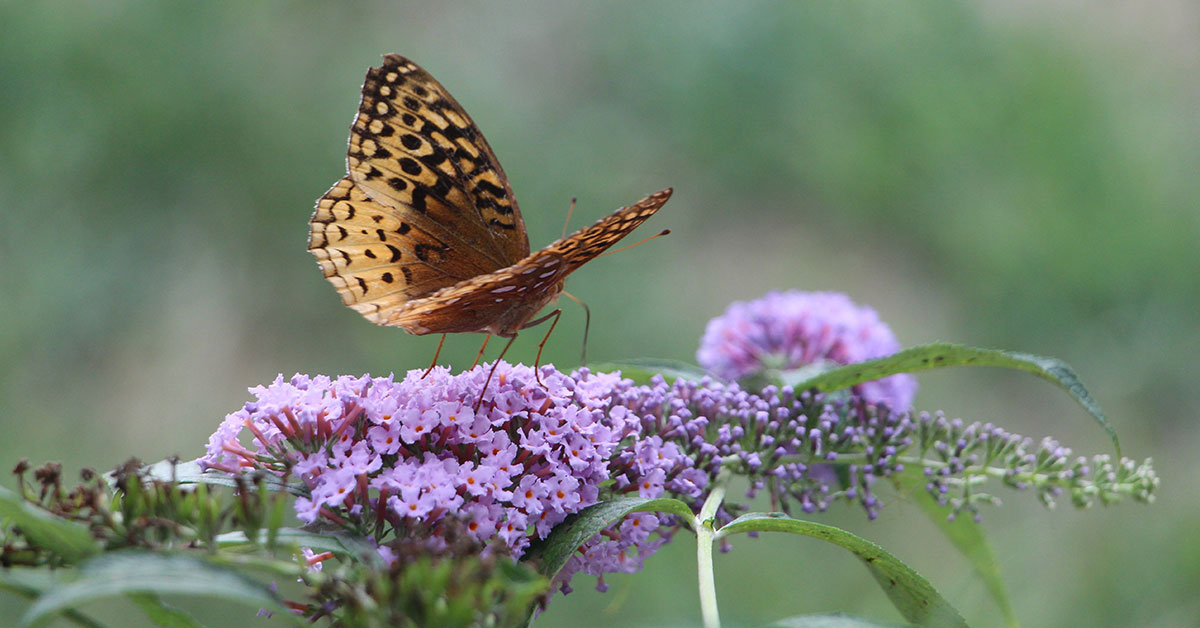

Gardening is a journey full of delights and occasional surprises—especially when those surprises come in the form of gorgeous flowers that turn out to be surprisingly invasive! As an enthusiastic gardener, I’ve learned that even the most visually stunning blooms can have a wild side. It’s such a bummer when a plant you adore for its beauty ends up overwhelming your carefully planned garden, pushing out native species and inviting unexpected pest behavior. I’m here to share my insights and experiences with 14 such enchanting yet unruly flowers, so you can enjoy their allure while staying one step ahead of their rampant growth.
In this article, we’ll explore each of these captivating blooms in detail, discussing their native origins, their irresistible charm, and how they tend to attract pollinators and sometimes even provide cozy nesting spots for various insects. I know how frustrating it is when your garden’s balance is disrupted by a runaway plant, but understanding the behavior of these invasive beauties is the first step toward effective management.
Purple Loosestrife
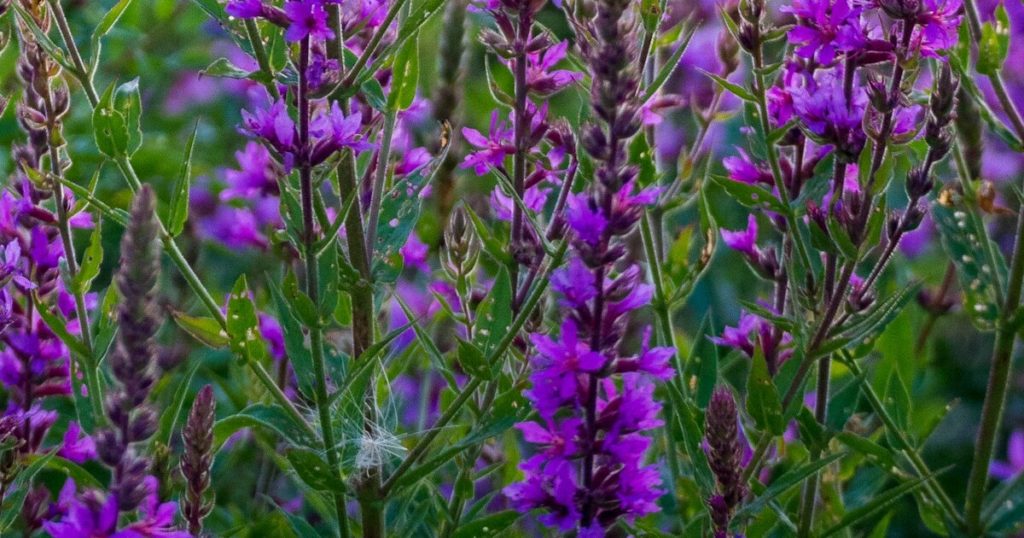
Purple Loosestrife (Lythrum salicaria) is a striking perennial with tall spikes of vivid magenta flowers that seem to light up any wetland or garden edge. Native to Europe and Asia, this plant was once cherished for its ornamental value before it proved its invasive nature in North America. I’ve seen it transform quiet pond margins into dense, uniform stands that crowd out native marsh plants—a real eyesore for those who cherish natural diversity!
Despite its beauty, Purple Loosestrife’s rapid seed production and persistent spread make it a major concern for gardeners and conservationists alike. Its nectar-rich blooms attract a wide variety of pollinators, but the downside is that these same pollinators help distribute its seeds far and wide. While it’s non-native in many regions, its aggressive nature demands immediate attention to preserve the local ecosystem. Managing this plant can be challenging, but knowing its habits is key to keeping your garden balanced!
Butterfly Bush
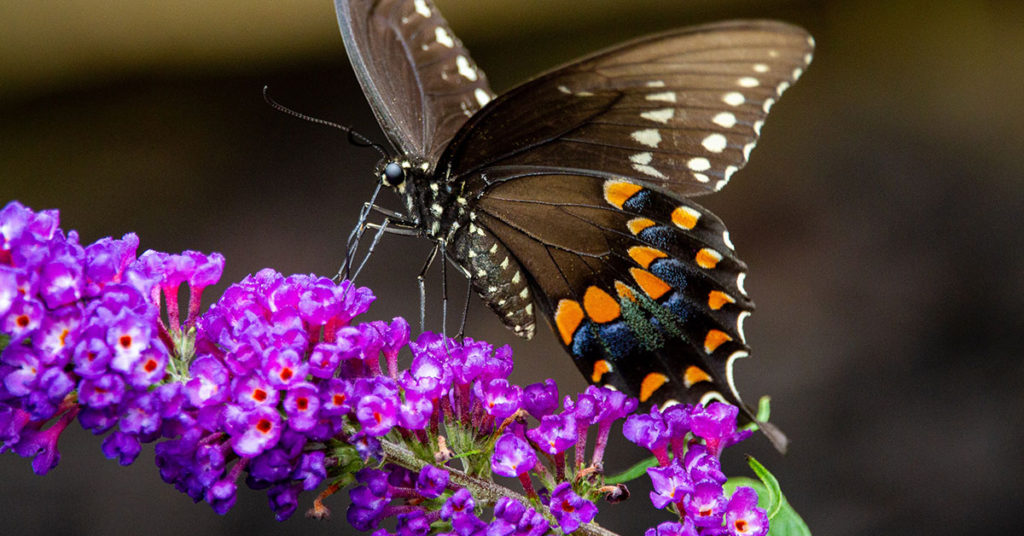
The Butterfly Bush (Buddleja davidii) captivates with its dense clusters of tubular flowers in shades of purple, pink, or white that seem designed to lure in butterflies and hummingbirds. Originally native to China, this plant has been widely planted for its beauty and its ability to draw a flurry of pollinators. I’ve often admired how its cascading blooms create a dramatic focal point in my garden—until I discovered just how aggressively it spreads!
Unfortunately, Butterfly Bush is notorious for its invasive tendencies in many parts of the world, quickly establishing itself and crowding out native shrubs. Its abundant nectar attracts not only beautiful pollinators but also supports large populations of insects that can use its dense branching as nesting sites. Although it’s celebrated for its ornamental appeal, its invasive nature means you must manage it carefully to prevent it from overtaking your garden. Regular pruning and containment are essential to keep this vibrant beauty from becoming a garden menace!
Japanese Honeysuckle

Japanese Honeysuckle (Lonicera japonica) is a fragrant, twining vine adorned with creamy white to yellow tubular flowers that later turn into rosy berries. Native to East Asia, it was once prized for its rapid growth and lovely scent. I remember being enchanted by its ability to cover fences and trellises, creating a natural, perfumed canopy over summer evenings—until I realized how quickly it could dominate a landscape!
This vine’s charm comes with a hefty price: its rapid, uncontrolled growth makes it one of the most invasive species in many regions. Japanese Honeysuckle attracts not only bees and butterflies with its sweet nectar but also provides ideal shelter for various insects that may nest within its tangled vines. Its aggressive spreading habit can smother native plants, so while it may initially seem like a delightful addition to your garden, careful management and prompt removal in certain areas are key to preserving your garden’s natural balance.
Himalayan Balsam

Himalayan Balsam (Impatiens glandulifera) boasts tall spikes of pink to purple flowers that add a splash of color to damp areas and riverbanks. Native to the Himalayan region, this annual has become infamous in Europe and North America for its rapid seed dispersal and invasive growth. I’ve often been impressed by its exuberant blooms, which seem to herald the arrival of summer with a burst of vibrancy—yet behind its beauty lies a reputation for taking over natural habitats.
The explosive seed pods of Himalayan Balsam can scatter hundreds of seeds with each burst, and its attractive flowers lure in a variety of pollinators. Unfortunately, this also means that beneficial native insects might inadvertently help spread its seeds, while the plant itself outcompetes local flora. Though its blossoms are undeniably lovely, controlling Himalayan Balsam is crucial if you want to protect the biodiversity of your garden. Regular removal and careful monitoring are essential to keep this captivating plant from becoming a dominant invader!
Russian Sage
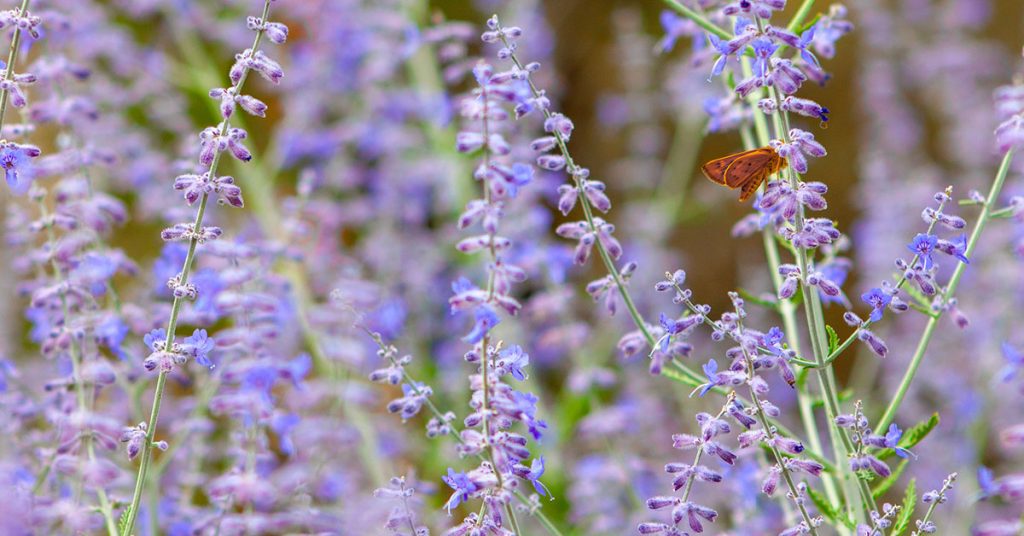
Russian Sage (Perovskia atriplicifolia) enchants with its airy, silvery foliage and clusters of small, lavender-blue flowers that seem to float in the wind. Native to the dry steppes of Russia and Central Asia, it has become a beloved ornamental in many gardens for its drought tolerance and long blooming period. I adore the cool, ethereal quality of Russian Sage—it’s like a breath of fresh air on a hot summer day that adds both elegance and serenity to the landscape!
However, its vigorous growth and ability to thrive in a variety of soils have led it to become invasive in some regions outside its native range. Russian Sage attracts numerous pollinators and beneficial insects, which sometimes take advantage of its open structure to nest or seek refuge. While its presence can transform a garden with its distinctive, silvery glow, it’s important to keep its expansion in check. Regular pruning and mindful planting practices are key to enjoying its beauty without allowing it to overwhelm your garden!
Water Hyacinth
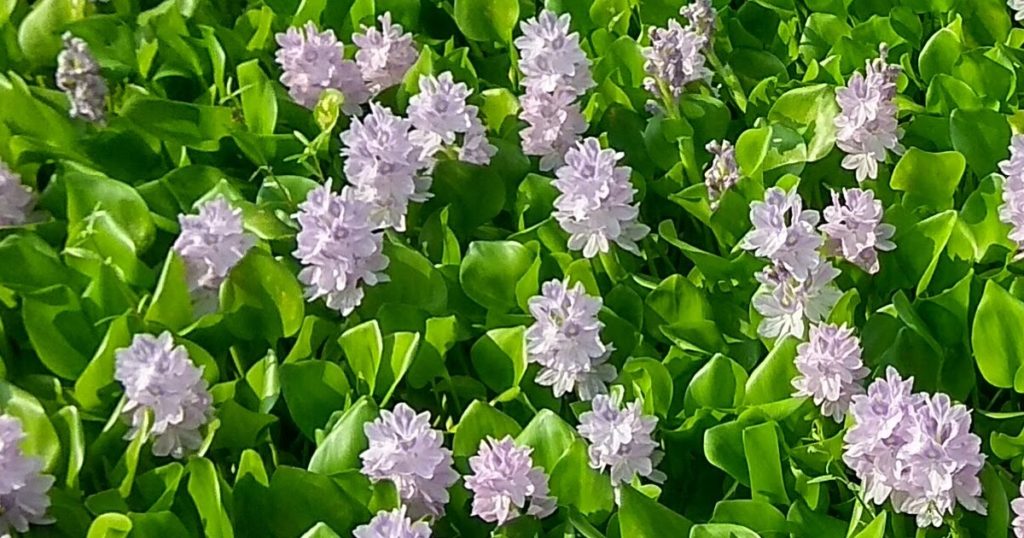
Water Hyacinth (Eichhornia crassipes) is an aquatic wonder known for its striking lavender flowers and glossy, free-floating leaves. Native to the Amazon Basin, this plant has been introduced worldwide for its ornamental appeal, only to become one of the most invasive aquatic species in many regions. I’ve marveled at its beauty on the surface of ponds and lakes, but its rapid reproduction and ability to form dense mats can choke waterways and outcompete native aquatic plants!
Its attractive flowers lure in pollinators like bees and butterflies, which further aid in its proliferation. While Water Hyacinth creates a stunning display and provides temporary shelter for small aquatic creatures, its invasive nature poses significant environmental challenges. Managing this species requires continuous effort—often involving physical removal or controlled use of herbicides—to prevent it from taking over water bodies. Enjoying its beauty comes with a responsibility to keep this lush aquatic plant in balance with its surroundings!
Trumpet Vine
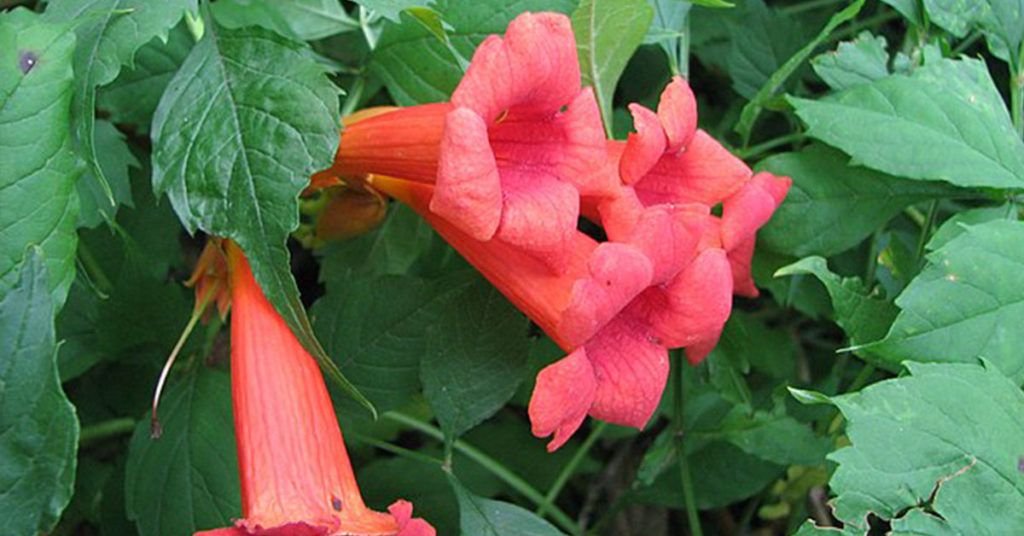
Trumpet Vine (Campsis radicans) dazzles with its large, trumpet-shaped, orange to red flowers that attract hummingbirds and butterflies from afar. Native to the southeastern United States, this vigorous vine is celebrated for its dramatic floral display and its ability to transform a plain fence or trellis into a living, colorful cascade. I’ve always found its bold, tropical look incredibly appealing, and its blossoms seem to announce summer with a flourish of vibrant energy!
Despite its ornamental charm, Trumpet Vine is notorious for its invasive behavior in many parts of the world. Its rapid growth allows it to quickly envelop structures and choke out other plants, while its nectar-rich flowers not only attract pollinators but can also provide nesting sites for various beneficial insects—if left in balance. Although it’s a fantastic addition to large spaces, controlling its spread through regular pruning and training is essential to prevent it from overrunning your garden. Enjoy its beauty wisely and keep its exuberance in check!
Canna Lily
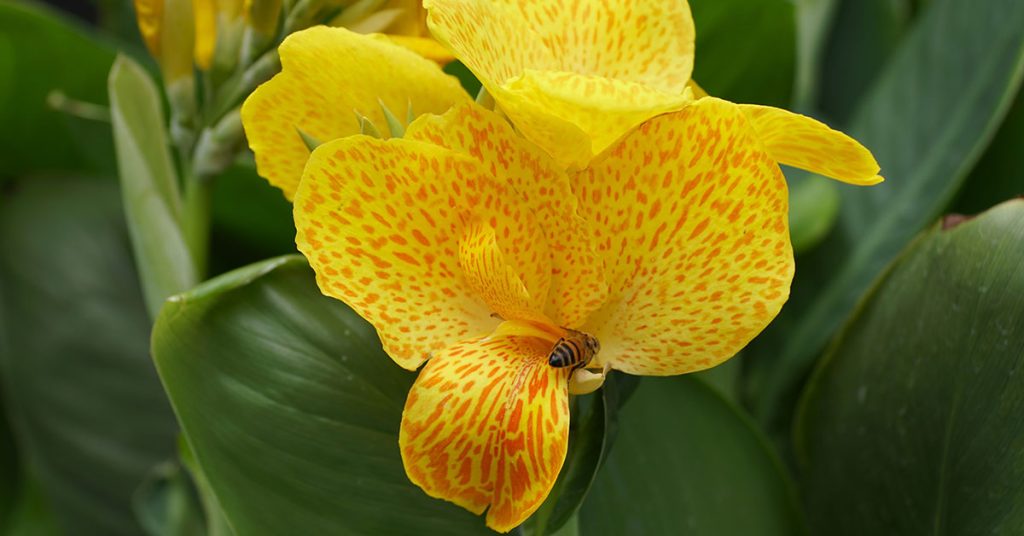
Canna Lilies (Canna spp.) are tropical, showy perennials admired for their large, vibrant flowers and bold foliage. Native to the Americas, these plants bring a touch of exotic flair to any garden with blooms that range from deep reds and oranges to brilliant yellows and purples. I’m always delighted by the way Canna Lilies create a dramatic focal point in my garden, their lush leaves and striking flowers adding a burst of energy to the landscape!
However, their vigorous growth and robust spreading habit mean that Canna Lilies can quickly become invasive if not properly managed. They attract a variety of pollinators, which can inadvertently help disperse their seeds far and wide, leading to overcrowded garden beds. While they’re non-invasive in controlled settings, regular division and careful placement are essential to keep them from taking over. With attentive care, you can enjoy the tropical splendor of Canna Lilies while maintaining a balanced, diverse garden!
Daylily
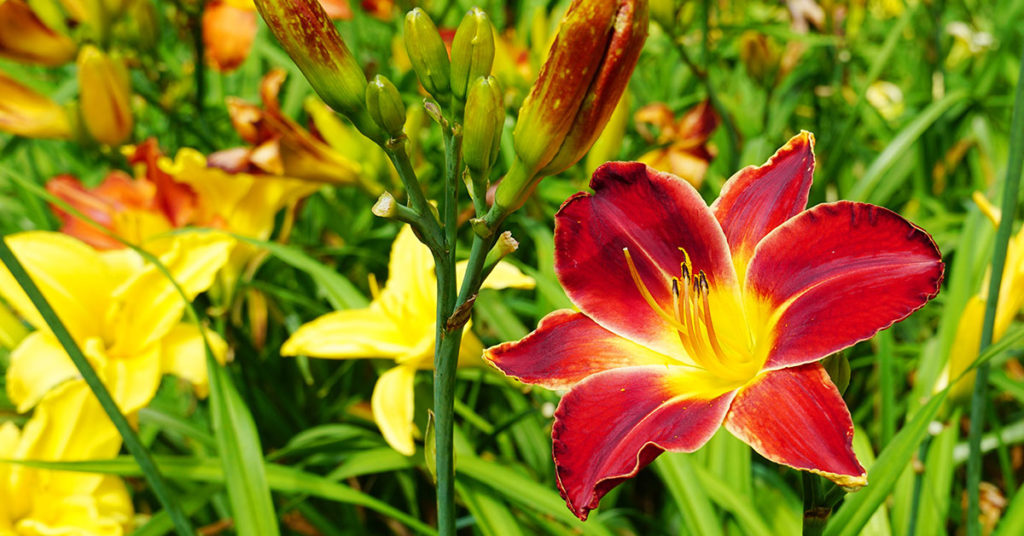
Daylilies (Hemerocallis spp.) are cherished for their abundant, vibrant blooms and adaptability to a wide range of garden conditions. Native to Asia, these perennials produce stunning flowers that, despite lasting only a day each, ensure a nearly continuous display throughout the growing season. I love how daylilies bring a cheerful, dynamic burst of color to my garden, transforming even the most mundane borders into lively, eye-catching spectacles!
Yet, behind their beauty lies a tendency to spread aggressively via underground rhizomes, often crowding out more delicate native plants. Their prolific seeding and vigorous growth can create natural monocultures if not regularly managed, which might reduce overall garden biodiversity. Although they attract beneficial insects with their sweet nectar, controlling their expansion through periodic division and careful planting is essential. With proper care, daylilies can remain a delightful and manageable addition to your garden!
Chinese Wisteria
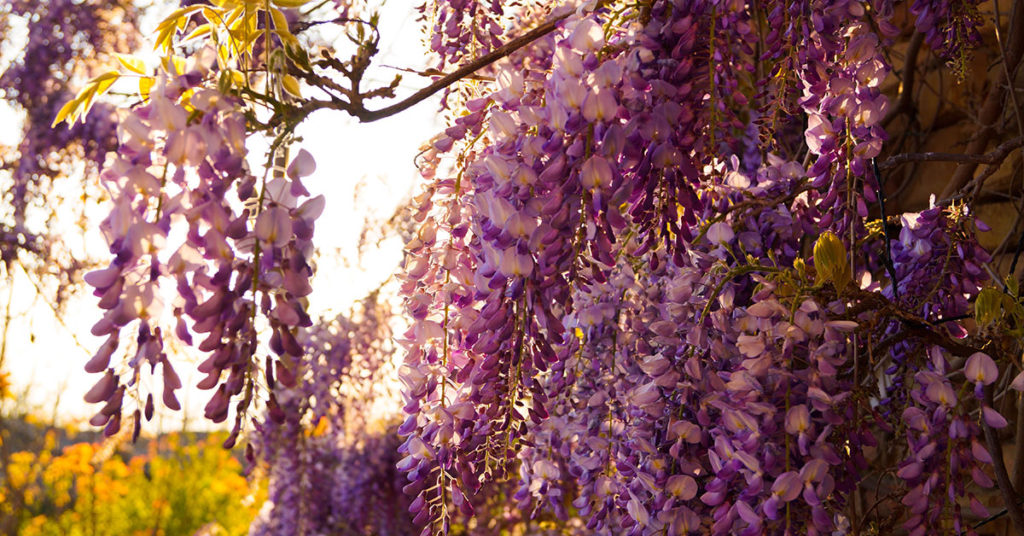
Chinese Wisteria (Wisteria sinensis) is a breathtaking vine that enchants with cascading clusters of fragrant, purple-blue flowers. Native to China, it has been widely admired for its dramatic, romantic display and the way its blooms create a natural, floral curtain over arbors and pergolas. I’ve always been captivated by its elegant draping habit and the ethereal beauty it brings to any outdoor space—until I learned just how invasive it can be when left unchecked!
While Chinese Wisteria is undeniably stunning, its rapid growth and vigorous twining habit can cause significant damage to structures and outcompete native vegetation. Its abundant flowers attract a myriad of pollinators and even offer hiding spots for small insects, which can inadvertently contribute to its spread. Although it’s not considered invasive in all regions, in many parts of North America and Europe it poses a serious threat to local ecosystems. Vigilant pruning and training are crucial to keeping this enchanting vine under control so that you can enjoy its beauty without compromising your garden’s health!
Periwinkle
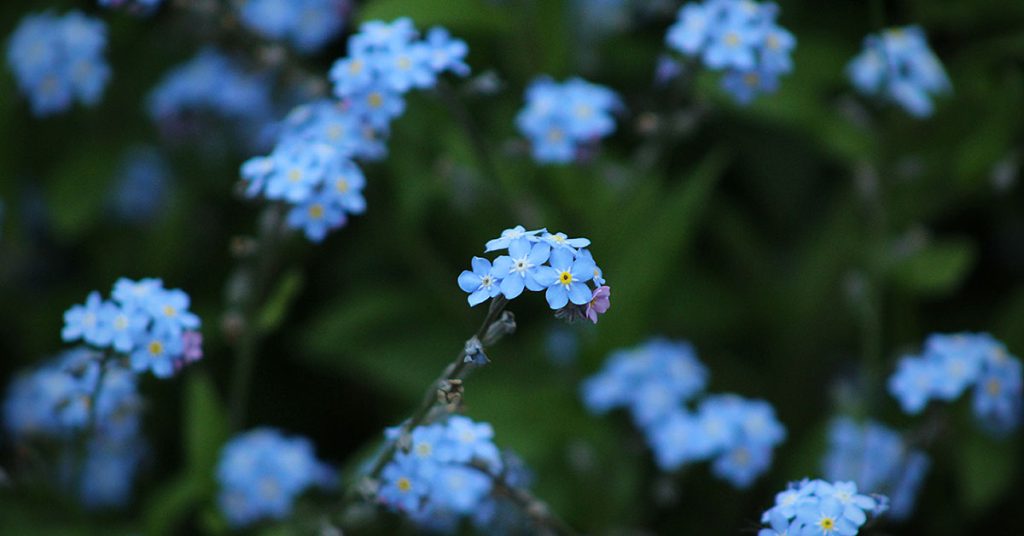
Periwinkle (Catharanthus roseus), also known as Madagascar Periwinkle, is a charming groundcover with delicate, star-shaped flowers in shades of pink, white, or red. Native to Madagascar, it has been introduced worldwide as an ornamental plant due to its attractive blooms and ease of care. I’ve often been enchanted by its ability to carpet a garden bed with vibrant color, creating a soft, inviting base that enhances the beauty of taller plants around it!
However, Periwinkle is notorious for its invasive potential in warm, humid climates, where it spreads rapidly and can choke out native groundcovers. Its flowers attract a variety of pollinators, and the dense mats it forms can sometimes provide unexpected nesting sites for small insects. While its lush display is undeniably lovely, controlling its spread with regular weeding or physical barriers is essential to prevent it from overrunning your garden. With mindful management, Periwinkle can remain a delightful accent rather than a problematic invader!
Bougainvillea
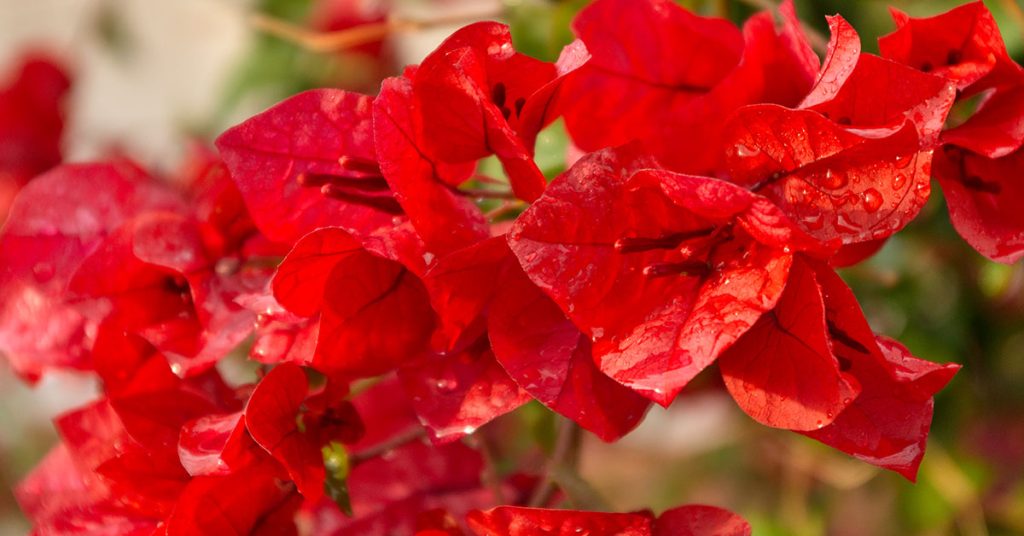
Bougainvillea is celebrated for its explosive bursts of color, with papery, bract-like flowers in hues ranging from magenta and purple to orange and white. Native to South America, this climbing plant adds a tropical flair to gardens, draping walls and trellises in a riot of vibrant color. I’ve always been drawn to its bold, dramatic appearance, which transforms any space into a festive, lively oasis—even though its vigorous growth can sometimes catch you by surprise!
This exuberant plant not only attracts hummingbirds and butterflies with its bright displays but also provides ample shelter for small insects that might nest in its tangled vines. Bougainvillea is notoriously invasive in suitable climates, rapidly spreading and requiring regular pruning to keep its growth in check. While its ornamental beauty is undeniable, it’s important to monitor its expansion to ensure it doesn’t overwhelm other garden treasures. With careful cultivation, Bougainvillea can be a stunning addition that boosts your garden’s biodiversity while maintaining its wild, exotic charm!
Lantana

Lantana is a robust, multi-colored shrub known for its clusters of small, vibrant flowers that change color as they mature. Native to the tropical regions of the Americas, this plant has become a favorite for gardeners seeking to add a splash of dynamic color to their landscapes. I’m always excited by the way Lantana’s blooms create a lively mosaic of reds, oranges, yellows, and purples that attract bees, butterflies, and even hummingbirds—making the garden a buzzing hub of activity!
Despite its undeniable beauty, Lantana is highly invasive in many regions, spreading aggressively and outcompeting native species. Its dense growth and prolific seeding often create impenetrable thickets, and while its flowers attract beneficial pollinators, they can also serve as temporary nesting sites for some insects. For these reasons, managing Lantana with regular trimming and careful monitoring is essential. Embracing its vivid charm while keeping its spread under control can help you enjoy its stunning display without sacrificing the balance of your garden!
Morning Glory
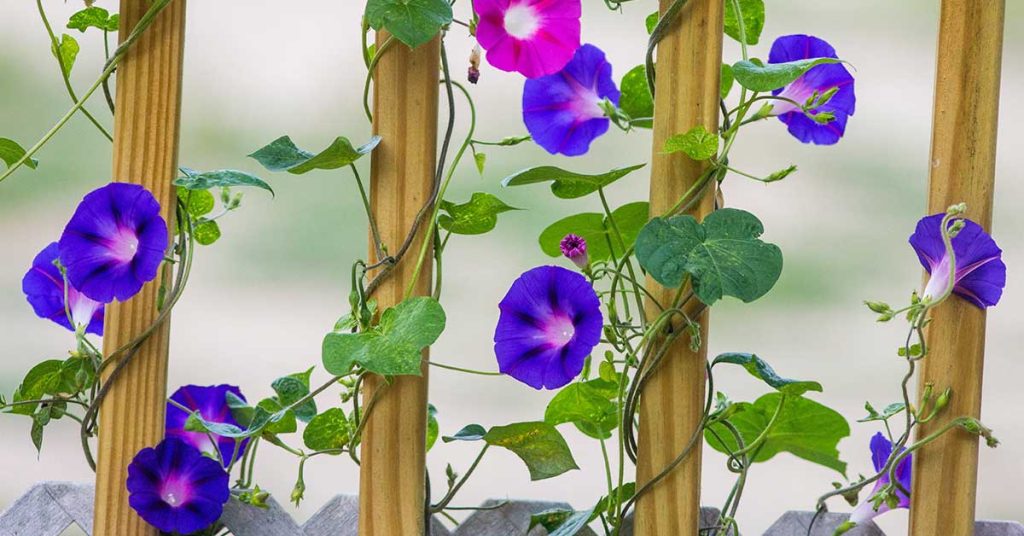
Morning Glory (Ipomoea tricolor) is a fast-growing, vine-like annual that greets the day with trumpet-shaped flowers in dazzling shades of blue, purple, pink, and white. Native to tropical regions of the Americas, it is beloved for its ability to rapidly cover fences, arbors, and pergolas with a lush, floral cascade that awakens the garden each morning. I’ve always admired its effortless charm and the way its blooms seem to unfurl like nature’s very own alarm clock—inviting both admiration and a flutter of pollinators!
However, its rapid growth can also lead to invasiveness, as Morning Glory is known to self-seed profusely and spread uncontrollably if left unmanaged. Its nectar-rich flowers attract a host of bees and butterflies, which inadvertently aid in the plant’s dissemination by transferring its seeds to new locations. While its beauty is undeniable, controlling its spread through regular pruning or strategic planting is essential to prevent it from overtaking other cherished garden species. Enjoying Morning Glory’s exuberance comes with the responsibility of keeping its vigorous nature in balance!