

Gardening is a true labor of love, but sometimes even the most beautiful plants can harbor a dark side—one that invites dangerous pests into your carefully tended sanctuary. As an enthusiastic gardener who’s experienced the frustration of battling infestations, I’m here to share insights on several common garden plants that, despite their allure, tend to attract pests that can wreak havoc on your greenery. It’s such a bummer when your favorite blooms turn into unwitting pest magnets, and I understand how disheartening it is to see your garden’s balance disrupted by these aggressive invaders!
In this article, we’ll dive into detailed descriptions of 10 popular garden plants, discussing not only their native origins and growth habits but also how they inadvertently provide perfect nesting spots for some of nature’s most dangerous pests. Whether you’re a seasoned green thumb or just starting out, understanding these plants can help you take proactive steps to protect your garden.
Tomato Plants

Tomato plants, cherished for their delicious fruit and vibrant foliage, have a hidden downside—they often attract tomato hornworms, whiteflies, and aphids. Native to the Andean region of South America, tomatoes have been embraced by gardeners worldwide. However, their juicy leaves and tender stems make them a prime target for pests that not only damage the plant but also spread diseases. I’ve seen tomato hornworms munching through a once-pristine row, and it’s a sight that every gardener dreads!
These pests can quickly establish a foothold, with aphids and whiteflies sometimes using the dense foliage as nesting sites. While tomato plants themselves aren’t invasive when grown in a controlled garden setting, their susceptibility to pest infestations is a major concern. Regular monitoring, handpicking of pests, and the use of organic sprays can help control these infestations. Protecting your tomatoes is crucial to enjoying a bountiful harvest and preserving the beauty of your garden!
Impatiens
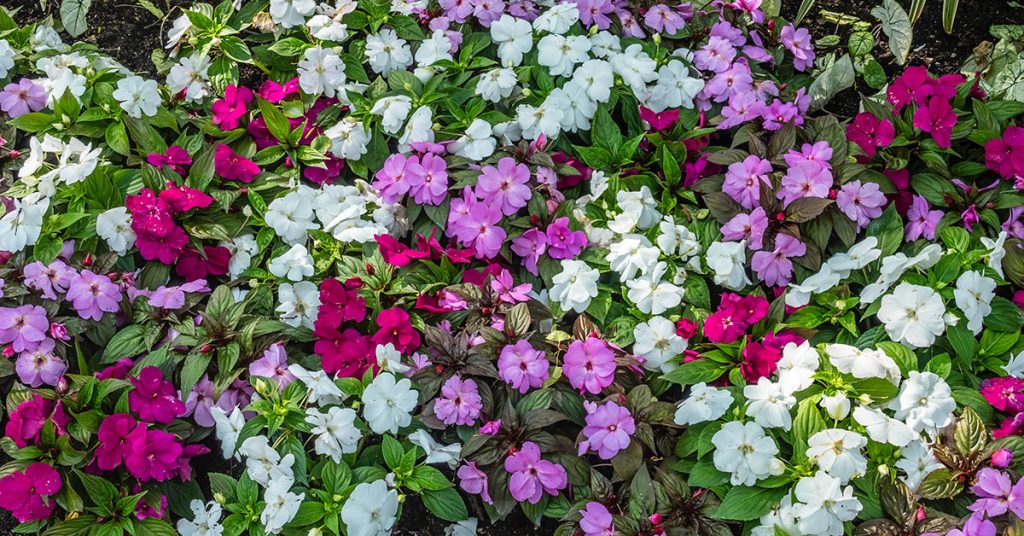
Impatiens are a favorite for brightening up shady garden corners with their cheerful, vivid blooms. Native to tropical regions of Africa and Asia, these tender annuals can quickly become pest magnets—particularly for aphids and leaf miners. I’ve experienced the frustration of watching these pests swarm my impatiens, causing leaf curling and stunted growth, which can be a real blow to your garden’s overall charm!
Despite their visual appeal, impatiens create the ideal microenvironment for pests due to their lush, moist foliage and compact growth habit. Beneficial insects might visit occasionally, but the rapid reproduction of pests often outweighs the natural control they provide. Regular inspection and prompt removal of affected foliage, combined with organic treatments, can help minimize the damage. It’s a delicate balance between enjoying the burst of color and keeping the pest populations under control!
Hostas
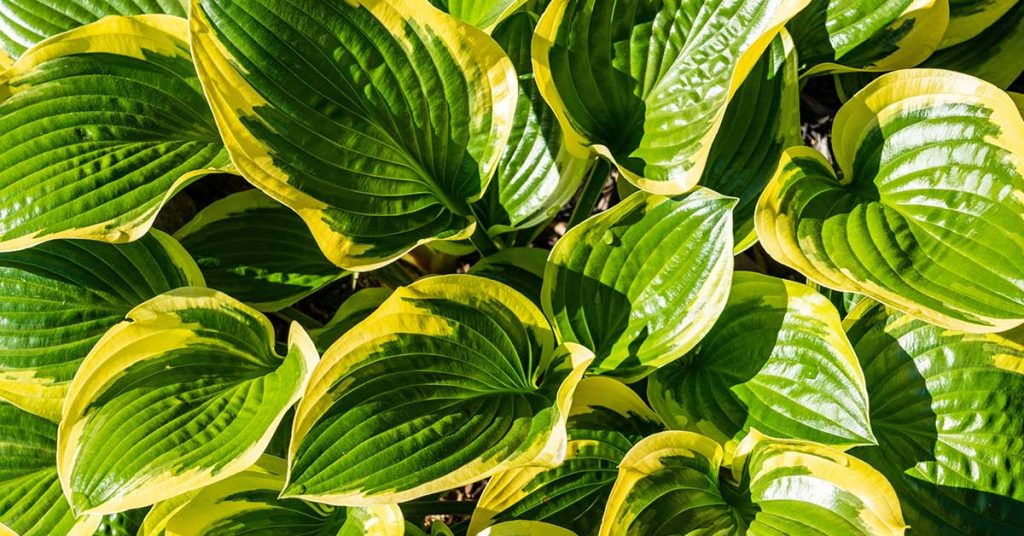
Hostas, beloved for their lush, variegated leaves and ability to thrive in shady spots, unfortunately attract their own set of troublesome visitors—namely slugs and snails. Native to Northeast Asia, hostas are prized for their ornamental value but often become a feast for these slimy pests. I’ve spent many an evening battling snails that seem to have taken up residence on my hosta leaves, leaving behind telltale trails of destruction!
In addition to slugs and snails, hostas can sometimes attract voles and other small rodents that are drawn to the dense foliage for shelter and nesting. While hostas are non-invasive and add a serene, calming vibe to your garden, their susceptibility to pest infestations can quickly turn them into a liability. Maintaining good garden hygiene, using natural repellents, and encouraging natural predators like birds can help protect your hostas from these persistent invaders!
Mint
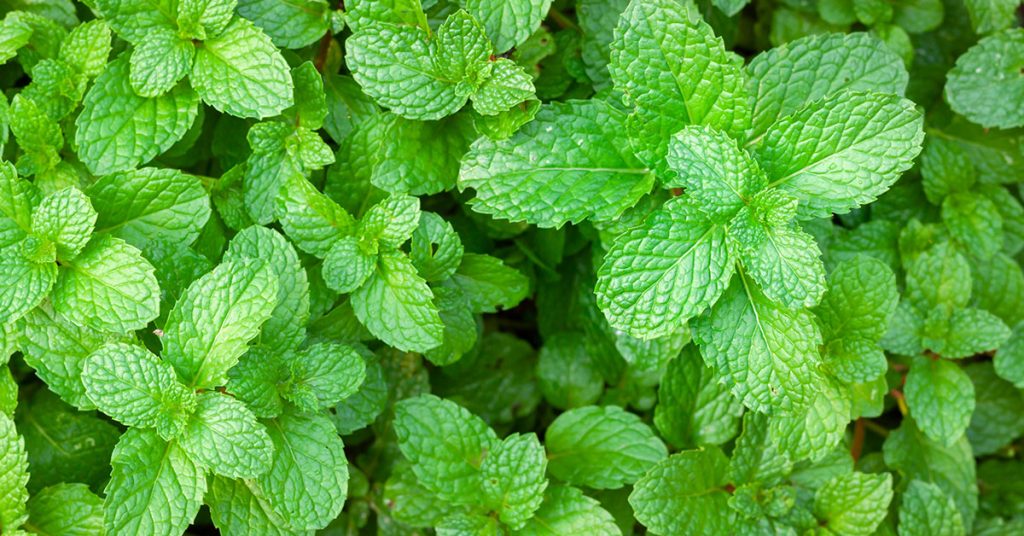
Mint is a versatile herb that brings a refreshing aroma and flavor to culinary creations, but it can also lure in unwanted pests. Native to Europe and Asia, mint spreads vigorously and is notorious for attracting ants, which often farm aphids on its tender leaves. I’ve seen ant trails snaking across my mint beds, and while the mint’s vibrant green is delightful, the bustling insect activity can quickly become overwhelming!
These ants not only disturb the natural order of your garden but also protect and nurture aphid colonies, which can lead to further infestations. Although mint is a non-invasive favorite when contained in pots, once it escapes, it creates a microhabitat that pests love. To keep mint in check and minimize pest problems, consider growing it in containers and practicing regular trimming. A well-managed mint patch can still be a delightful addition to your garden without becoming a pest magnet!
Cucumber Plants
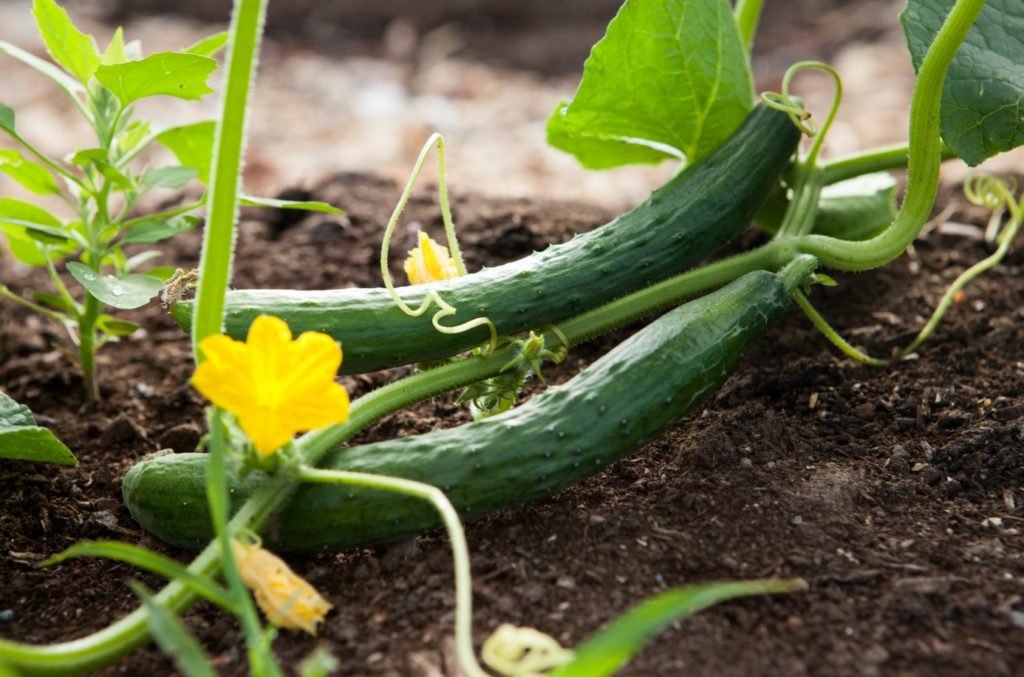
Cucumber plants are a summertime staple, offering crisp, refreshing fruit that’s perfect for salads and pickles. Native to South Asia, cucumbers are typically vigorous growers; however, their sprawling vines tend to attract cucumber beetles—a pest known for transmitting bacterial wilt and other diseases. I remember the heartache of finding these pests clustered around my cucumber foliage, threatening the entire crop just as the fruits began to swell!
The beetles are attracted to the tender, succulent leaves and often find perfect nesting sites within the vine networks. Although cucumber plants themselves are not invasive when properly managed, the rapid multiplication of these pests can lead to significant yield loss. Regular inspection, the use of row covers, and natural insecticides can help manage cucumber beetle populations and protect your cherished harvest!
Squash

Squash plants, with their sprawling vines and abundant fruit, are a gardener’s delight—but they also attract a notorious pest: the squash bug. Native to the Americas, squash plants are favored for their large, colorful produce, yet their broad leaves and low-growing habit provide an ideal habitat for these bugs. I’ve seen entire sections of squash plants wilt under the relentless feeding of squash bugs, and it’s always a challenging battle to restore them to health!
Squash bugs not only damage the leaves but also transmit diseases that can decimate entire crops. Their presence is often accompanied by a clustering of other pests, making it difficult for beneficial insects to establish themselves in the plant’s environment. Effective management involves removing plant debris, using organic barriers, and introducing natural predators. Being proactive is key to keeping these dangerous pests at bay and ensuring your squash plants thrive throughout the growing season!
Lilies

Lilies, with their elegant, trumpet-shaped blooms and sweet fragrance, are a garden staple that can unfortunately attract the infamous lily beetle. Native to temperate regions of the Northern Hemisphere, lilies are prized for their ornamental beauty and long-lasting blooms, yet the lily beetle poses a significant threat to their survival. I’ve been dismayed on more than one occasion to find these voracious pests munching on my prized lilies, causing irreparable damage!
The beetles lay their eggs on the leaves, and the resulting larvae can quickly decimate the foliage, leaving the plant weakened and vulnerable to secondary infections. While lilies themselves are non-invasive and add a touch of elegance to any garden, the infestation of lily beetles can turn them into a liability. Regular monitoring, manual removal, and targeted organic treatments are essential strategies to protect your lilies from these dangerous pests!
Roses

Roses are the quintessential garden flower, admired for their timeless beauty and enchanting fragrance. However, they also attract a host of dangerous pests, including aphids, Japanese beetles, and spider mites. Native to Asia and Europe, roses have been cultivated for centuries, yet their tender, nectar-rich blossoms make them a magnet for pests that can cause extensive damage. I’ve had my share of battles with aphids swarming my rose bushes, and it’s always a struggle to restore them to their former glory!
These pests not only weaken the plants by feeding on their sap but can also create an environment conducive to fungal diseases. While roses are non-invasive when properly pruned and cared for, the pest pressure they attract can quickly overwhelm even a well-tended garden. Maintaining a regular regimen of natural pest control—such as introducing ladybugs or using insecticidal soap—can help keep these harmful invaders in check and ensure that your roses continue to dazzle throughout the season!
Butterfly Bush (Buddleja)
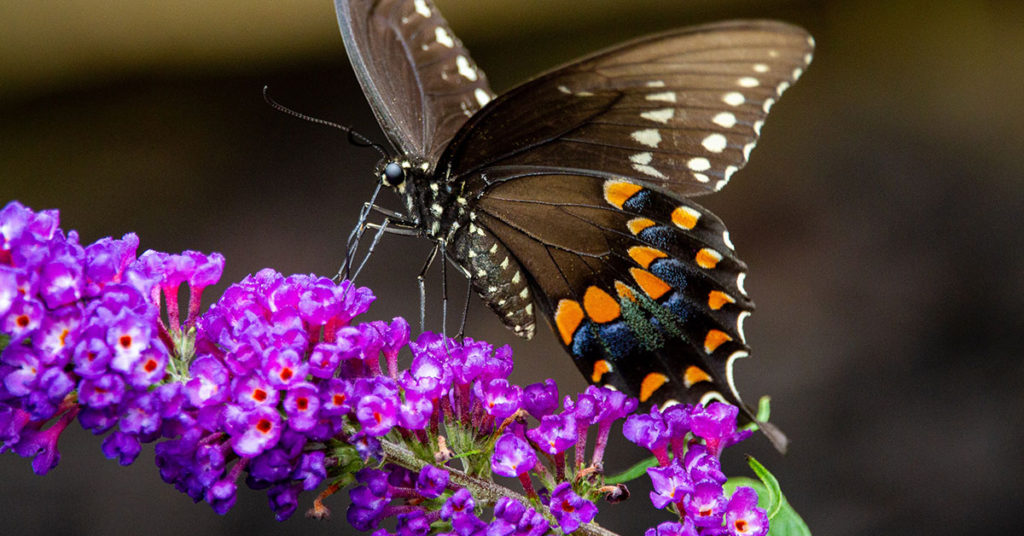
Butterfly Bush, or Buddleja, is renowned for its vibrant, fragrant flower clusters that attract a myriad of pollinators—especially butterflies. Native to China, this popular garden shrub can sometimes draw in more than just the gentle flutter of butterflies; it can also attract an array of stinging insects such as wasps and hornets. I’ve noticed that while Buddleja can transform a garden into a lively, colorful haven, its nectar-rich blooms sometimes create a hotspot for pests that pose a risk to both plants and people!
The dense flower clusters provide excellent shelter and nesting opportunities for these insects, which can lead to an unwelcome escalation of pest problems. Although Butterfly Bush is cherished for its ornamental value and is generally non-invasive, its tendency to attract potentially dangerous insects means that caution is warranted. Regular pruning and strategic placement away from high-traffic areas can help mitigate the risks while still allowing you to enjoy the show-stopping beauty of this fascinating shrub!
Ornamental Grasses
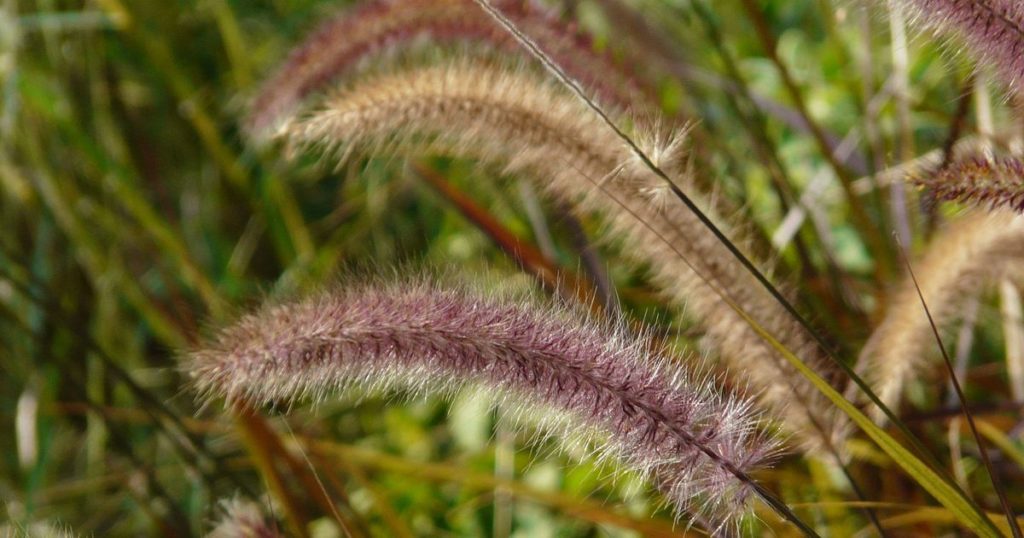
Ornamental grasses are a stylish addition to any garden, offering texture, movement, and a touch of elegance that complements a variety of landscapes. Native to many regions around the world, these grasses are generally low-maintenance and non-invasive when planted thoughtfully. However, certain species of ornamental grasses can inadvertently attract pests such as spider mites and aphids, which thrive in the dense, clumping foliage. I’ve experienced periods of frustration when these pests start nesting among the blades, slowly diminishing the vibrancy of my favorite grasses!
The structure of ornamental grasses, while visually appealing, sometimes provides the perfect microhabitat for pests to reproduce and take shelter. These insects can spread quickly, potentially causing unsightly damage and weakening the overall health of the plant. Regular monitoring, proper spacing, and occasional natural treatments are essential to prevent these dangerous pests from compromising the beauty of your ornamental grasses. By staying proactive, you can enjoy the sweeping elegance of these grasses without the worry of pest infestations!