
There’s nothing quite like a garden that bursts with color from spring to fall, and as a dedicated gardener, I’m excited to share 14 perennial flowers that will keep your garden blooming almost year-round! Over the years, I’ve experimented with countless plants to find those resilient beauties that not only offer extended flowering periods but also attract beneficial insects and create a welcoming habitat for nature’s little helpers. Each of these perennials has a unique background, interesting native origins, and sometimes even quirky behaviors that remind me of the wild places they once called home.
I understand how frustrating it can be when your garden’s color fades too early or when pests disrupt the natural beauty of your blooms. With thoughtful selection and a little care, these perennials can transform your garden into a vibrant, dynamic oasis that endures through the seasons. In this article, I’ll dive into detailed insights for each plant, sharing personal anecdotes and practical tips to help you enjoy a flourishing garden that delights from spring all the way into fall!
Coneflower (Echinacea)

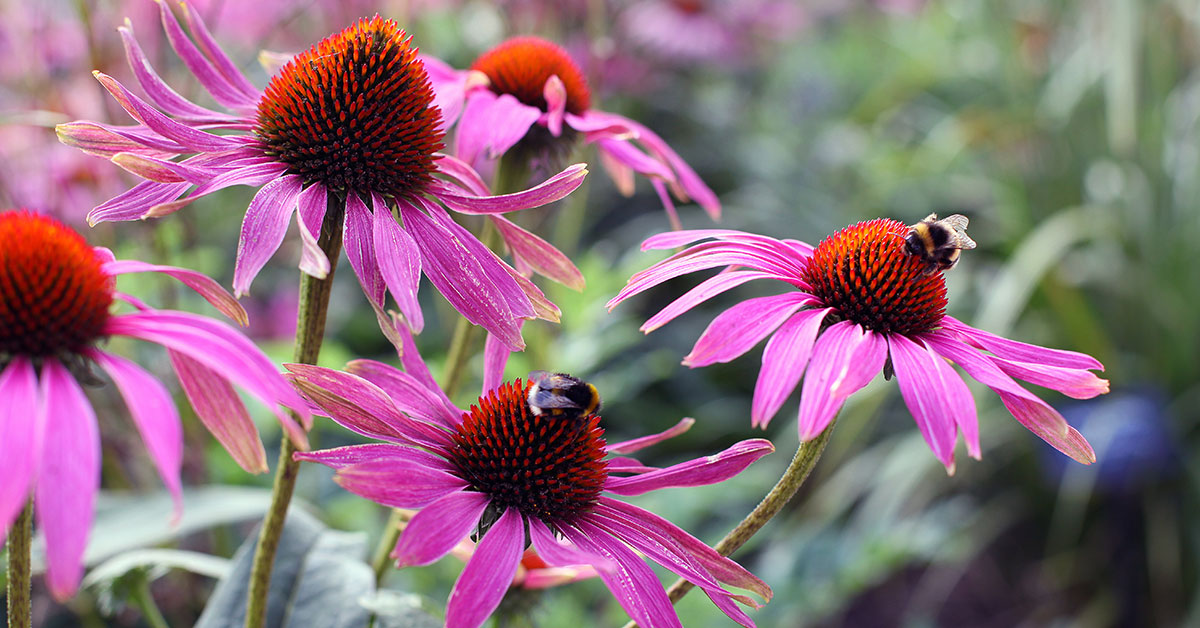
Coneflowers are true garden warriors, known for their robust nature and striking, daisy-like blooms that persist from spring to fall. Native to North America, Echinacea has long been celebrated for its medicinal properties and its ability to attract butterflies, bees, and even tiny beneficial insects that sometimes find safe nesting spots in its sturdy foliage. I appreciate how these vibrant flowers add a burst of color while naturally boosting your garden’s health with their insect-friendly behavior!
In addition to their captivating appearance, coneflowers are remarkably adaptable and resistant to many common garden ailments, making them a reliable choice for both beginner and seasoned gardeners. While they can self-seed in ideal conditions, they are generally non-invasive when managed with regular pruning. Their extended bloom time and robust nature make coneflowers one of my top picks for a garden that stays lively and inviting throughout the growing season!
Black-Eyed Susan (Rudbeckia hirta)
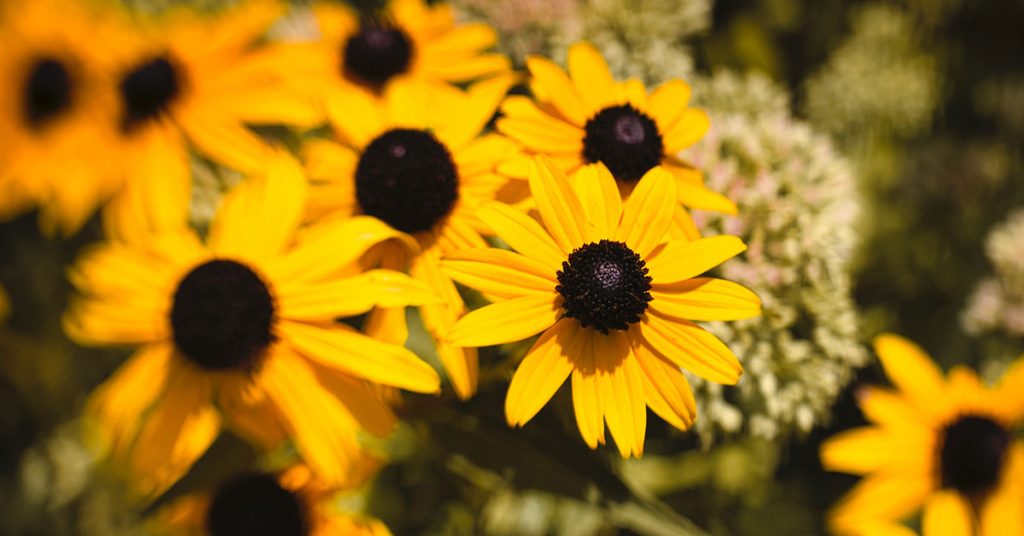
Black-Eyed Susans are a perennial favorite that light up the garden with their golden, daisy-like blossoms and dark, striking centers. Originally native to the prairies of North America, these flowers are resilient and low-maintenance, thriving in full sun and well-drained soil. I’ve always admired their ability to withstand heat and drought, making them perfect for gardens that need a pop of reliable, long-lasting color from spring through fall!
Beyond their aesthetic appeal, Black-Eyed Susans attract a wide array of pollinators and beneficial insects, some of which even nest in the thick clumps they form. They’re generally considered non-invasive when cared for properly, although they do self-seed in the wild, which can add a charming, natural spread to your garden. Their hearty nature and extended bloom period make them a brilliant addition for anyone aiming to maintain a vibrant landscape all season long!
Daylily (Hemerocallis)
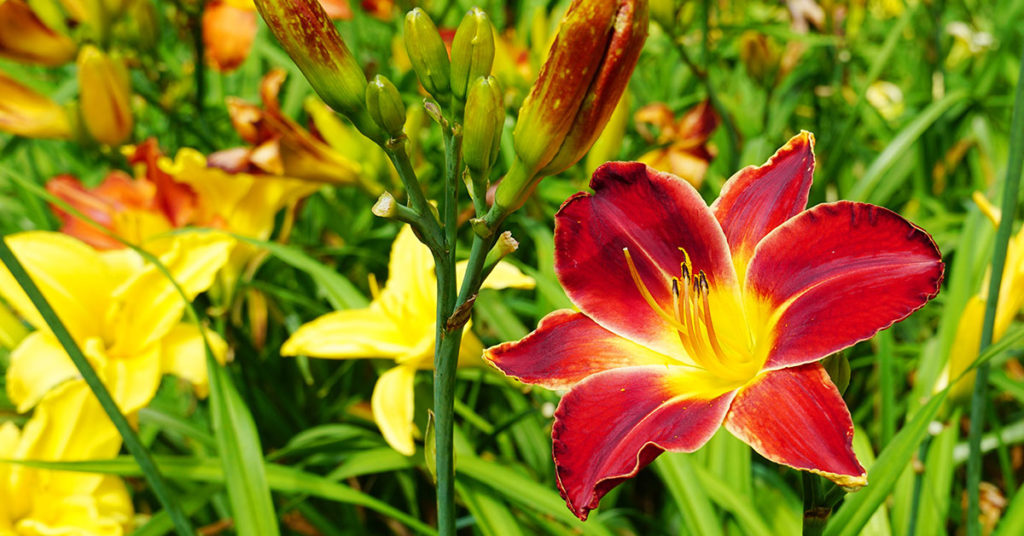
Daylilies are celebrated for their effortless elegance and continuous blooms that can span from early spring well into the fall. Although each individual flower may only last a day, the overlapping cycles of blooms ensure that the garden remains colorful for weeks on end. Native to parts of Asia, daylilies have been selectively bred into countless varieties that perform exceptionally well in a variety of climates without becoming invasive!
One of the aspects I love most about daylilies is how their clumps provide shelter for beneficial insects, which may nest in the dense, fibrous foliage. Their low-maintenance nature and adaptability make them an excellent choice for gardeners seeking long-lasting beauty without the need for constant care. Daylilies truly embody the spirit of resilience and continuous renewal, making them a staple in my garden that never fails to impress!
Shasta Daisy (Leucanthemum × superbum)
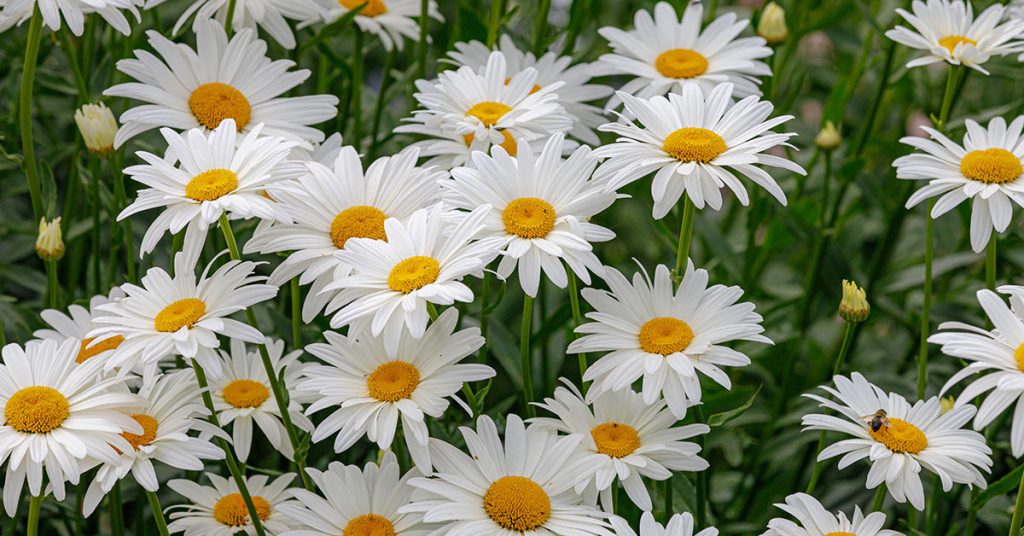
Shasta Daisies are a timeless classic, with their cheerful white petals and sunny yellow centers that brighten up any garden space from spring to fall. Native to Europe, these perennials are renowned for their hardiness and ease of care, thriving in a variety of soil types and conditions. I’ve always found that their simple, elegant blooms have a way of uplifting the entire garden’s mood, making them a delightful addition to any landscape!
These daisies not only captivate with their beauty but also support a healthy garden ecosystem by attracting a host of pollinators and beneficial insects. Their open, welcoming structure can even provide microhabitats where tiny insects can nest, contributing to natural pest control. With regular deadheading to promote continuous flowering, Shasta Daisies prove to be a versatile and charming companion that keeps on giving from spring through the fall season!
Coreopsis (Tickseed)
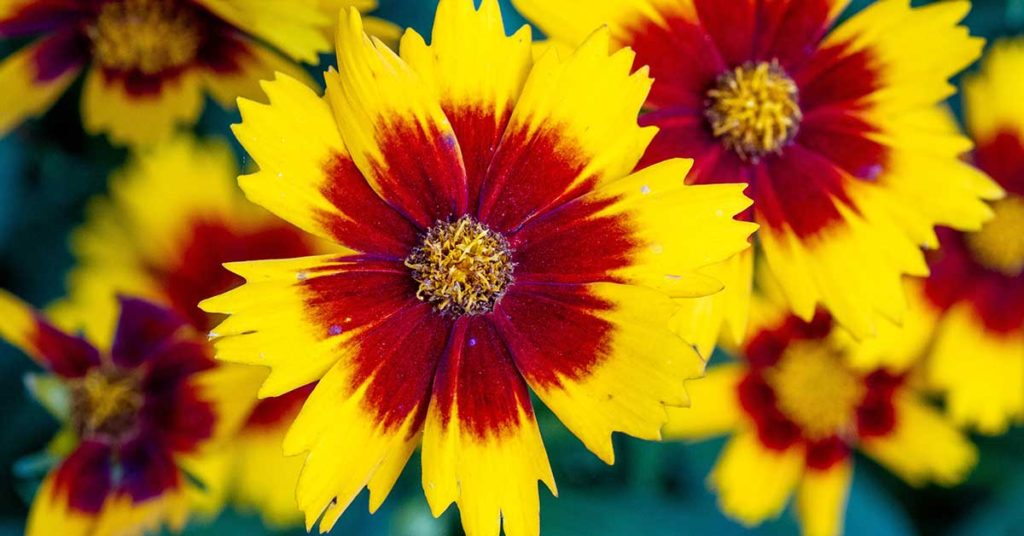
Coreopsis, often known as Tickseed, is a vibrant perennial that brings bursts of golden or bi-colored blooms to the garden for most of the growing season. Native to North America, Coreopsis is valued for its drought tolerance and low maintenance requirements, making it a fantastic choice for gardeners looking to enjoy prolonged color without constant attention. I love how its delicate, daisy-like flowers create a natural, prairie-like feel that energizes any outdoor space!
In addition to its striking appearance, Coreopsis is a magnet for beneficial insects, including bees and butterflies, which contribute to a balanced garden ecosystem. The plant’s naturally spreading habit can sometimes lead to self-seeding, but it remains non-invasive when kept in check with occasional thinning. Its extended bloom period and effortless charm make Coreopsis a perennial favorite that truly stands the test of time throughout the seasons!
Sedum (Stonecrop)
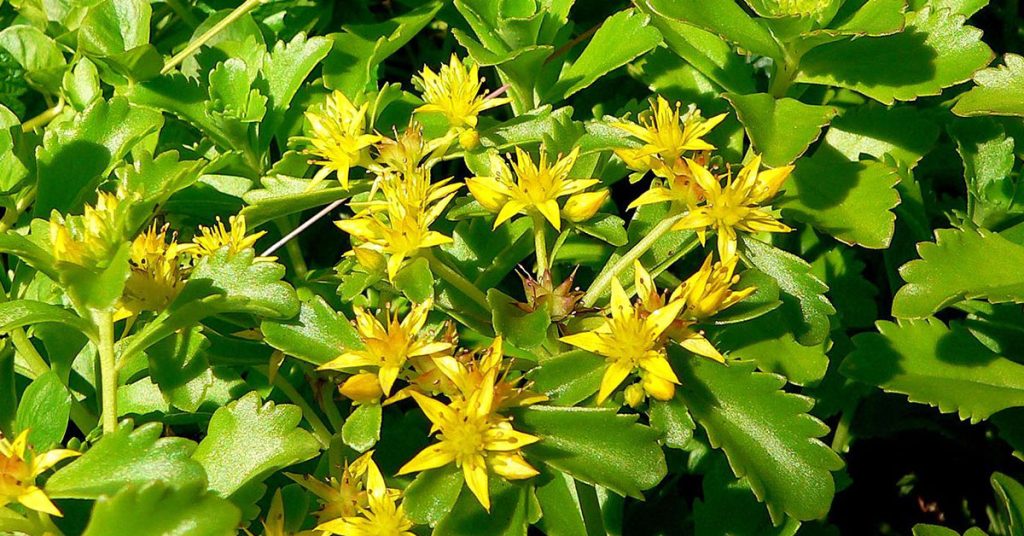
Sedum, commonly referred to as Stonecrop, is a succulent perennial that offers a unique textural contrast with its fleshy leaves and clusters of star-shaped flowers. Native to Europe and Asia, many sedum varieties are well-suited to hot, dry conditions and provide long-lasting blooms from spring to fall. I appreciate how sedum’s hardy nature and low water needs make it an excellent addition to rock gardens and mixed borders, adding both color and resilience to the landscape!
Sedum’s succulent leaves not only store water efficiently but also attract a host of beneficial insects that sometimes use the clumps as nesting sites. Although certain sedum species can spread slowly, they are generally non-invasive and easy to control in a well-designed garden. Their unusual charm and extended blooming period make sedum a delightful choice for gardeners who want to introduce a touch of texture and enduring beauty into their outdoor spaces!
Bee Balm (Monarda)

Bee Balm is a showstopper with its vibrant, ruffled blooms and aromatic foliage that attract hummingbirds, bees, and butterflies throughout the growing season. Native to North America, this perennial is prized for its bold colors and ability to thrive in sunny, moist conditions. I find Bee Balm particularly exciting because its clusters of red, pink, or purple flowers add a splash of brilliance to any garden, making it a true magnet for pollinators and nature enthusiasts alike!
In addition to its ornamental appeal, Bee Balm can sometimes provide small niches for beneficial insects to nest, contributing to a dynamic and balanced garden ecosystem. While Bee Balm can spread vigorously in optimal conditions, it is generally not considered invasive when managed with regular pruning. Its continuous bloom and natural allure make Bee Balm a must-have for gardeners looking to create an inviting, lively outdoor space that stays colorful from spring all the way through fall!
Blanket Flower (Gaillardia)
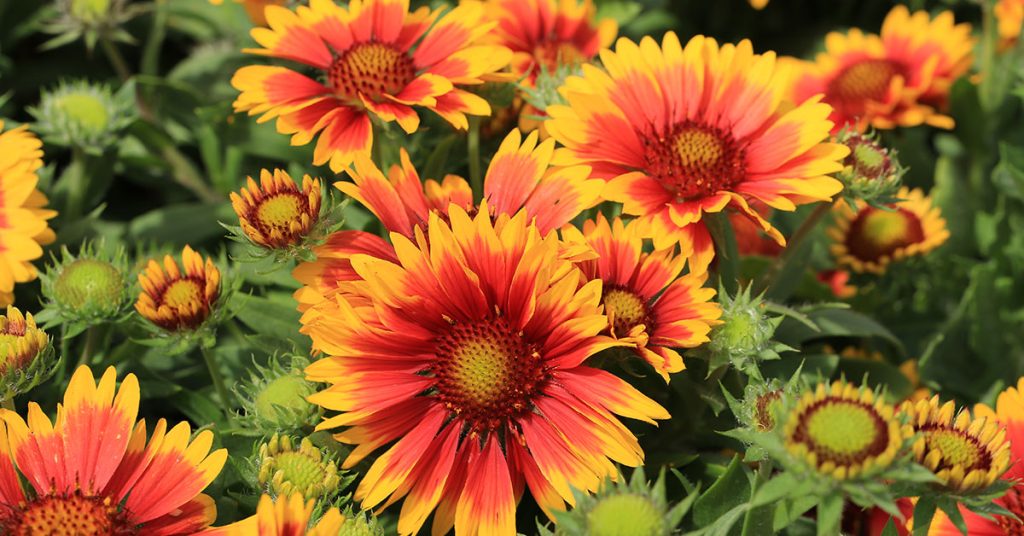
Blanket Flower is a radiant perennial that captivates with its fiery red and yellow blooms, offering a bold display from spring through fall. Native to the prairies of North America, Gaillardia is celebrated for its drought tolerance and ability to flourish in poor soils. I’m always thrilled by the way Blanket Flower brings a burst of wild, rustic beauty to the garden, evoking images of sun-drenched fields and open skies that never fail to lift my spirits!
Its distinctive, daisy-like blossoms not only dazzle the eye but also attract a variety of beneficial insects that contribute to natural pest control. While Blanket Flower can self-seed under ideal conditions, it remains non-invasive when regularly managed, adding a delightful, natural spread to your garden. Its hardy nature and extended flowering period make Blanket Flower an excellent choice for anyone looking to create a vibrant, resilient garden that thrives through multiple seasons!
Russian Sage (Perovskia atriplicifolia)
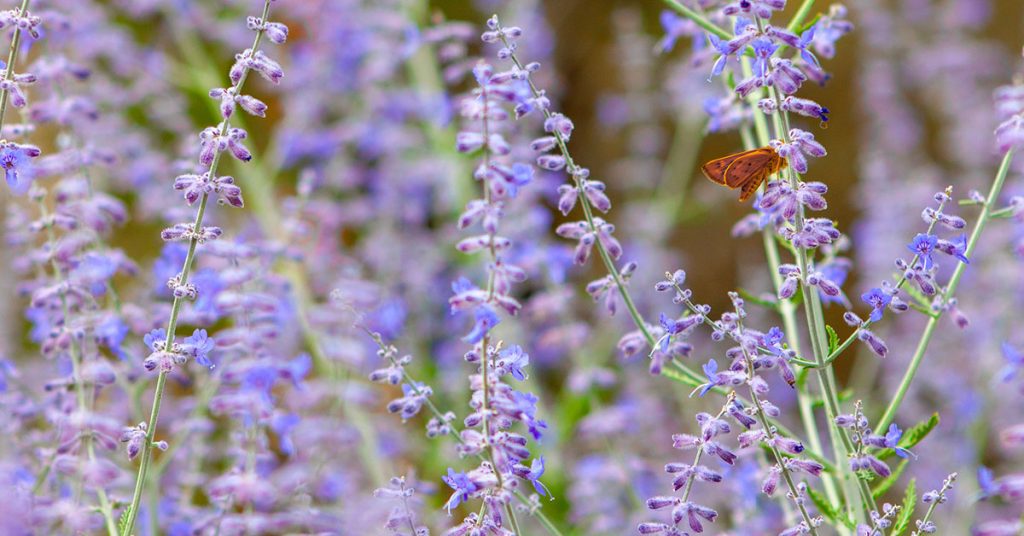
Russian Sage is a striking perennial with airy, silver-green foliage and spires of delicate blue-purple flowers that adorn the garden from late spring to fall. Native to the dry steppes of Russia and Central Asia, this plant is renowned for its drought tolerance and ability to withstand harsh conditions. I love the way Russian Sage lends a touch of ethereal elegance to my garden, its wispy blooms and aromatic leaves creating a serene, almost otherworldly ambiance that’s perfect for those hot, sunny days!
The open, airy structure of Russian Sage also makes it a welcoming spot for beneficial insects, which may nest in the gaps between its slender stems. Although it spreads moderately, Russian Sage is typically non-invasive and easy to manage with minimal pruning. Its extended bloom time and graceful presence add both beauty and functionality to the garden, making it a cherished perennial for gardeners who appreciate both form and resilience!
Salvia
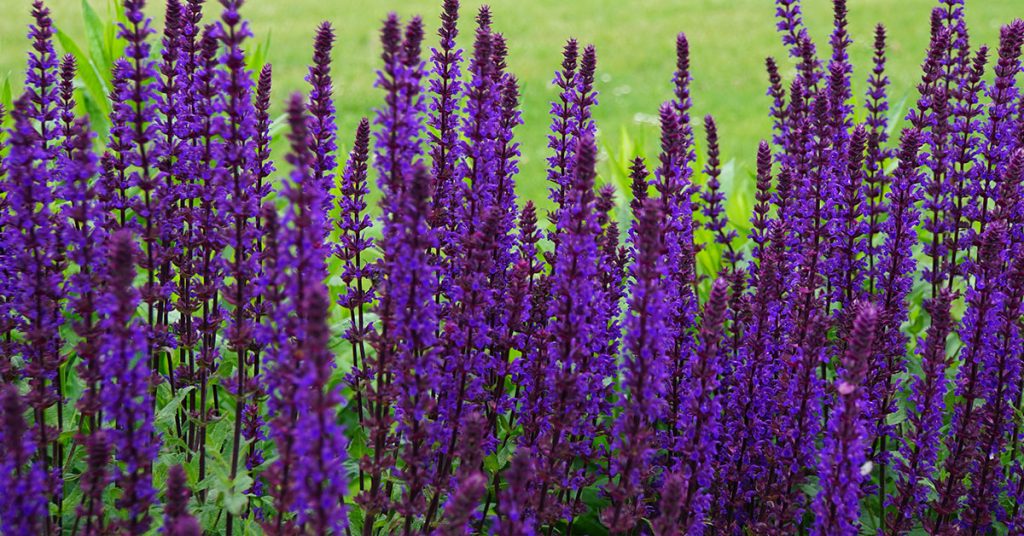
Salvia is a diverse and dynamic perennial that offers an array of vibrant colors and architectural form, blooming consistently from spring through fall. Native to various regions around the world, including Central and South America as well as the Mediterranean, salvia has been a favorite of gardeners for its striking spikes of flowers and aromatic foliage. I always find that salvia brings a bold, modern edge to my garden, its dramatic blooms standing out against a backdrop of green leaves and sunlit skies!
These lively flowers attract a plethora of pollinators, including bees, butterflies, and hummingbirds, who are drawn to the nectar-rich blooms and may even use the plant as a nesting site. While some salvia species can be vigorous, they are generally non-invasive when properly maintained through regular deadheading and pruning. With its extended flowering period and eye-catching beauty, salvia is a fantastic perennial that infuses your garden with energy and lasting color throughout the seasons!
Catmint (Nepeta)

Catmint is a charming, aromatic perennial that delights with its soft, lavender-blue flowers and silvery-green foliage from spring until fall. Native to Europe and parts of Asia, catmint is prized for its ease of care and its natural ability to repel pests while attracting pollinators. I enjoy how catmint’s soothing fragrance and delicate blooms add both beauty and a sense of calm to the garden, making it a favorite among those who love a touch of wild, cottage garden charm!
The plant’s sprawling habit often creates natural niches for beneficial insects, which can nest in the soft, mat-forming clusters and contribute to a balanced garden ecosystem. Although catmint tends to spread, it is typically well-behaved and non-invasive when kept in check with occasional trimming. Its long blooming season and resilient nature make catmint an excellent choice for gardeners who want a perennial that offers both visual appeal and practical benefits throughout the growing season!
Garden Phlox (Phlox paniculata)
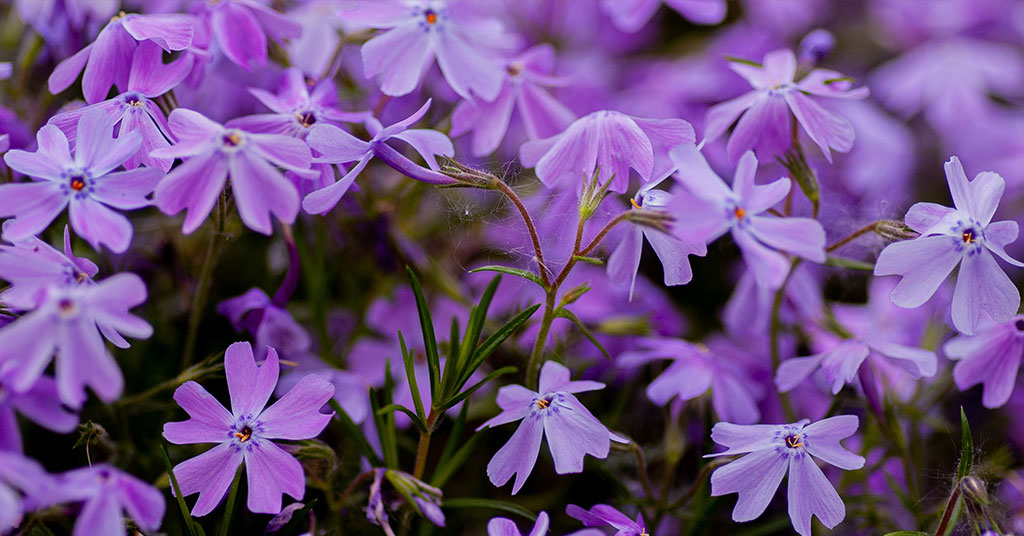
Garden Phlox is a perennial classic that fills the garden with large, fragrant clusters of blooms from late spring into early fall. Native to North America, this plant is admired for its lush, vibrant flowers that come in a variety of colors, from soft pinks to bold purples. I’ve always been captivated by the way garden phlox transforms a garden into a sensory delight, its heady fragrance and abundant blossoms creating an atmosphere that is both romantic and invigorating!
In addition to its visual and olfactory charms, garden phlox attracts a myriad of beneficial insects that help pollinate the flowers and may even find temporary nesting spots within its dense growth. While phlox can sometimes self-seed, it is generally non-invasive when regularly divided and pruned. Its enduring bloom time and classic beauty make garden phlox a perennial treasure that enhances any landscape with its timeless appeal and natural resilience!
Lavender
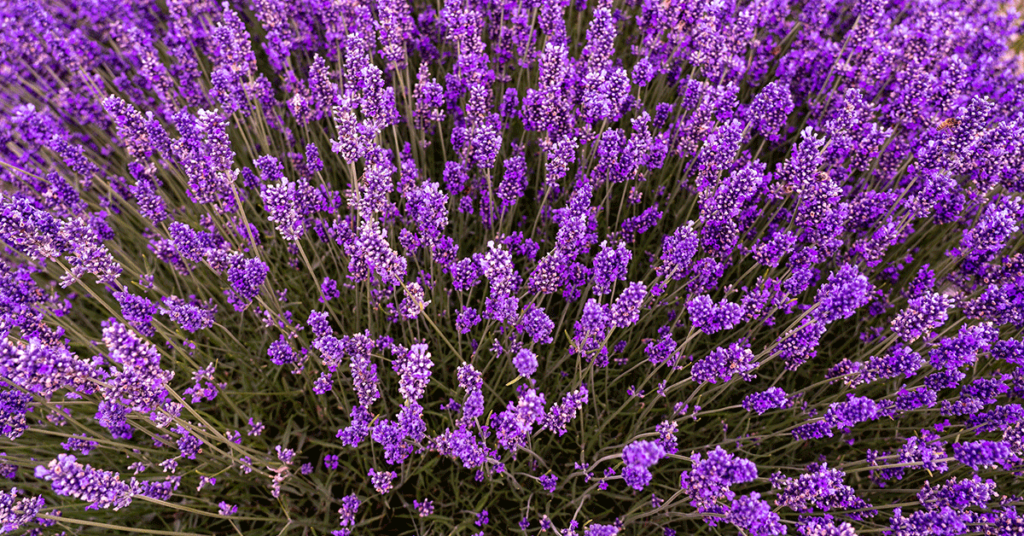
Lavender is an enchanting perennial celebrated for its aromatic, purple flower spikes and silvery foliage that grace the garden from spring to fall. Native to the Mediterranean, lavender thrives in full sun and well-drained soil, and its soothing fragrance has made it a favorite in gardens and landscapes around the world. I always find lavender to be a delight—not only does it provide a pop of color and a calming scent, but its delicate blooms also invite bees and butterflies that contribute to a thriving garden ecosystem!
Lavender’s structure creates small pockets of shelter that beneficial insects can use for nesting, further enhancing the natural pest control in your garden. Although lavender spreads moderately under ideal conditions, it is generally non-invasive and easy to manage with occasional pruning. Its long blooming period, combined with its practical and sensory benefits, makes lavender an essential perennial for gardeners seeking both beauty and functionality throughout the growing season!
Peony
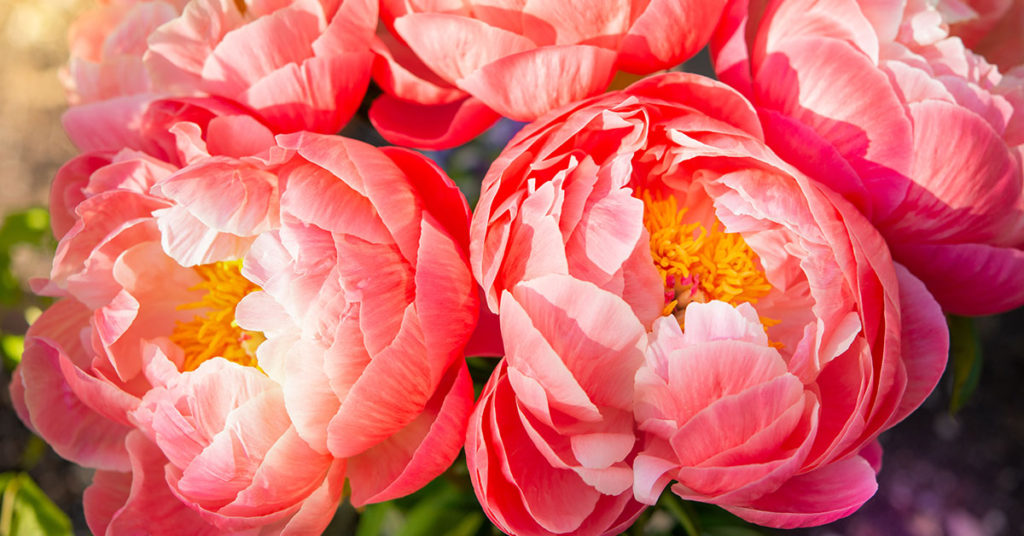
Peonies are a timeless perennial delight, known for their lush, full blooms and intoxicating fragrance that appear annually from late spring through early fall. Native to Asia, Europe, and Western North America, peonies have been cherished for centuries for their exquisite flowers and impressive longevity in the garden. I’ve always been enchanted by the luxurious, often fragrant blossoms of peonies, which bring a touch of old-world elegance and charm to any landscape!
Their robust, mound-forming growth habit provides an excellent habitat for small beneficial insects, some of which may take advantage of the dense foliage for nesting. While peonies can take a few seasons to fully establish, they are generally non-invasive and reward you with a spectacular display year after year. Their enduring beauty and captivating aroma make peonies a cherished addition to any perennial garden that aspires to bloom with grace and resilience from spring to fall!