

Growing vegetables in hot climates can be both challenging and incredibly rewarding! As a dedicated gardener who has faced sweltering summers and blazing sun for years, I understand the struggle of keeping plants thriving under intense heat. It’s such a bummer when high temperatures and unpredictable weather make you feel like you’re fighting nature. But with the right strategies, you can create a flourishing garden even in the hottest conditions. I’m excited to share 10 practical tips that have helped me and many fellow gardeners achieve bountiful harvests in the scorching sun!
Vegetables, many of which are native to warmer regions—like the heat-loving okra from Africa or peppers from Central America—can thrive with proper care, even in climates that push the limits of what we think is possible. While some of these vegetables can become vigorous and, if left unchecked, even spread rapidly, they’re usually not considered invasive when managed with attention. With each tip, I’ll dive into detailed techniques, share personal experiences, and highlight how even the smallest adjustments (like encouraging beneficial insects to nest in your garden) can lead to a more resilient and productive vegetable patch!
Use Shade Cloth or Provide Partial Shade

In hot climates, providing your vegetables with a bit of respite from the relentless sun is crucial, and using shade cloth is a game-changer! By installing a shade cloth over your garden beds or setting up a temporary canopy, you can reduce the intensity of the sun’s rays, lowering the temperature around your plants. I’ve found that a 30-50% shade cloth works wonders for many heat-sensitive vegetables, creating a cooler microenvironment without completely blocking out the light. This practice not only prevents sunscald and leaf burn but also helps maintain moisture in the soil—something that many heat-loving vegetables, though native to sunny regions, still appreciate during peak temperatures!
Interestingly, a shaded environment can also encourage beneficial insects to frequent your garden. Some of these insects, like ladybugs and certain bees, enjoy the gentler conditions provided by partial shade and may even use the protected areas for nesting. While many vegetables thrive under full sun in their native habitats, in extreme climates, a little protection can be the difference between a mediocre and a stellar harvest. Embracing shade in your garden setup is an easy, effective way to ensure your vegetables remain robust and productive throughout the hot season!
Water Deeply and Consistently
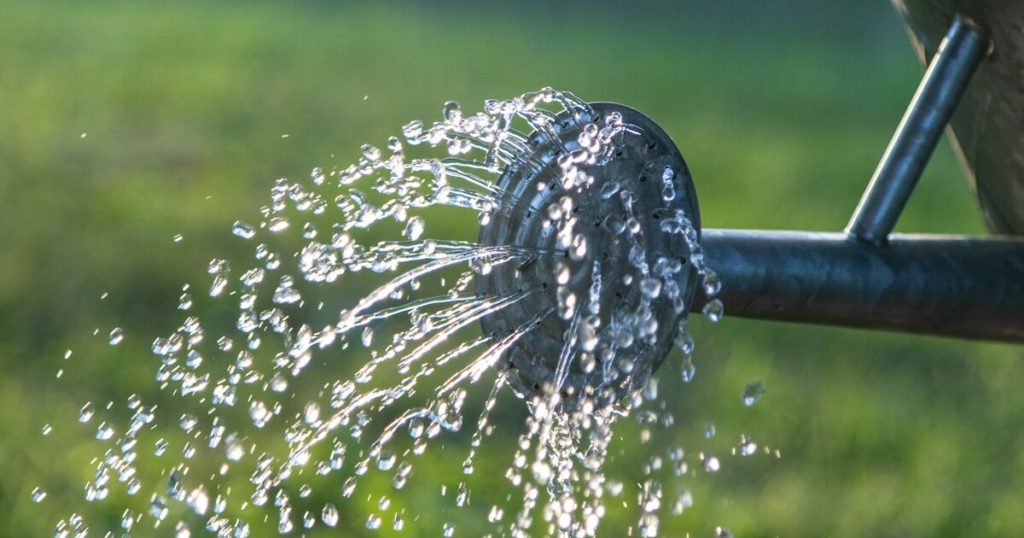
Proper hydration is key when you’re battling the heat, and deep, consistent watering helps vegetables develop robust root systems. In hot climates, the soil tends to dry out quickly, so rather than a light sprinkle, I make sure to water deeply to encourage roots to reach further into the cooler, moister layers of soil. Many vegetables, even those adapted to warm conditions like tomatoes and eggplants, benefit immensely from this method. Deep watering not only helps the plants withstand drought stress but also reduces the risk of diseases like blossom end rot, which can be triggered by inconsistent moisture levels!
Deep watering also creates an ideal setting for beneficial insects, which sometimes find shelter around moist, rich soil. These tiny creatures, which may nest in the dark, cool corners of your garden, play a crucial role in natural pest management. When water is applied consistently, your plants can focus their energy on growth and fruit production rather than stress responses. In my experience, establishing a regular deep-watering routine has transformed my garden into a resilient, thriving oasis even during the peak of summer!
Optimize Spacing for Airflow
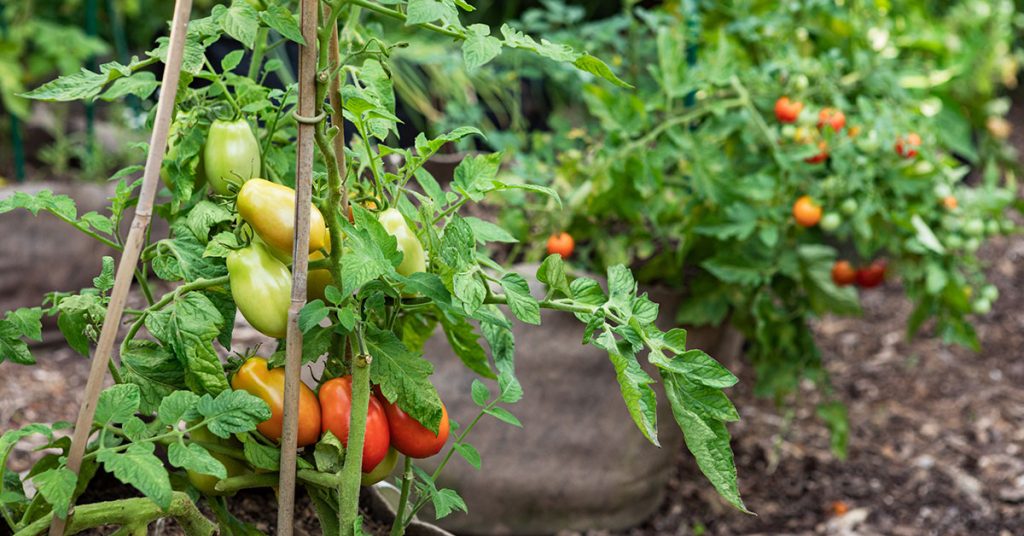
Proper spacing is essential in hot climates where good air circulation can make all the difference in preventing heat stress and disease. When vegetables are crowded, they trap heat and moisture, creating a mini greenhouse effect that can lead to fungal infections and pest problems. I’ve learned that spacing out my plants gives each one enough room to breathe and absorb sunlight without overwhelming its neighbors. This approach mimics the natural spacing found in many of these vegetables’ native habitats, where wind and open spaces are common!
Not only does good spacing reduce the risk of disease, but it also encourages the movement of beneficial insects. When plants are well spaced, insects such as predatory wasps and ladybugs have easier access to their prey and even find spots to nest within the open structure of the garden. Whether you’re growing peppers, cucumbers, or heat-tolerant greens, optimizing plant spacing is a straightforward tip that can boost your garden’s overall health and productivity. Remember, a little room to grow can lead to a lot more flavor on your plate!
Employ Drip Irrigation
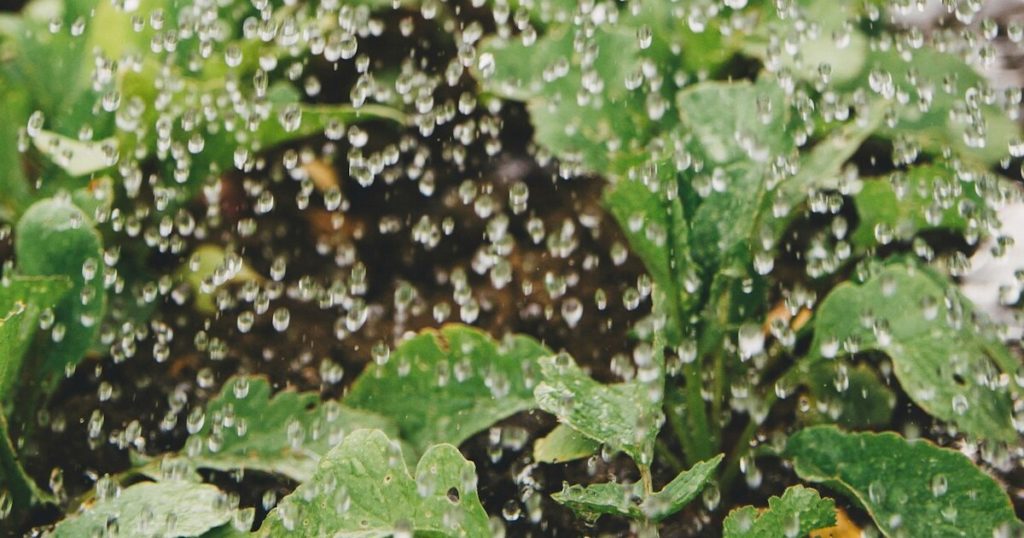
Drip irrigation is an incredibly efficient way to water your vegetables in hot climates, ensuring that water goes exactly where it’s needed without excess evaporation. This method delivers water directly to the root zone, which is especially important when temperatures soar and the wind can whisk away a lot of moisture. I’ve installed a drip system in my garden, and it has significantly reduced water waste while keeping my plants consistently hydrated. It’s like giving each plant a personalized drink right at its feet!
Beyond conserving water, drip irrigation can also help maintain a stable microenvironment around the base of your plants. Many vegetables, particularly those native to arid regions, benefit from a consistent moisture level that prevents stress and encourages deeper rooting. Additionally, the moist soil under a drip system often attracts beneficial insects, some of which may take up residence or even nest near the roots. In this way, drip irrigation not only supports plant health but also contributes to a balanced, thriving garden ecosystem!
Improve Soil Quality with Organic Matter

Enhancing your soil with organic matter is one of the best investments you can make for growing vegetables in hot climates. Adding compost or well-rotted manure enriches the soil, improves its water-holding capacity, and helps buffer against the extreme temperatures. Many vegetables, even those native to warm regions like the Mediterranean, benefit from the extra nutrients and moisture retention that organic matter provides. I always mix in a generous amount of compost at the beginning of the season, and it makes a noticeable difference in plant vigor and yield!
Improved soil quality also creates a hospitable environment for beneficial soil organisms that can help with nutrient uptake and pest control. These microscopic allies often find ideal nesting conditions within rich, organic soils and contribute to the overall health of your garden. While some might worry that adding organic matter might encourage unwanted growth, it actually supports a balanced ecosystem that benefits your vegetables without promoting invasiveness. With healthier soil, your plants will be more resilient, making your garden a sanctuary even on the hottest days!
Select Heat-Tolerant Varieties
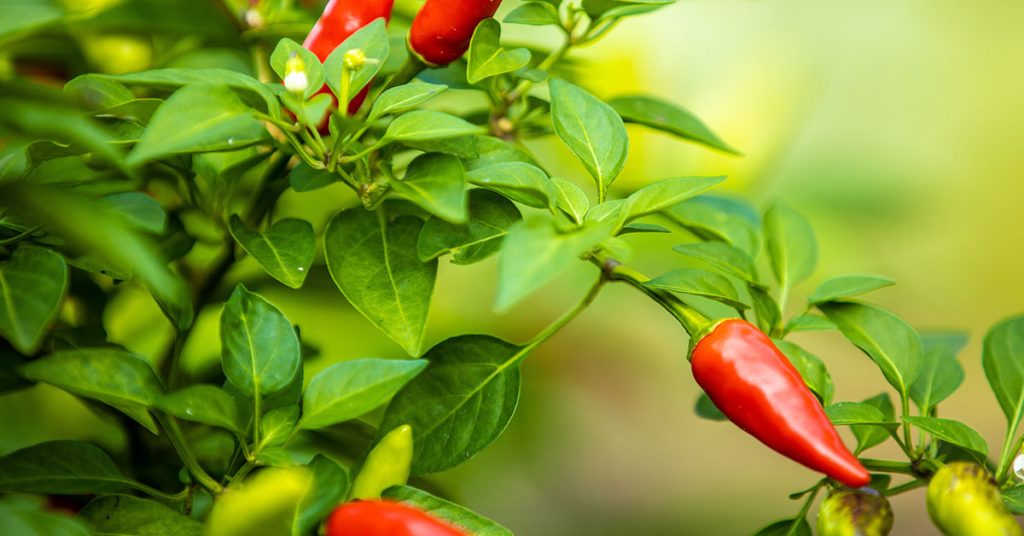
Choosing the right vegetable varieties is essential for success in hot climates, as some cultivars are bred to thrive under high temperatures and intense sunlight. Many vegetables have been adapted over time in their native regions—like okra from Africa or certain peppers from Central America—to withstand heat and drought. I make it a point to select varieties that are proven to perform well in the sun, ensuring that my garden remains productive even during the peak of summer!
Heat-tolerant varieties are also less likely to succumb to common heat-induced problems such as premature bolting or fruit splitting. By opting for these resilient cultivars, you’re not only boosting your chances for a bountiful harvest but also creating a garden that naturally repels stress. In my experience, gardeners who choose the right variety notice a marked improvement in both plant health and fruit quality. It’s all about working with nature and selecting plants that are already predisposed to thrive in the environment you provide!
Companion Planting for Pest Control
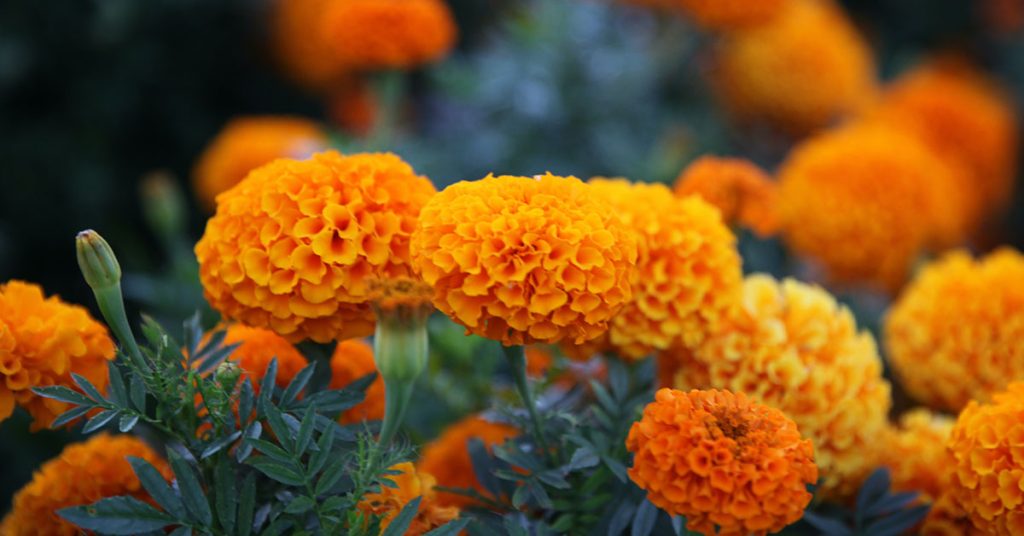
Companion planting is a fantastic strategy for managing pests naturally, and it’s especially valuable in hot climates where stress can make vegetables more vulnerable. By interplanting species that repel pests or attract beneficial insects, you can create a self-regulating garden ecosystem. For example, planting marigolds or basil alongside tomatoes not only enhances flavor but also deters harmful insects with their strong scents. I’ve had great success using companion plants to reduce pest problems without resorting to chemical sprays, which can be particularly damaging in extreme heat!
These companion plants can also serve as nesting sites for beneficial insects, such as parasitic wasps or ladybugs, which help control pest populations by preying on unwanted insects. In many cases, the natural behaviors of these beneficial critters—like nesting or communal living—are encouraged by the right mix of companion species. While each plant in your garden brings its own native background and growth characteristics, pairing them wisely can lead to a more resilient and productive vegetable patch. It’s a win-win for both flavor and natural pest control!
Timing Your Planting
In hot climates, timing is everything, and planting at the right moment can significantly influence the success of your vegetables. Many heat-loving vegetables are best planted during the early morning or late afternoon to avoid the scorching midday sun. I’ve learned that staggering my planting schedule—so that not all crops face the peak heat simultaneously—helps mitigate stress and encourages steady growth. This technique mimics natural seasonal patterns from regions where these vegetables are native, ensuring they have the best chance to flourish!
Proper timing also plays a role in pest management, as planting during less intense heat can reduce the likelihood of attracting certain pests that thrive in extreme conditions. Additionally, strategic planting times can help your garden take advantage of cooler nights, allowing beneficial insects to remain active and even nest around your plants. With a bit of planning and attention to seasonal cues, you can optimize your vegetable garden’s productivity and create a more balanced, enjoyable growing experience—even when the heat is on full blast!
Mulching to Retain Moisture

Mulching is one of my favorite techniques for keeping vegetables happy in hot climates, as it helps retain soil moisture and regulates temperature fluctuations. A layer of organic mulch, such as straw, shredded leaves, or compost, acts as a natural barrier that slows evaporation and keeps the roots cool during sweltering days. I’ve found that mulching not only improves the overall appearance of my garden beds but also significantly reduces the frequency of watering—a real lifesaver during droughty spells!
Beyond moisture retention, mulch plays an important role in suppressing weeds, which can compete with your vegetables for water and nutrients. Additionally, as mulch breaks down, it enriches the soil with organic matter, promoting beneficial microbial activity and even attracting insects that help with decomposition. Some of these tiny critters might even create small nesting sites within the mulch, contributing to a balanced garden ecosystem. With its many benefits, mulching is an essential practice for any gardener looking to thrive in hot, challenging conditions!
Monitor and Manage Pests Naturally

In hot climates, pests can become particularly troublesome, but a proactive approach to natural pest management is both effective and rewarding. Regularly inspecting your vegetables for signs of pests—like discolored leaves or holes—allows you to catch issues early before they escalate. I always encourage a hands-on approach, walking through my garden and observing the behavior of both the pests and the beneficial insects that might be helping to control them. Understanding the natural dynamics of your garden, including where insects nest and how they interact with your plants, can be a real game-changer!
Using natural remedies, such as neem oil, insecticidal soap, or even homemade garlic sprays, can help keep pests at bay without harming the delicate balance of your ecosystem. These methods are especially important in hot climates, where chemical pesticides can become more volatile and disruptive. Encouraging beneficial insects by planting companion species also plays a huge role in natural pest management, as these insects often nest in protected areas of your garden. By monitoring and managing pests naturally, you not only protect your vegetables but also contribute to a healthier, more vibrant garden environment!