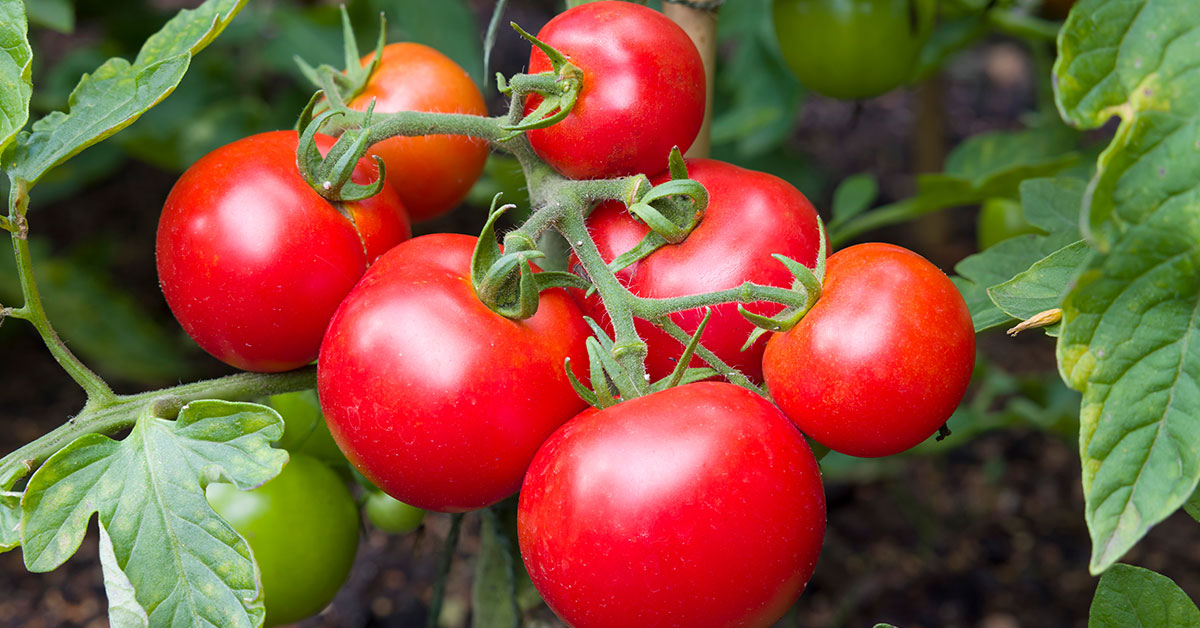

Growing the perfect tomato is an art and a science that brings both delicious rewards and endless joy to any gardener’s life. As someone who has spent years nurturing tomato plants in every season, I understand the challenges—from unpredictable weather to pesky pests—that can make or break a harvest. Tomatoes, native to the Andean region of South America, have a fascinating history and remarkable adaptability, yet they still demand thoughtful care and attention to truly flourish. It’s such a bummer when your prized plants succumb to disease or underdevelopment, so I’m here to share my tried-and-true tips to help you succeed!
I know how frustrating it can be when your garden doesn’t live up to its potential, especially after investing time and energy into each plant. I’m excited to offer 14 detailed tips that cover everything from seed selection to the perfect harvest time. Each tip is infused with personal insights, practical advice, and a few quirky tidbits—like how beneficial insects sometimes nest in the crevices of healthy tomato foliage—to ensure you have all the tools you need for a bountiful, flavorful crop.
Ensure Adequate Sunlight
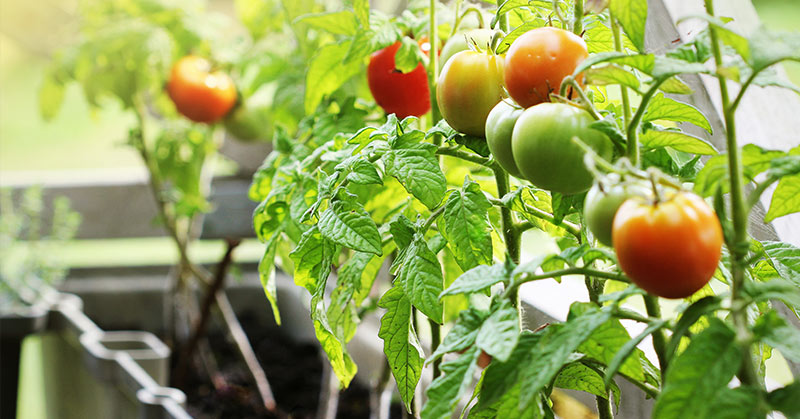
Tomatoes thrive in bright, direct sunlight and need at least 6 to 8 hours of sun each day to develop rich flavor and vibrant color. I’ve learned that positioning your tomato plants in a sun-soaked spot is absolutely essential for optimal growth and fruit production. When your tomatoes receive ample sunlight, their photosynthesis process accelerates, leading to stronger stems and more abundant yields—a truly gratifying sight for any grillmaster or home cook!
In addition to boosting fruit quality, full sunlight helps deter some pests by keeping the foliage dry and less inviting for disease-causing organisms. Although tomatoes are native to the warm, sunlit regions of South America, they can sometimes suffer in overly shady environments where beneficial insects may not venture in to provide natural pest control. Ensuring your garden is bathed in sunlight not only supports healthy growth but also maintains a balanced micro-ecosystem that keeps your plants robust and productive!
Choose the Right Variety
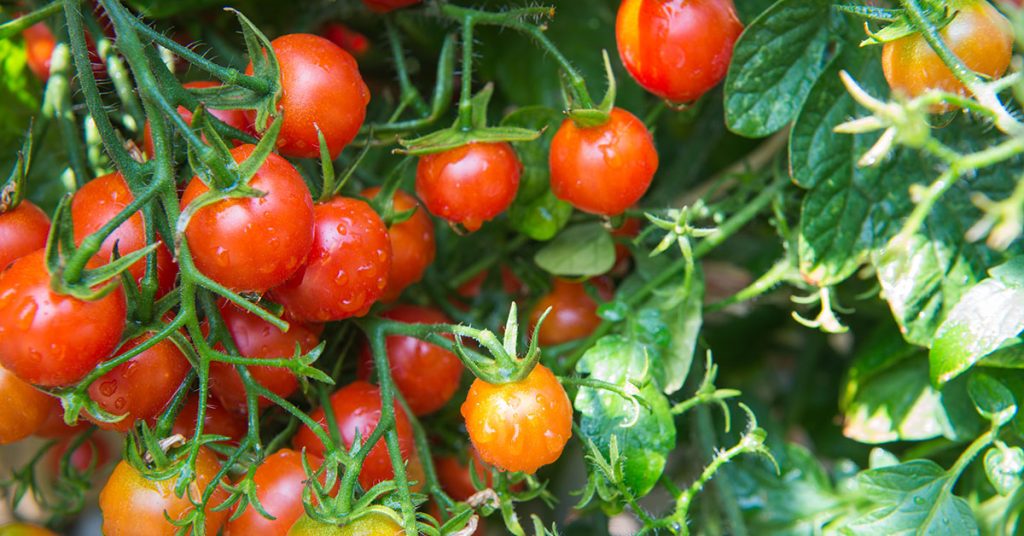
Selecting the perfect tomato variety is the first step toward a successful harvest. Whether you prefer juicy beefsteaks, small cherry tomatoes bursting with flavor, or tangy paste tomatoes ideal for sauces, choosing a variety that suits your taste and garden conditions is crucial. I’ve experimented with numerous types over the years, and it’s fascinating to see how each cultivar brings its unique flavor and texture to the table. Tomatoes, originally from the Andes, have been bred into countless varieties that excel in different climates and growing environments!
Some varieties are naturally more resistant to pests and diseases, which can be a huge bonus when you’re battling common garden challenges. Additionally, selecting a variety that is well-suited to your region can prevent issues with invasiveness—most cultivated tomatoes are non-invasive when grown in managed gardens. By choosing the right type for your space and culinary needs, you’re setting the stage for a garden that’s not only productive but also a delight to behold throughout the growing season!
Water Consistently and Wisely
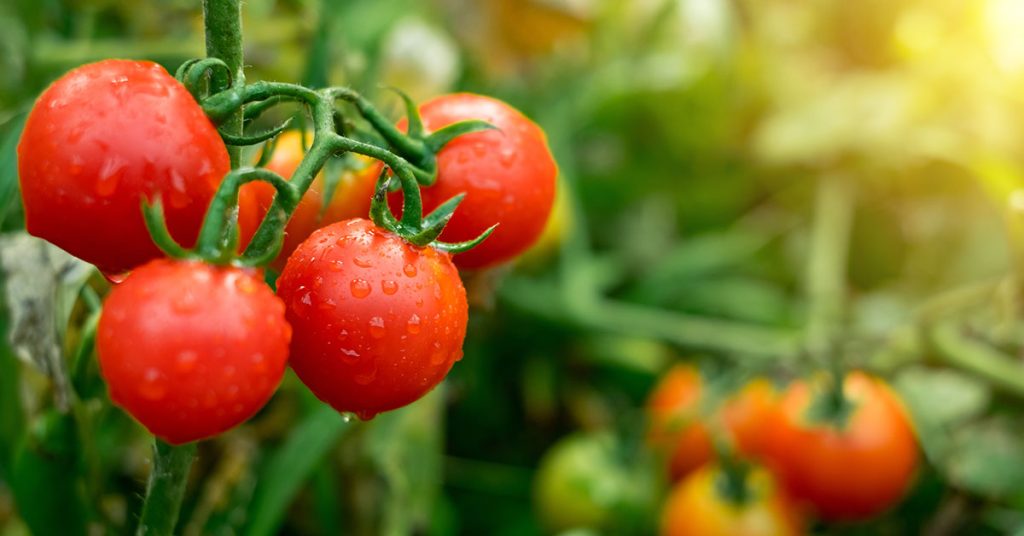
Consistent and careful watering is one of the cornerstones of growing perfect tomatoes. Overwatering can lead to root rot and encourage fungal diseases, while underwatering stresses the plants, causing blossom drop and reduced yields. I’ve found that maintaining a steady watering schedule—ideally using drip irrigation or soaker hoses—ensures that the soil remains evenly moist without becoming waterlogged. It’s essential to strike that balance to keep your tomatoes thriving and their flavors concentrated!
Interestingly, proper watering also influences the behavior of beneficial insects that may nest in the moist, well-aerated soil. Since tomatoes are native to regions where water is available but not excessive, mimicking these natural conditions can enhance both plant health and ecological balance. By using a consistent watering routine, you create a nurturing environment that helps your tomatoes develop robust roots and a rich, flavorful harvest that every home cook will appreciate!
Support with Stakes or Cages

Providing support for tomato plants with stakes, cages, or trellises is crucial for maintaining healthy growth and preventing diseases. When tomatoes are allowed to sprawl on the ground, they’re more vulnerable to soil-borne pests and rot, which can be a major disappointment after all your hard work. I always make sure to install sturdy supports early in the season so that as the plants grow, their heavy fruit is held off the soil and given room to breathe—ensuring better air circulation and cleaner fruit!
Not only does proper support keep your plants organized, but it also creates niches where beneficial insects might take refuge. These supports can offer a stable microhabitat that encourages natural predators to nest, subtly aiding in pest control. Since tomatoes have evolved in the wild as climbers in sunlit, airy conditions, providing them with vertical support is like recreating their native environment. This simple tip can make all the difference between a messy garden and a beautiful, productive display of tomato bounty!
Prepare the Soil Properly
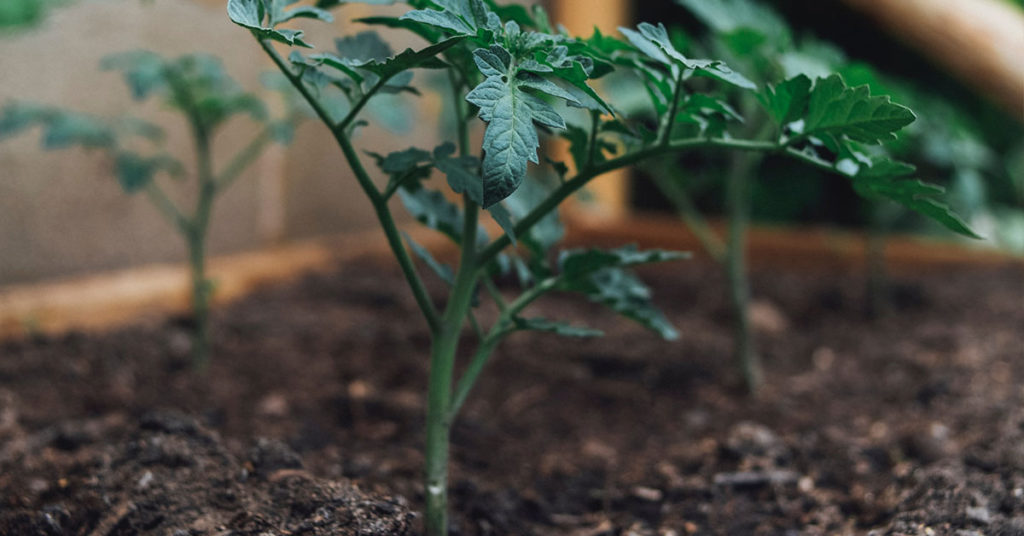
Rich, well-draining soil is the foundation for any successful tomato garden. Tomatoes flourish in nutrient-dense soil that’s been amended with compost and organic matter, allowing their roots to dive deep and absorb essential nutrients. I always start by testing my soil and adjusting its pH to between 6.0 and 6.8—a range that best suits tomato growth. Preparing the soil with care is like setting the stage for a great performance; without it, even the best seeds can struggle to take root!
Beyond fertility, proper soil preparation encourages beneficial microorganisms and insects to establish a thriving ecosystem. These tiny helpers can nest in the rich, organic layers of your garden, contributing to nutrient cycling and natural pest control. Given that tomatoes are native to the volcanic soils of the Andes, recreating a similar environment at home—full of life and well-aerated matter—will result in healthier, more flavorful plants. It’s a rewarding process that pays off with every bite of sun-ripened tomato!
Start with Quality Seeds or Transplants
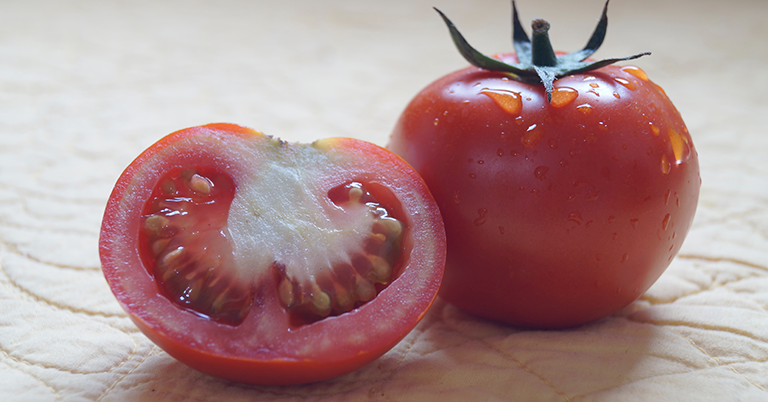
Starting with high-quality seeds or robust transplants is essential for achieving a bountiful tomato harvest. Sourcing seeds from reputable suppliers or beginning with well-established nursery plants sets you on the right path. I remember the joy of transplanting my first batch of tomatoes, watching them settle into their new home with promising vigor! Quality beginnings often lead to resilient plants that can better withstand the challenges of pests, diseases, and unpredictable weather.
These premium plants also tend to attract beneficial insects more readily, as their healthy leaves and vigorous growth provide ideal nesting sites. While tomatoes are generally non-invasive, starting with strong, disease-resistant varieties can prevent future issues and reduce the need for chemical interventions. Investing in quality seeds or transplants is one of the best decisions you can make as a gardener, ensuring that your tomato journey begins with a solid foundation and a whole lot of potential!
Use Mulch to Conserve Moisture
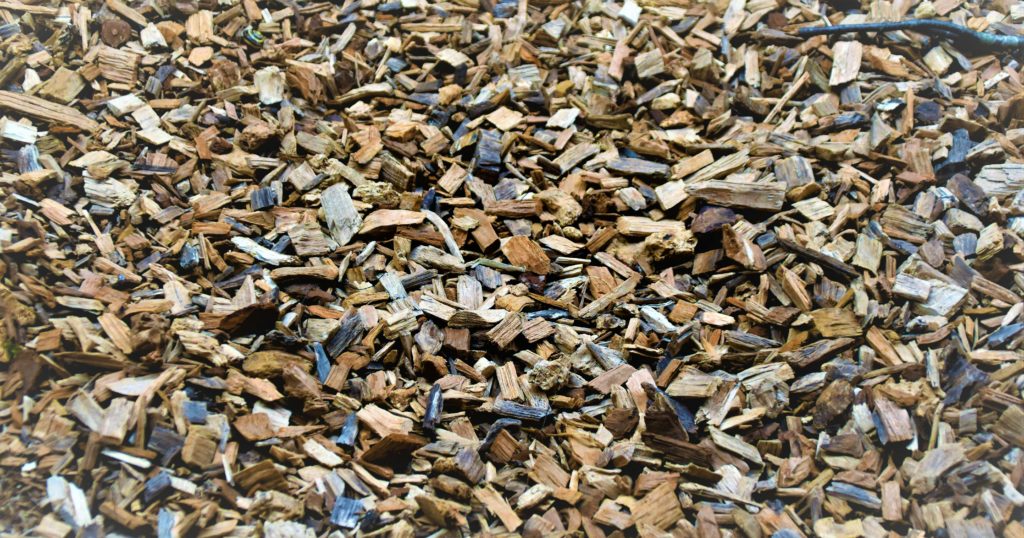
Mulching is a gardener’s secret weapon when it comes to growing perfect tomatoes. Applying organic mulch such as straw, wood chips, or compost not only helps conserve moisture but also regulates soil temperature and suppresses pesky weeds. I’ve often been amazed at how a simple layer of mulch can transform the soil environment, keeping the roots cool on hot days and ensuring that water is used efficiently throughout the season. It’s a straightforward yet powerful technique that every tomato grower should embrace!
Mulch also creates a favorable habitat for beneficial insects that contribute to natural pest management by providing safe spaces for nesting and shelter. Since tomatoes evolved in nutrient-rich, organically covered soils, replicating this environment at home supports their natural growth habits. With mulch in place, your garden becomes a cohesive, well-managed ecosystem where your tomatoes can reach their full potential and reward you with abundant, flavorful fruit!
Practice Proper Pruning
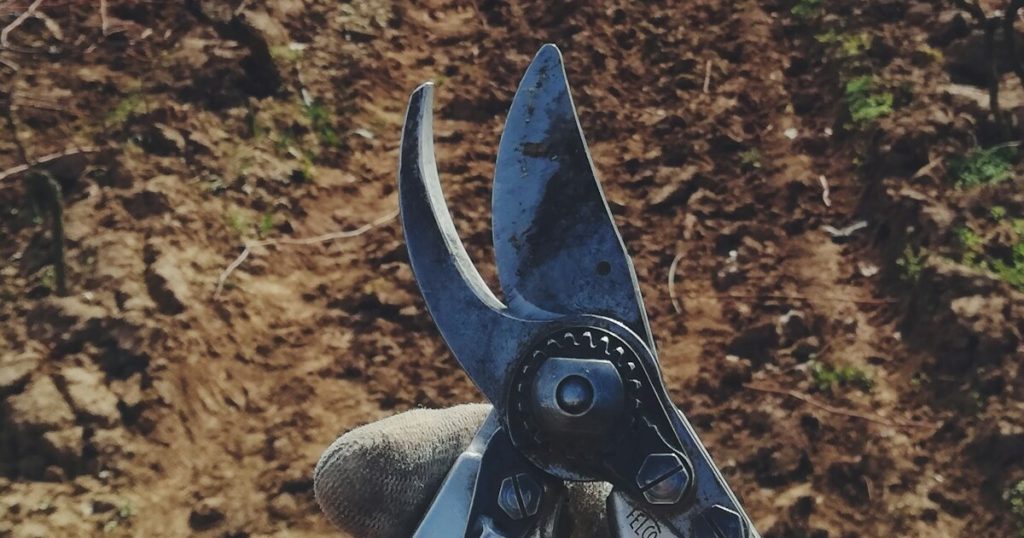
Pruning is an art that can significantly improve the health and yield of your tomato plants. By selectively removing suckers and excess foliage, you direct the plant’s energy toward producing quality fruit rather than an overgrowth of leaves. I’ve learned through trial and error that a well-pruned tomato plant not only looks neater but also benefits from better air circulation and sunlight exposure—key factors that lead to a healthier crop! It’s such a bummer when dense, unpruned plants create a breeding ground for diseases, so a little pruning goes a long way.
Moreover, proper pruning can indirectly encourage beneficial insects to thrive by preventing overly dense foliage, where pests and their natural predators might otherwise clash. While tomatoes are not considered invasive, their vigorous growth can sometimes lead to overcrowding if not managed correctly. A mindful approach to pruning supports the plant’s natural behavior and mirrors its native growth patterns, ensuring that every tomato has the space and resources needed to ripen into a juicy, delectable treat!
Feed Regularly with Balanced Fertilizer
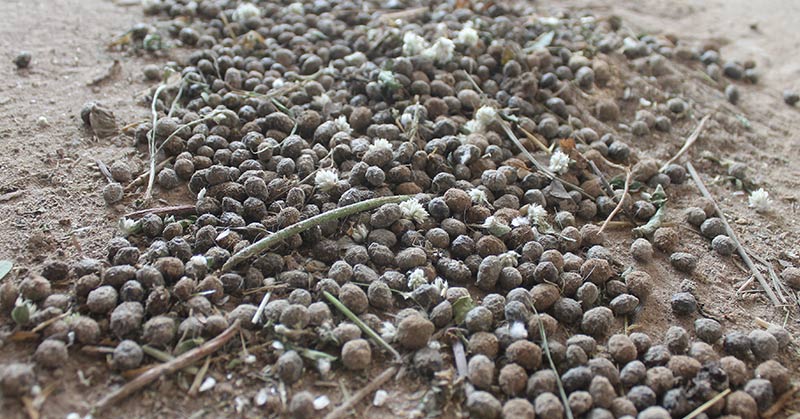
Regular feeding with a balanced fertilizer is key to nurturing robust and flavorful tomatoes. Nutrient-rich fertilizers provide the essential building blocks—nitrogen, phosphorus, and potassium—that support vigorous growth, strong stems, and abundant fruit production. I always make sure to feed my tomato plants at regular intervals, especially during the fruiting stage, to keep them in peak condition. The right fertilizer not only enhances yield but also improves the overall taste and nutritional value of your tomatoes!
Interestingly, a well-fed plant is more likely to attract beneficial insects that contribute to natural pest control by nesting in the lush, healthy foliage. While tomatoes are native to nutrient-rich soils in the Andes, supplementing your garden soil with organic fertilizers can bridge the gap between natural and cultivated conditions. By committing to a regular feeding schedule, you ensure that your tomato plants have everything they need to flourish, resulting in a garden that’s as productive as it is delightful!
Monitor for Pests and Diseases
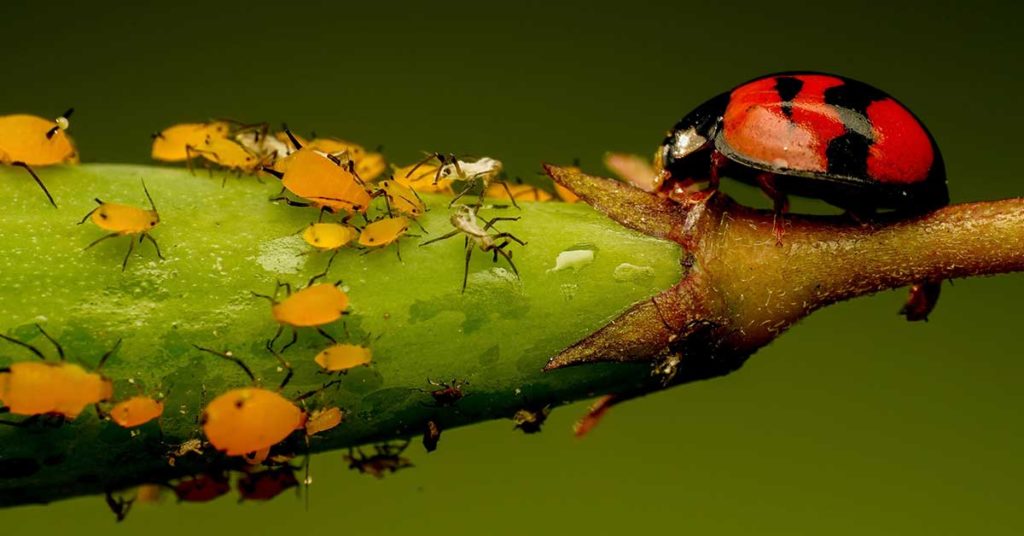
Keeping a vigilant eye on your tomato plants for signs of pests and diseases is essential for a thriving garden. Early detection and prompt action can prevent small issues from escalating into full-blown infestations. I know how frustrating it is to see your hard work threatened by pests like aphids, whiteflies, or fungal infections that can spread quickly. Regular inspection—whether it’s checking the undersides of leaves or observing the soil’s surface—ensures that you can take corrective action before problems take root!
Interestingly, a healthy tomato plant that is well-supported by natural companions often attracts beneficial insects that help keep pest populations in check. While tomatoes are typically non-invasive, they can sometimes become vulnerable to diseases if left unchecked. By staying proactive and using organic remedies or companion planting techniques, you create a resilient garden ecosystem that balances pest control naturally. This diligent monitoring not only protects your plants but also contributes to a more sustainable and rewarding gardening experience!
Provide Adequate Air Circulation
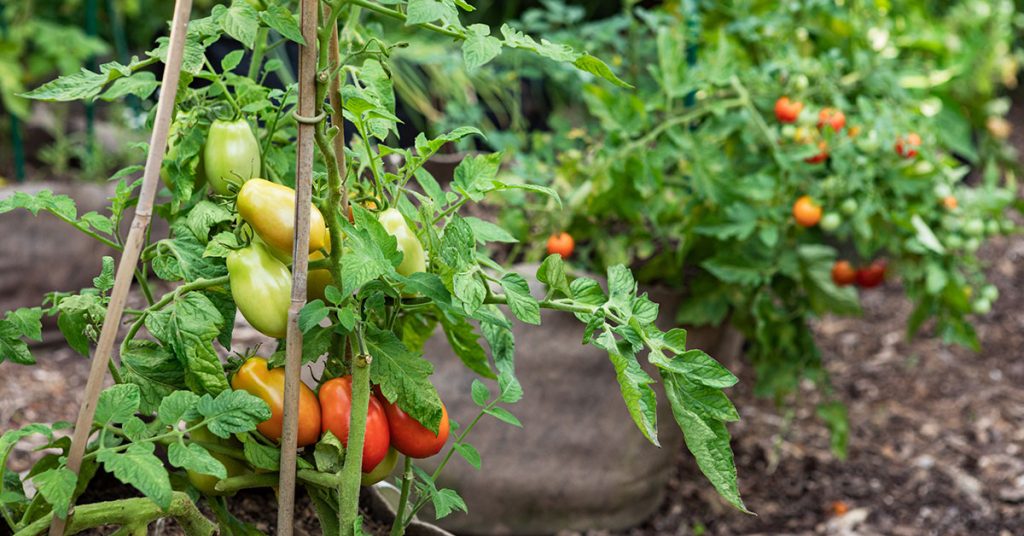
Good air circulation is crucial for preventing the onset of fungal diseases and promoting overall plant health. Tomatoes, which are native to warm, breezy regions of South America, thrive when the air around them is constantly moving. I’ve seen firsthand how crowded, stagnant conditions can lead to problems like blight and mildew, which not only ruin the fruit but also dampen the spirit of any gardener! Ensuring that your tomato plants are spaced appropriately and pruned for openness creates a refreshing, natural flow of air that strengthens their immune systems.
Enhanced air circulation also encourages beneficial insects to patrol your garden, as they prefer open, airy environments to nest and forage. While tomatoes are known for their vigorous growth, creating a balanced canopy helps to prevent overcrowding and reduces humidity around the foliage. This simple practice, when combined with proper watering and mulching, sets the stage for robust, disease-resistant plants that reward you with juicy, delectable tomatoes every season!
Rotate Your Crops
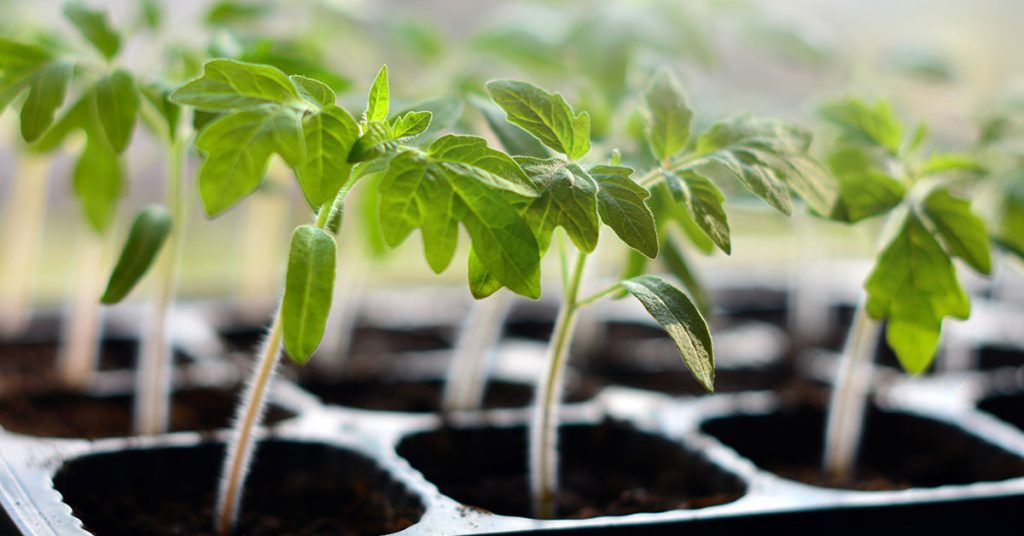
Crop rotation is an age-old practice that every dedicated tomato gardener should adopt to maintain soil health and prevent disease build-up. Growing tomatoes in the same spot year after year can deplete soil nutrients and invite pests that target the Solanaceae family. I’ve experienced the frustrations of watching a once-thriving garden succumb to persistent issues simply because I overlooked the benefits of rotating crops. By planning a rotation schedule, you give the soil time to recover and balance its natural ecosystem—a truly wise investment for any gardener!
This rotation strategy also influences the behavior of the beneficial insects that may nest in your garden’s soil. When the same crop is repeated, it can disrupt the natural cycle and reduce the presence of these helpful creatures. Rotating your tomato plants with other crops not only minimizes the risk of diseases and pests but also recreates a more natural, diverse growing environment that mimics the plant’s native conditions. Embracing crop rotation is a proven way to ensure that your garden remains vibrant, fertile, and resilient from season to season!
Manage Weeds Effectively
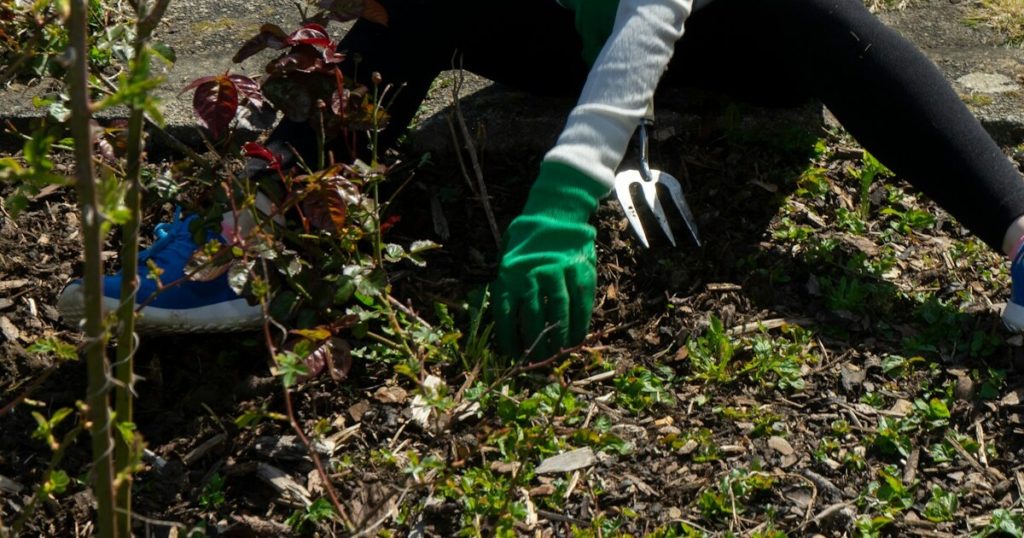
Weeds can be a persistent headache in any vegetable garden, especially around tomatoes where they compete for nutrients, water, and space. An effective weed management strategy is essential to ensure that your tomato plants have the resources they need to flourish. I’ve found that consistent weeding, combined with the application of organic mulch, creates a barrier that minimizes weed growth and keeps your garden looking neat and organized. It’s such a relief to see your tomatoes thriving without the constant interference of unruly weeds!
Managing weeds effectively also benefits the overall garden ecosystem by reducing the habitat for certain pests while encouraging beneficial insects to establish themselves in the space. Although tomatoes are non-invasive when properly cared for, weeds can spread aggressively if left unchecked. By keeping your garden tidy and well-maintained, you create a healthier environment that supports strong, vibrant tomato plants and a balanced community of natural allies. A little extra effort in weed control can make a world of difference in the productivity and beauty of your garden!
Harvest at the Right Time

Knowing when to harvest your tomatoes is just as important as all the care you put into growing them. Picking tomatoes at the peak of ripeness ensures that they are bursting with flavor, rich in nutrients, and have the perfect balance of acidity and sweetness. I’ve learned that timing is everything—waiting too long or harvesting too early can both compromise the taste and texture of the fruit. There’s nothing quite like the satisfaction of biting into a sun-warmed, perfectly ripened tomato straight from your garden!
In addition, proper harvesting practices help maintain the overall health of the plant by preventing over-ripening and potential disease spread. When your tomatoes are picked at just the right moment, they continue to attract beneficial insects that may use the remaining foliage as nesting sites, supporting a natural cycle of growth and renewal. By staying attentive to the color, firmness, and aroma of your tomatoes, you ensure that every fruit you harvest is a testament to the careful, thoughtful care you’ve invested in your garden. Happy harvesting, and enjoy the rewards of your labor!