
Grilling isn’t just about the sizzle of the meat—it’s about flavor, creativity, and a dash of garden-fresh inspiration! As a devoted gardener and grill enthusiast, I know how frustrating it can be to rely solely on store-bought herbs that lack that extra zing. In this article, I’m excited to introduce 15 essential herbs that every grillmaster should have growing at home. These culinary gems not only elevate your grilled dishes but also add an inviting aroma and vibrant beauty to your garden. Each herb comes with its own fascinating background, native origins, and sometimes even quirky behaviors—like creating cozy nesting spots for beneficial insects—that make them as functional as they are beautiful.
I completely understand the struggle of maintaining a thriving herb garden amidst the hustle of daily life. It’s such a bummer when pests invade or when you can’t get your favorite flavor to flourish in your backyard! With practical tips, personal insights, and a friendlier tone throughout this article, I aim to inspire you to cultivate these herbs and transform your outdoor space into a flavorful haven.
Lemon Balm
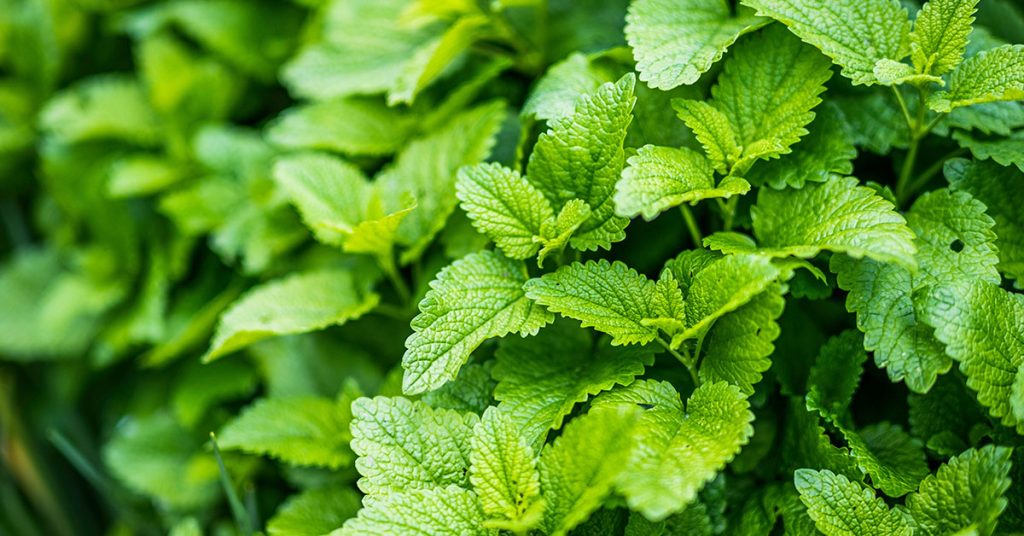
Lemon Balm is a wonderfully aromatic herb that infuses your grilled dishes with a bright, citrusy note. Native to Europe and central Asia, this perennial herb has a gentle, lemon-lime fragrance that pairs beautifully with savory meats and tangy marinades. I find its vibrant, heart-shaped leaves to be an absolute delight, and its natural tendency to attract pollinators means you might also witness tiny beneficial insects setting up mini nests right amidst the foliage!
Beyond its culinary appeal, Lemon Balm is known for its calming properties and is often used in teas and salads. While it can spread with ease under optimal conditions, it is generally not considered invasive when managed properly in your herb garden. Its vigorous yet graceful growth makes it a fantastic addition for grillmasters looking to bring an extra burst of freshness to their recipes, all while enhancing your garden’s ecological balance!
Rosemary

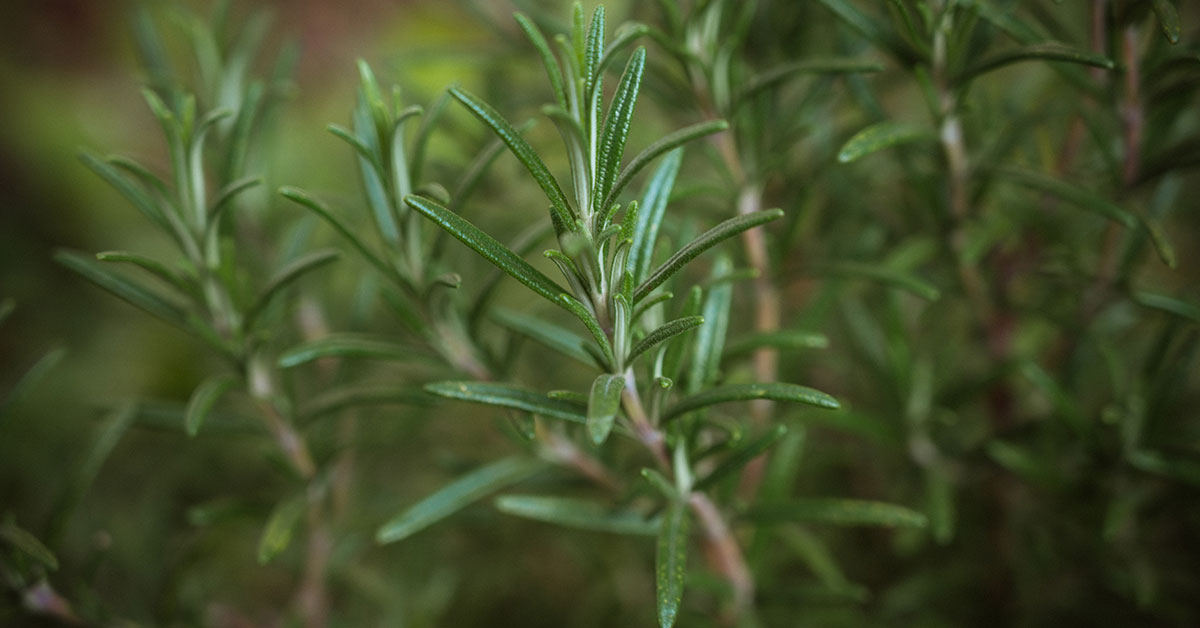
Rosemary is a classic herb that every grillmaster treasures for its robust flavor and aromatic intensity. Native to the Mediterranean region, this woody perennial is celebrated not only for its culinary uses but also for its striking, needle-like leaves that lend a rustic charm to any garden. I’ve always admired its resilience, thriving in sunny, well-drained spots and standing strong against the harshest of conditions—just like the best grilled fare!
Interestingly, Rosemary’s dense, evergreen structure can sometimes provide a cozy microhabitat for beneficial insects that may nest in its crevices, adding a subtle layer of natural pest control. Although it can become quite vigorous, especially in warm climates, it is typically well-behaved and non-invasive when pruned regularly. Its robust flavor and ornamental appeal make Rosemary an indispensable herb for any grillmaster seeking both taste and garden beauty!
Basil
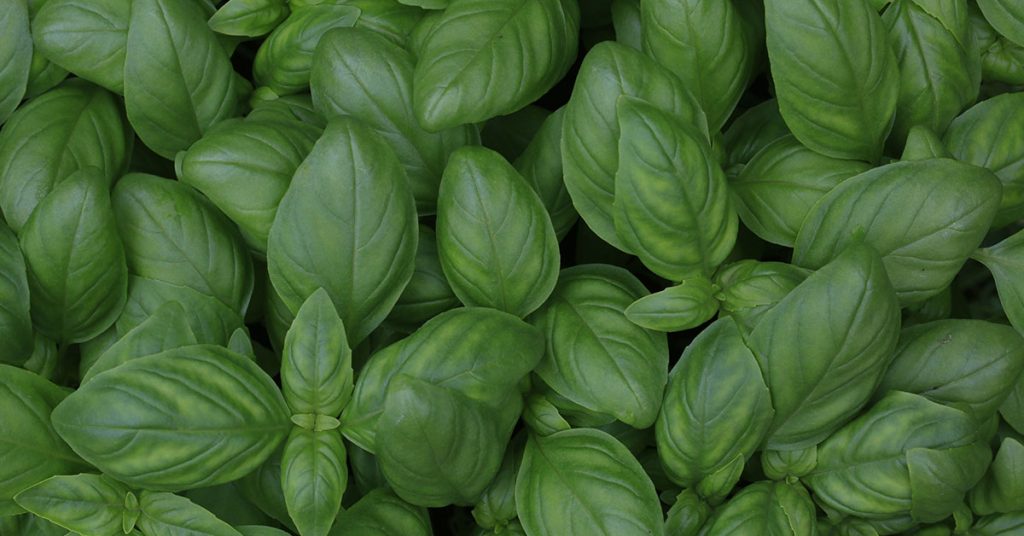
Basil is the quintessential herb for any culinary enthusiast, infusing grilled dishes with a sweet, peppery zest that truly elevates flavor profiles. Originally native to tropical regions of central Africa and Southeast Asia, basil thrives in warm, sunny environments, making it a perfect companion for summer grilling sessions. I’ve always been excited to see basil’s lush, vibrant leaves unfurl, adding a burst of green and a delightful aroma to my outdoor cooking area!
This herb not only tastes great but also attracts beneficial insects like ladybugs and bees, which may nest in the garden’s nooks, contributing to a balanced ecosystem. Although basil is an annual and requires replanting each season, its rapid growth and minimal invasiveness make it easy to manage. Embracing basil in your garden is a win-win: it offers a fresh burst of flavor for your dishes and a touch of natural beauty to your space!
Mint
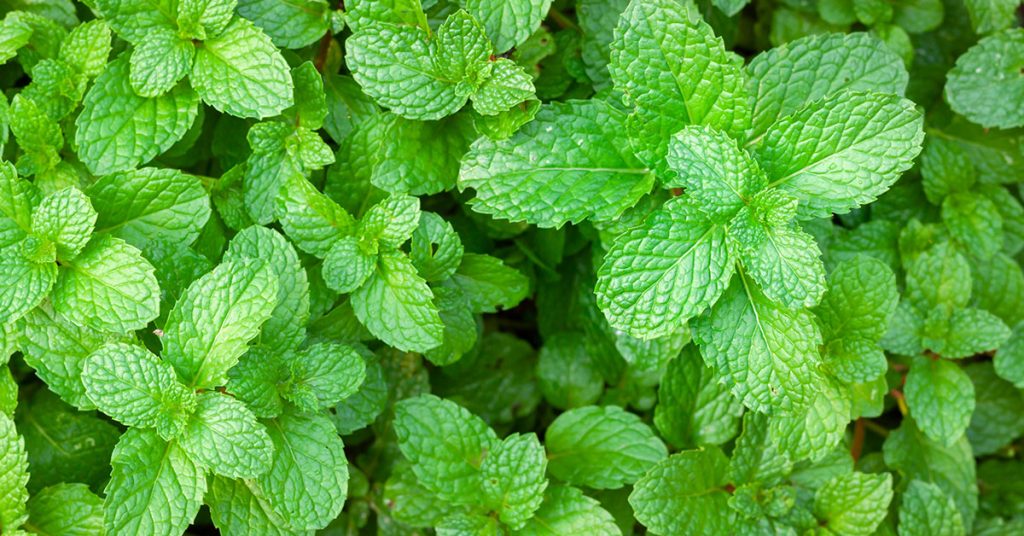
Mint is a refreshingly cool herb that adds a lively twist to grilled dishes and marinades. Native to Europe and Asia, mint is known for its vigorous growth and unmistakable, crisp aroma. I enjoy the way mint’s bright, aromatic leaves not only enhance the flavor of grilled meats and vegetables but also provide a cool, calming contrast to the heat of the grill—truly a perfect summer companion!
Mint’s sprawling growth habit can attract small beneficial insects that appreciate its dense, leafy structure for nesting, creating a vibrant micro-ecosystem in your garden. Although mint can be quite invasive if left unchecked, planting it in containers or designated garden areas usually keeps it under control. Its intense flavor and refreshing fragrance make mint a must-have herb for any grillmaster eager to add an unexpected burst of cool to every bite!
Thyme
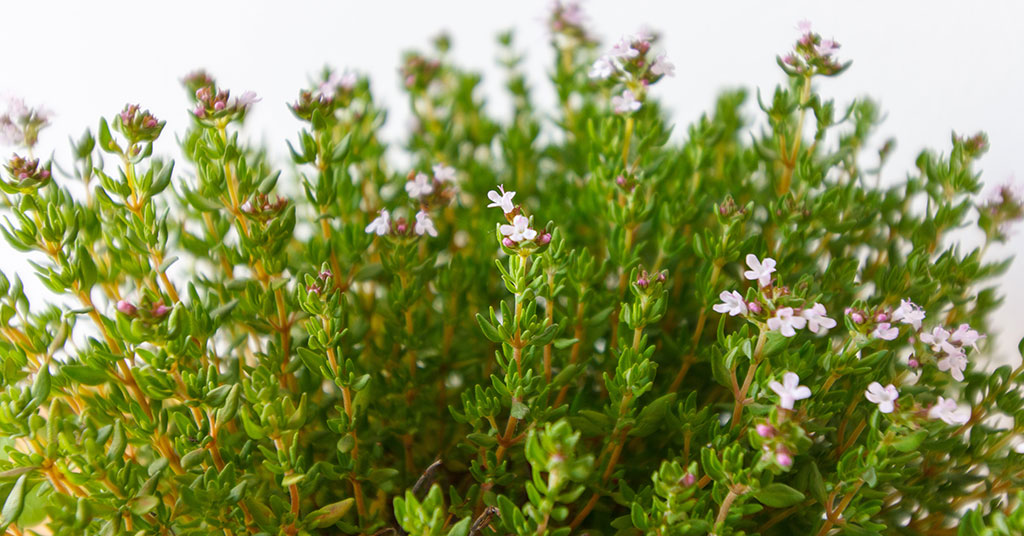
Thyme is a tiny herb with an enormous impact, offering earthy, slightly minty flavors that enhance the savory notes of grilled dishes. Native to the Mediterranean, thyme thrives in sun-drenched, well-drained soils, and I’ve always been impressed by how its low, spreading habit can pack a powerful punch of flavor into marinades and rubs. Its delicate leaves and subtle aroma truly complement the rich taste of grilled meats and vegetables!
One of thyme’s understated charms is its ability to create small crevices in its sprawling growth where beneficial insects can nest, contributing to the natural balance of your garden. It’s generally non-invasive and easy to maintain, making it a reliable companion even for novice gardeners. Incorporating thyme into your herb garden not only enhances your culinary repertoire but also supports a thriving ecosystem that’s essential for a healthy garden!
Oregano
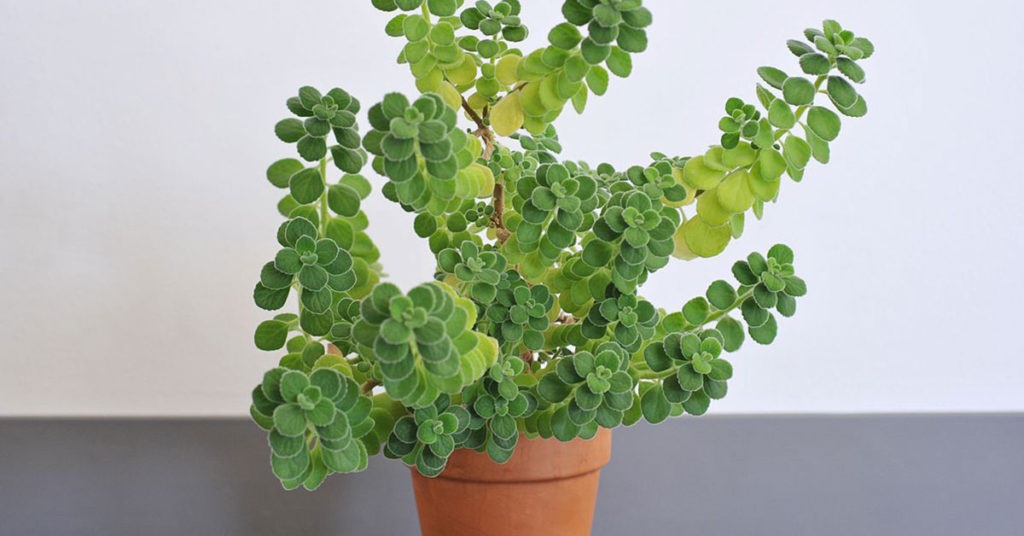
Oregano is a bold herb that every grillmaster should have in their garden, renowned for its robust, peppery flavor that stands up to the smoky taste of grilled food. Native to the Mediterranean region, oregano thrives in hot, dry conditions and lends an authentic taste to pizzas, barbecues, and a variety of savory dishes. I love the way its deeply textured leaves add both flavor and visual interest to the garden, turning every grill session into a gourmet experience!
This herb also plays a vital role in attracting beneficial insects that contribute to natural pest control, often nesting in its dense, bushy clusters. While oregano is known for its vigorous growth, it is generally non-invasive and easy to manage with periodic pruning. Its aromatic intensity and practical benefits make oregano an indispensable herb for any grillmaster looking to elevate their outdoor cooking adventures!
Tarragon
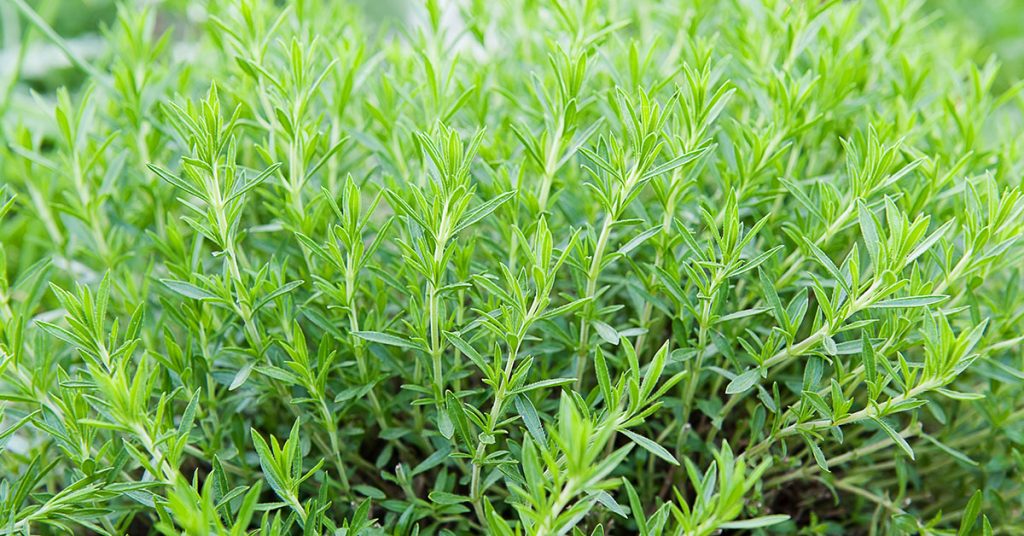
Tarragon is an elegant herb that infuses a subtle, anise-like flavor into grilled dishes, adding a refined twist to your culinary creations. Native to Eurasia, particularly in the regions of Eastern Europe and Siberia, tarragon is cherished for its slender, glossy leaves and distinctive aroma. I’ve always found tarragon to be an exciting addition to my herb garden, where its delicate flavor can transform a simple marinade into a gourmet masterpiece!
Its graceful growth habit offers unique niches that may attract tiny beneficial insects, adding another layer of ecological support to your garden. Tarragon is typically non-invasive and thrives in sunny, well-drained conditions, making it both a practical and ornamental choice for any kitchen garden. For grillmasters seeking to impress with subtle yet sophisticated flavors, tarragon is a must-grow herb that brings both taste and beauty to the table!
Marjoram
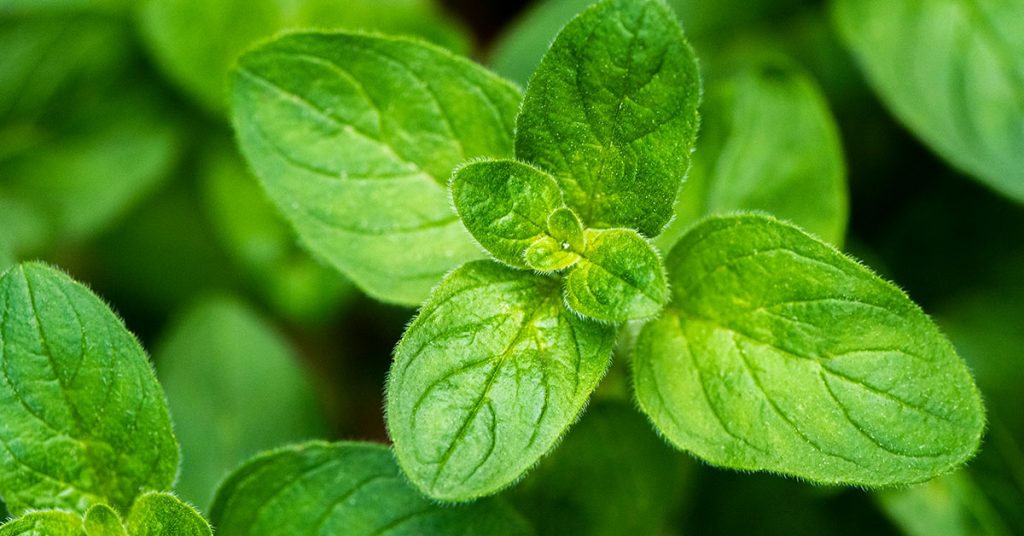
Marjoram is a gentle, sweet herb that brings a nuanced, floral note to grilled dishes, elevating the overall dining experience. Native to the Mediterranean, marjoram thrives in warm, sunny climates and is well-known for its tender, finely textured leaves. I appreciate how marjoram’s soft aroma and delicate flavor provide the perfect complement to the rich, smoky taste of grilled meats and vegetables, turning each bite into a culinary delight!
This herb’s bushy growth habit can create natural hideaways for beneficial insects, contributing to a balanced garden ecosystem that supports healthy growth. Marjoram is generally non-invasive and requires minimal maintenance, making it a favorite among both seasoned and beginner gardeners. Its subtle yet impactful flavor and aesthetic charm make marjoram a stellar choice for any grillmaster eager to expand their herb garden!
Chives
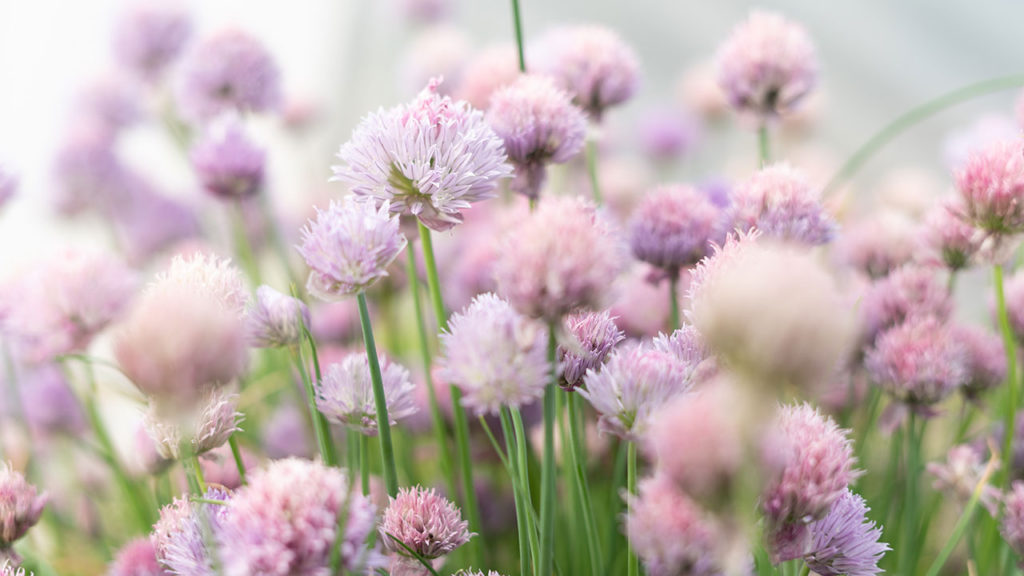
Chives are a versatile herb that add a mild, onion-like flavor to grilled dishes and garnishes, making them an essential part of any culinary herb collection. Native to Europe, Asia, and North America, chives are hardy perennials that thrive in a variety of garden settings. I’ve always been excited by the vibrant, slender green shoots of chives, which not only enhance the taste of your grilled creations but also lend a fresh, clean aesthetic to your garden space!
Their clumping habit creates small pockets where beneficial insects might nest, contributing to a healthy, balanced garden ecosystem. Chives are non-invasive and low-maintenance, making them an excellent choice for busy gardeners who want to add a touch of gourmet flair without too much fuss. With their bright color and delicate flavor, chives are an indispensable herb for any grillmaster looking to boost both taste and visual appeal in their dishes!
Cilantro
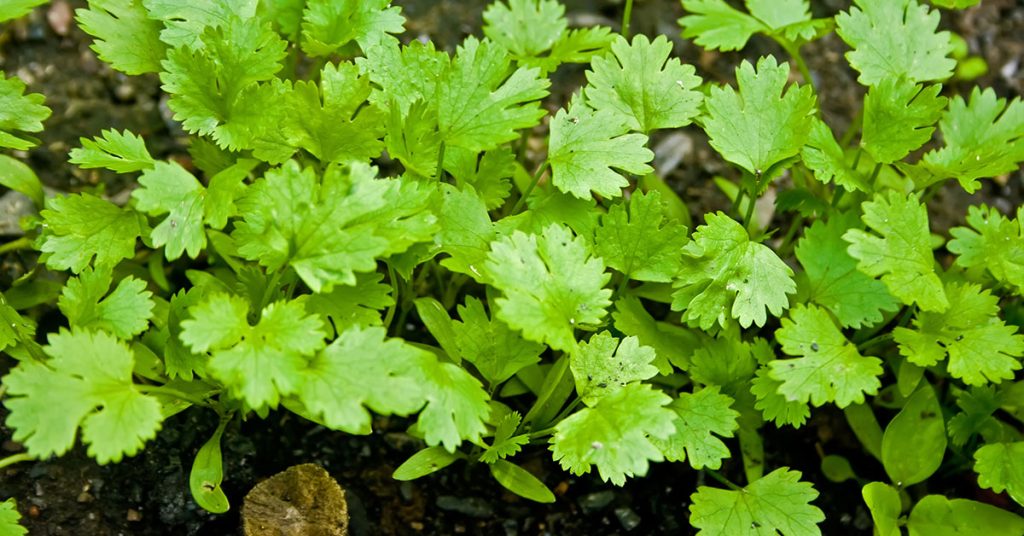
Cilantro, also known as coriander in many parts of the world, offers a unique, citrusy flavor that can brighten up grilled dishes and salsas alike. Native to regions spanning from Southern Europe to Northern Africa and Southwestern Asia, cilantro thrives in cool, temperate climates and is a staple in many culinary traditions. I love the fresh, lively burst of flavor cilantro brings to grilled meats and vegetables, adding an unexpected twist to traditional barbecue recipes!
Its feathery leaves and delicate structure sometimes create natural niches for tiny beneficial insects that contribute to a balanced garden ecosystem. Although cilantro is an annual and tends to bolt in the heat, careful timing and partial shade can help it flourish without becoming invasive. Its distinctive flavor and culinary versatility make cilantro an essential herb for any grillmaster aiming to explore bold and innovative taste combinations!
Sage
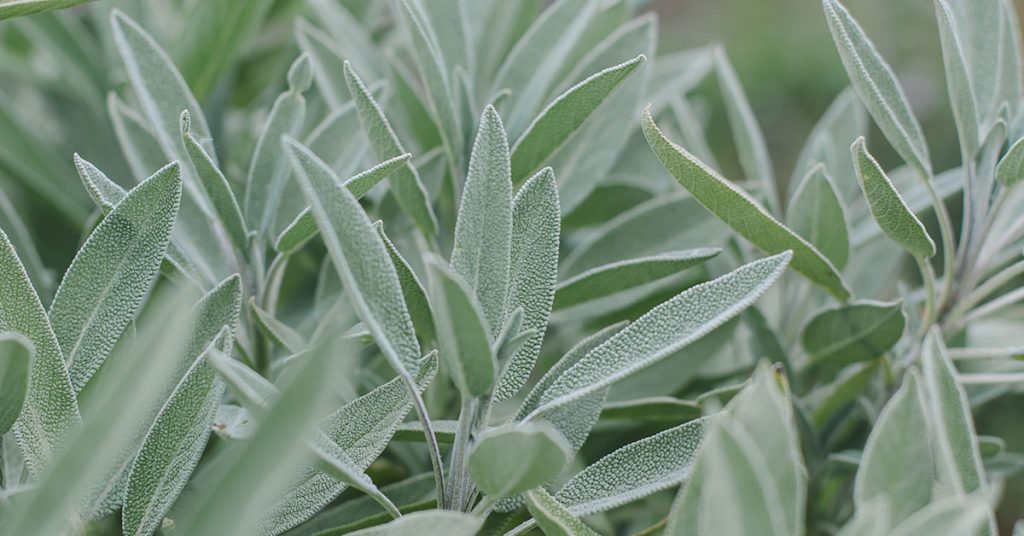
Sage is a robust herb that exudes earthy, savory flavors, perfect for enhancing the taste of grilled poultry and meats. Native to the Mediterranean region, sage is a hardy perennial that thrives in sunny, well-drained gardens, and its silvery-green leaves offer both visual appeal and a burst of flavor. I’ve often found that a dash of sage can elevate a dish to gourmet status, adding a warm, comforting aroma that makes any grill session feel like a special occasion!
The dense, textured foliage of sage provides small crevices where beneficial insects may nest, contributing to a natural pest control system in your garden. Sage is generally non-invasive and, with regular pruning, remains compact and manageable. Its time-honored culinary reputation and its ability to harmonize with a wide range of grilled flavors make sage a must-grow herb for any passionate grillmaster!
Parsley
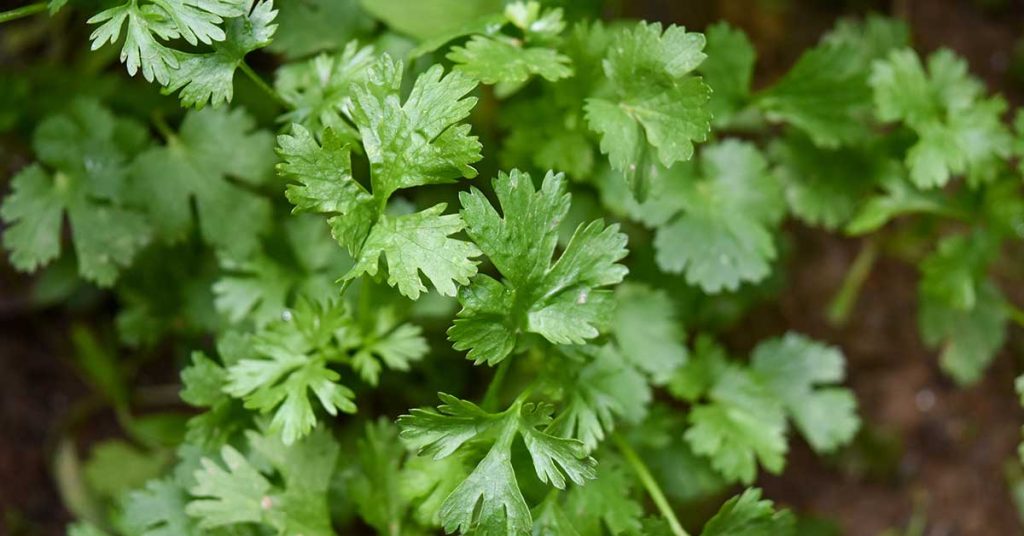
Parsley is a versatile herb that not only garnishes grilled dishes beautifully but also offers a fresh, slightly peppery flavor that enhances any recipe. Native to the Mediterranean basin, parsley thrives in a variety of garden conditions and is celebrated for its bright green, curly or flat leaves. I’m always impressed by how parsley adds a pop of color to both the plate and the garden, making even the simplest grilled fare appear vibrant and inviting!
Its bushy growth habit can create small shelters for beneficial insects that contribute to natural garden health by helping control pests. Parsley is non-invasive and remarkably easy to grow, requiring minimal care while rewarding you with continual harvests throughout the growing season. Its dual role as a garnish and a flavor booster makes parsley an essential herb for any grillmaster dedicated to creating visually stunning and delicious meals!
Dill
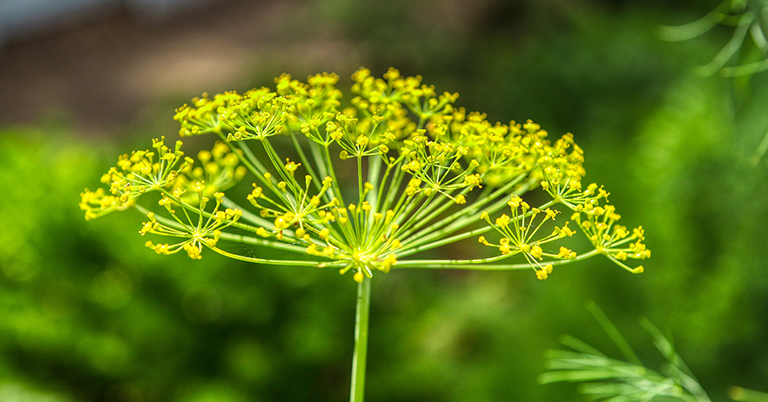
Dill is an herb with a delicate, feathery appearance and a distinctive, tangy flavor that pairs wonderfully with grilled fish and vegetables. Native to the Mediterranean and Southwest Asia, dill thrives in full sun and well-drained soil, making it a great addition to an herb garden for outdoor cooking. I’m always delighted by its airy foliage and the refreshing taste it imparts to dishes, giving a light, zesty edge that is perfect for summer grilling sessions!
In addition to its culinary virtues, dill’s fine, lacy leaves can attract a variety of beneficial insects that may use the airy spaces as temporary nesting spots. Although dill tends to reseed itself and can spread slightly, it is generally considered non-invasive when grown in controlled garden beds. Its charming texture, vibrant flavor, and ecological benefits make dill a standout herb for grillmasters looking to infuse their meals with a touch of gourmet freshness!
Lemongrass
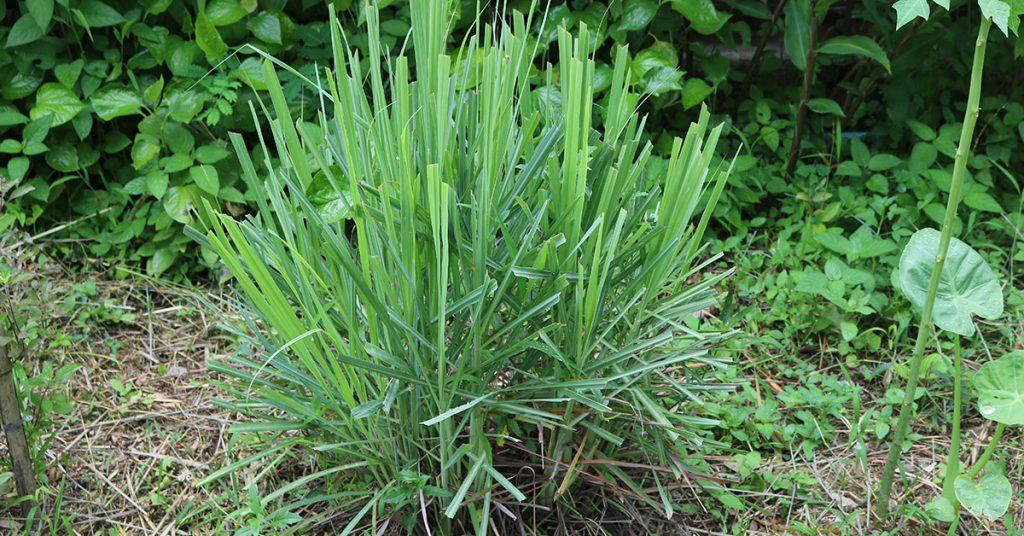
Lemongrass is a tropical herb renowned for its citrusy, refreshing flavor that brightens up grilled dishes and marinades alike. Native to Southeast Asia, lemongrass thrives in warm climates and adds a uniquely aromatic zest to your culinary creations. I find it incredibly satisfying to incorporate lemongrass into my outdoor cooking repertoire—it not only enhances the flavor of grilled meats but also fills the garden with an uplifting, lemony fragrance that’s simply irresistible!
Its sturdy, fibrous stalks can occasionally offer microhabitats for beneficial insects, fostering a small ecosystem right within your garden. Lemongrass is non-invasive and easy to maintain, typically thriving in full sun with well-drained soil, making it a practical yet exotic addition to any grillmaster’s herb garden. Its vibrant aroma and versatile use in recipes make lemongrass a delightful herb that brings a tropical twist to every grilled dish!
Bay Laurel
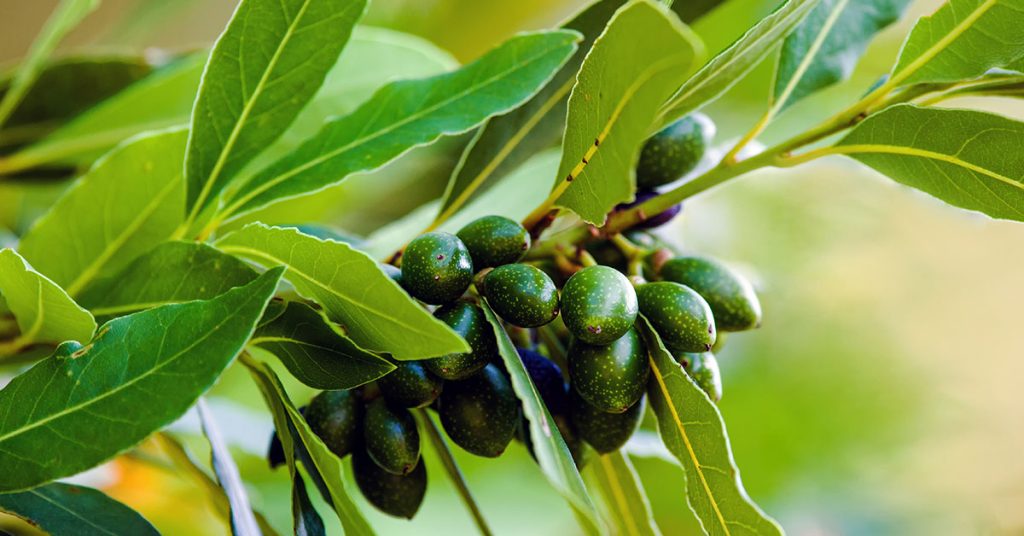
Bay Laurel, the source of the beloved bay leaves, is a timeless herb that every grillmaster should consider growing at home. Native to the Mediterranean region, this evergreen shrub or small tree is prized for its aromatic leaves, which impart a subtle depth of flavor to sauces, stews, and grilled meats. I’ve always admired the dignified presence of Bay Laurel in the garden, its glossy leaves and sturdy branches serving as both a functional ingredient and a beautiful natural accent!
The dense, evergreen foliage of Bay Laurel not only contributes to its culinary reputation but also creates sheltered areas where beneficial insects might find refuge. While Bay Laurel grows slowly and is generally non-invasive, regular pruning is recommended to maintain its compact form, especially in smaller gardens. Its rich heritage, culinary versatility, and understated elegance make Bay Laurel an essential herb for any grillmaster looking to bring a classic touch to their outdoor cooking adventures!