
Gardening is a joyous adventure where every plant has a story, and I’m excited to share some delightful options that won’t lure a swarm of bees into your garden. Whether you’re aiming for a peaceful patio or a low-maintenance landscape, selecting plants that don’t attract bees can be a game changer. I understand how frustrating it can be when your outdoor oasis is overrun by buzzing visitors, so let’s explore 15 unique plants, each with its own native heritage and fascinating behaviors, that help you keep the buzz to a minimum!
I’ll walk you through a randomized selection of foliage-focused beauties that bring color and texture to your garden without the extra buzz. I’m thrilled to dive into details about each plant’s origins, potential invasiveness, and even aspects of their behavior—like providing nesting spots for beneficial critters—that make them perfect for gardeners looking to create a serene space.
Dusty Miller

Dusty Miller, with its striking silver foliage, is a standout addition to any garden looking to minimize bee activity. Native to the Mediterranean region, this plant thrives in warm, dry conditions and is valued more for its ornamental leaves than for its inconspicuous flowers. I remember the first time I saw its frosty appearance—it was like having a soft, silvery mist covering part of my garden! Although its blooms are present, they are rarely the focus, making Dusty Miller a perfect candidate for those who want to avoid bee visits.
Despite its delicate appearance, Dusty Miller is a robust plant that can sometimes become invasive if not properly managed. Its rapid growth in optimal conditions means you must keep an eye on its spread, but with a little care, it offers a unique texture to borders and container gardens. Additionally, while its minimal nectar does little to attract bees, it can sometimes provide shelter for small beneficial insects that nest within its dense foliage, adding a subtle ecological balance to your landscape.
Hostas
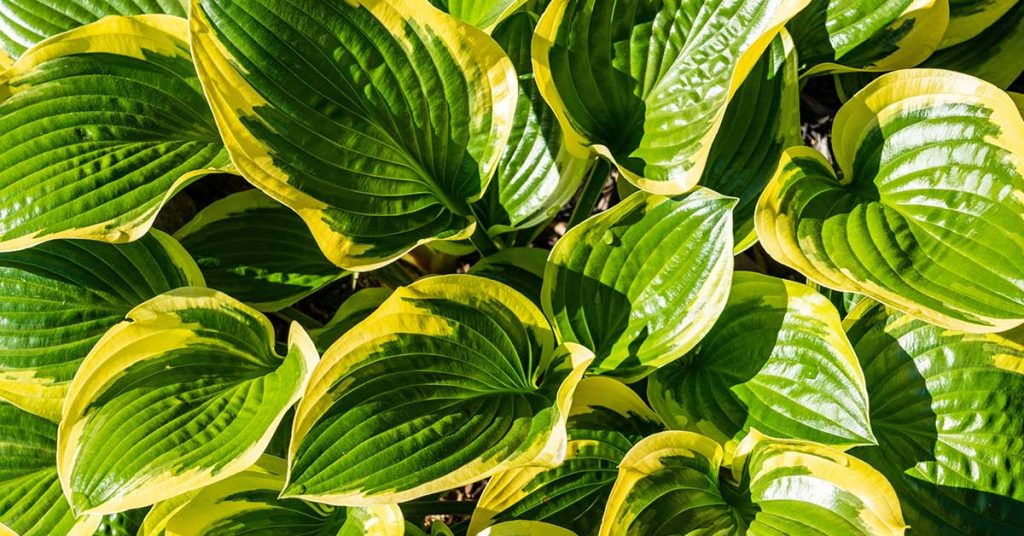
Hostas are beloved for their lush, varied foliage and their ability to brighten shady spots in the garden. Native to Northeast Asia, these perennials were traditionally grown for their beautiful leaves rather than their modest blooms, which means they rarely draw a crowd of buzzing bees. I’ve always appreciated Hostas for their calming presence, and they’re an excellent choice if you want to create a quiet retreat where you can relax without constant bee interruptions!
While Hostas are generally non-invasive and easy to maintain, they do require some space to spread gracefully in a shady garden. Their broad leaves not only provide a cool refuge but can also act as a subtle haven for beneficial insects that nest safely away from bee activity. With a little strategic spacing and proper care, these versatile plants add both beauty and tranquility to your outdoor space!
Ponytail Palm

The Ponytail Palm (Beaucarnea recurvata) is a quirky, low-maintenance succulent that rarely attracts bees thanks to its unique growth habit and minimal flowering. Native to the arid regions of Mexico, this plant is prized for its thick, bulbous trunk and cascading, ribbon-like leaves that give it a playful yet elegant appearance. I love how the Ponytail Palm brings an exotic, tropical feel to my garden without demanding constant attention or drawing in bee visitors!
This plant’s flowers are both small and infrequent, ensuring that bees aren’t tempted by its sparse nectar offerings. While it’s not considered invasive, the Ponytail Palm can grow into a striking focal point with proper care in warm climates. Its structure also offers a potential nesting spot for tiny non-bee critters, contributing to a balanced garden ecosystem that’s as unique as it is low-key!
Blue Fescue

Blue Fescue is an ornamental grass with a cool, silvery-blue hue that adds texture and contrast to any garden setting. This clump-forming grass is native to Europe and is renowned for its low water requirements and minimal maintenance. I was immediately drawn to its architectural form and the fact that its tiny seed heads produce little to no nectar, keeping bee visits at bay! Its compact nature makes it a fantastic choice for borders or rock gardens where a refined, modern look is desired.
Even though Blue Fescue is not invasive, it does spread slowly enough to allow for easy control, making it ideal for gardeners who want a tidy landscape. Beyond its aesthetic appeal, Blue Fescue’s foliage can offer shelter to some beneficial insects, encouraging a micro-ecosystem that deters the buzz of bees. It’s a win-win for anyone looking to create a serene garden environment that’s both stylish and bee-lite!
Japanese Painted Fern

The Japanese Painted Fern is a delicate, visually captivating plant celebrated for its silvery-green fronds with hints of burgundy. Native to Japan and parts of Asia, this fern is treasured for its ornamental foliage rather than any showy flowers, making it an ideal choice for those who prefer to avoid bee interactions. I’ve always found its unique color palette to be both soothing and intriguing, adding a touch of elegance to shaded garden areas without the worry of attracting buzzing insects.
This fern’s non-flowering nature means that it rarely produces nectar, ensuring that bees remain uninterested in its presence. Despite its modest growth habits, the Japanese Painted Fern can create a lovely understory that provides shelter and a natural nesting environment for smaller, non-bee insects. With its low-maintenance care requirements and artistic appeal, this fern is a must-have for anyone looking to add a touch of tranquility and color to their garden!
Caladium

Caladiums bring a burst of tropical vibrancy to any garden with their large, heart-shaped leaves in a myriad of colors. Native to South and Central America, these plants are typically grown for their dramatic foliage rather than their subtle, infrequent blooms, which means bees usually pass them by. I’m always thrilled to plant Caladiums when I want a splash of color in shady areas, and their lush leaves create a serene backdrop for outdoor relaxation!
While Caladiums aren’t known to be invasive, they do require a bit of attention regarding soil moisture and shading to keep their dramatic colors intact. Their leaves, with their unique variegation, can sometimes offer a microhabitat for small beneficial creatures seeking a cozy spot to nest. In my experience, Caladiums are not only eye-catching but also practical, allowing you to enjoy a tropical feel in your garden without the extra buzz!
Ivy Geranium
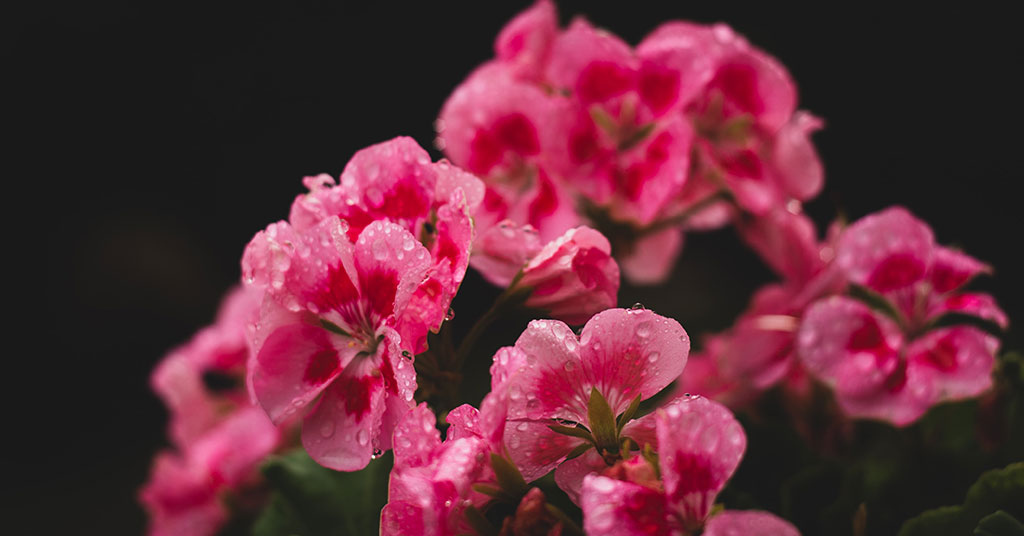
Ivy Geranium, often grown for its trailing, decorative foliage, is a charming choice for gardeners seeking low-bee attraction. Originating from regions in South Africa, this plant is valued more for its evergreen leaves and cascading habit than for its modest, rarely noticed flowers. I find that Ivy Geranium adds an elegant, draping element to garden borders or containers, perfect for creating a relaxed and stylish atmosphere free from unwanted bee attention!
The minimal floral display of Ivy Geranium means it produces little nectar, making it unattractive to bees while still providing visual interest. Additionally, its dense, trailing habit offers a potential refuge for small, beneficial insects that prefer sheltered nesting sites. With proper care, this versatile plant can transform a garden space into a delightful, low-maintenance retreat that’s as pleasing to the eye as it is peaceful!
Elephant Ears

Elephant Ears, known for their dramatic, oversized foliage, create a tropical ambiance in any garden setting. These plants, native to regions in Southeast Asia and Central America, are primarily grown for their ornamental leaves rather than their inconspicuous inflorescences. I’ve always been captivated by their bold, lush appearance and the way they dominate a space with an exotic flair—plus, their sparse blooms rarely attract bees, keeping your garden calm and quiet!
While Elephant Ears can be impressive in scale, they are not typically considered invasive when properly contained, as they prefer warm, humid conditions. Their broad leaves not only make a striking statement but also offer hidden corners where beneficial insects can sometimes nest, contributing to a natural, balanced ecosystem. For gardeners looking to make a dramatic impact without the extra buzz, Elephant Ears are a fantastic option that delivers both beauty and tranquility!
Bromeliads

Bromeliads are a diverse group of tropical plants celebrated for their unusual, sculptural forms and vibrant colors. Native to the tropical Americas, these plants are typically grown for their striking foliage and unique water-holding structures, rather than for showy, nectar-rich flowers. I’ve always enjoyed incorporating Bromeliads into my garden designs—they bring an exotic twist without attracting a swarm of bees, thanks to their minimal nectar offerings!
Although Bromeliads sometimes produce flowers, these are often tucked away and rarely serve as a magnet for bees. Instead, their rosettes can create miniature microhabitats that support a range of small, beneficial critters and even offer secure nesting sites for some insects. With their low-bee allure and captivating appearance, Bromeliads are an excellent choice for gardeners seeking a splash of tropical elegance that remains refreshingly bee-lite!
Lamb’s Ear
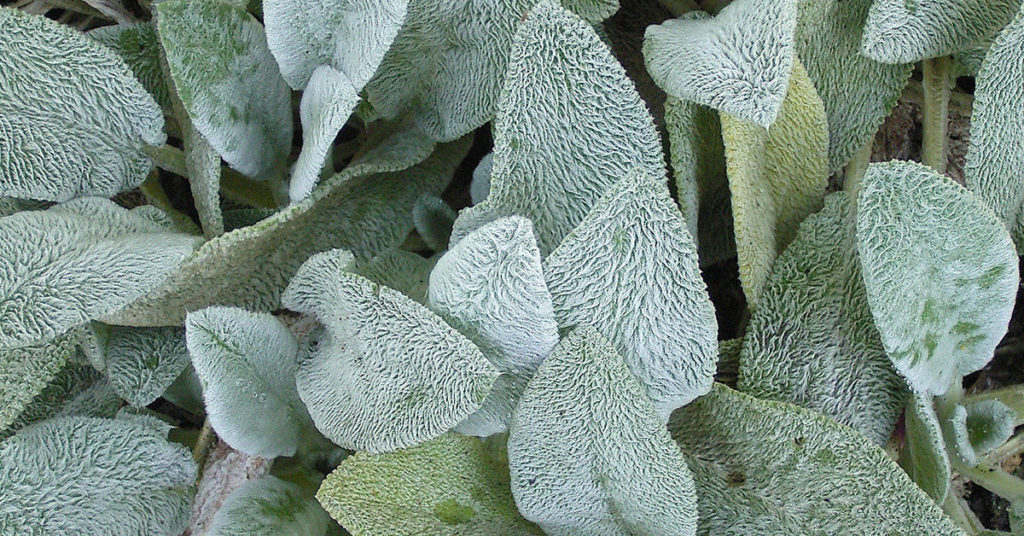
Lamb’s Ear is cherished for its soft, fuzzy leaves and soothing, silvery appearance that can add a touch of rustic charm to any garden. Native to South Africa, this plant is primarily grown for its tactile foliage rather than for its modest, inconspicuous flowers, making it an ideal candidate for those who wish to avoid bee activity. I always find Lamb’s Ear to be incredibly inviting—its velvety texture not only delights the senses but also helps create a serene, low-buzz environment!
While Lamb’s Ear is not typically invasive, it can spread under ideal conditions, so it’s wise to keep it in check to preserve your garden’s design. Its dense clumps of leaves can sometimes provide sheltered spots for beneficial insects that prefer quiet nesting areas away from the hustle and bustle of bees. Overall, Lamb’s Ear offers a unique combination of beauty and practicality, making it a favorite in my low-bee garden repertoire!
Nandina domestic

Nandina domestica, commonly known as Heavenly Bamboo, is a versatile evergreen shrub prized for its vibrant, seasonal foliage and elegant form. Native to East Asia, this plant has been a garden favorite for its ability to adapt to a range of conditions while rarely attracting bees. I’ve always admired Nandina for its graceful transformation throughout the year, from bright reds in the fall to lush greens in the summer, all without the distraction of buzzing insects!
Though Nandina produces small flowers, they are often overlooked and provide minimal nectar, ensuring that bees remain uninterested. Its dense growth habit creates a natural habitat for small, beneficial critters, offering them secure spots for nesting away from the bee-friendly zones. With its low-maintenance nature and striking seasonal display, Nandina domestica is a superb addition to any garden aiming for both beauty and a peaceful, bee-lite environment!
Euonymus fortune
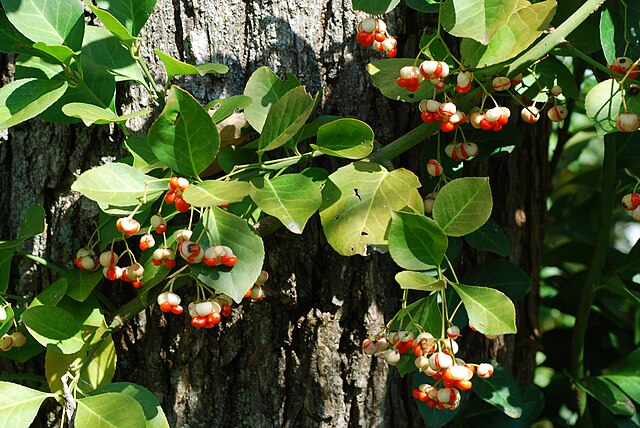
Euonymus fortunei, or Wintercreeper, is a hardy evergreen shrub known for its variegated leaves and its ability to provide year-round interest without drawing in bees. Native to Asia, this plant is often used as ground cover or a low hedge, prized for its subtle beauty and minimal floral display. I enjoy working with Euonymus because it lends structure and a refined look to the garden while keeping the buzzing at bay—truly a win for peace and aesthetics!
Its small, unassuming flowers are easily overshadowed by its colorful foliage, producing little nectar and thus remaining unattractive to bees. Moreover, Euonymus’s dense growth can offer a cozy environment for tiny beneficial insects looking for a sheltered spot to nest. With its ease of care and reliable performance, Wintercreeper is a dependable choice for gardeners who want to enhance their landscape without inviting unwanted bee activity!
Coleus

Coleus is celebrated for its vivid, multicolored foliage that transforms any garden space into a living work of art. Originally native to tropical regions of Asia and Africa, Coleus plants have been adored more for their ornamental leaves than for their often minimal flowers. I’m always excited to add Coleus to my garden design—it offers a burst of color and personality while staying under the radar of bees, which tend to favor nectar-rich blooms over its striking foliage!
These plants are typically non-invasive and thrive in partial shade, making them perfect for those tricky spots where sunlight is limited. The lush, decorative leaves not only create visual interest but also provide a unique habitat for small beneficial insects that may nest quietly among the foliage. For gardeners seeking an explosion of color without the extra buzz, Coleus is a delightful and reliable choice!
Ornamental Grasses (Fountain Grass)

Fountain Grass, a popular ornamental grass, offers a graceful, flowing texture that brings movement and softness to garden landscapes. Native to warm regions of Asia, this grass is prized for its airy flower plumes and slender leaves, yet its wind-pollinated blooms produce little nectar—ensuring that bees are not drawn to its elegant display. I adore the way Fountain Grass sways in the breeze, adding a touch of whimsy and tranquility without the constant hum of bees!
Despite its delicate appearance, Fountain Grass is robust and well-behaved, rarely becoming invasive when maintained properly. Its feathery plumes and narrow foliage provide subtle nesting opportunities for small beneficial creatures that prefer a quieter garden setting. With its low-maintenance appeal and natural elegance, this ornamental grass is an excellent addition for anyone looking to create a serene, bee-lite outdoor space!
Boxwood

Boxwood is a timeless classic in the world of gardening, admired for its dense, evergreen foliage and ability to form immaculate hedges and topiaries. Native to parts of Europe and Asia, Boxwood is typically grown for its structure and form rather than any showy flowers, which means bees rarely find it appealing. I’ve always been a fan of Boxwood for its versatility and the way it can bring order and sophistication to any garden design without inviting a swarm of buzzing insects!
While Boxwood does produce small flowers, they are insignificant and produce minimal nectar, keeping bee attraction to a minimum. Its compact, well-manicured growth habit also creates sheltered spaces for small, beneficial critters that prefer a secure nesting site away from the busy bee zones. As a low-maintenance and ever-classic plant, Boxwood is a dependable choice for gardeners who value both beauty and a peaceful, low-buzz environment!