
Gardening is a wonderful way to connect with nature, but sometimes our well-meaning choices can backfire when non-native plants take over and wreak havoc in our local ecosystems. As a passionate gardener who’s experienced the frustration of battling invasive species and watching prized spaces become overrun, I know how disheartening it is when pests and uncontrolled growth spoil your hard work. Over the years, I’ve learned that some plants, although visually appealing at first, can cause serious ecological harm and outcompete native species—leading to long-term challenges in your garden and the surrounding environment.
In this article, I’m excited to share with you 15 non-native plants you should never plant in your garden. Each section highlights a different species, delving into its native origins, growth behaviors, and even the way it attracts insects or provides shelter for local wildlife. By understanding the risks associated with these plants, you can make more informed decisions and create a garden that is both beautiful and ecologically responsible.
Japanese Knotweed

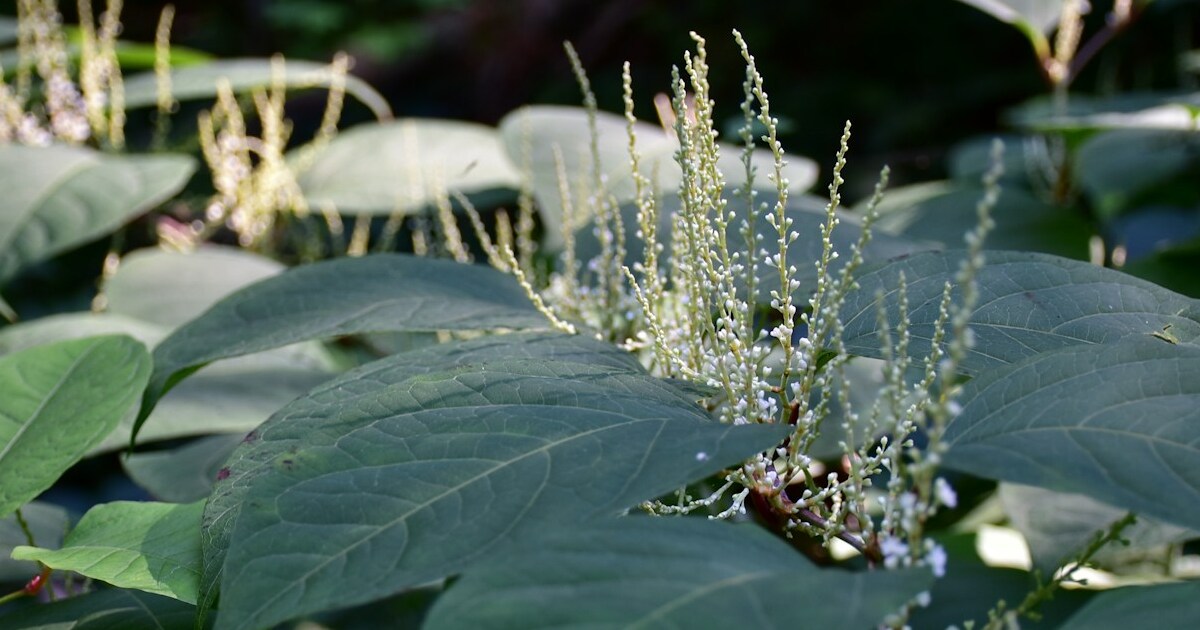
Japanese Knotweed (Fallopia japonica) is an aggressive, non-native plant originally from East Asia that has become notorious for its invasive behavior in many parts of the world. In my early gardening days, I was fascinated by its rapid growth and striking bamboo-like stems, only to later learn that it can damage building foundations and local ecosystems. Its robust root system and ability to outcompete native flora make it one of the most problematic invasive species, attracting little in the way of beneficial insects while crowding out the native biodiversity.
Despite its initially impressive appearance, Japanese Knotweed poses serious challenges for gardeners and property owners alike. It offers almost no natural habitat benefits and instead disrupts local water flows and soil stability. Every time I encounter a yard infested with this plant, I’m reminded of the importance of diligent, eco-friendly gardening practices—avoiding plants that, while initially alluring, can lead to long-term environmental damage.
Kudzu
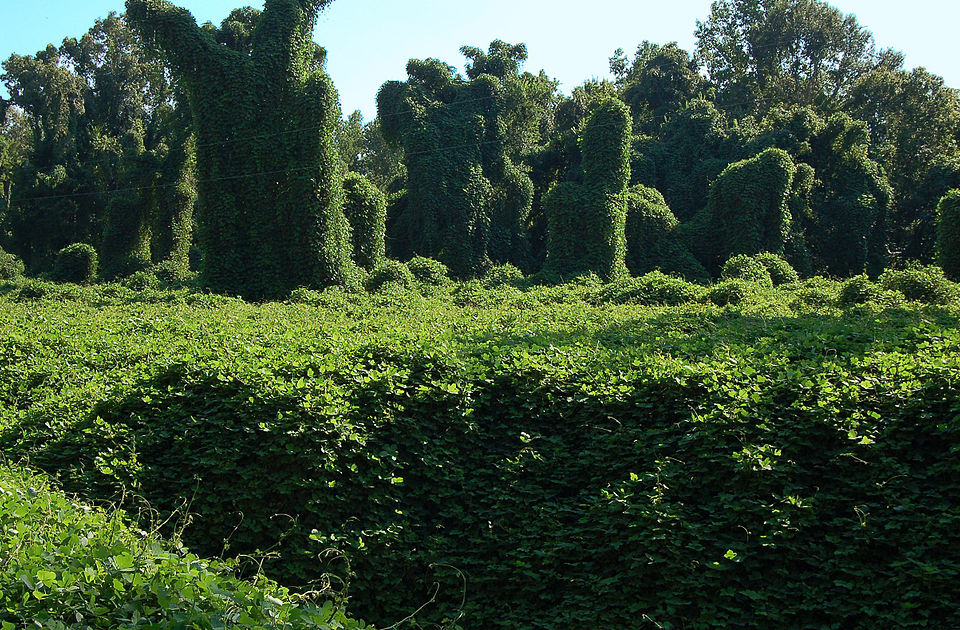
Kudzu (Pueraria montana var. lobata) is a fast-growing vine native to Asia that was introduced to North America in the late 1800s, only to become an infamous invasive species. In my garden research, I was amazed by its ability to cover entire landscapes in a matter of years, suffocating trees and shrubs under a dense blanket of green. Although its lush foliage and vibrant blooms might seem appealing, kudzu offers little ecological benefit and instead disrupts local habitats by displacing native species.
Its rampant growth behavior, which even includes extending its vines over buildings and power lines, makes kudzu a major nuisance. Despite the potential for its flowers to attract a few bees, the overall impact is overwhelmingly negative, with significant challenges for gardeners trying to control its spread. Every encounter with kudzu is a stark reminder that some non-native plants simply aren’t worth the environmental cost, no matter how green and lush they appear.
English Ivy

English Ivy (Hedera helix) is a classic, evergreen vine native to Europe that has been widely introduced around the world—often with unintended consequences. In my own experience, English Ivy can climb walls and cover entire structures, its dense growth shading out native plants and even causing damage to building facades. While its dark green, glossy leaves might add a touch of elegance to an architectural feature, the reality is that this plant can be highly invasive and difficult to eradicate once established.
The benefits of English Ivy in attracting small insects are minimal compared to the harm it does to native ecosystems. It creates a monoculture that leaves little room for other species to thrive, and its rapid spread often leads to ecological imbalances. Every time I see an overgrown wall covered in ivy, I’m reminded of the critical importance of planting native species that support a healthy, diverse garden instead of ones that compromise the natural order.
Purple Loosestrife
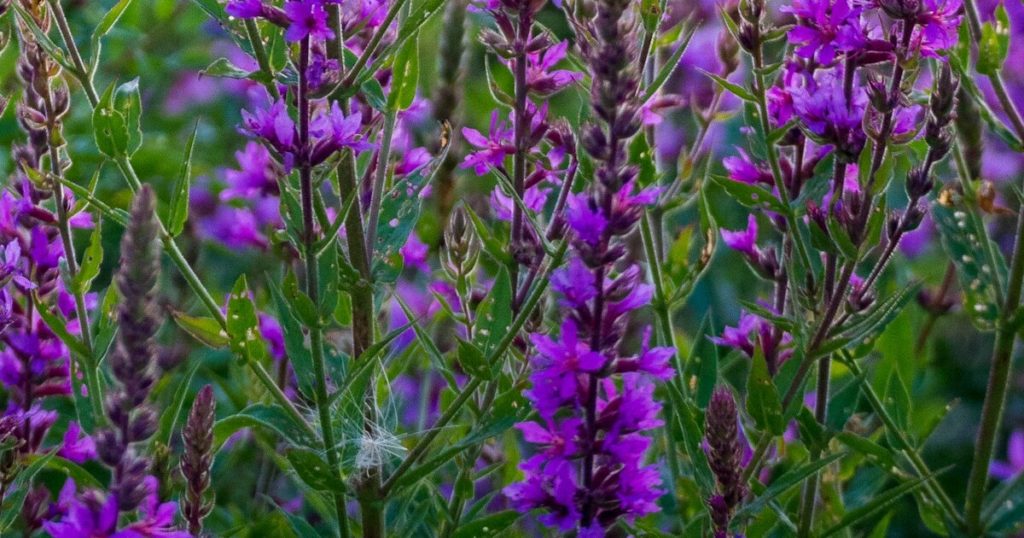
Purple Loosestrife (Lythrum salicaria) is a stunning wildflower native to Europe and Asia that has become an invasive menace in North American wetlands. In my garden observations, its vibrant purple spikes and clusters of tiny flowers initially captivate the eye, but this beauty belies its destructive impact. Purple Loosestrife aggressively colonizes wetlands, displacing native plants and disrupting the habitats of birds, amphibians, and beneficial insects that depend on indigenous flora.
Although it attracts pollinators like bees and butterflies, the overall ecological damage caused by purple loosestrife far outweighs any aesthetic or minor beneficial attributes. Its ability to spread uncontrollably in moist, nutrient-rich soils makes it a prime example of a non-native plant that should be avoided in any responsible garden. Every time I come across a field overrun with purple loosestrife, it serves as a sobering reminder of the delicate balance between beauty and ecological responsibility.
Tree of Heaven

Tree of Heaven (Ailanthus altissima) is a fast-growing, deciduous tree native to China that has earned a notorious reputation as one of the most invasive species in North America. In my early years of gardening, I was intrigued by its rapid growth and ability to thrive in poor soil, only to later learn that it often chokes out native vegetation and disrupts local ecosystems. Its dense canopy provides little benefit for local wildlife, and it rarely attracts the pollinators or nesting birds that are so vital to a balanced garden environment.
Despite its impressive stature, Tree of Heaven is highly non-native and invasive, capable of taking over entire landscapes if not properly managed. Its prolific seed production and aggressive root system make it a constant challenge for gardeners trying to maintain biodiversity in their yards. Every encounter with this tree reminds me that not all fast-growing species are beneficial—some, like the Tree of Heaven, do more harm than good in our natural surroundings.
Giant Hogweed

Giant Hogweed (Heracleum mantegazzianum) is an imposing plant native to the Caucasus region that has become a significant concern in many non-native areas. Its towering, umbrella-like flower clusters are undeniably dramatic and can attract some pollinators, but its toxic sap poses serious risks to humans and animals alike. In my research, I learned that even a small exposure to its sap can cause severe skin burns and other health hazards, making it a plant that should be strictly avoided in any garden.
Despite its striking appearance, Giant Hogweed is highly invasive and dangerous, outcompeting native flora and creating hazardous conditions for anyone nearby. Its ability to spread quickly in disturbed soils means that it can overrun an area if left unchecked, leading to ecological imbalances and safety concerns. Every time I encounter a warning about hogweed, I’m reminded of the importance of careful plant selection and the vital need to prioritize safety over aesthetics.
Water Hyacinth
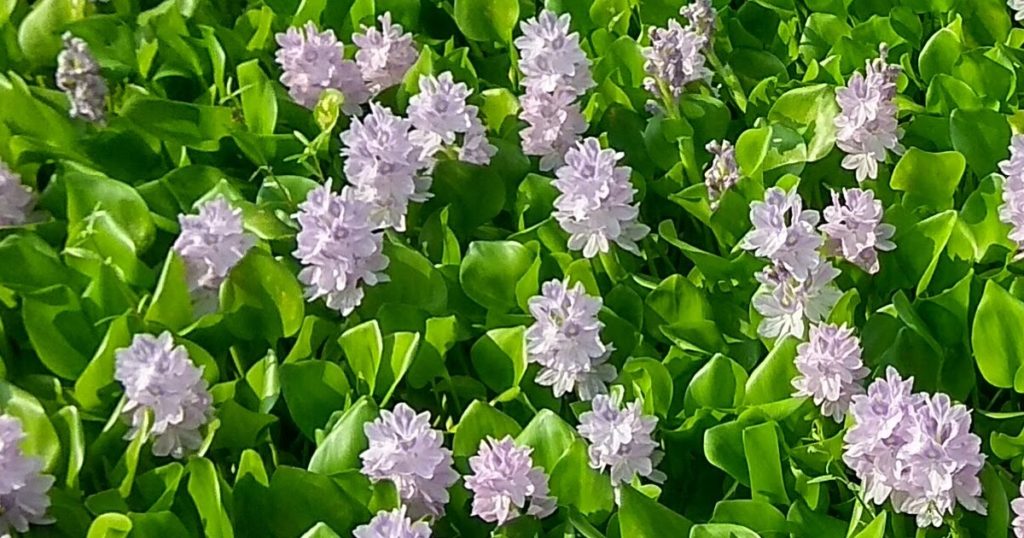
Water Hyacinth (Eichhornia crassipes) is a captivating floating plant native to the Amazon Basin that enchants with its lavender blossoms and lush, glossy leaves. In my water garden explorations, I was initially drawn to its beauty and the way it attracts bees and butterflies with its abundant nectar. However, I soon discovered that water hyacinth is infamous for its invasive tendencies—it spreads rapidly, clogging waterways and displacing native aquatic plants.
While its striking appearance might seem like a natural jewel in a pond, water hyacinth causes significant ecological disruption and requires rigorous management to control its growth. Its ability to multiply quickly can lead to environmental imbalances, impacting water quality and local wildlife. Every time I see a pond choked by water hyacinth, I’m reminded that even the most beautiful plants can have a dark side, underscoring the importance of responsible gardening practices.
Brazilian Pepper Tree
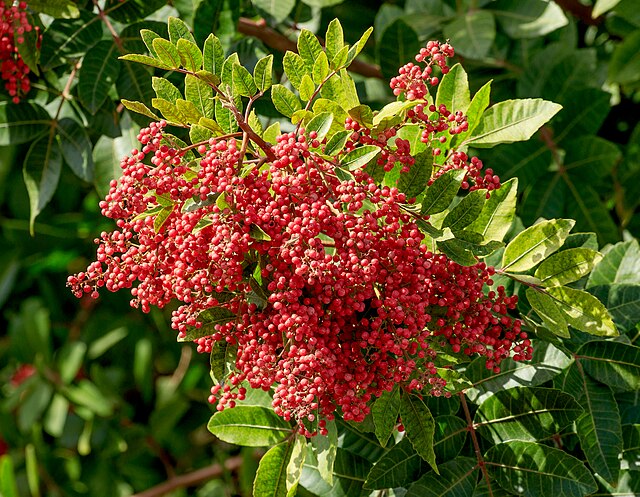
Brazilian Pepper Tree (Schinus terebinthifolius) is a vibrant, non-native shrub native to South America that has become notorious for its invasive behavior, particularly in Florida. In my landscaping studies, I learned that while its clusters of small, bright red berries and glossy, dark green leaves create an attractive display, the tree’s aggressive growth can displace native species and disrupt local ecosystems. Its dense foliage offers little shelter for beneficial insects and birds, making it more of an ecological hazard than a garden asset.
Though its ornamental appeal might tempt gardeners with its tropical vibe, the Brazilian Pepper Tree is highly invasive and difficult to control once established. Its rapid spread and robust root system mean that it can overtake a garden with alarming speed, leaving little room for native flora to thrive. Every time I see warnings about this tree, it reinforces the need to choose plants that enhance biodiversity rather than compromise it.
Autumn Olive

Autumn Olive (Elaeagnus umbellata) is a shrub native to Asia that was introduced to North America but has since become a problematic invasive species. In my research, I was fascinated by its small, silvery leaves and bright red berries, which initially appear charming and even attract a few small birds. However, its aggressive growth habit and ability to dominate landscapes quickly make it a poor choice for sustainable gardening practices. It can crowd out native species and disrupt local habitats, diminishing overall biodiversity.
Despite its attractive appearance and potential for naturalization, autumn olive is best avoided in garden settings due to its invasive tendencies. Its ability to spread rapidly through both seeds and suckers means that it often takes over garden beds, leaving little room for more beneficial or native plants. Every time I come across autumn olive in a controlled environment, I’m reminded that true garden beauty must coexist with ecological balance—and this plant simply tips the scales too far.
Garlic Mustard

Garlic Mustard (Alliaria petiolata) is an herbaceous biennial native to Europe that has become a notorious invasive species in North America. Although its small, white flowers might seem innocuous and even attractive to some pollinators, garlic mustard outcompetes native understory plants, leading to significant ecological disruption. In my visits to natural areas, I’ve seen how its dense growth can choke out other vegetation, creating a monoculture that reduces biodiversity.
Its rapid, invasive spread is a cautionary tale for gardeners who want to support local ecosystems. Garlic Mustard’s aggressive seeding and adaptability make it one of those plants that should be strictly avoided in any garden that aims to nurture native flora. Every time I spot garlic mustard in a natural setting, I’m reminded of the delicate balance between beauty and ecological responsibility—a balance that is crucial for preserving our native landscapes.
Himalayan Blackberry

Himalayan Blackberry (Rubus armeniacus) is a vigorous, non-native bramble originally from the regions of Europe and Asia that has become a pervasive invasive species in many parts of North America. In my own garden, I’ve witnessed how its sprawling, thorny canes can quickly overrun an area, smothering other plants and creating an impenetrable thicket. Although its sweet, black berries are a tempting treat for birds and even humans, the plant’s aggressive growth habit makes it a serious threat to native ecosystems.
Despite its edible appeal, Himalayan Blackberry is highly invasive and difficult to control once established. Its ability to spread through both seeds and underground runners means that it can dominate garden spaces, leaving little room for more delicate or beneficial plants. Every time I see a dense patch of blackberry, I’m reminded of the importance of careful plant selection and the need to preserve our local biodiversity above all else!
Russian Olive

Russian Olive (Elaeagnus angustifolia) is a deciduous tree native to Asia that has become a troublesome invasive species in many parts of North America. Its silvery-green leaves and distinctive orange berries might seem appealing, but Russian Olive forms dense thickets that displace native flora and degrade riparian habitats. In my explorations of natural landscapes, I’ve found that while the tree can provide some cover for birds and small mammals, its aggressive spread often leads to a significant loss of biodiversity.
Its invasive nature and rapid growth make Russian Olive unsuitable for any garden aiming to support a balanced ecosystem. Despite its ornamental potential, the ecological cost of planting this species far outweighs its benefits, prompting me to always advise caution. Every time I encounter Russian Olive, it serves as a poignant reminder that not all that glitters is gold—sometimes, beauty comes with a heavy price for our native environment.
Miconia
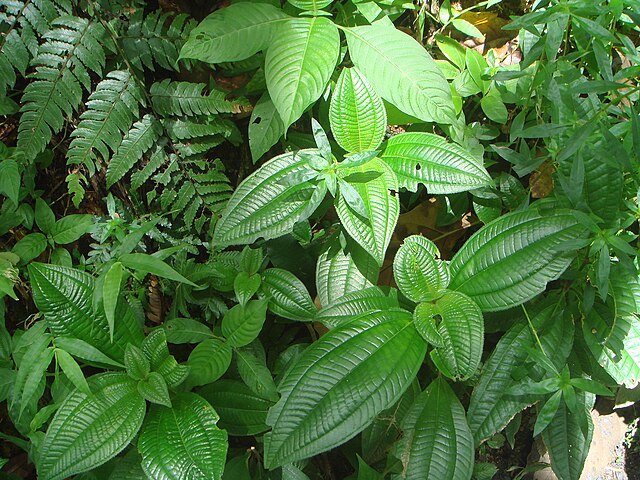
Miconia (Miconia calvescens) is a fast-growing shrub native to Central and South America that has become infamous for its invasive tendencies in tropical and subtropical regions. In my studies of exotic plants, I was struck by its large, velvety leaves and its rapid ability to colonize areas, often outcompeting native vegetation and altering local ecosystems dramatically. While its lush appearance might initially charm gardeners, Miconia quickly spreads and disrupts the delicate balance of natural habitats.
Its invasive nature makes it a plant you should never introduce into your garden, especially in regions where it’s known to wreak havoc on native biodiversity. Managing Miconia is extremely challenging once it takes hold, leading to long-term ecological damage. Every time I read about efforts to control Miconia, I’m reminded that sometimes the most alluring plants can be the most destructive—an important lesson for all of us committed to sustainable gardening!
Chinese Privet

Chinese Privet (Ligustrum sinense) is a fast-growing shrub native to China that has been widely introduced around the world, often with disastrous ecological consequences. In my garden research, I discovered that Chinese Privet can form dense thickets that choke out native plants and reduce biodiversity, even though its glossy, dark green foliage and white, fragrant flowers might appear attractive at first glance. Its rapid spread and competitive nature make it a notorious invasive species in many temperate regions.
Though it may seem appealing as an ornamental hedge, Chinese Privet’s non-native status and aggressive behavior mean it should never be planted in your garden if you care about local ecosystems. Its ability to dominate landscapes leaves little room for native flora and can disrupt the habitat of local wildlife. Every time I hear about Chinese Privet overrunning natural areas, it reinforces the importance of choosing plants that support and respect our native biodiversity.