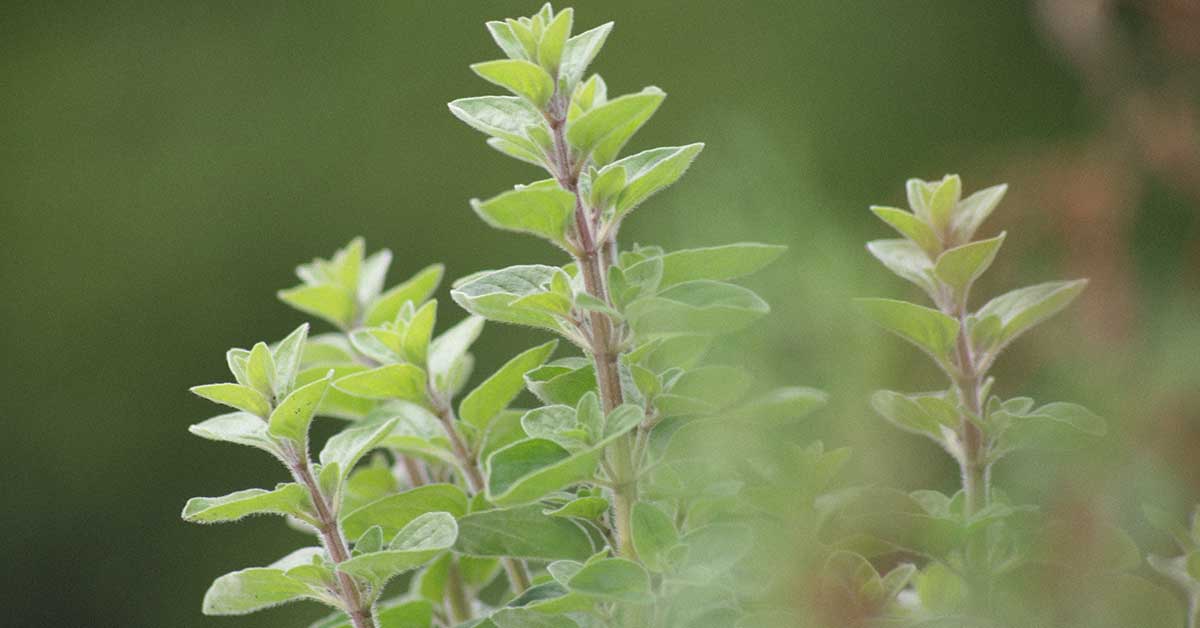

Gardening is an endless adventure filled with surprises, challenges, and plenty of green triumphs. One of the greatest joys is discovering perennial herbs that come back year after year, rewarding you with fresh flavor and fragrant foliage without the need to start from scratch every spring! As a dedicated gardener who’s weathered everything from pest invasions to those frustrating frosty days when even the hardiest plants seem to falter, I know the thrill of witnessing resilient herbs thrive season after season. These perennial wonders not only enhance your culinary creations but also attract beneficial insects, sometimes even offering cozy nesting spots for tiny critters in your garden.
In this article, I’m excited to share 16 perennial herbs that reliably return each year, each with its own fascinating native background, unique growth behavior, and natural charm. Some of these herbs hail from sun-kissed Mediterranean landscapes, while others are native to the cool climes of Europe and Asia. Whether you’re cultivating a sprawling garden or a modest container setup, these herbs are non-invasive and easy to care for, ensuring that you can enjoy their robust flavors and delightful fragrances with minimal fuss.
Thyme
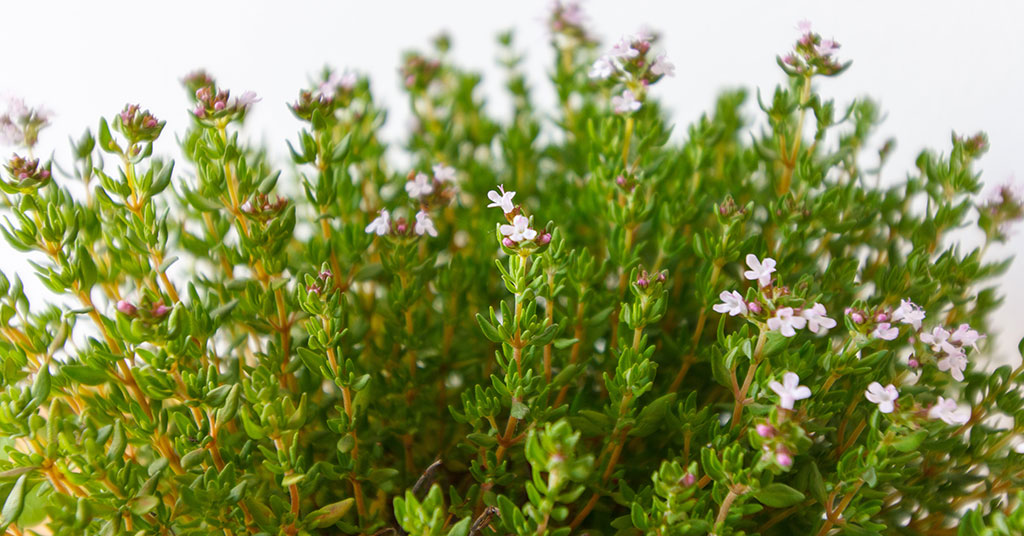
Thyme (Thymus vulgaris) is a tiny yet mighty herb native to the Mediterranean that has been a culinary and medicinal staple for centuries. In my garden, thyme’s aromatic, needle-like leaves add an earthy, slightly minty flavor to dishes while attracting beneficial insects such as solitary bees that help pollinate neighboring plants. Its compact, creeping habit makes it ideal for borders or container gardens, where it fills in spaces beautifully without overwhelming its companions.
Despite its delicate appearance, thyme is remarkably resilient and non-invasive, thriving in well-drained soil and full sun or partial shade. With minimal watering and occasional trimming, thyme produces a continuous harvest that’s perfect for infusing oils, teas, or hearty stews. Every time I snip a fresh sprig of thyme, it reminds me that some of the best flavors in life come from the smallest of leaves!
Oregano

Oregano (Origanum vulgare) is a robust herb native to the Mediterranean that brings a rich, peppery taste to a wide range of dishes. In my container garden, oregano’s bushy, evergreen foliage attracts a host of pollinators—tiny bees and butterflies love to visit its clusters of small, tubular flowers. This non-invasive herb thrives with minimal care, making it an ideal choice for those who want a hearty flavor without too much fuss.
It performs exceptionally well in both full sun and partial shade, requiring only occasional watering and a touch of organic fertilizer. Every time I harvest oregano, I’m reminded that nature’s simplest gifts can be the most flavorful and rewarding. Its vigorous growth and timeless taste have made it a cornerstone of my culinary herb collection, ensuring that delicious, aromatic dishes are always within reach!
Rosemary
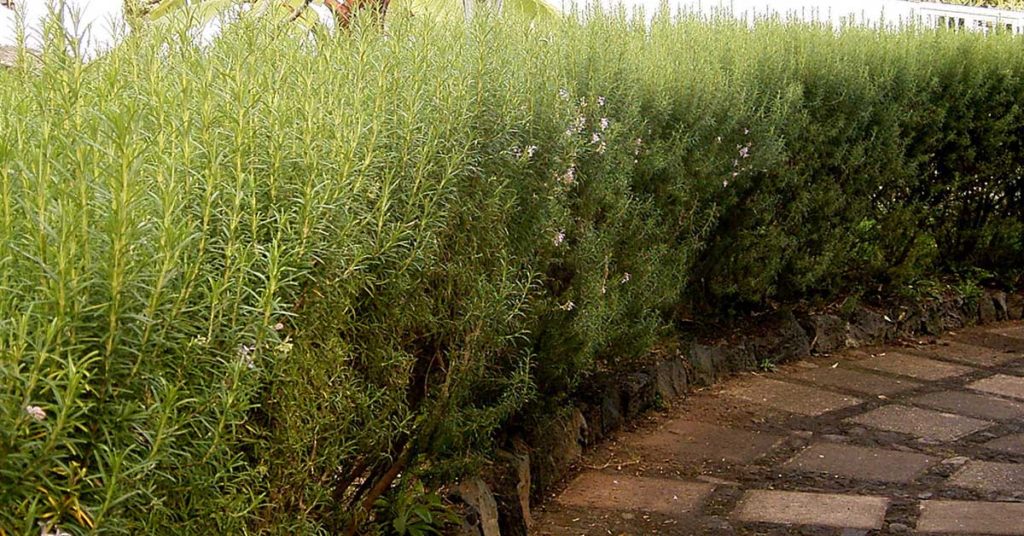
Rosemary (Rosmarinus officinalis) is a fragrant, evergreen herb native to the Mediterranean, prized for its needle-like leaves and robust, pine-like aroma. In my garden, rosemary stands tall as a testament to resilience—it attracts bees and small butterflies with its occasional blooms while offering a bold, savory flavor that elevates meats, breads, and roasted vegetables. Though it’s tender in colder climates, rosemary comes back reliably each year in milder regions or as an indoor plant, making it a versatile favorite.
Non-invasive and low-maintenance, rosemary thrives in well-drained soil and bright, indirect light, making it perfect for container gardens. With just a bit of regular watering and occasional pruning, rosemary continually rewards me with its lush, aromatic presence. Every time I inhale its invigorating scent, it feels like a burst of Mediterranean sunshine that brightens even the dullest of days!
Sage
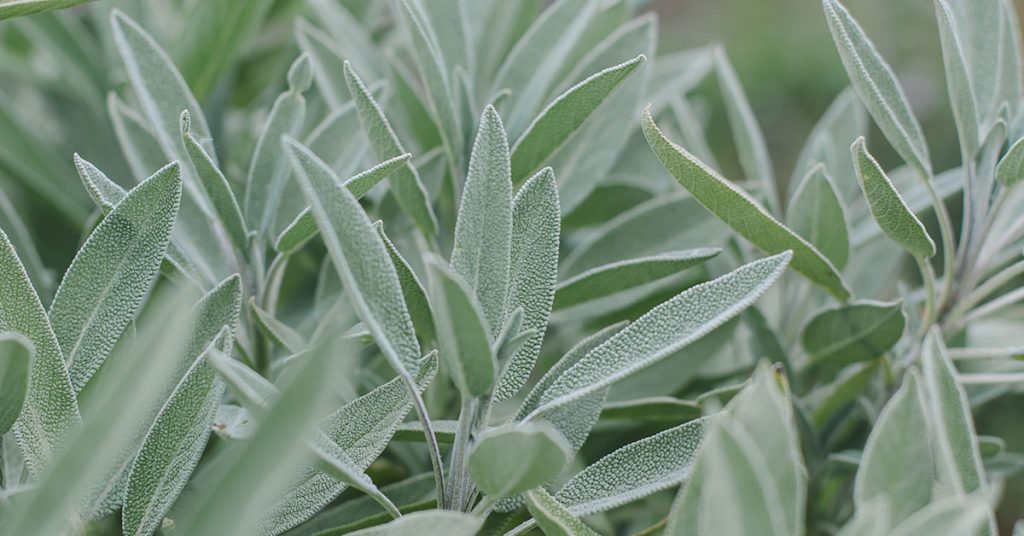
Sage (Salvia officinalis) is a classic herb native to the Mediterranean, renowned for its earthy, robust flavor and subtle, woody fragrance. In my container garden, sage’s soft, gray-green leaves not only add a savory note to dishes but also attract bees and butterflies that contribute to a healthy indoor ecosystem. Its sturdy, bushy growth makes it an excellent candidate for propagation, ensuring that it returns year after year without much intervention.
This herb is delightfully non-invasive, thriving in full sun to partial shade with minimal water and occasional trimming. With a steady, continuous harvest, sage remains a reliable culinary companion that enriches everything from stews to herbal teas. Every time I sprinkle sage into a recipe, it’s a comforting reminder of how nature’s enduring gifts can transform your cooking and your garden alike!
Mint
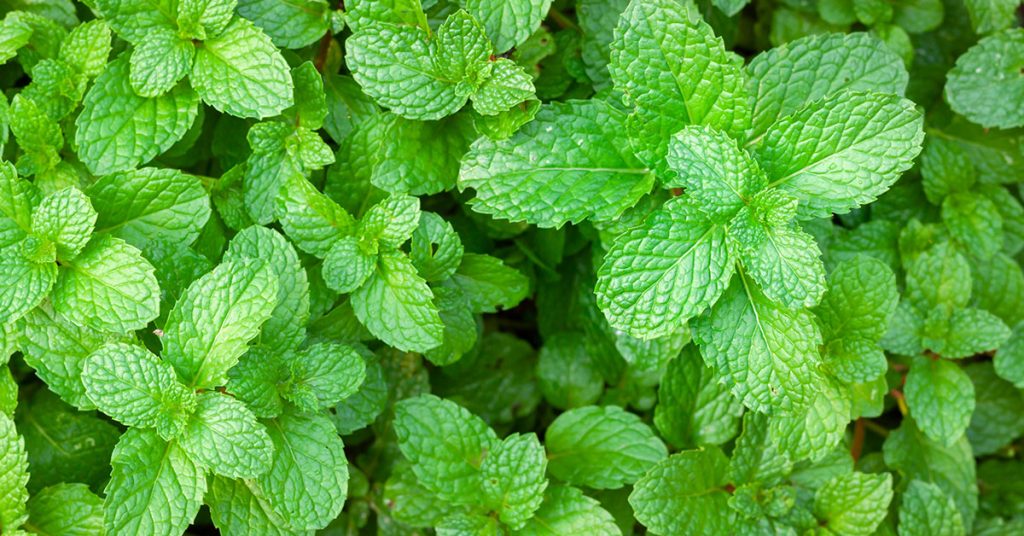
Mint (Mentha spp.) is a vigorous, aromatic herb native to Europe and Asia that’s famous for its refreshing flavor and cooling properties. In my garden, mint’s sprawling, fragrant leaves attract bees, butterflies, and even small birds that find shelter among its dense growth—a delightful bonus for any indoor ecosystem. Its rapid propagation means that even a single cutting can quickly multiply into a lush, abundant patch of mint, though it’s best grown in containers to prevent it from overrunning other plants.
This herb is non-invasive when contained properly and thrives in bright, indirect light with regular watering. Mint’s versatility in culinary and medicinal applications makes it a must-have for any herb garden, delivering continuous harvests that add zest to teas, salads, and sauces. Every time I pluck a sprig of mint, I’m filled with excitement knowing that a simple herb can refresh both your palate and your living space!
Chives
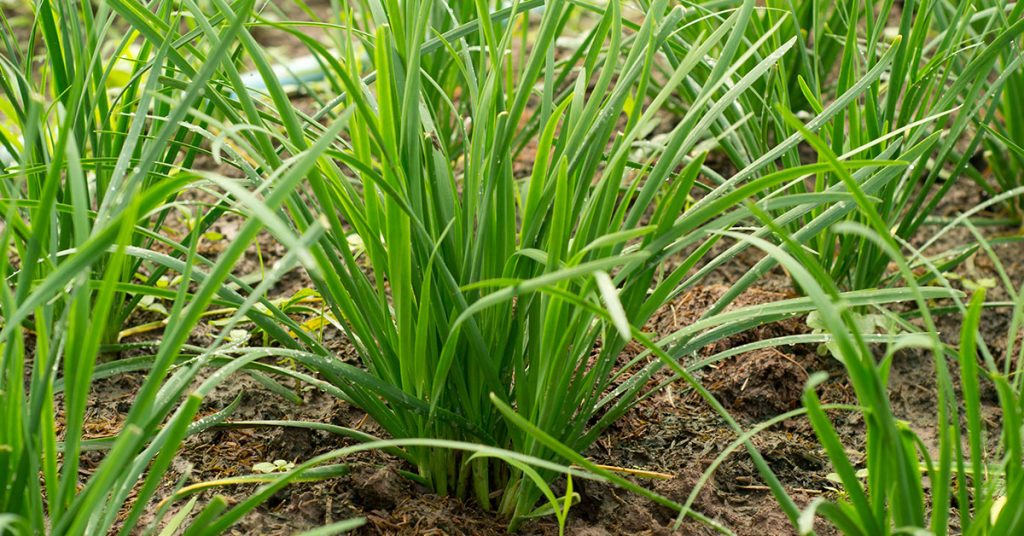
Chives (Allium schoenoprasum) are a perennial favorite, native to Central Asia, known for their slender, grassy leaves and a delicate onion flavor that enhances a variety of dishes. In my container garden, chives add a burst of vibrant green and are particularly attractive to small bees and hoverflies that help with pollination, creating a lively, balanced ecosystem. Their modest, non-invasive clumping habit makes them ideal for small spaces, ensuring that they don’t overwhelm other plants.
With minimal care—just regular watering and occasional trimming—chives provide a continuous harvest of fresh, aromatic shoots that are perfect for garnishing salads, soups, and more. Every time I harvest chives, it’s a small victory that reminds me of the simple pleasures in gardening—tiny leaves that pack a punch of flavor and a natural boost of greenery, even in the coziest of container gardens!
Lemon Balm
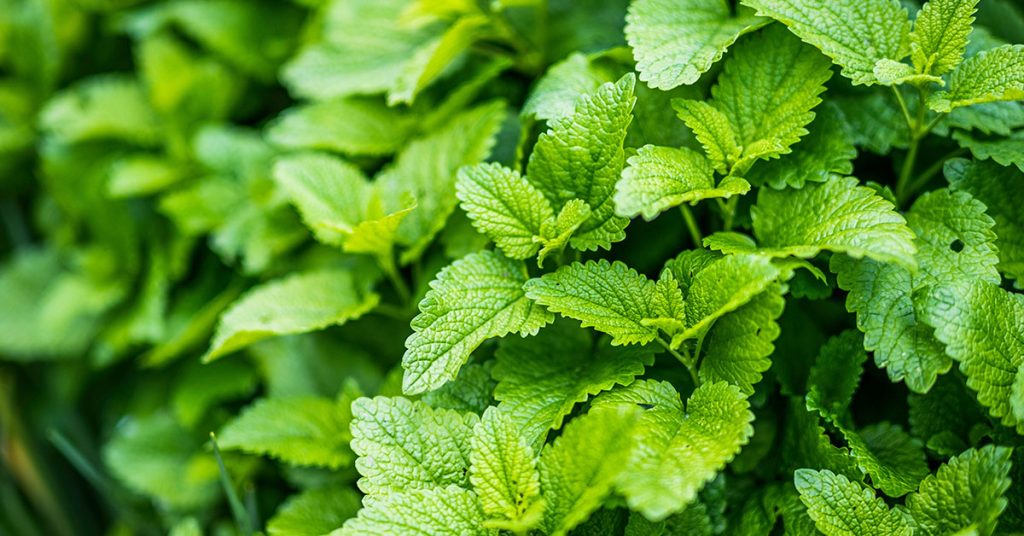
Lemon Balm (Melissa officinalis) is a delightful herb native to Europe that enchants with its soft, lemon-scented leaves and subtle, refreshing flavor. In my garden, lemon balm not only brightens up dull corners but also attracts beneficial insects like bees and butterflies, which help pollinate surrounding plants and create a balanced indoor environment. Its sprawling, non-invasive growth habit makes it ideal for container gardening, where it can fill in space without overwhelming other plants.
Easy to propagate by division, lemon balm thrives in bright, indirect light and requires only occasional watering, making it a reliable and low-maintenance choice for gardeners. Every time I brew a cup of lemon balm tea, I’m reminded that even the gentlest herbs can bring a burst of sunshine and a calming aroma to your home—truly a gift from nature’s fragrant palette!
Russian Tarragon
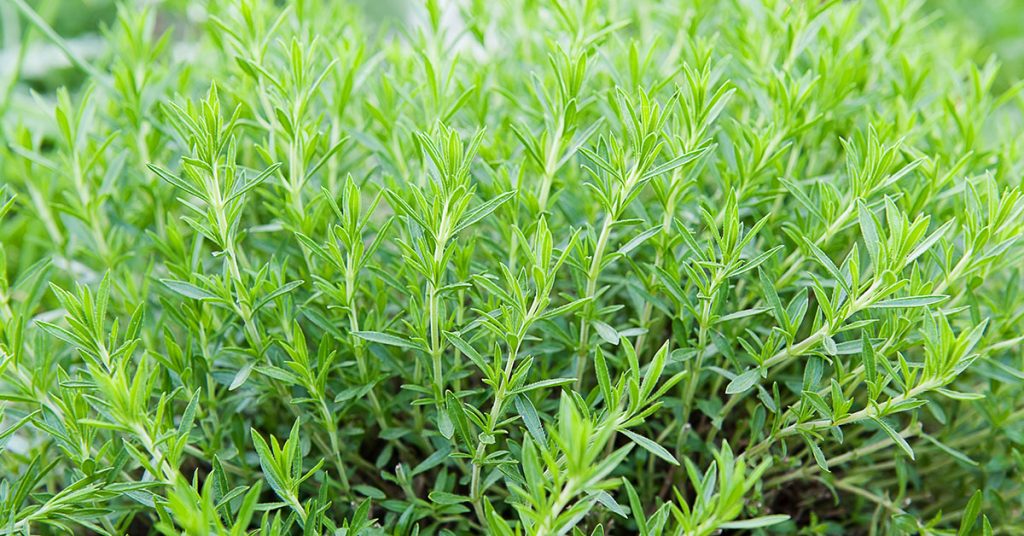
Russian Tarragon (Artemisia dracunculoides) is a hardy, perennial herb native to the colder regions of Eurasia that offers a delicate, slightly bittersweet flavor ideal for culinary delights. In my container garden, Russian tarragon’s finely divided leaves attract small beneficial insects such as solitary bees, which help pollinate nearby herbs, adding a quiet vibrancy to the space. Its non-invasive growth ensures that it stays compact and manageable, even in a confined environment.
Unlike its more aromatic French counterpart, Russian tarragon is perfectly suited for cooler climates, making it a dependable addition to my perennial herb collection. With regular watering and a spot in bright, indirect light, this herb comes back year after year, infusing dishes with a subtle complexity that’s both rustic and refined. Every time I sprinkle a pinch of Russian tarragon into my recipes, I’m reminded that some of nature’s best flavors thrive even in the cold!
Winter Savory

Winter Savory (Satureja montana) is a robust, perennial herb native to the Mediterranean that stands out for its peppery, slightly minty flavor. In my garden, winter savory’s small, aromatic leaves attract bees and butterflies that contribute to a lively ecosystem, while its non-invasive growth makes it perfect for container gardening in cooler climates. Its ability to come back year after year with minimal fuss has made it a cherished favorite for adding zest to roasted vegetables and hearty stews.
Thriving in full sun to partial shade and well-drained soil, winter savory requires little more than regular watering and occasional pruning to keep it vibrant. Its continuous harvest throughout the season is a testament to its resilience and adaptability, ensuring that you always have a touch of spice at hand. Every time I use winter savory, it’s like a burst of nature’s own seasoning—simple, bold, and utterly essential!
Lovage
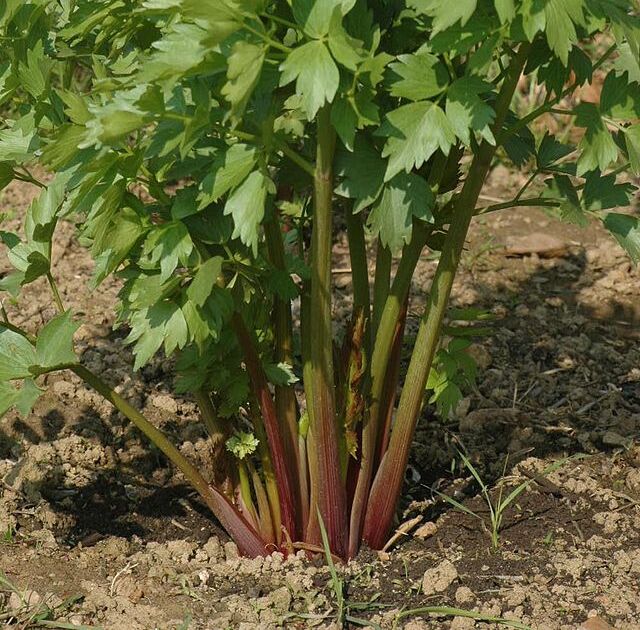
Lovage (Levisticum officinale) is a towering, perennial herb native to Europe and parts of Asia that brings a flavor reminiscent of celery to your culinary creations. In my container garden, lovage grows with an impressive, robust stature, its large, aromatic leaves attracting beneficial insects like bees and hoverflies that help pollinate nearby plants. Its bold presence adds both a visual and culinary dimension to my herb collection, making it a standout in every season.
Despite its vigorous growth, lovage is non-invasive when given sufficient space and regular care, ensuring that it remains a delightful addition to your garden without overtaking other plants. With consistent watering and occasional organic fertilization, lovage continues to produce a bountiful harvest year after year, enriching soups, stews, and salads with its distinctive flavor. Every time I harvest lovage, I’m reminded that some of the most robust and flavorful herbs truly come back stronger with each passing season!
Catnip
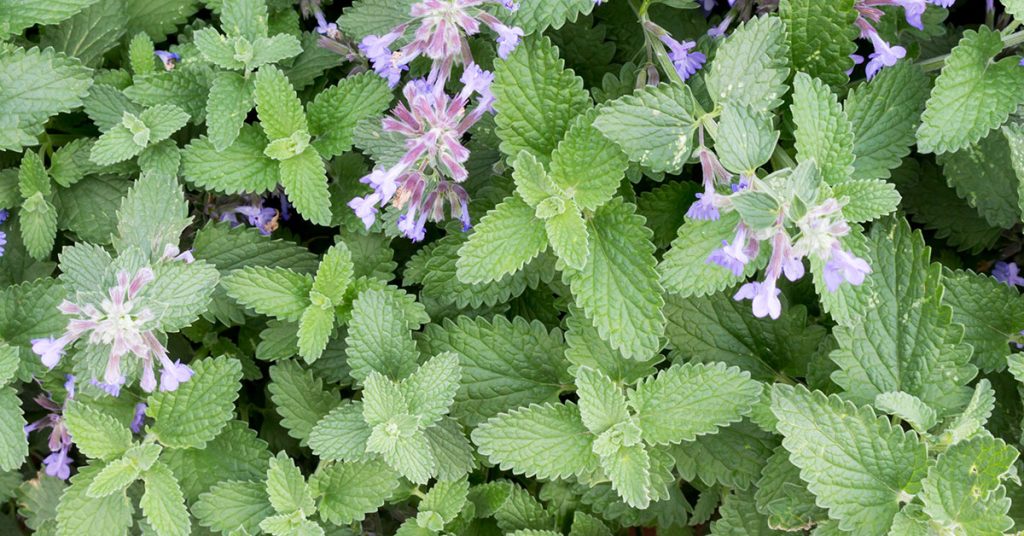
Catnip (Nepeta cataria) is a perennial herb native to Europe and Asia that is a beloved favorite for both culinary and pet-friendly gardens. Its heart-shaped leaves and delicate clusters of lavender flowers not only emit a subtle, minty aroma that attracts bees and butterflies but also have a unique effect on cats, drawing them in with irresistible charm. In my garden, catnip provides a playful, interactive element that delights my feline friends while also offering a mild herbal flavor that can be used in teas and potpourri.
This herb is non-invasive and thrives in well-drained soil with bright, indirect light, making it a perfect addition to container gardens or outdoor herb beds. With minimal care, catnip continues to multiply year after year, providing a continuous source of green, aromatic leaves that both enhance the garden’s beauty and bring joy to pet owners. Every time I see my cat happily rolling in a patch of catnip, it’s a sweet reminder of nature’s delightful surprises!
Marjoram
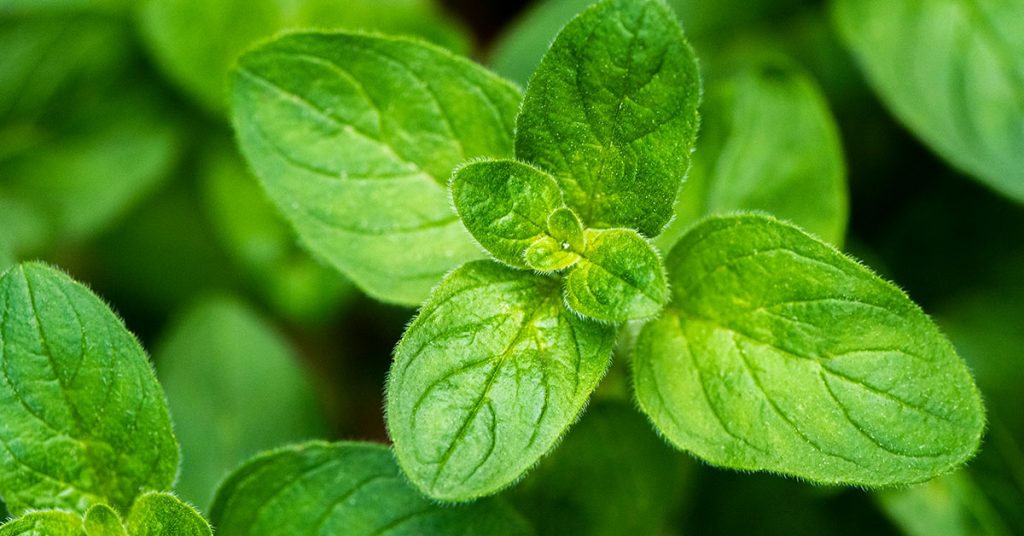
Marjoram (Origanum majorana) is a tender perennial herb native to the Mediterranean that exudes a sweet, warm flavor perfect for seasoning a variety of dishes. In my container garden, marjoram’s soft, aromatic leaves attract bees and small butterflies, which help pollinate the surrounding plants and add a touch of natural harmony to the space. Its delicate, slightly fuzzy foliage and low-growing habit make it an ideal herb for intimate, kitchen-friendly gardens where every sprig counts.
Non-invasive and easy to care for, marjoram thrives in well-drained soil with plenty of sunlight or bright, indirect light, ensuring that it returns year after year without fuss. With occasional trimming to encourage bushier growth, marjoram provides a continuous harvest that enhances both the flavor of your cooking and the visual appeal of your indoor garden. Every time I add marjoram to my recipes, I’m reminded that some of the most aromatic herbs come with a gentle, perennial promise of flavor and beauty!
Bay Laurel
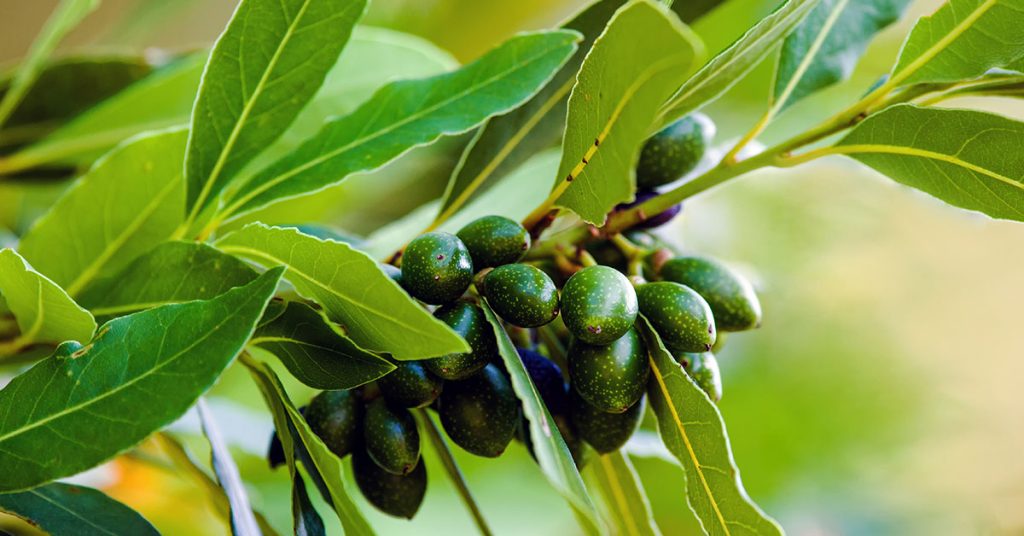
Bay Laurel (Laurus nobilis) is a small evergreen tree native to the Mediterranean that is treasured for its aromatic leaves, which add depth and flavor to a wide variety of dishes. In my container garden, bay laurel not only brings a touch of Mediterranean elegance but also attracts small pollinators like bees and butterflies that help sustain the natural balance of the space. Its robust, leathery leaves are a culinary delight, and the plant’s stately form adds a classic, enduring charm to any setting.
Though bay laurel grows slowly, it is non-invasive and can be managed effectively in containers or dedicated garden beds. With minimal care and ample sunlight, this perennial herb continues to return year after year, offering a reliable harvest of fragrant leaves that enhance soups, stews, and sauces. Every time I pluck a bay leaf, it feels like a small piece of Mediterranean heritage—a timeless reminder that some of nature’s best flavors are meant to be savored with each passing season!
Anise Hyssop
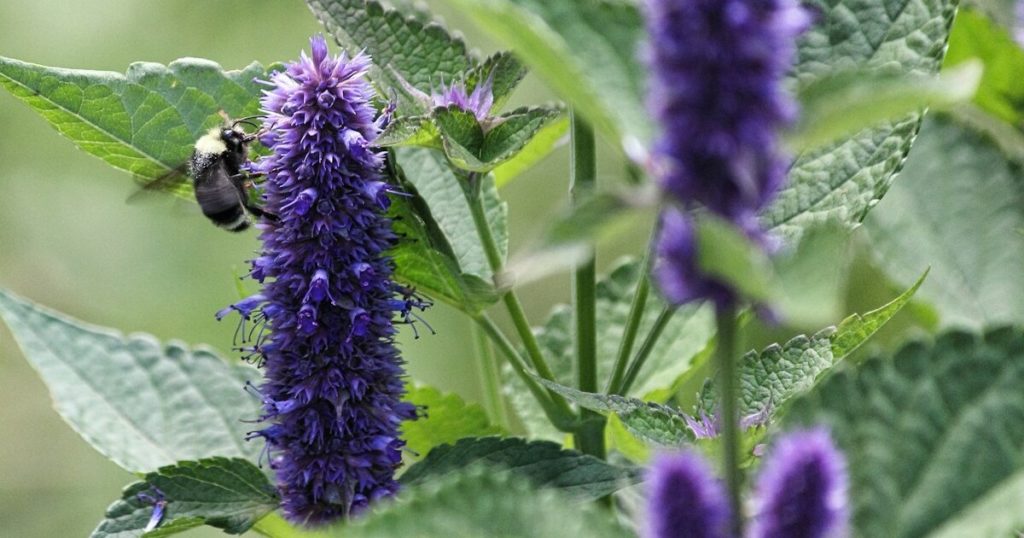
Anise Hyssop (Agastache foeniculum) is a vibrant, aromatic herb native to North America that offers a delightful licorice-like flavor and attracts a multitude of pollinators. In my container garden, anise hyssop’s spiky clusters of lavender-blue flowers create a stunning visual display, drawing bees, butterflies, and even hummingbirds that revel in its sweet nectar. Its unique fragrance and flavor make it a favorite for both culinary and medicinal uses, adding a dash of intrigue to every dish.
This herb is non-invasive and thrives in full sun to partial shade with well-drained soil, ensuring a steady, year-after-year harvest. With minimal maintenance and regular watering, anise hyssop continues to reward me with its exuberant blooms and refreshing scent. Every time I incorporate it into my tea or salad, I’m reminded that nature’s little surprises can transform your garden into a veritable paradise of flavor and beauty!
Stevia
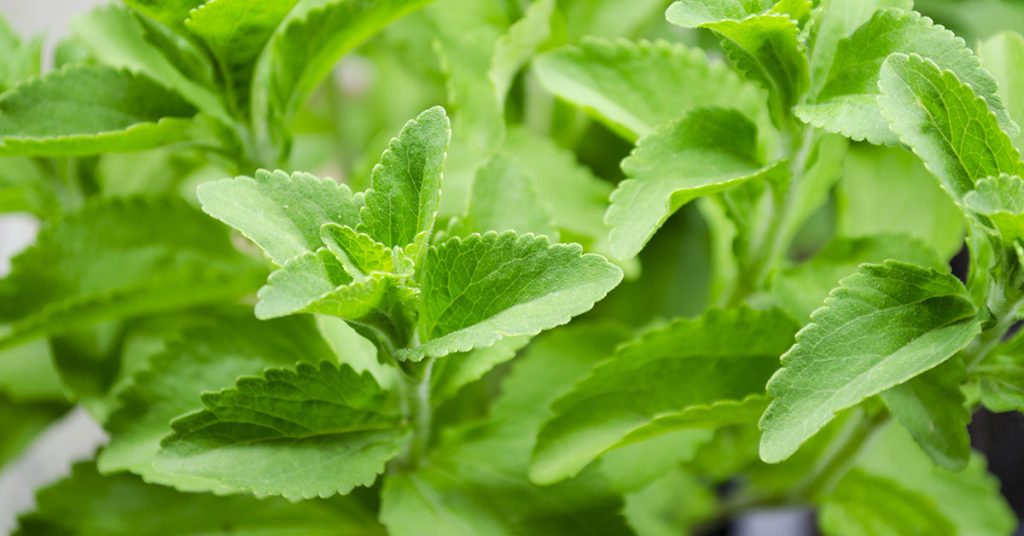
Stevia (Stevia rebaudiana) is a remarkable, sugar-free sweetener herb native to South America that not only offers a natural way to sweeten your foods but also thrives as a perennial in warm climates. In my container garden, stevia’s delicate, fern-like leaves and tiny white flowers create a subtle, inviting display that attracts bees and small butterflies. Its natural sweetness makes it a popular choice for those looking to reduce sugar intake while enjoying a burst of garden-fresh flavor.
Non-invasive and easy to propagate, stevia flourishes in well-drained soil and bright, indirect light, providing a continuous harvest throughout the growing season. With minimal care, this herb returns year after year, making it a sustainable addition to your indoor or outdoor garden. Every time I add stevia to my tea or dessert, it reminds me of nature’s ingenious way of offering healthy, natural alternatives—turning every bite into a sweet success!
Woodruff
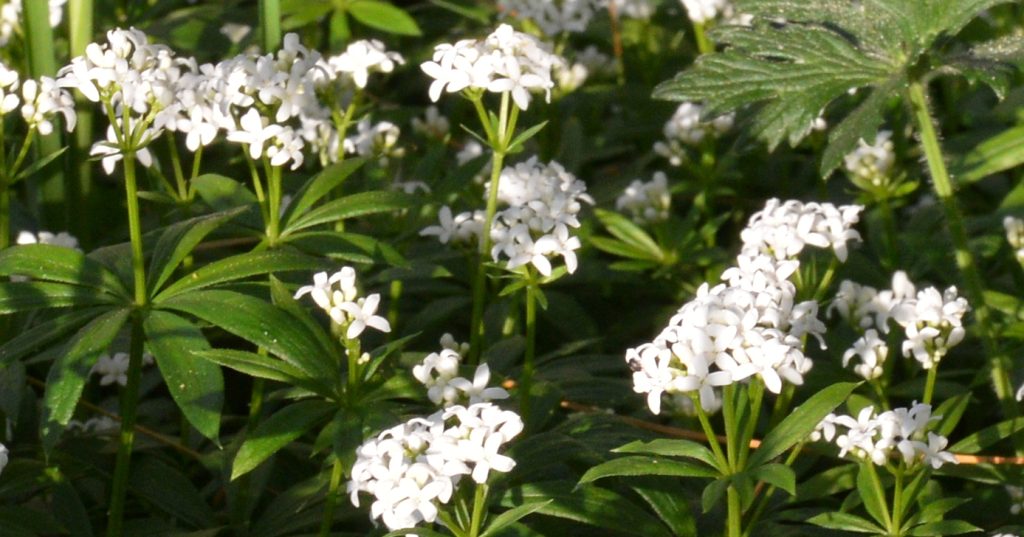
Woodruff (Galium odoratum) is a delicate, perennial herb native to Europe that exudes a sweet, hay-like fragrance and is often used to flavor teas and desserts. In my garden, woodruff’s soft, star-shaped leaves create a subtle, carpet-like effect that attracts small insects and even provides a gentle habitat for tiny ground-dwelling critters. Its soothing aroma and modest appearance make it a charming choice for shaded container gardens where a touch of rustic elegance is desired.
Non-invasive by nature, woodruff thrives in moist, well-drained soil with limited light, ensuring that it returns year after year without overwhelming other plants. With minimal care, this herb continuously spreads, offering a natural, aromatic underlayer that enhances the overall ambiance of your indoor garden. Every time I catch a whiff of woodruff, it’s like a gentle reminder of simpler times and the enduring beauty of nature’s quiet treasures!