
There’s nothing more heartbreaking for a pet parent than discovering that a beloved garden plant could put your furry friend at risk. As a dedicated gardener—and a proud cat owner—I know all too well how it feels when you learn that your favorite blooms might be dangerous for your cats. Over the years, I’ve researched and observed many plants, and I’m excited to share a carefully curated list of 13 plants that can harm our cats, alongside 8 that are safe and even beneficial for them. Each plant’s story includes its native roots, growth behaviors, and whether it tends to be invasive, so you can make informed choices that keep your garden both beautiful and pet-friendly!
I understand the frustration when pests take over your garden or when a plant you thought was harmless ends up being toxic—trust me, I’ve been there! That’s why I’ve put together this guide from the perspective of a gardener who loves both nature and the comfort of a happy, healthy pet. Whether you’re managing a sprawling backyard or a cozy container garden, this randomized collection will help you design a safe, nurturing space for your feline companions while still enjoying a dazzling array of blooms. Let’s dive into these 21 sections and explore which plants to avoid and which to embrace!
Lilies
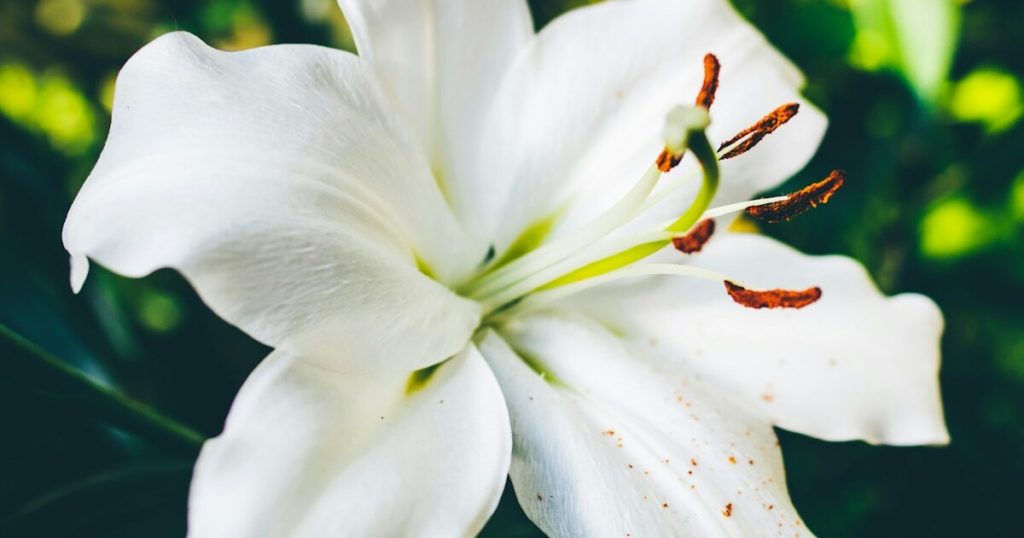
Lilies are exquisite, show-stopping flowers native to temperate regions of the Northern Hemisphere, celebrated for their elegant, trumpet-shaped blooms and heady fragrance. However, every part of the lily is extremely toxic to cats—even a small amount of pollen or water from a vase can be harmful. In my garden, I learned the hard way that while lilies create a breathtaking display, they can pose a serious risk to curious felines who might nibble on a leaf or delicately bat at a flower.
Because of their potent toxicity, it’s crucial to avoid planting lilies in areas accessible to cats. Even if you enjoy their beauty, consider displaying them in enclosed spaces or substituting them with safer alternatives. Every time I see a lily, I’m reminded of nature’s dual nature—stunning yet potentially dangerous—so always exercise caution around these alluring but hazardous blooms!
Sago Palm
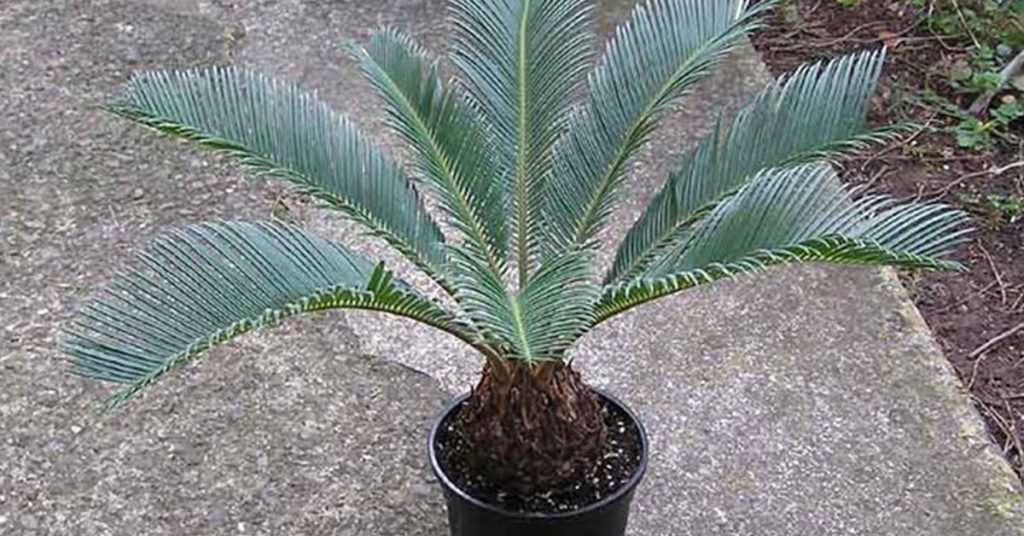
Sago Palm is an impressive, tropical-looking plant native to the subtropical regions of Asia, known for its striking, feather-like fronds. Despite its beauty, every part of the sago palm is highly toxic to cats, and ingestion can lead to severe liver failure. In my experience, although sago palms can make a bold statement in outdoor landscapes, they should never be placed where pets roam freely.
Even with careful placement, the risk remains high, so I always advise fellow gardeners with cats to steer clear of this plant. Its invasive tendencies in warm climates add to the challenge of managing its growth responsibly. Every time I pass by a sago palm, I can’t help but think of the delicate balance between natural beauty and safety, and I’m reminded to always prioritize the well-being of our furry friends!
Oleander
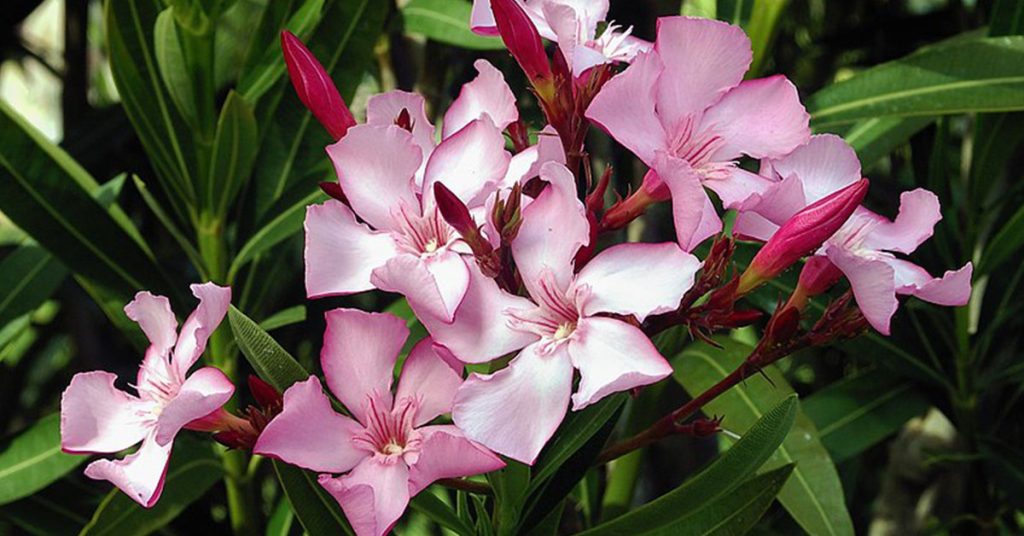
Oleander is a striking shrub native to the Mediterranean and subtropical regions of Asia, adored for its lush, evergreen foliage and vibrant clusters of flowers. Unfortunately, oleander is one of the most toxic plants known, and even a small ingestion can cause severe cardiac issues in cats. I’ve seen many gardeners marvel at its brilliant display, but for pet owners, oleander is a definite no-go.
This plant is not only dangerous but also quite invasive in many regions, which makes it challenging to control in a home garden. Every time I advise a friend about oleander, I stress the importance of keeping such plants far away from curious paws. Its alluring beauty is a reminder that nature’s gifts can sometimes come with hidden perils—so it’s best to admire oleander from afar!
Azaleas
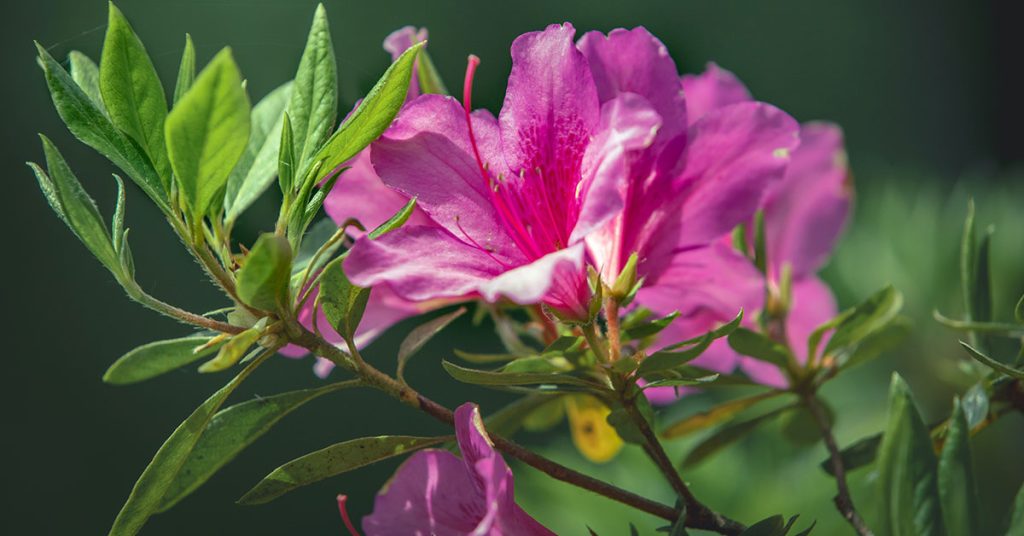
Azaleas, part of the Rhododendron family and native to Asia and North America, are famous for their vibrant, colorful blooms that create a spectacular floral display. However, even a small ingestion of azalea leaves or flowers can cause severe vomiting, diarrhea, and even cardiovascular collapse in cats. In my own garden, I learned to appreciate azaleas from a distance, knowing that their beauty comes at a potential risk to our feline companions.
Their attractive clusters may lure curious cats into nibbling on the blooms, so it’s best to avoid planting azaleas in areas where your pet has access. Despite their non-invasive growth, the inherent toxicity makes them a risky choice for households with cats. Every time I see an azalea in full bloom, I’m reminded that beauty sometimes has a dangerous side, urging us to choose wisely for the safety of our pets.
Dieffenbachia (Dumb Cane)
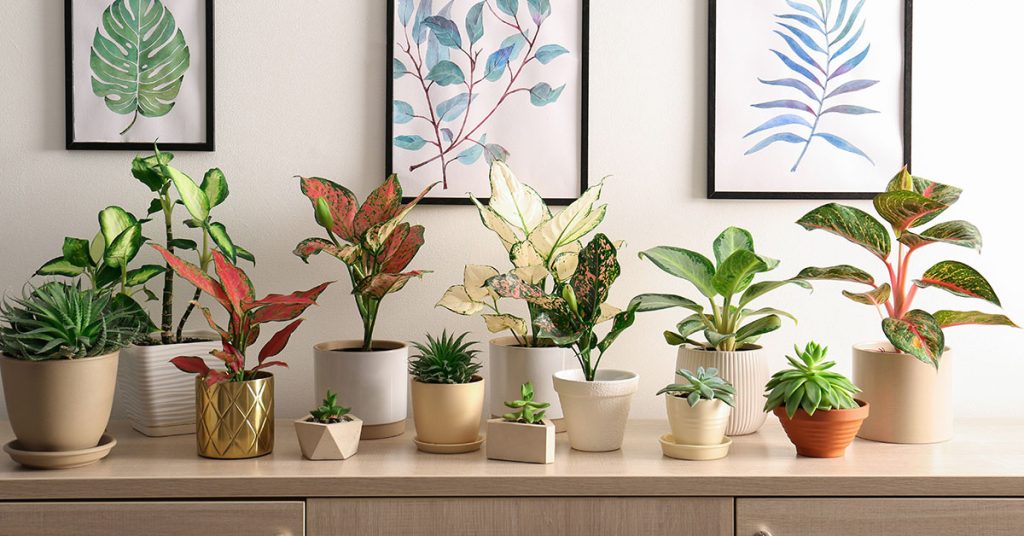
Dieffenbachia, commonly known as Dumb Cane, is a popular houseplant native to tropical regions of Central and South America, admired for its large, variegated leaves and easy care. Unfortunately, this plant contains insoluble calcium oxalate crystals that are toxic to cats, causing oral irritation, swelling, and difficulty swallowing. In my indoor garden, I quickly learned that while dieffenbachia adds a lush, tropical vibe, it can be a hazard if your cat decides to chew on its leaves.
Despite its attractive appearance, dieffenbachia is non-invasive and grows well in low-light conditions—but its toxicity far outweighs its benefits for pet owners. I always advise keeping this plant out of reach of curious paws, as even a small bite can lead to painful, potentially serious consequences. Every time I see dieffenbachia, I’m reminded to carefully balance beauty with safety in my indoor spaces!
Pothos (Devil’s Ivy)
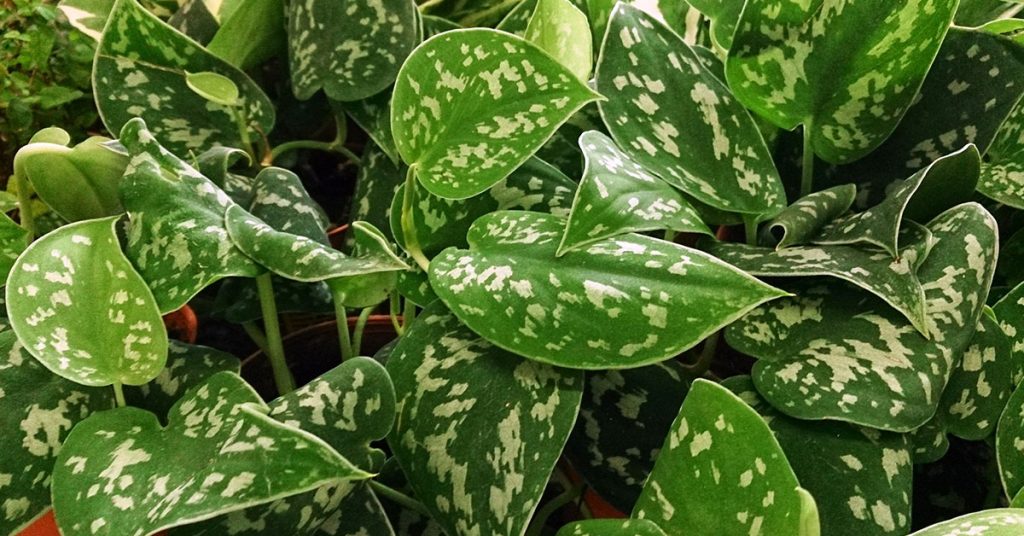
Pothos, also known as Devil’s Ivy, is a common indoor plant native to Southeast Asia that’s cherished for its attractive, trailing vines and ease of care. However, pothos contains calcium oxalate crystals that can cause significant irritation, vomiting, and swelling if ingested by cats. In my home, I once had a close call with a cat that sampled a leaf, and it served as a stark reminder that even a seemingly harmless plant can be dangerous.
Although pothos is non-invasive and thrives in low light, its toxicity makes it a risky choice for households with cats. I now ensure that any pothos is placed in areas completely inaccessible to my pets or replaced with a safer alternative. Every time I see those lush, heart-shaped leaves, I’m reminded of the importance of vigilance in a pet-friendly garden—beauty must never come at the cost of safety!
Cyclamen
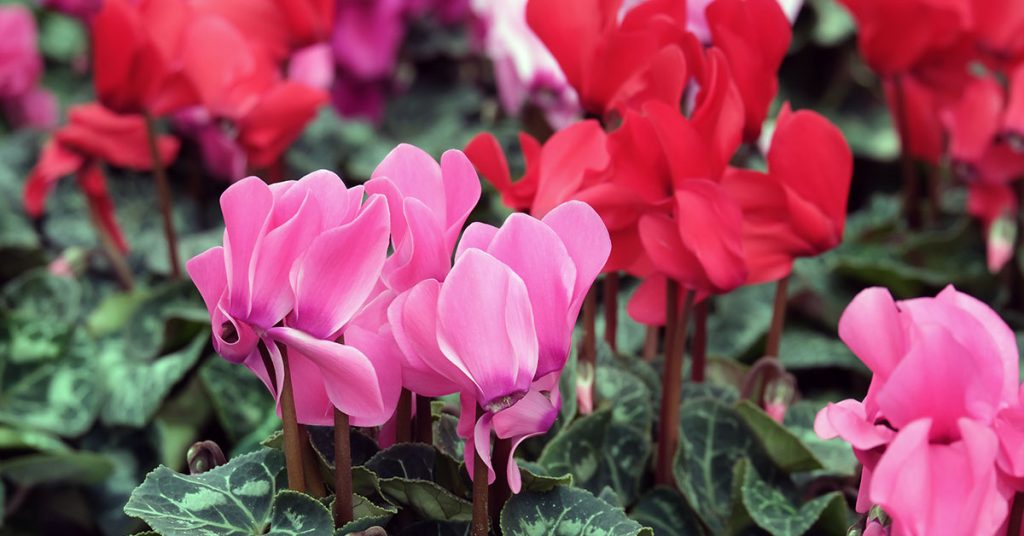
Cyclamen is a charming flowering plant native to the Mediterranean and parts of Asia, prized for its delicate, upswept petals and attractive, heart-shaped leaves. Despite its ornamental appeal, cyclamen is toxic to cats, particularly the tubers, which can cause significant gastrointestinal distress if ingested. In my garden, I’ve seen how cyclamen’s enchanting blossoms can lure in curious pets, making it a potential hazard in a household with cats.
While cyclamen adds a touch of elegance and color to shady garden spots, its toxic nature means it’s best kept well out of reach of feline friends. Its non-invasive growth is a plus in a controlled garden setting, but the risk it poses far outweighs its aesthetic benefits for pet owners. Every time I come across a cyclamen, I’m reminded of the delicate balance between natural beauty and the safety of our beloved companions!
English Ivy

English Ivy, native to Europe, is a popular ground cover known for its classic, trailing vines and evergreen leaves. However, this attractive plant can be harmful to cats if ingested, as it may cause vomiting, abdominal pain, and diarrhea. In my garden, English Ivy’s vigorous growth and ability to climb walls or drape over containers make it a tempting choice—but for pet owners, its potential toxicity is a serious concern.
Despite its non-invasive tendencies when pruned regularly, English Ivy’s appeal is overshadowed by the risk it poses to curious cats. I always advise fellow gardeners with pets to either avoid English Ivy or ensure it’s placed in areas completely inaccessible to animals. Every time I see English Ivy cascading over a trellis, I’m reminded that nature’s beauty should never compromise the well-being of our furry friends!
Tulips
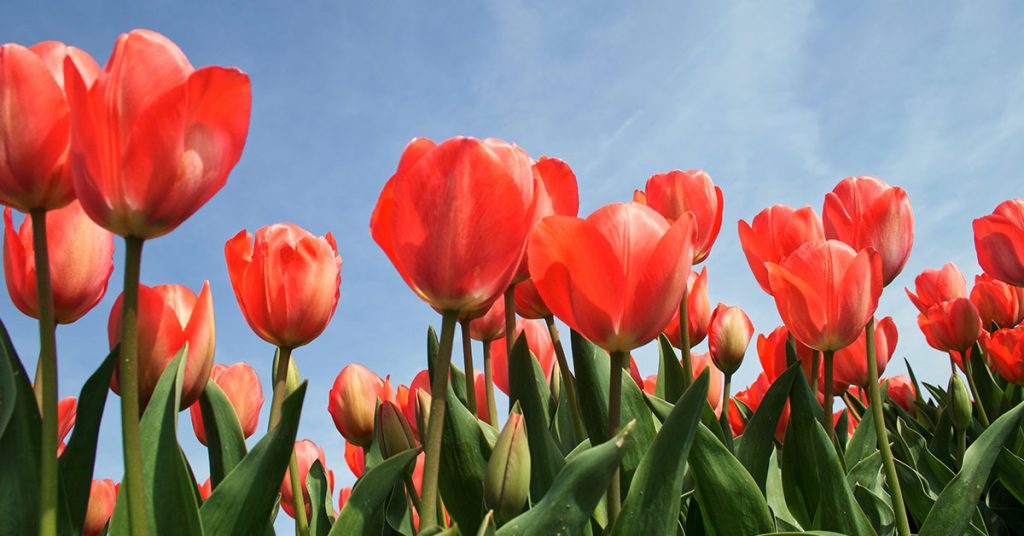
Tulips, native to Central Asia and later cultivated widely in Europe, are renowned for their elegant, cup-shaped blooms and vibrant colors that make any garden burst with life. Yet, tulip bulbs and even the leaves can be toxic to cats if ingested, causing gastrointestinal irritation and other symptoms. In my garden, while tulips add a striking burst of color in the spring, I’ve learned to exercise caution around them if I know a curious cat might get too close.
Though tulips are non-invasive and relatively easy to grow in well-drained soil with plenty of sunlight, their potential danger to pets means they should be planted in secure locations. Every time I see a bed of tulips, it fills me with admiration for their beauty, but also a reminder to keep my feline friends safe. Their seasonal charm is undeniable, yet it’s crucial to balance aesthetics with pet safety in your garden!
Chrysanthemums

Chrysanthemums, native to Asia and northeastern Europe, are celebrated for their dense, daisy-like blooms and a subtle, spicy fragrance that fills the air. Despite their ornamental appeal, chrysanthemums are known to be toxic to cats if ingested, potentially causing gastrointestinal distress and other adverse reactions. In my garden, these flowers add a burst of color in the fall, but I’ve learned to be cautious about where they’re placed to avoid any accidental nibbling by curious pets.
Their non-invasive nature makes them easy to cultivate in open garden beds, yet the risk of toxicity has led me to keep them well out of reach of my cats. Every time I prune a patch of chrysanthemums, I’m reminded of the delicate balance between beauty and safety in a pet-friendly garden. Their vibrant blossoms are a true spectacle, but they require extra care to ensure that our beloved animals remain safe and sound.
Daffodils
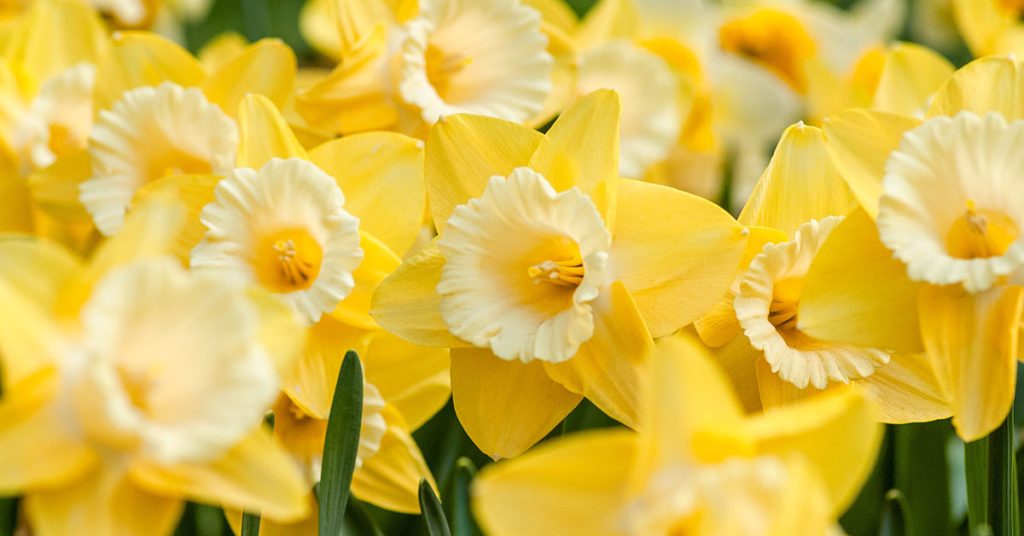
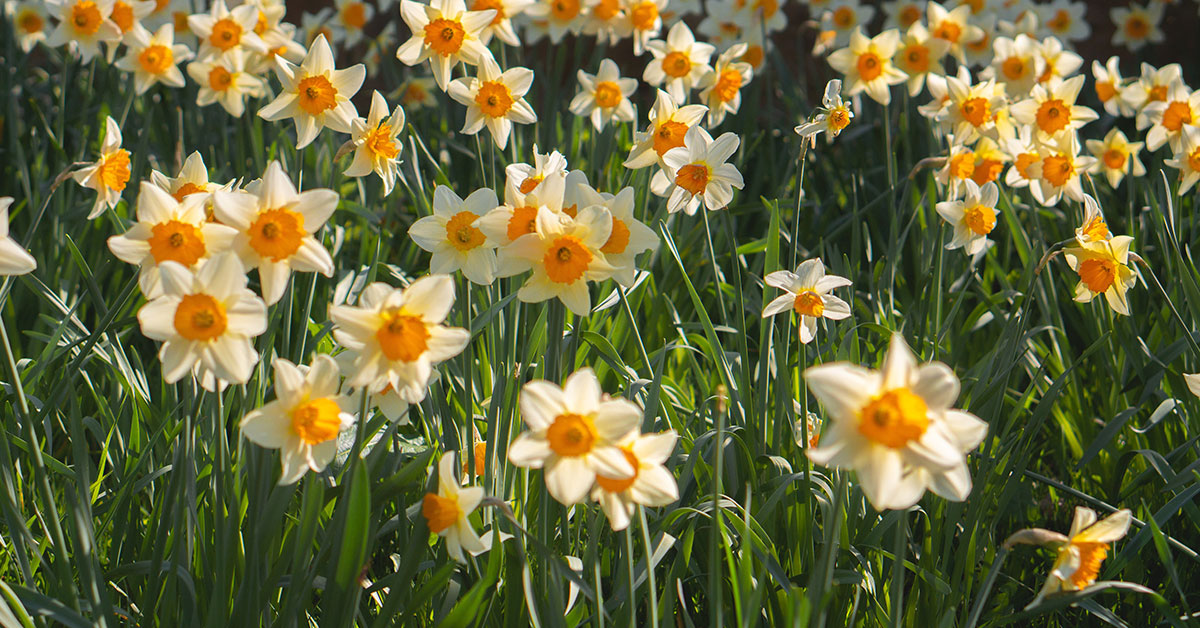
Daffodils, native to the Mediterranean region, are a herald of spring with their bright yellow trumpets and delicate white petals. However, all parts of the daffodil plant are toxic to cats, causing symptoms ranging from vomiting and diarrhea to more severe reactions if ingested. In my garden, daffodils bring an air of festive cheer each spring, but I always take precautions to keep them away from any curious paws that might be tempted by their vibrant allure.
Although daffodils are non-invasive and relatively easy to grow in well-drained soil, their potent toxicity means they should be planted in areas where pets cannot access them. Every time I see a cluster of daffodils, I’m struck by their joyful appearance and the reminder that nature’s beauty often comes with a warning—so it’s essential to prioritize the safety of our furry companions above all else!
Yew
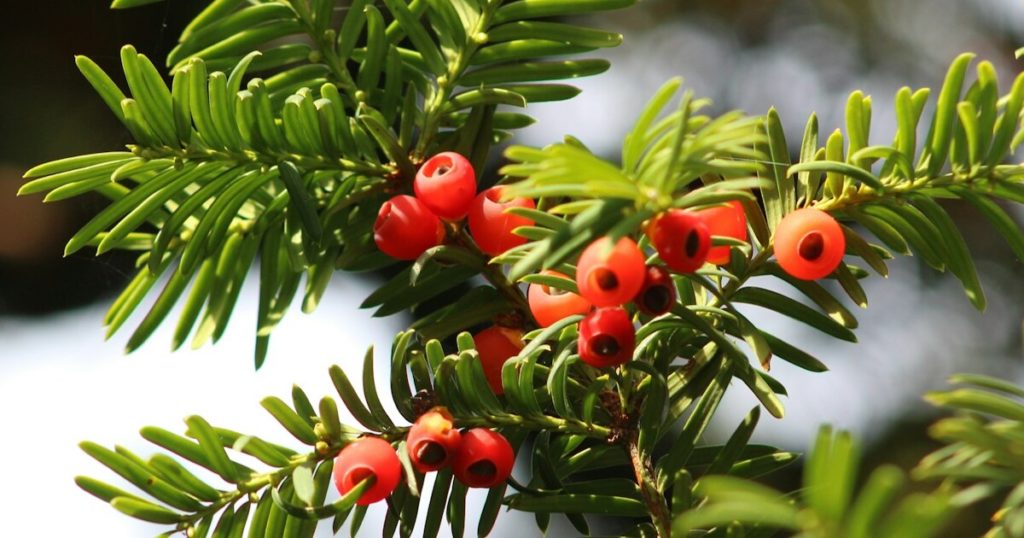
Yew (Taxus baccata) is a stately, evergreen tree native to Europe, known for its dense, dark foliage and red, berry-like structures. Despite its elegant appearance, yew is highly toxic to cats, with all parts of the plant—except for the flesh of the berries—posing a severe risk if ingested. In my garden, yew is often admired for its classic, formal look, but its potential danger to pets means it must be handled with extreme caution around any feline friends.
Even though yew grows slowly and is non-invasive when properly managed, its potent toxicity overshadows its aesthetic benefits in a pet-friendly landscape. I always advise fellow gardeners with cats to avoid planting yew near areas where their pets roam. Every time I see a yew, I’m reminded of the importance of balancing natural beauty with the well-being of our beloved animals—a crucial consideration in any garden design!
Autumn Crocus
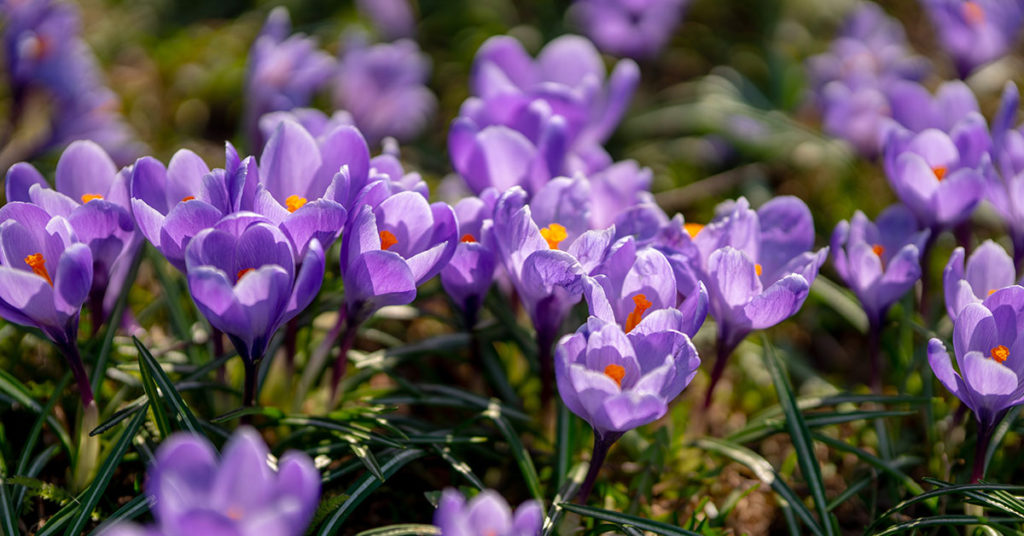
Autumn Crocus (Colchicum autumnale) is a stunning flowering plant native to the Mediterranean region that produces delicate, crocus-like blooms in the fall. Despite its beauty, every part of the autumn crocus is toxic to cats, with ingestion leading to severe gastrointestinal issues and other potentially life-threatening symptoms. In my garden, these plants create a dramatic display of color as they bloom in the later months, but I’ve learned to keep them strictly out of reach of curious pets.
While autumn crocus is non-invasive and thrives in well-drained soil with plenty of sunlight, its toxicity makes it a high-risk plant for households with cats. Every time I spot these elegant blooms, I’m reminded that even the most beautiful flowers can harbor hidden dangers, urging us to carefully consider our planting choices for the safety of our furry companions.
Catnip (Good for Cats)
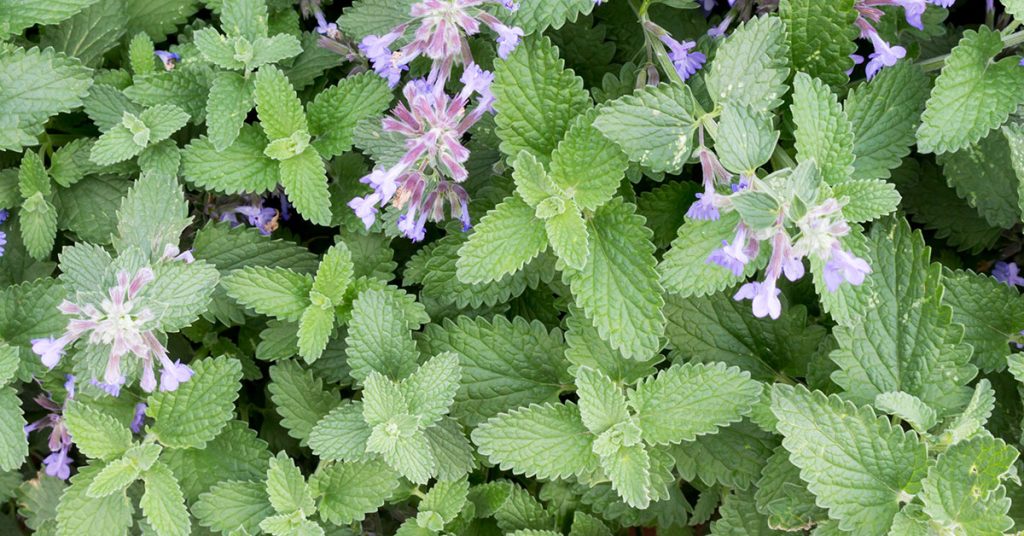
Catnip (Nepeta cataria) is a delightful herb native to Europe and Asia that is famously loved by cats for its euphoric effects. In my garden, catnip not only produces charming, small clusters of purple flowers but also serves as a safe, non-toxic treat that stimulates playful behavior in our feline friends. Its aromatic leaves attract beneficial insects like bees, which help with pollination, and sometimes even provide a cozy nesting spot for small critters.
This herb is a must-have for any cat-friendly garden, thriving in full sun to partial shade and well-drained soil with minimal care. With its non-invasive growth habit and continuous harvest, catnip offers endless hours of entertainment and relaxation for both cats and their human companions. Every time I see a cat rolling blissfully in a patch of catnip, it fills me with joy and reaffirms the magic of a pet-friendly garden!
Cat Grass (Wheatgrass) (Good for Cats)

Cat Grass, often grown from wheatgrass seeds, is a simple yet essential addition to any home with cats. Native to temperate regions, this fast-growing grass offers a safe, nutritious supplement that aids in digestion and helps reduce hairballs. In my garden, cat grass not only adds a vibrant, green element but also attracts beneficial insects that help pollinate nearby plants, creating a mini-ecosystem that benefits the entire space.
Non-invasive and easy to grow in containers or small garden beds, cat grass requires minimal care and provides a continuous supply of fresh, tender blades. Every time I see my cats happily munching on cat grass, I’m reminded that sometimes nature’s simplest gifts can be the most beneficial—a small patch of green that nurtures health and happiness in our furry friends!
Valerian (Good for Cats)
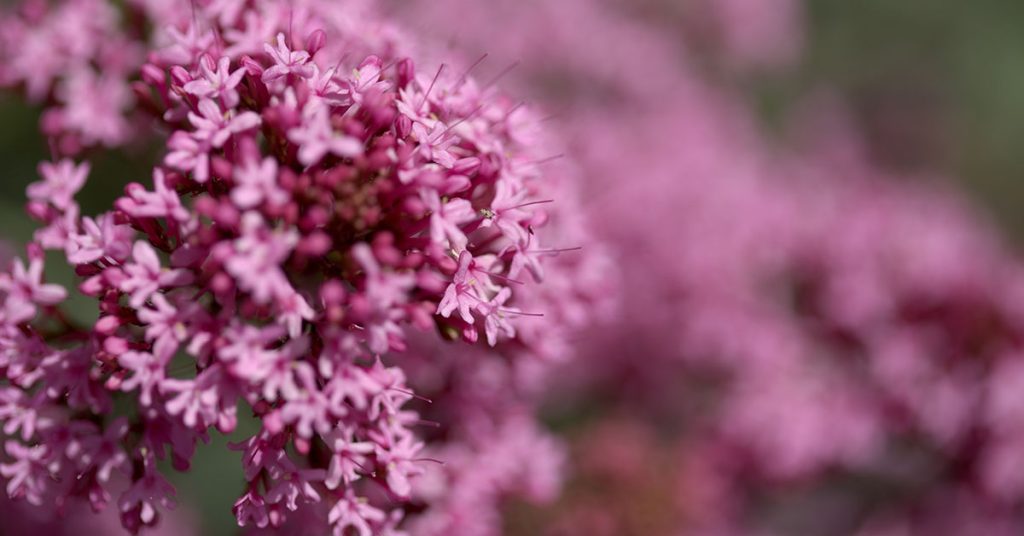
Valerian (Valeriana officinalis) is a robust perennial herb native to Europe and Asia, celebrated for its sedative properties and its ability to attract cats with its distinctive, musky aroma. In my garden, valerian’s tall, spiky clusters of small, sweet-scented flowers are a magnet for bees and butterflies, which help to maintain a balanced ecosystem. Interestingly, many cats are drawn to valerian, sometimes displaying playful, euphoric behavior when exposed to its aroma—a natural source of entertainment and relaxation!
This non-invasive herb thrives in well-drained soil with plenty of sunlight and is easy to care for, making it a superb choice for container gardens as well as traditional beds. With regular watering and a bit of organic fertilizer, valerian produces a continuous harvest that not only delights our feline friends but also adds a unique, calming touch to any garden. Every time I see a cat frolicking near my valerian, I’m reminded of nature’s quirky way of bringing joy and serenity together!
Spider Plant (Good for Cats)
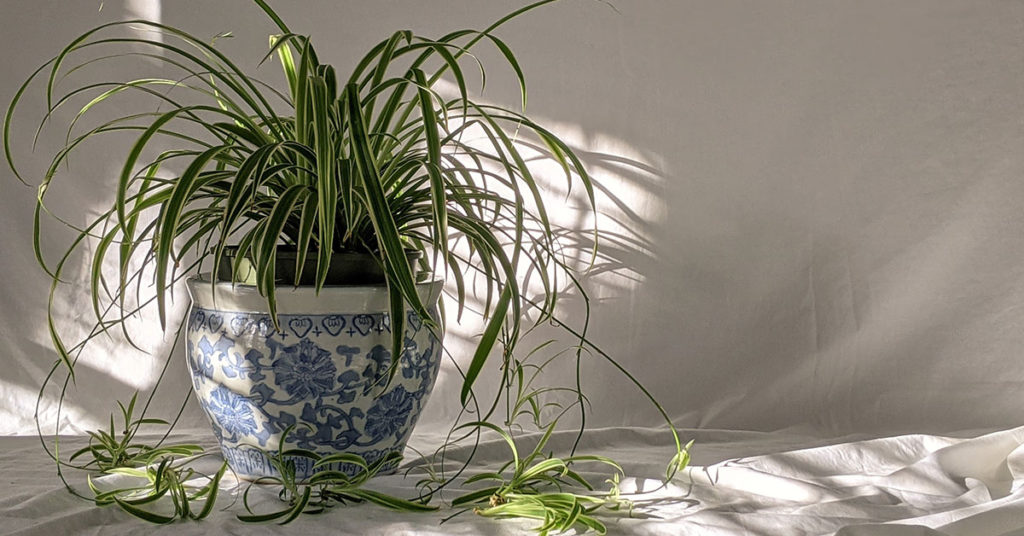
Spider Plant (Chlorophytum comosum) is a popular indoor plant native to South Africa that is completely non-toxic and often enjoyed by cats. Its long, arching, variegated leaves create a visually striking display while attracting small insects that help maintain a balanced indoor ecosystem. In my home, the spider plant’s baby offshoots—often affectionately called “spiderettes”—provide endless amusement for my curious cat, who loves to bat at the dangling green strands.
This hardy plant thrives in indirect light and requires minimal care, making it ideal for container gardening on a windowsill or as part of a larger indoor arrangement. Its non-invasive nature ensures that it won’t overwhelm your space, allowing both the plant and your cat to coexist in harmony. Every time I watch my cat play with the spiderettes, I’m reminded that a pet-friendly garden can be a delightful, interactive haven for both nature lovers and their furry companions!
Boston Fern (Good for Cats)
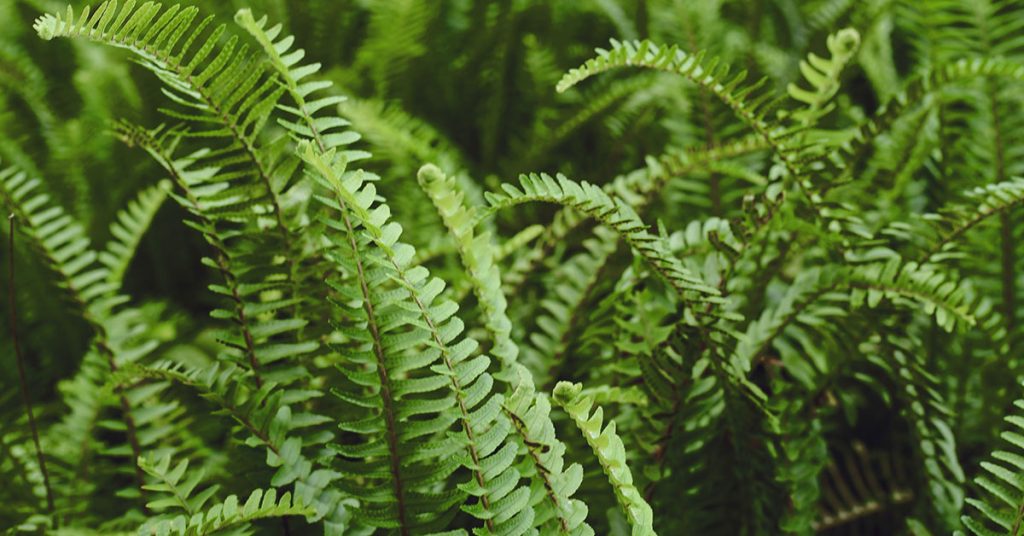
Boston Fern (Nephrolepis exaltata) is a lush, graceful fern native to tropical regions that adapts exceptionally well to indoor environments and is completely safe for cats. Its feathery, arching fronds create a verdant cascade that adds a touch of natural elegance to any room, attracting small insects and occasionally offering a cozy nook for tiny birds to perch. In my indoor garden, the Boston Fern is a constant reminder of nature’s ability to thrive in low-light conditions, creating a soft, inviting atmosphere that is both calming and refreshing.
Non-invasive and relatively low-maintenance, Boston Fern thrives in indirect light and high humidity, making it an excellent choice for bathrooms or kitchens where moisture is plentiful. With regular watering and occasional misting, this fern continues to flourish, adding a vibrant burst of green that enriches the space and pleases both the eyes and the heart. Every time I see its fronds unfurl gracefully, I’m filled with a sense of tranquility and the comforting knowledge that nature’s gentle touch is always close at hand!
Rosemary (Good for Cats)
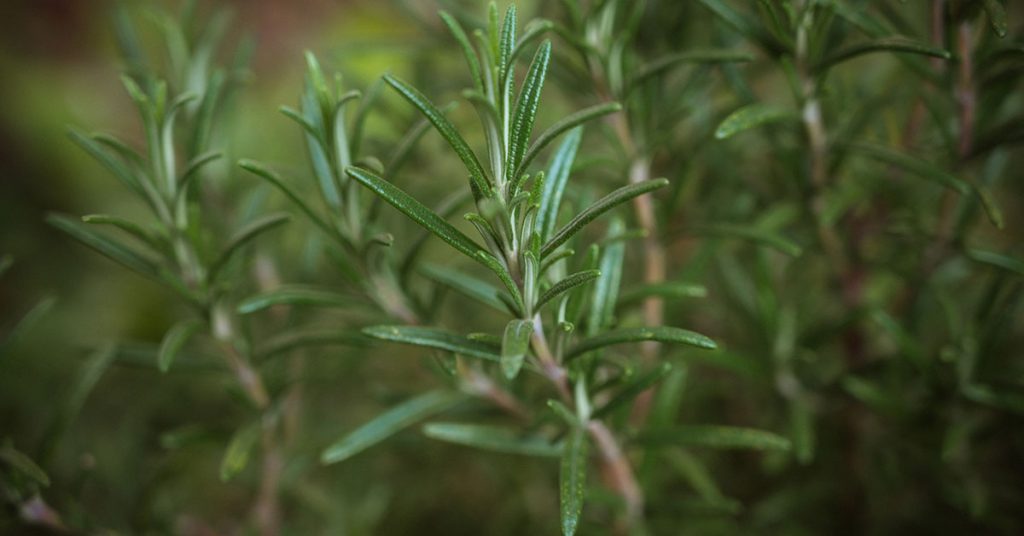
Rosemary (Rosmarinus officinalis) is a fragrant, evergreen herb native to the Mediterranean that is not only a culinary delight but also completely safe for our feline friends. In my garden, rosemary’s needle-like leaves and woody stems create an aromatic backdrop that attracts bees and small butterflies while providing a robust flavor to a variety of dishes. Its subtle, pine-like scent fills the air and offers a natural air-purifying benefit, enhancing both the beauty and functionality of any space.
This herb is non-invasive and thrives in full sun to partial shade, making it ideal for container gardens as well as outdoor beds. With minimal care—just regular watering and occasional pruning—rosemary continues to produce a steady harvest that elevates your cooking and soothes your senses. Every time I brush my fingers through a rosemary bush, I’m reminded of the enduring charm and practicality of herbs that are as good for our kitchens as they are safe for our cats!
Thyme (Good for Cats)
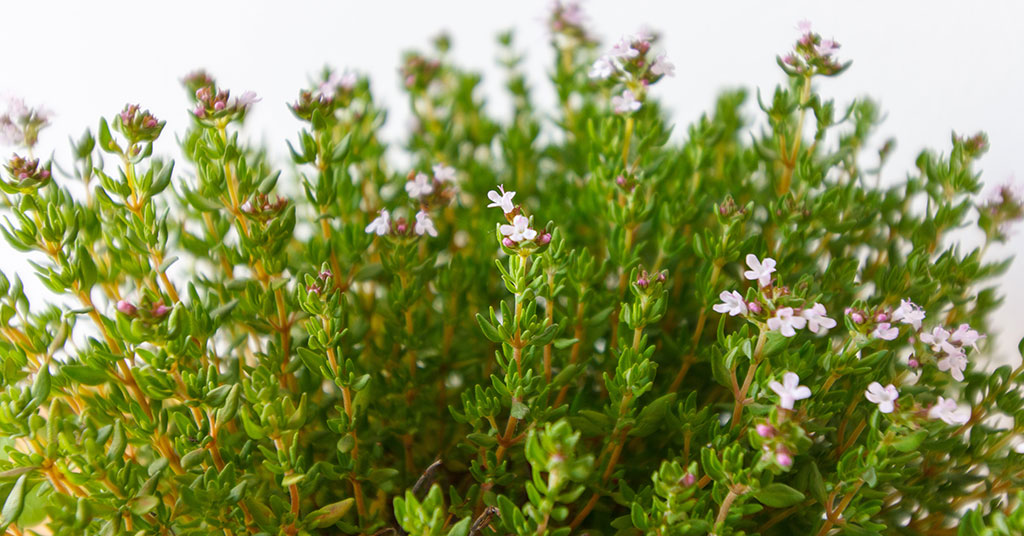
Thyme (Thymus vulgaris) is a tiny yet mighty herb native to the Mediterranean that adds a burst of flavor and a subtle, earthy fragrance to your culinary creations. In my container garden, thyme’s low-growing, non-invasive habit makes it an excellent choice for small spaces, while its small blooms attract beneficial insects like solitary bees, which help pollinate neighboring plants. Its robust nature and resilience mean that thyme can thrive even in less-than-ideal light conditions, making it a dependable staple in any herb collection.
Not only is thyme a culinary favorite, but it’s also completely safe for cats to be around, ensuring that your pet’s curiosity doesn’t lead to any mishaps. With regular watering and minimal maintenance, thyme provides a continuous harvest of aromatic leaves that enhance a wide variety of dishes, from stews to salads. Every time I sprinkle a pinch of thyme into a recipe, I’m reminded that small, humble herbs can pack a powerful punch of flavor and natural charm!
Basil (Good for Cats)
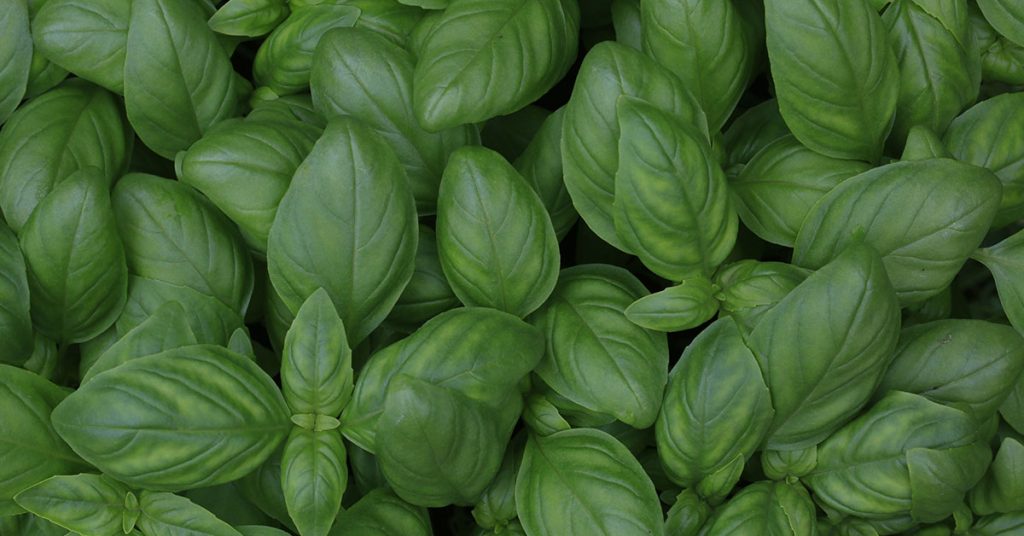
Basil is a beloved herb native to tropical regions of central Africa and Southeast Asia, renowned for its vibrant flavor and sweet aroma that enhances countless dishes. In my garden, basil not only produces lush, green leaves that attract bees and butterflies, but its safe, non-toxic nature also makes it a perfect companion for households with cats. Its broad, glossy leaves and delicate flowers add both culinary delight and visual appeal, making basil a versatile asset in any container garden.
Thriving in full sun to partial shade and well-drained soil, basil is remarkably low-maintenance and non-invasive, ensuring that it stays neatly contained while still producing an abundant yield. With regular watering and a bit of pruning to encourage bushier growth, basil offers a continuous harvest that enriches your cooking and brightens your garden. Every time I harvest basil, I’m reminded that nature’s best flavors are meant to be shared—with both our families and our furry companions!