
Gardening in the desert may seem like an impossible task, but it’s an adventure filled with resilient beauty and surprising abundance! As a dedicated gardener who’s battled blistering heat, shifting sands, and the occasional pest invasion, I know how challenging it can be to find plants that not only survive but flourish under these harsh conditions. Over the years, I’ve discovered a wonderful collection of desert-adapted plants that bring vibrant color, texture, and even ecological benefits to arid landscapes. These plants, native to some of the world’s driest regions, have mastered the art of water conservation and require minimal maintenance—making them perfect for gardeners looking for low-fuss, high-impact greenery!
I understand how frustrating it is when your garden struggles under extreme heat or when invasive species disrupt your carefully planned oasis. That’s why I’m excited to share these 16 hardy plants that thrive in desert conditions! Each selection comes with its own unique story—from its native habitat and growth behaviors to the way it attracts pollinators and even offers shelter for small creatures. Whether you’re tending a sprawling backyard or a modest container garden, these desert survivors promise to transform your space into a vibrant, sustainable landscape that celebrates the raw beauty of the arid outdoors!
Agave
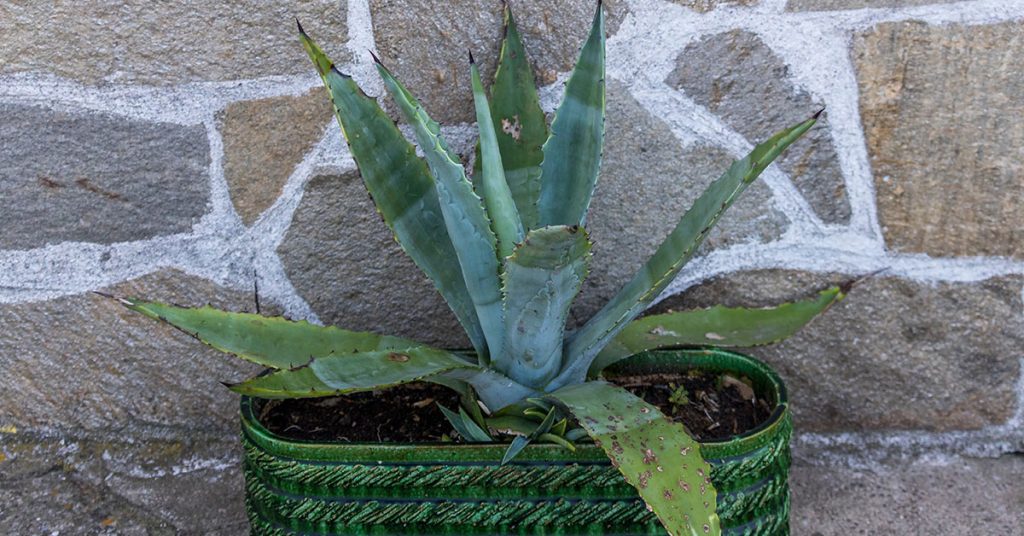
Agave is a quintessential desert succulent, native to the arid regions of the Americas, renowned for its dramatic rosette form and water-storing leaves. In my garden, agave adds an architectural focal point with its spiky, sculptural appearance, attracting a variety of beneficial insects like solitary bees that visit its tiny flowers. Its unique structure not only conserves water but also creates microhabitats where small lizards and birds might perch or nest, making it a living work of art in the harsh desert environment!
Despite its fierce appearance, agave is remarkably non-invasive and thrives in rocky, well-drained soil with minimal care. I always marvel at how these hardy succulents require little more than occasional watering during prolonged droughts, making them perfect for desert landscaping. Every time I see an agave silhouetted against a blazing sunset, it’s a reminder that even in the most extreme climates, nature can be both resilient and stunning!
Aloe Vera

Aloe Vera is a versatile succulent that hails from the Arabian Peninsula and has spread throughout arid regions worldwide. In my garden, its thick, fleshy leaves not only store precious water but also release a soothing gel that’s prized for its medicinal properties. The plant’s subtle, yellow tubular flowers attract hummingbirds and bees, which help pollinate the area, while its robust growth offers shelter for small desert insects looking for a cool refuge.
This low-maintenance plant is non-invasive and thrives in full sun or partial shade with well-drained soil, making it ideal for desert gardens. With its striking form and healing qualities, aloe vera transforms any dry landscape into a practical, beautiful oasis. Every time I tend to my aloe, I’m reminded that nature’s simplest remedies often come from the most resilient plants in the harshest environments!
Yucca

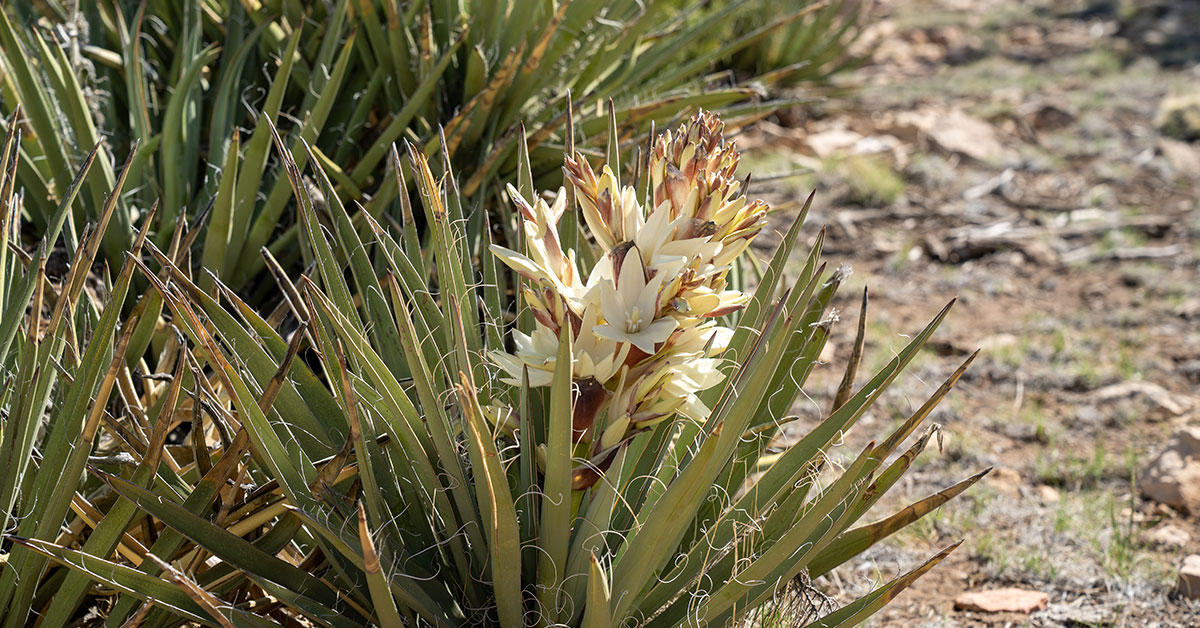
Yucca is an iconic desert plant, native to the arid regions of North and Central America, known for its sword-like leaves and tall, dramatic flower spikes. In my garden, yucca creates an unmistakable, sculptural presence that not only adds visual drama but also attracts a range of pollinators, including moths and bees, which delight in its creamy white blossoms. Its rigid form provides excellent cover for small reptiles and birds, turning it into a natural refuge amid the sandy expanse.
Despite its imposing appearance, yucca is a low-maintenance, non-invasive marvel that thrives in well-drained soil and full sun. Its ability to withstand prolonged drought and extreme temperatures makes it a favorite for desert landscapes. Every time I see a yucca plant standing tall against a backdrop of blue skies, it’s a striking reminder that even the harshest conditions can be conquered with nature’s own design!
Desert Marigold

Desert Marigold (Baileya multiradiata) is a cheerful annual native to the arid regions of North America, celebrated for its bright yellow, daisy-like blooms that seem to capture the spirit of the desert sun. In my garden, these hardy flowers add a burst of radiant color and attract an array of pollinators, including bees and butterflies that help maintain a vibrant ecosystem. Their delicate petals and abundant nectar create a lively environment that feels both uplifting and soothing amid the stark desert landscape.
This resilient plant is non-invasive and thrives in sandy, well-drained soil with minimal water, making it a perfect choice for low-maintenance desert gardens. With its effortless beauty and robust nature, Desert Marigold is a reminder that even the most challenging climates can produce a dazzling display of color and life! Every time I see these sunny blooms, I feel a surge of optimism and the refreshing promise of nature’s enduring resilience.
Penstemon
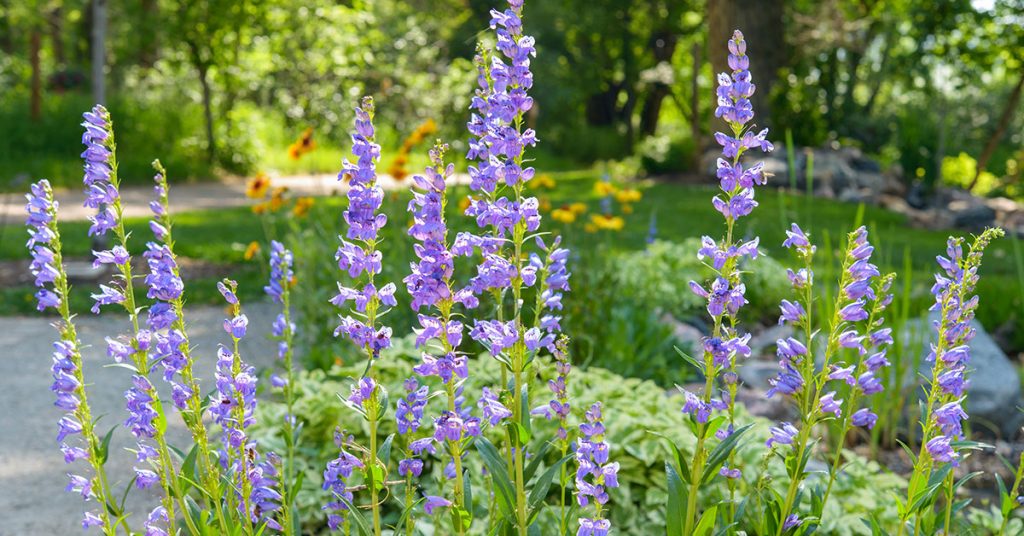
Penstemon, often known as beardtongue, is a striking perennial native to the arid regions of western North America, renowned for its tubular, vibrant blooms that attract hummingbirds and bees. In my garden, penstemon stands out with its bold colors and unique flower shape, which not only provides a visual treat but also serves as a crucial food source for pollinators. Its elegant spikes create a dynamic, vertical element in the garden, while its nectar-rich blossoms encourage nature’s tiny workers to visit and thrive.
This hardy herb is non-invasive and well-suited to rocky, well-drained soils, making it an excellent choice for desert landscapes. With minimal watering and occasional pruning, penstemon rewards me with a continuous burst of color and a lively, buzzing atmosphere. Every time I see a hummingbird hovering near penstemon, I’m reminded that even in the arid heat, nature’s delicate symphony of life continues to play on!
Ocotillo

Ocotillo (Fouquieria splendens) is a fascinating desert shrub native to the southwestern United States and northern Mexico, celebrated for its spiny, whip-like stems that suddenly burst into vibrant red flowers after rain. In my garden, ocotillo is a true conversation starter, its dramatic flowering display attracting hummingbirds and bees that eagerly sip the nectar from its slender blossoms. Its unique appearance, reminiscent of both a cactus and a shrub, adds an intriguing, sculptural element that embodies the wild spirit of the desert.
Despite its spiky exterior, ocotillo is non-invasive and thrives in extremely arid conditions with minimal water and well-drained soil. Its unpredictable blooming pattern, often triggered by the desert’s rare rainfall, creates a sense of magic and wonder that never ceases to amaze me. Every time I witness ocotillo in full bloom, it feels like nature’s own spectacular show—a reminder that even in the harshest environments, beauty can emerge in the most unexpected ways!
Saguaro Cactus
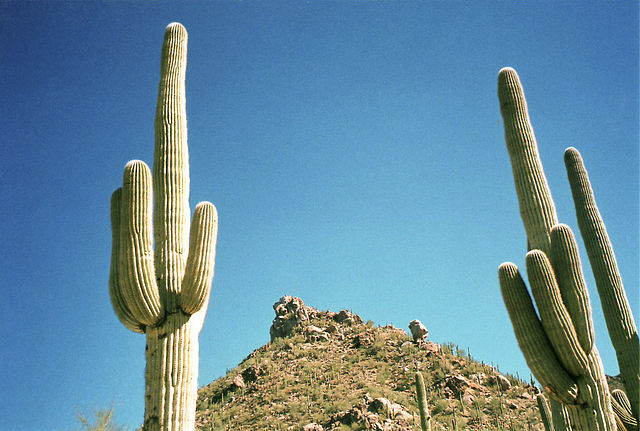
The Saguaro Cactus (Carnegiea gigantea) is an iconic symbol of the desert, native to the Sonoran Desert in the southwestern United States and northwestern Mexico. Its towering, ribbed form and majestic arms create a dramatic silhouette that captures the spirit of the desert, while its white, nocturnal flowers attract bats, bees, and even hummingbirds during the cool desert evenings. In my garden, the saguaro serves as both a powerful natural monument and a haven for nesting birds that perch on its sturdy structure.
Although saguaros grow slowly and require a lot of space, they are non-invasive and remarkably resilient, thriving in extreme heat and minimal water conditions. Their ability to store water in their massive, fleshy stems and survive long droughts makes them a true marvel of desert adaptation. Every time I see a saguaro standing tall against the vast sky, I’m filled with awe and a profound respect for nature’s enduring strength and timeless beauty!
Prickly Pear Cactus

Prickly Pear Cactus (Opuntia spp.) is a versatile and hardy desert plant native to the Americas, prized for its flat, paddle-like cladodes and vibrant, edible fruit known as tunas. In my garden, prickly pear not only adds a unique, sculptural element with its spiny, geometric leaves but also attracts hummingbirds and bees that feed on its brilliant flowers. Its fruits are a delightful bonus, offering a sweet, refreshing taste that’s a true gift from the desert!
This cactus is non-invasive when managed properly and thrives in sandy, well-drained soils with minimal water, making it an ideal choice for arid landscapes. Its rapid adaptation to harsh conditions and its ability to serve as both an ornamental and a food source make prickly pear a prized addition to any desert garden. Every time I harvest a ripe tuna, I’m reminded that even the toughest plants can yield nature’s sweetest rewards!
Cholla Cactus
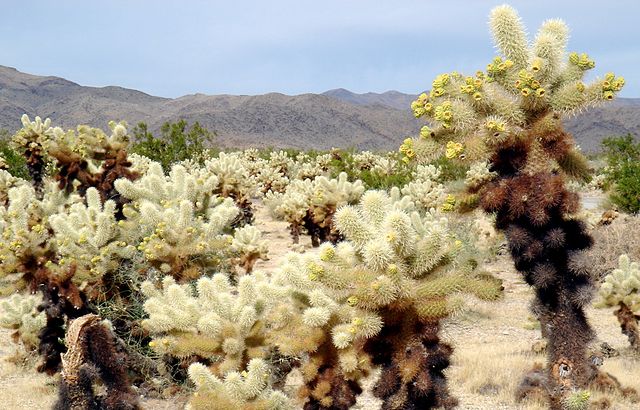
Cholla Cactus (Cylindropuntia spp.) is a fascinating desert dweller, native to the arid regions of the southwestern United States and northern Mexico, renowned for its intricate, spiny structure. In my garden, cholla adds a wild, dramatic flair with its segmented, cylindrical stems and vibrant blooms that attract hummingbirds and bees. Its unique texture provides an interesting contrast to smoother succulents and even offers a perch for small desert birds seeking a safe haven amidst its thorns.
Despite its intimidating appearance, cholla is non-invasive when given enough space and proper care in well-drained soil. Its remarkable drought tolerance and low maintenance requirements make it a favorite among gardeners who appreciate the raw, rugged beauty of desert landscapes. Every time I admire a cholla cactus, I’m reminded that nature’s most striking designs often emerge in the most unforgiving environments—a testament to the power and resilience of life in the desert!
Desert Sunflower
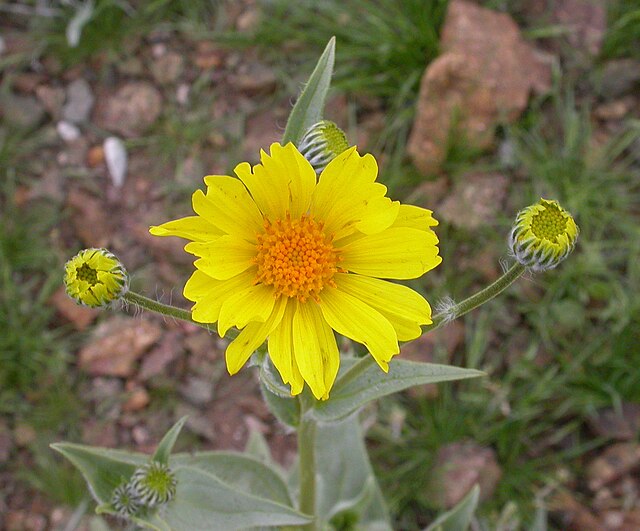
Desert Sunflower (Geraea canescens) is a radiant annual native to the deserts of North America, celebrated for its vibrant, daisy-like blooms that seem to capture the very essence of the desert sun. In my garden, these cheerful flowers provide a brilliant burst of color, attracting bees, butterflies, and even small birds that use the dense foliage for shelter. Their hardy nature and rapid growth make them an ideal choice for adding a lively, energetic touch to arid landscapes.
Despite their prolific blooming, desert sunflowers remain non-invasive and thrive in sandy, well-drained soils with minimal water. Their ability to flourish in harsh, sun-drenched conditions is a testament to the resilience of desert flora, offering a continual display of golden radiance that uplifts the spirit. Every time I see these sun-kissed blooms, it fills me with the warmth and optimism of the desert, a true celebration of nature’s indomitable spirit!
Apache Plume

Apache Plume (Fallugia paradoxa) is a unique, multi-stemmed shrub native to the southwestern United States that adds a soft, airy texture to desert gardens. In my experience, its fine, feathery foliage and clusters of small, inconspicuous flowers create a delicate, wind-swept effect that attracts a variety of beneficial insects, including bees and butterflies. The plant’s graceful, spreading habit provides an ideal backdrop for other desert flora while offering subtle shelter for small desert birds seeking refuge during the cooler parts of the day.
Despite its somewhat wild appearance, Apache Plume is non-invasive and thrives in well-drained soils with minimal water. Its rustic charm and low-maintenance nature make it a perfect candidate for creating a natural, untamed landscape that still remains manageable. Every time I see Apache Plume dancing in the desert breeze, it reminds me that even the most modest plants can weave a tapestry of beauty and tranquility in the harshest environments!
Russian Sage
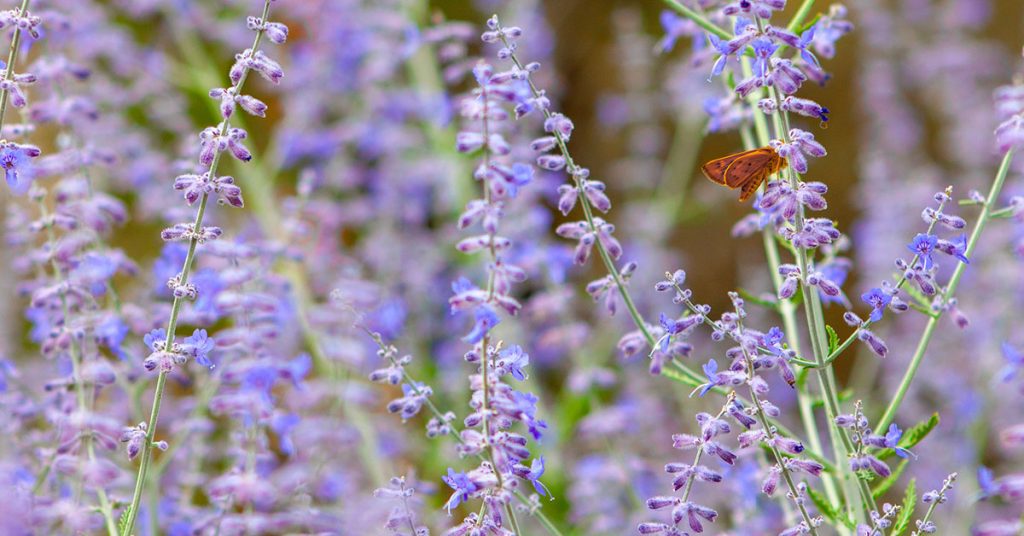
Russian Sage (Perovskia atriplicifolia) is a woody perennial native to the steppes of Central Asia that brings a silvery-blue elegance to desert gardens. Its aromatic, drought-tolerant foliage and spiky clusters of tiny, lavender-blue flowers attract bees, butterflies, and even hummingbirds that come to sip its nectar. I’m always amazed at how Russian Sage adds a cool, calming presence to the scorching desert landscape, creating a soothing counterpoint to the relentless heat.
This resilient herb is non-invasive and thrives in full sun or partial shade, particularly in well-drained, rocky soils, making it an excellent choice for gardeners seeking low-maintenance beauty. With minimal watering and occasional pruning to maintain its graceful form, Russian Sage continues to enchant with its aromatic charm and extended blooming period. Every time I catch a whiff of its soothing fragrance, I’m reminded that nature’s beauty can be both robust and refined, even in the harshest desert conditions!
Desert Sage
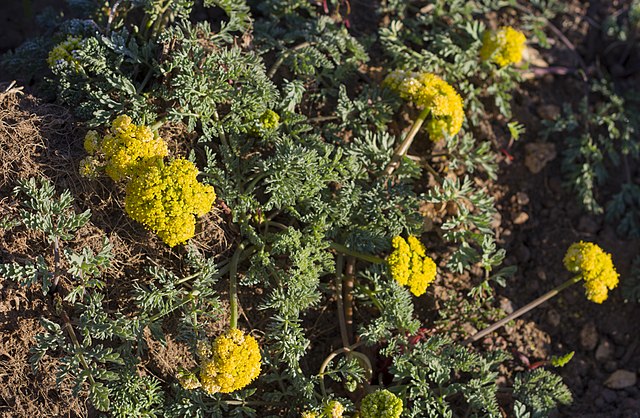
Desert Sage (Salvia dorrii) is a sun-loving perennial native to the arid regions of the southwestern United States, renowned for its aromatic foliage and vibrant spikes of deep purple flowers. In my garden, desert sage creates a dramatic display that attracts hummingbirds, bees, and butterflies, all eager to sample its rich nectar. Its silvery-green leaves and subtle, earthy fragrance add an extra dimension of beauty to any desert landscape, making it an indispensable addition to a low-water garden.
Non-invasive and remarkably adaptable, desert sage thrives in rocky, well-drained soils with minimal watering, proving that even in harsh, sun-drenched environments, nature can produce an abundance of color and life. Its long blooming season and hardy nature make it perfect for gardeners who want to enjoy the natural allure of a desert garden without the fuss of high maintenance. Every time I see desert sage in bloom, it fills me with the joy of witnessing nature’s resilience and the promise of beauty in every sunlit moment!
Lantana

Lantana (Lantana camara) is a vibrant, heat-tolerant shrub native to the tropical regions of the Americas that has adapted remarkably well to desert conditions. In my garden, lantana’s profuse clusters of brightly colored flowers—ranging from orange and yellow to pink and purple—create an eye-catching mosaic that attracts butterflies, bees, and even hummingbirds. Its vigorous flowering and subtle, sweet fragrance add a festive touch to the arid landscape, evoking the lively spirit of a desert celebration.
Although lantana can sometimes behave invasively in certain regions, when managed properly in a controlled garden setting it remains a delightful, non-invasive addition. With regular pruning and proper spacing, lantana thrives in well-drained soils and full sun, making it a perfect plant for adding a splash of color and vibrancy to a desert garden. Every time I see its radiant blooms, I’m reminded that even in the most challenging environments, nature’s palette can be bold and exuberant!
Texas Sage
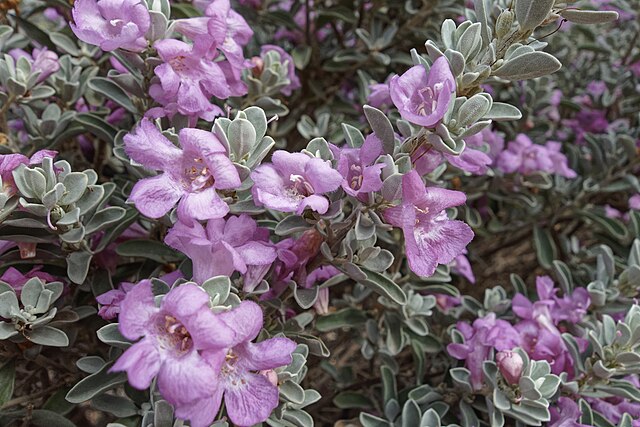
Texas Sage (Leucophyllum frutescens) is a quintessential desert shrub native to the arid regions of the southwestern United States and Mexico, celebrated for its silvery foliage and bursts of purple, pink, or white flowers. In my garden, Texas Sage not only endures the intense heat and sporadic rainfall of the desert but also attracts a variety of pollinators, including bees and butterflies, that add a lively rhythm to its graceful blooms. Its drought-tolerant nature and subtle fragrance make it a cornerstone of any low-water landscape, evoking the spirit of the rugged desert.
This hardy shrub is non-invasive and requires minimal maintenance—just the occasional pruning to shape its sprawling form. With its ability to flourish in poor, rocky soils and full sun or partial shade, Texas Sage transforms even the harshest garden spaces into an oasis of calm and beauty. Every time I stroll past my Texas Sage, I’m filled with admiration for its resilience and the serene, majestic beauty it brings to the desert environment!
Desert Ironwood
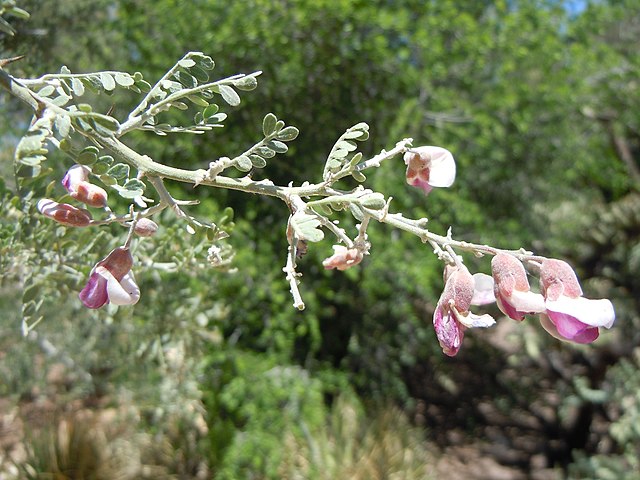
Desert Ironwood (Olneya tesota) is a remarkable tree native to the Sonoran Desert, renowned for its tough, durable wood and its ability to withstand extreme arid conditions. In my desert garden, its sparse canopy and rugged bark provide not only a striking visual contrast but also a haven for desert wildlife, including small birds that often nest in its sturdy branches. While technically a tree rather than a flowering plant, its occasional clusters of small, inconspicuous blossoms add a delicate touch to its otherwise robust form.
Desert Ironwood is non-invasive and plays a crucial role in stabilizing soil and supporting the local ecosystem, making it a valuable addition to any desert landscape. Its deep roots reach far into the parched earth, enabling it to survive prolonged droughts and harsh winters with minimal care. Every time I observe its weathered branches silhouetted against the desert sky, I’m reminded of nature’s ability to thrive under the most challenging conditions—a true testament to resilience and enduring beauty!