

There’s something deeply comforting about a garden that honors memories and offers solace—a quiet, reflective space where each bloom serves as a tribute to those we hold dear. As a gardener who’s experienced both the hardships of battling pests in challenging spots and the joy of seeing nature nurture our emotions, I know how important it is to choose flowers that evoke remembrance and provide gentle beauty near graves. These 12 flowers are not only hardy and respectful but also attract beneficial insects and create a serene, almost sacred ambiance. Their origins and enduring charm make them perfect for memorial settings, where every petal seems to whisper a story of love and remembrance.
I understand that finding the right plants for such a sensitive place can be both exciting and daunting. It’s such a bummer when your favorite blooms don’t perform well or when invasive species disrupt the peace of a cherished resting spot. That’s why I’ve curated this list with detailed insights into each flower’s native heritage, behavior, and maintenance needs, ensuring that your memorial garden remains a gentle haven.
Lavender

Lavender, native to the Mediterranean region, is renowned for its soothing fragrance and delicate purple blooms that evoke calm and contemplation. In memorial settings, its subtle aroma fills the air with a peaceful note, attracting bees and butterflies that add life and movement to the quiet surroundings. I’ve always cherished lavender in my own garden for its non-invasive growth and low maintenance, making it an ideal choice for areas around graves where a serene and fragrant atmosphere is desired.
Despite its rugged resilience, lavender requires only minimal care when planted in well-drained soil and full sun or partial shade. Its ability to self-seed modestly ensures that the beauty of this herb continues to grace the area without overwhelming other memorial plantings. Every time I see lavender swaying gently in the breeze, it serves as a tender reminder of nature’s capacity to comfort and console, making it a timeless companion in remembrance.
Chrysanthemum
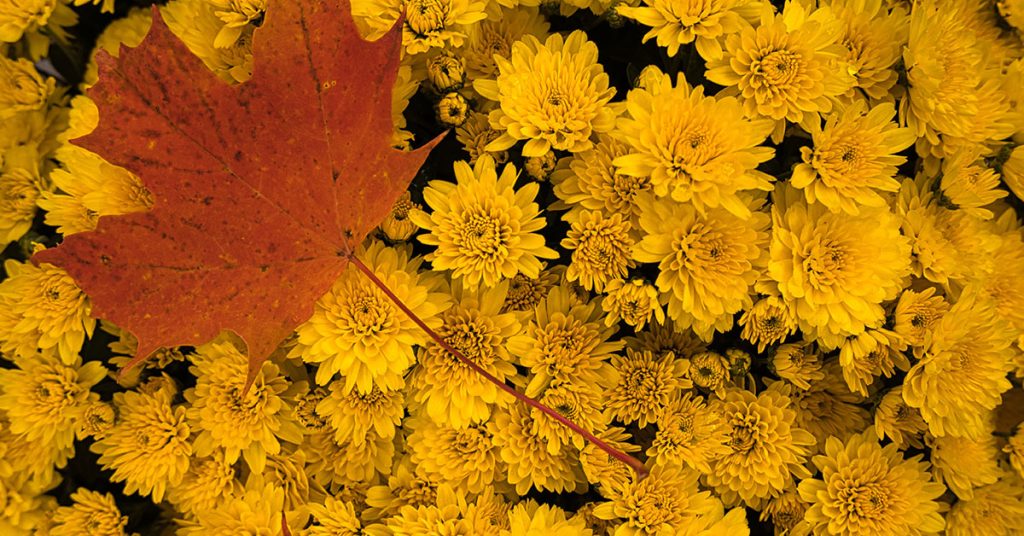
Chrysanthemums have long been a symbol of honor and remembrance in many cultures, particularly in Asia and Europe. These robust perennials produce an array of vibrant blooms that add both color and a sense of solemnity to memorial spaces. In my garden, chrysanthemums are a favorite for their ability to attract pollinators like bees and butterflies, which in turn help sustain the natural balance even near graves. Their hardy nature and diverse colors—from deep reds to soft yellows—make them an excellent choice for creating a respectful yet lively memorial display.
Known for their non-invasive behavior, chrysanthemums flourish with minimal care in well-drained soil and full sun or partial shade. With occasional deadheading to encourage fresh blooms, these flowers create a continual cycle of remembrance that honors the past while brightening the present. Every time I tend to my chrysanthemums, I’m struck by how they effortlessly combine beauty and symbolism, making them a fitting tribute in any memorial garden.
Marigold
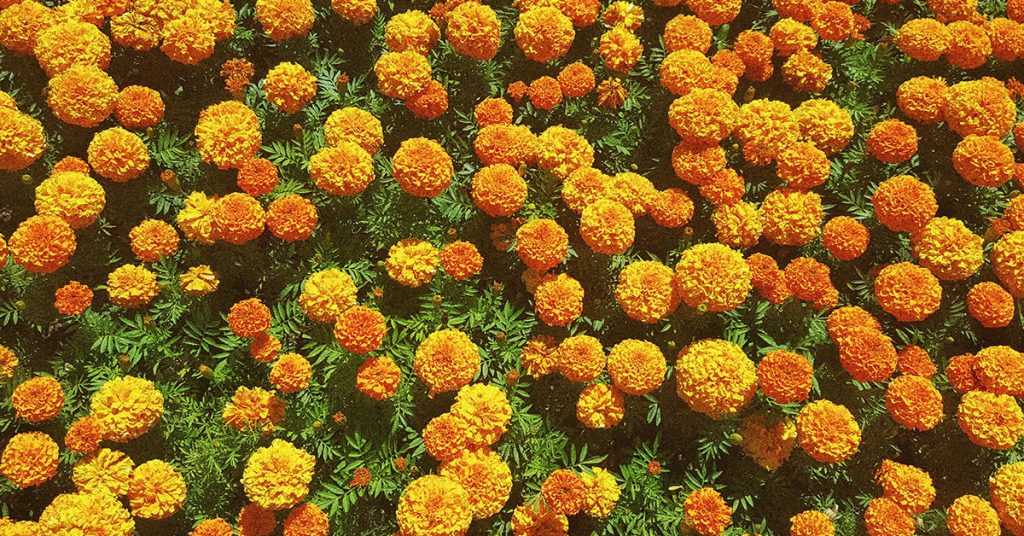
Marigolds, native to the Americas, are celebrated for their warm, vibrant hues and robust nature, which lend a sense of comfort and cheer to even the most solemn of settings. Their golden, fiery blossoms not only add a burst of color to a memorial garden but also attract beneficial insects like bees, which help pollinate nearby plants. In my own experiences, marigolds have been a reliable companion during cooler days, offering a resilient and non-invasive option that softens the starkness of stone and memorial markers.
These hardy annuals thrive in full sun or partial shade and are remarkably easy to maintain with occasional watering and deadheading. Their self-seeding habit is gentle and controlled, ensuring that they fill the area without overtaking the space—a key feature when planting near graves. Every time I see marigolds brightening a memorial, it feels as though nature is offering a small, heartfelt tribute of warmth and light.
Forget-Me-Not
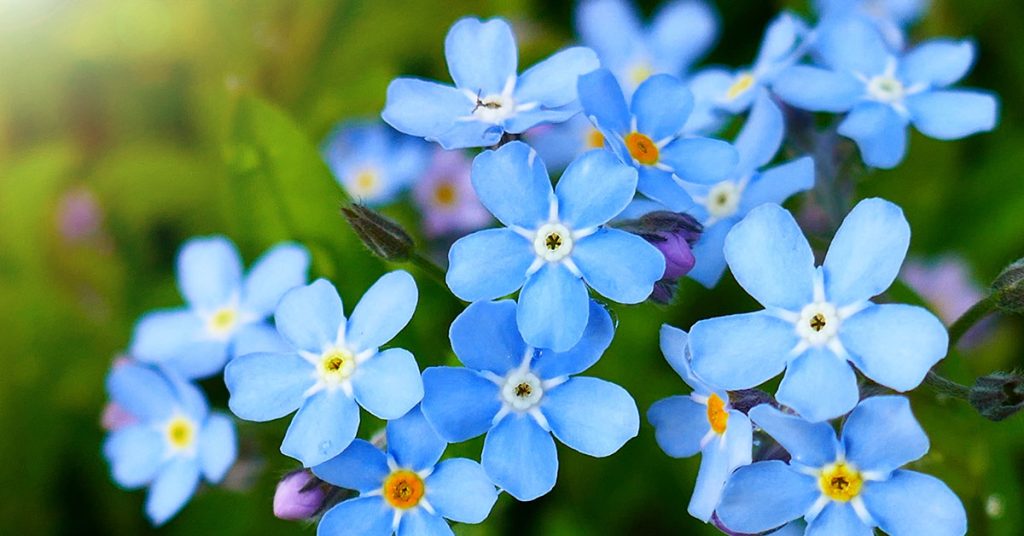
Forget-Me-Nots are small, delicate flowers native to Europe that carry a timeless message of remembrance and enduring love. Their soft blue petals and gentle appearance make them an ideal choice for planting near graves, where they add a touch of understated elegance and evoke a sense of bittersweet nostalgia. In my garden, these charming blooms attract tiny bees and other beneficial insects, creating a subtle yet effective natural ecosystem that supports the fragile beauty of a memorial setting.
Their non-invasive growth and ability to self-seed modestly ensure that forget-me-nots naturally fill in gaps without overwhelming the area. They thrive in moist, well-drained soil and can adapt to partial shade, making them perfect for cooler, reflective spaces. Every time I see a cluster of forget-me-nots, I’m reminded of the enduring nature of cherished memories—a quiet promise that even the smallest flower can hold an ocean of sentiment.
Rosemary

Rosemary, native to the Mediterranean, is a robust herb that has been used for centuries as a symbol of remembrance and fidelity. Its needle-like leaves emit a distinctive, invigorating fragrance that fills the air with warmth and nostalgia. In memorial gardens, rosemary’s evergreen quality provides a constant reminder of lasting love, while its subtle flowers attract bees and small butterflies, adding a layer of natural beauty and movement. I find that rosemary’s versatility and non-invasive growth make it a stellar addition to areas around graves, where a touch of herbal elegance is desired.
With minimal maintenance beyond regular watering and occasional pruning, rosemary thrives in well-drained soil and partial to full sun, even in colder climates. Its ability to withstand frost while continuing to release its aromatic oils makes it particularly valuable in memorial settings. Every time I catch a whiff of rosemary on a crisp day, it feels like a gentle whisper from the past—a fragrant reminder that cherished memories never fade.
Pansy
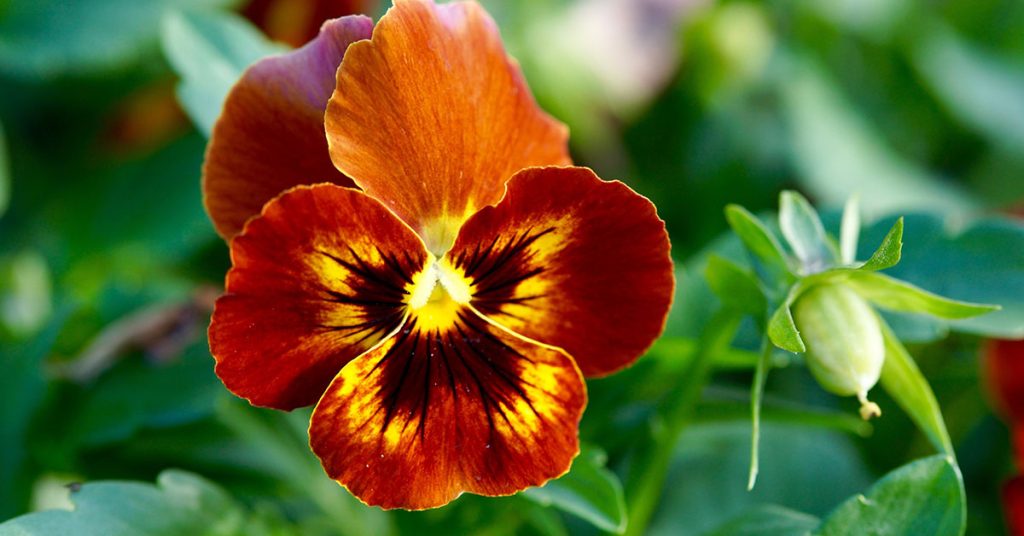
Pansies are delicate annuals native to Europe that bring a soft, poignant beauty to memorial spaces with their charming “faces” and subtle fragrance. Their cool-weather tolerance makes them perfect for gardens in temperate regions, where they can add a touch of color even during the chillier months. In my garden, pansies create an intimate, thoughtful atmosphere, attracting small bees and butterflies that flit from blossom to blossom, adding a lively, natural rhythm to the serene setting.
Their non-invasive growth habit and modest size make pansies an ideal choice for planting near graves, where they can be interspersed with other memorial flowers without overwhelming the space. With a bit of regular watering and well-prepared soil, pansies produce a continuous display of tender blooms that offer both visual appeal and gentle fragrance. Every time I see a patch of pansies, I feel a deep sense of tranquility—a reminder that even the simplest flowers can carry a profound message of remembrance and hope.
Sweet Alyssum
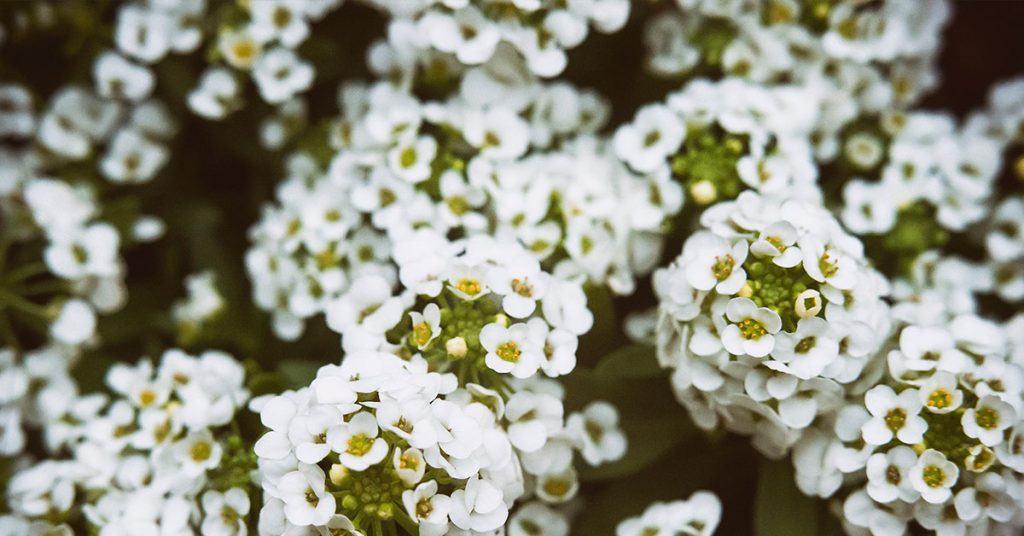
Sweet Alyssum is a low-growing annual native to the Mediterranean that produces tiny, delicate clusters of white, pink, or purple flowers with a wonderfully sweet fragrance. In memorial settings, Sweet Alyssum provides a subtle carpet of blossoms that softens hard surfaces and offers a gentle, aromatic counterpoint to more structured plantings. I love how its small blooms attract beneficial insects like tiny bees and butterflies, which in turn enhance the natural balance around graves, creating a peaceful microhabitat.
This charming plant is non-invasive and perfect for edging garden beds or filling in gaps between larger memorial plantings. With minimal care—just regular watering and a bit of deadheading—Sweet Alyssum continues to flourish throughout the season, adding a delicate, nostalgic charm that resonates with those seeking solace. Every time I see this modest bloom carpeting a quiet space, it reminds me that sometimes the softest fragrances hold the most powerful memories.
Dianthus

Dianthus, commonly known as Pinks or Carnations, are cherished for their ruffled, colorful blooms and spicy, clove-like fragrance that evoke feelings of tender remembrance. Native to Europe and parts of Asia, these flowers have long been associated with love and affection, making them a fitting tribute in memorial gardens. In my experience, Dianthus not only adds a touch of vintage elegance but also attracts bees and butterflies that help keep the garden vibrant and alive—a beautiful harmony between beauty and function.
Their non-invasive, compact growth makes them ideal for borders or mixed beds near graves, where they can enhance the landscape without overwhelming it. With regular care and occasional deadheading, Dianthus produces a continuous display of delicate blossoms that whisper quiet sentiments of nostalgia and gentle affection. Every time I see Dianthus in bloom, I’m reminded that true beauty is timeless—and that even the smallest flower can evoke the deepest emotions.
Statice

Statice (Limonium sinuatum) is a hardy, everlasting flower native to the Mediterranean that exudes a subtle, sea-like fragrance and boasts clusters of papery blooms in soft pastel hues. In memorial settings, statice is prized for its long-lasting nature and its ability to maintain its color and form, even in less-than-ideal weather conditions. In my garden, statice adds a touch of ethereal beauty that gently contrasts with the more vibrant blooms, while attracting butterflies and small bees that help sustain a balanced ecosystem.
Its non-invasive growth habit and low maintenance requirements make statice a perfect choice for preserving the integrity of a memorial garden. With occasional watering and a sunny spot, these flowers provide a continuous, everlasting display that serves as a fitting tribute to cherished memories. Every time I see statice swaying in the breeze, it feels as though nature is offering a gentle reminder that beauty endures—a comforting presence in times of reflection.
Aster
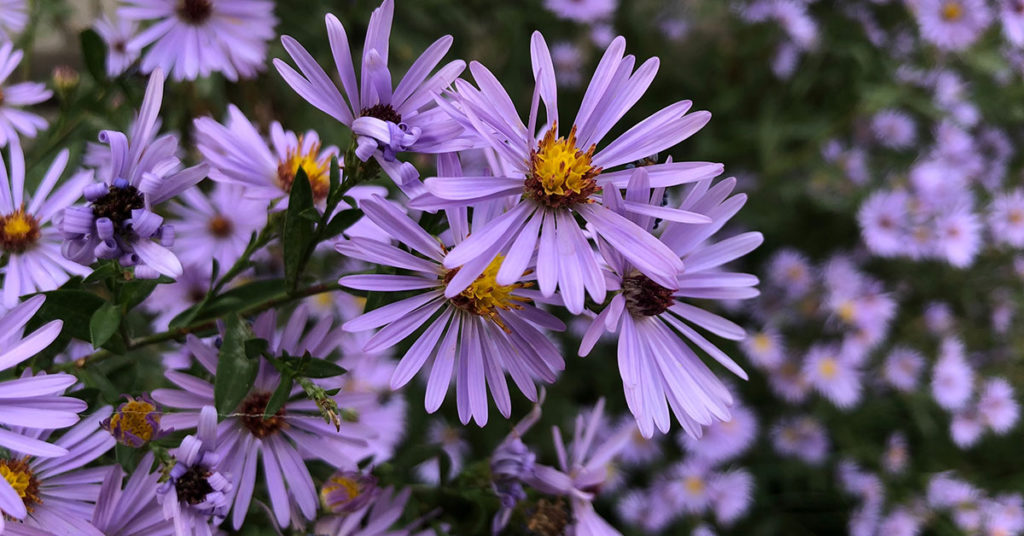
Asters are radiant, star-shaped perennials native to North America and Eurasia that are widely celebrated for their charming, daisy-like blooms and delicate fragrance. In memorial gardens, asters evoke a sense of quiet dignity and lasting remembrance, attracting bees, butterflies, and even small birds that seek refuge among their soft petals. I love how asters add a subtle yet uplifting burst of color to the landscape, creating a peaceful, reflective environment near graves.
Their non-invasive nature and ease of care make asters an excellent choice for mixed plantings, where they provide both beauty and ecological benefits without dominating the space. Thriving in full sun or partial shade and well-drained soil, asters produce a steady display of blooms that continue well into the fall, offering a prolonged tribute to loved ones. Every time I see asters in full flourish, it fills my heart with hope and the reassuring knowledge that nature’s gentle glow can bring comfort even in the quietest of moments.
Sweet Pea
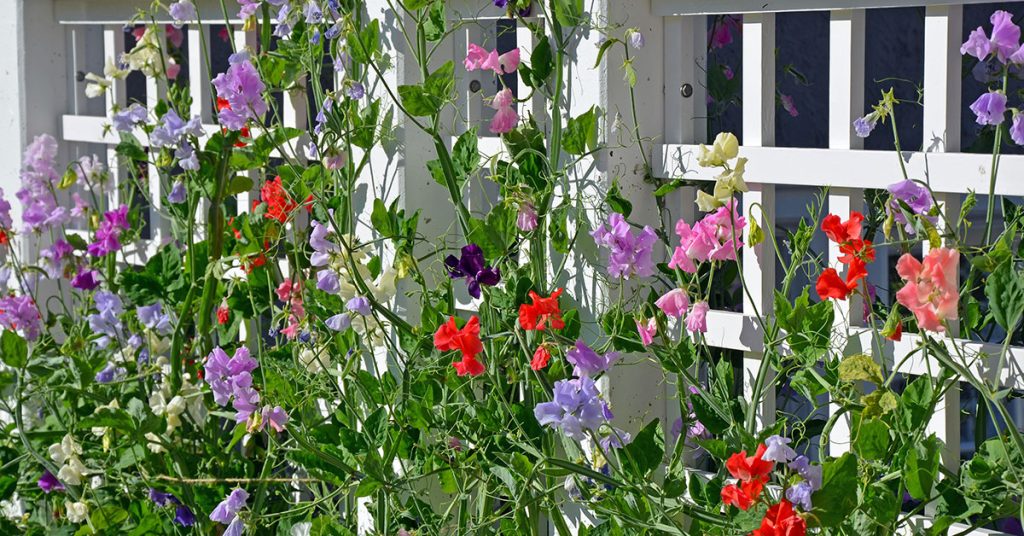
Sweet Pea is a climbing annual native to the Mediterranean that enchants with its delicate, pastel blossoms and enchanting fragrance. In a memorial garden, sweet pea can be trained along trellises or over grave markers, creating a romantic, cascading display that attracts butterflies and small bees, all adding to the serene, reflective ambiance. I adore how sweet pea’s tender, sweet-scented flowers evoke feelings of gentle love and remembrance, making it a perfect symbol for honoring cherished memories.
Despite its vigorous climbing habit, sweet pea is non-invasive when grown in a controlled setting, ensuring it enhances rather than overwhelms the landscape. With minimal care—just a little support and regular watering—sweet pea produces a continuous, lovely display that fills the air with its soft perfume. Every time I see sweet pea trailing gracefully over a structure, it reminds me that even the most delicate blossoms can leave a lasting impression of beauty and heartfelt tribute.
Rose

Roses, particularly those with a delicate, soft hue, are a timeless choice for memorial gardens, symbolizing love, remembrance, and enduring beauty. Native to Asia and widely cultivated in Europe and North America, many modern rose varieties have been bred to be non-invasive and disease-resistant, making them ideal for sensitive settings. In my garden, the subtle fragrance of these gentle roses attracts bees and small butterflies, adding a natural buzz that softly enlivens the quiet atmosphere around graves.
Their elegant, classic form and long blooming period make roses a favorite for creating a refined, peaceful setting where memories can be cherished. With proper care—including regular pruning and attentive watering—roses maintain their stately presence without overwhelming the space. Every time I admire a bed of roses near a memorial, I’m reminded that the most heartfelt tributes often come wrapped in timeless beauty and gentle fragrance—a truly enduring symbol of love and remembrance!