

There’s nothing quite as enchanting as transforming your garden into a vibrant tapestry of colors and flavors with edible flowers. As a dedicated gardener who’s weathered both the joys and frustrations of outdoor cultivation—trust me, I know how disheartening it is when pests take over your carefully planned beds—discovering these edible blooms has been nothing short of a revelation! These flowers not only add a delightful visual appeal but also offer unique, nutritious ingredients for your kitchen, blending beauty and sustenance into one natural masterpiece.
I understand the challenges of growing plants in less-than-ideal conditions, like shady spots or compact spaces, which is why I’m thrilled to share 17 edible flowers that thrive in various garden settings. Each of these botanical treasures has its own fascinating story—from its native origins and growth behaviors to whether it’s known to be invasive—making them perfect for both novice gardeners and seasoned horticulturists.
Calendula

Calendula, often known as pot marigold, is a cheerful annual native to the Mediterranean that boasts bright, sunny blooms and a subtle, spicy fragrance. In my garden, Calendula is a constant source of joy, its vibrant orange and yellow petals attracting a lively array of bees and butterflies that help pollinate surrounding plants. These blossoms are not only a feast for the eyes but also edible—adding a zesty kick to salads, teas, or even infused oils.
Despite its wild, self-seeding nature, Calendula is remarkably non-invasive when grown in well-drained soil and with a little attention to spacing. I’ve found that regular harvesting and occasional thinning keep the plant under control, ensuring it enhances rather than overwhelms your garden. Every time I see its golden blooms sparkling in the sun, I’m reminded of nature’s ability to brighten even the gloomiest days with its simple, rustic beauty!
Violet

Violets are delicate, charming flowers native to Europe and parts of Asia that bring a subtle, sweet fragrance and a burst of color to the garden. Their small, heart-shaped petals are entirely edible and add a delightful, mildly sweet flavor to salads and desserts, making them a favorite among culinary enthusiasts and gardeners alike. In my garden, violets are treasured not only for their aesthetic appeal but also for the way they attract small pollinators and create a soft, welcoming carpet of blossoms.
These non-invasive beauties thrive in partial shade, making them ideal for gardens where direct sunlight is limited. I appreciate how violets self-seed modestly, allowing their gentle presence to evolve naturally over time without overtaking other plants. Every time I notice a cluster of violets tucked away in a quiet corner, it fills me with the simple joy of discovering nature’s small, edible treasures!
Nasturtium

Nasturtium is a vibrant annual native to South America that dazzles with its bold, peppery flowers and lush, cascading foliage. In my garden, nasturtiums are an absolute delight—their bright orange, red, or yellow blossoms add a lively splash of color while their edible leaves and petals lend a spicy zing to salads and garnishes. They are a magnet for beneficial insects, with bees buzzing eagerly around each bloom, and even some small birds occasionally find shelter among their trailing vines.
One of the best features of nasturtium is its non-invasive nature; it tends to self-seed gently, creating a natural, rustic charm without overrunning your space. With minimal care and a sunny, sheltered spot, these hardy plants flourish throughout the season, proving that even in challenging conditions, nature finds a way to reward your efforts. Every time I see a cascade of nasturtium flowers, it feels like a burst of culinary and visual delight that transforms the entire garden!
Bee Balm

Bee Balm (Monarda didyma) is a striking perennial native to North America, celebrated for its vibrant, tubular flowers and a fragrance that hints at a mix of mint and citrus. In my garden, Bee Balm not only creates a stunning splash of red, pink, or purple but also attracts a multitude of pollinators, including bees, butterflies, and hummingbirds, making it a cornerstone of a lively garden ecosystem. Remarkably, both its flowers and leaves are edible, adding a unique, tangy flavor to salads and teas.
This robust plant is non-invasive when properly managed and thrives in partial shade, making it an excellent choice for gardeners who desire both beauty and functionality. I’ve found that with a bit of regular pruning, Bee Balm maintains its shape and continues to produce abundant blooms throughout the season. Every time I see its colorful clusters, I’m reminded that nature offers both nourishment and natural artistry in every petal!
Geranium
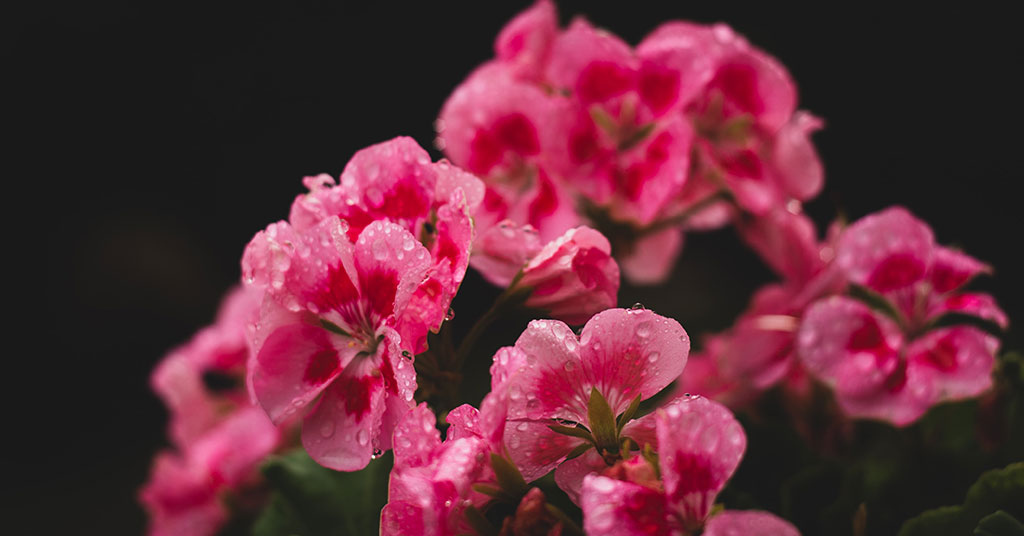
Scented Geraniums, especially varieties with rose or citrus notes, are a delightful addition to any edible garden. Native to South Africa, these versatile annuals are prized not only for their strikingly vibrant leaves and clusters of tiny flowers but also for their unique, aromatic qualities. In my garden, I often use scented geraniums to garnish desserts and salads, adding both flavor and a touch of elegance to every dish. Their pleasant aroma also draws in beneficial insects, creating a subtle buzz of activity around each bloom.
Despite their robust character, scented geraniums are non-invasive and easy to manage, thriving in both containers and garden beds. With minimal maintenance and regular pruning, they continue to deliver a steady burst of fragrance and color throughout the season. Every time I catch a whiff of their sweet, citrusy perfume, it’s like a gentle reminder that every garden corner can become a sensory delight!
Hibiscus

Hibiscus is a tropical marvel known for its large, showy blossoms and delicate flavor, making it both a feast for the eyes and a unique culinary ingredient. Native to warm regions of Asia and the Americas, hibiscus flowers are used to brew vibrant, tangy teas and can also be added to salads for a burst of color and flavor. In my garden, hibiscus stands out as a bold statement piece, drawing in hummingbirds and butterflies with its generous nectar and striking visual appeal.
Despite its exotic origins, hibiscus can be grown successfully in many home gardens and remains non-invasive when provided with adequate space and regular care. I’ve found that a sunny spot and well-drained soil are all it takes for hibiscus to thrive, creating a tropical escape right in your backyard. Every time I sip a cup of hibiscus tea made from my own blooms, I’m filled with the delight of nurturing a piece of paradise!
Squash Blossoms
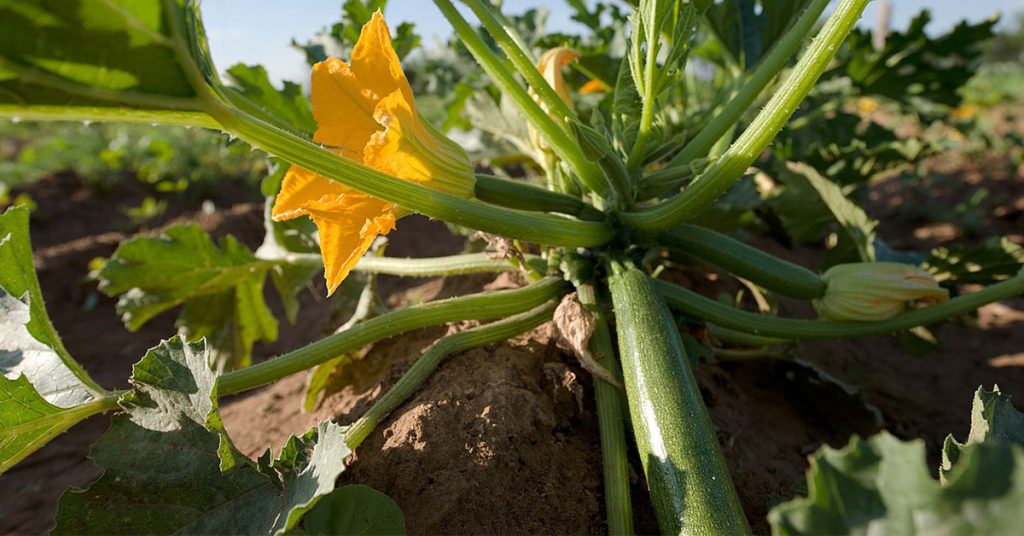
Squash Blossoms are one of the most versatile edible flowers, adding both visual charm and a subtle, delicate flavor to your culinary creations. Native to the Americas, these vibrant blossoms are harvested from zucchini and other squash plants, which attract buzzing bees and small butterflies that help pollinate the garden. In my garden, the sight of bright yellow squash blossoms floating among lush green leaves always fills me with excitement—each bloom a promise of delicious stuffed blossoms or fresh garnishes.
Their non-invasive growth is a bonus for gardeners, as squash plants naturally manage themselves in well-tended beds without overtaking the space. With a bit of care and regular harvesting, these blossoms ensure a continuous supply of edible flowers throughout the growing season. Every time I cook with squash blossoms, I’m reminded that the garden can be both a feast for the senses and a treasure trove of culinary creativity!
Dandelion
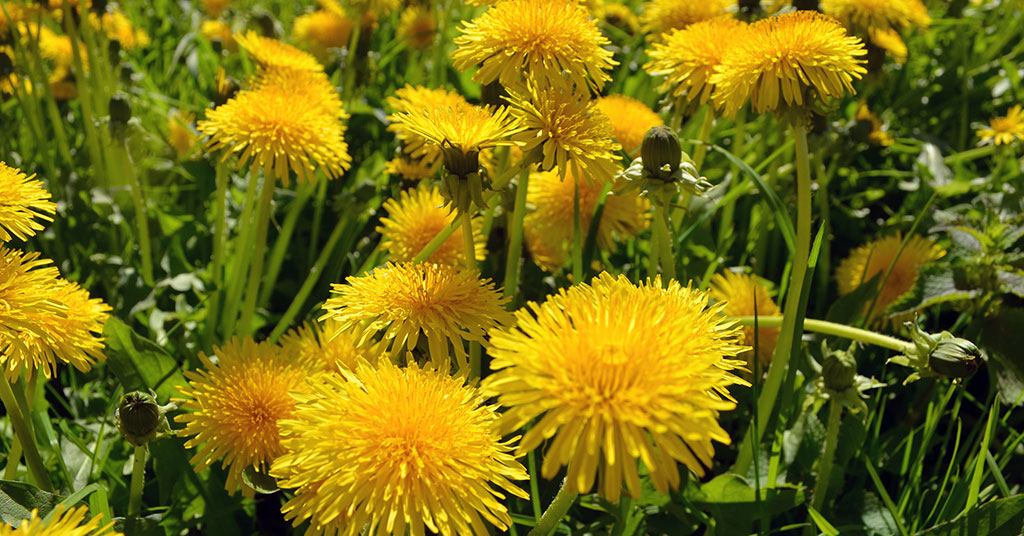
Dandelions are often dismissed as mere weeds, but their bright, cheerful blossoms are entirely edible and packed with nutrients! Native to Eurasia, dandelions have naturalized across the globe and are celebrated for their versatility in the kitchen—leaves, flowers, and roots can all be used in salads, teas, and even as a coffee substitute. In my garden, I’ve come to appreciate dandelions for their resilience and their ability to attract beneficial insects, including small bees that help pollinate other plants.
Despite their reputation for prolific seeding, dandelions are non-invasive when managed properly and can add a rustic, wild charm to your edible garden. Their deep yellow flowers provide a splash of sunshine and a touch of earthy bitterness that perfectly complements sweeter dishes. Every time I harvest dandelion greens, it’s a reminder that nature’s simplest blooms can be the most nutritious and versatile additions to your table!
Pansy
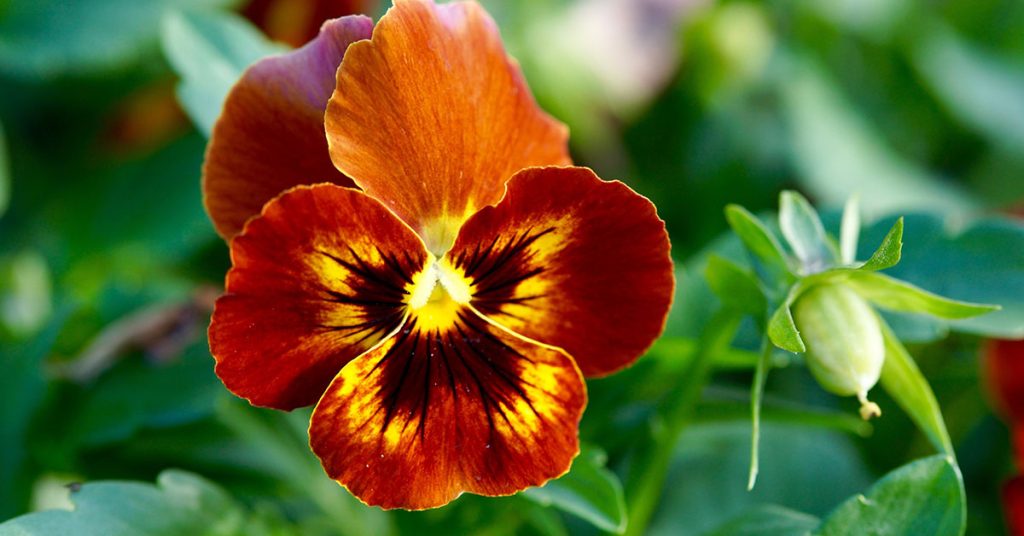
Pansies are not only decorative but also edible, offering a mild, slightly sweet flavor that works beautifully in salads and desserts. Native to Europe, these cool-weather annuals are prized for their vibrant, multicolored petals and charming “faces” that seem to exude personality and warmth. In my garden, pansies add a playful touch to the edible landscape, attracting small bees and butterflies that help create a lively ecosystem, even in partially shaded areas.
Their non-invasive growth habit makes them an excellent choice for borders and container gardens, where they provide a burst of color without overwhelming other plants. With minimal care beyond regular watering, pansies bloom profusely throughout the cooler months, making every meal feel like a celebration of nature’s bounty. Every time I see pansies dotting the garden, I’m reminded that beauty and flavor can go hand in hand in the most delightful ways!
Daylily
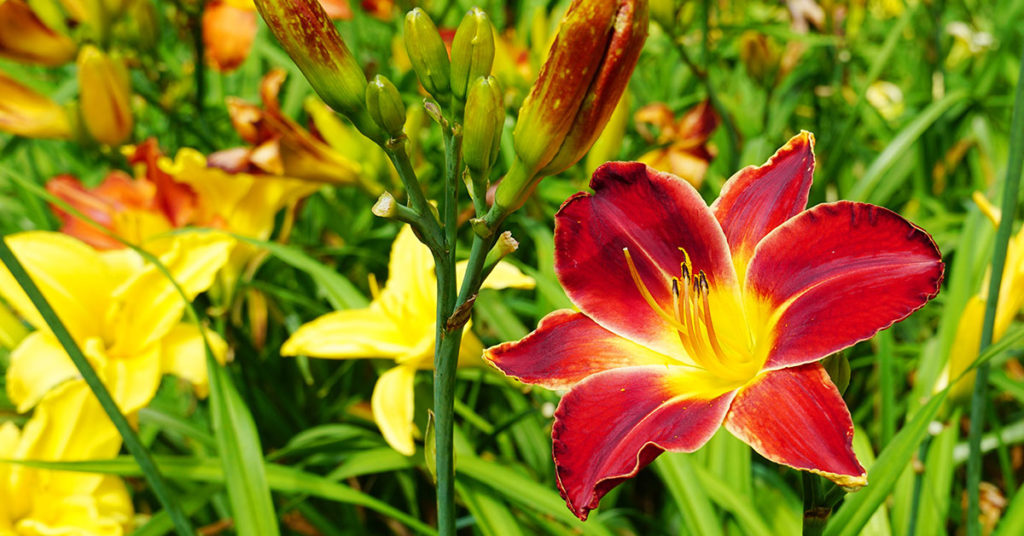
Daylilies are a rugged yet refined addition to any edible garden, celebrated for their vibrant, edible blossoms that offer a mild, sweet flavor. Native to Asia, daylilies have been embraced worldwide for their hardiness and ease of cultivation, even in less-than-ideal conditions. In my garden, daylilies provide a continuous cascade of color as each bloom lasts just a day before giving way to the next, and they attract a host of beneficial insects—bees, butterflies, and even small birds that perch briefly on their sturdy stalks.
Their non-invasive growth ensures that daylilies remain a controlled, attractive feature in any garden setting, whether planted in borders or used as ground cover. With a little care and regular watering, these resilient flowers reward you with a unique edible option that can be used in salads or as a garnish. Every time I see a daylily in bloom, it feels like nature is winking at you—a fleeting yet unforgettable burst of flavor and beauty!
Borage

Borage is a delightful herbaceous annual that produces striking, star-shaped blue flowers with a cucumber-like flavor, making it a fantastic edible addition to salads and beverages. Native to the Mediterranean, borage has long been cherished for its dual role as both a culinary herb and a magnet for pollinators; its vibrant blooms attract bees, butterflies, and even beneficial ladybugs that help control pests. In my garden, borage adds not only a splash of color but also a practical, edible element that enhances both the visual appeal and the flavor profile of my dishes.
This easy-to-grow plant is non-invasive and thrives in partial shade and well-drained soil, making it perfect for gardeners with limited space. With minimal care and consistent watering, borage continuously produces its charming, edible flowers throughout the season. Every time I pluck a few borage blossoms to add a cool twist to my salads, I’m reminded of nature’s wonderful ability to blend beauty and taste into one delightful experience!
Chrysanthemum

Chrysanthemums, often known simply as mums, are not only ornamental but also edible, with their petals adding a unique, slightly tangy flavor to teas and salads. Native to East Asia, these flowers have been cultivated for centuries for their diverse colors and robust nature. In my garden, chrysanthemums bring a rustic charm and a burst of seasonal color, attracting a range of beneficial insects such as bees and butterflies that are drawn to their fragrant blooms and nectar-rich petals.
Despite their vigorous growth, chrysanthemums remain non-invasive when grown in well-prepared beds and with proper pruning. Their adaptability to partial shade and moderate care requirements make them an excellent choice for beginner gardeners looking to incorporate edible beauty into their landscape. Every time I brew a cup of chrysanthemum tea from my own garden, I’m filled with the warmth of knowing that even traditional blooms can bring modern culinary and medicinal benefits!
Lavender
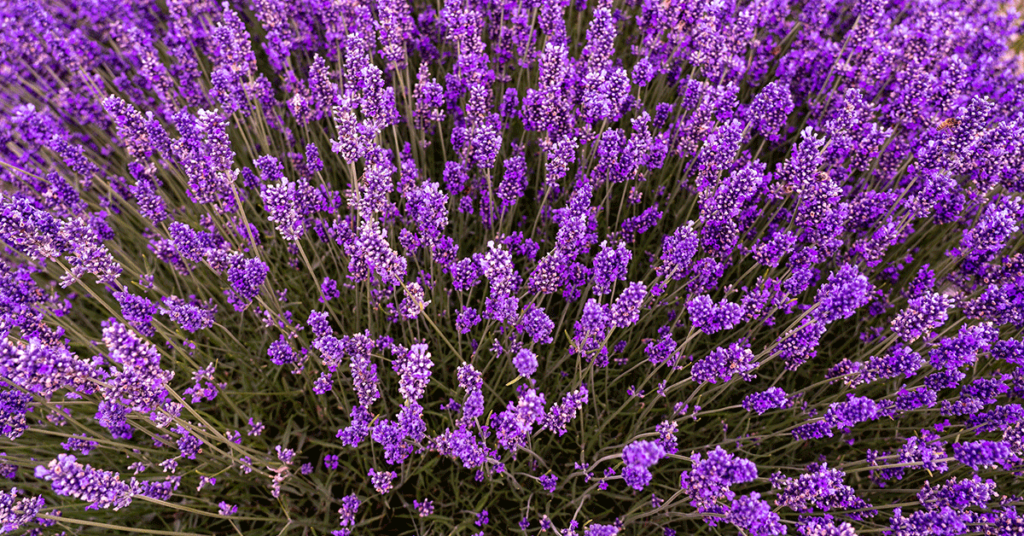
Lavender isn’t just a feast for the senses—it’s also an edible flower that adds a subtle, aromatic touch to both sweet and savory dishes. Native to the Mediterranean region, lavender has been cherished for its calming fragrance and beautiful purple spikes for centuries. In my garden, lavender attracts a variety of beneficial insects, including bees and butterflies, which help enhance pollination and contribute to a balanced ecosystem. Its edible blossoms are perfect for infusing syrups, baking, or garnishing salads with a hint of floral elegance.
Despite its exotic appeal, lavender is non-invasive when grown in well-drained soil and full sun or partial shade, making it an excellent option for container gardening or border planting. With a little regular pruning to maintain its shape, lavender continues to release its soothing aroma throughout the season. Every time I pause to enjoy the gentle perfume of lavender, I’m reminded that this timeless herb not only beautifies my garden but also enriches my culinary adventures!
Marigold
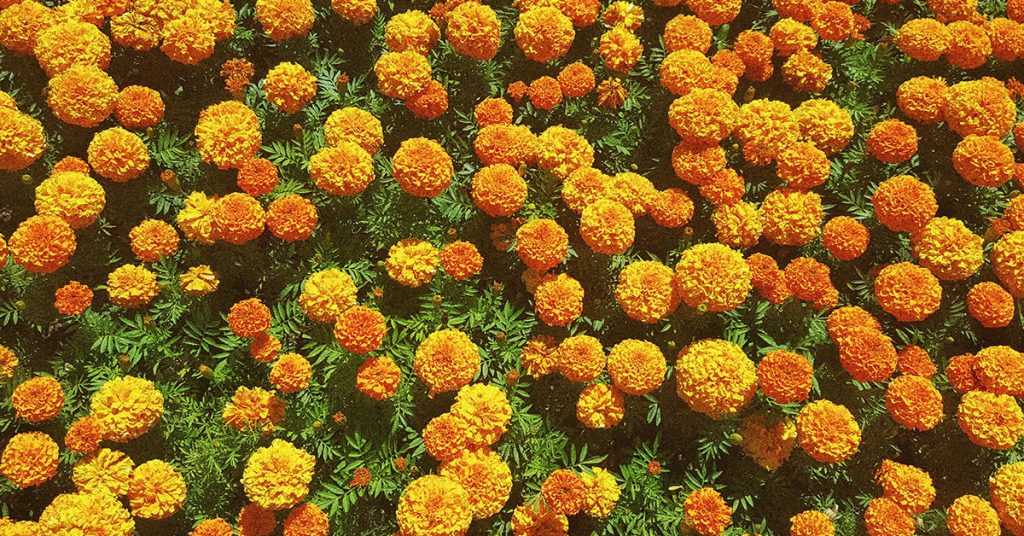
Marigolds, particularly the edible varieties such as Tagetes, are a vibrant addition to any garden, offering bright, cheerful blossoms and a subtle, earthy flavor. Native to the Americas, marigolds have been used for centuries not only as ornamental plants but also for their pest-repelling properties, attracting beneficial insects that help protect surrounding crops. In my garden, these radiant flowers serve as both a feast for the eyes and a natural defense system, enhancing the overall vitality of the landscape.
Their non-invasive nature and hardy growth make marigolds ideal for interplanting in vegetable gardens and edible flower beds. With minimal care beyond regular watering and occasional deadheading, marigolds provide a continuous display of golden hues and a pleasant fragrance that lifts the spirit. Every time I see a patch of marigolds, I’m filled with gratitude for nature’s ability to blend beauty, function, and flavor into one delightful package!
Chamomile
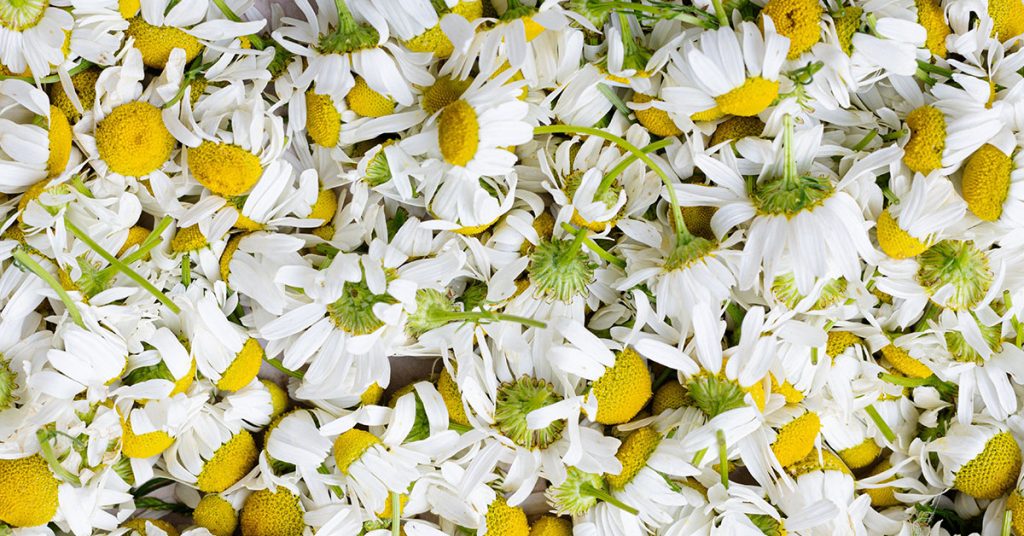
Chamomile is a humble yet powerful edible flower, renowned for its soothing, apple-like fragrance and gentle flavor that makes it a favorite for teas and culinary infusions. Native to Europe and Western Asia, chamomile has been used medicinally for centuries and brings a calming presence to any garden. In my own plot, chamomile not only adds a soft, white display of blooms but also attracts beneficial insects like small bees, which help pollinate other plants and contribute to a healthy garden ecosystem.
Its non-invasive, low-maintenance nature makes chamomile an ideal choice for beginners, thriving in partial shade and well-drained soil with minimal fuss. With regular harvesting, chamomile can provide a steady supply of fragrant flowers that transform a simple cup of tea into a soothing, herbal experience. Every time I brew chamomile tea from my garden’s bounty, it reminds me of the gentle power of nature to nurture both body and soul!
Carnation

Carnations are not only prized for their long-lasting, ruffled blooms and subtle spicy fragrance but also for their edible petals that add a unique flair to salads and desserts. Native to the Mediterranean region, carnations have been cultivated for centuries as symbols of love and fascination. In my garden, I enjoy how these robust, non-invasive annuals add a burst of color and elegance, while their petals attract a few curious bees and butterflies that help enhance the garden’s natural harmony.
Their delicate yet resilient nature makes carnations an excellent choice for mixed borders and container gardens. With proper care and regular deadheading, they produce a continuous display of blooms that both uplift the spirit and lend a distinctive touch to culinary creations. Every time I see a cascade of carnation petals, I’m reminded that beauty and flavor can coexist in the most delightful ways, enriching both my garden and my table!
Rose

Roses, the timeless emblem of romance, offer edible petals that can elevate salads, desserts, and even teas with their subtle, aromatic flavor. Native to regions across Asia, Europe, and North America, roses have been revered for centuries for their elegant beauty and layered fragrances. In my garden, rose bushes provide a lush, flowering spectacle that attracts bees, butterflies, and even small birds that find refuge in their sprawling canopies—adding a natural, dynamic touch to the landscape.
Modern cultivars have been bred to be non-invasive, making them an excellent choice for both expansive gardens and smaller, intimate spaces. With regular pruning and attentive care, roses produce a continuous cascade of blooms that not only decorate the garden but also offer edible petals bursting with flavor. Every time I collect a few rose petals, I feel like I’m capturing a little piece of timeless beauty—one that transforms a simple dish into an expression of pure garden romance!