

Creating a vibrant garden that bursts with color and energy is one of the most rewarding experiences a gardener can enjoy. Over the years, I’ve experimented with countless annuals and discovered that the right mix of showy flowers not only adds visual appeal but also attracts beneficial insects and creates a dynamic ecosystem in your outdoor space. Whether you’re battling pests in a shady garden or simply looking to infuse your plot with a burst of cheerful hues, these 18 annuals have been my go-to choices for turning any garden into a radiant, living canvas!
I understand the challenges of growing annuals—from selecting plants that thrive in your specific climate to managing invasive tendencies. With origins spanning from the sun-drenched fields of the Americas to the temperate gardens of Europe and Asia, these flowers have stories of their own. Each section below offers two detailed paragraphs highlighting their native heritage, growth behaviors, and unique qualities that make them stand out.
Zinnia
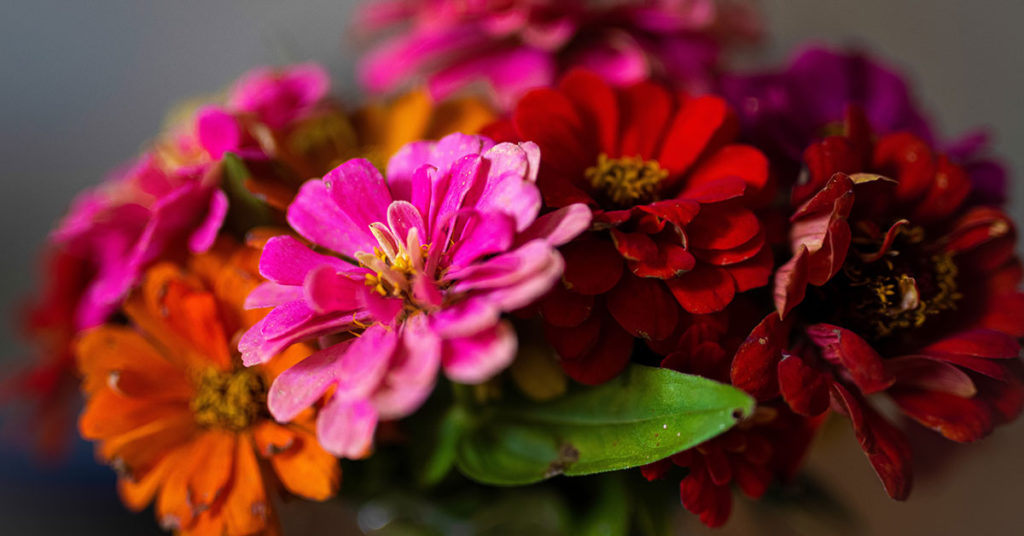
Zinnia is a dazzling annual that originates from the dry, sunlit regions of Mexico and South America, celebrated for its vibrant, bold blooms that seem to pop with every color imaginable! In my garden, Zinnias are a showstopper, attracting buzzing bees and fluttering butterflies with their generous nectar, while their sturdy, upright habit keeps them well-behaved and non-invasive. These flowers provide an instant splash of summer energy, making them an ideal choice for gardeners who want a low-maintenance yet high-impact display.
The beauty of Zinnia lies not only in its colorful petals but also in its ease of cultivation, thriving in full sun and well-drained soil. I’ve found that regular deadheading encourages continuous blooming, ensuring that the garden remains a living festival of hues all season long. Every time I see a cluster of Zinnias dancing in the breeze, it reminds me why I adore annuals—they bring such instant joy and life to any space!
Marigold
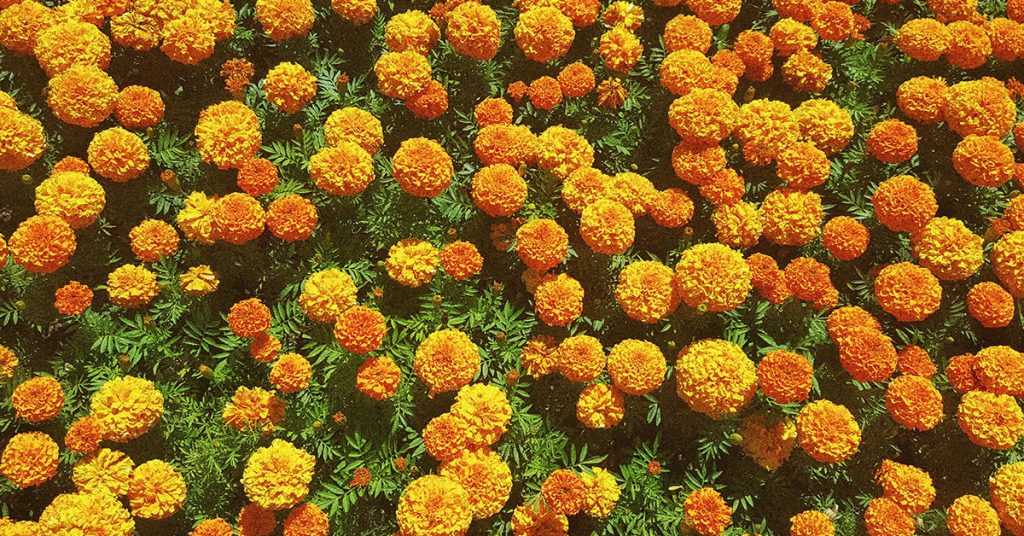
Marigold, native to the Americas, brings a warm burst of golden and orange tones to your garden, infusing it with both color and a subtle, earthy fragrance. These cheerful annuals are renowned for their pest-repelling properties, which means they not only dazzle the eye but also help protect neighboring plants by attracting beneficial insects and repelling unwanted critters. In my experience, Marigolds create a lively border that is as functional as it is beautiful, providing a natural barrier against common garden pests.
Their robust nature and adaptability make Marigolds non-invasive and a delight to cultivate in both large gardens and small container setups. With minimal care, these flowers produce a continuous display of vivid blossoms throughout the growing season, ensuring that every corner of your garden is brightened by their presence. Every time I tend to my Marigolds, I’m reminded of nature’s power to combine beauty with practical benefits—a true gardener’s win!
Cosmos

Cosmos is a stunning annual native to Mexico that captivates with its delicate, feathery foliage and daisy-like blossoms in shades of pink, white, and deep magenta. In my garden, Cosmos creates an airy, almost ethereal backdrop that attracts butterflies and other beneficial insects, making every breeze feel like a gentle dance of nature. Their open, graceful structure not only adds texture but also serves as a natural nesting ground for small pollinators, enhancing the garden’s ecosystem.
Despite their delicate appearance, Cosmos plants are remarkably hardy and non-invasive, thriving in poor soils and full sun with minimal maintenance. They self-seed readily without overwhelming the space, ensuring that each season brings a renewed burst of floral charm. Every time I see Cosmos swaying in the wind, I’m filled with the simple joy of knowing that even the most understated flowers can create an unforgettable garden atmosphere!
Petunia
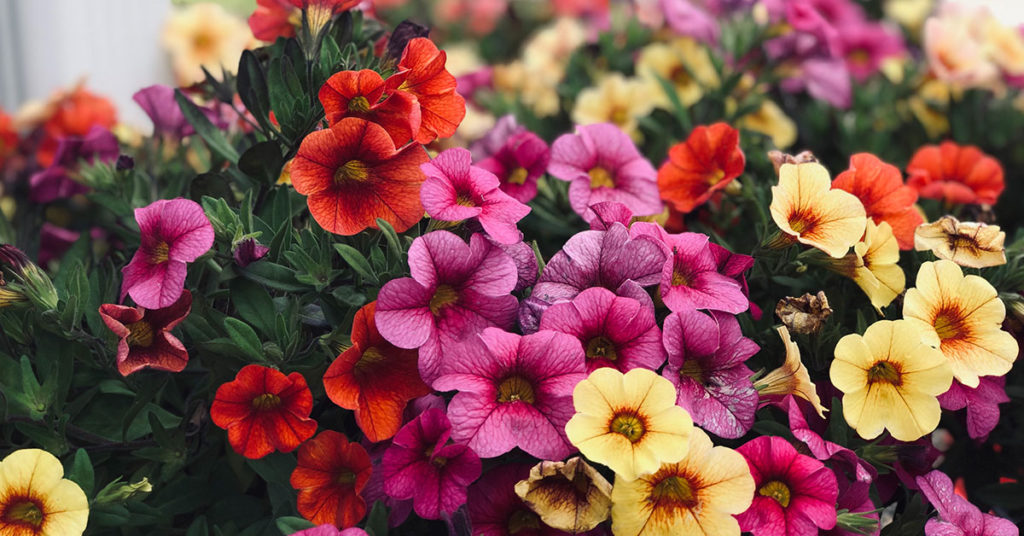
Petunias are a perennial favorite grown as annuals, boasting a spectacular array of colors that range from deep purples to brilliant pinks and vibrant whites. Originally native to South America, these flowers have become a staple in gardens worldwide due to their profuse blooming and adaptability to various conditions. In my garden, Petunias are a constant source of admiration, attracting hummingbirds and butterflies with their abundant nectar and inviting petals, while adding a bold, modern flair to any landscape.
These non-invasive blooms flourish in full sun and well-drained soils, requiring only a little regular watering and occasional deadheading to maintain their dazzling display. I find that the vibrant energy of Petunias not only enhances my garden’s beauty but also creates a welcoming habitat for a host of beneficial insects. Every time I walk by my Petunia beds, it’s like stepping into a living canvas of color and life—a true testament to the magic of annual flowers!
Snapdragon
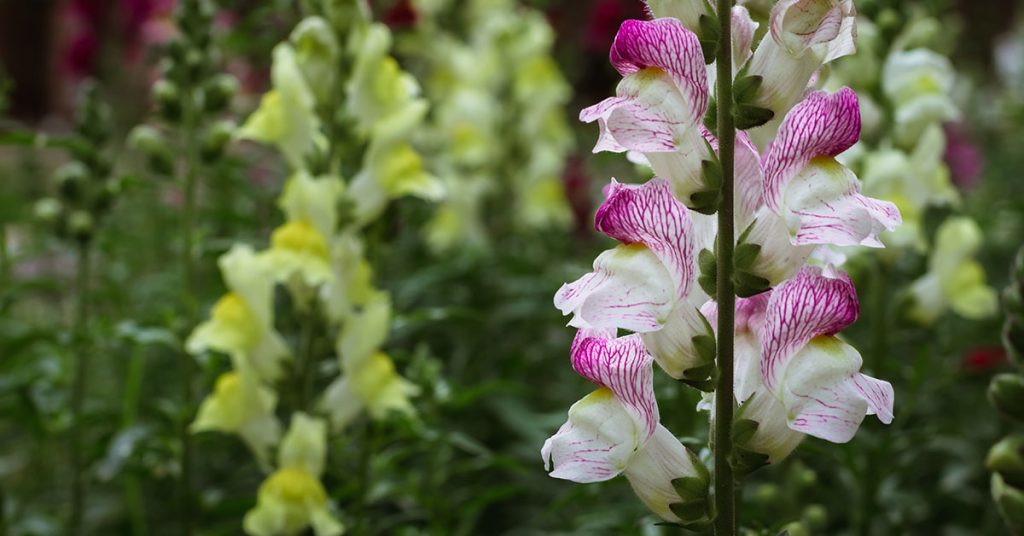
Snapdragons, with their whimsical, dragon-shaped blooms, bring a touch of fantasy to the garden while offering a delightful fragrance and a burst of color. Native to the Mediterranean region, these annuals have a storied past and are cherished for their ability to attract pollinators like bees and butterflies, which seem to enjoy the intricate structure of the blossoms. I’ve always found Snapdragons to be both charming and practical—they add height and texture to flower beds and are perfect for mixed borders where every plant plays a role in creating a dynamic visual display.
Their upright, non-invasive growth habit makes Snapdragons an excellent choice for gardeners looking for low-maintenance yet high-impact additions. With the right care and a little staking if needed, these flowers provide continuous color throughout the season, inviting a steady stream of beneficial insects. Every time I see a cluster of Snapdragons, I’m reminded that a touch of whimsy can transform an ordinary garden into a magical retreat!
Impatiens
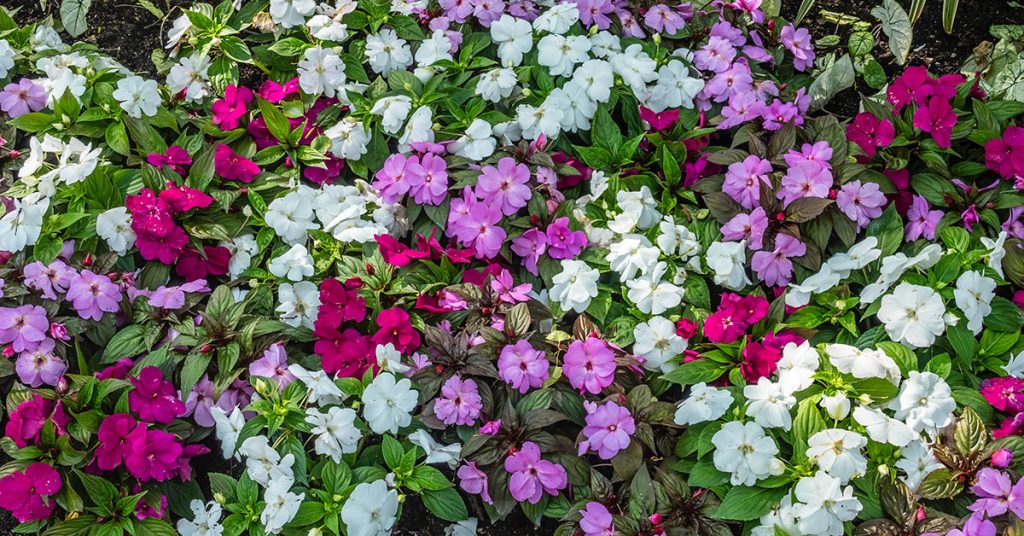
Impatiens, native to the tropical regions of Africa and Asia, are a beloved choice for adding splashes of vibrant color to shaded garden areas. These annuals thrive in lower light conditions where many other flowers struggle, and their delicate, pastel blooms create an enchanting display that draws in a variety of beneficial insects. I appreciate how Impatiens can transform even the gloomiest corners of my garden into a lively, colorful oasis that feels like a secret haven.
Not only do Impatiens brighten up shady spots, but they also maintain a non-invasive growth habit, making them ideal for borders and container plantings. With consistent moisture and protection from harsh midday sun, these flowers produce an abundant bloom that invites butterflies and hummingbirds alike. Every time I care for my Impatiens, I’m reminded that even in the shade, nature finds a way to shine—filling my garden with light and life!
Calendula

Calendula, often known as pot marigold, is a radiant annual that originally hails from the Mediterranean, captivating the senses with its vibrant orange and yellow blossoms. In my garden, Calendula is a standout not only for its striking beauty but also for its mild, sweet fragrance that attracts an array of beneficial insects. These hardy flowers add a sunny burst of color that enlivens any garden space, making them a favorite for both decorative and medicinal purposes.
Calendula is prized for its non-invasive nature and ease of growth, thriving in a variety of soil types with minimal care. They’re perfect for filling in gaps or creating a cheerful border that draws in pollinators and supports a balanced ecosystem. Each time I see a bed of Calendula swaying in the gentle breeze, it fills me with warmth and optimism—a vibrant reminder of the power of simple, natural beauty!
Sunflower

Sunflowers are the quintessential symbol of summer, offering towering, showy blooms that evoke a sense of joy and wonder in any garden. Native to North America, these annual giants are not only admired for their brilliant, golden petals but also for their ability to attract bees, butterflies, and even small birds that use the sturdy stalks as perches. I’ve always found that Sunflowers create a dramatic focal point in my garden, turning even a small space into a radiant display of natural splendor.
Their non-invasive growth habit and robust nature make Sunflowers a favorite for gardeners who crave high-impact, low-maintenance blooms. With plenty of sunlight and well-drained soil, they flourish and create a warm, welcoming atmosphere that seems to invite happiness and vitality. Every time I stand beneath a canopy of Sunflowers, it feels like nature itself is beaming with pride—an uplifting sight that never fails to brighten my day!
Pansy
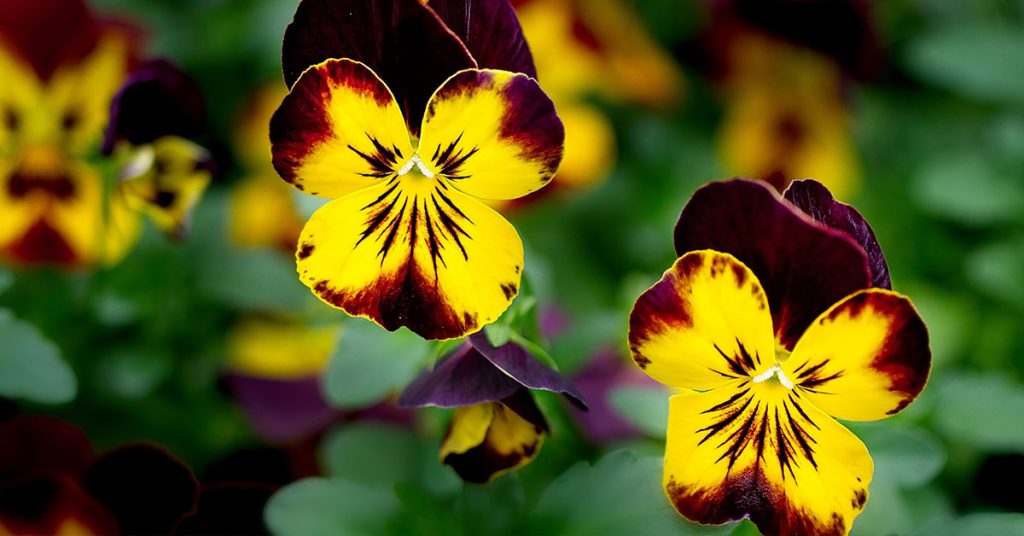
Pansies are a delightful annual known for their charming “faces” and a gentle fragrance that subtly sweetens the air. Native to Europe, these cool-weather blooms add a touch of whimsy and elegance to any garden, even in the chillier months. I’m always delighted by how their vivid colors and intricate patterns attract bees and other beneficial insects, creating a small yet bustling ecosystem that livens up garden beds and containers alike.
Their compact, non-invasive growth makes Pansies perfect for edging borders or filling in gaps in your floral display. With minimal maintenance and a steady supply of water, these cheerful flowers bloom profusely, turning every garden walk into a joyful parade of colors. Each time I admire a patch of Pansies, I’m reminded that even the smallest blooms can make a big impact—brightening your garden and your spirits with their playful charm!
Verbena
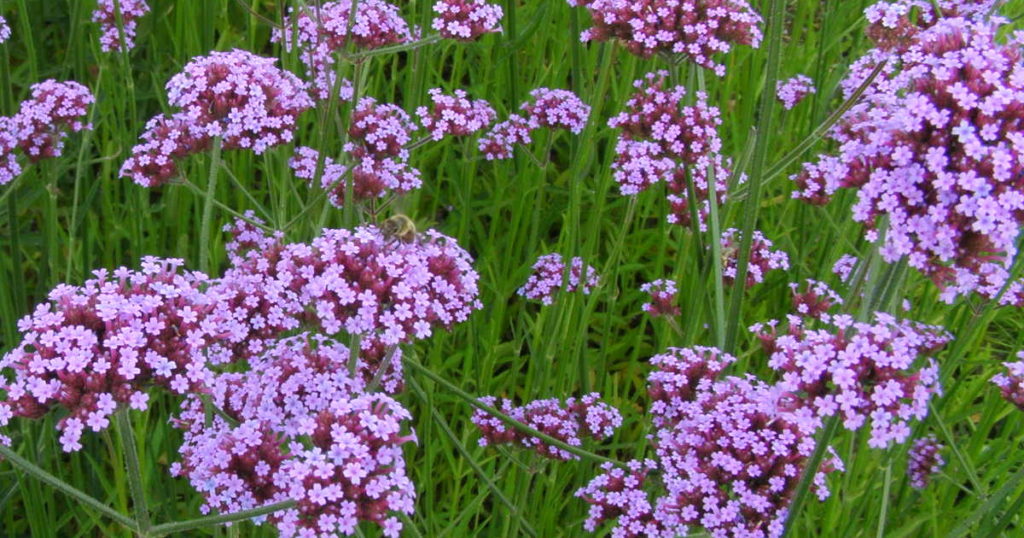
Verbena is a tall, airy annual that graces the garden with clusters of delicate, nectar-rich flowers, exuding a subtle yet captivating fragrance. Native to South America, Verbena bonariensis is cherished for its slender form and floating blossoms that attract butterflies, bees, and even hummingbirds. I’ve found that its graceful, non-invasive growth makes it an excellent choice for adding vertical interest and movement to garden beds, transforming them into lively, pollinator-friendly spaces.
With full sun and well-drained soil, Verbena produces a continuous cascade of blooms that seem to shimmer in the light, inviting nature’s winged visitors to feast and nest. Its low-maintenance character ensures that even the busiest gardeners can enjoy a steady display of aromatic beauty throughout the season. Every time I witness a swarm of butterflies around my Verbena, it fills me with a sense of wonder at nature’s effortless elegance!
Portulaca
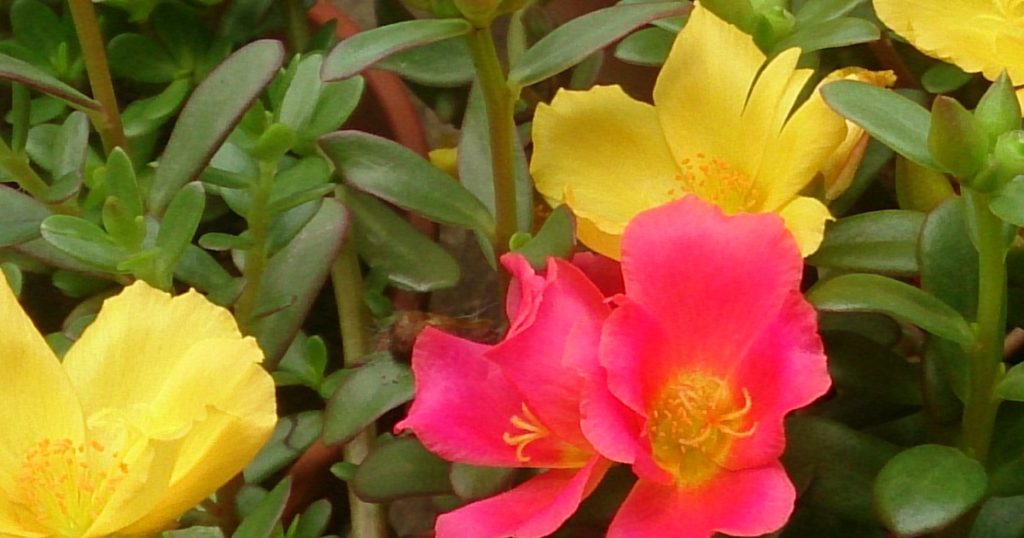
Portulaca, also known as Moss Rose, is an extraordinary annual that brightens any garden with its succulent, vividly colored blooms and a delicate, slightly citrusy fragrance. Native to South America, this low-growing wonder thrives in full sun and arid conditions, making it an ideal choice for hot, dry gardens where other plants may struggle. I’m always impressed by how Portulaca’s vibrant petals attract a flurry of bees and butterflies, turning your garden into a miniature paradise of color and movement.
Its non-invasive, spreading habit means that Portulaca can carpet garden beds or container tops without overwhelming the space, providing a natural, effortless charm. With minimal watering and easy care, it rewards you with continuous blooms that seem to embody the spirit of summer. Each time I see its succulent leaves and radiant blossoms, I’m reminded that nature’s resilience can create beauty even in the harshest conditions—a true inspiration for every gardener!
Nasturtium

Nasturtium is a showy annual celebrated for its bright, peppery blooms and vibrant foliage that seem to bring a burst of joy to any garden space. Native to South America, these trailing plants are not only a feast for the eyes but also offer a unique, spicy fragrance that attracts beneficial insects such as bees and even provides a cozy habitat for small pollinators. I love watching Nasturtium vine its way along trellises or spilling over container edges, creating a living tapestry of color and life.
This charming plant is remarkably non-invasive and thrives in poorer soils, making it an excellent option for gardeners who want to add a splash of color without high maintenance. Its dual role as both an ornamental and a culinary herb (its leaves and flowers are edible!) makes Nasturtium a delightful addition to any garden. Every time I see these cheerful blooms, I’m filled with the joyful energy of a garden that’s as flavorful as it is beautiful!
Ageratum
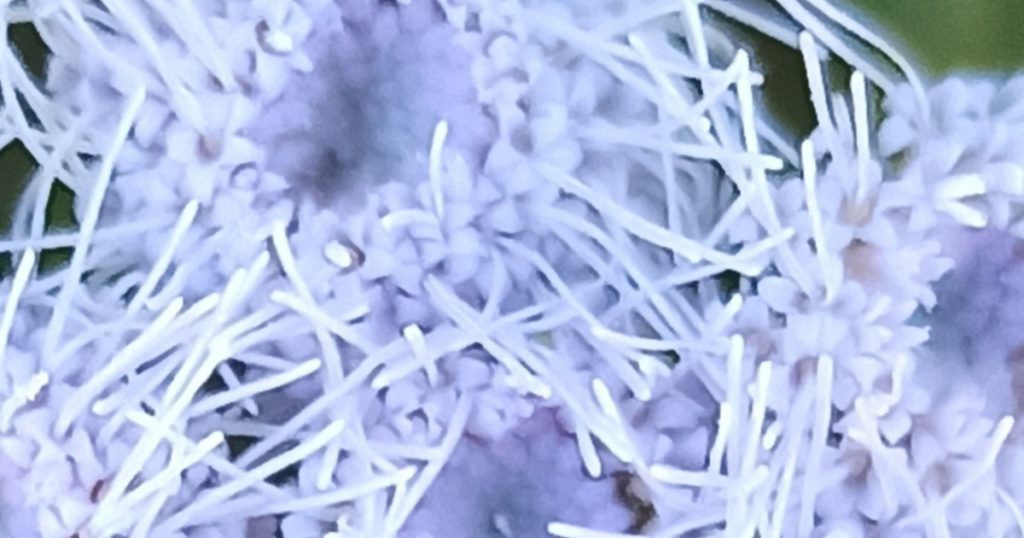
Ageratum is a captivating annual that brings soft, fluffy clusters of blue, purple, or white flowers to your garden, accompanied by a light, sweet fragrance. Native to tropical America, these charming blooms are a favorite for adding a gentle, almost cloud-like texture to flower beds and borders. I’m always enchanted by how Ageratum seems to float effortlessly in the breeze, attracting butterflies and bees that are drawn to its delicate nectar and inviting appearance.
Its compact, non-invasive growth habit makes Ageratum a superb choice for small gardens or container plantings, where it can brighten up spaces without overwhelming them. With proper watering and sun exposure, it provides a continuous display of airy, pastel blossoms that transform your garden into a serene, dreamlike retreat. Every time I watch these soft, billowy flowers, it’s like nature has painted a gentle masterpiece right in front of my eyes!
Dianthus
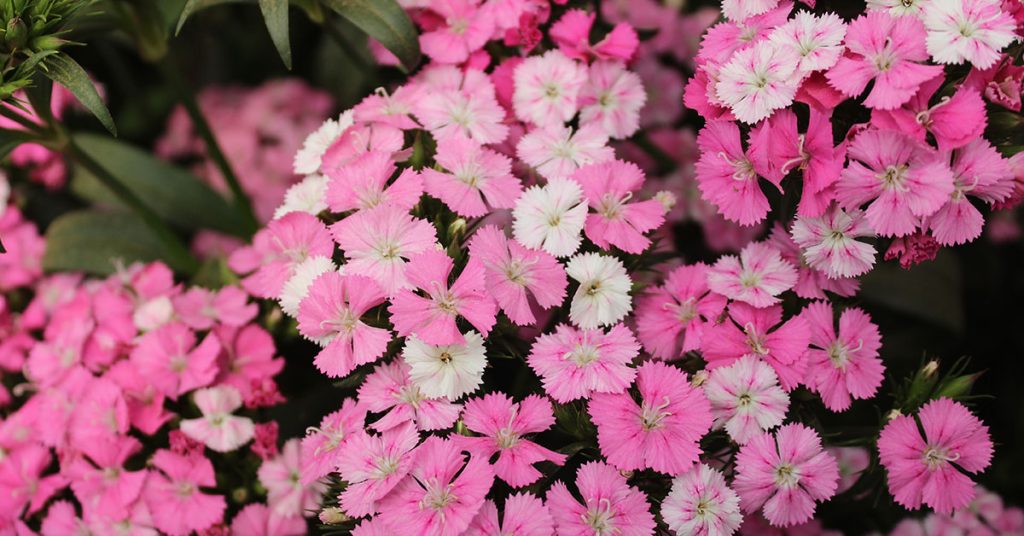
Dianthus, often known as Pinks or Carnations, is a perennial favorite grown as an annual in cooler climates, renowned for its spicy, clove-like fragrance and frilly, vibrant blooms. Native to Europe and parts of Asia, these flowers have a rich history of adorning gardens and bouquets with their delicate, ruffled petals and charming scent. In my garden, Dianthus adds an element of old-world elegance, drawing in bees and butterflies that appreciate its intricate structure and sweet aroma.
Their non-invasive nature and low maintenance requirements make Dianthus an ideal choice for garden borders and rock gardens alike. With regular deadheading and proper sunlight, these delightful flowers produce a prolonged display of color that transforms any space into a fragrant haven. Every time I see a cluster of Dianthus, I’m reminded of the timeless beauty that even the smallest blooms can bring—an everlasting tribute to nature’s artful design!
Wax Begonia
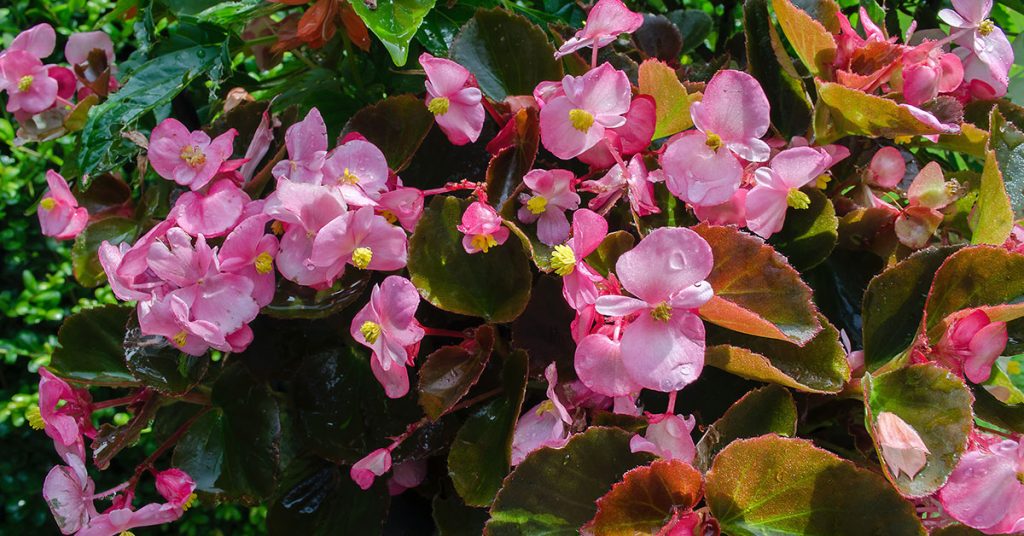
Wax Begonia is a striking annual prized for its glossy, waxy foliage and vibrant, asymmetrical blooms that exude a subtle, sweet fragrance. Native to tropical regions of Asia and Africa, these versatile plants bring an exotic flair to garden beds and containers, thriving in both sunny and partially shaded spots. I’ve always been fascinated by how Wax Begonia’s unique blooms attract hummingbirds and butterflies, creating a lively scene as they flutter around the leaves in search of nectar.
Despite its dramatic display, Wax Begonia remains non-invasive and easy to manage, making it perfect for gardeners of all skill levels. Its lush foliage and extended blooming period add a splash of color and texture that instantly enlivens any space, turning even a modest garden into a vibrant tropical escape. Every time I tend to my Wax Begonias, it feels like I’m nurturing a small piece of the tropics right in my own backyard—a true delight for the senses!
Celosia

Celosia is an annual with an unmistakable, flamboyant presence, boasting fiery, plume-like flowers that create a visual spectacle in any garden. Native to tropical Africa and Asia, this striking plant is celebrated for its unique, velvety inflorescences that come in brilliant shades of red, orange, and yellow. In my garden, Celosia always draws a crowd, attracting bees, butterflies, and even small birds that are charmed by its textured, almost flame-like appearance and subtle aroma.
Its rapid growth and non-invasive nature make Celosia a favorite for filling in garden beds and adding an unexpected burst of color to container displays. With minimal care beyond regular watering and sun exposure, these dramatic blooms flourish, transforming your outdoor space into a fiery celebration of nature. Every time I see Celosia in full bloom, I can’t help but smile at the sheer vibrancy it brings—a true testament to the power of nature’s bold, artistic spirit!
Four O’Clock

Four O’Clock (Mirabilis jalapa) is a spirited annual known for its large, trumpet-shaped flowers that open in the late afternoon, releasing a delicate, sweet fragrance into the evening air. Native to tropical regions of North America, this charming plant is beloved for its extended bloom time and the way its colorful blossoms attract moths, butterflies, and even small bees that help pollinate the garden. I’m always thrilled to witness the magical transformation of a Four O’Clock patch as its flowers burst open at dusk, creating a soft, inviting glow that beckons nature’s nocturnal visitors.
These hardy, non-invasive plants thrive in full sun and well-drained soil, making them an excellent choice for gardeners seeking a low-maintenance yet highly rewarding display. Their continuous blooming and enchanting scent make Four O’Clock a standout addition to any garden, offering a nighttime spectacle that is as captivating as it is fragrant. Every time I catch a glimpse of these evening bloomers, it reminds me that a garden’s true magic often unfolds when the day turns to night!
Mimosa
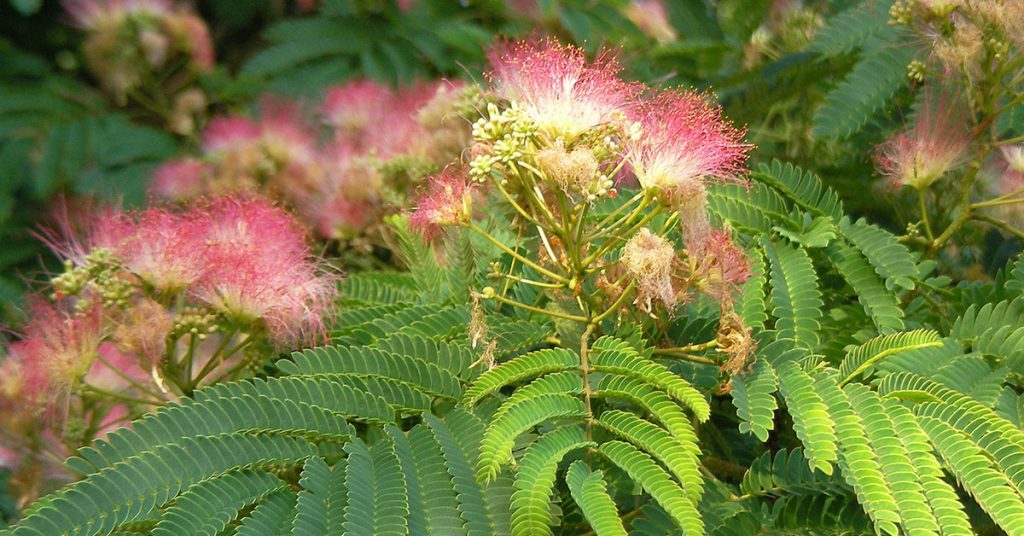
Mimosa (Acacia dealbata), though often grown as a small tree, can also be cultivated as a showy annual in mild climates, dazzling with its feathery, delicate foliage and a uniquely sweet fragrance that fills the air. Native to Australia and widely naturalized in various parts of the world, Mimosa’s powdery yellow blooms and airy, lacy leaves create a visual effect reminiscent of soft, fluttering feathers in the breeze. In my garden, Mimosa adds a whimsical, almost ethereal touch, drawing in a variety of pollinators and offering small perching spots for local birds.
With proper care and pruning to manage its growth, Mimosa remains non-invasive and can be integrated seamlessly into mixed borders or used as a focal point in container gardens. Its gentle scent and striking appearance make it a true conversation piece and a source of endless inspiration for every gardener. Every time I see Mimosa in bloom, it feels like nature has dressed my garden in a light, feathery embrace—a delicate, joyful celebration of life and beauty!