

Creating a garden that delights your senses with enchanting aromas is one of the most gratifying experiences a gardener can enjoy. I’ve spent many seasons experimenting with different species—from delicate wildflowers to luxurious, tropical blooms—and discovered that a fragrant garden not only elevates your outdoor space but also attracts beneficial pollinators and even offers nesting opportunities for nature’s tiny helpers. Whether you’re battling the frustration of pests in a shady corner or simply seeking to infuse your garden with a burst of sensory delight, these 20 flowers provide a perfect blend of aroma, beauty, and ecological balance.
In my own gardening journey, I’ve learned that selecting plants with captivating scents—while also considering their native origins and growth behaviors—can transform even the most modest plot into a veritable oasis of perfume and color. Many of these species hail from regions as diverse as the Mediterranean, tropical rainforests, and North American meadows, each bringing its own story and charm to the garden.
Gardenia
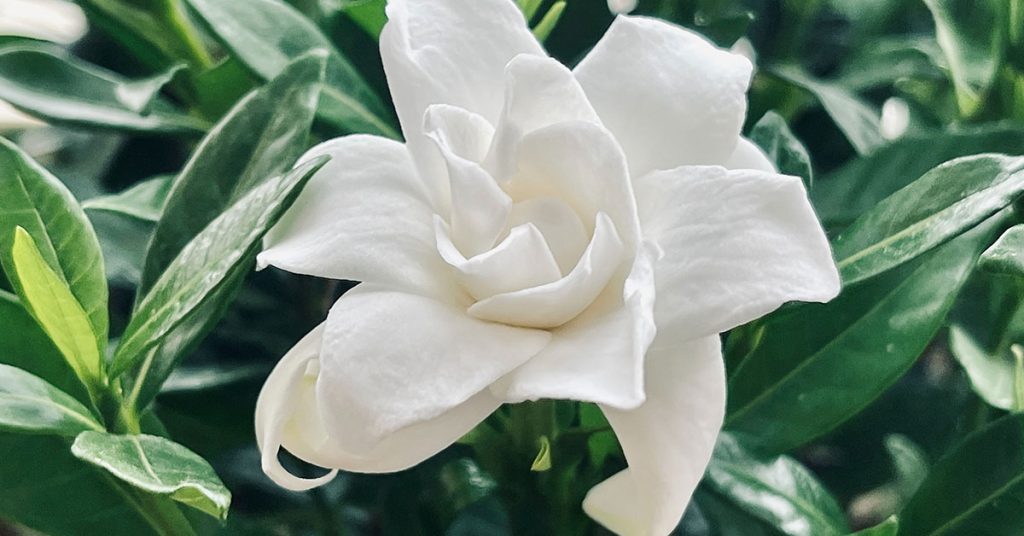
Gardenia is the epitome of elegance in a fragrant garden, boasting creamy white blossoms that release an intoxicating aroma every time they open! Native to tropical and subtropical regions of Africa and Asia, Gardenia has been adored for generations for its rich, velvety scent and glossy, evergreen foliage. I’m continually mesmerized by how these delicate blooms can transform a quiet garden corner into an oasis of perfume, inviting both curious bees and gentle butterflies to dance around its blossoms.
This classic beauty is generally non-invasive when cared for properly, making it a perfect choice even for smaller garden spaces. With the right balance of acidic soil and ample sunlight, Gardenia not only fills the air with its captivating fragrance but also adds a touch of sophisticated charm to your landscape. Every time I see these elegant blooms unfurling at dawn, it feels like nature has painted the garden with strokes of pure luxury!
Sweet Alyssum
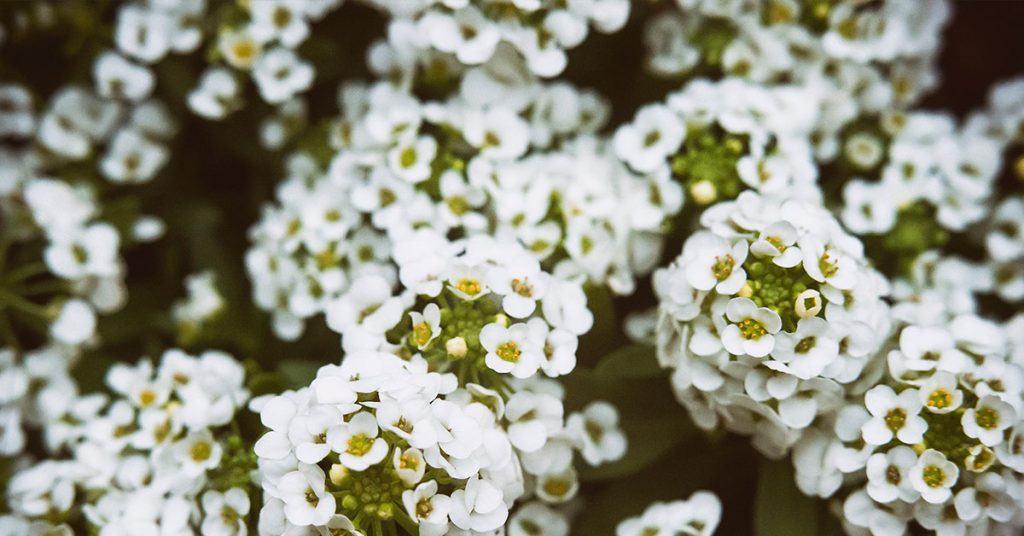
Sweet Alyssum is a delightful low-growing annual that spreads a blanket of tiny, sweetly scented flowers across your garden beds! Native to Europe and parts of Asia, this charming plant is renowned for its delicate clusters of white, pink, or purple blooms that emit a honey-like fragrance. I love how Sweet Alyssum transforms even the smallest planter into a fragrant carpet that attracts beneficial insects and serves as a gentle refuge for small pollinators.
Its non-invasive nature makes it an excellent option for gardeners who want to add a burst of aroma without worrying about runaway growth. With its quick spread and ease of care, Sweet Alyssum is perfect for filling gaps and edging garden borders with a subtle yet persistent scent that brightens the entire space. Every time I see these tiny blossoms carpeting the ground, I can’t help but smile at nature’s delicate, perfumed artistry!
Freesia
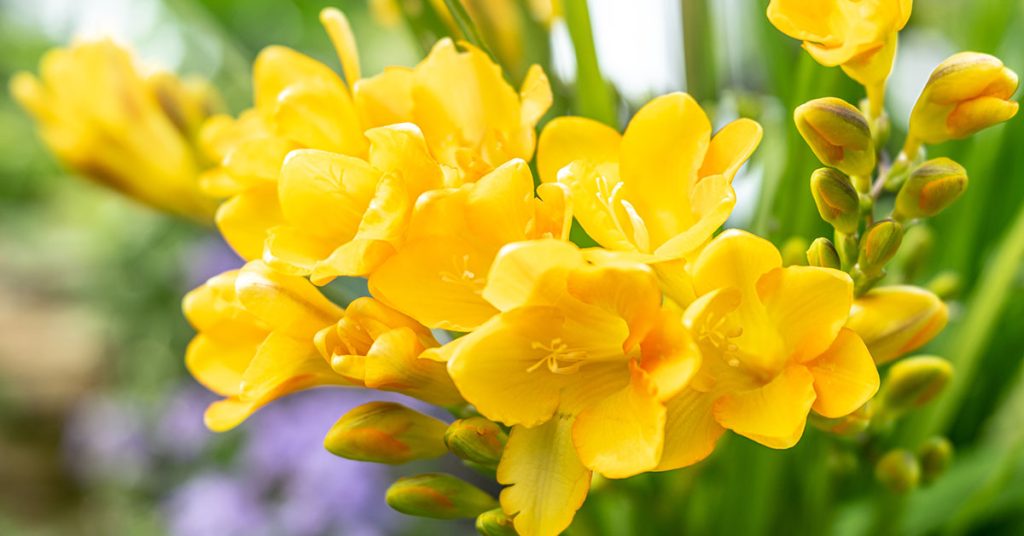
Freesia is a true sensory delight, celebrated for its bright, trumpet-shaped flowers that release an alluring, sweet fragrance with every breeze! Native to the grasslands of South Africa, this bulbous plant has long been prized for its stunning blooms and captivating aroma that fills the air with hints of citrus and spice. I’ve always found that the gentle scent of Freesia is perfect for attracting a variety of pollinators, including bees and butterflies, who seem to appreciate its delicate perfume as much as I do.
These non-invasive beauties thrive in well-drained soil and full sun, making them an ideal addition to flower beds and borders. With regular watering and proper care, Freesia creates a vivid display of color and scent that transforms any garden into a vibrant, aromatic haven. Every time I watch these elegant blooms sway in the breeze, I’m reminded of how quickly nature’s fragrance can lift your spirits and brighten your day!
Rose

The timeless Rose is synonymous with romance and grace, exuding a layered, complex fragrance that has enchanted gardeners for centuries! Native to regions across Asia, Europe, and North America, roses come in a vast array of varieties—from delicately scented old garden roses to modern hybrids that offer bolder, more intense aromas. I’m always in awe of how a single rose bush can fill the air with its heady perfume, attracting a host of pollinators like bees and butterflies, and even inspiring local birds to perch nearby.
Despite their lush reputation, many rose varieties have been bred to be non-invasive and well-behaved, making them a reliable choice for even the most space-constrained gardens. By providing ample sunlight, well-drained soil, and a little attentive care, you can enjoy a continuous display of velvety petals and intoxicating scents all season long. Every time I take a deep breath near my roses, it’s like receiving a gentle reminder of nature’s timeless beauty and the art of slow, fragrant indulgence!
Honeysuckle

Honeysuckle is a vigorous, climbing shrub renowned for its sweet, nectar-rich flowers that create a veritable feast for both the senses and local pollinators! Native to Europe and parts of Asia, Honeysuckle’s tubular blooms exude a delicious fragrance that attracts hummingbirds, bees, and even butterflies, making it an ideal plant for nurturing a vibrant garden ecosystem. I’ve always admired how its cascading clusters of blossoms not only beautify a garden but also provide a natural haven for beneficial insects and occasional nesting birds.
This delightful climber is generally non-invasive when managed with proper pruning and training along a trellis or fence. Its fast growth and stunning aroma have made it a favorite among gardeners who crave both visual and olfactory splendor. Every time I see Honeysuckle unfurl its perfumed tendrils in the morning light, it fills me with a joyful reminder of nature’s generous ability to enchant and inspire!
Jasmine
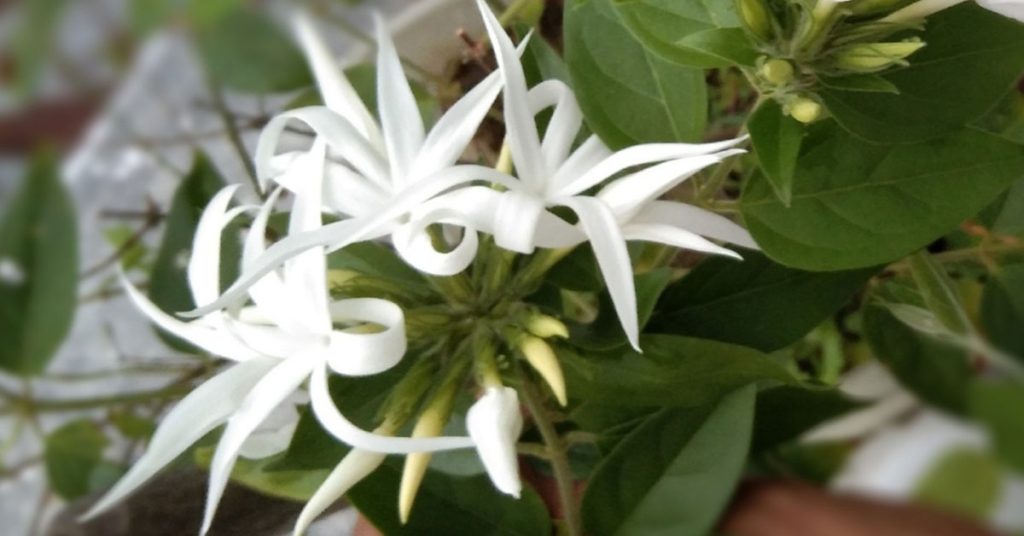
Jasmine is a small yet powerfully fragrant flower that instantly transforms your garden into a sensory wonderland! Native to tropical and subtropical regions of Asia, Jasmine is celebrated for its tiny, star-shaped blossoms that emit an intensely sweet aroma, particularly during the evening hours. I love how its delicate flowers attract a host of pollinators such as moths and bees, turning each twilight into a magical, buzzing celebration of nature’s beauty.
While Jasmine is known for its intoxicating scent, it is also prized for its non-invasive growth habit when grown in pots or well-managed garden beds. With a little pruning and consistent care, this charming plant rewards you with an ongoing perfume that lingers in the air, inviting you to relax and savor every moment spent in your fragrant sanctuary. Each encounter with Jasmine feels like a gentle whisper of nature’s sweetest secrets!
Lilac
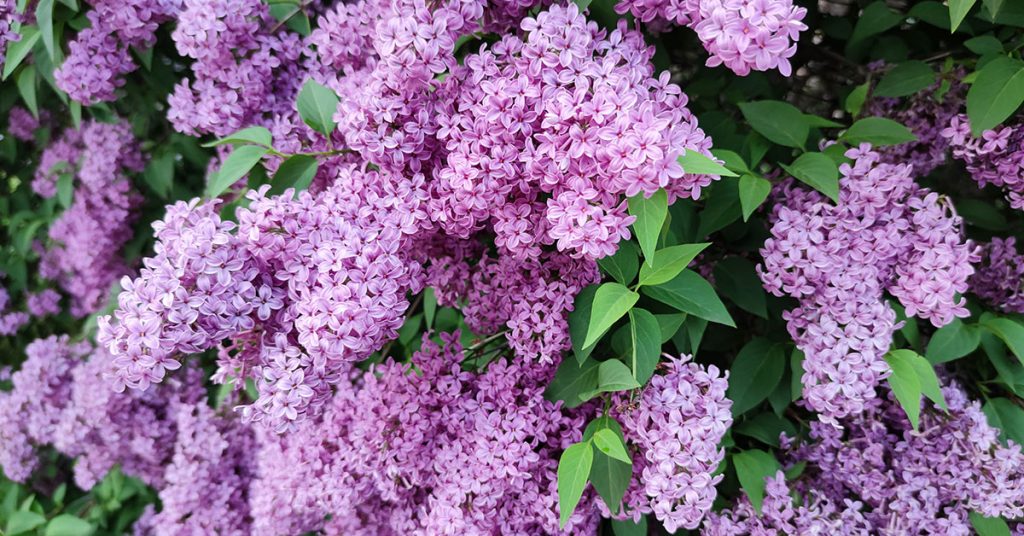
Lilac is a majestic shrub whose abundant clusters of blooms fill the air with a heady, nostalgic fragrance that evokes memories of warm spring days! Native to Eastern Europe and Asia, lilacs have long been cherished for their enchanting scent and beautiful, cone-shaped clusters that attract butterflies and other delightful pollinators. I’m always struck by how the rich, floral aroma of lilac can instantly uplift your spirits and transform a simple garden space into a fragrant retreat.
Despite their vigorous growth, lilacs are generally non-invasive when pruned properly, making them a reliable and manageable addition to any garden. Their robust nature and extended blooming period ensure that you can enjoy a steady release of perfume throughout the season, inviting a playful mix of bees and even small birds that seek refuge among their branches. Every time I stroll past my lilac hedge, I’m reminded of the timeless charm that nature bestows with every blooming season!
Sweet Pea
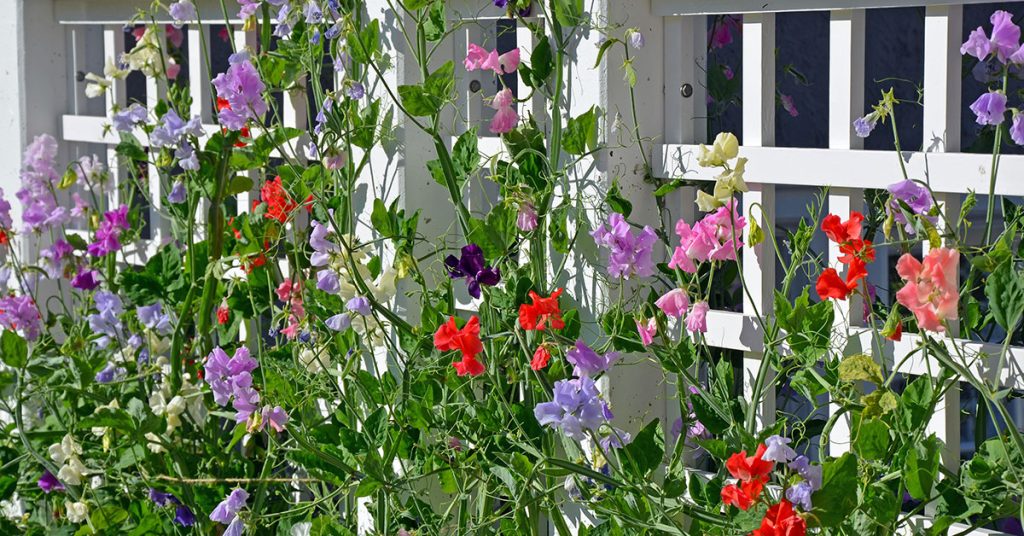
Sweet Pea is a delicate annual renowned for its charming, heart-shaped blooms and a fragrance that is as enchanting as a whispered secret! Native to the Mediterranean region, these climbing plants offer a stunning display of pastel colors and a scent that captivates the senses, attracting bees and butterflies in droves. I’m always delighted by how Sweet Pea’s tendrils gently wind around supports, creating an ethereal, fairy-tale atmosphere that transforms any garden nook into a haven of scent and beauty.
Their non-invasive nature and relatively easy care make Sweet Pea an ideal choice for gardeners looking to add a touch of delicate aroma to vertical spaces such as trellises or arbors. With proper support and consistent watering, these flowers quickly establish themselves and reward you with a continuous bloom of fragrant petals. Every time I see a cascade of Sweet Pea, it feels like nature has wrapped the garden in a soft, perfumed embrace—a true celebration of gentle, ephemeral beauty!
Peony
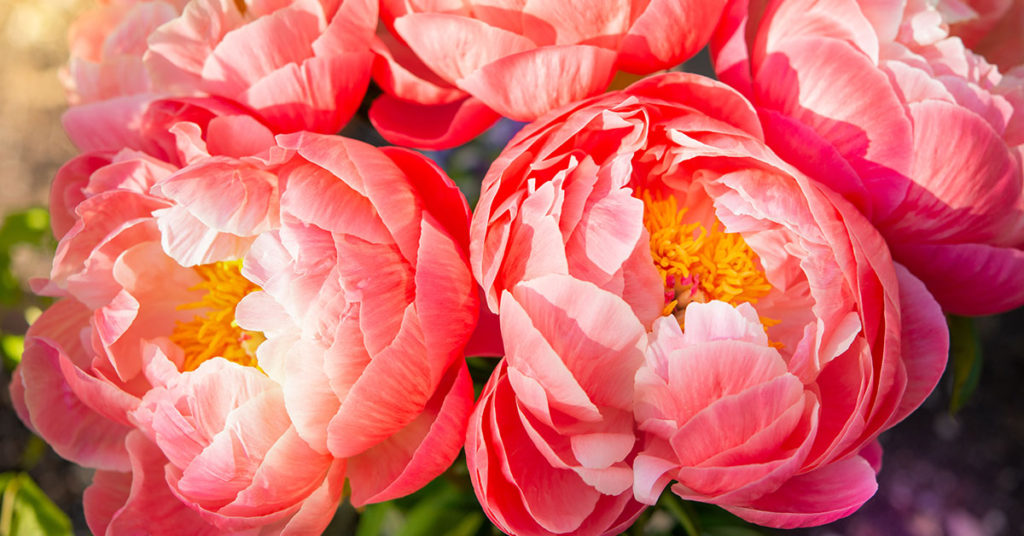
Peony is a timeless perennial that exudes a luxurious fragrance and boasts lush, full blooms that are nothing short of spectacular! Native to Asia, Europe, and Western North America, peonies have been cultivated for centuries for their opulent petals and sweet scent that fills the garden with an air of romance. I’m always in awe of how these magnificent flowers attract a plethora of pollinators, from buzzing bees to fluttering butterflies, all eager to sample the rich nectar hidden within those lavish blossoms.
Despite their bold presence, peonies are remarkably well-behaved and non-invasive, thriving in spacious garden beds with a little seasonal care. Their robust growth and stunning display of color and scent make them a centerpiece in any garden, offering not only beauty but also a sense of tranquility and tradition. Every time I encounter a blooming peony, it reminds me of the simple yet profound joys of nurturing a garden that is as fragrant as it is visually captivating!
Tuberose

Tuberose is a highly fragrant perennial that enchants the senses with its long, slender spikes of creamy white flowers and intoxicating scent! Native to Mexico and the Caribbean, this tropical treasure has found favor in gardens around the world for its heady aroma that intensifies as dusk falls. I’m continually fascinated by how Tuberose can turn an ordinary garden into an exotic retreat, drawing in nocturnal pollinators like moths that help complete its delicate lifecycle.
Its growth is typically well-contained, ensuring that Tuberose remains non-invasive while still producing a profuse display of fragrant blooms. With a bit of attention to watering and sun exposure, this enchanting flower rewards you with a lasting perfume that lingers in the air and transforms every evening into a sensory delight. Each time I catch a whiff of Tuberose, I’m reminded of warm, tropical nights and the magic that nature can weave into a simple garden!
Dianthus
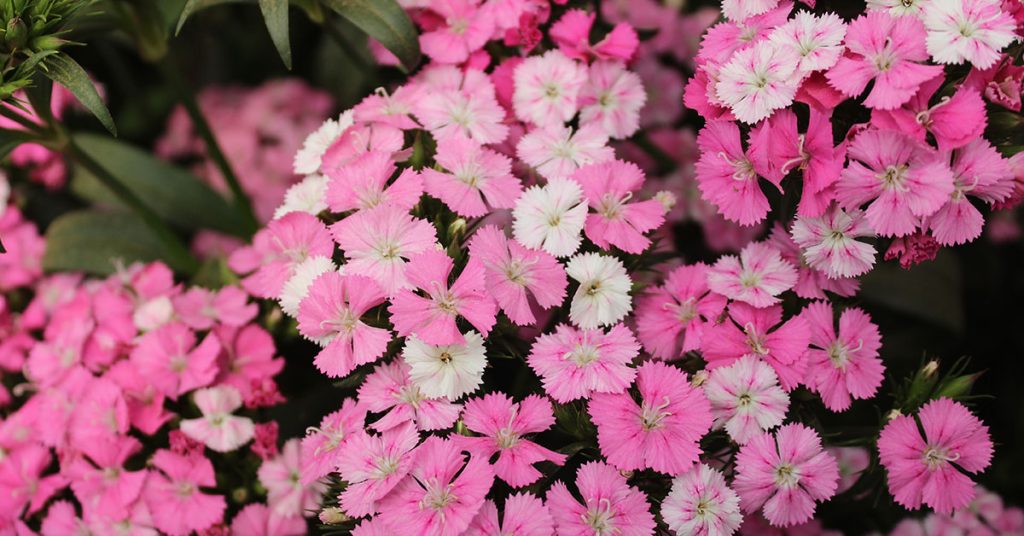
Dianthus, often known as Pinks or Carnations, is a charming perennial celebrated for its spicy, clove-like fragrance and vibrant, fringed blooms that seem to mimic the delicate beauty of a bird’s plumage! Native to Europe and parts of Asia, these dainty flowers have been a favorite of gardeners for centuries due to their striking colors and irresistible scent that attracts bees and butterflies. I’m always excited by how Dianthus adds a touch of old-world elegance to any garden, with its playful yet refined blossoms that create an atmosphere of gentle celebration.
Despite its captivating allure, Dianthus is typically non-invasive and thrives in well-drained, slightly alkaline soil, making it an excellent choice for rock gardens and border plantings. Its compact habit and low maintenance requirements mean that even beginner gardeners can enjoy a profusion of its fragrant blooms. Every time I see a cluster of Dianthus swaying in the breeze, it fills me with joy—a reminder that sometimes the smallest, most delicate flowers can have the most profound impact on our senses!
Stock (Matthiola)
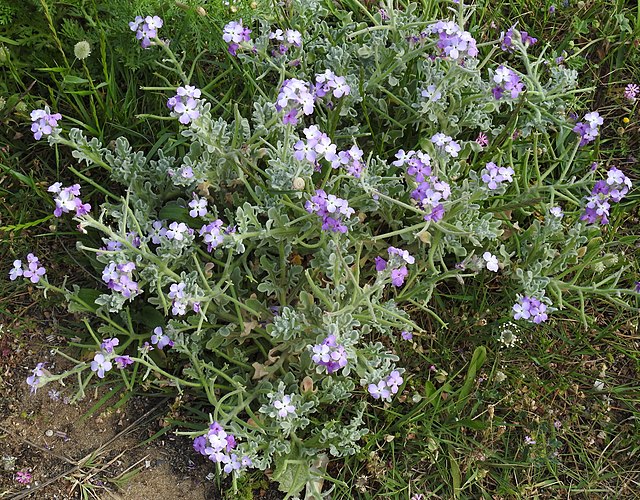
Stock, known botanically as Matthiola, is a delightful biennial that captivates the garden with its rich, spicy fragrance and clusters of ruffled blossoms! Native to the Mediterranean and parts of Europe, Stock has earned a reputation for its enchanting scent that intensifies in the cooler hours of the day, attracting bees, butterflies, and even the occasional curious hummingbird. I’m continually impressed by how this flower’s layered petals create a sumptuous, textured display that not only pleases the eye but also fills the air with a heady perfume.
Stock is well-regarded for its non-invasive growth and ease of cultivation in temperate gardens, making it a superb choice for those who want to add a burst of aromatic elegance without extensive maintenance. Its generous flowering period and ability to thrive in both garden beds and containers make it a versatile favorite in my own aromatic retreat. Every time I catch a whiff of Stock’s captivating aroma, it’s like experiencing a natural symphony of fragrance that uplifts and inspires!
Scented Geranium
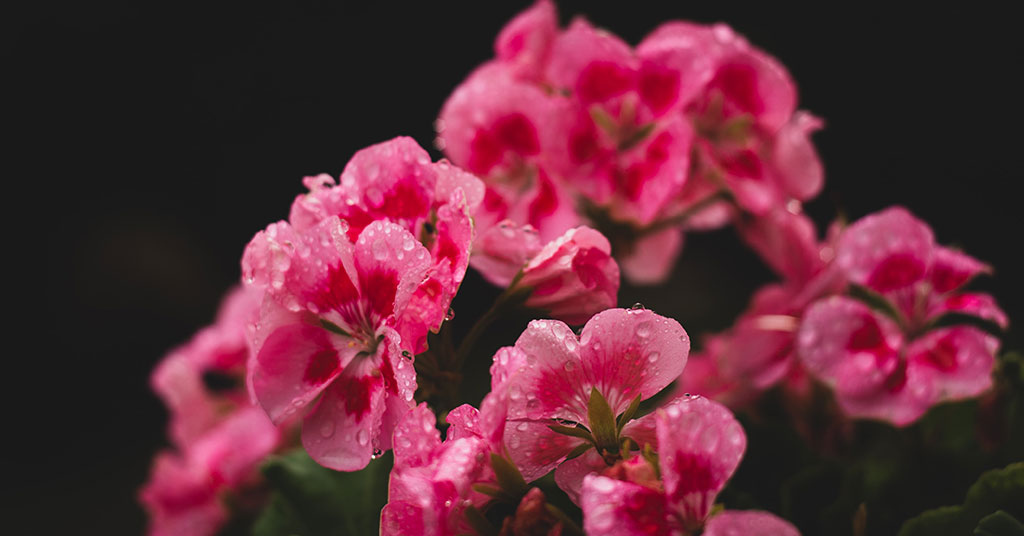
Scented Geranium, particularly the rose-scented variety (Pelargonium graveolens), is a versatile perennial prized for its robust, delightful fragrance and vibrant foliage that seems to dance in the sun! Native to South Africa, these geraniums have been introduced around the globe for their ability to emit an enchanting aroma reminiscent of roses or citrus, depending on the cultivar. I’m always delighted by how these plants not only enhance the visual appeal of my garden with their bright leaves and clusters of tiny flowers but also serve as natural air fresheners that attract beneficial insects.
Their non-invasive growth habit and adaptability to container gardening make Scented Geraniums an ideal choice for urban balconies and small garden spaces. With just a little regular pruning and a spot in the sunlight, these fragrant gems reward you with continuous bursts of aroma that brighten even the dreariest days. Every time I catch a whiff of their intoxicating scent, it feels like nature’s own perfume is gently embracing the garden—a truly uplifting experience for any green thumb!
Magnolia
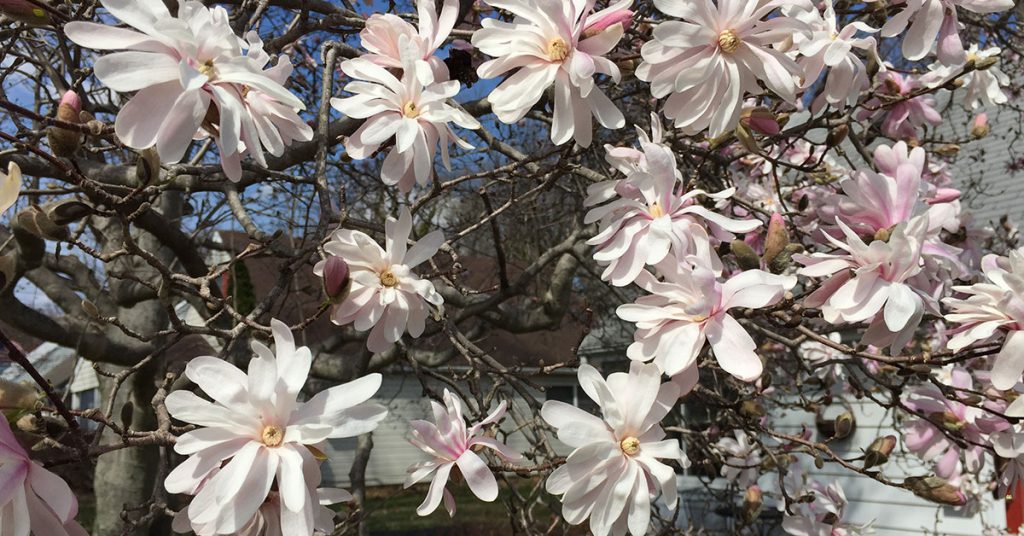
Magnolia is a magnificent tree that produces large, creamy blossoms with a soft, citrusy fragrance that fills the air with warmth and serenity! Native to Asia and the Americas, magnolias have long been admired for their grand, show-stopping flowers and lush, evergreen foliage that create a stately presence in any garden. I’m always in awe of how a magnolia can transform a space with its elegant, fragrant blooms that attract butterflies and bees, offering them shelter and a delightful feast of nectar.
Despite their impressive size, many magnolia varieties are well-behaved in cultivated gardens and do not become invasive when properly maintained. Their slow, steady growth and timeless beauty make them a centerpiece that radiates both strength and delicate charm. Every time I stand beneath a magnolia in full bloom, I’m reminded of the enduring magic of nature—a perfect blend of floral elegance and sensory delight that enriches the entire garden experience!
Verbena
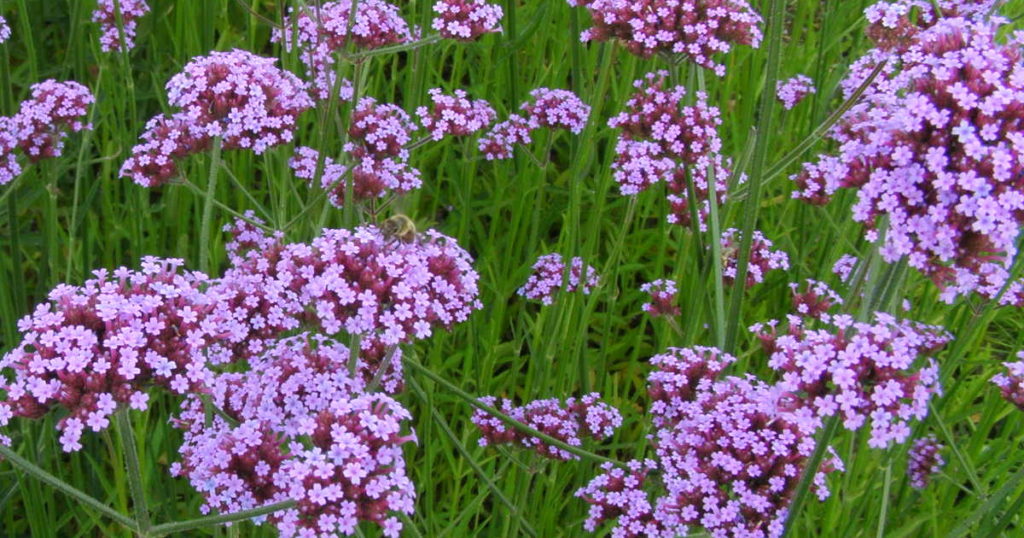
Verbena is a tall, airy perennial that enchants the garden with its clusters of small, nectar-rich flowers and a light, sweet fragrance that is simply irresistible! Native to South America, Verbena bonariensis has become a darling of gardeners worldwide for its ability to attract butterflies, bees, and even hummingbirds with its subtle yet captivating aroma. I love how its slender form and graceful, floating blooms add a touch of elegance and movement to any landscape, creating a natural haven for pollinators.
This non-invasive beauty thrives in full sun and well-drained soil, making it a perfect choice for both large flower beds and container gardens. With its long blooming season and low maintenance needs, Verbena rewards you with a continuous flow of delicate fragrance that fills the air and uplifts the spirit. Every time I see a swarm of butterflies around Verbena, I’m reminded of the garden’s capacity to inspire and delight with nature’s gentle, enduring wonders!
Wisteria
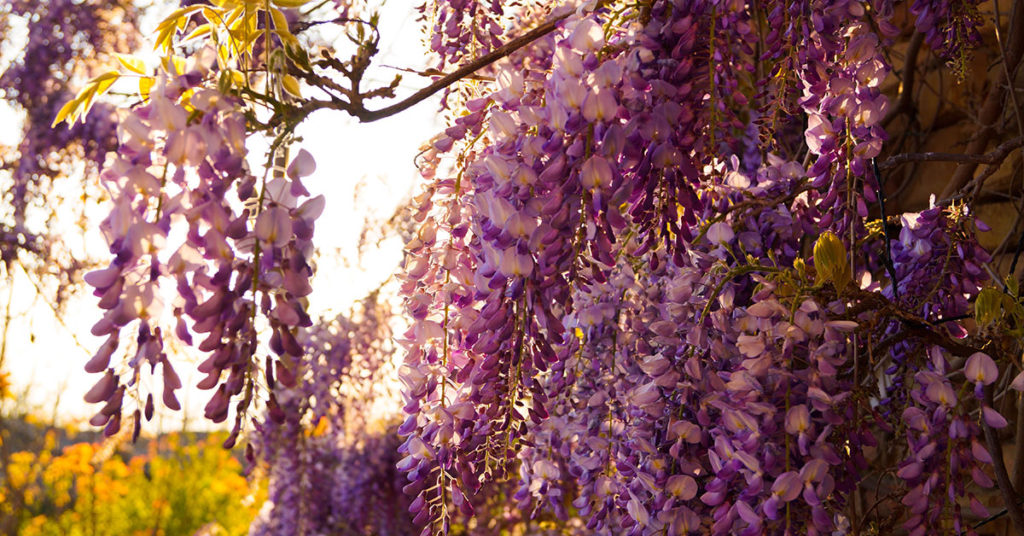
Wisteria is a dramatic, vine-like climber that transforms any garden into an enchanting spectacle of cascading, fragrant blossoms reminiscent of a floral waterfall! Native to China, Japan, and the Eastern United States, wisteria has long been revered for its luxuriant clusters of purple or white flowers that emit a sweet, heady aroma, drawing in butterflies and bees like tiny, airborne admirers. I’m always excited by the way its twining vines and lush, drooping cascades create a whimsical, almost fairytale-like atmosphere in my garden.
While wisteria is known for its vigorous growth, careful pruning and proper support ensure that it remains non-invasive and manageable even in smaller spaces. Its powerful scent and breathtaking display make it a true centerpiece that not only captivates the eye but also fills the air with an aroma that speaks of summer evenings and enchanted gardens. Each time I watch the sunlight filter through its cascading blooms, I’m filled with awe at the natural artistry of this stunning plant!
Mock Orange

Mock Orange (Philadelphus coronarius) offers a delightful burst of citrus-like fragrance that rivals that of true orange blossoms, making it a treasure for any aromatic garden! Native to Europe and Western Asia, this deciduous shrub is cherished for its clusters of creamy white, daisy-like flowers that exude a sweet, uplifting scent. I love how Mock Orange not only beautifies my garden with its delicate, star-shaped blooms but also attracts a variety of pollinators, from bees to butterflies, which add life and movement to the landscape.
Its non-invasive nature and relatively low maintenance requirements make Mock Orange an ideal choice for gardeners looking to introduce a burst of fragrance without excessive care. With a little pruning and the right spot in full sun, this shrub rewards you with a prolonged blooming period and a captivating perfume that transforms your outdoor space. Every time I catch a whiff of Mock Orange in bloom, it’s like nature has gifted me a reminder of the simple, elegant pleasures of a fragrant garden!
Camellia
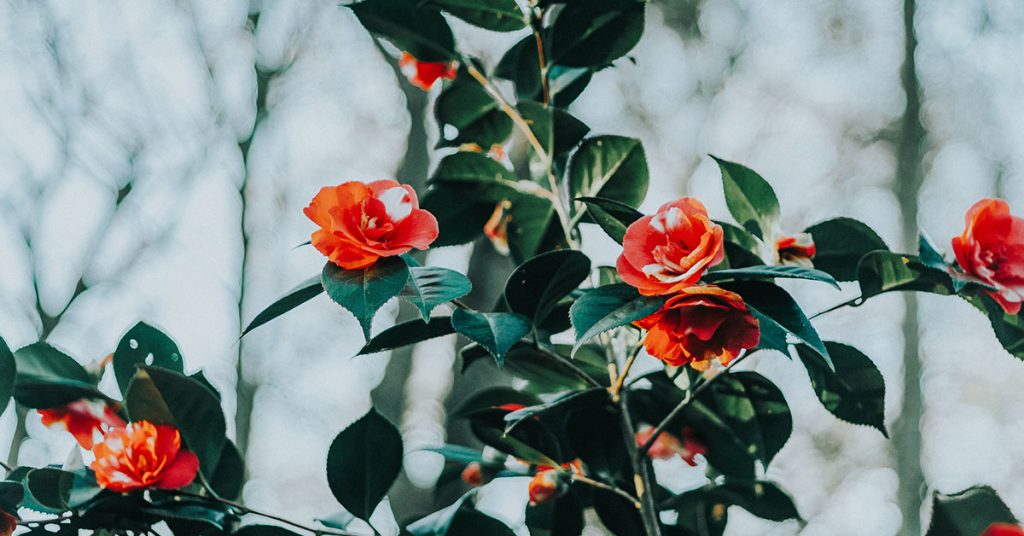
Camellia is a stately, evergreen shrub whose lush, delicate blooms and subtle fragrance bring a touch of sophistication and serenity to any garden! Native to eastern and southern Asia, camellias have been treasured for centuries for their showy, rose-like flowers that exude a soft, almost tea-like aroma, creating a serene ambiance that attracts bees and other gentle pollinators. I’m always charmed by the way these blossoms unfurl in early spring or winter, providing a burst of color and fragrance during the colder months.
Although some camellia species can spread moderately, they are generally considered non-invasive when maintained with regular pruning. Their glossy leaves and vibrant blooms add an elegant focal point to garden borders and container plantings, making them a perfect choice for those who appreciate both beauty and subtle scent. Every time I see a camellia in full bloom, it fills me with a sense of timeless grace—a reminder that nature’s beauty can be both enduring and delicately fragrant!
Narcissus
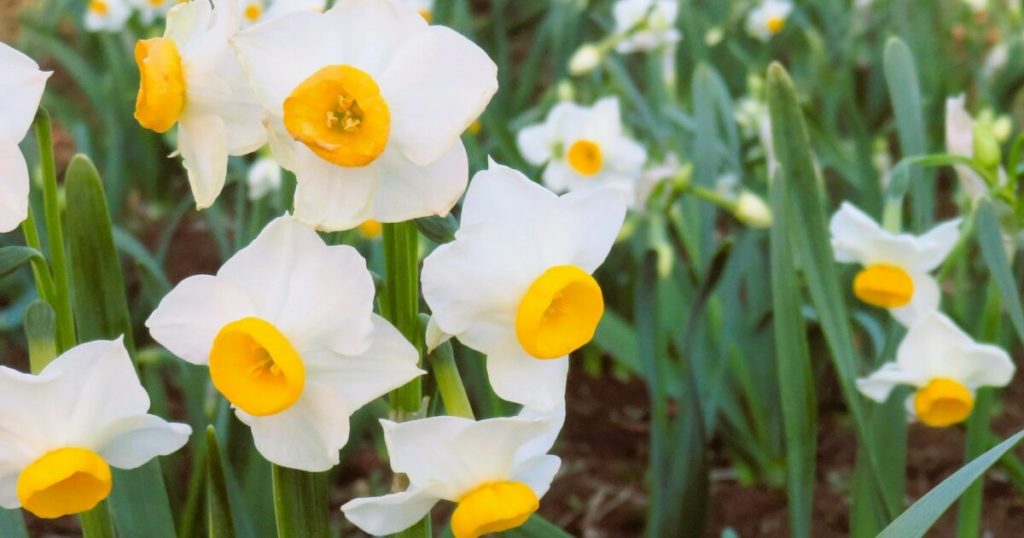
Narcissus, commonly known as daffodils, brings a cheerful burst of fragrance and color to the garden, heralding the arrival of spring with its unmistakable, sweet aroma! Native to the Mediterranean and cultivated extensively across Europe, these bulbous perennials are prized for their trumpet-shaped blooms and gentle, fresh scent that attracts early spring pollinators such as bees and small butterflies. I’m always delighted by how Narcissus transforms a winter-weary garden into a vibrant celebration of nature’s renewal and promise.
They are typically non-invasive and thrive in well-drained soil with plenty of sunlight, making them an excellent choice for gardeners looking to create a low-maintenance yet impactful display. With their bright, sunny blossoms and uplifting fragrance, Narcissus not only add beauty to the landscape but also create a nurturing environment for beneficial insects that support the garden’s natural balance. Every time I witness a cluster of daffodils nodding in the breeze, it’s like a joyful invitation to embrace the season’s fresh beginnings!
Mimosa
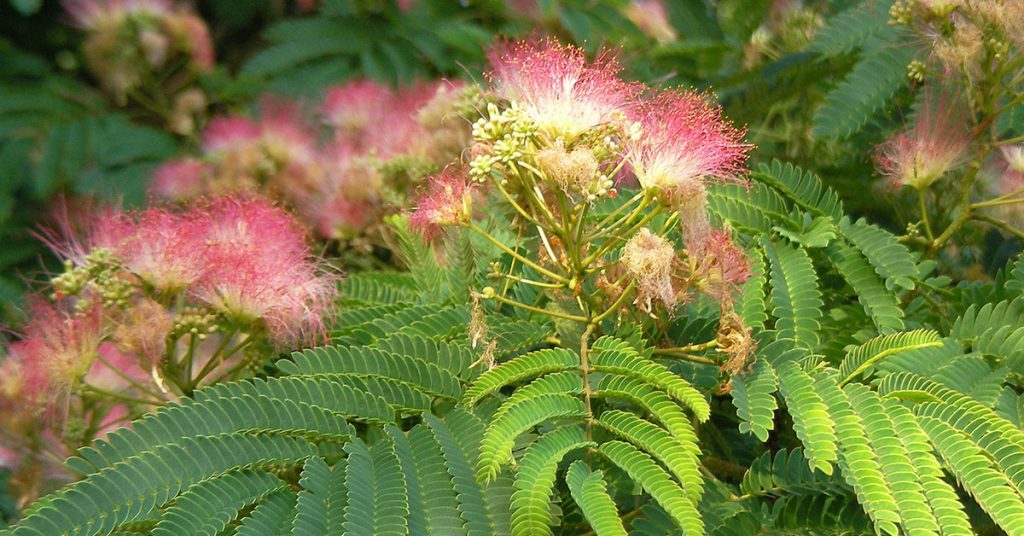
Mimosa (Acacia dealbata) is a striking, fragrant tree whose feathery, delicate foliage and powdery yellow blooms release a captivating, sweet scent that fills the air with summer warmth! Native to Australia, Mimosa has been widely planted in various regions for its ornamental appeal and lush, airy canopies that provide a natural sanctuary for birds and beneficial insects alike. I’m always excited by the way its soft, shimmering leaves and clusters of vibrant blooms create a delicate, bird-like appearance that transforms any garden into a fragrant paradise.
Despite its vigorous growth, Mimosa is generally well-behaved in cultivated settings when pruned and managed properly, ensuring that it remains a delightful, non-invasive addition to your landscape. Its rapid growth and abundant fragrance make it an ideal choice for large gardens or spacious patios where its natural charm can be fully appreciated. Every time I enjoy the gentle, sweet aroma of Mimosa in bloom, I’m reminded of the simple pleasures that come with nurturing a garden that delights the senses and welcomes nature’s little visitors!