
There’s something utterly magical about discovering flowers that seem to take flight in your garden—a burst of color and form that makes you feel as though nature herself is sending a message of freedom and wonder! As a devoted gardener who’s battled everything from shady spots to pesky intruders, I know the thrill of finding a bloom that appears to be inspired by the elegant lines of a bird. In this article, I’m excited to share 13 remarkable flowers that look like birds, each with its own native roots, unique behaviors, and enchanting ways of attracting pollinators.
I understand the frustration of waiting for your garden to bloom or dealing with invasive species that disrupt your space—trust me, I’ve been there! That’s why I’ve handpicked these bird-inspired blossoms that are not only eye-catching but also well-behaved in the garden. Whether you’re working with a sprawling backyard or a modest balcony, these plants promise to transform your outdoor space into a lively aviary of color and movement.
Passion Flower
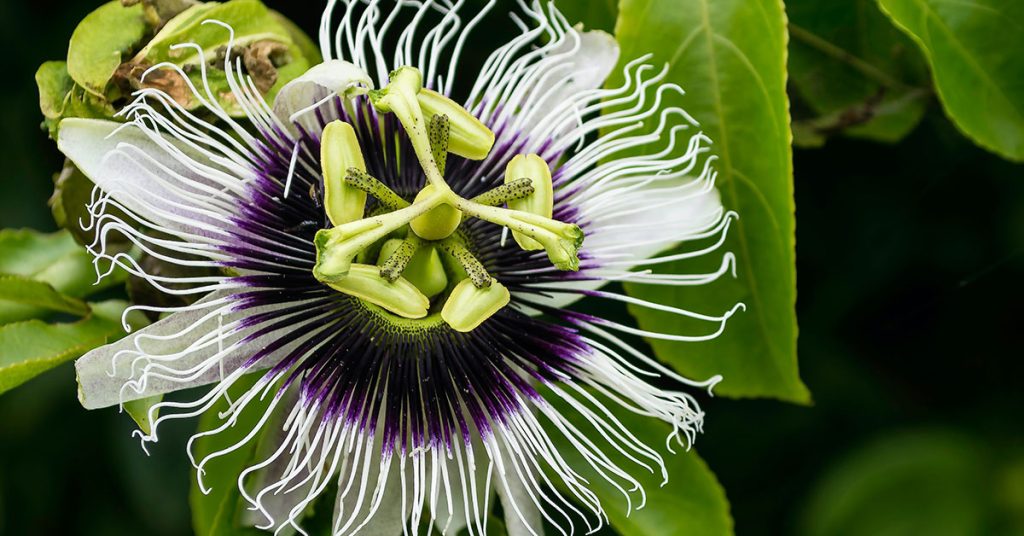
Passion Flower (Passiflora incarnata) is a mesmerizing vine whose intricate blossoms seem to capture the very essence of a bird in mid-flight! Native to the Americas, this exotic beauty is famed for its elaborate, ethereal structure and vibrant colors that instantly draw the eye. I’ve always been fascinated by how its delicate, ruffled petals and contrasting filaments create a natural artwork reminiscent of a soaring bird—a true conversation starter in any garden!
Not only does Passion Flower offer visual delight, but it also plays a critical role in attracting a host of pollinators and even serving as a host plant for certain butterfly species. Despite its wild, almost otherworldly appearance, it is generally non-invasive when managed in a trellis-supported setting. Every time I watch its tendrils curl around a support and its blossoms unfurl like a secret, I’m reminded of the boundless creativity of nature—truly an inspirational treasure for any gardener!
Parrot Impatiens
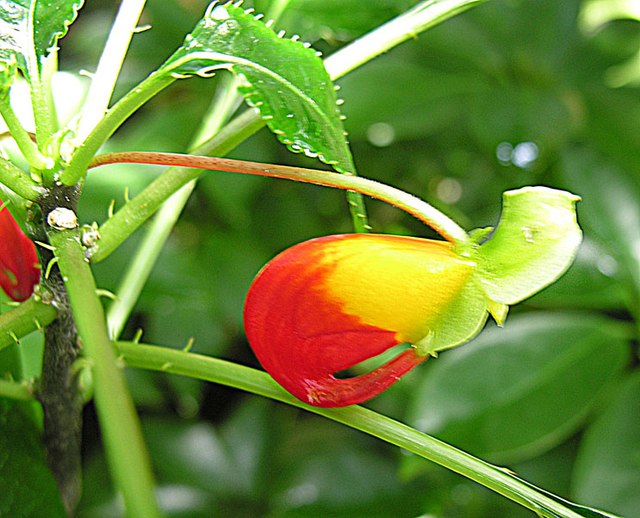
Parrot Impatiens (Impatiens psittacina) bursts into bloom with exotic flair, its vibrant petals and unusual shape evoking the playful spirit of a parrot! Native to the moist, tropical regions of Southeast Asia, these impatiens stand out in any garden with their intricate color patterns and dynamic form that mimic the vivid plumage of tropical birds. I’m continually delighted by how these flowers not only charm the eye but also serve as a welcoming beacon for bees and small insects, creating a lively microhabitat in your planting bed.
Their fast growth and non-invasive nature make Parrot Impatiens a favorite for gardeners with limited space, as they quickly fill in and add a tropical twist to shady corners. They thrive in consistently moist soil and filtered light, conditions that allow their bird-like charm to truly shine. Each time I see a parrot impatiens cluster, it feels as though a burst of tropical joy has been planted right in my own backyard!
Cock’s Comb

Cock’s Comb (Celosia cristata) is a striking annual whose vibrant, crested blooms evoke the flamboyant display of a rooster’s comb! Native to tropical Africa and India, this flower is renowned for its ruffled, velvety inflorescences that come in a spectrum of brilliant hues. I find it absolutely enchanting how its intricate, frilly structure resembles the ornate crest of a bird, instantly adding a wild, feathered flair to any garden setting.
Beyond its dramatic appearance, Cock’s Comb attracts a host of beneficial insects, including bees and butterflies, who are drawn to its abundant nectar. This non-invasive plant thrives in full sun and well-drained soil, making it a superb choice for adding an exotic accent to small garden beds or container plantings. Every time I admire a patch of Cock’s Comb, I can’t help but feel as though I’ve captured a slice of a tropical aviary right at home!
Parrot’s Feather
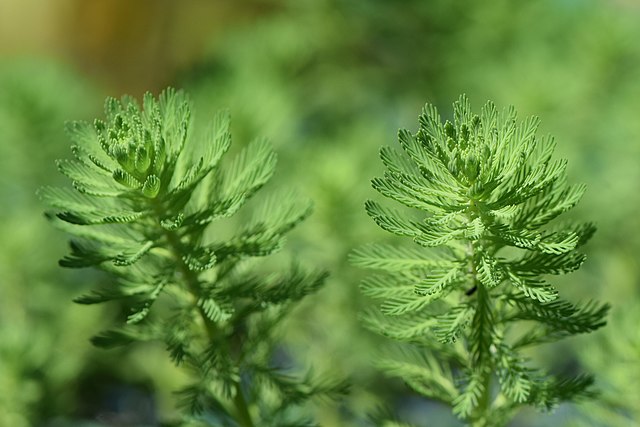
Parrot’s Feather (Myriophyllum aquaticum) is an aquatic delight that brings an exotic, feather-like texture to water gardens and ponds—its lush, finely divided leaves seem to mimic the delicate plumes of a tropical bird! Native to South America, this plant thrives in warm, watery conditions and adds a graceful, almost ethereal quality to any water feature. I love how its airy, feathery foliage creates a soft, fluttering effect that attracts not only butterflies but also small aquatic critters seeking shelter.
Despite its rapid growth in moist environments, Parrot’s Feather remains non-invasive when grown in controlled water containers or designated ponds. Its ability to enhance the visual appeal of any water garden while supporting a healthy micro-ecosystem makes it an ideal choice for gardeners who cherish both beauty and function. Each ripple of its delicate leaves reminds me of the subtle elegance of a bird’s wing in flight—a true aquatic marvel!
Bird’s-Foot Trefoil
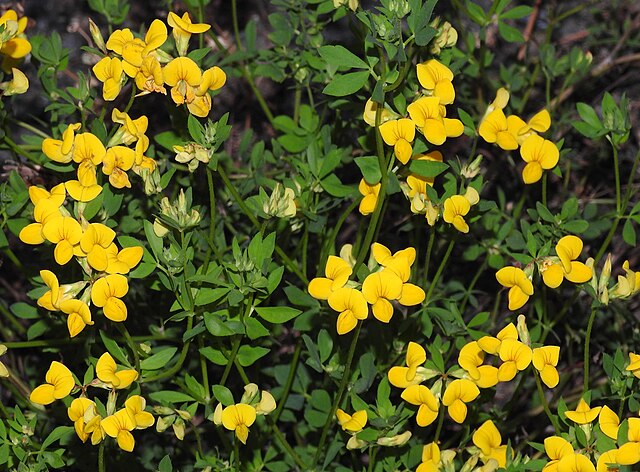
Bird’s-Foot Trefoil (Lotus corniculatus) is a charming wildflower that earns its name from the unique shape of its compound leaves, which resemble a bird’s delicate foot! Native to Europe and western Asia, this low-growing perennial is celebrated for its bright, pea-like flowers and its remarkable ability to attract pollinators. I’m always amazed at how its vibrant yellow blooms seem to beckon swallowtail butterflies and bees alike, turning a modest garden patch into a buzzing, nature-infused haven.
This plant is delightfully non-invasive and perfect for small gardens, as it forms a gentle, sprawling ground cover that enriches the soil with nitrogen. Its drought tolerance and minimal maintenance needs make it a favorite among busy gardeners who appreciate a robust, self-sustaining bloom. Every time I see Bird’s-Foot Trefoil flourishing, it fills me with the satisfaction of knowing that even the simplest plants can bring a touch of natural artistry to your outdoor space!
Flamingo Flower
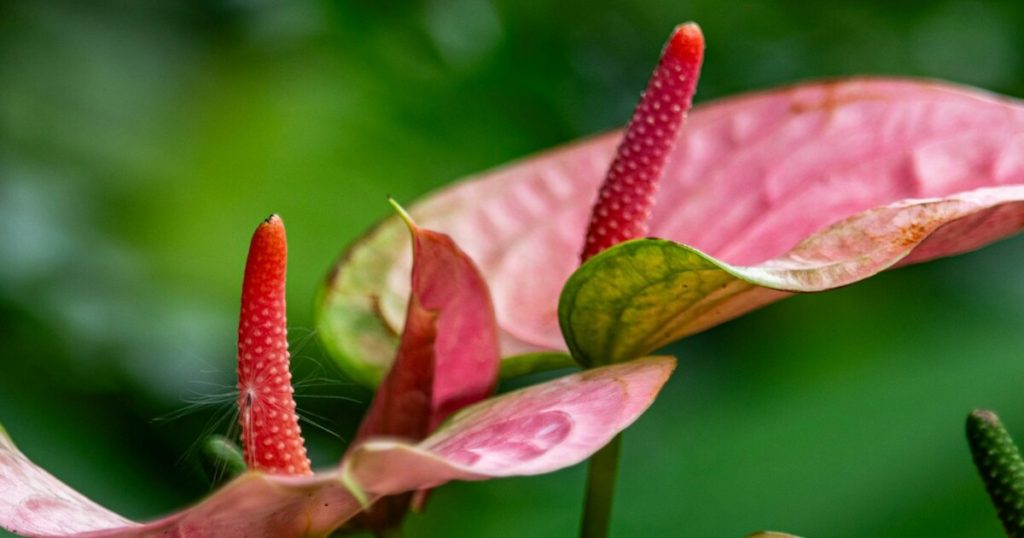
The Flamingo Flower (Anthurium andraeanum) dazzles with its glossy, heart-shaped spathes and vibrant red hues that evoke the graceful elegance of a flamingo in full display! Native to the tropical rainforests of Central and South America, this striking plant brings a burst of exotic color to any indoor or sheltered garden setting. Its unique structure not only offers a visual spectacle reminiscent of a bird’s silhouette but also creates an inviting refuge for small pollinators and beneficial insects.
Despite its dramatic appearance, Flamingo Flower is surprisingly well-behaved when grown in pots or as a houseplant, remaining non-invasive and manageable with regular care. I relish the way its glossy, waxy leaves catch the light and enhance its bird-like allure, making it a standout feature in any collection. Every time I catch a glimpse of its vibrant red spathes, it feels as though a touch of tropical magic has graced my garden—a true celebration of nature’s bold creativity!
Bird of Paradise
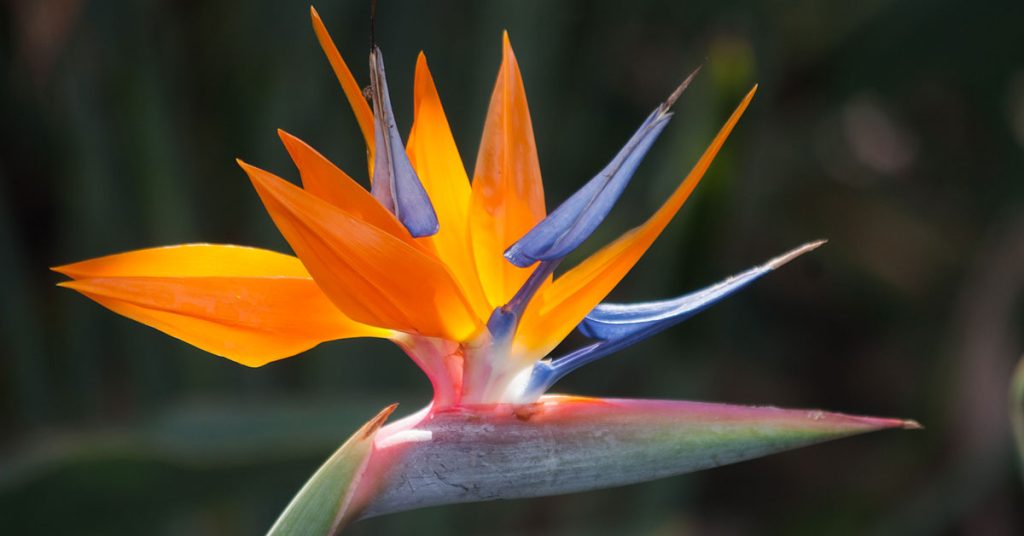
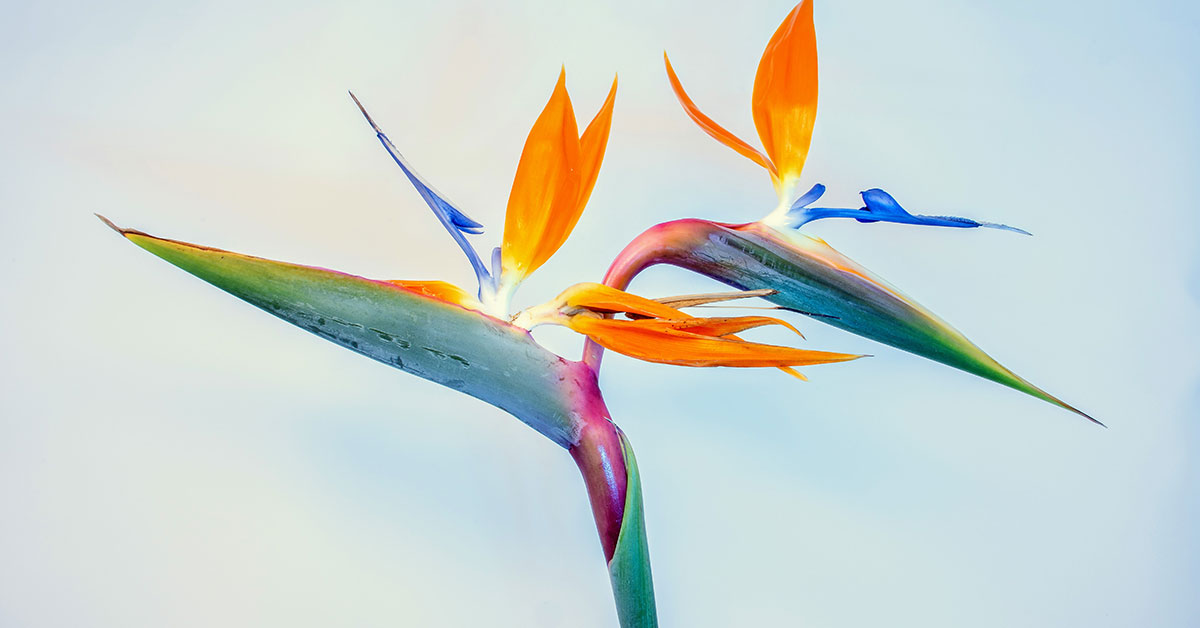
Bird of Paradise (Strelitzia reginae) is the quintessential flower that embodies the very essence of avian beauty, with its striking, crane-like blooms that evoke the elegance of a tropical bird! Native to South Africa, this iconic plant transforms any garden into a vibrant display of exotic flair. I’m continually captivated by how its vibrant orange and blue petals unfurl like the wings of a bird taking flight, drawing in a plethora of pollinators and even offering a perching spot for small birds on its sturdy stems.
Its robust, non-invasive growth habit makes Bird of Paradise a favorite among gardeners seeking to add a dramatic focal point without overwhelming their space. Thriving in full sun and well-drained soil, it rewards diligent care with a cascade of stunning blooms that light up the landscape. Every time I see a Bird of Paradise in full splendor, it fills me with a sense of awe and a reminder of nature’s ability to create living works of art!
Crane’s-Bill
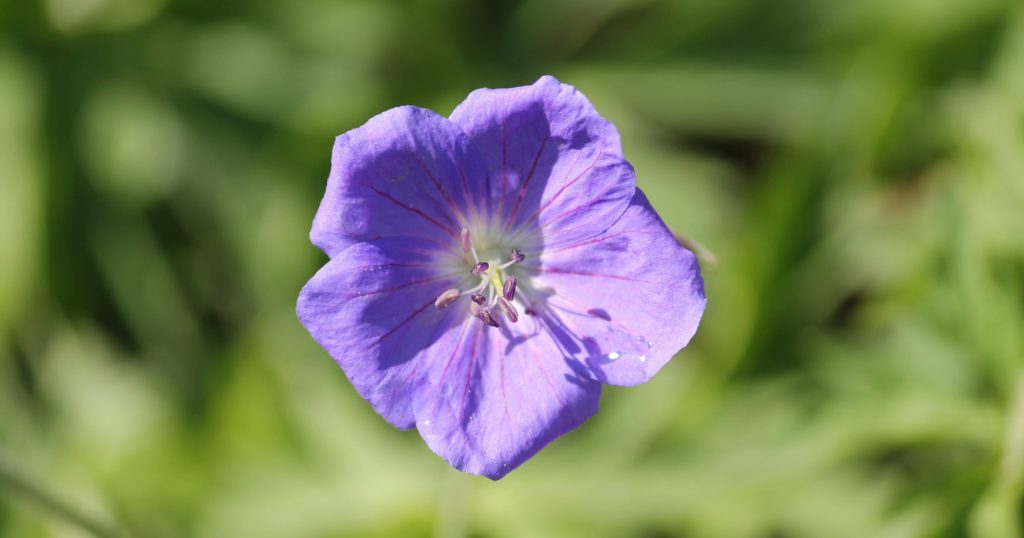
Crane’s-Bill (Geranium maculatum) is a delightful wildflower whose uniquely elongated seed pods and delicate blooms evoke the graceful silhouette of a crane in mid-flight! Native to eastern North America, this perennial wildflower has been a garden favorite for its charming, pastel-colored blossoms and its ability to attract a wide range of pollinators. I love how its soft, five-petaled flowers and extended bill-like seed capsules lend an almost whimsical, birdlike quality to the garden, inviting both admiration and gentle curiosity.
Despite its natural charm, Crane’s-Bill remains non-invasive and easy to manage in a variety of garden settings. Its preference for partial shade and moist, well-drained soil makes it an excellent choice for woodland gardens or shaded borders, where it effortlessly blends into the natural landscape. Every time I watch a butterfly or bee dance around its blooms, it reinforces my belief that nature’s subtleties—like the elegant form of Crane’s-Bill—make gardening a truly enchanting pursuit!
Stork’s Bill
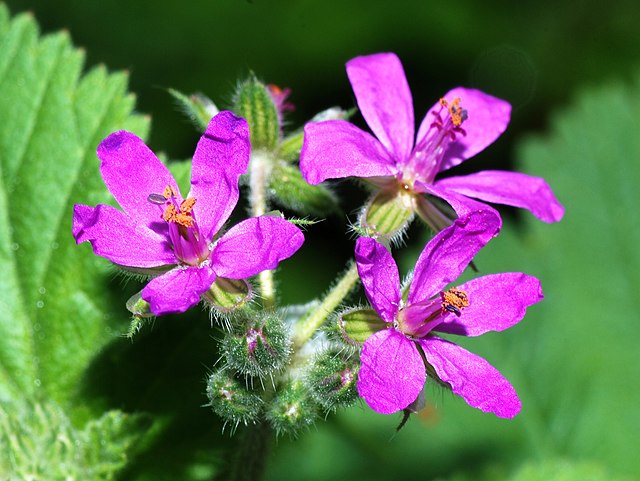
Stork’s Bill (a common name for several Geranium species such as Geranium robertianum) offers an intriguing twist on traditional garden blooms with its elongated, beak-like seed capsules that resemble the bill of a stork! Native to Europe and parts of Asia, this plant has charmed gardeners for generations with its soft, pinkish flowers and distinctive seed pods. I’m always fascinated by how Stork’s Bill not only provides a delicate burst of color but also creates a unique visual texture that evokes the graceful elegance of a bird in flight.
This plant is generally non-invasive and thrives in well-drained soils, making it a delightful addition to both wildflower meadows and carefully curated garden beds. Its low maintenance requirements and natural tendency to spread slowly ensure that it enhances the landscape without overwhelming it. Every time I see the subtle form of a stork’s bill emerging in my garden, it fills me with wonder at nature’s uncanny ability to mimic the beauty of the avian world!
Peacock Flower
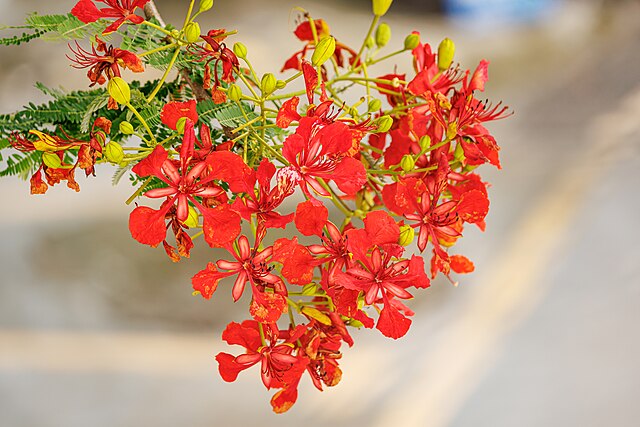
Peacock Flower (Caesalpinia pulcherrima) lives up to its name with its flamboyant display of fiery hues and intricate petal arrangements that evoke the dazzling plumage of a peacock! Native to tropical regions of the Americas, this shrub produces a profusion of blossoms that create a vivid tapestry of red, orange, and yellow—a sight that instantly energizes any garden space. I’m always excited by how its dramatic form not only attracts a variety of pollinators but also seems to command attention as if a colorful bird had landed amidst the greenery.
This plant is generally non-invasive when pruned and maintained properly, making it suitable even for smaller gardens or container plantings. Its fast growth and resilient nature mean that, with a bit of care, it transforms your outdoor space into a vibrant haven where nature and art converge. Every time I admire the Peacock Flower’s brilliant display, it’s like witnessing a living mosaic that celebrates the splendor of nature’s own feathered masterpieces!
Columbine
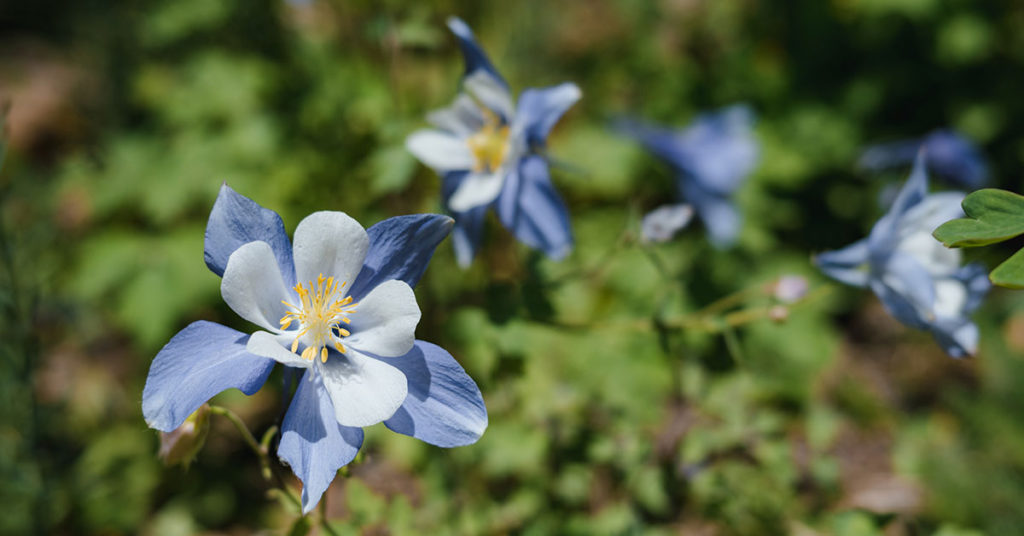
Columbine (Aquilegia canadensis) enchants with its delicate, nodding blooms and elongated spurs that seem to mimic the graceful curves of a bird’s silhouette in flight! Native to eastern North America, this perennial wildflower is prized for its soft, pastel hues and intricate floral design that captivates both the eye and the heart. I’m always charmed by how Columbine’s unique structure not only attracts hummingbirds and butterflies but also creates a gentle, almost ethereal presence in any garden setting.
Its non-invasive nature and adaptability to various soil types make Columbine a fantastic choice for both wildflower gardens and more formal landscapes. With a modest care routine and occasional deadheading, it rewards you with an extended blooming season that feels like a celebration of spring’s delicate beauty. Every time I spot a columbine swaying in the breeze, I’m reminded of the effortless elegance found in nature—a true muse for any gardener!
Bird’s Nest Orchid
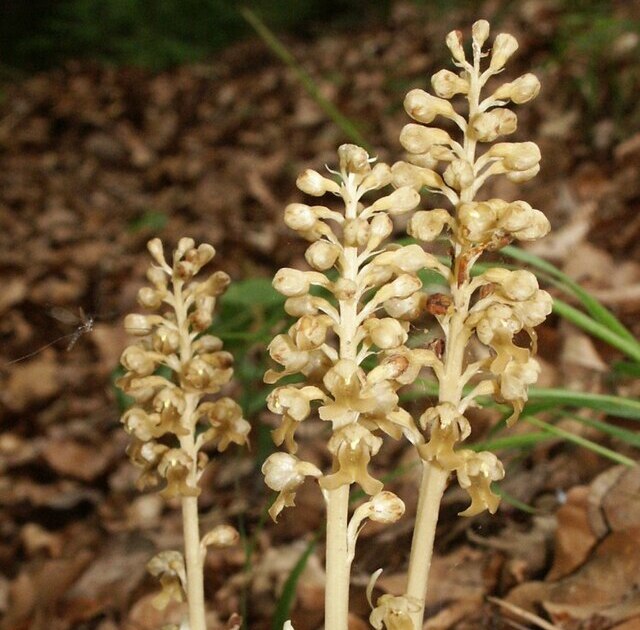
Bird’s Nest Orchid is an enchanting bloom whose intricate, bowl-shaped flower clusters evoke the tender image of a bird’s nest cradling delicate treasures! Native to tropical regions and subtropical forests, these orchids create a captivating display of subtle colors and unique textures that instantly transport you to a world of natural wonder. I’m particularly fascinated by how these orchids provide not only aesthetic appeal but also a microhabitat for tiny pollinators, creating a miniature ecosystem within each nest-like bloom.
Despite their exotic appearance, Bird’s Nest Orchids are typically non-invasive when grown in controlled indoor environments or specialized greenhouse setups. Their care requires a bit of attention to humidity and light, but the reward is an ongoing display of nature’s artistry that brightens even the most challenging spaces. Every time I see these orchid nests, I feel as though I’m witnessing a small miracle—a gentle reminder that nature’s wonders often come in the most delicate, unexpected forms!
Parrot’s Beak
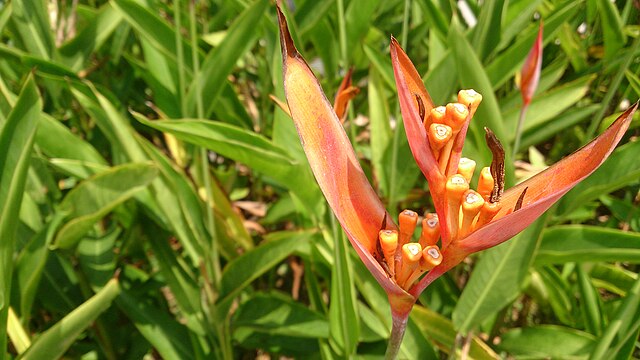
Parrot’s Beak (Lotus berthelotii) is a striking trailing plant whose vividly colored, curved blossoms bear a remarkable resemblance to the hooked beak of a tropical parrot! Native to the Canary Islands, this plant has been cherished for its ornamental value and its ability to cascade elegantly over walls, baskets, or garden borders. I’m always impressed by how its unique, bird-like flowers attract hummingbirds and butterflies alike, creating a dynamic interplay of color and movement in any outdoor space.
Its non-invasive growth habit makes Parrot’s Beak an ideal choice for gardeners working with limited space, as it can be trained along trellises or allowed to spill gracefully over containers. With minimal care beyond regular watering and occasional pruning, it rewards you with a continuous display of vivid blooms that transform your garden into a tropical retreat. Every time I see its curved, brilliant blossoms, I can’t help but smile at the delightful reminder that nature’s design is full of surprises—each flower a little avian masterpiece in its own right!