

If you’re passionate about adding a burst of color and life to your garden, few experiences compare to watching swallowtail butterflies flutter gracefully among your blooms! As an avid gardener who’s had my fair share of both gardening triumphs and setbacks (I know how frustrating it is when pests take over your garden!), I’ve learned that choosing the right nectar-rich plants can transform even a modest patch into a veritable butterfly paradise. These plants not only provide a feast for your eyes but also serve as vital nectar sources and sometimes even host plants for the larvae of these spectacular butterflies.
I’m thrilled to share 19 incredible plants that attract swallowtail butterflies, each with its own native heritage and unique garden behavior. Whether you’re working with a small urban balcony or a sprawling backyard, these species—ranging from herbaceous hosts to vibrant flowering perennials—promise to invite these graceful insects into your outdoor haven.
Parsley
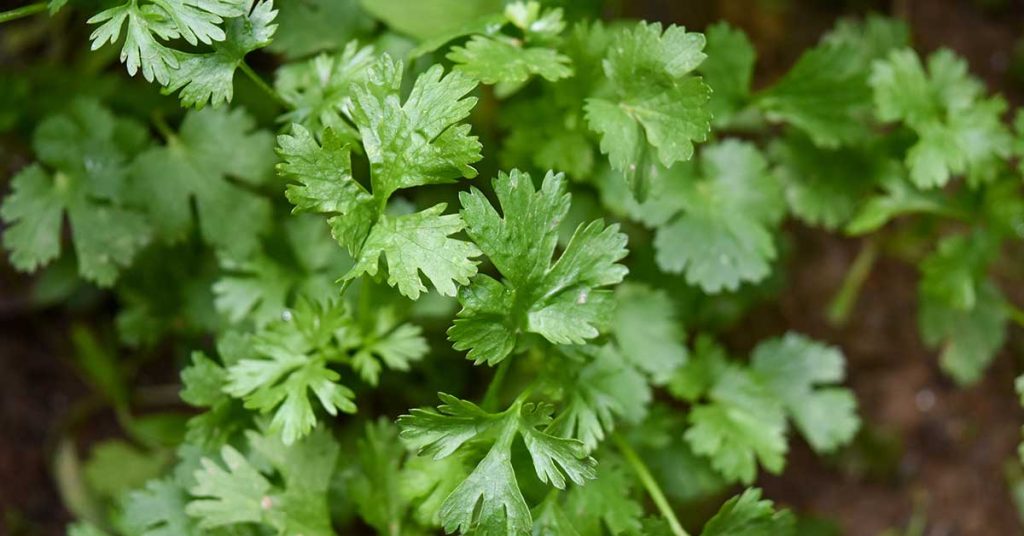
Parsley is much more than a culinary staple—it’s also a magnet for swallowtail butterflies! Native to the Mediterranean region, this versatile herb provides essential nourishment for the caterpillars of the Eastern Black Swallowtail. I’m always delighted to see how a border of parsley not only enhances the look of my garden but also invites these striking butterflies to sip its nectar and even use its leaves as a perfect starting point for laying eggs.
This humble herb remains well-behaved and non-invasive in most garden settings, making it an ideal choice for both beginner and experienced gardeners alike. Its rapid growth and attractive, feathery foliage add texture and movement to your garden, creating a dynamic environment that’s as delicious to cook with as it is to behold in nature’s dance of pollination!
Butterfly Bush
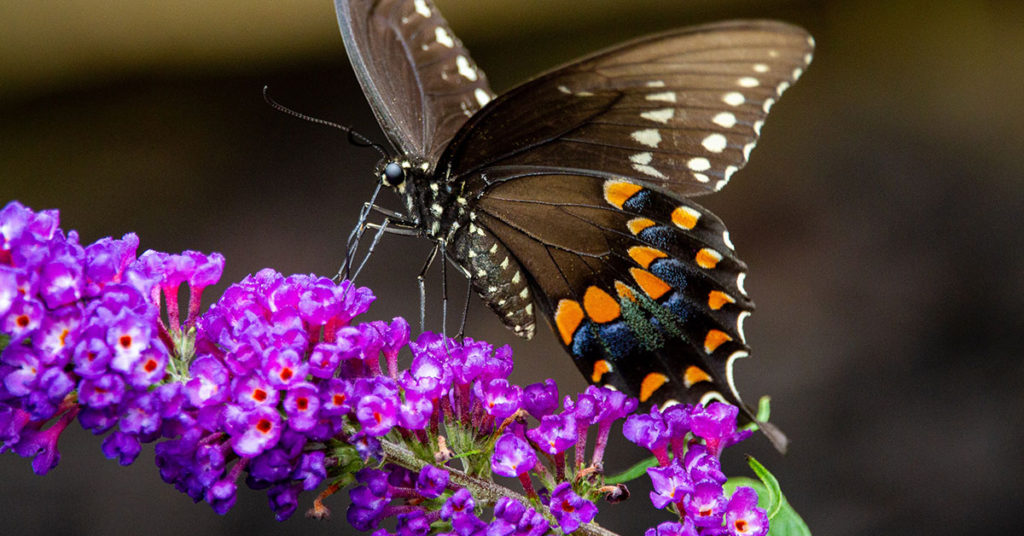
The Butterfly Bush (Buddleja davidii) is an exotic marvel that never fails to captivate both butterflies and gardeners alike! Though not native to North America—it hails originally from Asia—this shrub’s profuse clusters of fragrant flowers serve as a beacon for swallowtails and countless other pollinators. I’m always thrilled by the way its cascades of blossoms transform my garden into a vibrant stage, attracting buzzing insects and even offering tiny perches for nature’s busy workers.
Despite its undeniable charm, Butterfly Bush can sometimes behave aggressively if left unchecked. Fortunately, with a little regular pruning and mindful spacing, it remains non-invasive and manageable. Its striking display and the delightful aroma it releases make it a must-have addition for those who want a show-stopping centerpiece that invites an array of beautiful butterflies to join the party!
Coneflower

Coneflowers, particularly those from the Echinacea genus, are robust, native perennials that not only enhance your garden’s visual appeal but also serve as a potent magnet for swallowtail butterflies! Hailing from North America, these daisy-like flowers are renowned for their vibrant colors and medicinal properties, and I’m continually impressed by how their bold, central cones attract a flurry of pollinators. Their open structure provides a landing pad for butterflies, which are drawn to the nectar hidden within those striking petals.
In my own garden, Coneflowers have proven to be non-invasive and remarkably easy to care for, even in tight spaces. They bring an invigorating burst of color and natural charm that creates a welcoming environment for both butterflies and other beneficial insects. Every time I see a swallowtail flutter among these blossoms, it feels like a tiny celebration of nature’s simple yet profound beauty!
Fennel
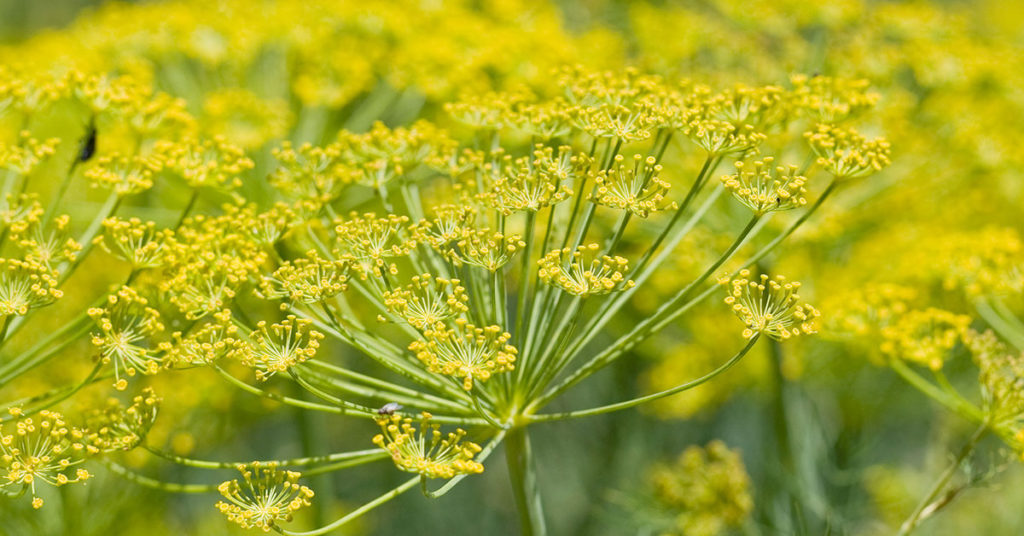
Fennel is a standout in the garden not only for its aromatic foliage and delicate yellow flowers but also for its role as a host plant for swallowtail butterfly larvae! Native to the Mediterranean region, fennel has long been prized for its culinary uses, yet its feathery, fern-like leaves and umbel-shaped blooms also provide an enticing haven for these enchanting insects. I relish the way fennel transforms a garden bed into a bustling microhabitat, where beneficial insects come to nest and feed.
What makes fennel particularly appealing to impatient gardeners is its vigorous, yet non-invasive, growth habit. With minimal care, this herb not only produces an abundance of flavor for your kitchen but also invites a host of butterflies to visit. Its presence reminds me that sometimes the best garden treasures are those that serve dual purposes—nourishing both your body and your spirit with nature’s marvels!
Queen Anne’s Lace

Queen Anne’s Lace (Daucus carota) is a wildflower with a delicate, lacy appearance that attracts swallowtail butterflies with its tiny, nectar-rich blooms! Native to Europe and Western Asia, this plant has naturalized in many parts of the world, creating charming clusters that appeal to both gardeners and pollinators. I’m always fascinated by how its airy, white blossoms seem to dance in the breeze, inviting butterflies to flutter by and even offering a safe haven for some of nature’s smaller critters.
Despite its ethereal appearance, Queen Anne’s Lace remains a well-behaved plant in most gardens, rarely becoming invasive when properly maintained. Its wild, carefree growth and the way it effortlessly attracts beneficial insects make it an excellent choice for gardeners looking to add a touch of rustic beauty to their space. Every encounter with a swallowtail among these delicate umbels fills me with a sense of joy and a renewed appreciation for nature’s intricate designs!
Goldenrod
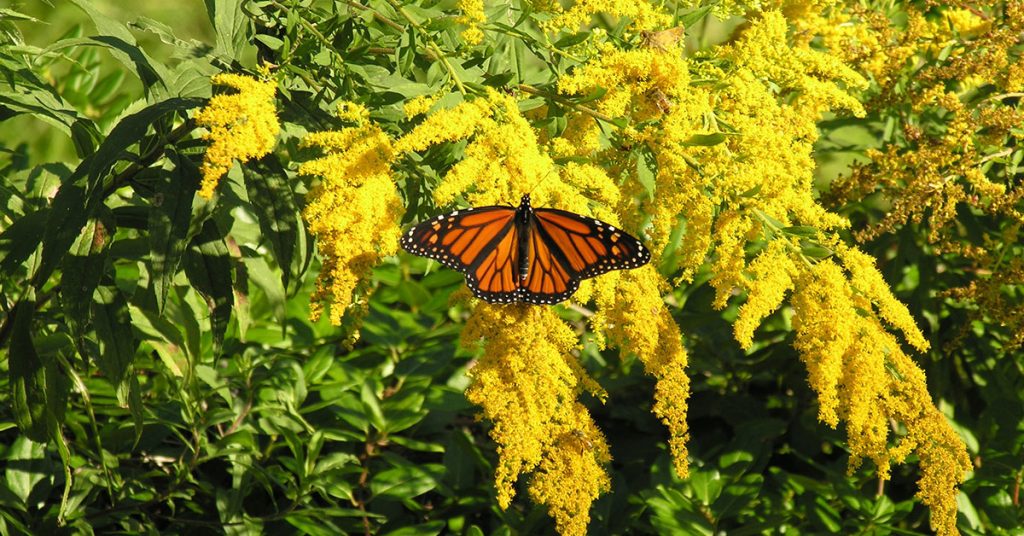
Goldenrod (Solidago spp.) is a radiant perennial that not only brings brilliant splashes of yellow to your garden but also plays a vital role in attracting swallowtail butterflies! Native to North America, this hardy plant produces airy, plume-like clusters that are a feast for pollinators, including those graceful butterflies that love to sip nectar from its abundant blossoms. I’m continually amazed by how goldenrod transforms even a modest garden into a vibrant, sunlit haven that buzzes with life and activity.
This plant is known for its non-invasive growth habit when managed properly, making it a reliable choice for gardeners of all skill levels. Its drought tolerance and extended blooming period ensure that goldenrod remains a steadfast source of nectar throughout the season. Each time I see a swallowtail flitting about these golden clusters, it feels like a little burst of sunshine in my garden—a delightful reminder of nature’s unending generosity!
Black-eyed Susan

Black-eyed Susan (Rudbeckia hirta) is a cheerful wildflower that adds a splash of bright yellow and bold contrast to any garden while attracting swallowtail butterflies with its rich nectar! Native to North America, this perennial wildflower is celebrated for its sturdy, daisy-like blooms and distinctive dark centers. I love how Black-eyed Susan creates a dynamic visual tapestry in the garden and draws in a host of beneficial insects, including swallowtails that use its vibrant display as a feeding ground.
These robust plants are non-invasive and require minimal maintenance, making them a perfect option for gardeners who want a hassle-free way to brighten up their space. Their long blooming season ensures that you’ll enjoy a continuous flutter of butterflies and bees, creating a lively, natural spectacle that’s both pleasing to the eye and beneficial for your garden’s ecosystem. Every glance at a field of Black-eyed Susan reminds me why I fell in love with gardening in the first place—a celebration of life in full bloom!
Pipevine

Pipevine, belonging to the Aristolochia genus, is a fascinating and unique plant that plays a critical role in the lifecycle of the Pipevine Swallowtail butterfly! Native to various parts of North America, this vine produces intricate, often heart-shaped leaves and unusual flowers that emit a subtle, earthy fragrance. I’m always captivated by how Pipevine serves as a host plant for the butterfly’s larvae, providing essential nourishment and a safe haven for their early development—a true cornerstone of the garden’s ecological balance.
Although its appearance may seem unconventional, Pipevine is a non-invasive plant that thrives with minimal intervention, making it an excellent addition for those interested in fostering a natural habitat. Its ability to attract not only swallowtails but also other beneficial insects makes it a prized component of any wildlife-friendly garden. Watching the transformation from caterpillar to butterfly on a pipevine leaf is like witnessing nature’s magic unfold right before your eyes!
Lantana

Lantana is a vibrant, multi-hued shrub that injects your garden with tropical flair while drawing in a host of swallowtail butterflies and other pollinators! Native to tropical regions of the Americas, lantana boasts clusters of brightly colored flowers that change hues as they age—an ever-evolving spectacle that never fails to surprise me. Its fragrant blooms are a veritable magnet for butterflies, who flutter eagerly from flower to flower, adding life and movement to any outdoor space.
While lantana is admired for its exuberant display, it’s important to note that in some regions it can behave invasively if not properly managed. However, when grown in a controlled garden setting, lantana remains a delightful, non-invasive addition that rewards you with a continuous cascade of color and nectar. Its energetic presence and the joyful dance of swallowtail butterflies around it make every day in the garden feel like a mini tropical celebration!
Dill
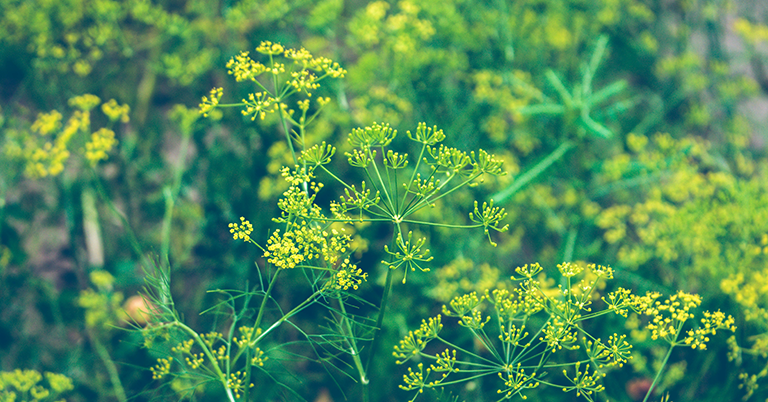
Dill is a charming herb that not only elevates your culinary creations but also serves as an essential host for swallowtail butterfly larvae! Native to the Mediterranean and West Asia, dill produces delicate, feathery foliage and tiny yellow flowers that exude a subtle, sweet aroma. I always find it fascinating how dill’s airy structure attracts swallowtails and other pollinators, providing an ideal setting for them to feed and sometimes even lay eggs, ensuring a thriving ecosystem in your garden.
Its ease of cultivation and non-invasive nature make dill a perfect choice for gardeners with limited space who still wish to nurture a lively habitat. Whether grown in a window box or a dedicated herb bed, dill quickly establishes itself and transforms its surroundings into a vibrant, buzzing microhabitat. Every time I see a swallowtail delicately fluttering around my dill plants, it fills me with excitement and a renewed sense of wonder at nature’s intricate relationships!
Zinnias
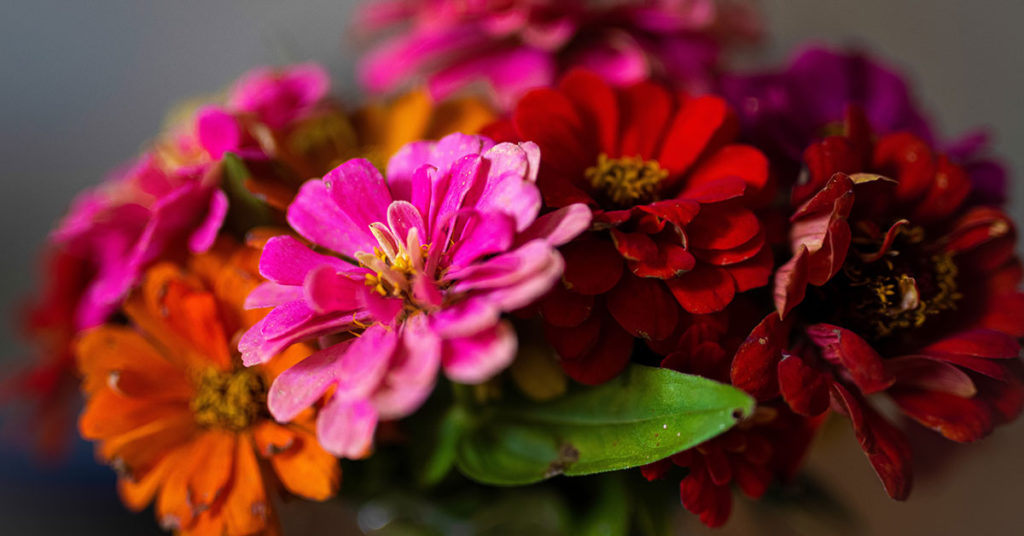
Zinnias are a burst of color and joy that light up any garden with their vivid, daisy-like blossoms and strong nectar production, drawing in swallowtail butterflies like no other! Native to Mexico and the Southwestern United States, these annuals have become beloved for their resilience and spectacular range of colors. I love how zinnias not only offer a stunning visual display but also create a welcoming environment for butterflies, with each bloom acting as a mini landing pad for these graceful creatures.
These vibrant flowers are non-invasive and exceptionally easy to grow, making them a popular choice for gardeners with busy schedules. Their rapid bloom cycle means that you’ll enjoy a continuous flow of blossoms and the accompanying flutter of swallowtail butterflies throughout the season. Every time I harvest a bouquet of freshly cut zinnias, it reminds me that even the simplest plants can transform a garden into a lively, joyful haven!
New England Aster
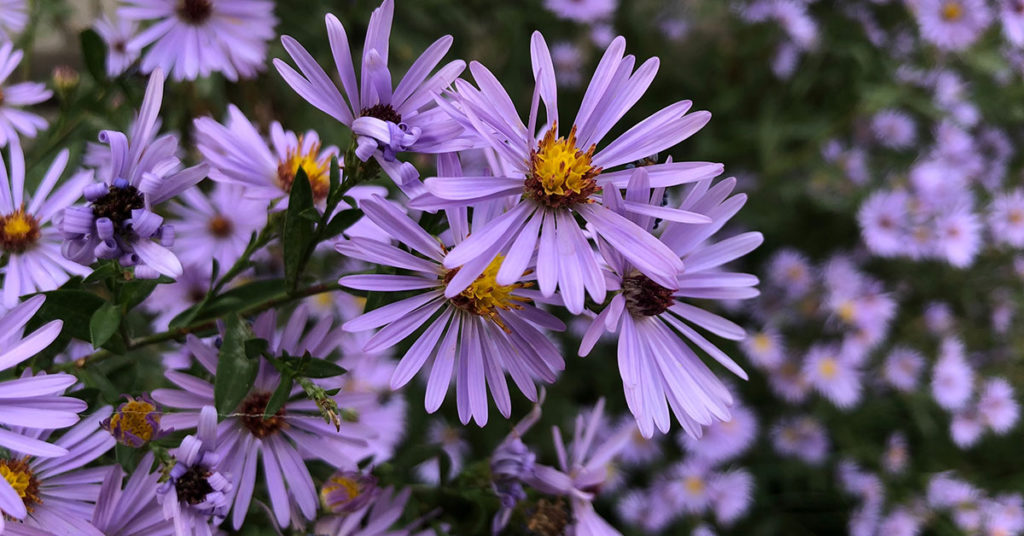
New England Aster is a native wildflower that graces the garden with its starry purple blooms and acts as a powerful magnet for swallowtail butterflies! Hailing from the woodlands and meadows of North America, this perennial produces clusters of dainty flowers that exude a sweet, subtle fragrance, drawing in a variety of pollinators. I’m continually impressed by how New England Aster creates a soft, natural backdrop in the garden while providing essential nectar for butterflies and other beneficial insects.
This hardy plant is non-invasive and thrives in well-drained soils, making it an excellent option for gardeners who appreciate a touch of wild beauty in their landscape. Its extended blooming period ensures that you’ll enjoy a prolonged display of color and activity throughout the season. Each time I see a swallowtail settling on a cluster of aster blooms, it’s a heartwarming reminder of the natural cycles that make gardening such a rewarding experience!
Verbena
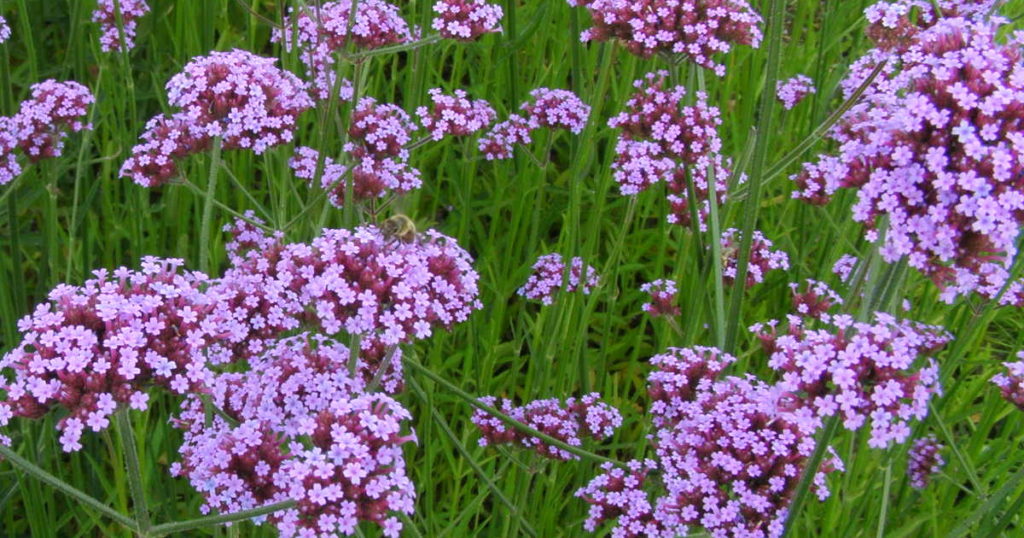
Verbena, particularly Verbena bonariensis, is a tall, airy perennial that enchants the garden with its clusters of delicate, nectar-rich flowers, ideal for attracting swallowtail butterflies! Native to South America, this plant is renowned for its slender form and the way its lilac or purple blooms sway gracefully in the breeze, creating a perfect landing strip for butterflies. I’m always delighted by how Verbena adds a touch of elegance and movement to my garden while drawing in a variety of pollinators with its abundant nectar.
Its graceful, non-invasive nature makes Verbena a superb choice for small gardens and container plantings. With minimal care and a sunny spot, this robust plant rewards you with a continual display of blooms throughout the warm months. Every time I notice a swallowtail fluttering among the delicate clusters of Verbena, I feel as though I’ve captured a little piece of nature’s magic right at my doorstep!
Butterfly Weed
Butterfly Weed (Asclepias tuberosa) is a true garden gem, celebrated for its brilliant orange blossoms that serve as a major draw for swallowtail butterflies and many other pollinators! Native to the prairies of North America, this low-growing milkweed offers not only a burst of color but also vital habitat for the caterpillars of various butterfly species. I’m always thrilled to see these vibrant blooms up close, as they create an inviting atmosphere where butterflies can feed, perch, and even use the plant as a breeding ground.
Despite its striking appearance, Butterfly Weed is remarkably non-invasive when given the right conditions, thriving in well-drained soils and full sun. Its drought tolerance and minimal maintenance needs make it a favorite among gardeners who want a high-impact, low-effort addition to their landscape. Every time I witness a swallowtail delicately sipping nectar from Butterfly Weed, it reinforces my belief that nature’s most stunning spectacles are often found in the simplest of blooms!
Joe-Pye Weed
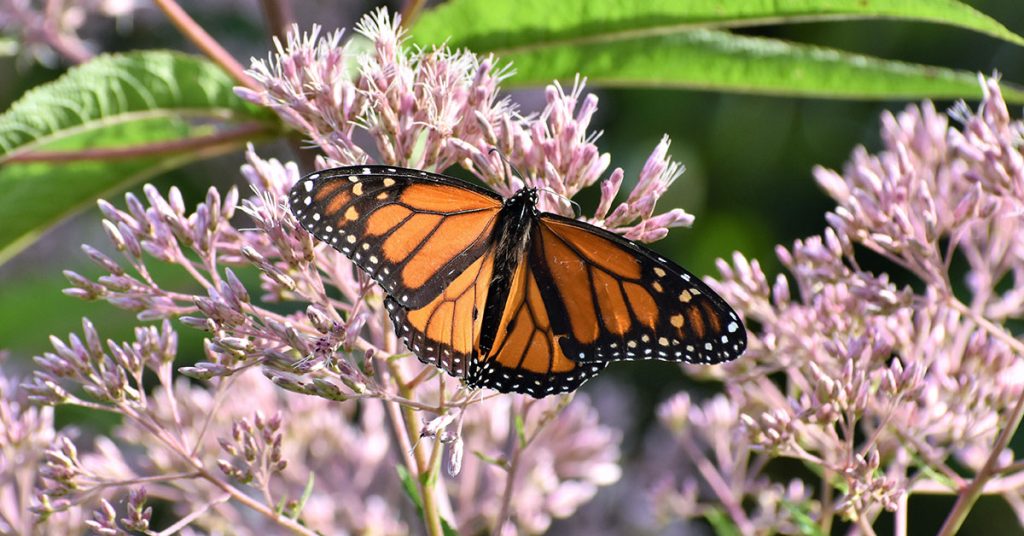
Joe-Pye Weed (Eutrochium spp.) is a towering perennial that fills the garden with clusters of soft, pinkish-purple blooms, providing an irresistible haven for swallowtail butterflies! Native to North America, this plant thrives in moist, sunny conditions and creates a natural, meadow-like ambiance in the garden. I love how its lofty stems and airy inflorescences not only add vertical interest but also serve as a landing zone for butterflies and other beneficial insects seeking nectar and shelter.
This non-invasive plant is a joy to cultivate, especially in small gardens where its vertical growth can be managed easily. With its extended blooming period and ability to enhance soil fertility, Joe-Pye Weed stands out as a multipurpose addition to any pollinator-friendly garden. Every time a swallowtail flutters by and lands on its delicate blooms, it fills my garden with life and reminds me of the simple wonders that make gardening such a rewarding adventure!
Coreopsis
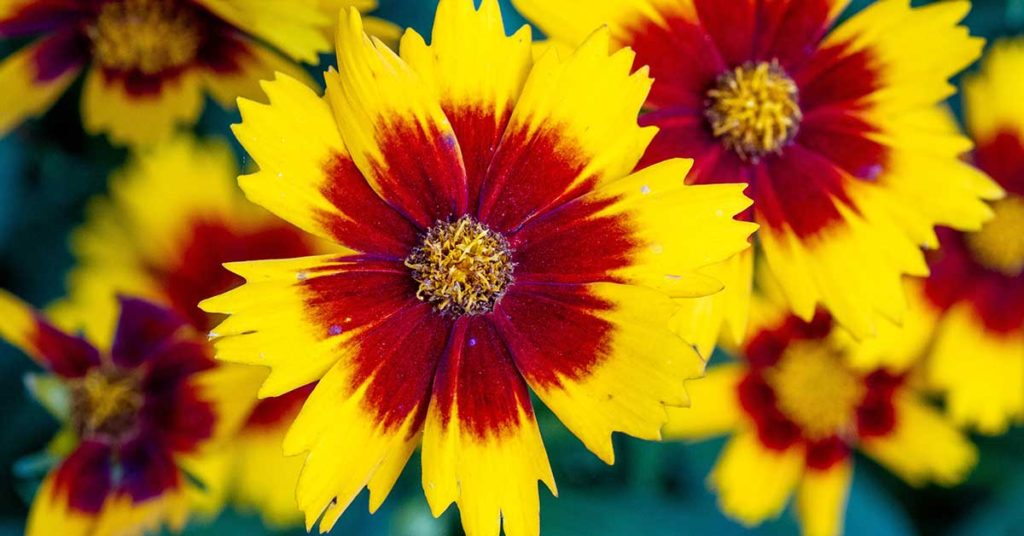
Coreopsis is a cheerful perennial known for its bright, daisy-like flowers that create a lively, sun-drenched display and attract swallowtail butterflies with ease! Native to North America, this plant is cherished for its hardiness and its ability to bloom continuously through the summer months. I’m always impressed by the way Coreopsis transforms a modest garden into a vibrant canvas of yellow, gold, and sometimes even red hues, while inviting butterflies to feast on its nectar-rich blossoms.
Its non-invasive nature and low maintenance requirements make Coreopsis a fantastic choice for gardeners with limited space. With its prolonged blooming season and a structure that supports a multitude of pollinators, every inch of Coreopsis becomes a small haven of natural activity. Each encounter with a swallowtail amidst its sunny blossoms is a joyful affirmation of nature’s bounty and the rewarding spirit of gardening!
Salvia
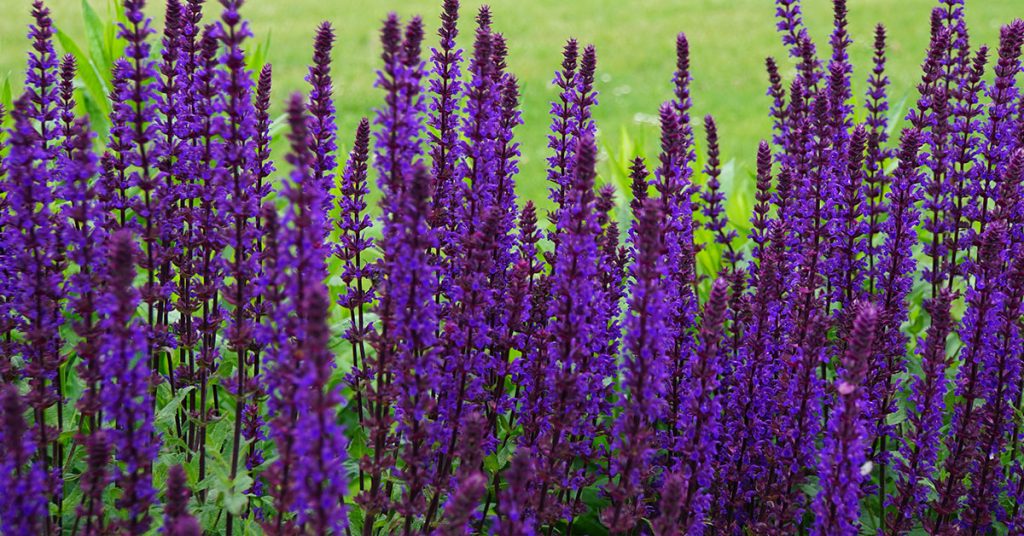
Salvia is a versatile and striking perennial that brings a burst of color to any garden, and its nectar-rich spikes are a favorite among swallowtail butterflies! Native to various regions around the world—from the Mediterranean to Central America—Salvia’s vibrant hues and intricate flower structures create a stunning visual treat. I’m always excited to watch as these tall, spiky blooms sway in the breeze, attracting not only swallowtails but also bees and hummingbirds, all contributing to a dynamic and lively garden scene.
This plant is celebrated for its easygoing, non-invasive nature and its adaptability to both container and ground planting. With minimal maintenance and an ability to thrive in full sun, Salvia quickly becomes a focal point in any garden, offering a steady flow of nectar that ensures a constant parade of beautiful butterflies. Every time I see a swallowtail settle on a Salvia spike, it reinforces my belief in the magic of a well-designed, pollinator-friendly garden!
Pentas
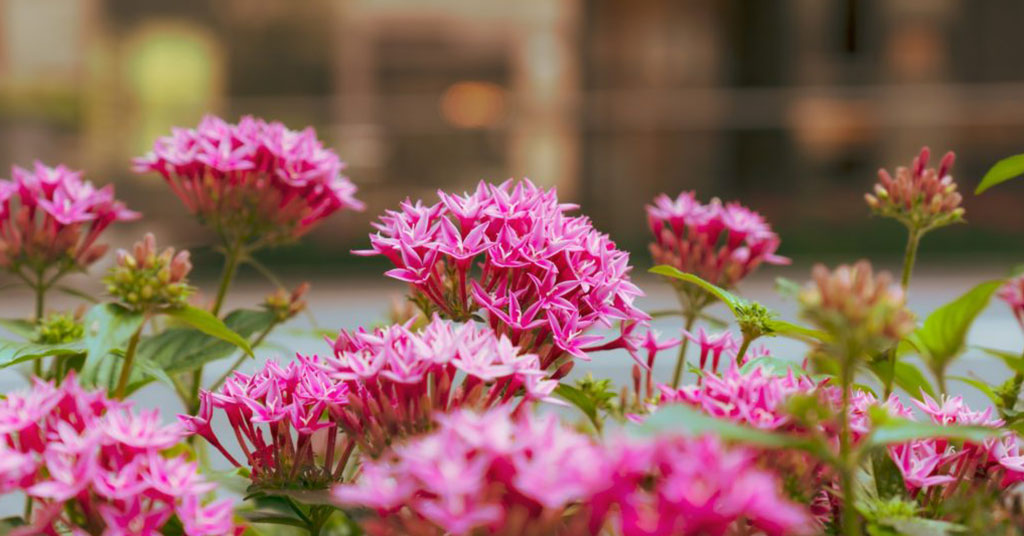
Pentas is a star in the world of butterfly gardening, boasting clusters of star-shaped flowers that serve as irresistible magnets for swallowtail butterflies! Native to tropical Africa, these heat-loving perennials display vibrant hues of red, pink, or white that sparkle under the sun. I’m continually delighted by how Pentas creates a miniature party in the garden, with each blossom acting as a beacon for butterflies, bees, and other beneficial insects, all coming together to celebrate the beauty of nature.
Despite their exuberant display, Pentas are typically non-invasive when grown in containers or garden beds with proper spacing. Their rapid blooming cycle and ease of care make them a superb choice for gardeners eager to create a lively, colorful space that welcomes swallowtails with open arms. Every harvest of Pentas blossoms feels like a small festival of life—an affirmation that a thriving garden can be both vibrant and nurturing!
Scabiosa

Scabiosa, commonly known as the Pincushion Flower, is a unique and enchanting perennial that adds texture and intrigue to your garden while attracting swallowtail butterflies with its sweet nectar! Native to the Mediterranean and parts of Africa, Scabiosa is known for its distinctive, rounded blooms that resemble delicate pincushions, each a haven for butterflies in search of a quick snack. I love how its soft, pastel colors and intricate details bring a touch of whimsy and sophistication to any garden setting, sparking conversation and admiration from all who visit.
This charming plant is non-invasive and adapts well to various soil types, making it an excellent option for gardeners with limited space. With its extended blooming period and a natural ability to lure beneficial insects, Scabiosa transforms any garden corner into a tranquil retreat where nature’s beauty unfolds in slow, graceful motions. Every time I catch a glimpse of a swallowtail settling gently on its velvety blooms, I’m reminded that the smallest details in the garden can create the most magical moments!