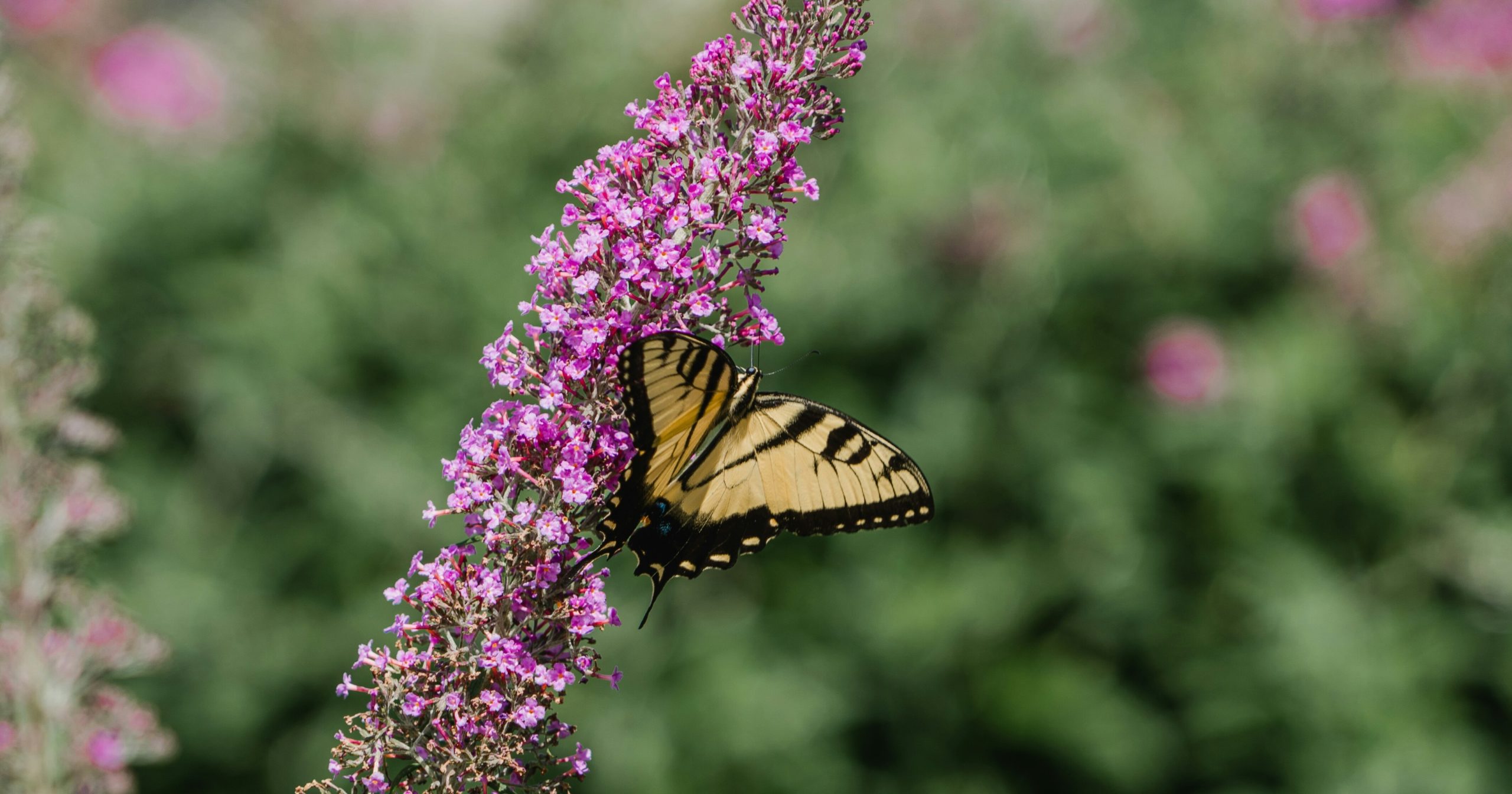

If you garden somewhere that gets genuinely, brutally hot — long summers, blazing afternoon sun, soil that bakes dry between waterings — you’ve probably watched the wrong plants give up by July. The good news is some flowers don’t just survive heat, they prefer it. These 16 are the ones I keep coming back to.
What “Heat Tolerant” Actually Means
Before we get into the list, a quick note: heat tolerance and drought tolerance aren’t the same thing. Some flowers handle heat fine but still need regular water. Others can go weeks without rain and not skip a beat. I’ve noted both for each plant below, because in a hot climate you’re usually dealing with both problems at once.
Bird of Paradise
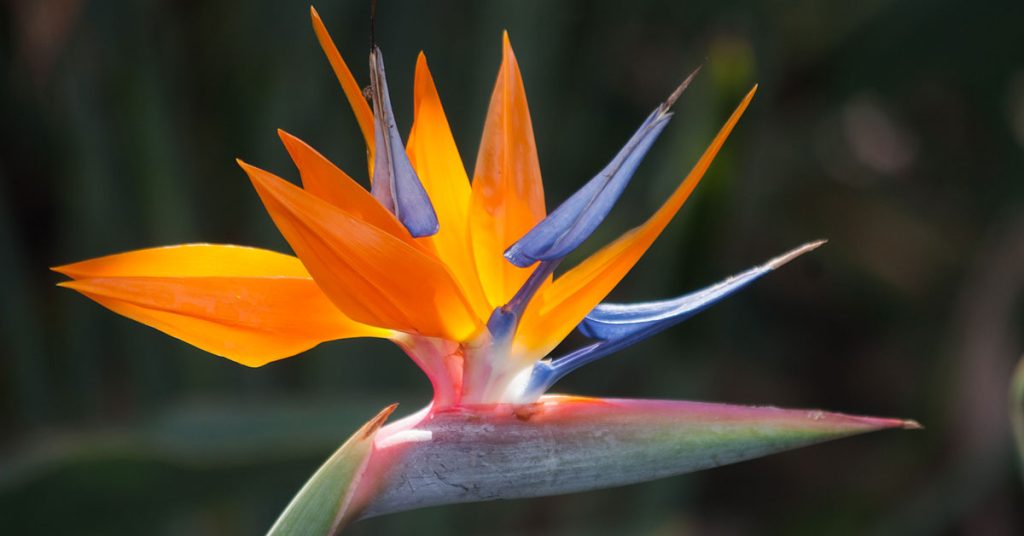
Bird of Paradise is a statement plant. The flowers are genuinely dramatic, orange and blue and shaped like a tropical bird in flight, and the foliage is bold and architectural year-round. It’s slow to establish and slow to bloom (sometimes 3 to 5 years from seed), but once it’s settled in it’s essentially indestructible.
Practical details:
- Invasive? No
- Hardiness: Perennial in zones 9-12
- Water needs: Low to moderate once established
- Height: 4 to 6 feet
Marigold
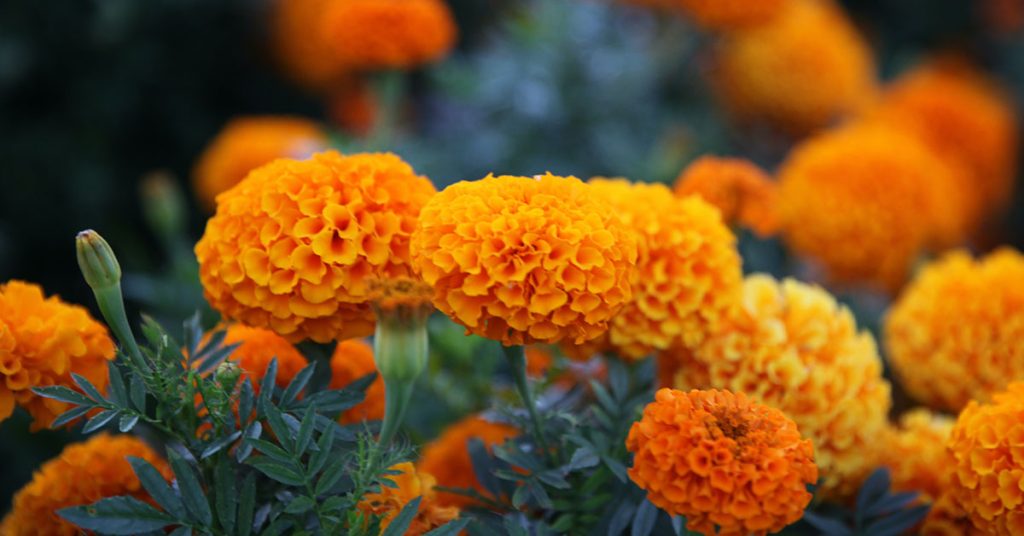
Marigolds earn their place in hot gardens not just for their color but for what they do for the plants around them. They repel aphids, whiteflies, and nematodes, which makes them worth planting near vegetables as much as in flower beds. They’re also one of the easiest flowers to grow from seed.
Practical details:
- Hardiness: Annual
- Water needs: Low to moderate. They tolerate dry conditions well
- Height: 6 inches to 3 feet depending on variety
- Invasive? No
Best varieties for heat: African marigolds handle heat better than French varieties and grow significantly larger.
Red Hot Poker
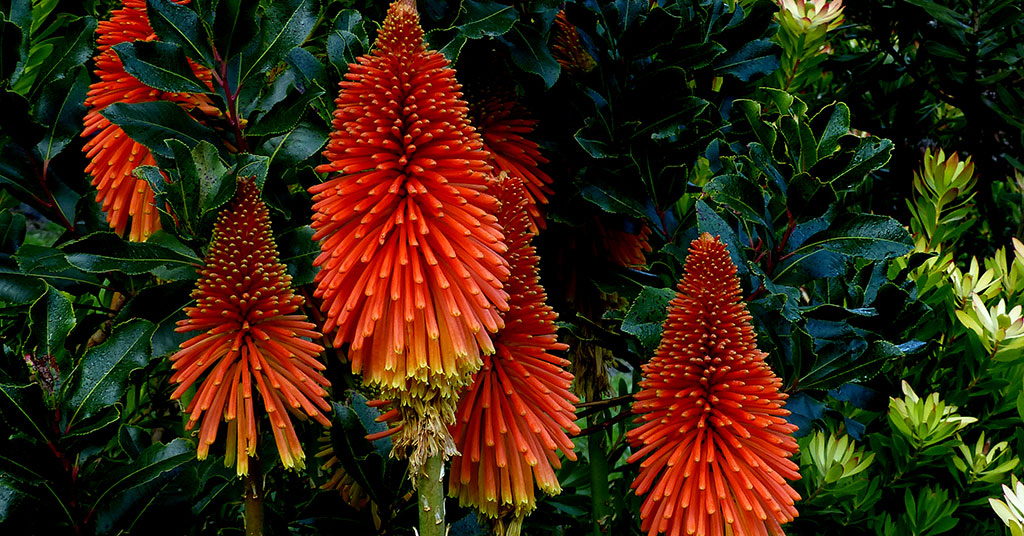
The name is accurate. Red Hot Poker sends up tall torch-like spikes in red, orange, and yellow that hummingbirds find irresistible. They bloom in late spring and early summer in most climates, with some varieties reblooming in fall. They look exotic but are surprisingly tough once established.
Practical details:
- Invasive? No
- Hardiness: Perennial in zones 5-9
- Water needs: Low to moderate. Good drainage is essential, they rot in wet soil
- Height: 2 to 4 feet
Salvia
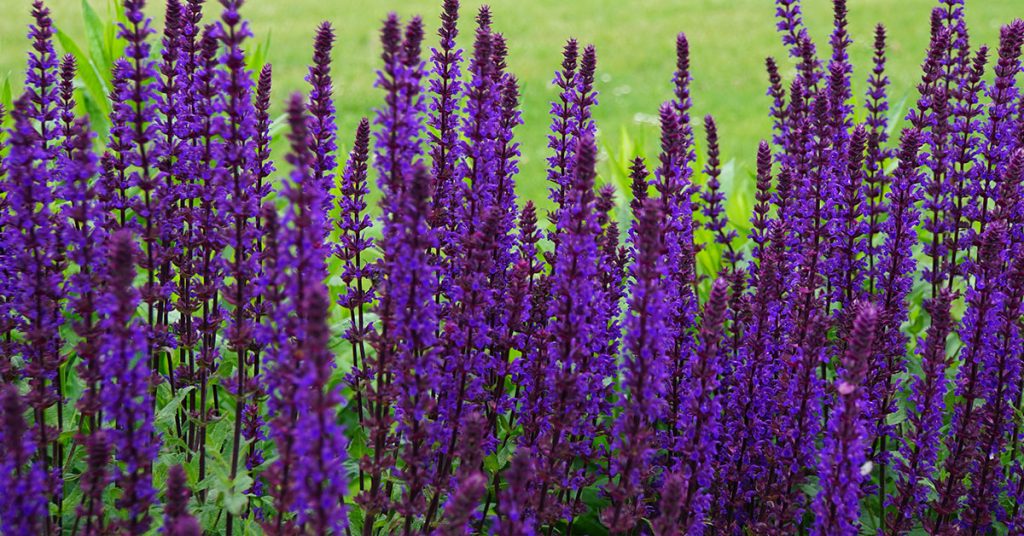
There are hundreds of salvia varieties and most of them do well in heat. The ones worth knowing for hot climates are Salvia greggii (Autumn Sage), Salvia leucantha (Mexican Bush Sage), and Salvia splendens for annual color. Hummingbirds treat salvias like a buffet.
Practical details:
- Invasive? No
- Hardiness: Varies by species. Many are perennial in zones 7-10
- Water needs: Low to moderate
- Height: 1 to 5 feet depending on species
Bougainvillea
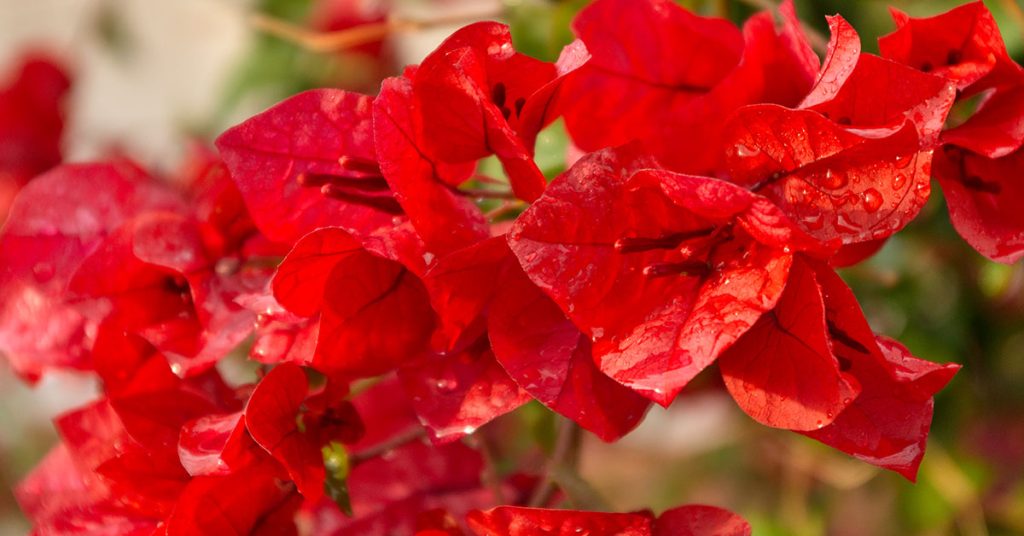
4. Bougainvillea
If you want maximum color for minimum water, bougainvillea is your plant. What looks like flowers are actually bracts, the colored leaf-like structures around the tiny white true flowers. They’re one of the most drought-tolerant flowering plants you can grow and they thrive on neglect once established. Overwatering is actually the most common mistake.
Practical details:
- Invasive? No
- Hardiness: Perennial in zones 9-11, container plant elsewhere
- Water needs: Low. Water deeply but infrequently
- Height/spread: Vigorous climber, can reach 20-30 feet without pruning
Portulaca

Portulaca is the flower for the truly brutal spots in your garden: full sun, reflected heat, sandy or rocky soil, no irrigation. It’s a succulent, so it stores water in its stems and leaves and just keeps blooming through conditions that kill everything else. The flowers close at night and on cloudy days, which surprises people the first time they see it.
Practical details:
- Invasive? No
- Hardiness: Annual
- Water needs: Very low. One of the most drought-tolerant annuals available
- Height: 3 to 9 inches, spreading habit
Hibiscus

7. Hibiscus
Tropical hibiscus (Hibiscus rosa-sinensis) produces the big, showy blooms most people picture. It needs heat to perform well and sulks in cool summers. Hardy hibiscus (Hibiscus moscheutos) is a different plant entirely, with dinner-plate-sized flowers and cold tolerance down to zone 4, but it still loves summer heat.
Practical details:
- Invasive? No
- Hardiness: Tropical varieties perennial in zones 9-11. Hardy varieties in zones 4-9
- Water needs: Moderate to high. Unlike most heat-tolerant plants, hibiscus wants consistent moisture
- Height: 3 to 15 feet depending on type
Verbena
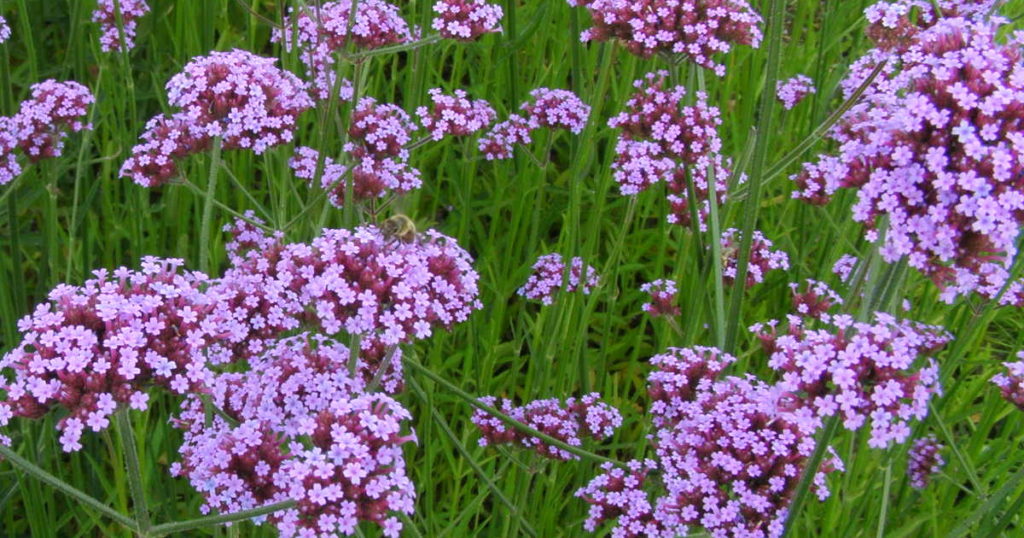
Verbena works hard in hot gardens, producing clusters of small flowers in purple, red, pink, and white from spring through fall. It’s low-growing and works well as a ground cover, spilling over containers, or filling gaps in garden beds. Trailing verbena varieties handle heat and drought better than upright types.
Practical details:
- Invasive? No
- Hardiness: Perennial in zones 9-11, annual or short-lived perennial elsewhere
- Water needs: Low to moderate
- Height: 6 inches to 2 feet depending on variety
Oleander
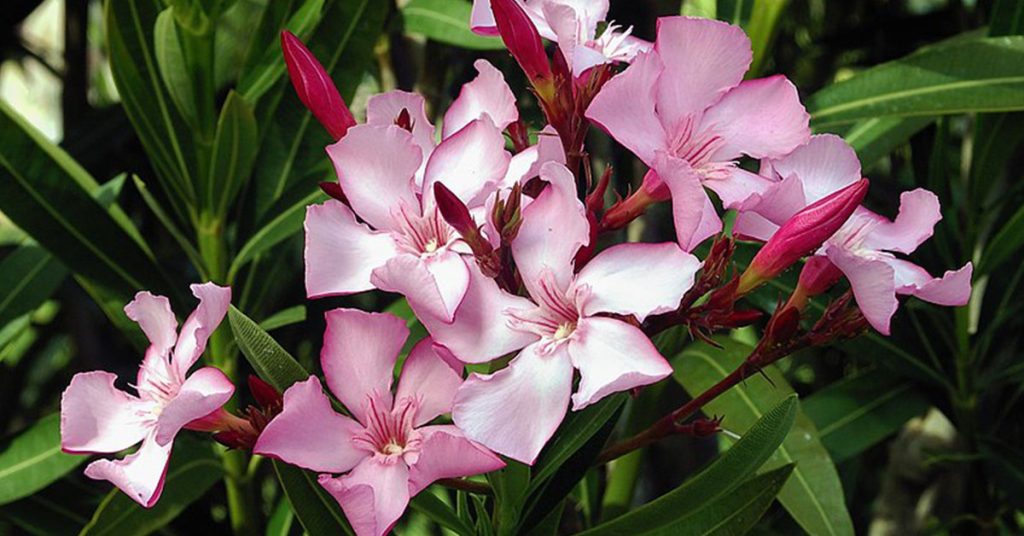
Oleander is one of the toughest shrubs you can plant in a hot, dry climate. It tolerates heat, drought, poor soil, and coastal salt spray. It blooms for months in white, pink, red, or yellow. The one thing to know before planting: every part of it is toxic to people and animals. Keep that in mind if you have kids or pets.
Practical details:
- Hardiness: Perennial in zones 8-11
- Water needs: Very low once established
- Height: 6 to 20 feet depending on variety and pruning
- Invasive? Can be in some warm regions
Butterfly Bush
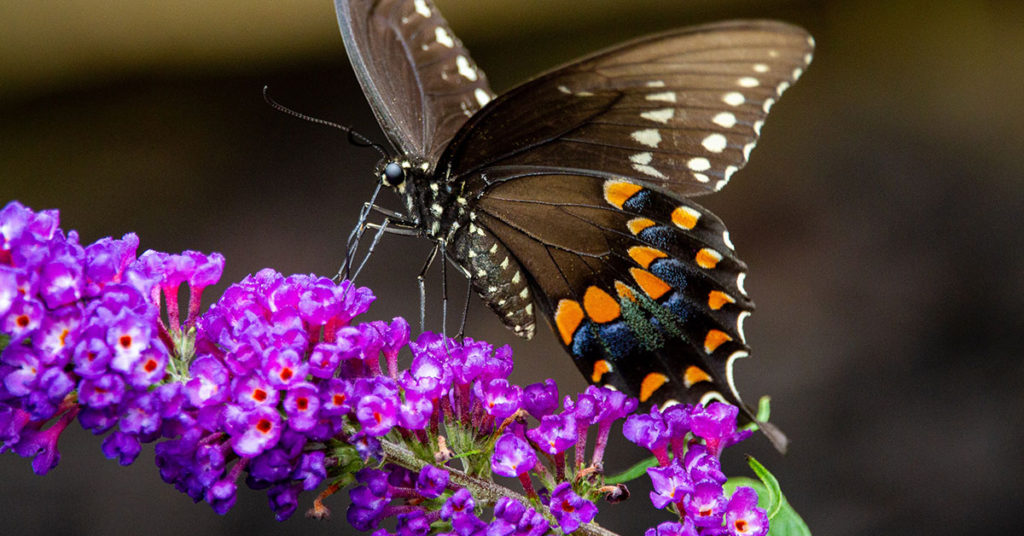
Butterfly Bush delivers exactly what the name promises: it pulls in more butterflies than almost any other garden plant. It blooms midsummer through fall on long, fragrant panicles in purple, white, pink, or yellow. One important note though: it’s considered invasive in parts of the Pacific Northwest and some Mid-Atlantic states. Check before planting.
Practical details:
- Hardiness: Perennial in zones 5-9
- Water needs: Low once established
- Height: 4 to 10 feet
- Invasive? Yes in some regions. Sterile varieties like Buddleia Lo and Behold are a responsible alternative
Plumbago

Plumbago is one of those plants that gardeners in cold climates are jealous of. In zones 9 and above it grows into a sprawling shrub covered in sky-blue flowers from spring through fall. The blue is a rare color in hot-climate gardens and it pairs well with almost everything. It spreads by suckers so give it room.
Practical details:
- Hardiness: Perennial in zones 9-11
- Water needs: Low once established
- Height: 3 to 6 feet, spreading habit
- Invasive? Not typically, but can spread aggressively in ideal conditions
Lantana

Lantana is a workhorse in hot climates. It blooms from spring through fall without much fuss, handles drought once established, and butterflies absolutely mob it. The flowers shift color as they age, so a single plant can show three or four shades at once.
Practical details:
- Invasive? In some warm coastal regions, yes. Check your local extension office before planting in Florida or Hawaii.
- Hardiness: Perennial in zones 8-11, annual elsewhere
- Water needs: Low once established
- Height: 2 to 6 feet depending on variety
Pentas
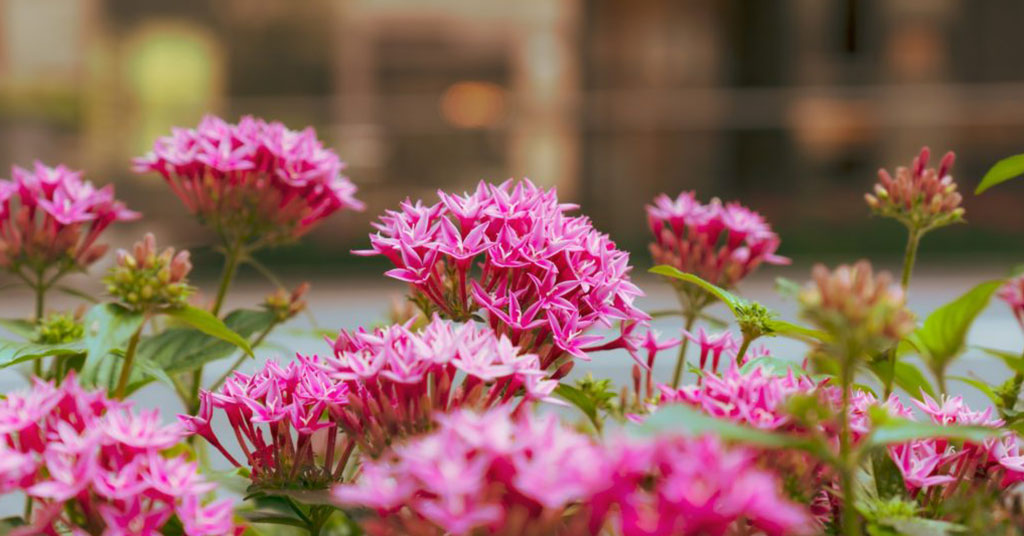
Pentas is one of the best butterfly and hummingbird plants you can grow in a hot climate. It blooms continuously from spring through frost without deadheading, handles heat and humidity well, and comes in red, pink, white, and lavender. It’s also one of the few plants that performs well in both garden beds and containers in summer heat.
Practical details:
- Invasive? No
- Hardiness: Perennial in zones 10-11, grown as annual elsewhere
- Water needs: Moderate. More drought tolerant than it looks
- Height: 1 to 3 feet
Mexican Sunflower

Mexican Sunflower grows fast, gets big, and produces bright orange blooms all summer without much encouragement. It’s an annual that can hit 4 to 6 feet in a single season. Butterflies love it, it handles heat and drought well, and it makes a decent temporary privacy screen or back-of-border filler. Deadhead regularly to keep it blooming.
Practical details:
- Hardiness: Annual
- Water needs: Low to moderate
- Height: 4 to 6 feet
- Invasive? No
Gazania
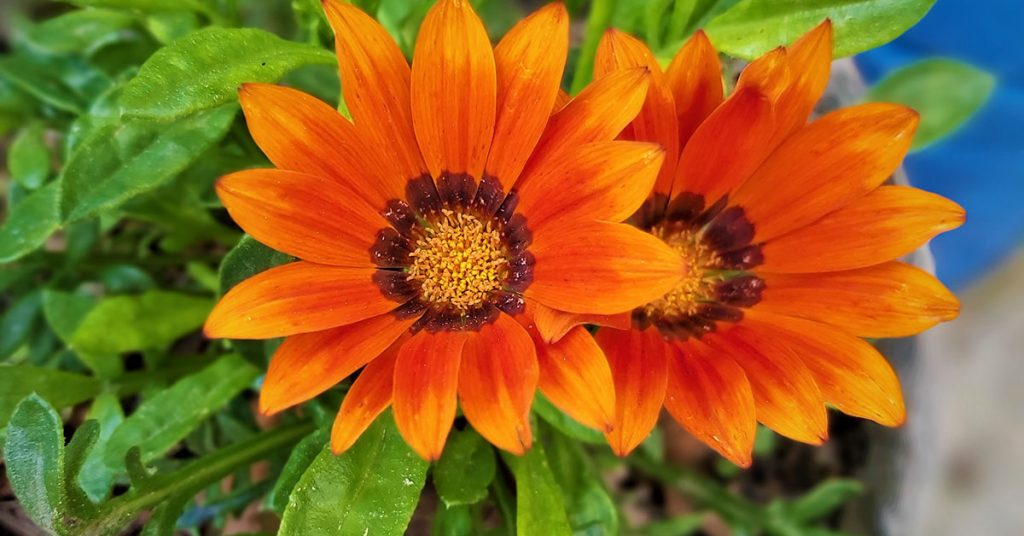
Gazanias are native to South Africa and built for exactly the conditions that destroy other flowers: intense sun, sandy soil, dry heat. The flowers close at night and open fully only in direct sun, which is worth knowing so you don’t plant them somewhere they’ll be shaded in the afternoon. They’re low-growing and work well as a ground cover or front-of-border plant.
Practical details:
- Invasive? No
- Hardiness: Perennial in zones 9-11, annual elsewhere
- Water needs: Low
- Height: 6 to 10 inches
Zinnia
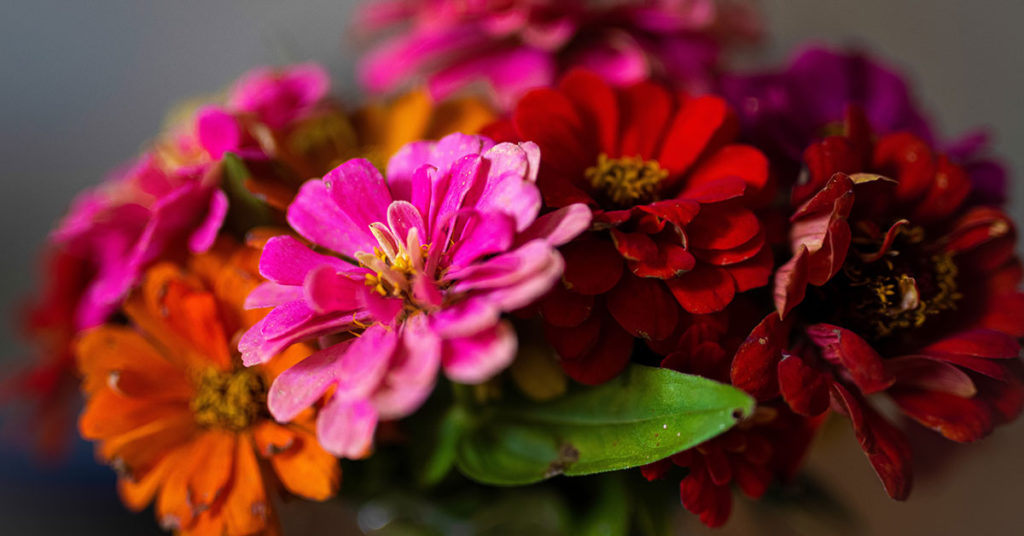
Zinnias are probably the single best flower for hot climates, full stop. They’re native to Mexico, they love full sun, and they actually bloom better as temperatures climb. Most flowers slow down or stop blooming in peak summer heat. Zinnias don’t care.
Practical details:
- Hardiness: Annual, grown in all zones
- Water needs: Moderate. Once established, they handle dry spells well
- Height: 1 to 4 feet depending on variety
- Invasive? No. They self-seed but are easy to manage
Best varieties for heat: Profusion series for compact gardens, Benary’s Giant for cutting gardens, Zahara series for serious drought tolerance.
Quick Comparison: Heat Tolerant Flowers at a Glance
| Flower | Type | Water Needs | Attracts |
|---|---|---|---|
| Zinnia | Annual | Moderate | Butterflies, bees |
| Lantana | Perennial/Annual | Low | Butterflies |
| Marigold | Annual | Low | Bees |
| Bougainvillea | Perennial | Very low | Butterflies |
| Salvia | Perennial/Annual | Low | Hummingbirds, bees |
| Portulaca | Annual | Very low | Bees |
| Hibiscus | Perennial/Annual | Moderate | Hummingbirds |
| Pentas | Perennial/Annual | Moderate | Butterflies, hummingbirds |
| Bird of Paradise | Perennial | Low | Hummingbirds |
| Gazania | Perennial/Annual | Low | Bees |
| Red Hot Poker | Perennial | Low | Hummingbirds |
| Mexican Sunflower | Annual | Low | Butterflies |
| Plumbago | Perennial | Low | Butterflies |
| Verbena | Perennial/Annual | Low | Butterflies, bees |
| Butterfly Bush | Perennial | Low | Butterflies |
| Oleander | Perennial | Very low | Bees |