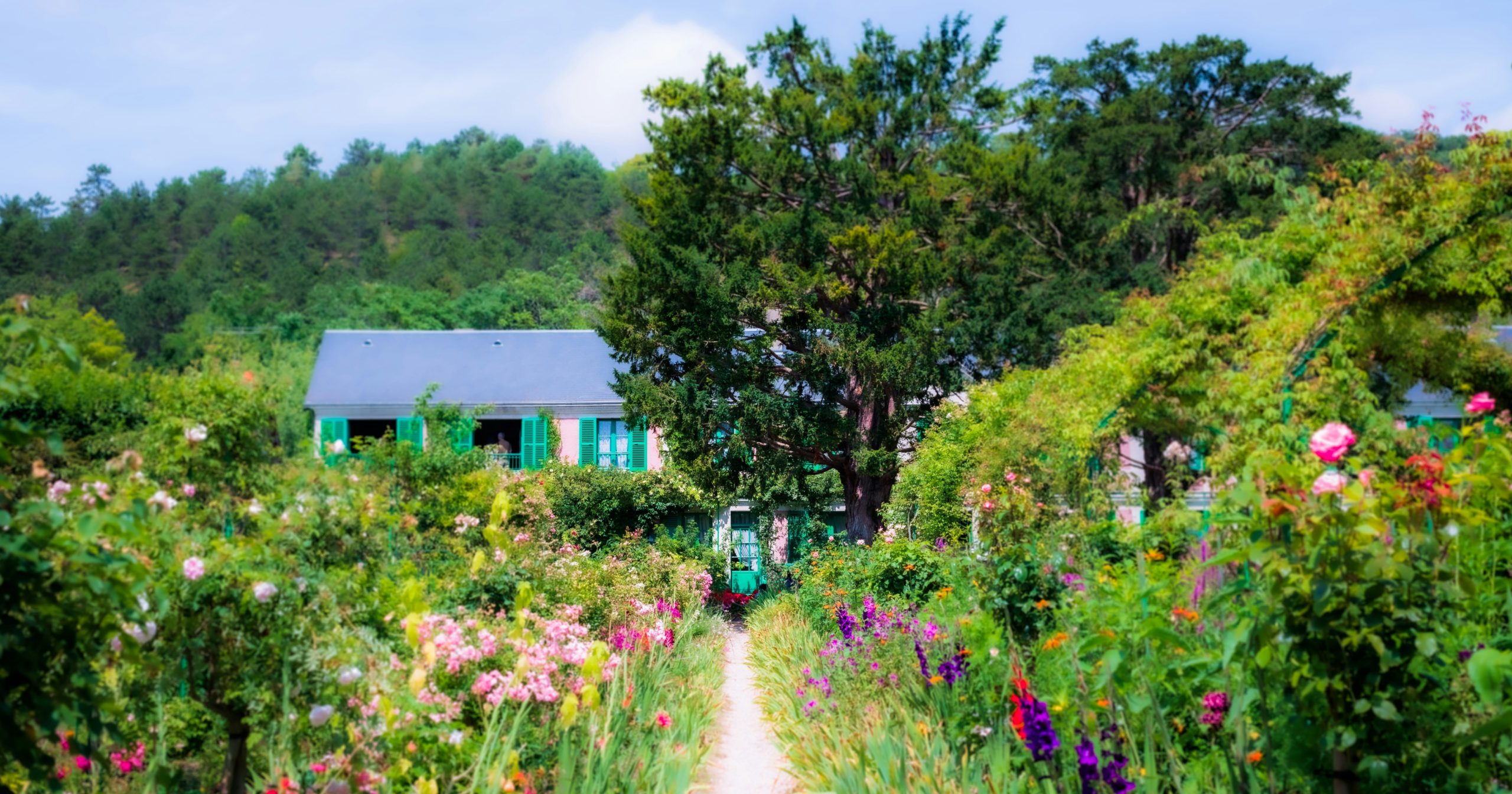

Spring is a season of renewal and excitement for every gardener, and preparing your garden for the blossoming months ahead can be both a rewarding and invigorating experience! As someone who has spent countless hours in the soil, I understand the thrill of transforming a winter-worn space into a vibrant oasis. In this article, I’m eager to share 11 essential gardening tasks that will set the stage for a thriving garden full of life, color, and even a few unexpected visitors like nesting bees and other beneficial critters. Whether you’re a seasoned green thumb or just starting out, these tasks are sure to make your spring gardening journey an absolute delight!
I know firsthand how overwhelming it can be to tackle garden preparation, especially when trying to balance time and resources. With detailed steps, friendly tips, and a bit of personal insight, this guide will help you navigate everything from soil testing to repairing garden structures. I’ve encountered my fair share of challenges—like pesky invaders and misplaced tools—but each task offers a chance to learn and create a sanctuary that attracts nature’s best. Let’s roll up our sleeves and dive into these tasks with enthusiasm and a touch of humor, so your garden can burst into life this spring!
Test and Amend the Soil
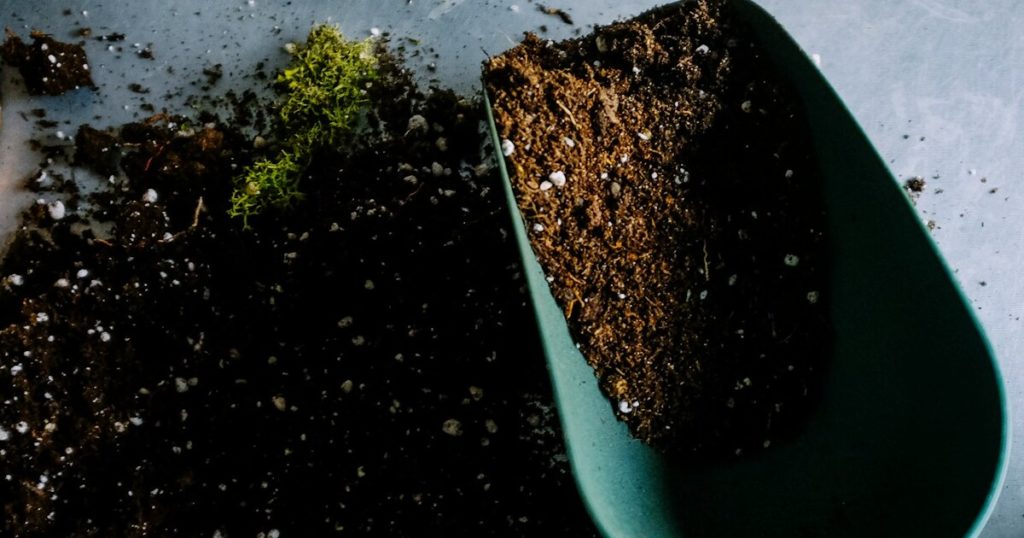
Testing and amending your soil is a foundational task that can transform your garden into a flourishing ecosystem! I’ve always believed that understanding your soil’s pH and nutrient profile is like getting to know the heartbeat of your garden. By sending a small sample to a local extension service or using an at-home kit, you can discover whether your garden beds need lime, sulfur, or organic matter. It’s fascinating to learn that many of the methods used for soil testing have their origins in traditional European gardening, where the earth’s natural balance was treasured.
Once you have the results, amending the soil becomes an exciting opportunity to tailor the foundation for your plants. I love mixing in compost and organic fertilizers, which not only boost nutrient levels but also enhance the soil’s ability to attract beneficial microorganisms and even support nesting sites for tiny critters. While soil itself isn’t “native” or “invasive,” these practices have been refined over centuries to honor the natural rhythms of plant growth, ensuring that your garden is primed for a healthy, vibrant spring!
Clean and Clear the Garden Beds
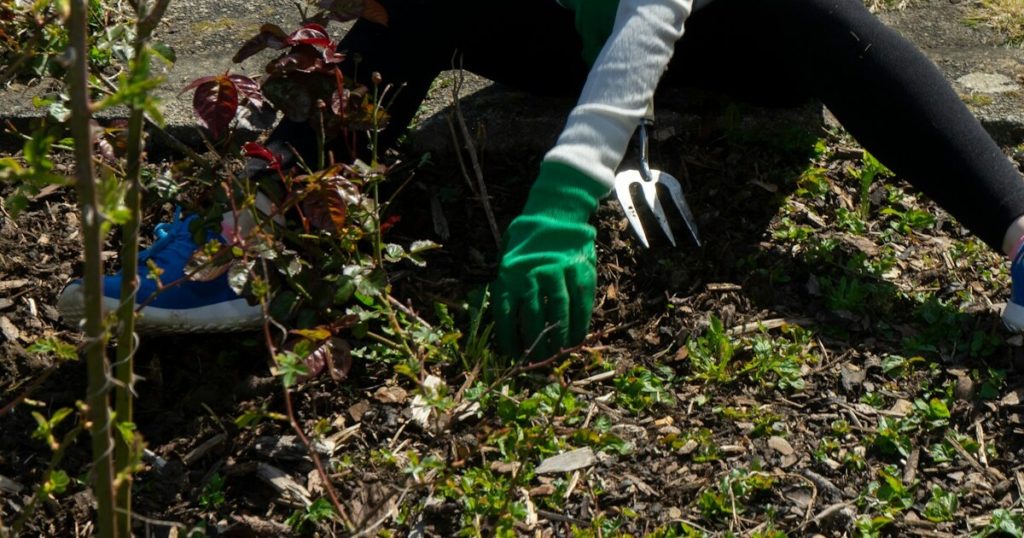
Clearing out your garden beds from winter’s remnants is like giving your garden a fresh start—a clean slate for all the growth to come! I remember the satisfaction of removing old leaves, debris, and dead plants; it’s an essential task that prevents diseases and gives beneficial insects a safer space to start nesting. Clearing your garden beds also offers a chance to see what nature has left behind, much like a hidden archive of the previous season that informs your decisions for new plantings.
In many parts of the world, especially where perennial traditions have deep roots, this task is celebrated as the first step in reviving a garden. While debris removal itself isn’t tied to native or invasive species, it sets the stage for introducing native plants that support local wildlife. I always make sure to compost the healthy material and dispose of any diseased matter properly, ensuring that only the best elements return to my garden. It’s a satisfying ritual that brings clarity and a sense of renewal to your outdoor space!
Plant Spring Bulbs

Planting spring bulbs is one of the most exciting tasks for any gardener, as it promises a burst of color and life after the cold months! I relish the moment when I dig into the earth and carefully set bulbs like daffodils, tulips, and crocuses into the ground. Many of these bulbs have origins in regions across Europe and Asia, where they have been cultivated for centuries for their hardy beauty and ability to bloom vibrantly. Their ancient heritage not only connects us with the past but also ensures they are well-adapted to temperate climates, making them a joy to watch as they break through the soil!
As the bulbs settle into their new home, they naturally attract a range of pollinators and beneficial insects. I’ve noticed that these early bloomers often serve as a safe starting point for bees, which might even take up temporary nesting in the sheltered soil around the bulbs! While bulbs themselves aren’t classified as invasive—quite the opposite, in fact—they remind me that careful selection of native varieties can support local ecosystems. Planting bulbs is both a celebration of tradition and a practical step toward a thriving, lively garden!
Prune Trees and Shrubs
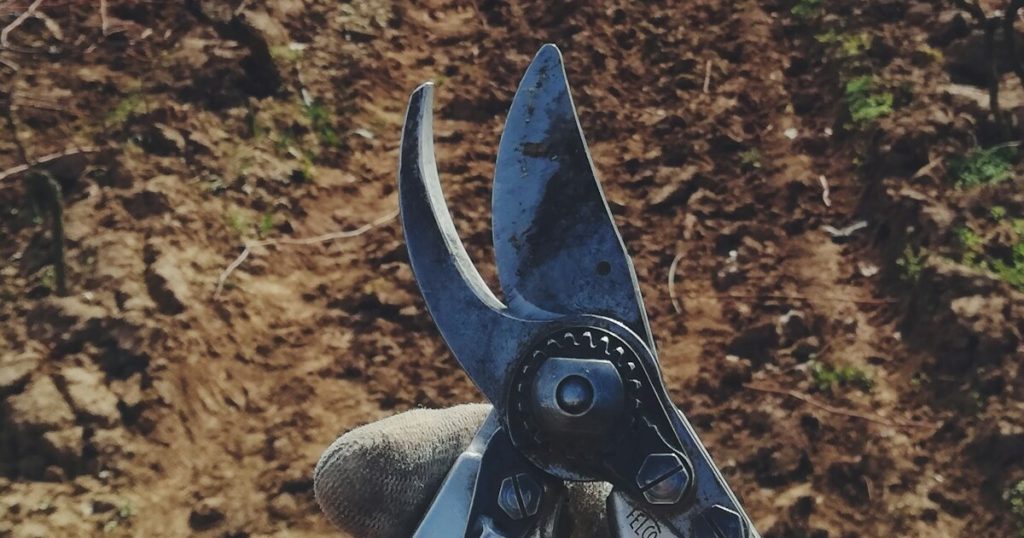
Pruning trees and shrubs is a task that not only refines the aesthetic of your garden but also promotes healthy growth and improved air circulation! I always approach pruning with a mix of excitement and respect, knowing that each snip can rejuvenate old branches and encourage new life. This task is steeped in gardening traditions that span many cultures, and while trees and shrubs themselves are native to various regions—from North American oaks to Mediterranean olives—they sometimes require careful management to prevent unwanted spread or even invasive behavior.
By trimming back overgrown areas, you create open spaces that allow sunlight to penetrate, inviting beneficial insects to explore the branches for nesting and foraging opportunities. I’ve found that a well-pruned garden attracts a more diverse range of birds and bees, each contributing to the ecosystem in its own way. It’s such a gratifying experience to see your garden transform with each careful cut, knowing that these practices have been honed over generations to maintain both beauty and ecological balance!
Mulching the Beds
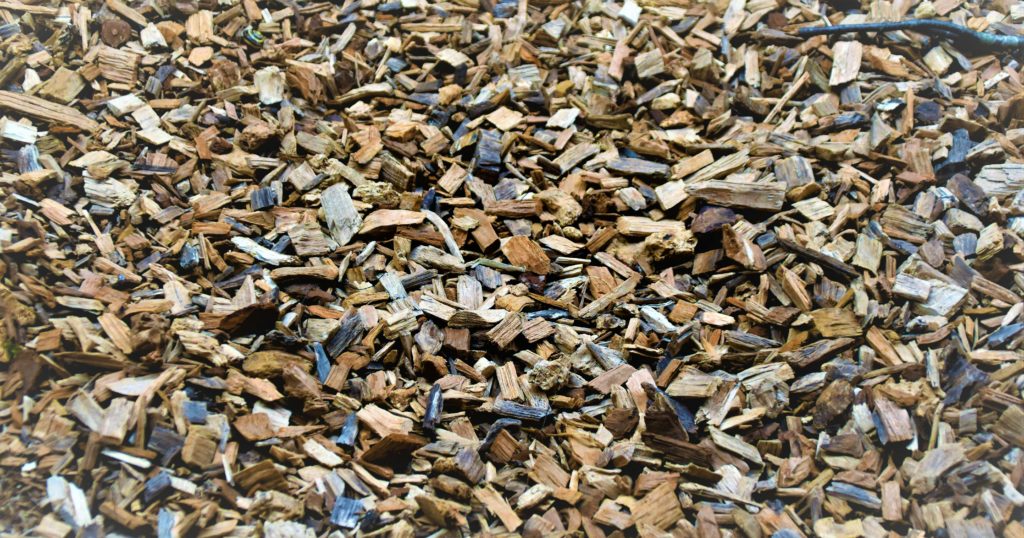
Mulching your garden beds is one of those tasks that may seem simple at first, but it brings a multitude of benefits to your garden ecosystem! I love applying a generous layer of organic mulch—whether it’s shredded bark, compost, or straw—because it helps regulate soil temperature, retain moisture, and suppress weeds. This time-honored practice has roots in ancient agriculture and is widely adopted by gardeners around the world. Although mulch isn’t a plant and doesn’t have a native origin per se, its use is deeply intertwined with natural processes that nurture native flora.
Beyond its practical benefits, mulching creates an inviting environment for beneficial critters to take up residence. Many small insects and even ground-nesting bees appreciate the shelter and steady moisture provided by a well-mulched bed. I always find it uplifting to see how a simple layer of mulch can transform your garden into a more resilient and vibrant ecosystem. The added bonus? A tidier, more visually appealing garden that welcomes the fresh energy of spring with open arms!
Inspect for Pests and Diseases
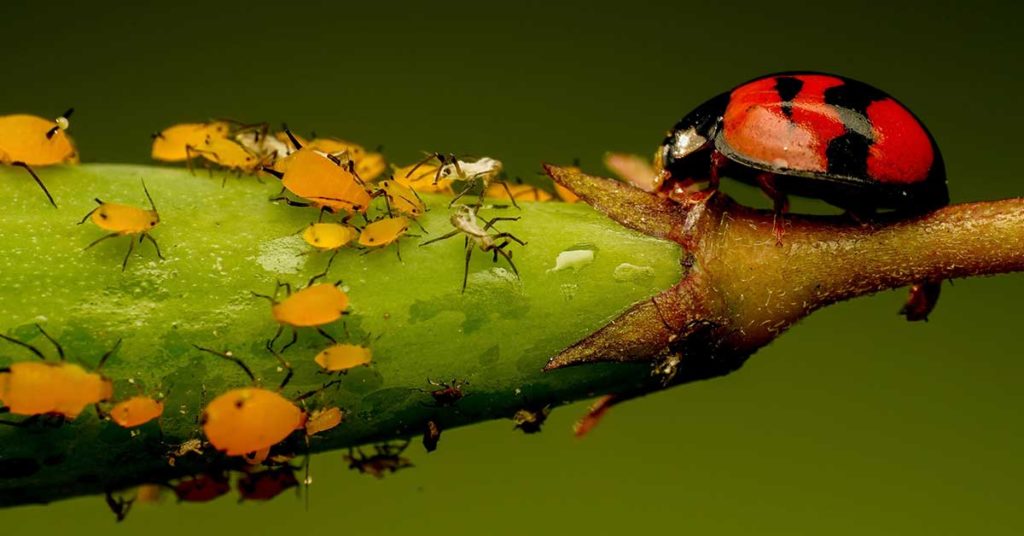
Taking the time to inspect your garden for pests and diseases is a crucial task that can save you from future headaches! I always set aside a calm morning to wander through my garden, checking each plant carefully for any signs of damage or unwanted guests. This proactive approach is essential, especially since many pests are known to nest in the crevices of overgrown foliage or soil that hasn’t been properly tended. While pests themselves aren’t native or invasive in the traditional sense, their populations can sometimes spiral out of control if left unchecked, wreaking havoc on both native and non-native plantings.
In my gardening experience, early detection is key to managing these issues without resorting to harsh chemicals. I often encourage natural predators by creating a balanced environment that includes native plants, which are typically more resistant to local pests. It’s such a relief to see that a little vigilance can go a long way in keeping your garden healthy and inviting for beneficial insects that help control pest populations naturally. This task is all about maintaining a delicate balance—one that allows your garden to thrive in harmony with nature!
Fertilize the Garden
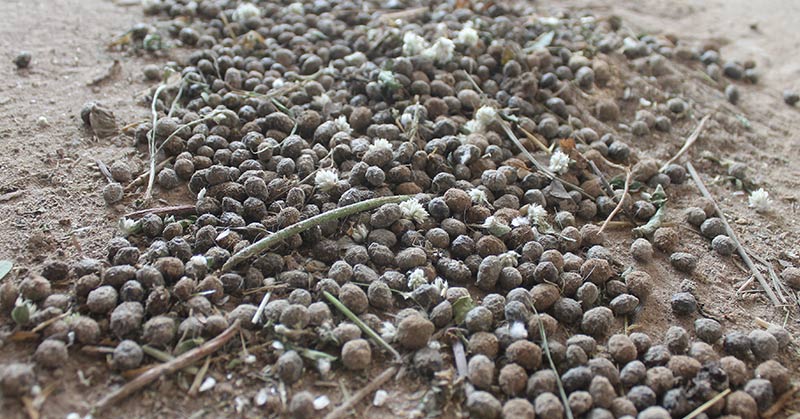
Fertilizing your garden is an essential task that fuels the vibrant growth of your plants and sets the stage for a spectacular spring! I always approach fertilization with a blend of science and art, choosing organic fertilizers that not only enrich the soil but also promote a healthy microbial balance. Many of these fertilizers are derived from natural sources that have been used in traditional farming methods around the world. While fertilizers themselves aren’t native or invasive, the choice of organic versus synthetic can have profound implications on how well native plants thrive and support local ecosystems.
I’ve found that a well-fed garden attracts a lively array of beneficial insects, which are drawn to the lush, nutrient-rich foliage for shelter and food. Whether you’re dealing with flowering beds or vegetable patches, proper fertilization creates a ripple effect of growth and vitality that can even enhance nesting opportunities for tiny pollinators. It’s a joy to see the immediate burst of green as your garden absorbs the nourishment, and I can’t emphasize enough how crucial this task is for a thriving, sustainable garden environment!
Start Seeds Indoors
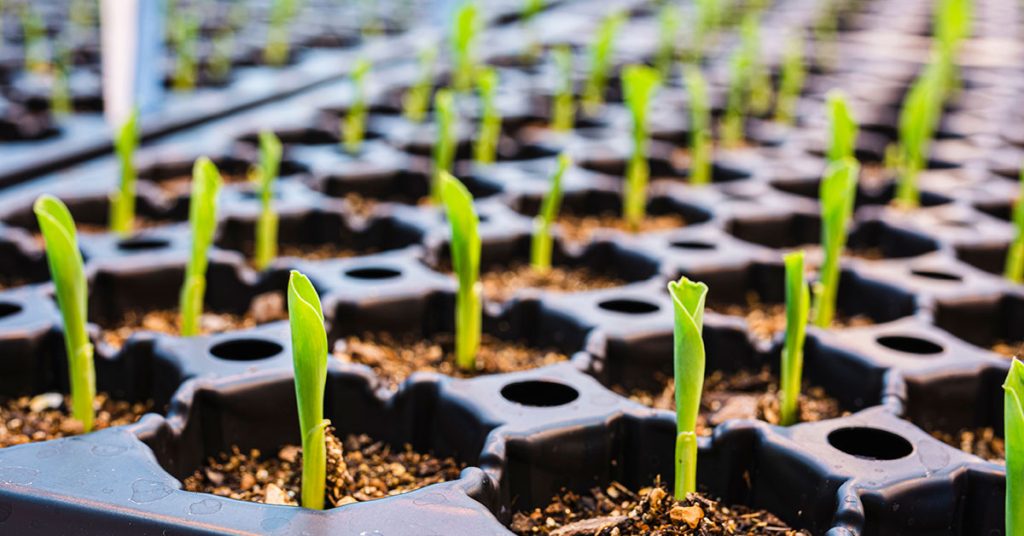
Starting seeds indoors is an exciting task that allows you to kick off the growing season with a burst of controlled creativity! I relish the early days of seed starting, where I carefully sow tiny seeds in pots or trays, providing them with warmth, light, and a nurturing environment. This technique, which has been embraced by gardeners around the world for generations, often utilizes varieties that are native to local regions, ensuring that the plants you eventually transplant are well-suited to your climate. Although the seeds themselves aren’t invasive, choosing native or well-adapted varieties can help maintain a balanced garden ecosystem.
Watching those first sprouts emerge from the soil fills me with immense pride and anticipation! Indoor seed starting not only allows for early experimentation and planning but also attracts the attention of nature’s tiniest helpers—like ladybugs and other beneficial insects—that might come to investigate the fresh, tender growth. It’s a task that truly encapsulates the spirit of renewal, giving you full control over the future beauty and vitality of your garden. Every time I see those delicate seedlings, I’m reminded of the promise and potential of spring!
Tidy Up Garden Tools and Equipment
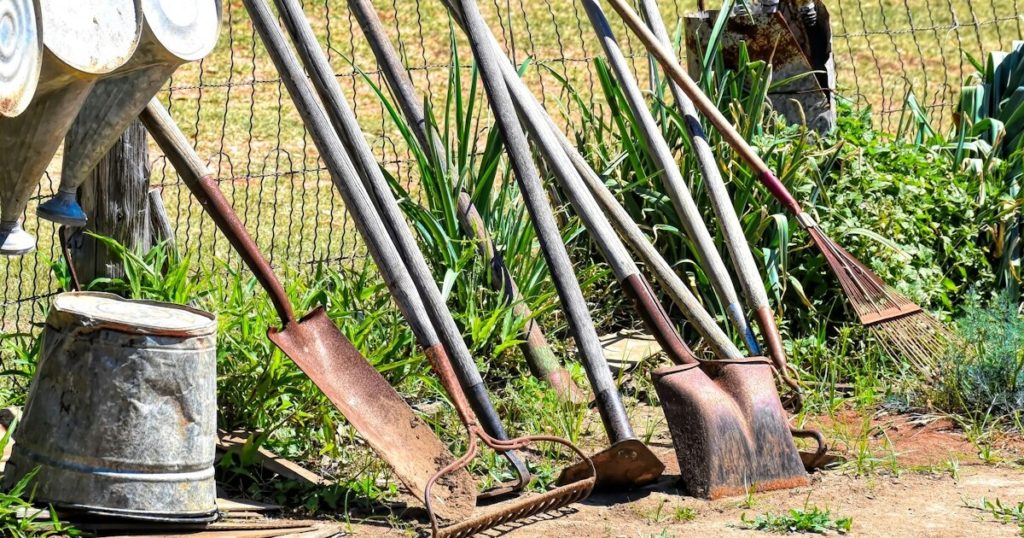
Tidying up your garden tools and equipment may seem like a mundane task, but it’s an essential part of preparing for a productive spring! I find that organizing my tools not only makes my gardening work more efficient but also breathes new life into the entire garden routine. Whether you’re sharpening your shears, oiling your spades, or simply giving your storage shed a good cleaning, these tasks ensure that everything is in peak condition for the busy months ahead. Many gardeners, myself included, have passed down these traditions over generations, and there’s a certain charm in maintaining the well-worn tools that have helped nurture countless blooms.
Beyond the practical benefits, a well-organized tool collection creates a sense of order and calm that translates into your garden’s overall energy. I always feel a surge of motivation when I see my tools neatly arranged, ready to assist in every gardening task—from planting to pruning. This attention to detail may not directly affect native versus invasive species, but it certainly sets a positive tone for a garden that’s both aesthetically pleasing and functionally efficient. Trust me, when your tools are ready to go, you’ll find that every gardening challenge becomes a little bit easier and a whole lot more enjoyable!
Set Up or Repair Garden Structures

Setting up or repairing garden structures is a task that combines practical know-how with creative vision, ensuring your garden is both functional and charming! I’ve spent many spring mornings repairing trellises, fixing raised beds, or even building new garden arches, each project infusing my outdoor space with personality and structure. Many of these structures have historical ties to traditional gardening practices across Europe and North America, where design and utility were always intertwined. While the structures themselves aren’t living organisms with native or invasive qualities, they play a pivotal role in supporting native plants and providing shelter for beneficial wildlife.
Every repaired fence or newly built arbor can transform your garden into a dynamic landscape that attracts nesting birds and climbing insects. I love the idea that a simple structure can offer a safe haven for tiny critters or serve as a focal point for local pollinators. The satisfaction of watching your garden evolve from a collection of plants into a thoughtfully designed habitat is immeasurable. With each nail hammered and board secured, you’re not just fixing a structure—you’re building a home for nature to flourish!
Plan and Design Your Garden Layout
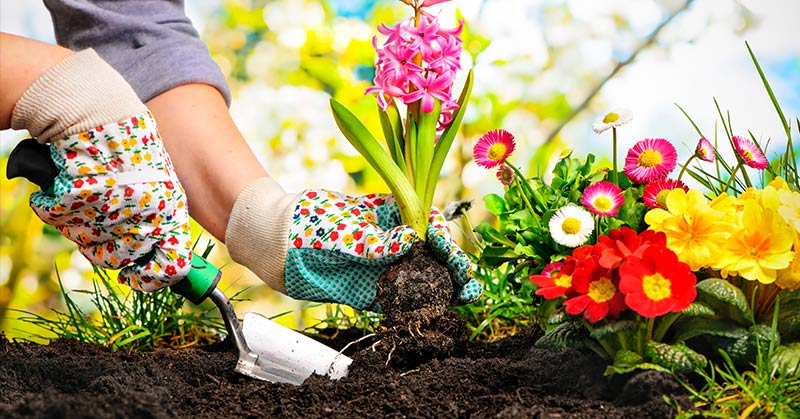
Planning and designing your garden layout is an invigorating task that lets you dream big and strategize for a season of abundant growth! I always take a moment to sketch out my ideas, mixing native plants with well-loved varieties to create a balanced ecosystem that welcomes both flora and fauna. This planning stage, rooted in time-honored gardening traditions from around the world, allows you to consider factors like sun exposure, water needs, and even the potential for attracting beneficial nesting spots for bees and butterflies. Although the planning process isn’t about native or invasive species per se, it’s essential to consider the natural heritage of the plants you choose to create a harmonious garden.
As you map out pathways, designate flower beds, and carve out cozy nooks, you’ll notice how your garden begins to take on a personality of its own. I often find that a well-thought-out layout not only enhances visual appeal but also supports an intricate web of life—ensuring that every section of the garden plays its part in the larger ecosystem. The joy of planning lies in the anticipation of what’s to come, where every corner of your garden is designed with both beauty and purpose. Embrace this creative journey and let your garden layout be the blueprint for a vibrant and thriving spring!