
There’s nothing more disheartening than watching your beloved plants suffer from watering mistakes that seem to turn a vibrant garden into a stressed, wilted mess! As an enthusiastic gardener who has spent countless hours troubleshooting my own watering woes, I know exactly how frustrating it can be when pests, diseases, or simply poor growth strike because of improper water usage. Over time, I’ve learned that watering isn’t just about pouring water on your plants—it’s a delicate art that involves understanding the needs of each species, the time of day, and even the temperature of the water. In this article, I’m excited to share with you 9 common watering mistakes that harm your plants, along with practical tips on how to use water more wisely to keep your garden thriving!
Every gardener faces challenges, and I’ve certainly had my share of missteps—whether it’s overwatering delicate succulents that are native to arid lands or neglecting the deep-rooted habits of moisture-loving perennials from tropical regions. I understand the frustration when your green friends seem to wither despite your best efforts, and I’m here to help! Let’s explore these mistakes, learn from them, and discover smart watering techniques that not only save water but also foster an environment where beneficial insects can nest and pollinators can flourish, creating a balanced ecosystem that brings positive energy and lush growth to your home and garden!
Watering at the Wrong Time

Watering your plants during the heat of the day is a classic mistake that can lead to rapid evaporation and even leaf scorch. I’ve seen many a tender seedling suffer under the midday sun when water droplets act like tiny magnifying glasses, intensifying the sun’s rays and damaging the foliage. Ideally, watering in the early morning or later in the evening gives plants ample time to absorb moisture without the risk of burning the leaves—a tip that has saved many of my prized specimens from unnecessary stress!
Beyond protecting the plant surfaces, watering at cooler times helps maintain a balanced microclimate in your garden. It’s amazing how a simple shift in timing can reduce water waste and even attract beneficial insects that thrive in a more stable environment! In my experience, early morning watering also allows the dew to complement the moisture, creating a natural nesting ground for pollinators that rely on a moist environment to set up their temporary homes. This adjustment not only nurtures your plants but also contributes to a healthier, more vibrant ecosystem!
Overwatering
Overwatering is one of the most common pitfalls and can be as detrimental as not watering at all. I’ve witnessed many robust plants, including those native to arid climates that are designed to store water in their leaves and stems, become vulnerable to root rot and fungal diseases when they’re given too much water. Overly saturated soil suffocates the roots, prevents oxygen absorption, and invites harmful pathogens—a situation that turns a once-thriving garden into a damp, disease-ridden area!
One of the reasons overwatering is so damaging is that it disrupts the natural rhythm of beneficial soil microorganisms, which help decompose organic matter and enhance nutrient absorption. I’ve learned that allowing the soil to dry out slightly between waterings encourages deeper root growth and creates an environment where beneficial insects and earthworms can nest and flourish. This approach not only conserves water but also builds a resilient, well-aerated soil structure that supports healthier, more vigorous plant growth!
Underwatering
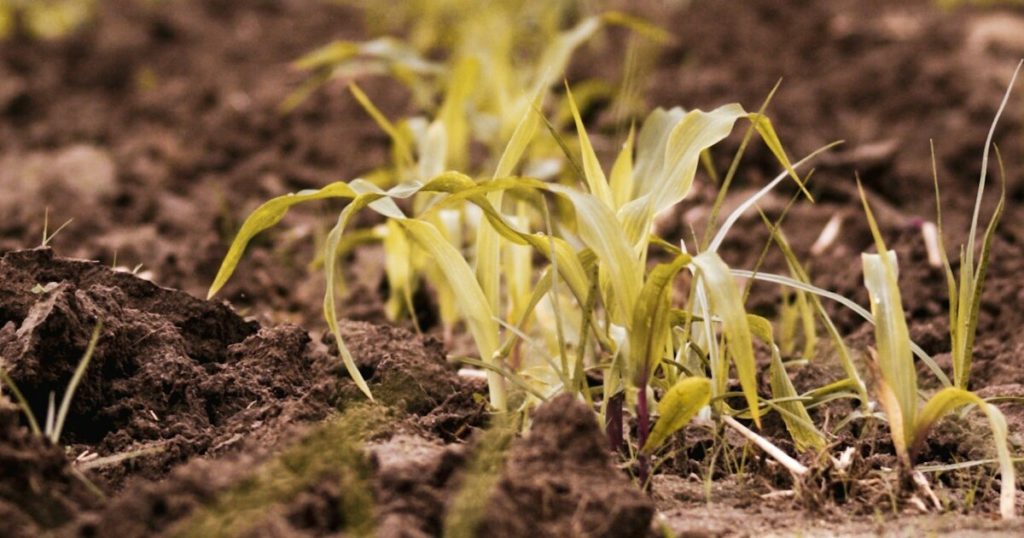
Underwatering is another frequent mistake that can lead to stunted growth and wilting, especially in plants that require consistent moisture. Many of my favorite moisture-loving perennials, native to temperate and tropical regions, depend on a regular supply of water to maintain their lush foliage and vibrant blooms. When they don’t receive enough, their leaves become dry and brittle, and the overall vitality of the plant diminishes, leaving you with a garden that feels parched and lifeless!
What’s more, inconsistent watering can stress plants so much that they become more susceptible to pests and diseases. I’ve noticed that when plants are underwatered, they often shed leaves and lose the natural habitat that attracts beneficial insects and pollinators—creatures that play a vital role in maintaining a balanced ecosystem. To use water wisely, it’s essential to develop a watering schedule that aligns with the specific needs of your plant species, ensuring that each plant, from native succulents to tropical ferns, receives the right amount of hydration to flourish!
Using Cold Water

Using water that is too cold can shock the roots of your plants, leading to stress and slower growth. I’ve experienced how a sudden blast of chilly water, especially when applied during colder mornings or in early spring, can disrupt the delicate balance of the root zone and even affect the beneficial microorganisms that live there. Many of the plants I nurture, particularly those adapted to temperate climates, expect a gradual warming up in the morning and can be quite sensitive to abrupt temperature changes in their watering routine!
One trick I’ve adopted is to let tap water sit for a few hours before using it on my plants, allowing it to reach room temperature. This simple step not only prevents temperature shock but also ensures that the water is less likely to disturb the natural nesting behaviors of soil-dwelling organisms that are crucial for nutrient cycling. By avoiding the use of cold water, you help maintain a stable and healthy root environment that fosters vigorous growth and a balanced ecosystem, making every watering session a gentle and effective treatment!
Watering on the Leaves
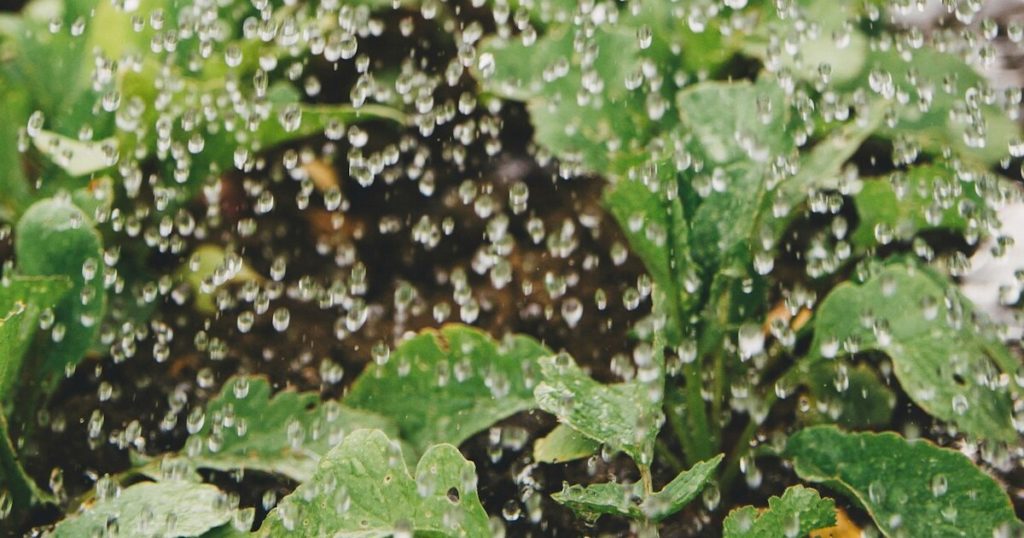
Watering directly on the leaves might seem harmless, but it can actually lead to a host of problems, including fungal diseases and leaf burn. I’ve seen many plants, especially those with delicate, broad leaves native to humid environments, suffer when water droplets remain on the foliage for too long. This practice creates a perfect environment for mold and mildew to develop, turning a refreshing water spray into a recipe for plant distress! In my garden, I now make a conscious effort to water at the base of the plants, ensuring that the foliage stays dry and healthy.
Additionally, watering on the leaves can sometimes wash away the protective waxy cuticle that many plants develop, particularly those from arid regions where every drop of moisture counts. This thin layer is essential for repelling pests and reducing water loss, and when it’s compromised, the plant becomes more vulnerable to diseases and dehydration. By directing water to the soil, you help preserve the natural defenses of your plants, create a more efficient watering system, and even attract beneficial soil insects that use the moist ground as a safe nesting site—truly a win-win situation!
Inconsistent Watering

Inconsistent watering—alternating between too much and too little—can be incredibly stressful for plants and lead to unpredictable growth patterns. I’ve noticed that plants subjected to irregular watering schedules often display symptoms like wilting, leaf drop, and even blossom failure, particularly those native to regions with steady, predictable rainfall. This inconsistency disrupts their natural growth cycles and makes it difficult for roots to establish a healthy, deep network, ultimately hindering overall plant vigor!
Furthermore, erratic watering can affect the balance of beneficial soil organisms that rely on a stable environment to thrive. When plants are stressed by fluctuating moisture levels, their ability to attract and sustain populations of beneficial insects and earthworms is compromised, reducing the natural defenses of your garden. Establishing a consistent watering routine—tailored to the specific needs of each plant species—ensures that your garden remains a thriving, balanced ecosystem where every leaf and root can flourish in harmony!
Not Watering Deeply Enough
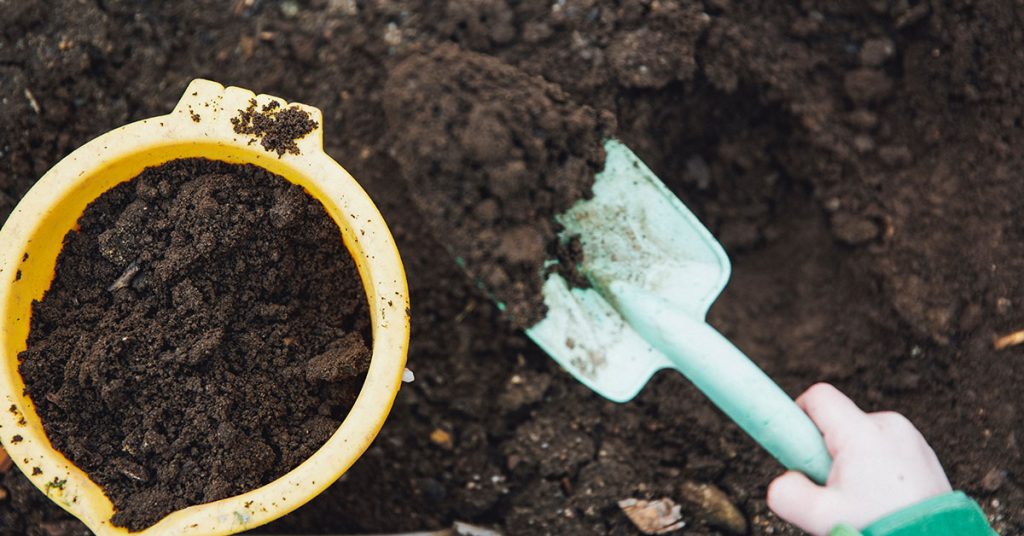
Shallow watering is a common mistake that many gardeners, including myself in the early days, have fallen victim to. When water is applied only to the top layer of soil, it encourages shallow root growth, which makes plants more vulnerable to drought and less able to access the nutrients stored deeper in the ground. I’ve observed that plants native to regions with deep, rich soils thrive when watered thoroughly, as their roots can expand and anchor firmly, contributing to overall resilience and vitality!
Deep watering not only nourishes the roots but also creates a more stable soil environment that attracts beneficial organisms, like earthworms and mycorrhizal fungi, which help in nutrient cycling and water retention. I make it a point to water slowly and deeply, ensuring that every inch of soil receives moisture, thereby promoting deeper root systems that can withstand periods of dry weather. This practice is essential for maintaining long-term plant health and achieving a balanced garden where every element works together harmoniously!
Watering When Plants Are Dormant
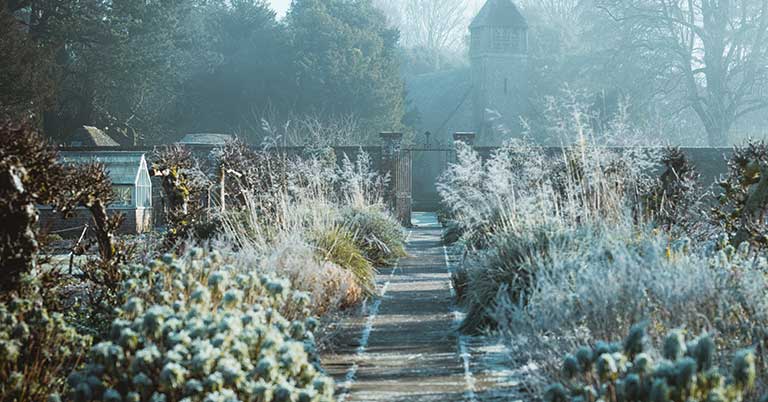
One mistake I once made was watering plants during their dormant phase, thinking that they needed constant moisture even when not actively growing. Many perennials and even some annuals, particularly those native to temperate regions, go through a natural rest period during which their water requirements drop significantly. Overwatering during dormancy can lead to root rot and weaken plants, robbing them of the energy they need to burst forth beautifully in the growing season!
During dormancy, it’s important to adjust your watering schedule to match the plant’s reduced needs. I’ve learned to observe the subtle cues of my garden—like changes in leaf color or a dry topsoil—to determine when to ease off on the water. This approach not only conserves water but also ensures that when the time comes, your plants have the strength to revive and flourish. By respecting the natural rhythms of your plants, you create a more sustainable and resilient garden that attracts beneficial insects and nurtures a balanced ecosystem throughout the year!
Ignoring Plant-Specific Water Needs

Every plant has its own set of water requirements based on its native habitat, growth habits, and even seasonal rhythms. One major mistake I’ve seen, and at times made myself, is treating all plants the same when it comes to watering. For instance, succulents from arid regions are adapted to survive on minimal moisture, while tropical species from rainforests need consistently high humidity and deep watering to thrive. Ignoring these specific needs can lead to overwatering some and underwatering others—a surefire way to create an unbalanced garden that struggles to attract the right beneficial organisms and natural predators!
It’s essential to do a little homework on each species you grow. I always take the time to understand the origins and natural behaviors of my plants—from where they are native to whether they are known to be invasive in certain conditions—to tailor my watering routine accordingly. This personalized approach not only maximizes plant health and growth but also ensures that your garden remains a vibrant, harmonious ecosystem where every leaf, root, and beneficial insect plays its part. By embracing plant-specific care, you can water more wisely and enjoy a flourishing garden that truly reflects your dedication and love for nature!