
High humidity in your garden or home can be a real challenge—especially when it creates the perfect conditions for mold, mildew, and unwanted pests. As an avid gardener who’s faced the frustrations of damp, clammy air and its consequences, I’ve learned that some plants not only thrive in such conditions but can actually help lower humidity levels through their natural processes! In my own gardening journey, I discovered that selecting species with high transpiration rates and robust moisture absorption can create a more balanced, comfortable environment, while also adding beauty and attracting beneficial critters that aid in maintaining a healthy ecosystem.
In this article, I’m excited to share with you 10 fantastic plants known to reduce humidity by drawing excess moisture from the air. Each of these plants comes with a fascinating native background, insights into their behavior—including how they create microhabitats for nesting insects—and notes on their invasiveness (or lack thereof). Whether you’re trying to create a drier microclimate in your garden or simply improve the air quality around your home, these green allies offer a natural and effective solution that can transform your space into a more comfortable, balanced haven!
Areca Palm (Dypsis lutescens)

The Areca Palm, native to Madagascar and widely cultivated in tropical and subtropical regions, is celebrated for its feathery fronds and its ability to significantly reduce indoor humidity. This palm transpires copiously, drawing moisture from the air and releasing it in a way that creates a more balanced, less clammy environment. I’ve been particularly impressed by how its elegant, arching fronds also provide shelter for small insects, offering ideal spots for them to rest or even nest, thereby contributing to a healthier, more biodiverse space!
Areca Palms are non-invasive and thrive in bright, indirect light with well-draining soil—a combination that mimics their native conditions quite well. Their natural ability to moderate humidity makes them an excellent choice for both indoor and outdoor container gardens. With their tropical flair and practical benefits, these palms are a true asset to any garden, transforming a humid, uncomfortable space into a cool oasis full of life and natural beauty!
Peace Lily (Spathiphyllum spp.)
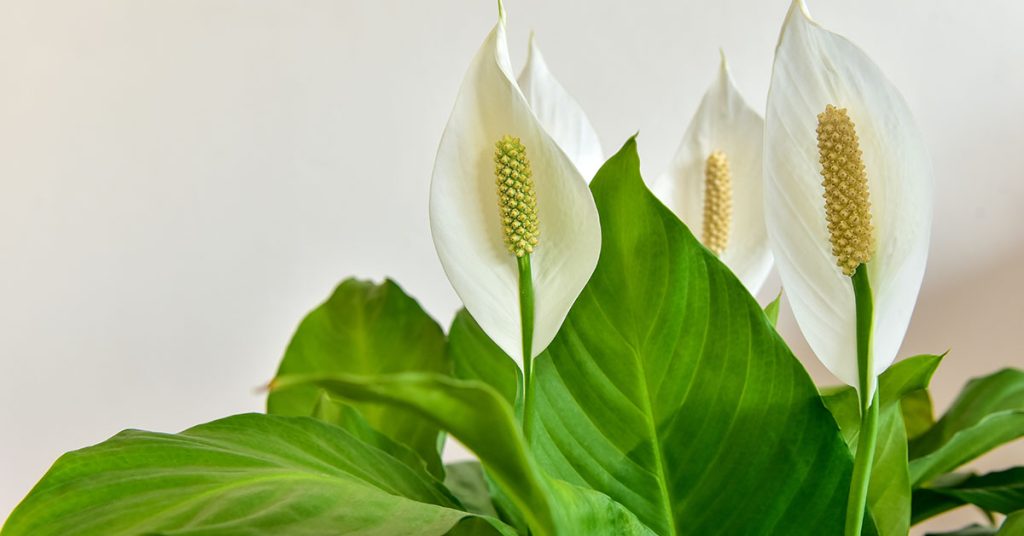
Peace Lilies, native to the tropical regions of the Americas and southeastern Asia, are renowned for their elegant white blooms and glossy foliage that not only brighten up any space but also absorb excess moisture from the air. These plants are adept at lowering humidity through their high transpiration rates, making them ideal for rooms that tend to feel damp. I’ve often found that when I add a Peace Lily to my indoor garden, it not only creates a serene atmosphere but also invites gentle pollinators like small bees and butterflies, which sometimes even use the leafy base as a temporary nesting site!
Their forgiving nature and non-invasive growth make Peace Lilies a popular choice among both novice and experienced gardeners. They thrive in indirect sunlight and consistently moist soil, conditions that mimic their native understory habitats. In my experience, the addition of a Peace Lily can transform an otherwise humid room into a cool, refreshing retreat while contributing to an overall balanced micro-ecosystem where beneficial insects are welcomed with open leaves!
Snake Plant (Sansevieria trifasciata)
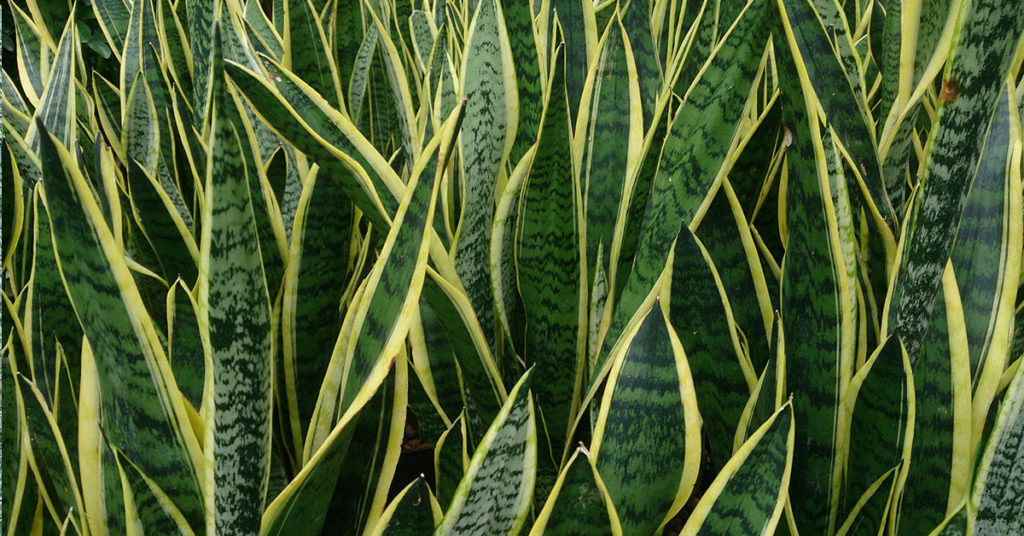
Originating from West Africa, the Snake Plant is a robust, drought-tolerant species known for its striking, upright leaves and its capacity to improve indoor air quality by absorbing toxins and excess moisture. This plant is particularly effective in reducing humidity due to its high water-use efficiency and nocturnal oxygen release—a behavior that can make your living space feel refreshingly crisp during the night! In my own garden, the Snake Plant has served as a low-maintenance sentinel, quietly working to balance humidity levels while attracting beneficial insects that occasionally find refuge among its sturdy leaves.
Despite its hardy reputation, the Snake Plant is gentle and non-invasive, making it ideal for any indoor setup where space might be limited. Its architectural form not only provides visual interest but also offers microhabitats for tiny critters, contributing to a well-rounded, living ecosystem. This blend of practicality and striking aesthetics makes the Snake Plant a favorite among gardeners who seek both beauty and functionality in their humidity-regulating green companions!
Lavender (Lavandula spp.)
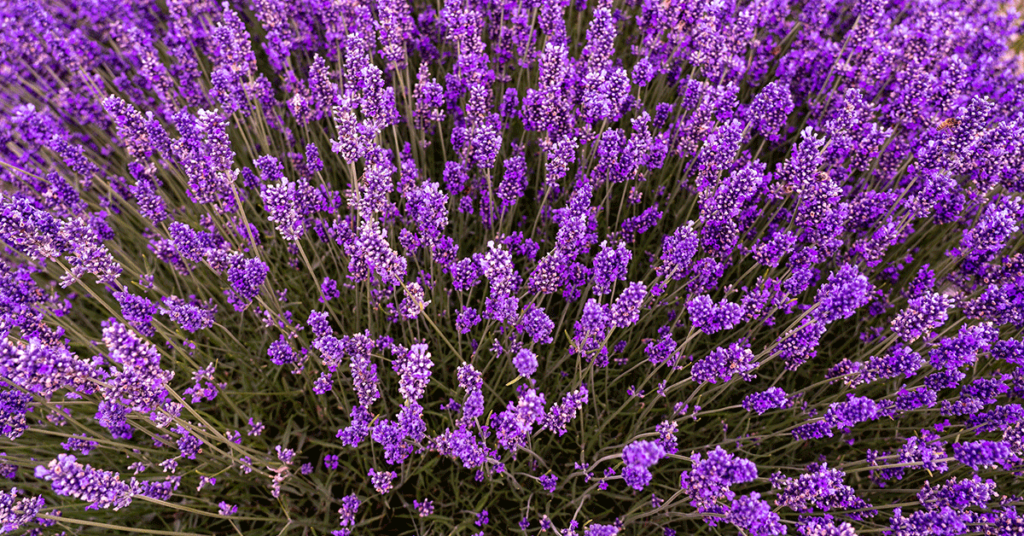
Lavender, native to the Mediterranean region, is much more than a fragrant delight—it’s also a natural humidity balancer. Its aromatic leaves and delicate purple blooms actively transpire, drawing excess moisture from the air and creating a drier, more pleasant environment. I’ve found that planting Lavender in my garden not only fills the space with a soothing aroma but also attracts a host of beneficial pollinators, including bees and butterflies, which often use the plant’s dense foliage as a temporary nesting site!
This versatile herb is non-invasive when managed properly and thrives in well-drained, sunny conditions that reflect its native dry, rocky soils. The beauty of Lavender lies in its dual function: it enhances the sensory experience of your garden while contributing to a healthier microclimate by reducing humidity. Its calming presence and practical benefits make Lavender an indispensable addition to any garden aiming for both aesthetic appeal and environmental balance!
English Ivy (Hedera helix)

English Ivy, a classic climber native to Europe and parts of Asia, has a remarkable ability to absorb moisture from the air, making it a natural ally in reducing humidity levels. Its dense, evergreen foliage not only provides an attractive ground cover or vertical accent but also serves as a sponge that helps moderate the ambient moisture in your garden. I’ve witnessed English Ivy transform shady, humid spots into cooler, more balanced microenvironments while offering a welcoming habitat for small insects and even tiny spiders that create intricate nests within its tangled leaves!
Despite its invasive reputation in some outdoor settings, when grown in containers or controlled garden beds, English Ivy behaves nicely and remains manageable. Its adaptability to various light conditions and ability to thrive on minimal care make it a versatile choice for urban gardeners. With its dual role in beautifying your space and naturally regulating humidity, English Ivy can be a subtle yet powerful addition to your garden’s overall health and appeal!
Bamboo Palm (Chamaedorea seifrizii)

Bamboo Palm, native to Central America and admired for its slender, bamboo-like stems and lush fronds, is an excellent plant for reducing humidity. Its vigorous transpiration process helps draw moisture from the air, creating a cooler, drier microclimate in your living spaces. I’ve found that adding a Bamboo Palm to my indoor garden not only brings a tropical ambiance but also attracts beneficial insects that often use its feathery fronds as safe havens for nesting during hot days!
This palm is non-invasive when grown in pots and thrives in bright, indirect sunlight with well-draining soil. The Bamboo Palm’s natural ability to moderate humidity makes it an ideal candidate for spaces that tend to feel stuffy, while its graceful appearance provides a touch of exotic elegance. Its low maintenance and decorative appeal ensure that it becomes a beloved part of any garden, helping to create an environment that’s both comfortable and visually stunning!
Aloe Vera
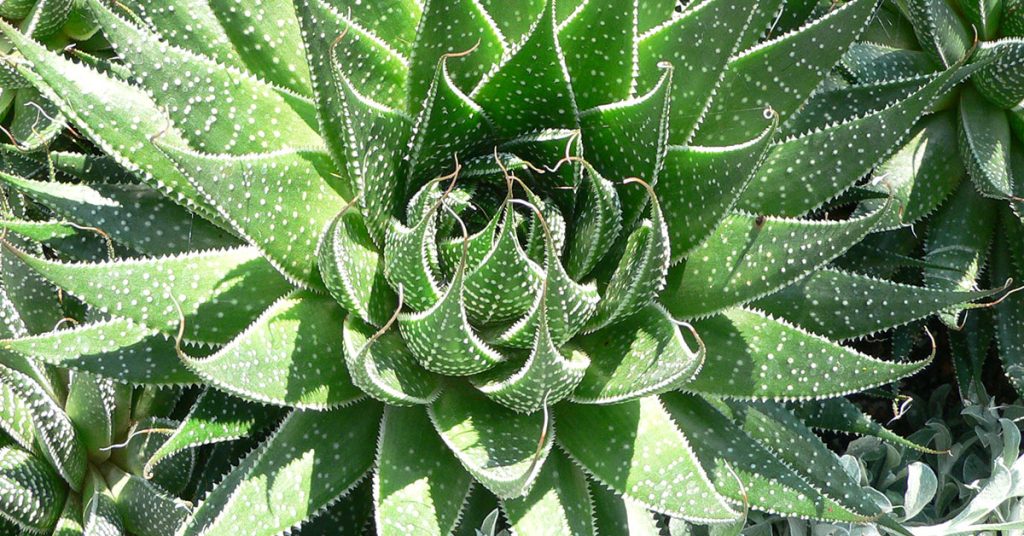
Aloe Vera, a succulent native to the arid regions of the Arabian Peninsula, is celebrated for its soothing gel and its impressive ability to reduce ambient moisture through efficient water usage. This plant’s thick, fleshy leaves store water and release minimal moisture into the air, thereby helping to lower humidity levels in indoor environments. I’ve always admired Aloe Vera not only for its medicinal properties but also for its resilience and the way its structured rosettes create microhabitats for beneficial insects to briefly take shelter!
Although Aloe Vera is non-invasive and typically thrives in dry, well-drained conditions, it does require careful watering to avoid over-saturation. Its ability to improve air quality by maintaining a balanced humidity level makes it a smart addition to any home or garden, especially in warm climates. By incorporating Aloe Vera into your space, you’re inviting a natural, low-maintenance solution that supports a drier, more comfortable environment while adding an exotic touch to your decor!
Spider Plant (Chlorophytum comosum)
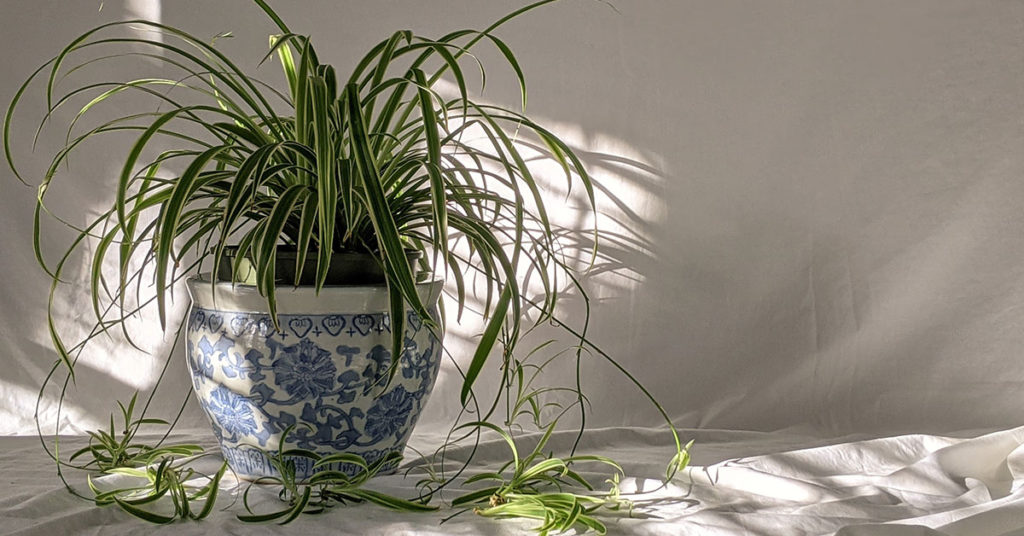
Spider Plants, native to South Africa, are renowned for their arching, variegated leaves and their capacity to absorb excess moisture from the air. These adaptable plants are a staple in many households due to their hardiness and natural air-purifying qualities, which include reducing indoor humidity levels. I’ve always enjoyed watching Spider Plants dangle gracefully from hanging baskets, their long, slender leaves offering little nooks and crannies that serve as perfect resting spots for tiny beneficial insects!
Their non-invasive nature and ease of care make Spider Plants an ideal choice for busy gardeners looking to improve indoor air quality naturally. Thriving in bright, indirect light with moderate watering, these plants mimic the dry, open habitats of their native regions while adding a playful, organic touch to your living space. With each new “pup” or offshoot, Spider Plants expand their reach and contribute to a cooler, more balanced environment that’s as inviting as it is beautiful!
Boston Fern (Nephrolepis exaltata)
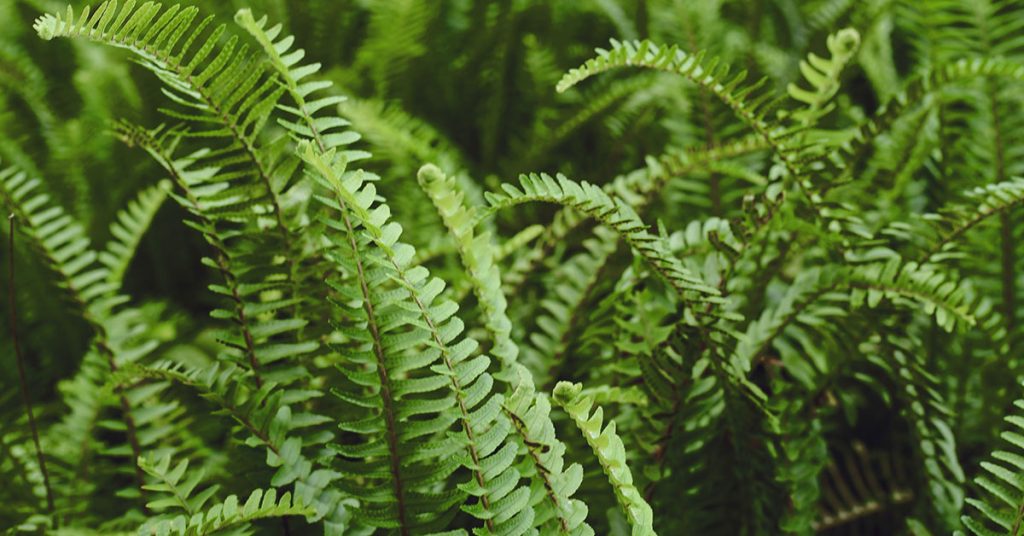
Boston Ferns, native to tropical regions around the world, are lush, feathery plants that excel at reducing humidity through their high transpiration rates. Their abundant fronds not only create a verdant, cooling canopy but also draw excess moisture from the air, helping to stabilize indoor humidity levels. I’ve experienced firsthand how these ferns transform stuffy rooms into refreshing, green retreats, while their intricate leaf structure attracts beneficial insects that often find refuge in the soft, arching fronds!
Despite their preference for humid conditions, Boston Ferns perform remarkably well in indoor environments by acting as natural dehumidifiers. They thrive in indirect light and moist, well-drained soil, conditions that mirror their native, rainforest habitats. Their graceful, arching fronds and ability to enhance air quality make them a favorite among gardeners, providing both aesthetic appeal and practical benefits for a balanced, comfortable living space!
Dracaena marginata
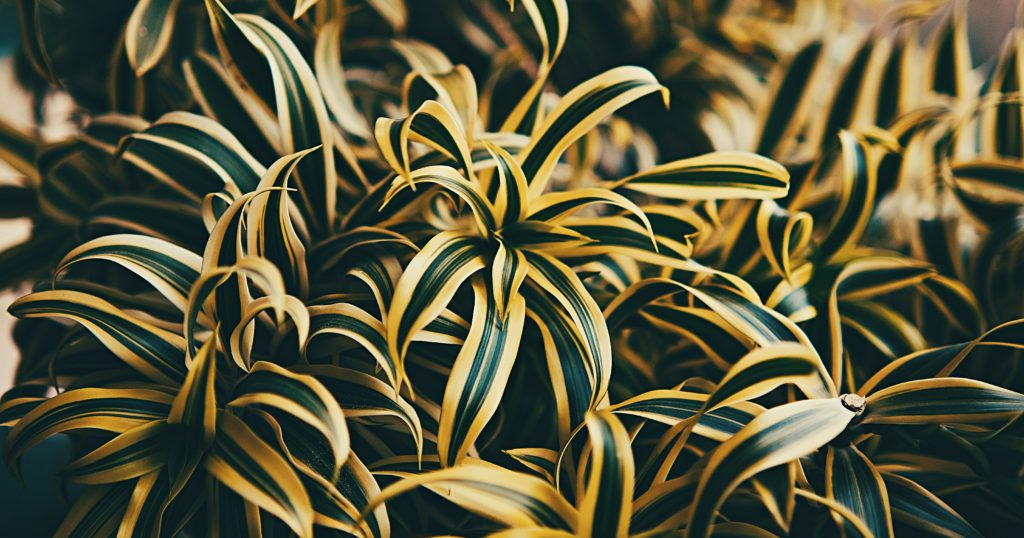
Dracaena marginata, commonly known as the Madagascar Dragon Tree, is a striking plant native to Madagascar that plays a subtle yet effective role in reducing indoor humidity. Its slender, arching leaves have a high transpiration rate, drawing excess moisture from the air and creating a more balanced atmosphere. I’ve often been impressed by how this elegant plant not only adds a modern, architectural element to my decor but also helps create a drier, more comfortable environment by naturally managing humidity levels!
This plant is non-invasive and thrives in bright, indirect light with minimal watering, making it perfect for urban settings where space and environmental control are key. The Dracaena marginata’s unique structure also provides small crevices that attract and shelter beneficial insects, further contributing to a healthy indoor ecosystem. With its contemporary look and practical benefits, this plant is a wonderful addition to any garden or living space looking to embrace nature’s innate ability to balance and beautify our environments!