

As a gardener who’s experienced both the triumphs and tribulations of cultivating life beneath towering canopies, I understand how disheartening it can be when your carefully chosen understory plants fail to thrive. It’s such a bummer when pests or poor light steal the show from what could be a lush, vibrant garden! In this article, I’m excited to walk you through a diverse collection of species, detailing their native origins, growth habits, and even little quirks like attracting beneficial insects or providing cozy nesting sites. With these insights, you’ll be well-equipped to design an understory that not only survives but truly thrives.
Throughout my years of trial and error, I’ve learned that growing plants under trees is all about mimicking their native habitat while accommodating the unique challenges of shade, competition, and moisture. Whether you’re dealing with the frustration of a shady garden or simply dreaming of a layered landscape where every plant plays its part, these 26 selections are here to inspire you!
Hostas
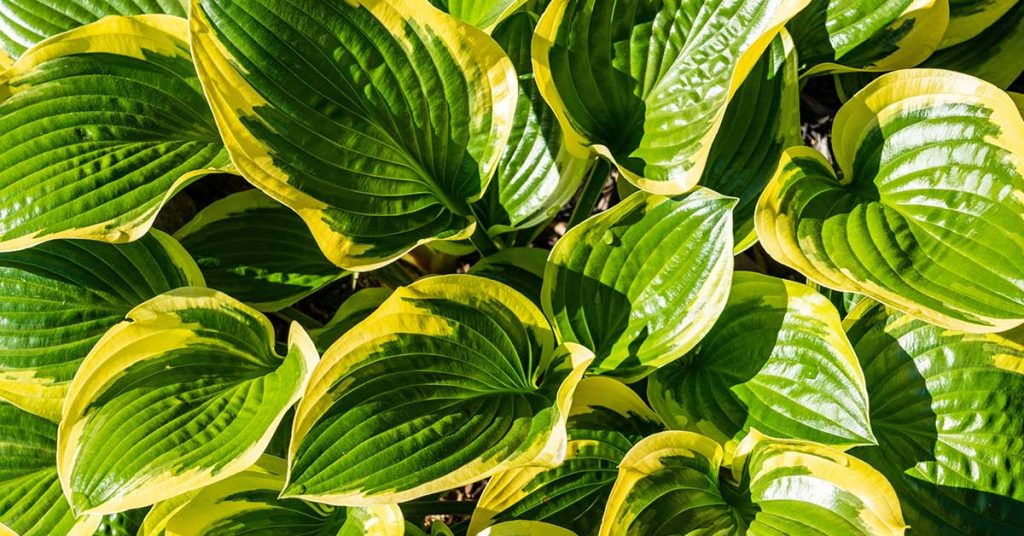
Hostas are a perennial favorite for shady spots under trees, prized for their broad, textured leaves and dependable performance in low-light conditions. Native to Japan, China, and Korea, these plants naturally flourish under forest canopies where light is filtered through dense foliage. Their lush, variegated leaves create a soft carpet that not only adds visual interest but also provides a microhabitat for small insects and beneficial critters that sometimes use the spaces between leaves for brief nesting!
Beyond their ornamental appeal, Hostas are relatively non-invasive when given enough room to spread, and they help suppress weed growth by covering the soil. Their ability to thrive in challenging shade and attract friendly insects like ground beetles makes them a practical choice for gardeners who want both beauty and ecological balance under larger trees. I always find that a well-placed Hosta bed can transform a dull, shaded area into a cool, verdant retreat!
Astilbe
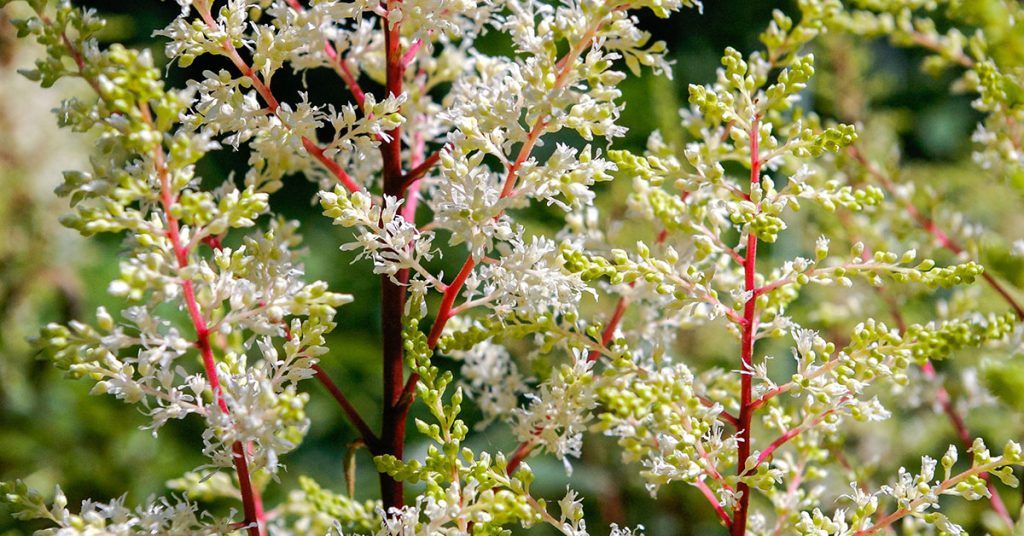
Astilbe is a graceful perennial that flourishes in the moist, dappled light under trees, producing airy plumes of pink, red, or white blooms that add a touch of ethereal charm. Native to Asia and parts of North America, Astilbe thrives in woodland conditions where the soil remains consistently moist. I’ve found that its feathery flower clusters attract a variety of beneficial insects, including butterflies and bees, which often treat the plant as a temporary haven during warm afternoons!
Not only does Astilbe create a striking visual display, but its non-invasive nature ensures that it won’t overwhelm neighboring plantings. The soft texture of its blooms and delicate foliage also encourages a balanced micro-ecosystem, inviting small insects that contribute to natural pollination. For anyone struggling with the challenges of a shady garden, Astilbe offers both beauty and a natural boost to biodiversity!
Heuchera (Coral Bells)
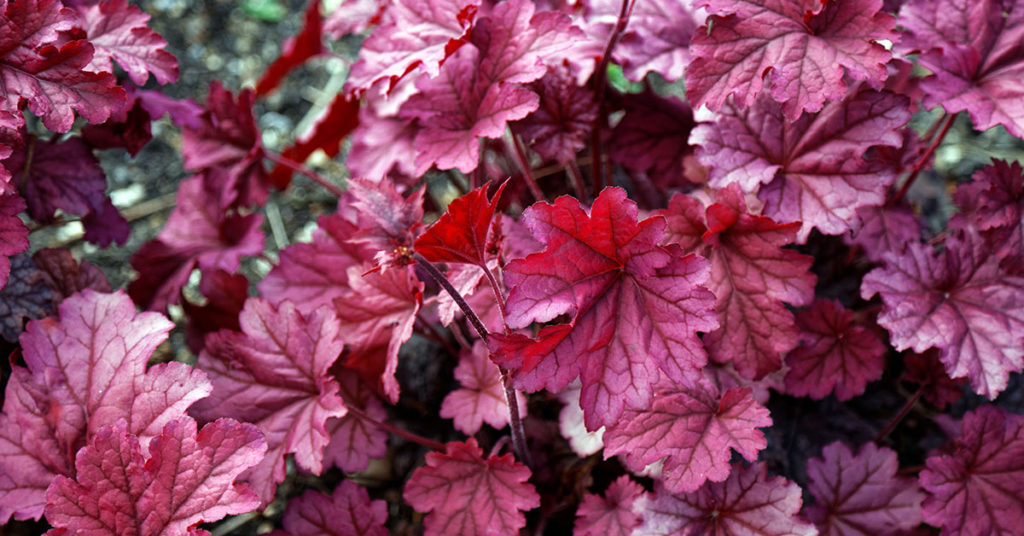
Heuchera, commonly known as Coral Bells, offers a spectacular array of foliage colors—from deep purples to bright chartreuse—that can transform the understory beneath trees into a living mosaic. Native to North America, these perennials thrive in partial to full shade and bring an unexpected burst of color that attracts beneficial insects like solitary bees and hoverflies. I’m always excited to see how the unique textures of Heuchera leaves create a dynamic backdrop that highlights the more flamboyant blooms in your garden!
Their compact, non-invasive growth habit makes Heuchera an excellent choice for areas where space is at a premium. Not only do they add visual depth, but their foliage sometimes provides a cozy micro-niche for tiny critters and soil-dwelling organisms that help maintain a healthy garden ecosystem. For anyone looking to inject a bit of artistic flair into a shaded space, Heuchera is a must-have addition!
Japanese Painted Fern

Japanese Painted Fern is a true ornamental delight, with its delicate fronds showcasing a mix of silvery, burgundy, and green hues that bring instant elegance under the trees. Native to Japan, these ferns naturally thrive in woodland environments where filtered light and consistent moisture are abundant. I’ve often noticed how their feathery fronds attract small, beneficial insects that appreciate the cool, humid microclimate they help create—a true bonus for any gardener!
Their non-invasive, clumping growth habit makes Japanese Painted Fern ideal for forming natural ground covers beneath larger trees. By adding texture and contrast to the understory, these ferns help balance the overall look of your garden while contributing to soil health. For anyone seeking to soften the hard edges of a tree’s base, this fern is an absolute treasure that brings both beauty and ecological benefits!
Bleeding Heart
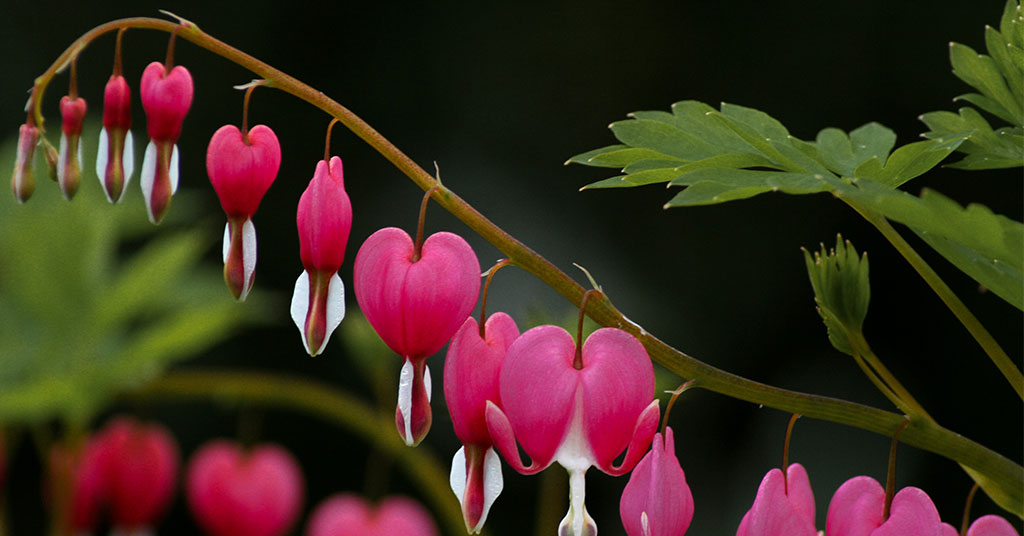
Bleeding Heart (Dicentra spectabilis) is renowned for its uniquely shaped, heart-like flowers that dangle delicately from arching stems—a true poetic addition to any shaded area under trees. Native to temperate regions of Asia and North America, this perennial thrives in moist, well-drained soils with plenty of dappled sunlight. I’ve been captivated by its romantic appeal and how its soft pink or white blossoms attract a range of pollinators, including bees and even small butterflies that sometimes use its foliage for a brief rest!
While its graceful form adds a touch of whimsy to the garden, Bleeding Heart remains non-invasive when planted with proper spacing. Its distinctive beauty and subtle fragrance work together to create a serene, enchanting atmosphere beneath the trees. For gardeners who find the idea of a fairy-tale garden irresistible, Bleeding Heart is an ideal choice that promises both charm and a natural boost to the ecosystem!
Columbine
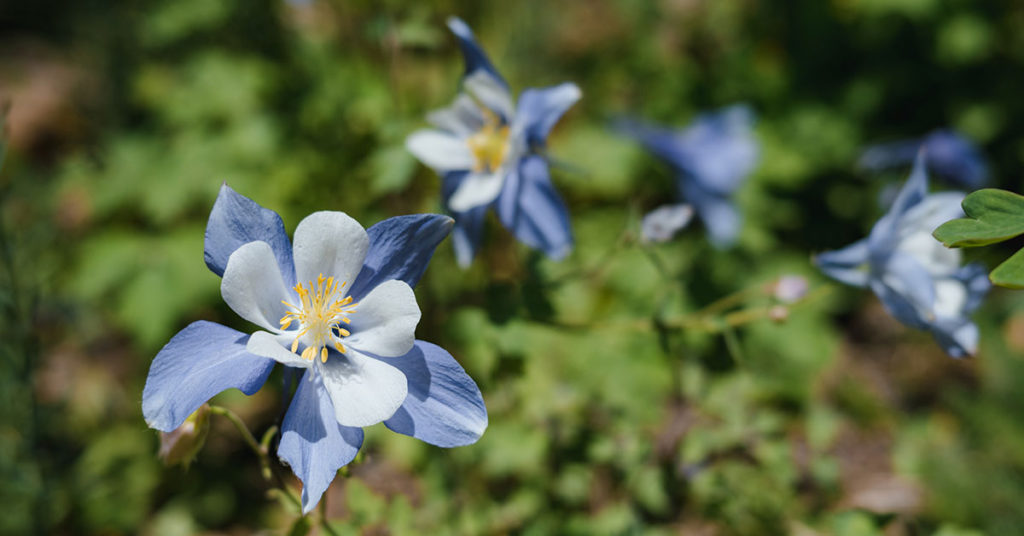
Columbine (Aquilegia) is a versatile wildflower with intricate, spurred blooms that bring a burst of delicate color and charm to the understory. Native to temperate regions of the Northern Hemisphere, including North America and Europe, Columbine thrives in partial shade with well-drained soil. I’m always delighted by its unique, nodding flowers that attract hummingbirds and bees—many of which even use the plant as a transient resting spot during their foraging journeys!
Its airy, non-invasive growth habit makes Columbine a superb companion under trees, where it effortlessly fills in gaps without overpowering other species. The soft interplay of colors and the gentle sway of its blooms in the breeze create a naturally serene environment that’s perfect for relaxed outdoor seating. For anyone who cherishes a garden that feels both wild and refined, Columbine is a timeless addition that never fails to impress!
Solomon’s Seal
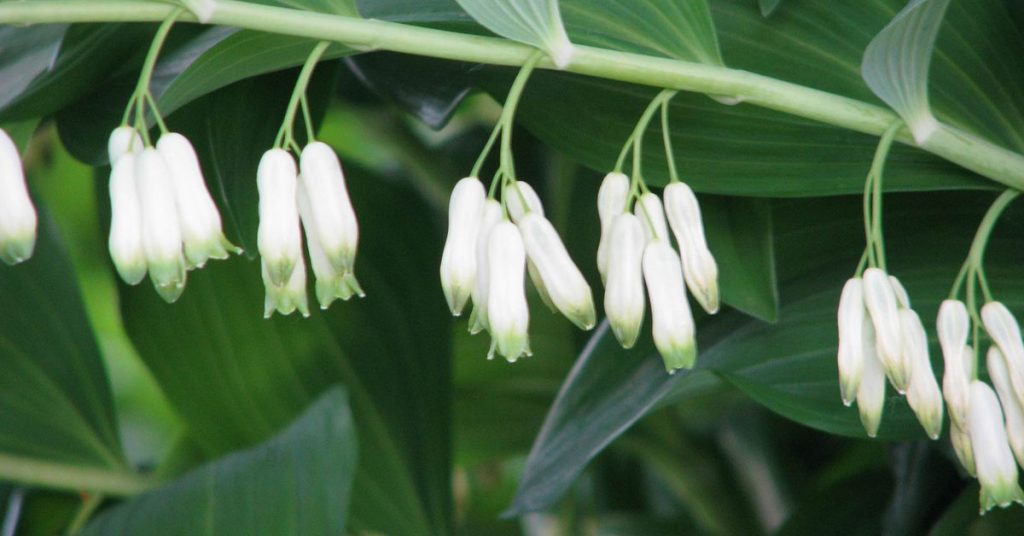
Solomon’s Seal (Polygonatum odoratum) is an elegant, shade-loving perennial that exudes a quiet sophistication beneath the canopy of trees. Native to temperate regions of the Northern Hemisphere, it thrives in moist, well-drained soils with filtered light—a setting that mimics its forest floor origins. I love how its arching stems and delicate, bell-shaped flowers create a sense of understated beauty while attracting beneficial insects that help maintain a balanced garden ecosystem!
Its non-invasive growth and graceful form make Solomon’s Seal an ideal candidate for filling the gaps under trees without overwhelming the area. The subtle fragrance of its blossoms and the gentle rustle of its foliage in the breeze evoke a peaceful, almost meditative quality that’s perfect for any outdoor retreat. For gardeners seeking a plant that marries form and function in a shaded setting, Solomon’s Seal is a true gem that adds both charm and tranquility!
Sweet Woodruff
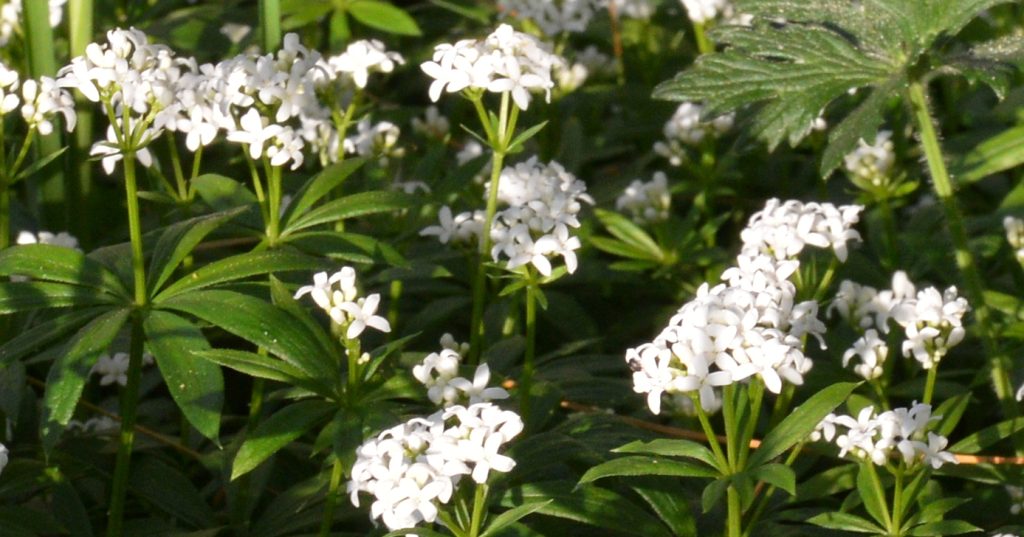
Sweet Woodruff (Galium odoratum) is a charming, low-growing groundcover that thrives under the dappled light of trees, spreading a soft, fragrant carpet that transforms shady spots into magical retreats. Native to Europe, Sweet Woodruff flourishes in moist, well-drained soils and is prized for its star-shaped white flowers and sweet aroma that naturally repels pests. I’m always impressed by how it attracts beneficial insects, which often use its gentle foliage as a temporary nesting site, adding a layer of biodiversity to your garden!
This non-invasive perennial works beautifully as a living mulch beneath larger trees, helping to suppress weeds while maintaining a cool microclimate. Its delicate beauty and subtle scent create an inviting ambiance that makes outdoor seating areas feel serene and refreshed. For anyone looking to soften the hard edges of a tree’s shadow with a touch of natural elegance, Sweet Woodruff is an absolute delight!
Ajuga (Bugleweed)

Ajuga, commonly known as Bugleweed, is a vigorous groundcover that thrives in the partial shade under trees, delivering a burst of deep, rich foliage and spikes of blue or purple flowers. Native to Europe, Ajuga is well-adapted to woodland environments and is celebrated for its ability to attract beneficial insects like bees and butterflies that occasionally nest in its dense clumps. I’ve found that its robust nature and striking colors create a dramatic contrast against the backdrop of tree roots and dappled light—a true visual treat!
While Ajuga can spread rapidly, it remains relatively non-invasive in a well-managed garden setting. Its aggressive growth habit, when properly contained, serves as an effective natural weed suppressant, ensuring that your understory remains vibrant and healthy. For gardeners who appreciate a touch of boldness in their shade garden, Ajuga offers a dynamic blend of beauty and practicality that keeps your outdoor space lively and pest-resistant!
Lamium (Dead Nettle)

Lamium, or Dead Nettle, is a versatile perennial that thrives under the canopy of trees with its attractive variegated foliage and delicate, often pink or purple blooms. Native to Europe and parts of Asia, Lamium prefers the cool, shaded conditions found beneath mature trees and is excellent for filling in gaps with its cascading growth habit. I love how its soft leaves and gentle flowers attract a variety of beneficial insects, some of which use the intricate foliage as a transient nesting spot during quiet mornings!
Its low, spreading nature makes Lamium a superb groundcover that not only beautifies shady areas but also suppresses weeds naturally. Although it can spread if left unchecked, proper maintenance ensures that it remains a non-invasive complement to your garden. For anyone looking to add texture and subtle color to the understory, Lamium is a delightful choice that combines visual appeal with ecological benefits!
Vinca Minor (Periwinkle)
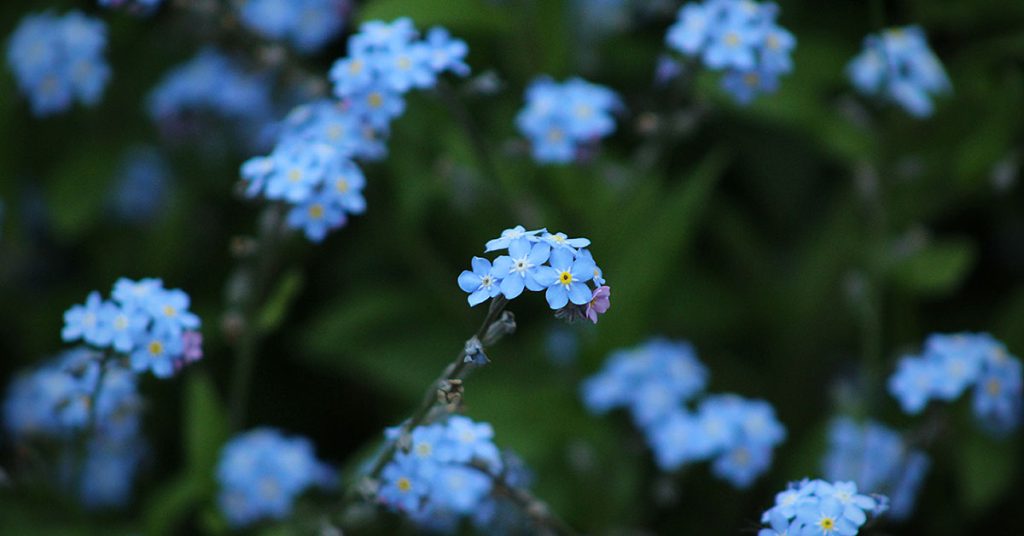
Vinca Minor, commonly known as Periwinkle, is a hardy evergreen groundcover that flourishes under trees with its glossy leaves and cheerful, star-shaped flowers. Native to Europe, this plant thrives in partial shade and well-drained soils, making it ideal for planting beneath the canopy of larger trees. I’ve always been fascinated by how Vinca Minor creates a continuous, lush carpet that not only provides visual interest but also attracts beneficial insects such as bees and ladybugs that sometimes find shelter among its dense foliage!
While Vinca Minor is known for its vigorous growth, it can be invasive in some regions if not properly managed, so a little regular pruning is key to keeping it in check. Its ability to suppress weeds and maintain soil moisture makes it a practical and attractive choice for understory plantings. For those who crave a vibrant, low-maintenance groundcover that brings both beauty and function, Vinca Minor is a proven favorite—just be sure to manage its spread responsibly!
Primrose (Primula)
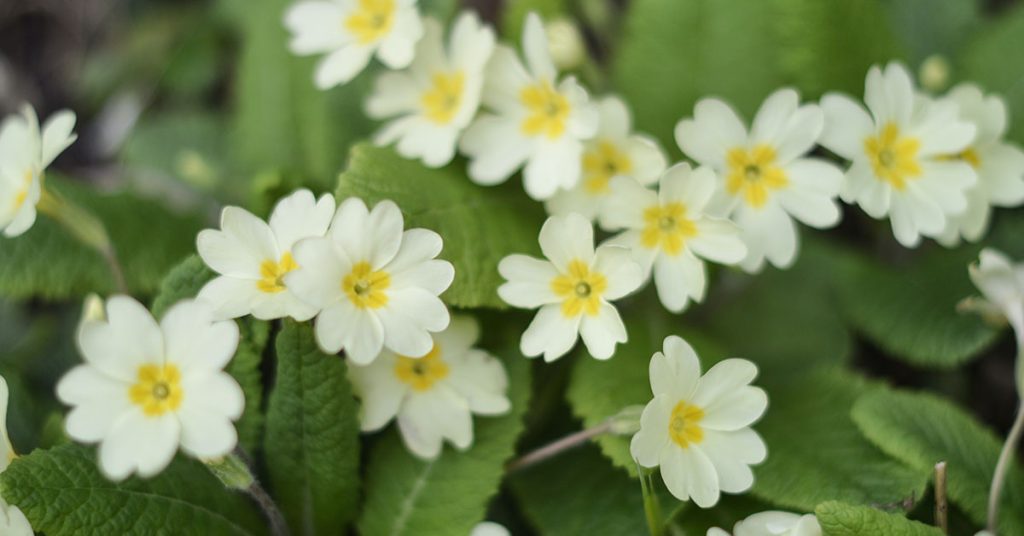
Primrose is a delightful, early-blooming perennial that brings soft hues and a touch of whimsy to shaded areas under trees. Native to temperate regions across Europe, Primrose thrives in cool, moist conditions and offers clusters of delicate flowers in shades of yellow, pink, or purple that attract small pollinators like bees and hoverflies. I’m always charmed by how its gentle blossoms seem to light up even the gloomiest parts of a garden, creating an inviting atmosphere that beckons beneficial insects to visit and nest!
Its compact, non-invasive nature makes Primrose an excellent choice for planting in the understory, where it fills in gaps without overwhelming neighboring plants. By enhancing soil moisture retention and naturally deterring some pests with its subtle aroma, Primrose contributes to a balanced ecosystem beneath larger trees. For gardeners who appreciate soft, early-season color in a shaded garden, Primrose offers both aesthetic appeal and a nurturing environment for nature’s helpers!
Hellebore
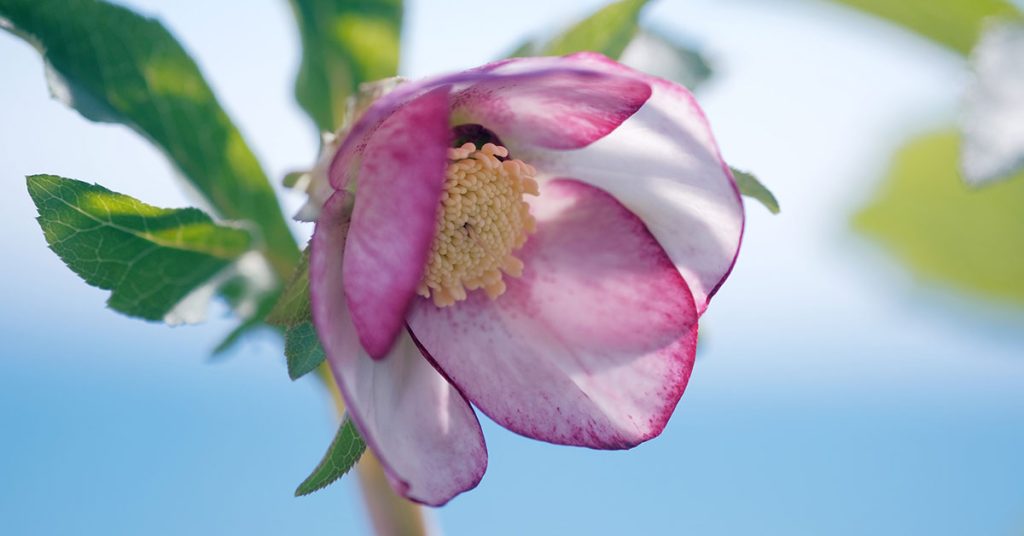
Hellebore, often called the Lenten Rose, is a striking perennial that blooms in the chill of early spring, bringing an unexpected burst of color to the shady areas under trees. Native to central and southern Europe as well as parts of Asia, Hellebore thrives in moist, well-drained soils with filtered light. Its unique, often muted-toned blossoms attract early pollinators such as bees, which sometimes use the protective cover of its evergreen foliage as a temporary nesting ground during cooler days!
Known for its non-invasive growth, Hellebore establishes itself gracefully beneath larger trees without competing aggressively for resources. Its subtle yet elegant beauty and its natural pest-repelling properties make it a favorite for gardeners looking to brighten up shaded understories. I always find that Hellebore not only adds a touch of sophistication to a garden but also supports a balanced ecosystem, ensuring that even the early spring days are filled with life and color!
Foxglove (Digitalis)
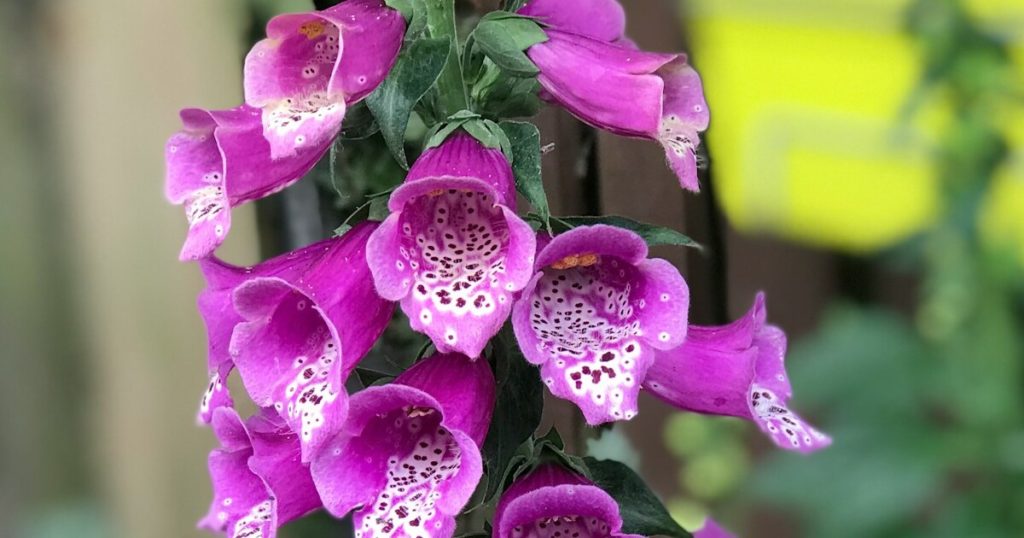
Foxglove is a stately biennial or short-lived perennial celebrated for its tall spires of tubular flowers that create a dramatic vertical accent under trees. Native to Europe, Foxglove thrives in partial shade and well-drained soils, producing clusters of bell-shaped blooms that attract hummingbirds and bees—some of which even explore the flower tubes as potential nesting sites! I’m continually inspired by its old-world charm and how it transforms a shady garden corner into a regal, fairy-tale scene.
While Foxglove is undeniably captivating, it is important to note that all parts of the plant are toxic if ingested, so caution is advised if children or pets are around. Despite this, its non-invasive habit means it will not overrun the garden, and its dramatic floral display makes it an ideal accent for an understory planting scheme. For those seeking a plant that offers both beauty and a touch of wild elegance, Foxglove is a choice that truly stands out!
Pulmonaria (Lungwort)
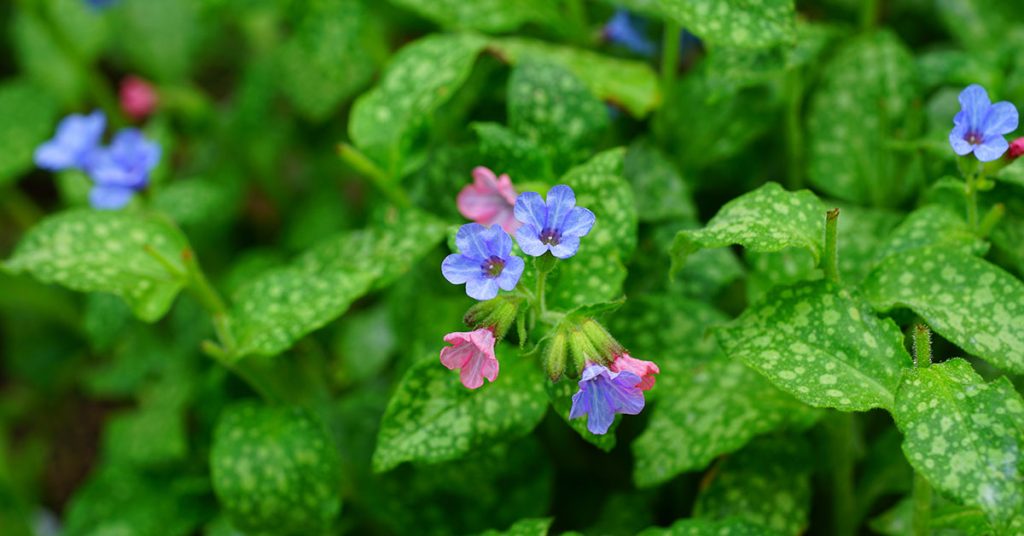
Pulmonaria, commonly known as Lungwort, is a charming perennial that displays spotted, silvery foliage and clusters of delicate flowers in shades of blue, pink, or white. Native to Europe and Western Asia, Lungwort thrives in the cool, shaded conditions found under trees and woodland edges. I’m always delighted by how its early spring blooms attract a flurry of beneficial insects, including bees and small butterflies that often use its soft leaves as a temporary refuge!
Its non-invasive nature and low-growing habit make Pulmonaria an excellent choice for naturalizing under trees, where it helps to soften hard edges and enrich the soil with organic matter. The subtle interplay of colors and textures in Lungwort creates a peaceful, inviting microhabitat that encourages a balanced insect community. For gardeners who value understated beauty and ecological harmony, Pulmonaria is a timeless addition to any shady garden!
Jacob’s Ladder (Polemonium)

Jacob’s Ladder is an elegant perennial known for its graceful, pinnate leaves and clusters of starry blue or white flowers that gently cascade in shaded areas. Native to Europe and parts of Asia, this plant thrives in woodland conditions with moist, well-drained soils, where it naturally attracts a variety of pollinators such as bees and butterflies that occasionally use its layered foliage as a mini refuge. I’ve always been captivated by its delicate, ladder-like foliage that seems to evoke a sense of natural harmony in even the most challenging shady spots!
Its non-invasive growth habit makes Jacob’s Ladder an ideal choice for under-tree plantings, where it can fill in gaps without overpowering the landscape. The subtle fragrance of its blooms and the soft texture of its leaves create an inviting environment for beneficial insects, further enriching the garden’s ecosystem. For those in search of a plant that embodies grace and understated charm, Jacob’s Ladder is an inspiring choice that brings both beauty and balance to a shaded setting!
Brunnera macrophylla (Siberian Bugloss)
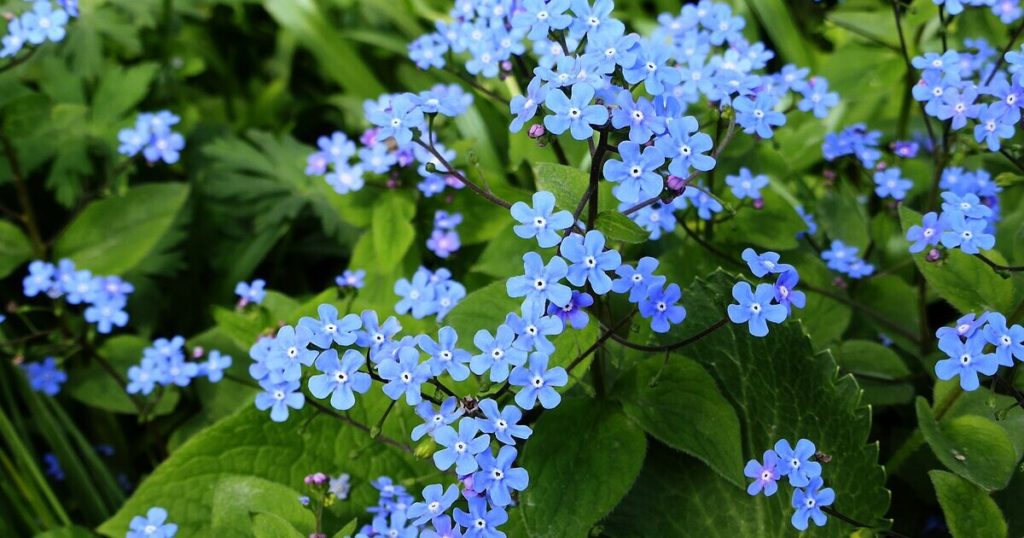
Brunnera macrophylla, often called Siberian Bugloss, is a delightful perennial that flourishes in the cool, moist conditions under trees, boasting heart-shaped leaves and clusters of small, sky-blue flowers. Native to Siberia and other parts of Asia, it thrives in shaded areas where its subtle blooms attract beneficial insects like bees and small butterflies, some of which find the plant’s soft, velvety leaves an ideal nesting spot! I’m always impressed by the serene, woodland quality that Brunnera brings to an otherwise overlooked corner of the garden.
Its non-invasive growth habit and clumping nature make it a perfect candidate for naturalizing under trees, where it creates a gentle, calming carpet of green. The interplay of its delicate foliage and pale blue flowers evokes the tranquil essence of a forest glade, making it an excellent choice for anyone looking to enhance their shady garden areas. Brunnera macrophylla is a true testament to nature’s understated beauty and its ability to foster a balanced, insect-friendly habitat!
Tiarella (Foamflower)

Tiarella, commonly known as Foamflower, is a charming perennial that brings soft, airy blooms and intricately patterned foliage to the understory beneath trees. Native to eastern North America, this plant thrives in the cool, shady conditions of woodland floors, where its delicate flowers attract beneficial insects like small bees and butterflies that sometimes use the lush leaf clusters for brief shelter. I’m always enchanted by its subtle, frothy blooms that seem to float gently against a backdrop of rich green—a true delight for any gardener!
With its non-invasive, clumping growth habit, Tiarella is perfect for filling in gaps and softening the hard edges under mature trees. Its natural elegance and ability to enhance soil moisture retention create a welcoming microhabitat that supports a balanced ecosystem. For gardeners seeking a low-maintenance yet visually captivating addition to their shaded garden, Tiarella is an absolute treasure that brings a touch of woodland magic indoors!
Creeping Jenny (Lysimachia nummularia)

Creeping Jenny is a vibrant, trailing groundcover that thrives in the dappled light under trees, offering bright green foliage that creates a refreshing contrast against darker surroundings. Native to Europe, this plant prefers moist, well-drained soils and is known for its rapid, spreading habit that can attract beneficial insects such as tiny pollinators and predatory mites—some of which take refuge among its low-lying leaves! I find that its cheerful appearance and vigorous growth add a burst of life to even the gloomiest of understory spots.
While its fast-spreading nature can be considered invasive in some regions if not properly managed, in a controlled garden setting Creeping Jenny works wonders as a natural mat that suppresses weeds and maintains soil moisture. Its ability to cover ground quickly makes it an excellent choice for gardeners looking to fill large shady areas under trees. With regular pruning and attentive care, this plant can be a delightful, dynamic addition that injects energy and visual interest into your garden’s undercanopy!
Bergenia

Bergenia is a robust, evergreen perennial that thrives under trees with its large, leathery leaves and clusters of rose-pink to red blooms that add a splash of color to shaded areas. Native to Asia, Bergenia prefers partial shade and well-drained soils, where its bold foliage often attracts beneficial insects like solitary bees that use its dense clumps as temporary nesting sites. I’m always captivated by the contrast between its sturdy, sculptural leaves and the delicate, almost velvety texture of its blossoms—a combination that truly enlivens an understory!
Its non-invasive growth habit and resilience make Bergenia a reliable choice for gardeners seeking a touch of winter interest and summer color beneath mature trees. The plant’s ability to tolerate a range of light conditions while maintaining its dramatic form makes it an excellent addition to any garden. For those who appreciate a plant that brings both strength and beauty to a shady setting, Bergenia is a standout option that never fails to impress!
Veronica spicata (Spike Speedwell)
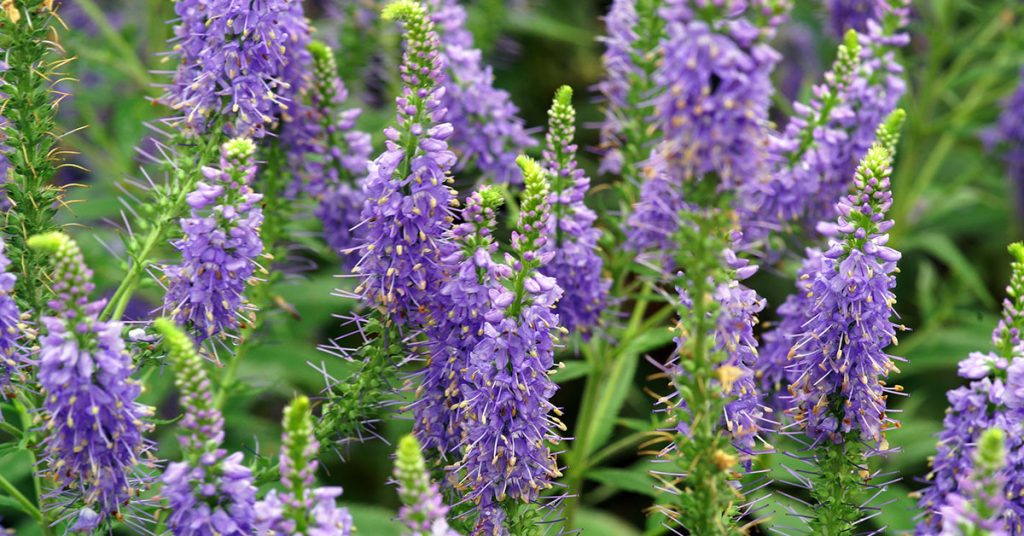
Veronica spicata, commonly known as Spike Speedwell, is a charming, low-growing perennial that produces spiky clusters of blue to purple flowers—ideal for adding a pop of color under trees. Native to Europe, this plant thrives in well-drained soils and partial shade, where its slender, upright flower spikes attract a host of beneficial insects, including bees and small butterflies that appreciate its nectar-rich blossoms. I’m always pleased to see how its compact form and vivid hue can transform a drab understory into a lively, colorful display!
Its non-invasive nature and ease of growth make Veronica spicata an excellent choice for naturalizing under trees without overwhelming other plantings. The plant’s continuous bloom and minimal maintenance requirements ensure that your shaded garden retains its charm throughout the growing season. For gardeners who love a burst of cool, refreshing color in challenging light conditions, Spike Speedwell is an invigorating and dependable addition!
Sedum (Stonecrop)
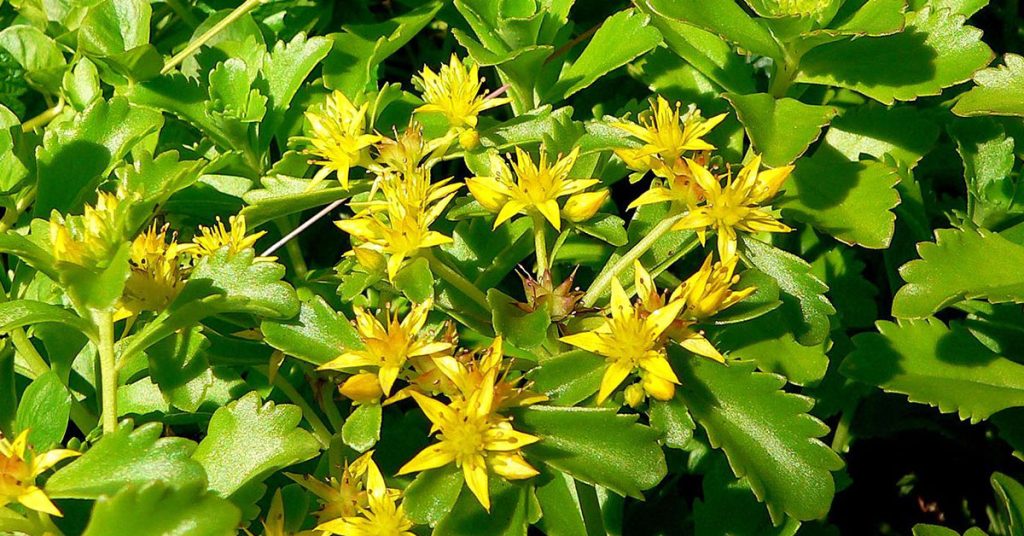
Sedum, commonly known as Stonecrop, is a succulent groundcover that thrives in sunny spots but can also tolerate partial shade under trees, offering a robust, drought-tolerant option for challenging areas. Native to many temperate regions around the world, Sedum’s fleshy leaves store water efficiently and attract beneficial insects like bees and hoverflies that often visit for their nectar. I’ve found that its low, spreading habit not only adds an interesting textural element to the understory but also helps stabilize the soil—especially in rocky or compacted garden beds!
While Sedum is non-invasive and easy to care for, it requires well-drained soil to prevent root rot—a condition that can be a bummer for any gardener. Its unique charm lies in its ability to create a natural, almost sculptural carpet that adds both visual interest and ecological function under trees. For those seeking a resilient, low-maintenance plant that still offers bursts of color and attracts pollinators, Sedum is a practical and attractive option!
Impatiens
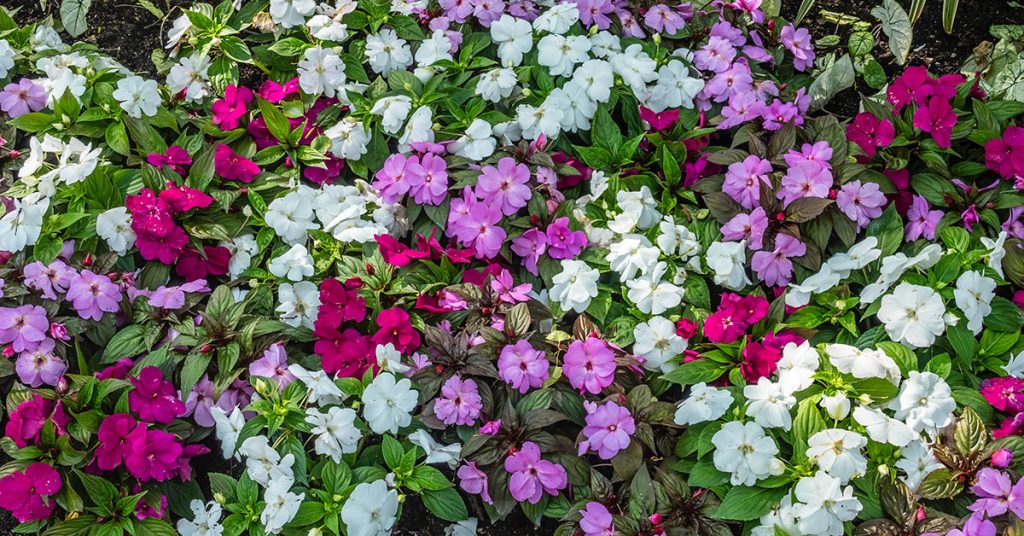
Impatiens are a classic choice for brightening up the shady areas beneath trees with their vibrant, cheerful blooms that range from pinks to oranges and reds. Native to tropical regions of Asia and Africa, these shade-loving annuals thrive in moist, well-drained soils, making them perfect for the understory where direct sunlight is limited. I’ve often noticed how their prolific flowering not only adds a splash of color but also attracts an array of beneficial insects that help pollinate and maintain the health of the garden—sometimes even using the dense clusters as a brief nesting site!
Their non-invasive growth habit in containers or defined garden beds ensures that Impatiens provide continuous, seasonal color without overwhelming the space. The ease of care and rapid blooming cycle makes them an ideal choice for gardeners who want instant gratification in shady spots. For anyone frustrated by a dull, shadowy garden, Impatiens offer a lively, dynamic solution that brings both beauty and natural insect activity to your outdoor seating area!
Begonia
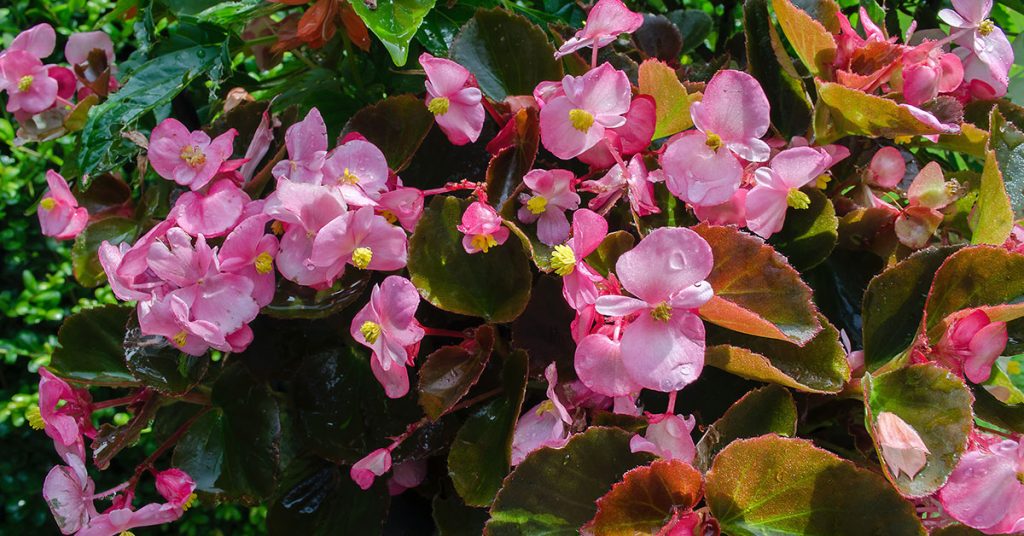
Begonias are versatile tropical plants prized for their stunning foliage and delicate, colorful blooms that thrive in the dappled light under trees. Native to Central and South America, Begonias flourish in humid, well-drained conditions and have a unique ability to attract beneficial insects like small bees and hoverflies, which occasionally use the thick, textured leaves as a brief shelter. I’m always impressed by their ability to add a touch of exotic beauty to a shaded garden, creating a lush, vibrant undercanopy that feels both artistic and inviting!
Their non-invasive nature and adaptability to container growing make Begonias a superb option for patios and understory plantings alike. With a wide range of leaf shapes and colors available, these plants offer endless possibilities for creative garden design. For gardeners who dream of a tropical retreat that thrives in the shade, Begonias are a delightful choice that blend elegance with ecological practicality!
Fuchsia

Fuchsia is a captivating, shade-loving plant that adds a whimsical, almost fairy-tale quality to the garden with its pendulous, vibrant flowers. Native to Central and South America, Fuchsia thrives in partial shade and well-drained soils, where its cascading blooms attract hummingbirds and butterflies—some of which use the clusters as a transient nesting spot during quiet afternoons! I’m always excited by the playful charm of Fuchsia, which transforms a dull, shaded area under trees into a dynamic, eye-catching display of color.
Its non-invasive growth habit makes it an ideal candidate for container gardens or hanging baskets placed under trees, allowing you to enjoy its lush, trailing beauty without it overtaking your other plantings. The unique interplay of its vivid colors and delicate form adds a touch of tropical elegance to any understory. For anyone looking to infuse their garden with a burst of artistic flair and natural movement, Fuchsia is an enchanting choice that never fails to delight!
Pansy
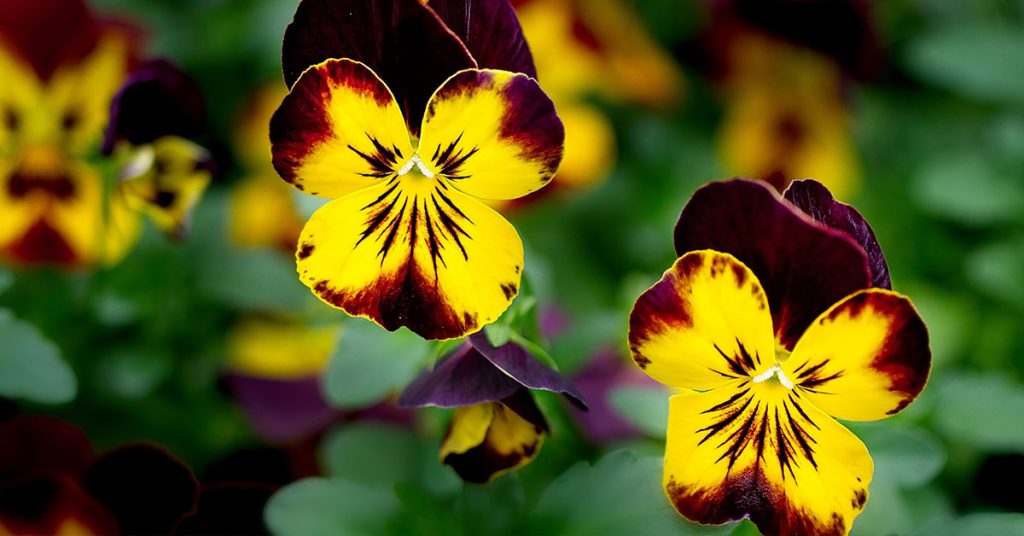
Pansies are a cool-weather favorite that bring a delightful burst of color and cheerful expressions to the shaded areas beneath trees. Native to Europe, these hardy annuals thrive in cooler temperatures and well-drained soils, making them perfect for early spring or fall plantings when sunlight is limited. I’ve often marveled at how their velvety petals and varied hues attract beneficial insects such as small bees, which sometimes use the dense clusters as a temporary resting spot, adding a charming dynamic to the garden!
Although Pansies are not typically associated with hot, sunny conditions, their adaptability to mild, shaded environments under trees makes them a wonderful option for gardeners looking to brighten up a cool, dappled space. Their non-invasive nature and easy maintenance ensure that they provide seasonal charm without any hassle. For anyone who finds the idea of a soft, colorful undercanopy appealing, Pansies offer a delightful, low-effort solution that transforms a shady garden into a cheerful retreat!