

As a passionate gardener who’s spent years nurturing plants from every corner of the globe, I understand how disheartening it is when your indoor garden feels dull or overrun by pests. It’s such a bummer when your favorite greens don’t thrive because the conditions aren’t quite right. In this article, I’m excited to guide you through 16 tropical plants that not only bring a burst of color and texture indoors but also attract beneficial insects and sometimes even provide cozy microhabitats for nature’s little helpers. I’ll dive into each plant’s native origins, growth habits, and whether they’re known to be invasive, ensuring you have all the details you need for success!
Throughout my gardening journey, I’ve discovered that the right tropical plants can instantly uplift your home, creating an oasis of calm and beauty—even in the midst of city life! Whether you’re battling low light, pest invasions, or simply looking for that extra touch of the tropics, these plants offer a range of benefits. They’re not just decorative; they help purify the air, attract pollinators, and, in some cases, provide natural nesting spots for beneficial insects.
Fiddle Leaf Fig

Fiddle Leaf Fig (Ficus lyrata) is a show-stopping tropical plant native to the rainforests of western Africa. This plant thrives in bright, indirect light and well-drained soil, making it a popular choice for indoor spaces that receive plenty of natural brightness. Its large, violin-shaped leaves create a dramatic focal point that often attracts the attention of both visitors and beneficial insects like tiny pollinators, which sometimes find shelter in the textured foliage! Fiddle Leaf Fig’s impressive stature and bold presence have made it a staple in modern interior design, offering both aesthetic appeal and an air-purifying boost.
Beyond its striking appearance, the Fiddle Leaf Fig is celebrated for its relatively low-maintenance nature when given proper light and care. Although not invasive indoors, it does require thoughtful placement to mimic its natural habitat, ensuring robust growth and a natural defense against pests. I’ve noticed that when positioned near a sunny window, its lush leaves seem to invite beneficial mites and small insects that contribute to a balanced micro-ecosystem around it. For anyone looking to make a bold, tropical statement indoors, the Fiddle Leaf Fig is a truly dynamic choice!
Croton
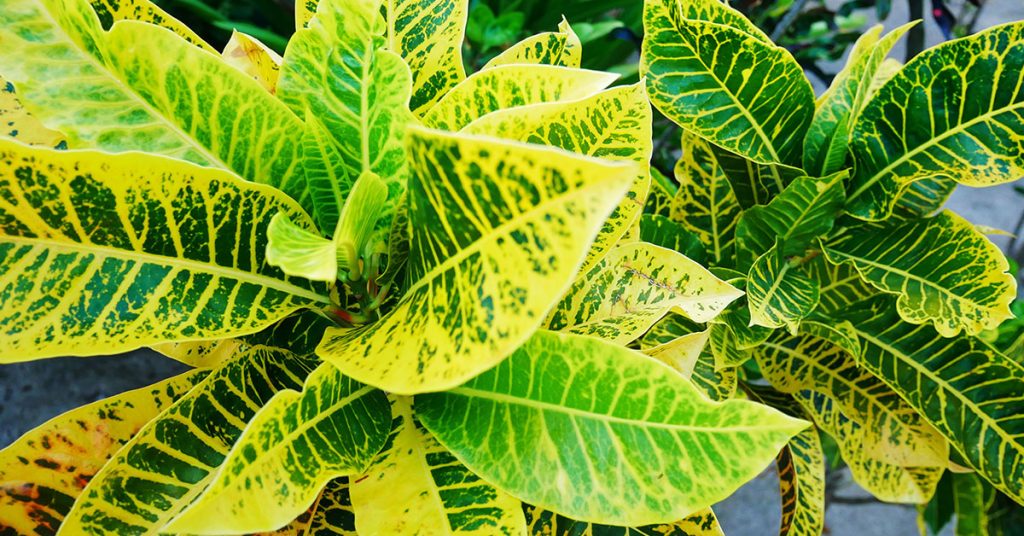
Croton (Codiaeum variegatum) brings a vibrant explosion of color with its boldly variegated leaves that range from fiery reds to bright yellows and deep greens. Native to tropical regions of Malaysia and Indonesia, Croton thrives in warm, humid environments and well-drained soil, making it a true tropical gem for indoor gardens. I’m always amazed by its ability to transform a room with its lively hues, and its dense foliage can even attract small beneficial insects that sometimes find refuge in its intricate leaf patterns! Its bold aesthetic makes it a standout feature for anyone who craves a burst of tropical energy in their home.
Despite its dramatic appearance, Croton is relatively non-invasive when grown indoors, allowing you to enjoy its vivid display without the worry of it overrunning your space. Regular pruning and proper care ensure that it maintains a compact, artistic form that continues to captivate and uplift the indoor ambiance. I’ve found that its exotic look not only adds personality but also encourages a subtle ecosystem of insects that help keep potential pests in check. Croton is truly a plant that brings both flair and function into any tropical-inspired living space!
Dracaena Marginata
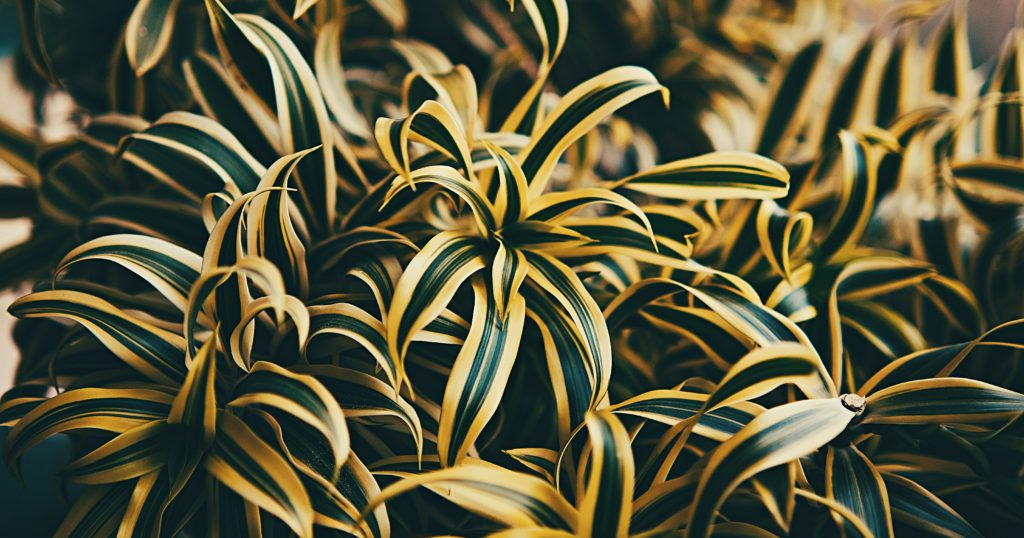
Dracaena Marginata, also known as the Dragon Tree, is a striking tropical plant native to Madagascar that adds a sculptural element to indoor spaces. Its slender, arching leaves edged with red bring a touch of dramatic flair to your home, and it thrives best in bright, indirect light with well-draining soil. I’ve often observed that its unique form attracts a range of small beneficial insects which sometimes explore the crevices of its bark and leaf clusters, contributing to a lively microhabitat that supports overall plant health! Its architectural presence makes it a fantastic choice for creating a modern tropical vibe indoors.
One of the standout features of Dracaena Marginata is its low-maintenance, non-invasive nature, which allows it to flourish without overwhelming your space. While it’s not known for attracting nesting behavior in the traditional sense, its airy structure offers an ideal refuge for beneficial bugs and spiders that help maintain a balanced ecosystem. With regular, moderate watering and occasional trimming to maintain its shape, this resilient plant can thrive in various indoor conditions. For any gardener seeking an eye-catching yet easy-to-care-for tropical addition, the Dragon Tree is a perennial favorite!
Monstera Deliciosa

Monstera Deliciosa, affectionately known as the Swiss Cheese Plant, is an iconic tropical beauty native to the rainforests of southern Mexico and Central America. This plant is famous for its large, perforated leaves that create a whimsical, natural sculpture in your indoor space. I love how its unique leaf patterns not only catch the eye but also seem to invite beneficial insects, such as small pollinators and even ladybugs, that sometimes use the crevices for shelter and nesting! Its tropical allure and air-purifying qualities make it an indispensable addition to any indoor garden.
Monstera Deliciosa is remarkably adaptable and thrives in bright, indirect light and well-draining soil. While it can grow quite large over time, it remains non-invasive when properly pruned and cared for indoors. I’ve learned that a little attention to its water and light needs goes a long way in keeping it healthy and vigorous. Its relaxed, almost playful nature makes it an excellent centerpiece for a tropical living room, blending aesthetics with the promise of a mini ecosystem right in your home!
Peace Lily
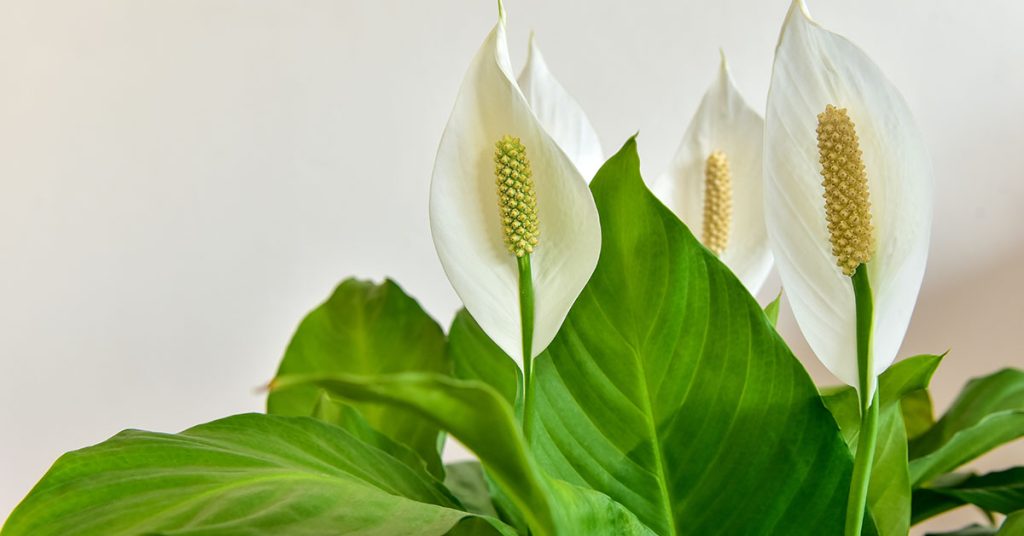
Peace Lily (Spathiphyllum) is a graceful tropical plant that brings a sense of calm with its elegant white blooms and lush, dark green foliage. Native to the tropical rainforests of Central and South America, this plant thrives in low to moderate light and humid conditions, making it ideal for indoor spaces. I’ve always found that its glossy leaves and gentle flowers attract beneficial insects like bees and hoverflies, which occasionally use its dense foliage as temporary nesting sites. The Peace Lily’s serene appearance and natural air-purifying abilities truly make it a champion for indoor tropical gardens!
What sets Peace Lily apart is its adaptability and non-invasive growth habit, which ensures that it remains a delicate yet impactful presence in your indoor space. With its consistent moisture requirements and subtle fragrance, it creates a soothing microclimate that not only deters pests but also fosters a balanced ecosystem. I often find that a Peace Lily in my living room acts as a calming retreat, a living reminder that even the busiest of spaces can be transformed into a sanctuary of nature. Its enduring beauty and ease of care make it a must-have for any tropical indoor garden!
Alocasia
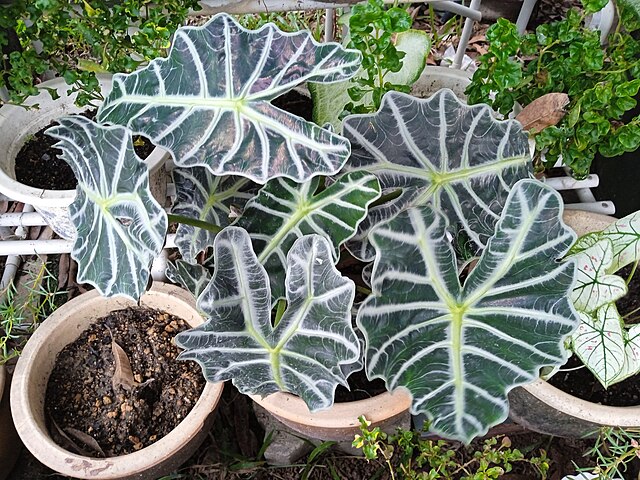
Alocasia, known for its dramatic, arrow-shaped leaves, is a true tropical statement plant native to the humid regions of Asia. Its large, glossy foliage creates an exotic, almost prehistoric appearance that transforms any indoor space into a lush jungle retreat. I’m fascinated by how its bold leaves seem to collect and reflect light, creating a dynamic interplay of shadows and highlights that attract beneficial insects, some of which even use the broad surfaces as a resting or nesting area! Alocasia’s unique presence brings both visual impact and a sense of wild elegance to your home.
This plant prefers bright, indirect light and consistently moist, well-drained soil to mimic its native habitat, and while it is not invasive indoors, it does require regular care to maintain its dramatic form. Its striking appearance and natural tropical vibe have made it a favorite for those looking to add a touch of adventure to their interior gardens. With careful attention to its humidity and watering needs, Alocasia can flourish beautifully, serving as a reminder that nature’s most eye-catching designs often come with a bit of extra care and attention!
Anthurium

Anthurium is a dazzling tropical plant celebrated for its glossy, heart-shaped leaves and brilliant, long-lasting flowers that add a splash of color to any indoor setting. Native to the tropical rainforests of the Americas, Anthurium thrives in warm, humid environments with bright, indirect light. Its striking red, pink, or white spathes not only serve as a stunning focal point but also attract beneficial insects such as bees and butterflies, some of which even explore its lush foliage for shelter and nesting opportunities! The plant’s elegant presence and unique structure make it an ideal choice for anyone wanting to inject a bit of tropical romance into their home.
Anthurium is relatively low-maintenance when given the right conditions and is non-invasive, ensuring that its vibrant blooms do not overwhelm your indoor space. I’ve found that maintaining a slightly moist environment and proper ventilation helps this beauty flourish, creating a mini tropical haven that feels both exotic and welcoming. Its ability to create a natural, artful ambiance while supporting a diverse insect ecosystem makes Anthurium a treasured addition to any tropical indoor garden!
Pothos
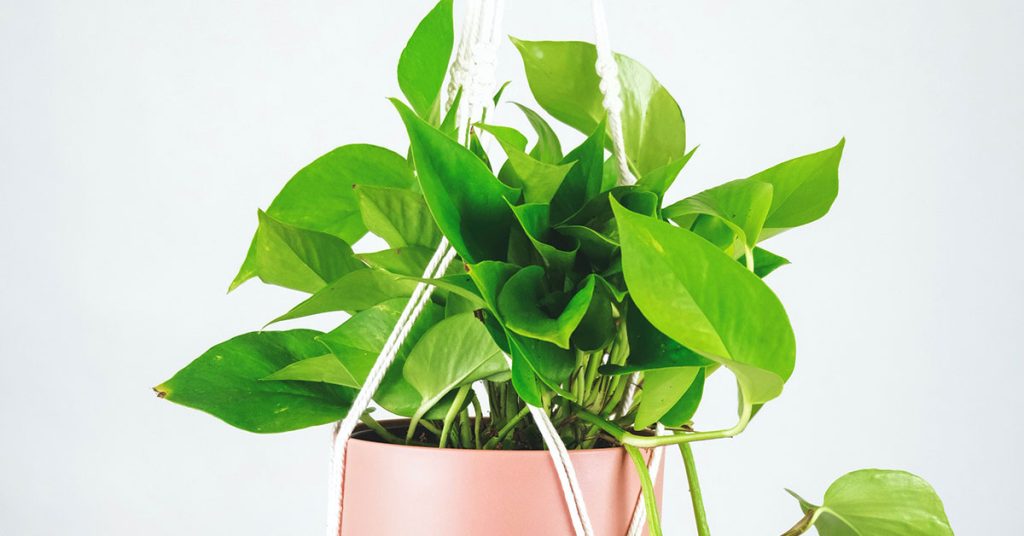
Pothos (Epipremnum aureum) is a versatile and resilient tropical vine native to the Solomon Islands, renowned for its trailing, heart-shaped leaves that bring a touch of the wild indoors. Thriving in low to moderate light and adaptable to a range of indoor conditions, Pothos is a favorite for those looking to create a cascading display of greenery. I’m always excited by its vigorous growth, which not only adds a lush, natural element to any room but also attracts beneficial insects like tiny pollinators and predatory mites that help maintain a balanced ecosystem. Its ease of care and forgiving nature make it a perfect choice for both beginners and seasoned gardeners alike!
Pothos is non-invasive when grown indoors and can be easily trained to cascade from hanging baskets or trellises, creating a dynamic, tropical feel. Its trailing vines and variegated leaves provide a visual feast that complements modern decor while fostering a mini habitat for small invertebrates. With regular pruning to encourage bushier growth, this tropical vine continues to impress with its ability to thrive even in less-than-ideal conditions. Its charming, adaptable nature makes Pothos a must-have for anyone seeking a touch of tropical vibrancy without the fuss!
Schefflera

Schefflera, commonly known as the Umbrella Tree, is a tropical indoor favorite that adds a distinctive, architectural element to your living space. Native to Taiwan and other parts of Southeast Asia, Schefflera thrives in bright, indirect light and moderate humidity, making it an excellent choice for indoor tropical gardens. Its glossy, compound leaves form a lush canopy that can attract beneficial insects, which sometimes explore the intricate leaf clusters as potential nesting spots—an added bonus for maintaining a natural balance! The plant’s elegant structure and easy-care nature have made it a staple in many indoor plant collections.
Although Schefflera is known for its impressive foliage, it remains non-invasive indoors when properly pruned and cared for. Its adaptable nature allows it to grow well in various conditions, from small apartments to spacious living areas. I’ve found that regular trimming not only keeps it looking neat but also encourages a denser growth habit that enhances its tropical appeal. For anyone seeking a touch of sophisticated greenery that supports a dynamic indoor ecosystem, Schefflera is a truly rewarding choice!
Bromeliad

Bromeliads are an incredibly diverse group of tropical plants that offer a burst of color and unique form to your indoor space. Native to the tropical Americas, these plants thrive in bright, indirect light and humid environments, forming rosettes of vibrant leaves that often collect water—a feature that creates a mini-ecosystem for small insects and even amphibians! I’m always fascinated by the way bromeliads transform a room with their unusual shapes and striking patterns, making them a conversation piece while attracting beneficial insects that help maintain a balanced indoor environment.
Despite their dramatic appearance, bromeliads are generally non-invasive and require minimal care, making them perfect for busy gardeners. Their ability to store water in their central cup not only helps sustain them during drier periods but also provides a microhabitat for small creatures that contribute to a natural, self-sustaining ecosystem. With their exotic flair and resilience, bromeliads are a brilliant addition to any tropical indoor garden, offering both beauty and a touch of wild nature in a compact form!
Moth Orchid
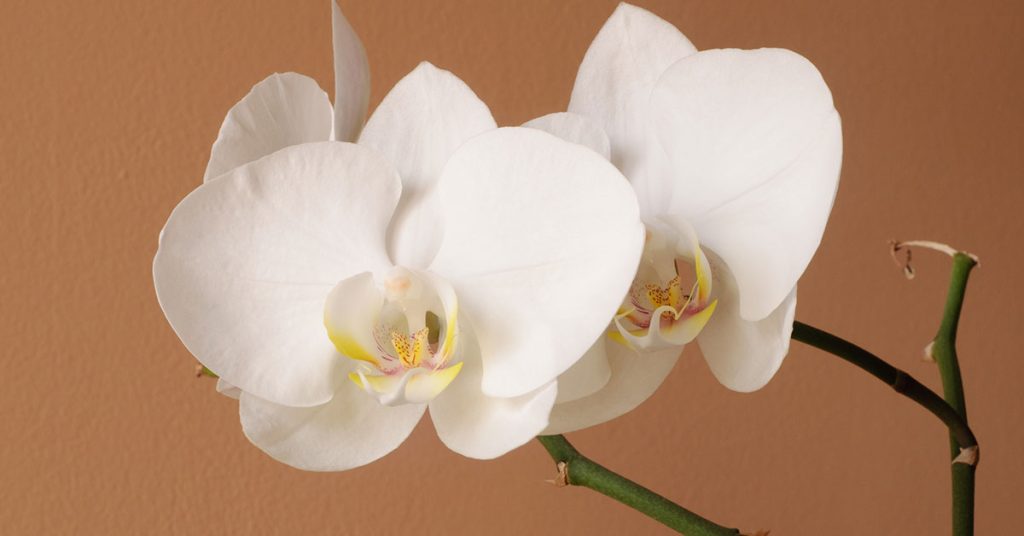
Moth Orchid (Phalaenopsis) is a stunning tropical epiphyte native to Southeast Asia, renowned for its elegant, long-lasting blooms that add a sophisticated touch to any indoor setting. These orchids thrive in bright, indirect light and enjoy a well-aerated environment that mimics their natural forest canopy habitat. I’m always delighted by how their delicate, wing-like petals attract gentle pollinators such as certain species of bees and moths, which sometimes use the orchid’s structure as a transient nesting site. Their refined beauty and exotic aura make them a prized centerpiece for tropical indoor gardens!
While Moth Orchids require a bit more attention to humidity and watering, they are non-invasive and bring an air of refined tropical elegance to your home. Their specialized care needs ensure that they remain a unique and treasured addition to any plant collection. With their soft colors and graceful forms, Moth Orchids serve as a gentle reminder that nature’s artistry often lies in the details. Their presence transforms any room into a serene retreat where tropical beauty meets delicate sophistication!
Calathea

Calathea is a true tropical treasure, celebrated for its intricately patterned leaves that add both visual intrigue and a touch of jungle mystique to your indoor space. Native to the tropical forests of South America, Calathea thrives in low to moderate light and high humidity, conditions that mimic its natural understory habitat. I love how its striking foliage not only captivates with its geometric designs but also attracts small beneficial insects that sometimes find the dense, velvety leaves ideal for brief shelter or nesting! Its natural elegance is a constant source of inspiration for anyone looking to create a lush, tropical ambiance indoors.
Despite its beauty, Calathea requires a bit of extra care, particularly regarding moisture and light levels, to prevent stress and fungal issues. However, when its needs are met, it becomes a non-invasive, long-lasting centerpiece that transforms your home into a living art gallery. Its dynamic leaf movements throughout the day and subtle, earthy fragrance evoke the serene energy of tropical rainforests. For anyone passionate about bold, artistic foliage, Calathea is an exceptional addition that brings a unique blend of natural beauty and functional elegance to indoor gardening!
Bird of Paradise
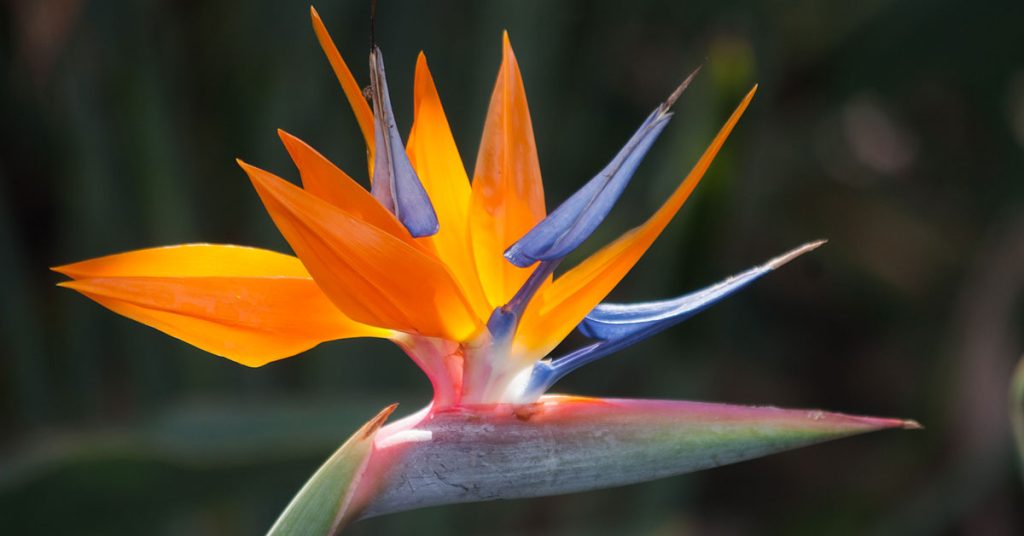
Bird of Paradise (Strelitzia reginae) is an iconic tropical plant that infuses your indoor space with dramatic flair and exotic charm. Native to South Africa, this plant thrives in bright light and well-drained soil, producing striking, crane-like flowers that evoke images of tropical birds in flight. I’m always captivated by how its bold, architectural leaves create a sculptural presence indoors while attracting hummingbirds and butterflies—tiny visitors that sometimes take advantage of its dense foliage for brief nesting or resting spots! The Bird of Paradise adds an element of adventure and luxury that transforms any room into a tropical retreat.
Though it can grow quite large, Bird of Paradise is generally non-invasive when grown in a container or with regular pruning indoors. Its impressive blooms and robust structure make it an ideal focal point for creating a statement tropical ambiance. I’ve seen firsthand how this plant elevates the energy of a space, offering a dynamic interplay of form and function that’s both captivating and practical. For those who dream of bringing a slice of the tropics into their home, the Bird of Paradise is an extraordinary choice that blends beauty with a touch of wild sophistication!
Philodendron
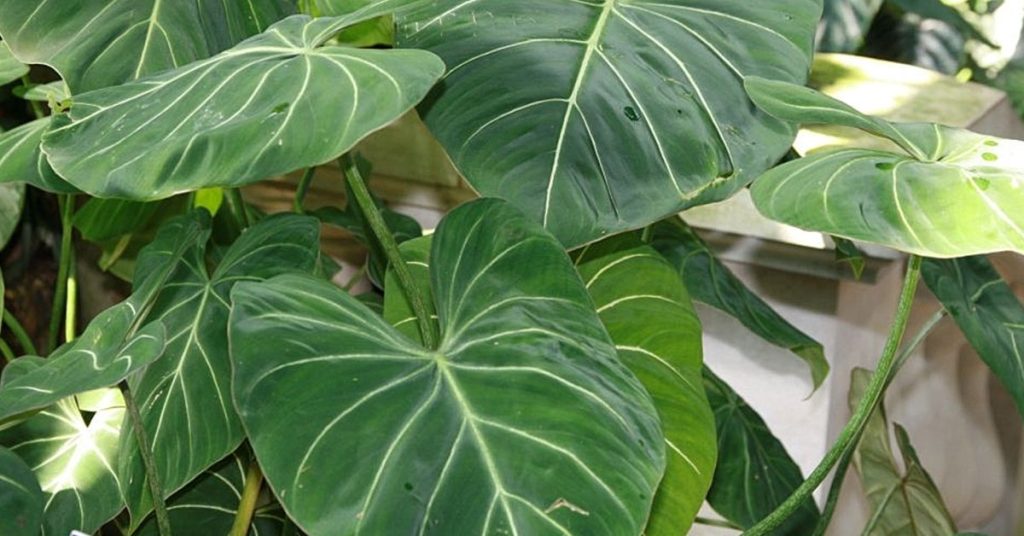
Philodendron is a classic tropical vine that brings lush, heart-shaped foliage and effortless elegance to your indoor garden. Native to the tropical regions of the Americas, this versatile plant thrives in low to bright indirect light and moist, well-drained soil—conditions that suit its rainforest origins perfectly. I’ve always been impressed by how Philodendron’s sprawling vines not only create a vibrant cascade of green but also invite beneficial insects, such as tiny pollinators, to explore its textured leaves and sometimes even nest in the gentle crevices! Its adaptable nature makes it a reliable companion for virtually any indoor setting.
With its fast, non-invasive growth habit, Philodendron is an excellent choice for filling empty corners or draping gracefully over shelves. Regular pruning and occasional support help maintain its lush appearance, while its natural air-purifying qualities contribute to a healthier living environment. I find that this tropical beauty not only enlivens a space but also adds a relaxed, jungle-like vibe that’s perfect for unwinding after a long day. For anyone seeking an easy-to-care-for yet striking tropical plant, Philodendron is a perennial favorite that consistently delivers both style and substance!
Rubber Plant
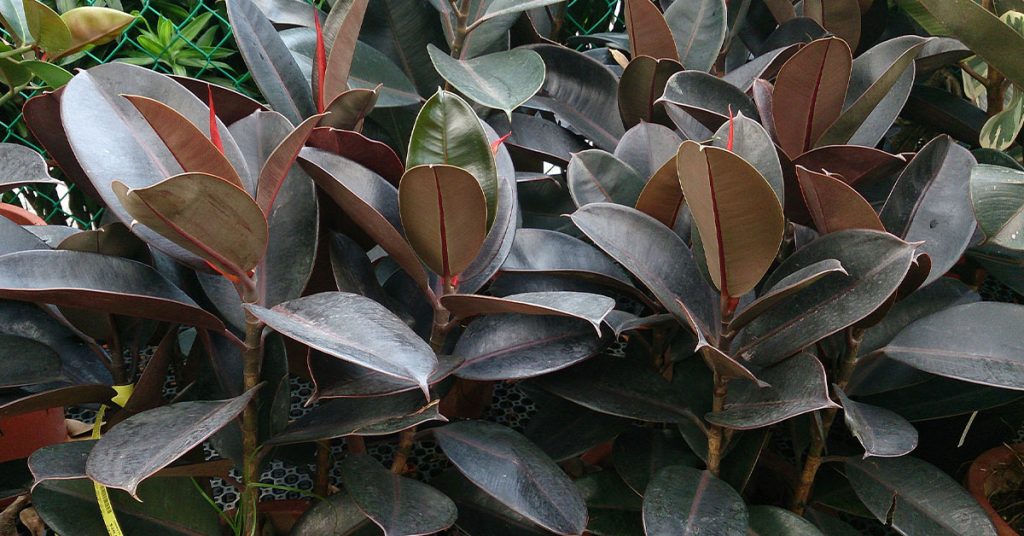
Rubber Plant (Ficus elastica) is a robust and charismatic tropical evergreen that makes a bold statement in any indoor garden. Native to the rainforests of India and Southeast Asia, this plant thrives in bright, indirect light and well-drained soil, producing large, glossy leaves that exude a subtle, latex-like fragrance. I’m always amazed at how its rich, dark foliage attracts beneficial insects like beetles and even small spiders that sometimes find refuge among its broad leaves, contributing to a balanced indoor ecosystem! Its stately form and effortless charm make it a standout option for creating a tropical atmosphere indoors.
Despite its vigorous growth, the Rubber Plant remains non-invasive when grown in a controlled indoor environment, making it a low-maintenance yet dramatic addition to your collection. Its lush, eye-catching leaves not only enhance your decor but also help purify the air and regulate humidity. Every time I see a Rubber Plant thriving in my living room, I’m reminded of the beauty of nature’s resilience and the transformative power of tropical greenery. For those who crave a blend of bold aesthetics and functional benefits, the Rubber Plant is an absolute must-have!
ZZ Plant
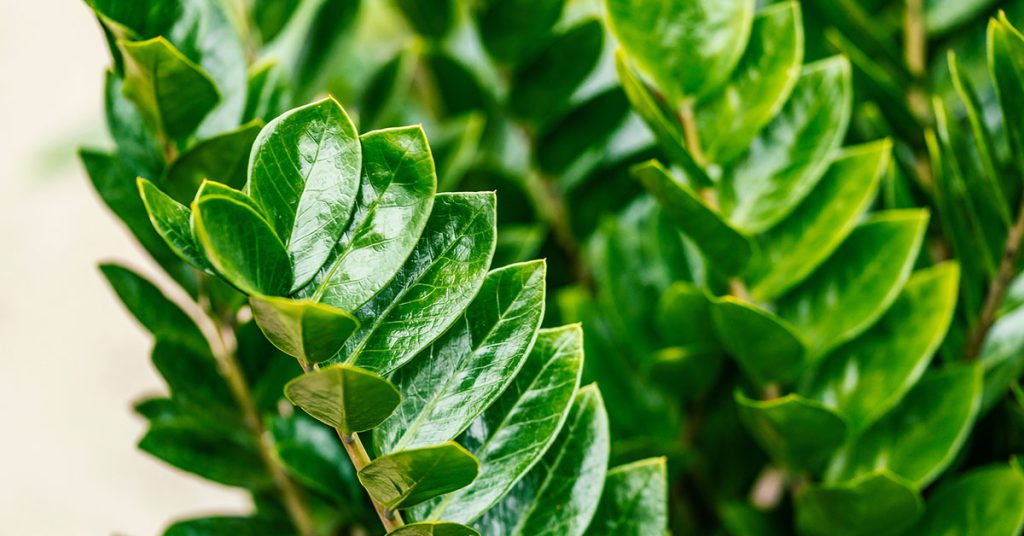
ZZ Plant (Zamioculcas zamiifolia) is a remarkably hardy tropical specimen native to Eastern Africa that adds a glossy, modern touch to any indoor space. This plant thrives in low to moderate light and is known for its waxy, dark green leaves that exude a subtle, almost mystical sheen. I’ve always appreciated how the ZZ Plant attracts beneficial insects that help maintain a balanced indoor ecosystem, and its compact form often provides a cozy microhabitat where tiny creatures can briefly take shelter! Its forgiving nature and striking appearance make it an ideal choice for busy gardeners looking to add a splash of tropical allure with minimal fuss.
Although the ZZ Plant grows steadily, it remains non-invasive and easy to manage, making it perfect for apartments and low-light corners alike. Its minimal watering needs and resilience against common indoor pests ensure that it continues to thrive even under less-than-ideal conditions. For anyone seeking a tropical plant that combines elegance with practicality, the ZZ Plant is a true gem. Its smooth, reflective leaves and robust nature offer both aesthetic appeal and functional ease, making it a beloved staple in my indoor garden!