

I know how disheartening it is when you spend hours decorating and tidying up only to feel that something is missing—especially when poor air quality makes it hard to truly relax. As a passionate gardener, I’m always excited to share tips on how nature can breathe life into every room, and indoor plants are a wonderful way to do just that! The right plants not only purify the air but also attract beneficial insects and create a soothing microhabitat that makes your bedroom a haven of natural wellness.
In this article, I’ll introduce you to 15 fantastic plants that are proven to improve bedroom air quality. Each plant has its own unique native origins and fascinating traits, and many are known for their ability to attract pollinators or offer nesting spots for small creatures—all while remaining non-invasive when cultivated indoors. Whether you’re looking for lush foliage, delicate blooms, or simply a burst of green to enhance your décor, these plants will transform your personal space into a fresh, vibrant sanctuary.
Lady Palm (Rhapis excelsa)

Lady Palm, native to Southeast Asia, is a graceful, clumping palm that has become a popular choice for indoor spaces thanks to its elegant, fan-shaped fronds. Its dense, arching leaves not only add a tropical touch to your bedroom but also work tirelessly to filter airborne toxins and boost oxygen levels. I’m always thrilled by how this non-invasive palm creates a serene microhabitat that attracts beneficial insects and even offers occasional nesting spots for small birds in larger installations! Its ease of care makes it a reliable companion for anyone seeking natural air purification with a touch of exotic beauty.
In addition to improving air quality, Lady Palm has a calming presence that can transform a dull room into a vibrant oasis. Its slow-growing, low-maintenance nature means that you can enjoy lush greenery without constant fuss, even in spaces with limited light. Native to the humid tropics, this palm adapts well indoors and thrives in bright, indirect light—perfect for a cozy, peaceful bedroom. Its architectural form and natural elegance make it a favorite among indoor gardeners who appreciate both functionality and style!
Chrysanthemum (Chrysanthemum morifolium)

Chrysanthemums, native to Asia, are celebrated for their rich hues and daisy-like blooms that bring a burst of color to any indoor space. Beyond their visual appeal, chrysanthemums are well-known for their ability to absorb airborne toxins and improve indoor air quality—a true boon for bedrooms! I love how these robust, non-invasive plants create a lively microhabitat that attracts beneficial insects, including pollinators that contribute to a balanced ecosystem. Their bright, cheerful blossoms are a constant reminder that nature can thrive even in confined spaces!
In addition, chrysanthemums release natural compounds that help reduce harmful chemicals in the air, making your bedroom a healthier environment. Their dense, blooming clusters provide shelter for small invertebrates and contribute to a natural, living décor that changes with the seasons. With minimal maintenance and a stunning display, chrysanthemums are a wonderful choice for those who want to infuse their personal space with both beauty and practicality. They’re an ideal way to brighten up a room and support your overall well-being!
Rubber Plant (Ficus elastic)
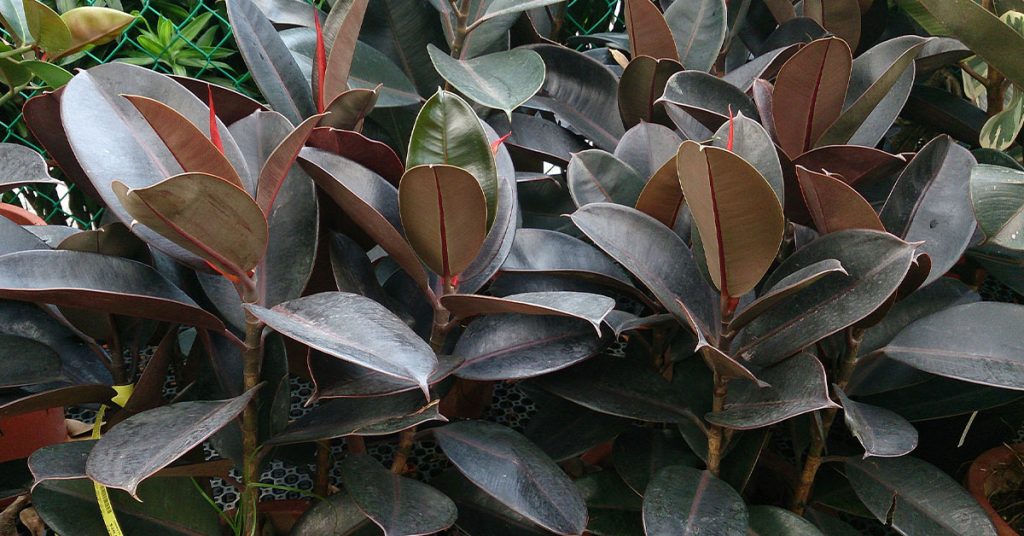
Rubber Plant, native to India and Southeast Asia, is a striking indoor tree known for its broad, glossy leaves and impressive air-purifying qualities. Its lush, dark green foliage works diligently to filter out common indoor pollutants, ensuring that your bedroom air remains fresh and invigorating. I’m always excited by how the Rubber Plant adds a modern, tropical flair to any room, while its robust nature attracts small pollinators that help maintain a balanced microhabitat! Despite its vigorous growth, it remains non-invasive when grown indoors, making it a top pick for urban gardeners.
Beyond its visual appeal, the Rubber Plant is renowned for its ability to remove toxins from the air, such as formaldehyde and benzene. Its dense, expansive leaves create a natural barrier that enhances indoor air quality and offers a serene, calming atmosphere. This plant’s adaptability to various light conditions—thriving in bright, indirect light—is perfect for bedrooms seeking a touch of nature’s resilience and elegance. Its low-maintenance care and impressive benefits make it a true gem in any indoor garden.
English Ivy (Hedera helix)

English Ivy, native to Europe, is a classic indoor climber that has earned a reputation for its exceptional air-purifying capabilities. With its lush, trailing vines and small, evergreen leaves, English Ivy works continuously to remove airborne pollutants, making it a reliable choice for improving bedroom air quality. I’m always impressed by its natural ability to thrive in various light conditions, while also attracting beneficial insects that contribute to a dynamic indoor ecosystem! In managed settings, English Ivy remains non-invasive and adds a touch of timeless charm to any space.
Moreover, English Ivy creates a natural, cascading effect that softens hard edges and adds visual intrigue to your décor. Its dense foliage offers shelter for small invertebrates and encourages the proliferation of beneficial soil microbes, further enhancing indoor air quality. As it grows gracefully along walls or in hanging baskets, English Ivy transforms your bedroom into a green retreat that is both aesthetically pleasing and functionally effective. It’s a plant that brings the best of nature’s resilience and beauty into your personal space!
Snake Plant (Sansevieria trifasciata)
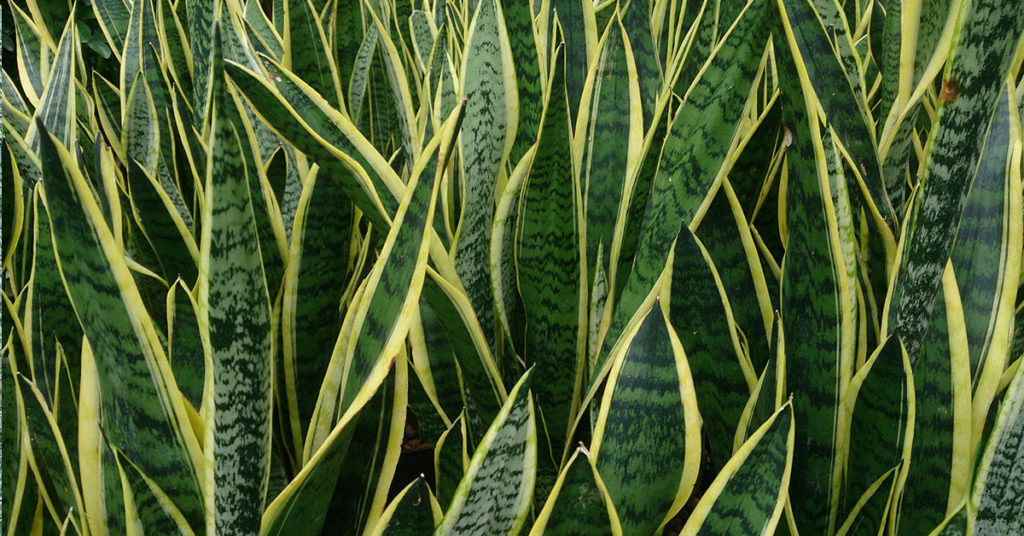
Snake Plant, native to West Africa, is one of the most popular indoor plants due to its striking, upright foliage and remarkable air-purifying abilities. Its stiff, sword-like leaves, often variegated in shades of green and yellow, work around the clock to filter out toxins and release oxygen—making it a perfect natural air conditioner for your bedroom! I love how this hardy plant thrives even in low light and with minimal watering, providing a resilient and non-invasive solution for improving indoor air quality. Its architectural form adds a modern edge to any décor while supporting a balanced ecosystem by attracting small pollinators.
In addition, Snake Plant is known for its unique ability to perform photosynthesis under low-light conditions, which means it continues to produce oxygen even at night. This makes it an ideal choice for bedrooms where fresh air is essential for a good night’s sleep. Its tough, adaptable nature allows it to withstand a variety of indoor conditions, ensuring that it remains a vibrant, long-lasting companion. With its minimal care requirements and significant ecological benefits, Snake Plant is a must-have for anyone looking to create a healthier, more serene living space!
Aloe Vera (Aloe barbadensis miller)
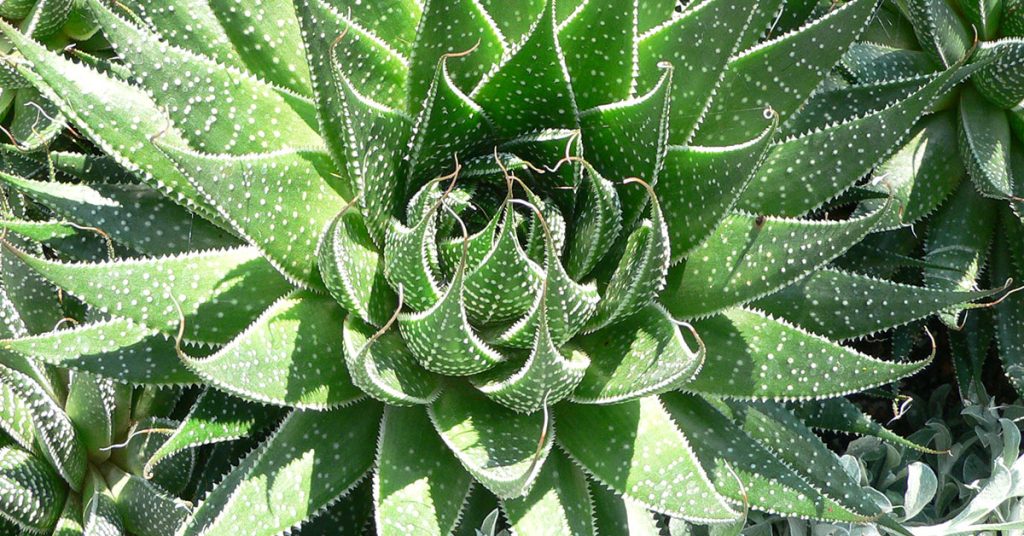
Aloe Vera, native to the Arabian Peninsula, is a succulent prized for its medicinal properties and air-purifying benefits. Its thick, fleshy leaves store water efficiently, making it a perfect plant for those who might occasionally forget to water their indoor garden. I’m always excited by how Aloe Vera not only provides soothing gel for burns and skincare but also works as a natural air purifier, attracting small beneficial insects and supporting a healthy indoor microhabitat! While wild Aloe Vera can sometimes be invasive in arid regions, the cultivated variety used indoors is well-contained and low-maintenance.
Moreover, Aloe Vera’s distinctive rosette form adds a modern, sculptural element to any bedroom décor. Its robust, resilient nature means that it thrives even in less-than-ideal conditions, making it a favorite for those seeking both beauty and practicality. The plant’s gentle exudates help support beneficial soil microbes, contributing to improved air quality and overall indoor health. Aloe Vera is a versatile, eco-friendly addition that not only enhances your living space aesthetically but also offers practical benefits for your well-being!
Gerbera Daisy (Gerbera jamesonii)
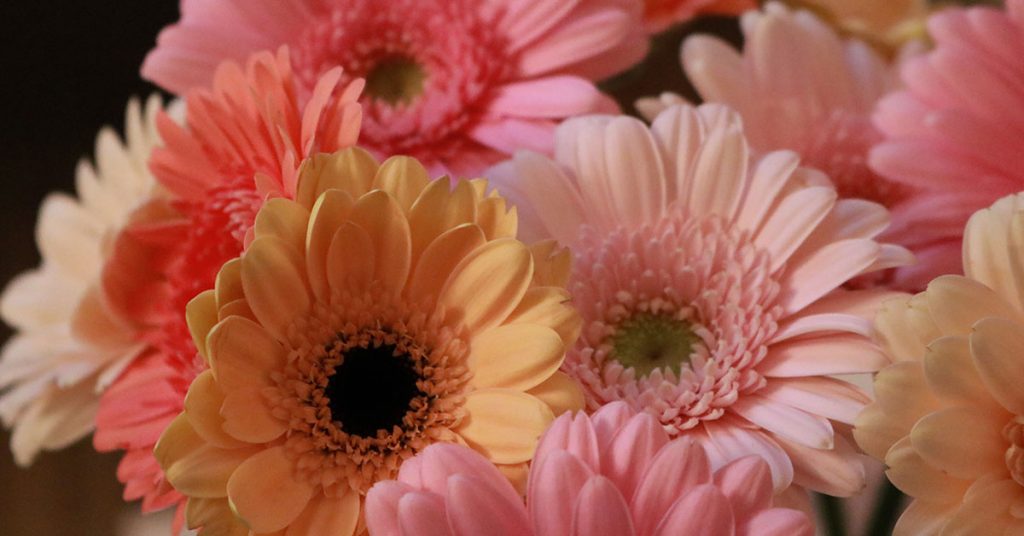
Gerbera Daisy, native to tropical Africa, is a vibrant annual that bursts into a kaleidoscope of colors, making it an ideal choice for brightening up your bedroom. These cheerful, daisy-like blooms are renowned for their ability to filter airborne toxins and boost oxygen levels, which significantly improves indoor air quality. I’m always delighted by how a cluster of Gerbera Daisies can transform a room into a lively, cheerful haven, attracting beneficial pollinators like bees that enhance the natural ecosystem! Despite its exuberance, Gerbera Daisy remains non-invasive when cultivated indoors, making it a wonderful low-maintenance option.
In addition to their stunning color, Gerbera Daisies contribute to a dynamic microhabitat by providing natural nesting sites for small insects and supporting beneficial soil microbes. Their bright blooms and robust foliage add both aesthetic appeal and practical benefits, creating a space that is both uplifting and health-promoting. The energy and vibrancy of these flowers serve as a constant reminder of nature’s ability to refresh and inspire, making them an essential addition to any indoor garden. They’re a delightful, natural way to improve both your décor and your air quality!
Dracaena marginata (Dragon Tree)

Dracaena marginata, native to Madagascar, is a striking indoor plant known for its slender, arching leaves and modern, tropical appeal. This fast-growing species adds a dramatic, architectural element to any bedroom, while its ability to filter toxins from the air makes it a favorite among urban gardeners. I’m always amazed by how the Dragon Tree transforms a dull room into a vibrant green sanctuary, attracting small pollinators and creating a natural, soothing atmosphere. Despite its robust appearance, it remains non-invasive in indoor settings, making it an excellent low-maintenance choice!
In addition to its aesthetic allure, Dracaena marginata contributes significantly to improved indoor air quality. Its long, narrow leaves work to remove common pollutants, while its dense foliage creates natural microhabitats that support beneficial soil microbes and invertebrates. The Dragon Tree’s resilience and adaptability make it an indispensable part of any modern indoor garden, ensuring that your space remains fresh, vibrant, and full of life. It’s a perfect blend of style, functionality, and natural elegance!
Pothos (Epipremnum aureum)
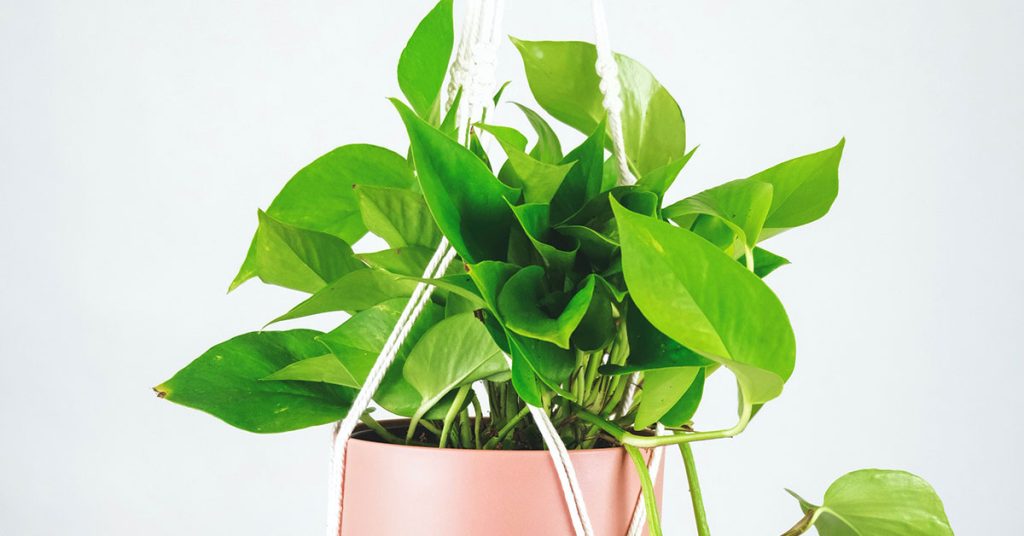
Pothos, native to the Solomon Islands, is a versatile indoor vine renowned for its heart-shaped, variegated leaves and rapid, trailing growth. This fast-growing plant thrives in a wide range of light conditions—from bright, indirect light to low-light environments—making it an adaptable choice for any bedroom. I’m always excited by how Pothos effortlessly cascades from hanging baskets or climbs along shelves, creating a lush, green backdrop that not only beautifies your space but also attracts beneficial pollinators like small bees! Its non-invasive nature ensures that it stays contained, making it an ideal companion for indoor gardens.
Beyond its decorative charm, Pothos is celebrated for its air-purifying capabilities, helping to filter out common indoor pollutants and create a healthier environment. Its trailing vines provide natural nesting spots for tiny beneficial insects and contribute to a balanced microhabitat that supports overall plant health. With minimal care and maximum impact, Pothos is a true urban favorite that brings both beauty and functionality to any living space. It’s a plant that truly exemplifies the magic of nature in an indoor setting!
Peace Lily (Spathiphyllum wallisii)
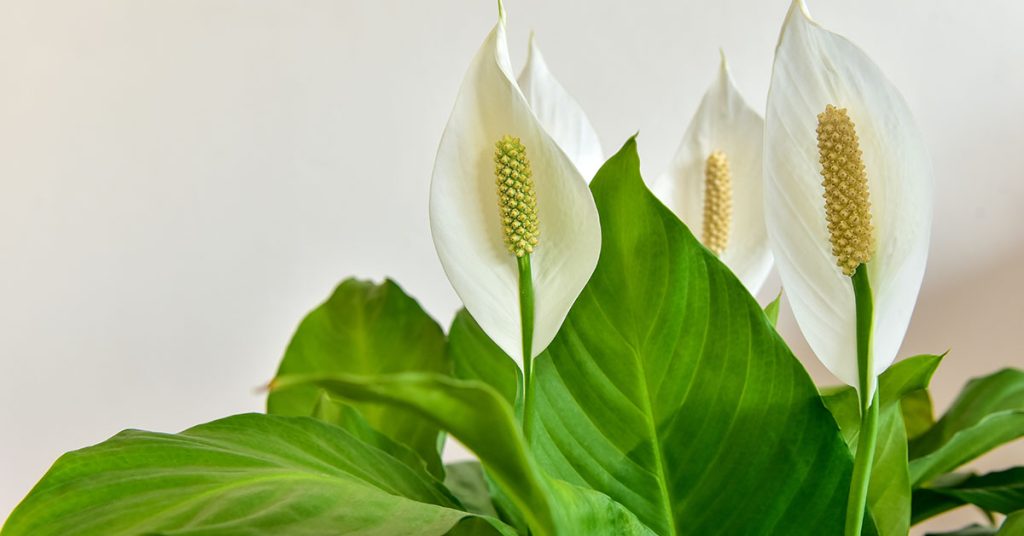
Peace Lily, native to tropical regions of the Americas, is a beloved indoor plant known for its glossy foliage and elegant white blooms. This fast-growing beauty thrives in low to moderate light and high humidity, making it ideal for bedrooms where clean air is a priority. I’m always enchanted by the serene, spa-like ambiance that Peace Lilies create, attracting beneficial pollinators such as bees and small butterflies that help maintain a balanced ecosystem! Its non-invasive nature and ease of care make it a perfect, low-maintenance choice for boosting indoor air quality.
In addition to its striking appearance, Peace Lily works hard to purify the air by removing toxins and producing oxygen, making your bedroom a haven of natural wellness. Its broad leaves create a microhabitat that supports beneficial soil microbes and provides shelter for small invertebrates, contributing to an overall healthier indoor environment. With its continuous blooms and calming presence, Peace Lily is a true gem for anyone seeking to transform their living space into a serene, rejuvenating retreat!
Bamboo Palm (Chamaedorea seifrizii)

Bamboo Palm, native to Central America, is a tropical indoor plant celebrated for its graceful, feathery fronds and impressive air-purifying qualities. This fast-growing palm thrives in bright, indirect light and high humidity, making it an excellent choice for bedrooms that crave a touch of the tropics. I’m always excited by how Bamboo Palm adds a refreshing, natural elegance to any space, creating a vibrant microhabitat that attracts beneficial pollinators and even offers shelter for small birds! Its non-invasive growth habit ensures that it remains manageable indoors while providing a lush, green focal point.
Beyond its aesthetic charm, Bamboo Palm plays a significant role in improving indoor air quality by filtering toxins and increasing oxygen levels. Its slender, arching fronds contribute to a natural, calming atmosphere that transforms your bedroom into a tropical retreat. The plant’s adaptability and low maintenance requirements make it a favorite among urban gardeners who appreciate a blend of style and functionality. It’s a natural way to infuse your home with a bit of exotic allure and eco-friendly benefits!
Boston Fern (Nephrolepis exaltata)
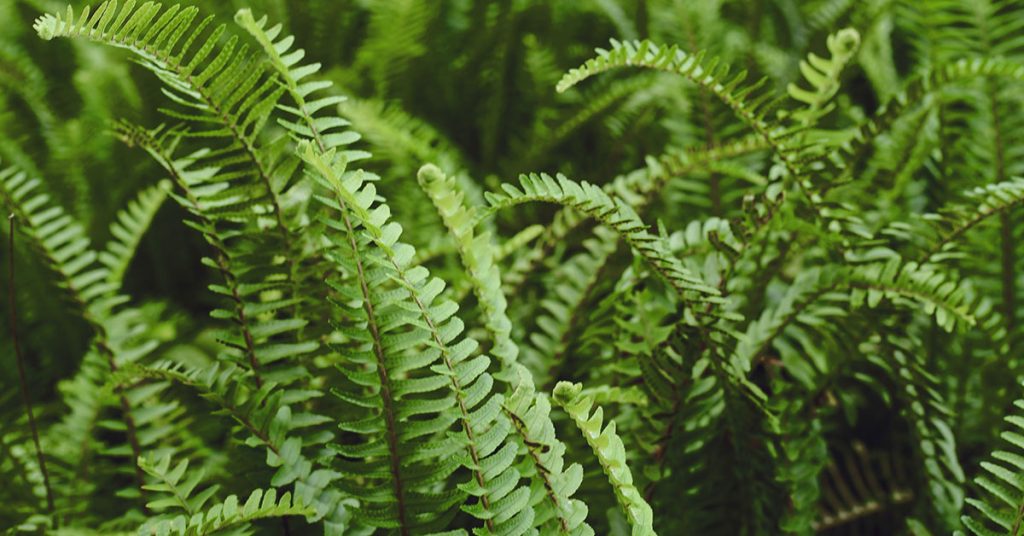
Boston Fern, native to tropical regions around the world, is an iconic indoor plant known for its lush, arching fronds and delicate, feathery texture. This fast-growing fern thrives in high-humidity environments, making it ideal for bedrooms and bathrooms where it can create a natural, verdant retreat. I’m always amazed by how Boston Fern fills a space with its cascading green beauty, attracting beneficial pollinators like tiny bees and supporting a balanced microhabitat for soil microbes! Despite its delicate appearance, it’s a robust plant that remains non-invasive when properly cared for indoors.
In addition to its stunning foliage, Boston Fern helps purify the air by filtering out common indoor pollutants, creating a healthier environment for relaxation and sleep. Its dense, soft fronds provide natural shelter for small invertebrates and help maintain moisture levels in the surrounding soil. The fern’s low-maintenance care and resilient nature make it a favorite among those seeking a touch of nature’s elegance in their living spaces. It’s a timeless classic that continually transforms any room into a lush, natural sanctuary!
Philodendron (Heartleaf Philodendron)
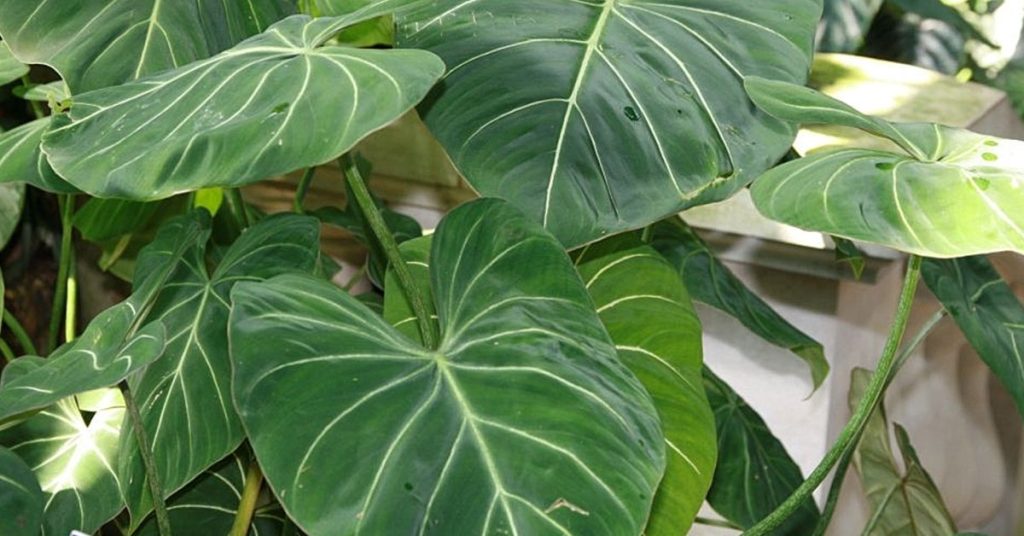
Heartleaf Philodendron, native to the tropical rainforests of Central and South America, is a fast-growing, trailing plant renowned for its lush, heart-shaped leaves. Its vigorous growth and ability to thrive in a variety of light conditions make it a perfect choice for bedrooms that need an infusion of green vitality. I’m always excited by how the cascading vines of Philodendron create a natural, tropical atmosphere, attracting beneficial pollinators and offering a cozy habitat for small insects that contribute to a balanced indoor ecosystem! With minimal care, this non-invasive plant quickly transforms any space into a vibrant, living sanctuary.
Beyond its decorative appeal, Heartleaf Philodendron is well-known for its air-purifying properties, helping to remove toxins and refresh indoor air quality. Its flexible, trailing nature allows it to be trained along walls or as a hanging plant, adding versatility and charm to your décor. The robust growth and ease of maintenance make it an ideal choice for both novice and experienced indoor gardeners. It’s a natural way to invite the beauty of the rainforest into your home, creating a soothing and healthy environment for relaxation.
Spider Plant (Chlorophytum comosum)
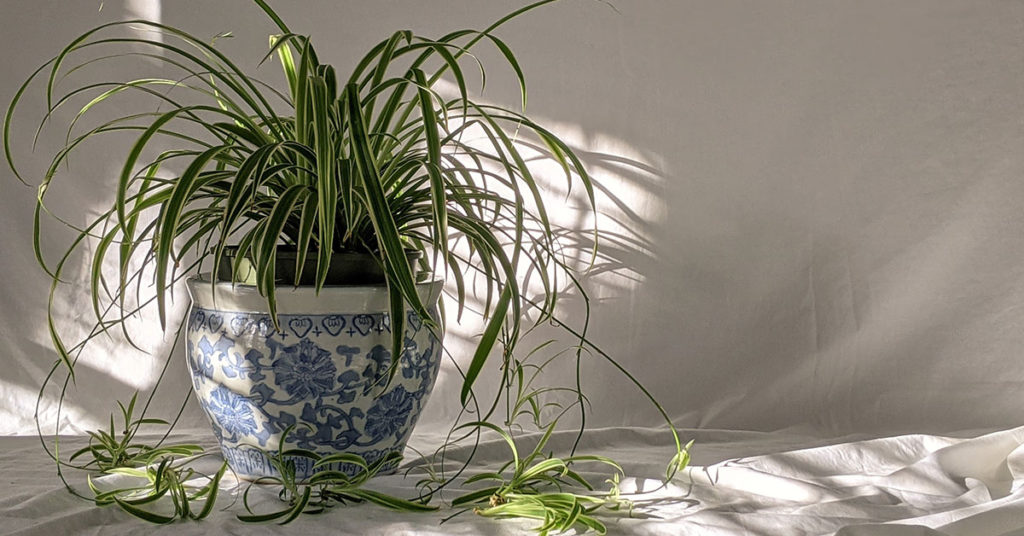
Spider Plant, native to South Africa, is a classic indoor favorite recognized for its arching, variegated leaves and prolific production of baby plantlets. This fast-growing beauty thrives in bright, indirect light and contributes significantly to improved indoor air quality by filtering out toxins. I’m always delighted by how Spider Plant’s cascading foliage creates a dynamic display that attracts beneficial pollinators such as tiny bees, while its easy propagation method makes it a favorite for quick, lush greenery! Its non-invasive nature ensures it remains contained and manageable, even in small indoor spaces.
Additionally, Spider Plant offers a natural, playful touch to any room by providing “babies” that can be shared with friends or used to expand your collection. Its robust, adaptable growth helps create a vibrant microhabitat that supports soil microbes and attracts small invertebrates, contributing to a balanced ecosystem. With minimal care and maximum visual impact, Spider Plant is an effortless way to enhance your indoor environment with nature’s own air-purifying wonder!
Areca Palm (Dypsis lutescens)

Areca Palm, native to Madagascar and widely cultivated in tropical regions, is a popular indoor palm known for its feathery, arching fronds and impressive ability to improve air quality. This fast-growing palm thrives in bright, indirect light and high humidity, making it a perfect choice for bedrooms that need a touch of tropical elegance. I’m always impressed by how the Areca Palm’s lush, vibrant fronds create a natural canopy that attracts beneficial pollinators and offers a sense of calm and serenity! In cultivated settings, it remains non-invasive, providing a sustainable and striking focal point in your indoor garden.
In addition to its visual appeal, the Areca Palm is renowned for its air-purifying capabilities, filtering out toxins and boosting oxygen levels in your living space. Its dense foliage creates natural microhabitats that support beneficial soil microbes and even provide nesting spots for small birds when placed near windows. The palm’s overall resilience and low maintenance requirements make it an indispensable part of any indoor landscape, infusing your home with a refreshing, tropical vibe. It’s a true testament to nature’s ability to transform even the smallest spaces into vibrant, healthy retreats!