

If you’re always on the lookout for ways to enrich your garden naturally, you might be thrilled to learn how coffee grounds can become a secret weapon in your gardening arsenal. I know how frustrating it is when your plants seem to lack that extra burst of vitality or when nutrient deficiencies hold back your garden’s potential. Over the years, I’ve discovered that adding used coffee grounds to your soil not only recycles kitchen waste but also creates the perfect slightly acidic environment that certain plants absolutely adore. It’s amazing how a simple, everyday ingredient can transform your soil, attract beneficial microbes, and even support vibrant blooms!
I’m excited to share 25 incredible plants that thrive when fed coffee grounds. Each of these species—ranging from fruiting shrubs to ornamental beauties—has its own native heritage and unique behaviors that can boost your garden’s overall health and biodiversity. Whether you’re looking to brighten your flower beds, enhance your edible garden, or simply experiment with sustainable practices, these plants not only benefit from the enriched soil but also attract pollinators and provide natural nesting spots for small critters. Let’s dive into these botanical gems that turn ordinary coffee waste into garden magic!
Blueberries (Vaccinium spp.)
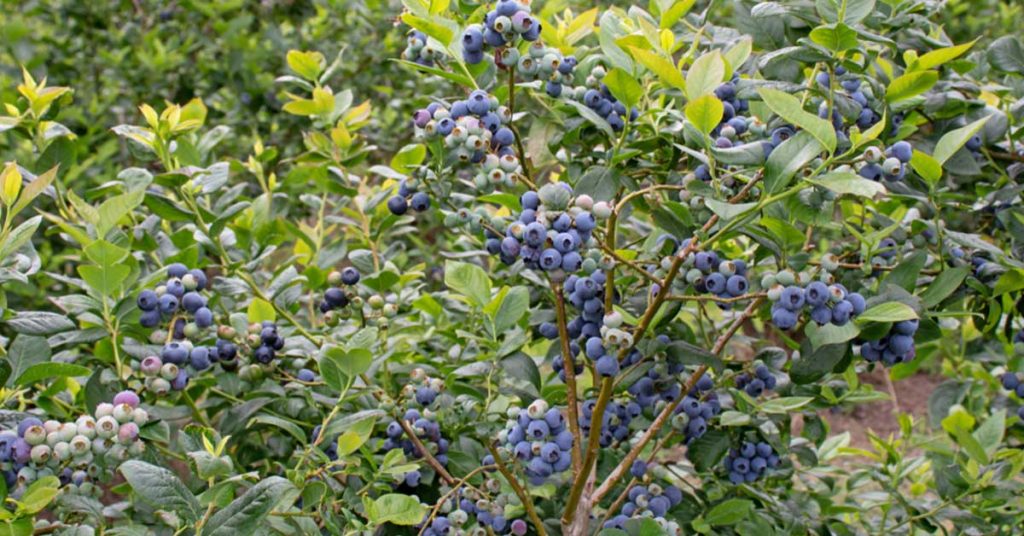
Blueberries, native to North America, flourish in slightly acidic soils that coffee grounds help create. Their small, waxy leaves and delicious, antioxidant-rich berries make them a favorite in both home gardens and commercial orchards. I’ve always been excited to see how a sprinkle of used coffee grounds can boost their productivity, resulting in plumper, more flavorful fruit without resorting to synthetic fertilizers! Although wild blueberries can sometimes spread, the cultivated varieties remain non-invasive in a well-tended garden.
Additionally, blueberries attract beneficial pollinators like bees and butterflies that are crucial for fruit set. Their sprawling growth habit provides a natural microhabitat for ground-dwelling insects and small birds that may even find cozy nesting spots among the shrubs. This dynamic interaction between the plant and its environment creates a thriving ecosystem, making blueberries a sustainable and delicious addition to your garden!
Azaleas (Rhododendron spp.)
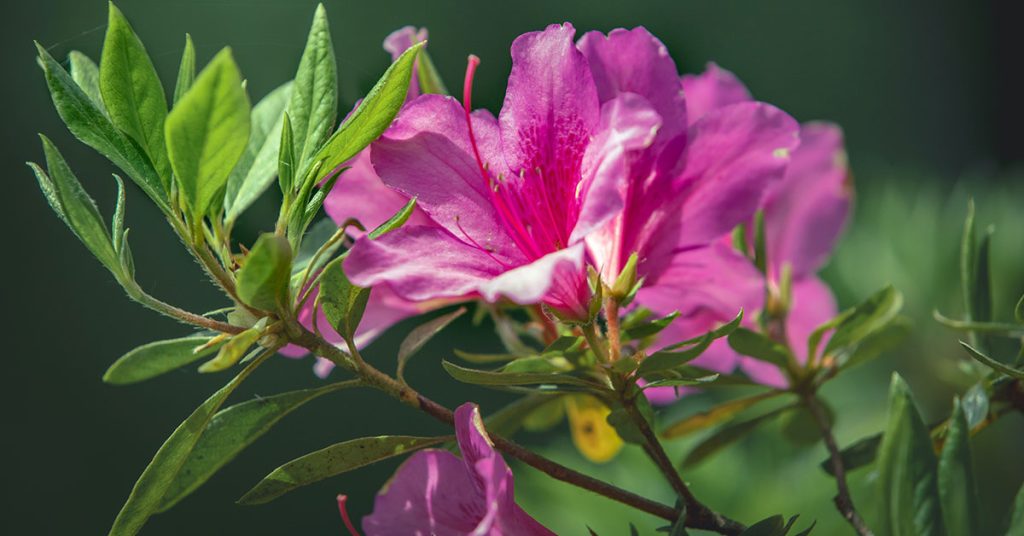
Azaleas, cherished for their explosive bursts of color, are native to various parts of Asia and North America. These acid-loving shrubs thrive when coffee grounds are mixed into the soil, which helps maintain the ideal pH for their growth. I’m always delighted by the dramatic, showy blooms that azaleas produce when properly nourished—they truly transform any garden into a vibrant, living canvas! In managed gardens, azaleas remain non-invasive, making them a practical choice for adding brilliant color.
Furthermore, azaleas provide dense foliage that offers shelter for beneficial insects and small birds. Their branching structure creates natural perches and even potential nesting sites, supporting a diverse microhabitat. This combination of visual splendor and ecological function makes azaleas a top pick for gardeners seeking both beauty and sustainability in their landscapes!
Roses (Rosa spp.)

Roses, with their timeless beauty and intoxicating fragrance, have captivated gardeners for centuries. Many cultivated varieties, native to regions across Asia, Europe, and North America, thrive in slightly acidic soils—conditions that coffee grounds can help create. I’m always amazed by how a dash of coffee grounds can enhance the vibrancy and bloom quality of my roses, making them even more fragrant and resilient without becoming invasive. Their classic elegance makes them the centerpiece of any garden, and a well-fed rose bush is truly a joy to behold!
In addition to their aesthetic appeal, roses attract a myriad of beneficial insects such as bees and butterflies, which naturally pollinate and protect them. Their dense, thorny structure also provides a safe haven for small birds looking for nesting spots, further enriching the garden’s ecosystem. With proper care and a little coffee magic, your rose garden can flourish into a stunning, self-sustaining haven of natural beauty!
Hydrangeas (Hydrangea macrophylla)

Hydrangeas, native to Asia, are adored for their large, lush blooms that can change color depending on soil pH. Coffee grounds can subtly shift the pH of your soil, making these magnificent shrubs even more spectacular. I’m always impressed by how hydrangeas burst into a riot of blue or pink blossoms when given the right acidic boost—each bloom a testament to nature’s artistry! In cultivated settings, hydrangeas remain non-invasive and are a low-maintenance option for those looking to add a splash of dramatic color to their gardens.
Beyond their striking flowers, hydrangeas create a dense, leafy canopy that attracts beneficial pollinators like bees and butterflies. Their sprawling roots help stabilize the soil and improve moisture retention, contributing to a thriving microhabitat. The combination of vibrant blooms, ecological benefits, and minimal care requirements makes hydrangeas a sustainable and enchanting addition to any garden!
Camellias (Camellia japonica)
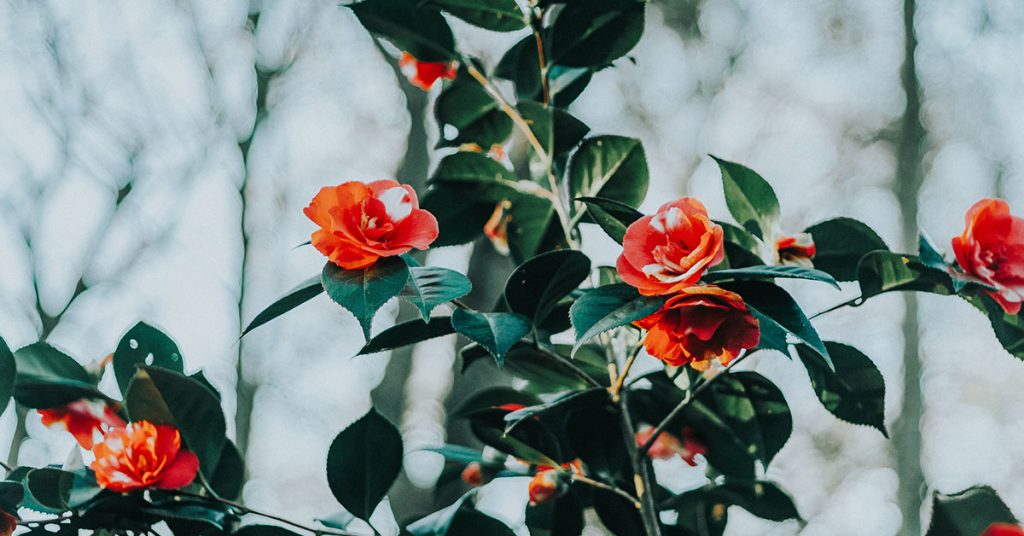
Camellias, native to East Asia, are prized for their elegant, delicate blooms and glossy, evergreen foliage. These acid-loving plants flourish when coffee grounds are incorporated into the soil, which enhances their natural vibrancy and supports healthy growth. I love how camellias add a touch of timeless beauty to garden settings, their soft, pastel flowers providing a serene contrast to bold, lush backgrounds! They are generally non-invasive in well-managed gardens, making them a wonderful choice for both ornamental and indoor plantings.
In addition to their visual appeal, camellias attract a variety of beneficial insects, including bees and small butterflies that help with natural pollination. Their dense, evergreen nature offers shelter and nesting sites for tiny invertebrates, further enriching the garden ecosystem. With proper care, these plants create a peaceful, sustainable retreat that continuously delights the senses!
Gardenias (Gardenia jasminoides)
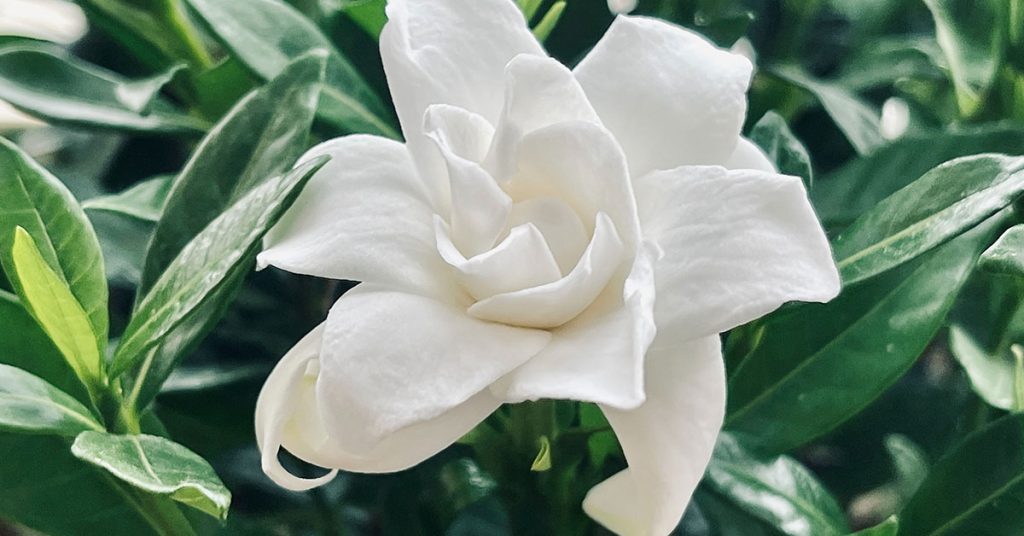
Gardenias, native to tropical and subtropical regions of Africa and Asia, are famous for their intoxicating fragrance and elegant, creamy white blooms. They thrive in slightly acidic soils—a condition that coffee grounds help maintain—ensuring lush, glossy foliage and abundant flowers. I’m always overjoyed by the delicate scent that gardenias release, turning any garden into a natural spa where the air is perfumed with nature’s own perfume! Gardenias are non-invasive when cultivated in well-drained, carefully managed soils, making them a luxurious addition to your floral collection.
Moreover, gardenias create a dense, protective microhabitat that attracts beneficial pollinators like bees and butterflies. Their intricate foliage offers natural shelter and nesting sites for small insects, contributing to a balanced ecosystem. The enchanting beauty and therapeutic aroma of gardenias make them a true garden treasure that transforms your outdoor space into a haven of elegance and natural charm!
Rhododendrons
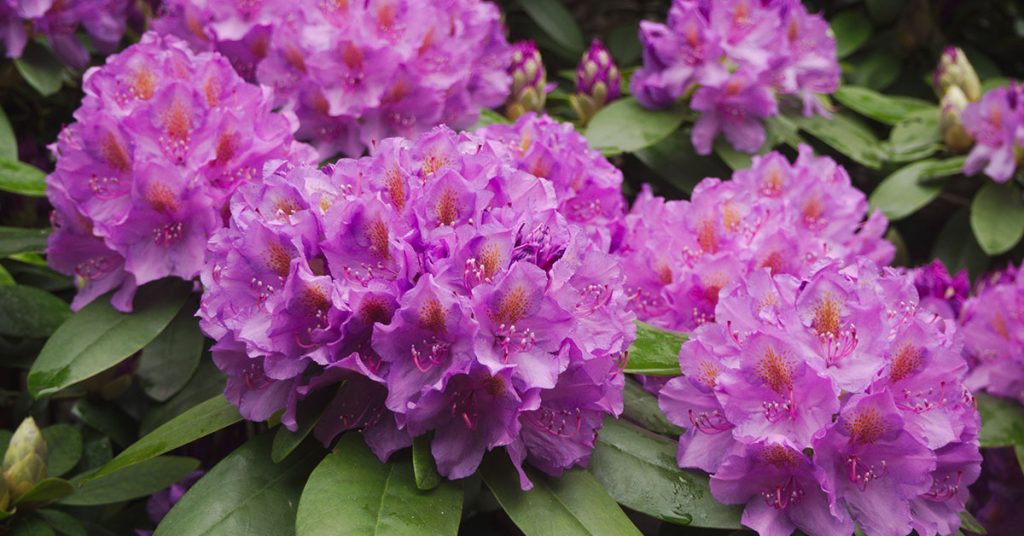
Rhododendrons, native to Asia, Europe, and North America, are majestic shrubs renowned for their stunning, massed floral displays. These acid-loving plants thrive when the soil is enriched with coffee grounds, which helps achieve the optimal pH for vibrant blooms. I’m always amazed by the dramatic clusters of pink, purple, or white flowers that burst forth from rhododendrons—each one a visual feast that captivates the eye! In managed gardens, they are typically non-invasive and add a lush, evergreen backdrop to any landscape.
In addition to their spectacular flowers, rhododendrons offer thick, leathery leaves that provide natural shelter for beneficial insects and small birds. Their dense growth supports a rich microhabitat, ensuring that pollinators have ample opportunities to visit and aid in natural pest control. The synergy between healthy soil and robust plant growth makes rhododendrons a stellar choice for gardeners seeking both beauty and ecological function. They truly embody the spirit of sustainable elegance!
Heathers (Calluna vulgaris)

Heathers, native to Europe, are low-growing shrubs that add a splash of wild beauty to your garden with their delicate, bell-shaped blooms in shades of purple, pink, and white. These plants thrive in acidic soils, making them excellent candidates for coffee ground enrichment. I love how heathers create a natural, textured carpet that softens garden edges and invites beneficial pollinators like bees and butterflies to their charming displays! They are non-invasive and add a subtle yet sophisticated layer of color that enhances any landscape.
Furthermore, heathers contribute to soil health by forming a dense mat that reduces erosion and retains moisture. Their modest, resilient growth supports a variety of invertebrates and small insects, creating a vibrant microhabitat that boosts the overall ecosystem. Whether planted in rock gardens or as border plants, heathers bring a touch of natural elegance and ecological balance to your outdoor space—making them a must-have for any sustainable garden design!
Boston Fern (Nephrolepis exaltata)
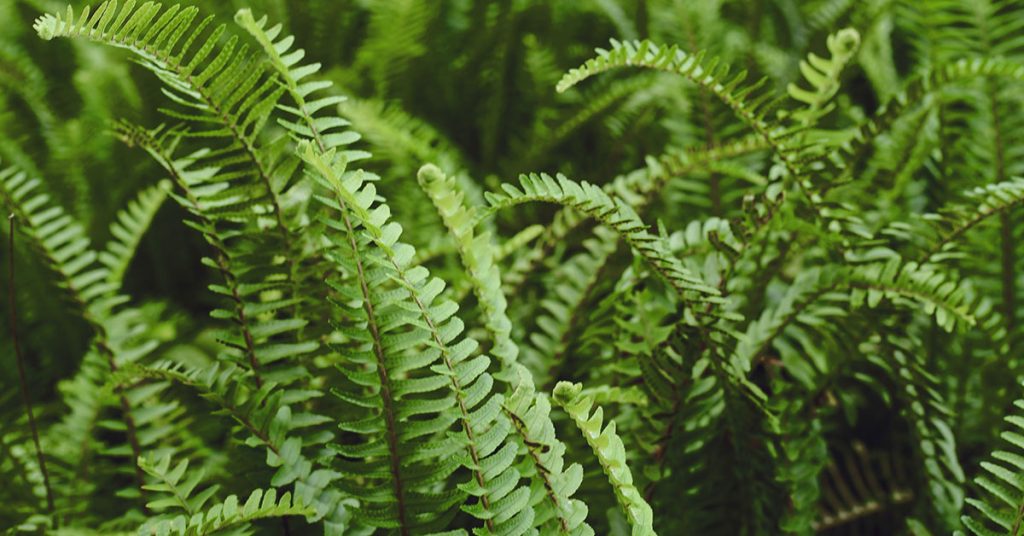
Boston Ferns, native to tropical regions worldwide, are lush, arching plants that thrive in humid environments. Although they prefer filtered light, they can add a soft, verdant contrast to your garden when grown in coffee ground-amended soil that maintains a gentle acidity. I’m always delighted by the cascading fronds of Boston Ferns, which create a natural, curtain-like effect perfect for softening hard edges and inviting small birds to nest among their delicate leaves! These ferns are non-invasive and add a touch of vintage charm to any indoor or outdoor garden setting.
In addition to their visual appeal, Boston Ferns play a crucial role in improving air quality and providing a microhabitat for beneficial microorganisms. Their lush foliage attracts tiny pollinators and offers shelter for small invertebrates, contributing to a balanced ecosystem. The organic matter from their fronds enriches the soil, promoting healthy growth in surrounding plants. Boston Ferns are a timeless addition that brings softness, resilience, and a splash of nature’s elegance to your garden.
Strawberries (Fragaria × ananassa)
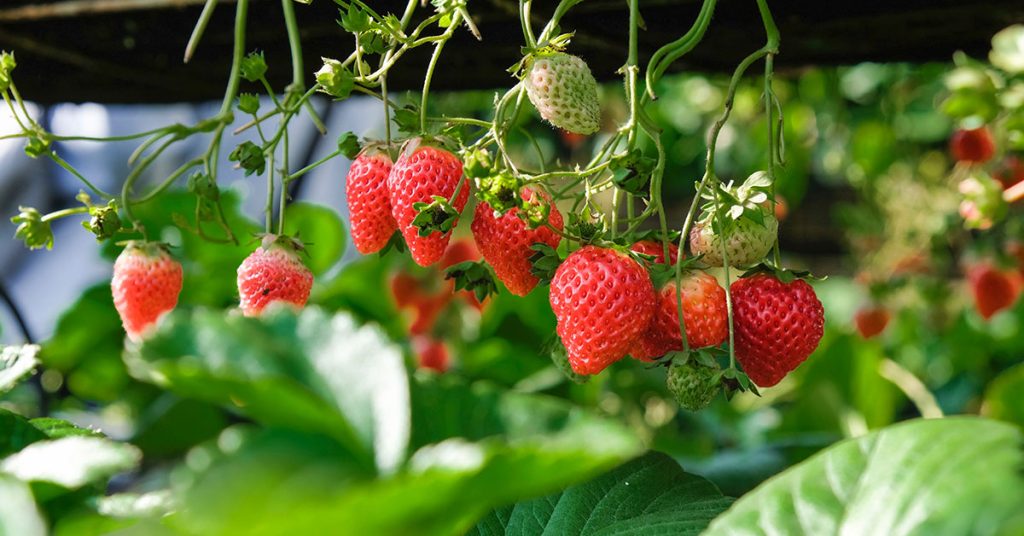
Strawberries, native to temperate regions of Europe and North America, are not only delightful edibles but also a charming addition to a garden enhanced with coffee grounds. Their small, red fruits thrive in slightly acidic conditions, and I’m always excited to see how a boost from coffee grounds leads to juicier, more flavorful berries! In addition to their culinary appeal, strawberries produce delicate white flowers that attract beneficial pollinators such as bees and butterflies, creating a vibrant, interactive microhabitat. While wild strawberries can sometimes be invasive, cultivated varieties in a managed garden remain non-invasive and offer consistent harvests.
Moreover, strawberries serve as a natural ground cover that helps suppress weeds and retain soil moisture. Their sprawling runners form a living carpet that enhances soil structure and provides habitat for beneficial invertebrates. This dynamic interplay between delicious fruit and ecological function makes strawberries a sustainable, multi-purpose choice for any garden. They’re a true delight for gardeners who love both fresh produce and a healthy, balanced ecosystem!
Pansies (Viola tricolor var. hortensis)
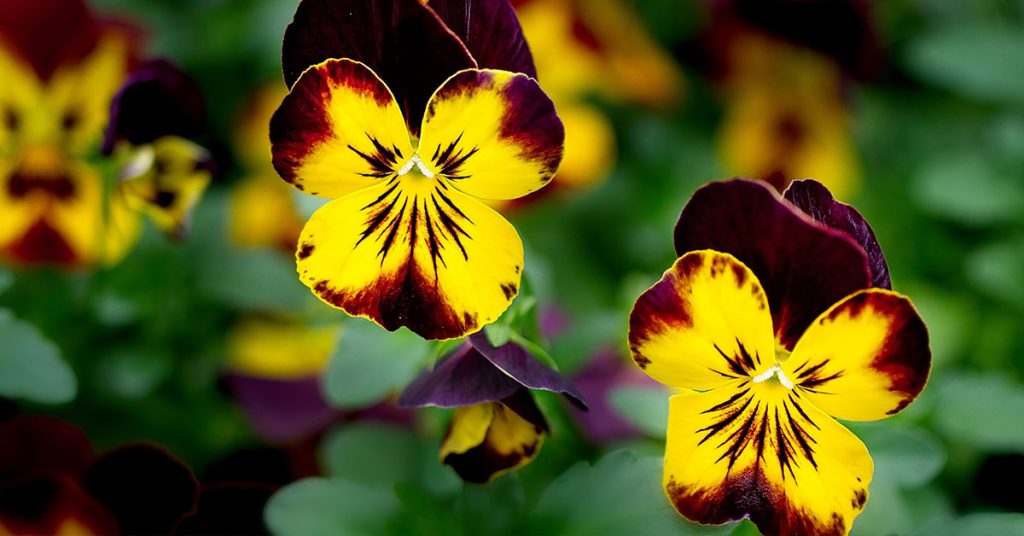
Pansies, native to Europe, bring a burst of cheerful color and charm to any garden setting. Although typically considered cool-weather annuals, they thrive in coffee ground-amended soil that provides a slightly acidic environment conducive to their growth. I’m always impressed by how pansies, with their intricate, multi-colored petals, brighten up even the dullest corners of your garden, attracting beneficial pollinators like small bees and butterflies along the way! In managed settings, pansies are non-invasive and can be easily maintained, making them a delightful addition to your floral ensemble.
In addition to their visual appeal, pansies contribute to the ecosystem by offering natural ground cover that helps conserve moisture and suppress weeds. Their delicate flowers create microhabitats that attract beneficial insects and foster a balanced soil ecosystem. This harmonious blend of beauty and functionality makes pansies a versatile choice for gardeners seeking to enhance their outdoor space with vibrant, sustainable blooms. They’re a charming, low-maintenance option that brings both joy and ecological benefits!
Nasturtiums (Tropaeolum majus)

Nasturtiums, native to the Andes of South America, are a playful, vibrant annual known for their edible leaves and bright, cheerful flowers. These plants thrive in slightly acidic soils enriched with coffee grounds, and I’m always thrilled by their ability to cascade gracefully over garden edges, adding a burst of color and texture to your landscape! Their unique peppery flavor makes them a favorite for culinary experiments, while their natural tendency to repel pests provides a chemical-free benefit to surrounding plants. Cultivated nasturtiums remain non-invasive and offer an effortless, tropical vibe that elevates your garden’s aesthetic.
Beyond their eye-catching appearance, nasturtiums attract a variety of beneficial pollinators such as bees and butterflies, creating a lively microhabitat that supports natural pest control. Their sprawling growth habit forms a natural, living mulch that suppresses weeds and retains moisture, enhancing overall soil health. The combination of vibrant blooms, edible foliage, and ecological benefits makes nasturtiums a must-have for any sustainable garden. They’re a delightful fusion of flavor, beauty, and practicality that transforms your space into a natural paradise!
Impatiens (Impatiens walleriana)
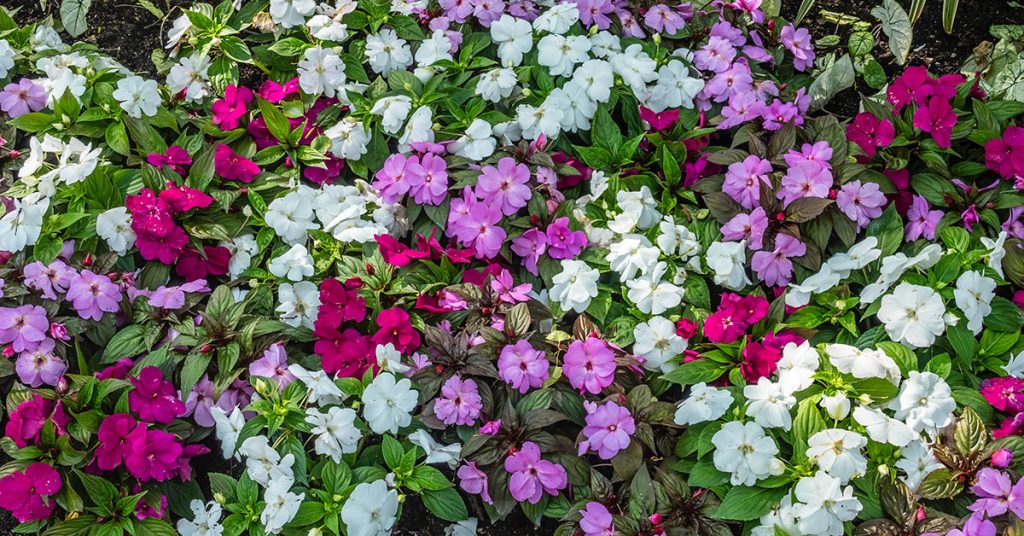
Impatiens, native to tropical Africa and Asia, are beloved for their soft, vibrant blooms that thrive in low to moderate light. These tender annuals flourish in moist, coffee ground-amended soils, which help create a slightly acidic environment ideal for their growth. I’m always amazed by the burst of color that impatiens add to shaded garden corners or indoor spaces, attracting beneficial pollinators like butterflies and small bees that enhance the overall ecosystem! Their non-invasive nature and ease of care make them a popular choice for gardeners seeking continuous color without extensive maintenance.
Moreover, impatiens contribute to a delicate microhabitat by providing shelter for small invertebrates and helping to regulate soil moisture. Their cascading clusters of blossoms create a soft, natural display that complements the deeper hues of other plants in your garden. With proper care and consistent moisture, impatiens offer a reliable, vibrant splash of color that lifts the mood and enhances biodiversity. They’re a true celebration of nature’s delicate beauty and resilience!
Mint (Mentha spp.)
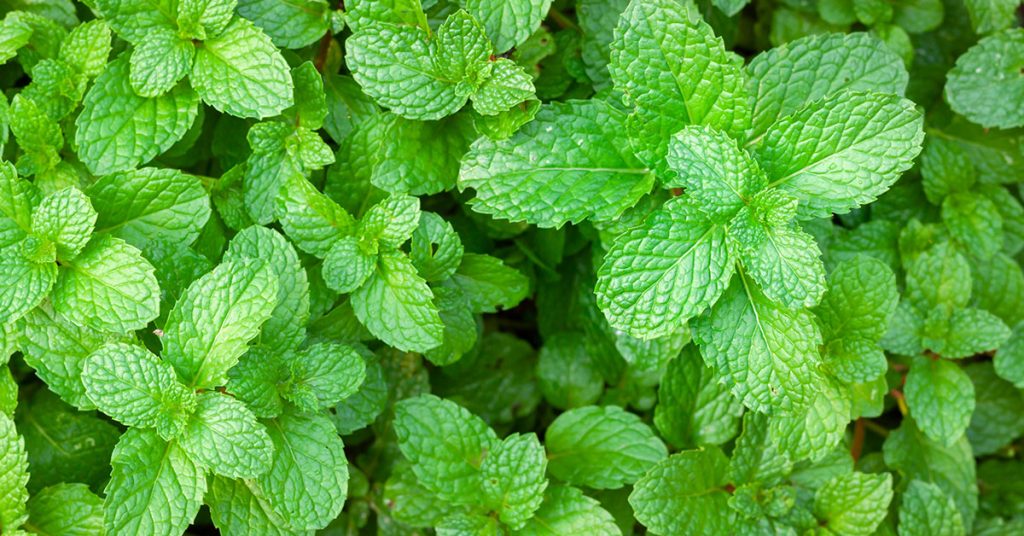
Mint, native to Europe and Asia, is a vigorous herb celebrated for its refreshing aroma and rapid, sprawling growth. Its lush, aromatic foliage thrives in coffee ground-amended soils, which help maintain a slightly acidic pH that mint loves. I’m always excited by mint’s ability to create a vibrant, green carpet in your garden, providing not only a burst of natural fragrance but also attracting beneficial pollinators like bees and butterflies! While mint is notorious for its aggressive spread in the wild, when grown in containers or designated garden beds it remains non-invasive and easy to manage.
In addition to its sensory appeal, mint supports a robust ecosystem by fostering beneficial soil microbes and serving as a natural deterrent to common garden pests. Its dense, sprawling growth creates natural microhabitats that offer shelter for small invertebrates and help retain soil moisture. This dynamic interplay between aroma, aesthetics, and ecological function makes mint an indispensable companion for any garden. It’s a refreshing, multi-functional herb that uplifts your space with both flavor and sustainable charm!
Parsley (Petroselinum crispum)
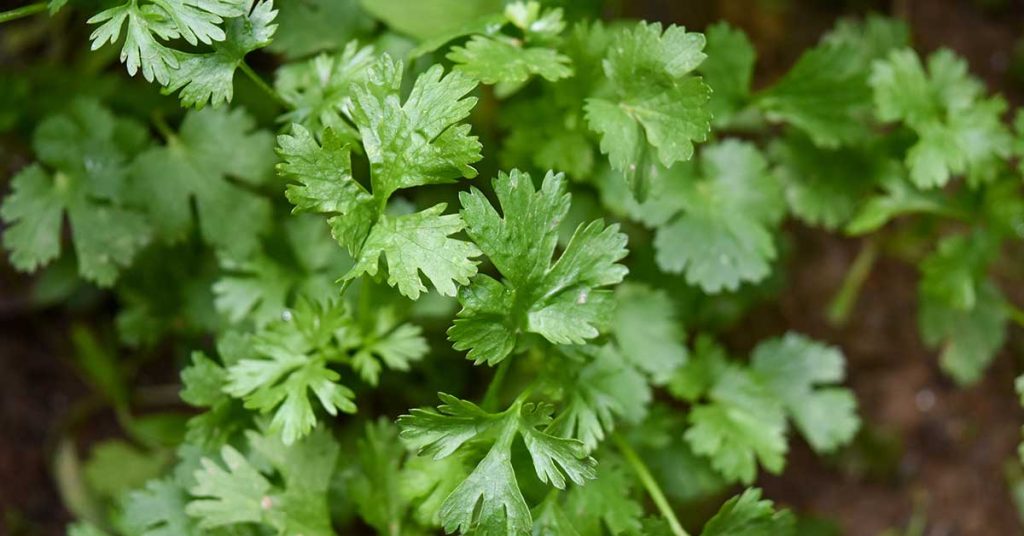
Parsley, native to the Mediterranean, is a robust biennial herb cherished for its lush, curly leaves and culinary versatility. When grown in coffee ground-enriched soil, parsley benefits from a nutrient-rich, slightly acidic environment that boosts its growth and flavor. I’m always delighted by how parsley adds a vibrant green burst to your garden while attracting beneficial pollinators like bees and ladybugs, creating a natural, thriving microhabitat! Its controlled, non-invasive growth makes it a reliable companion that supports the overall ecosystem without overwhelming other plants.
Beyond its culinary uses, parsley contributes to soil health by adding organic matter as its leaves decompose. Its dense foliage forms a natural mulch that helps retain moisture and suppress weeds, enhancing the growth of surrounding plants. Growing parsley alongside other companion herbs creates a synergistic effect that improves natural pest control and overall garden vitality. It’s an indispensable herb that nourishes both your table and your garden, making every harvest a celebration of nature’s generosity!
Marigolds (Tagetes spp.)
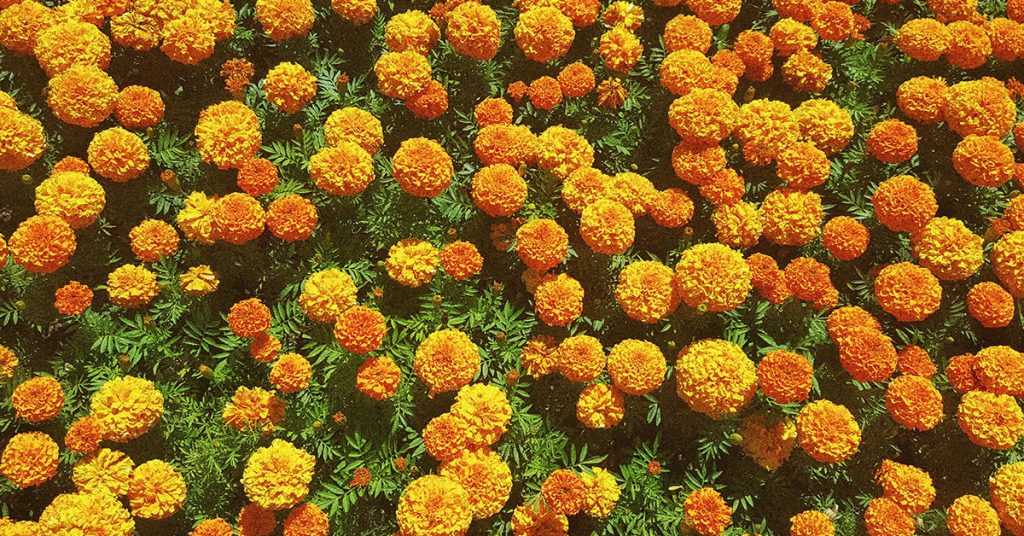
Marigolds, native to the Americas, are a classic annual choice known for their bright, sunny blooms and robust pest-repelling properties. These cheerful flowers thrive in coffee ground-amended soils, which provide the slightly acidic conditions they love, and they add a warm burst of color that enhances any garden. I’m always thrilled by how marigolds create a natural barrier against aphids and other pests, making them a protective, non-invasive companion for more delicate plants like roses and herbs! Their vibrant display attracts beneficial insects, such as ladybugs and parasitic wasps, which help keep pest populations in check.
In addition, marigolds contribute to soil enrichment by adding organic matter as their blooms and leaves decompose. Their dense, bushy growth forms a natural mulch that conserves moisture and suppresses weeds, supporting a healthy microhabitat for neighboring plants. This multifaceted role not only beautifies your garden but also promotes a balanced ecosystem that’s both productive and sustainable. Marigolds are a vibrant, eco-friendly solution that adds both flair and function to your landscape!
Sedum (Sedum spp.)
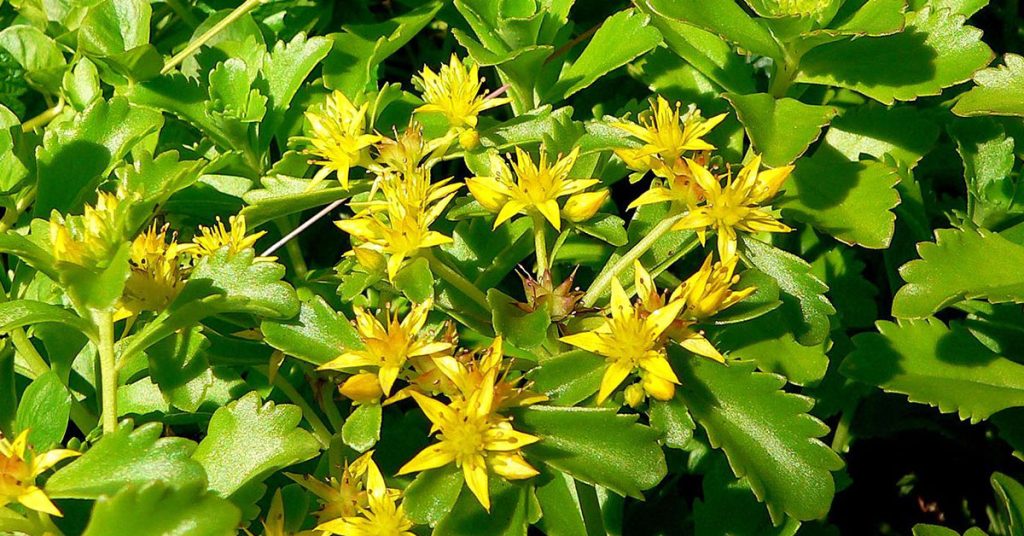
Sedum, a hardy group of succulents native to Europe, is known for its star-shaped blooms and robust, water-storing leaves. These plants thrive in sunny, dry conditions and love the slightly acidic environment provided by coffee grounds. I’m always amazed by how Sedum creates a stunning, low-growing carpet that adds texture and visual interest to your garden. Its non-invasive growth makes it a perfect ground cover, while its colorful flowers attract beneficial pollinators like bees and butterflies, creating a lively, natural mosaic!
In addition to its ornamental appeal, Sedum plays an important role in soil stabilization by preventing erosion and improving water retention. Its deep, fibrous root system supports beneficial soil microbes and creates a balanced microhabitat that enhances overall garden health. Sedum’s ability to flourish with minimal care makes it an ideal choice for busy gardeners who want beauty without fuss. It’s a resilient, eco-friendly plant that brings both functionality and a pop of color to any landscape!
Calendula (Calendula officinalis)

Calendula, native to the Mediterranean, is a radiant annual celebrated for its bright orange and yellow blooms that seem to capture the warmth of the sun. Thriving in coffee ground-amended soils that provide the slightly acidic conditions it prefers, calendula not only adds vibrant color to your garden but also attracts beneficial pollinators like bees and butterflies. I’m always impressed by how these cheerful flowers create a natural, inviting microhabitat that enhances the beauty and balance of your outdoor space! In managed gardens, calendula remains non-invasive and is a low-maintenance option for adding consistent, sunny flair.
Beyond its visual impact, calendula enriches the soil as its petals decompose, fostering beneficial microbial activity and improving nutrient cycling. Its natural pest-repellent properties further support a thriving, eco-friendly garden by reducing the need for chemical interventions. Growing calendula alongside other companion plants creates a harmonious ecosystem where every bloom contributes to the garden’s overall vitality. It’s a delightful, multi-functional plant that combines beauty with sustainability!
Bee Balm (Monarda spp.)

Bee Balm, native to North America, is a dynamic perennial that dazzles with clusters of vibrant red, pink, or purple flowers. These striking blooms attract an impressive array of pollinators such as bees, butterflies, and hummingbirds, transforming your garden into a lively hub of activity. I’m always excited by Bee Balm’s ability to enhance natural pest control by drawing in beneficial insects that support overall ecosystem health! While wild varieties can be vigorous, cultivated Bee Balm in managed gardens remains non-invasive and easy to maintain, making it a true delight for any organic gardener.
In addition to its eye-catching beauty, Bee Balm contributes to soil health by providing shelter for small invertebrates and promoting a diverse community of soil microbes. Its dense, clustered flowers create natural microhabitats that support beneficial insect populations and improve pollination for surrounding plants. The synergy between Bee Balm and coffee ground-enriched soil ensures robust growth and vibrant blooms year after year. It’s a multifunctional marvel that elevates your garden with both stunning color and ecological benefits!
Echinacea (Coneflower)

Echinacea, native to North America, is a robust perennial known for its daisy-like blooms and impressive medicinal properties. Its vibrant purple petals and distinctive central cone create a dramatic focal point in any garden, while its ability to thrive in slightly acidic soil enriched with coffee grounds makes it even more spectacular. I’m always inspired by Echinacea’s role in attracting pollinators such as bees and butterflies, which not only enhance natural pest control but also create a dynamic, balanced ecosystem. In managed gardens, Echinacea remains non-invasive and adds enduring beauty to your landscape!
In addition to its visual appeal, Echinacea supports soil health with its deep root system, which improves moisture retention and nutrient cycling. The plant’s robust growth and long blooming period provide continuous food and shelter for beneficial insects, making it a true cornerstone of a sustainable garden. Its medicinal properties, prized for boosting the immune system, add an extra layer of value to your garden’s bounty. Echinacea is a must-have for any gardener looking to blend beauty, health, and ecological function seamlessly!
Yarrow (Achillea millefolium)
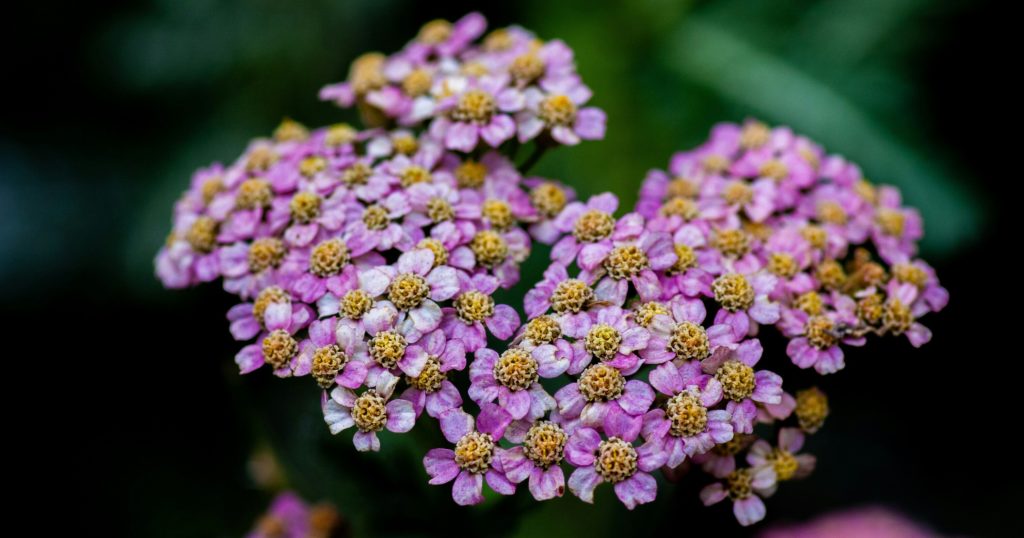
Yarrow, native to Eurasia and North America, is a hardy perennial celebrated for its feathery foliage and clusters of daisy-like flowers in hues of white, yellow, or pink. Its ability to thrive in coffee ground-amended soils, which help create the slightly acidic conditions it prefers, makes yarrow a resilient addition to any garden. I love how yarrow’s airy, delicate blossoms attract a variety of beneficial pollinators, including bees and parasitic wasps, that work together to naturally control pests! Despite its vigorous growth in the wild, yarrow remains non-invasive in cultivated gardens, providing a natural, low-maintenance touch of wild beauty.
Beyond its striking blooms, yarrow plays an important role in improving soil structure and retaining moisture. Its extensive root system helps stabilize the soil, reducing erosion and fostering beneficial microbial activity. Yarrow’s natural habitat in meadows and prairies ensures that it supports a rich diversity of wildlife, from ground-nesting bees to small birds that find shelter among its fronds. This remarkable synergy between beauty and function makes yarrow an indispensable companion in a sustainable, thriving garden.
Verbena (Verbena bonariensis)
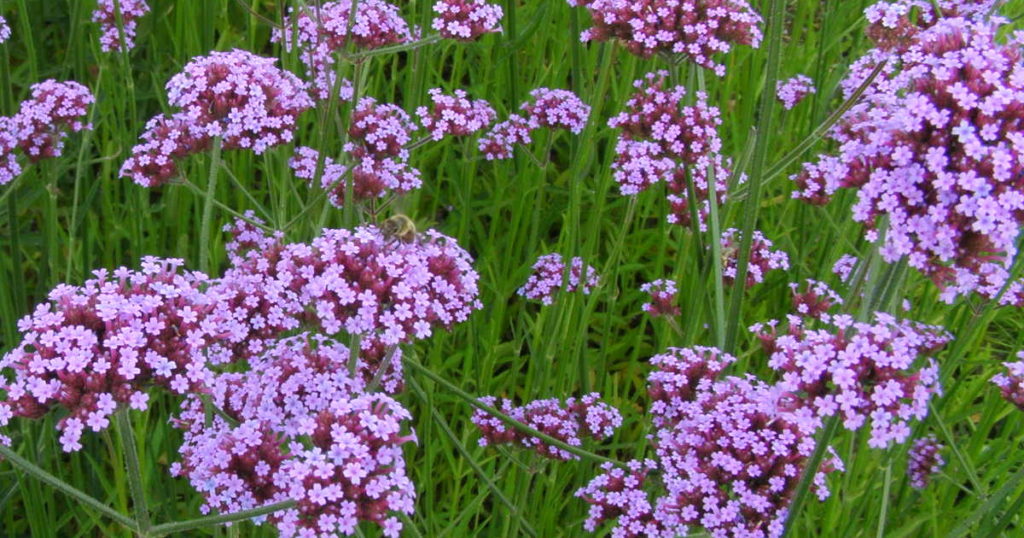
Verbena, native to South America, is a graceful annual that produces airy clusters of delicate purple or pink flowers that dance in the sunlight. Thriving in well-drained, coffee ground-enriched soil, Verbena creates a whimsical, natural display that attracts a host of beneficial pollinators, including butterflies and bees. I’m always amazed by how Verbena’s feathery blooms and slender stems add a touch of ethereal beauty to any garden, transforming even the simplest space into a vibrant, lively retreat! Cultivated Verbena remains non-invasive and is an excellent choice for adding lightness and movement to your landscape.
In addition to its enchanting appearance, Verbena contributes to a healthy garden ecosystem by providing natural nesting sites for small insects and supporting beneficial soil microbes. Its continuous bloom cycle ensures that pollinators have a steady supply of nectar, which in turn enhances the growth of surrounding plants. Growing Verbena alongside complementary species creates a dynamic, interwoven habitat that is both visually stunning and ecologically balanced. It’s a delightful, low-maintenance plant that elevates any garden with its natural grace and charm!
Coreopsis (Tickseed)
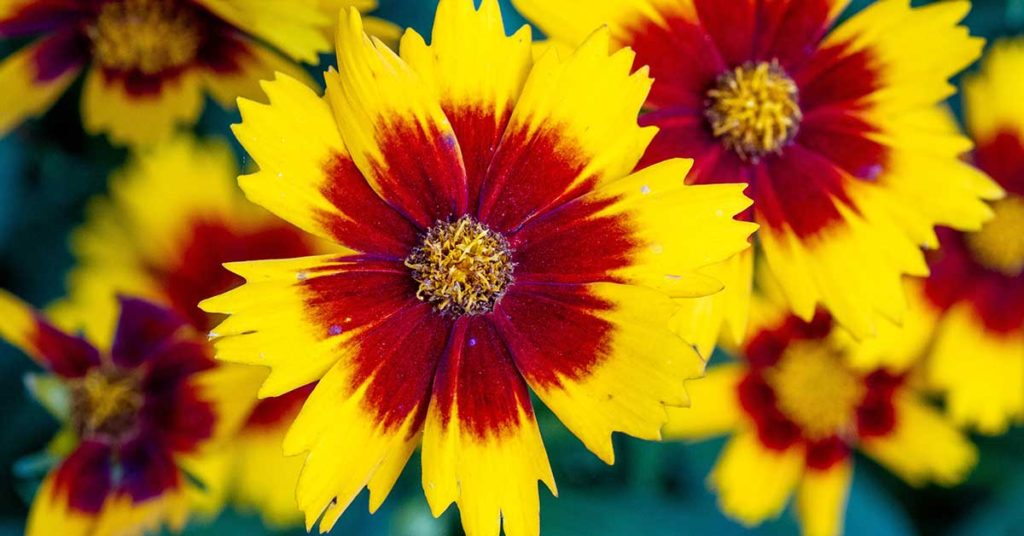
Coreopsis, native to North America, is a vibrant perennial known for its daisy-like blooms in shades of yellow, orange, and red. It thrives in coffee ground-amended soils, which provide the slightly acidic conditions it loves, and its prolific flowering attracts a diverse array of pollinators such as bees and butterflies. I’m always excited by how Coreopsis fills garden beds with brilliant, cheerful color, transforming the landscape into a sunlit tapestry of natural beauty! In managed gardens, Coreopsis remains non-invasive and adds a low-maintenance yet dynamic element to your outdoor space.
Furthermore, Coreopsis contributes to overall soil health by creating a dense ground cover that suppresses weeds and retains moisture. Its spreading habit supports a rich microhabitat that is home to beneficial insects and small nesting birds. The natural interplay between its vibrant blooms and the enriched soil makes Coreopsis a sustainable, visually striking choice that enhances both the aesthetic and ecological balance of your garden. It’s a true celebration of nature’s abundant beauty!
Lemon Balm (Melissa officinalis)
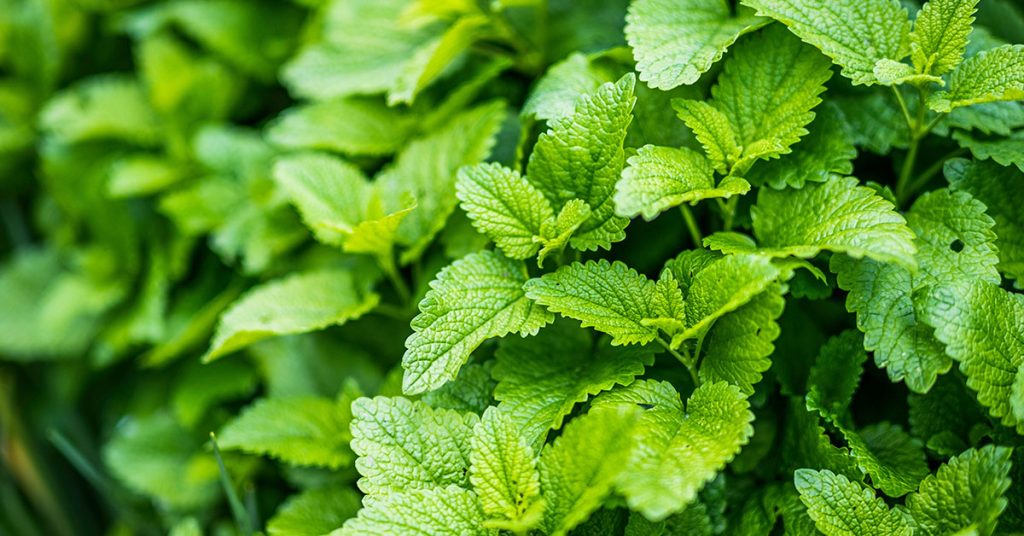
Lemon Balm, native to Europe, is a fragrant herb cherished for its soothing lemony scent and delicate, heart-shaped leaves. Thriving in coffee ground-amended soils that provide the slightly acidic environment it prefers, Lemon Balm is an excellent companion for gardens focused on both beauty and wellness. I love how this herb not only offers a refreshing aroma that calms the senses but also attracts beneficial pollinators like bees and butterflies, which help create a lively, balanced microhabitat! In cultivated gardens, Lemon Balm is non-invasive and grows easily, making it a low-maintenance, rewarding addition.
In addition to its aromatic allure, Lemon Balm has a long history of medicinal use, from relieving stress to aiding digestion. Its tender foliage and subtle blooms provide natural nesting spots for small insects, further supporting a thriving garden ecosystem. Growing Lemon Balm alongside other companion plants enhances natural pest control and soil enrichment, ensuring that your garden remains both beautiful and functional. It’s a versatile, uplifting herb that nourishes both your body and your garden!
Basil (Ocimum basilicum)
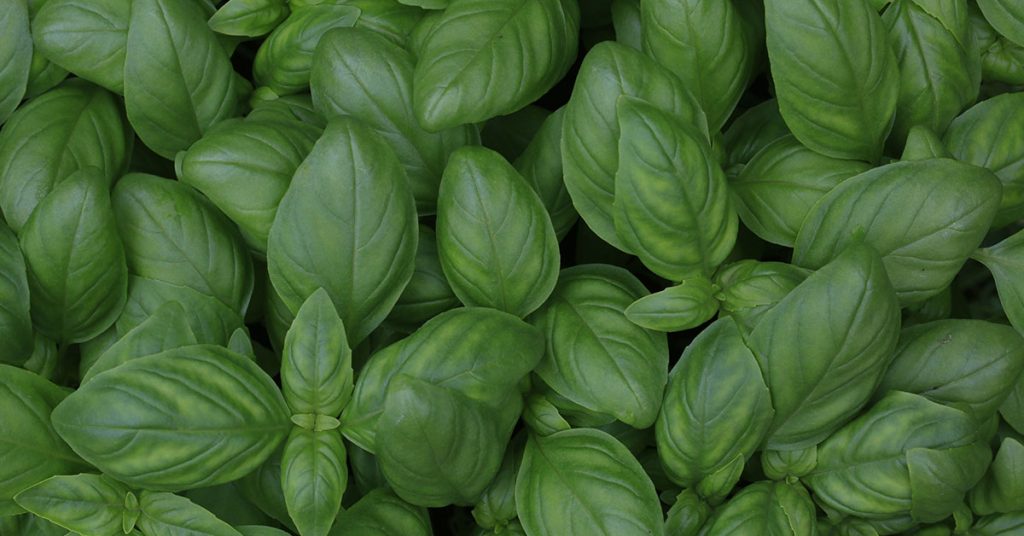
Basil, native to tropical regions of Africa and Asia, is a beloved culinary herb that also serves as a fantastic companion plant in a coffee ground-enriched garden. Its lush, aromatic leaves thrive in slightly acidic conditions and attract a myriad of beneficial pollinators, including bees and butterflies, which enhance the vibrancy and productivity of your garden. I’m always excited by basil’s versatility—it not only spices up your favorite dishes but also creates a natural, protective barrier around neighboring plants, reducing the need for chemical pest control! In well-managed gardens, basil remains non-invasive and grows harmoniously alongside other flora.
Furthermore, basil contributes to a healthy microhabitat by releasing natural oils that deter pests and support beneficial soil microbes. Its rapid growth and rich, green foliage add a burst of freshness and vitality, ensuring that every corner of your garden is teeming with life. When grown alongside complementary species such as tomatoes, basil creates a synergistic environment that boosts natural pollination and enhances flavor. It’s a true culinary and ecological delight that makes your garden a vibrant, sustainable haven!