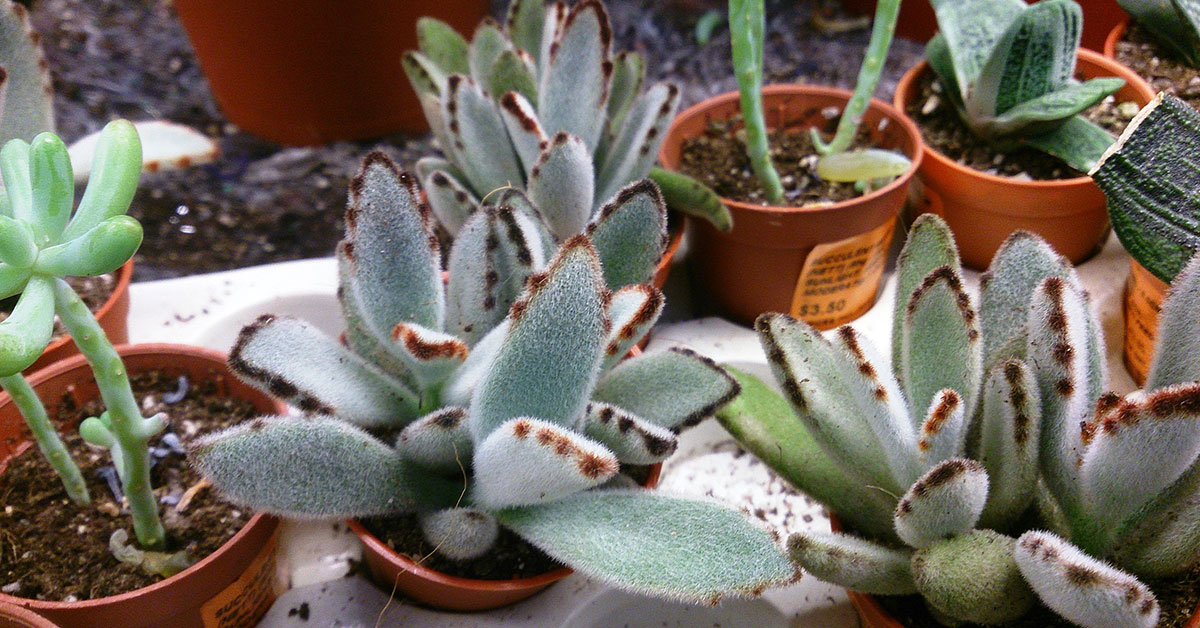

If you’ve ever marveled at the brilliant colors and unique textures of succulents, then you know that these plants have a special way of bringing life and charm to any space. Over the years, I’ve experimented with countless varieties and found that flowering succulents are truly a showstopper—providing not only striking blooms but also fascinating growth habits that enhance every garden corner. I understand how frustrating it can be to try growing plants in a shady garden or to see vibrant blooms fade away, so I’m excited to share 12 stunning flowering succulents that will elevate your home or garden year-round!
In this article, I’ll dive into a diverse mix of succulents, each with its own unique native origins and ecological quirks. Some of these beauties, like Kalanchoe blossfeldiana from Madagascar and Echeveria ‘Lola’ from semi-desert regions of Mexico, bring bursts of color and texture without becoming invasive. Whether you’re a seasoned succulent lover or just starting your journey into these resilient plants, these selections offer exceptional beauty, low-maintenance care, and even benefits like attracting pollinators and creating natural microhabitats.
Kalanchoe blossfeldiana
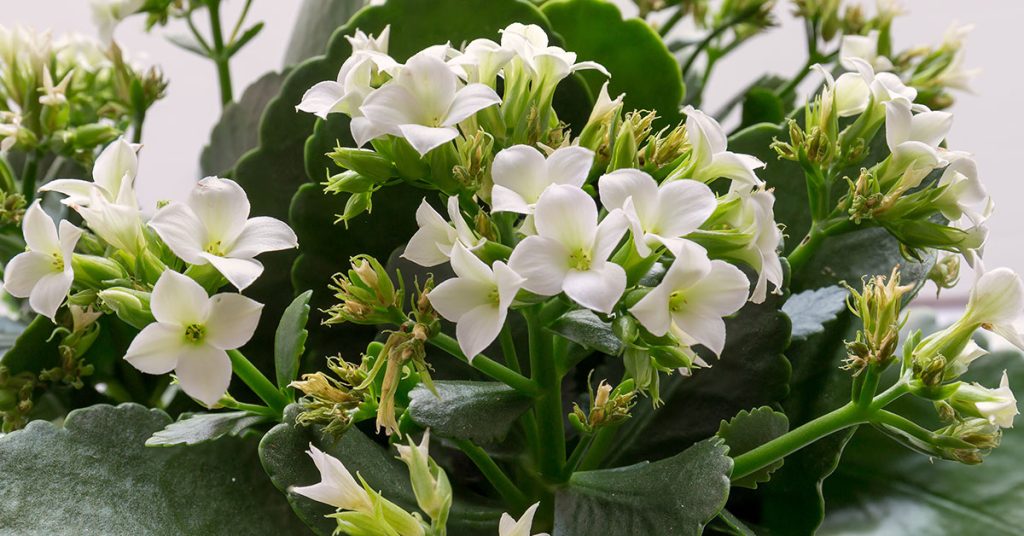
Kalanchoe blossfeldiana, native to Madagascar, is one of my all-time favorites for its vibrant clusters of bright, long-lasting flowers. These succulent marvels come in a dazzling array of colors—from fiery reds and oranges to soft pinks and yellows—making them perfect for adding a splash of color to your home or garden. Their thick, glossy leaves store water efficiently, allowing them to thrive in sunny, arid conditions without needing constant care. I’m always thrilled when these blooms pop up, as they truly light up any space with minimal effort!
In addition to their eye-catching beauty, Kalanchoe blossfeldiana attracts a variety of beneficial pollinators such as bees and butterflies. Its flowering behavior supports local ecosystems by providing food and shelter, and its compact growth habit means it won’t overwhelm your garden. Although cultivated varieties are non-invasive, it’s essential to provide good drainage to mimic its native environment. This succulent is a true delight for gardeners who want low-maintenance yet dazzling blooms!
Echeveria ‘Lola’

Echeveria ‘Lola’ is a captivating succulent native to semi-desert regions of Mexico, known for its rosette form and soft pastel hues. This beautiful plant produces delicate, bell-shaped flowers that add a subtle, ethereal charm to your garden. I love how ‘Lola’ creates a focal point in any planter with its tight, symmetrical rosette, exuding an air of elegance that transforms even a modest space into a work of art! Its low-maintenance nature and ability to withstand full sun make it perfect for those sun-drenched porches and outdoor living spaces.
The blooms of Echeveria ‘Lola’ not only enhance visual appeal but also attract small pollinators like bees, which help support a balanced microhabitat. These hardy succulents are non-invasive, thriving in well-drained soil and minimal water, much like in their native habitat. Their charming, pastel flowers offer a delicate contrast to the bold textures of their fleshy leaves, making them a must-have for anyone looking to add a touch of sophistication and natural beauty to their home or garden.
Sedum ‘Autumn Joy’
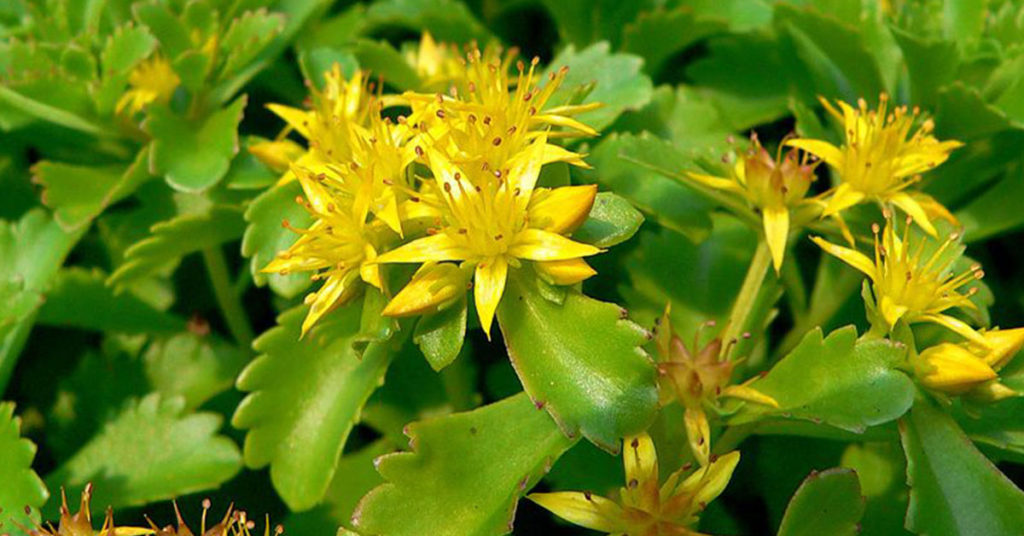
Sedum ‘Autumn Joy’ is a popular flowering succulent native to Europe that captivates with its vibrant, late-summer blooms. This hardy, low-growing plant produces clusters of star-shaped flowers in shades of pink and red, gradually deepening as the season progresses. I’ve always admired how Sedum ‘Autumn Joy’ transforms garden borders with its rich color and dramatic texture—an absolute treat for anyone who loves a splash of autumn in their landscape! Its drought tolerance and minimal care requirements make it an excellent choice for sun-drenched areas, ensuring that your garden stays gorgeous without constant maintenance.
In addition to its stunning blooms, Sedum ‘Autumn Joy’ plays an essential role in attracting pollinators such as bees and butterflies. Its spreading habit creates a natural, living carpet that suppresses weeds and enhances soil health by retaining moisture. This succulent is non-invasive and perfect for rock gardens, container plantings, or as a ground cover in sunny areas. Its robust nature and seasonal brilliance make it a versatile and sustainable addition to any garden design.
Aeonium arboreum

Aeonium arboreum, native to the Canary Islands, is a striking succulent known for its rosette shape and dramatic flowering stalks. This succulent adds an exotic flair to any garden with its glossy, dark green leaves and clusters of yellow or red flowers that rise high above the foliage. I’m always impressed by how Aeonium arboreum brings a touch of architectural elegance to sun-drenched porches, providing both visual interest and a unique focal point that stands out brilliantly! Although its impressive inflorescences are rare and short-lived, they are absolutely breathtaking when they appear.
In addition, Aeonium arboreum creates a unique microhabitat that attracts beneficial pollinators and even provides shelter for small insects. Its robust, non-invasive growth habit makes it well-suited for container gardens and xeriscaping, where its drought tolerance shines. The plant’s native origins in the volcanic landscapes of the Canary Islands ensure that it thrives in full sun with minimal water, making it an excellent choice for sustainable gardening. It’s a true conversation starter that elevates any outdoor space with its bold beauty!
Crassula ovata (Jade Plant)
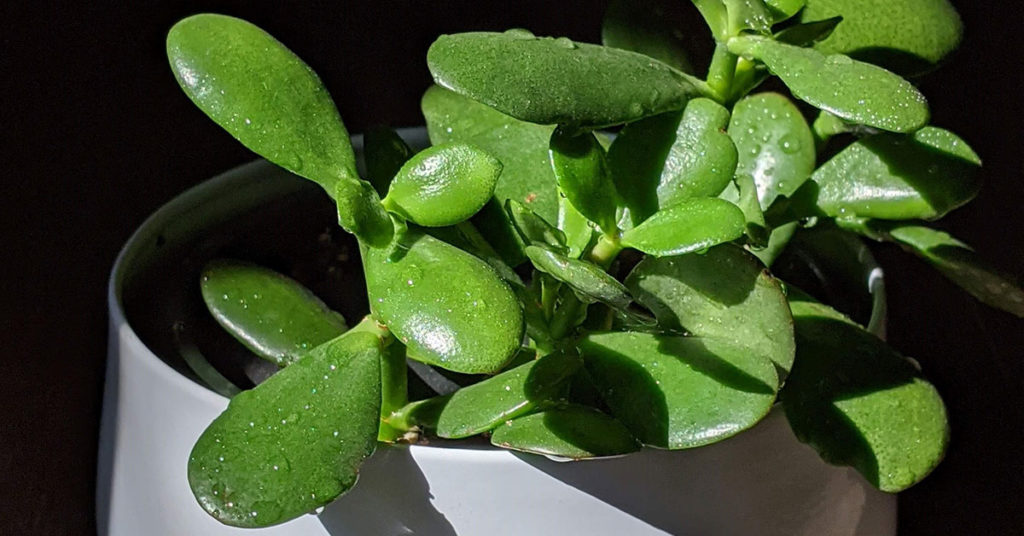
Crassula ovata, commonly known as the Jade Plant and native to South Africa, is a beloved succulent famed for its thick, glossy leaves and subtle, star-like white flowers. Its elegant, tree-like form makes it a popular choice for indoor and outdoor gardens alike, adding a touch of timeless sophistication to any setting. I love how the Jade Plant exudes a serene, almost zen-like quality that complements both modern and traditional décor. Although it rarely becomes invasive when properly pruned, its steady growth brings a sense of calm and balance to your garden.
Beyond its ornamental appeal, Crassula ovata attracts beneficial pollinators such as small bees when it finally flowers, and its succulent leaves provide shelter for tiny invertebrates. Its water-storing capability means it thrives on minimal care, making it an ideal companion for sun-drenched porches. The Jade Plant’s historical significance as a symbol of prosperity and good luck adds an extra layer of charm to your space. It’s a versatile, enduring plant that enhances your garden with its subtle beauty and low-maintenance nature!
Portulaca grandiflora (Moss Rose)

Portulaca grandiflora, commonly known as Moss Rose, is an annual succulent native to South America that thrives in full sun and arid conditions. Its vibrant, cup-shaped flowers come in a dazzling range of colors—from brilliant reds and oranges to soft pinks and purples—making it a perfect choice for brightening up sun-drenched porches and outdoor patios. I’m always delighted by how Portulaca grandiflora exudes an effortless charm, with each bloom capturing the warmth of the sun and adding an instant pop of color to any space! Its succulent nature ensures it’s drought-tolerant and low-maintenance, a true blessing for busy gardeners.
In addition to its stunning appearance, Moss Rose attracts a wide variety of pollinators, including bees and butterflies, which enhance the overall ecological balance of your garden. Its sprawling, non-invasive growth habit makes it an excellent ground cover that fills in gaps between pavers or as a border for other succulents. This plant’s ability to thrive in poor soils and extreme heat makes it a sustainable, vibrant addition to any garden. It’s a perfect choice for those who want a burst of color with minimal effort!
Sempervivum tectorum (Hens and Chicks)

Sempervivum tectorum, commonly known as Hens and Chicks, is a hardy succulent native to the mountains of Europe that forms attractive rosettes and produces tall, delicate flower stalks. Its unique growth habit—where each “hen” produces clusters of smaller “chicks”—creates a stunning visual display that is perfect for sun-drenched porches and rock gardens. I’m always fascinated by how these charming succulents manage to thrive in harsh, rocky conditions, showcasing nature’s resilience and intricate beauty! Hens and Chicks are non-invasive and require very little care, making them an excellent, low-maintenance addition to your garden.
Furthermore, Sempervivum tectorum attracts a variety of beneficial pollinators when in bloom, and its robust rosettes provide natural nesting spots for small insects. Their ability to withstand extreme heat and drought makes them ideal for sustainable gardening practices, ensuring that your garden remains vibrant year-round. These charming succulents not only enhance your outdoor space with their unique form and texture but also contribute to the ecological balance of your garden. They’re a delightful reminder that even the smallest plants can have a big impact!
Graptopetalum paraguayense (Ghost Plant)
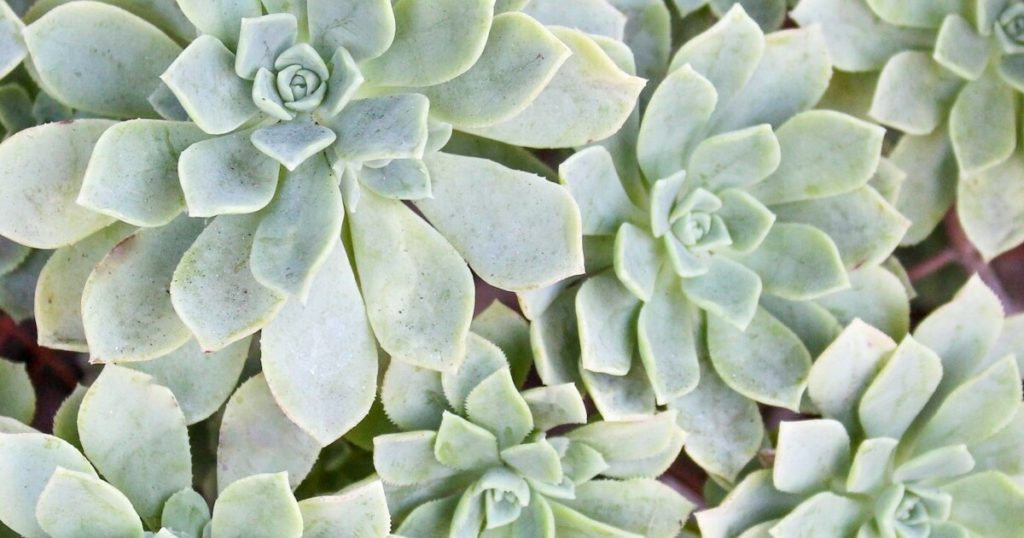
Graptopetalum paraguayense, commonly known as the Ghost Plant, is a captivating succulent native to Central America with a delicate, powdery blue-green appearance. Its rosette form and subtle, star-shaped white flowers create an ethereal beauty that is perfect for sun-drenched porches and modern garden designs. I love how the Ghost Plant exudes a quiet, mysterious charm that invites close inspection and admiration. Its non-invasive nature and low maintenance requirements make it an ideal choice for adding a touch of sophistication and natural elegance to your outdoor space!
In addition to its stunning visual appeal, Graptopetalum paraguayense attracts beneficial pollinators such as small bees, which are drawn to its understated blooms. Its resilient leaves store water efficiently, allowing it to thrive in arid conditions similar to its native habitat. The Ghost Plant’s unique texture and soft coloration offer a lovely contrast to more vibrant species, creating a balanced, harmonious garden design. It’s a truly enchanting succulent that brings both beauty and a sense of mystery to any setting!
Dudleya brittonii (Blue Chalksticks)

Dudleya brittonii, known as Blue Chalksticks, is a striking succulent native to California that boasts pale blue, chalky stems and rosettes of fleshy leaves. Its architectural form and cool hues make it a standout choice for sun-drenched porches, where its modern, sculptural look adds a distinctive edge to any garden design. I’m always amazed by the way Blue Chalksticks catch the sunlight, reflecting a soft, ethereal glow that transforms your outdoor space into a serene retreat! Despite their dramatic appearance, Dudleya brittonii is non-invasive when cultivated in containers or well-drained garden beds, making it both beautiful and easy to care for.
In addition to its aesthetic appeal, Blue Chalksticks contribute to a healthy garden ecosystem by providing a natural habitat for beneficial insects and small, ground-dwelling creatures. Their drought tolerance and minimal water requirements make them an excellent, sustainable choice for urban gardeners. This succulent’s native resilience and cool, soothing color palette add a modern twist to traditional succulent arrangements, ensuring that your garden remains vibrant and balanced all year long. It’s a truly captivating plant that combines art and nature in a unique, enchanting way!
Sedum spurium (Corsican Stonecrop)

Sedum spurium, commonly known as Corsican Stonecrop, is a charming, low-growing succulent native to Europe that produces clusters of star-shaped, pinkish-red flowers. Its spreading habit creates a dense, colorful carpet perfect for sun-drenched porches and rock gardens, offering a beautiful alternative to traditional ground cover. I love how Sedum spurium adds a soft, textured layer to your landscape while remaining non-invasive and easy to maintain! Its ability to thrive in poor, rocky soils and withstand drought makes it a reliable, sustainable option for any garden.
Furthermore, Sedum spurium attracts a variety of beneficial insects, such as bees and small butterflies, that help support natural pollination and pest control. The succulent’s hardy nature and low maintenance requirements mean that it remains vibrant and lush with minimal effort—ideal for busy gardeners. Its natural charm and colorful blooms create a delightful microhabitat that enhances overall garden biodiversity and offers a peaceful, inviting atmosphere. It’s a perfect choice for adding an elegant touch of nature to your outdoor space!
Kalanchoe tomentosa (Panda Plant)

Kalanchoe tomentosa, affectionately known as the Panda Plant, is a quirky, fuzzy succulent native to Madagascar that surprises with its subtle, tubular yellow flowers. Its velvety, gray-green leaves, dotted with brown spots, give it an endearing, panda-like appearance that is both unique and captivating. I’m always excited by the way the Panda Plant adds a whimsical charm to sun-drenched porches, blending playful aesthetics with its succulent resilience! Although it’s considered an exotic species, when grown in a controlled environment it remains non-invasive and easy to manage.
In addition to its charming looks, Kalanchoe tomentosa offers low-maintenance care and drought tolerance, making it ideal for busy gardeners who want beauty without the hassle. Its small, delicate flowers attract pollinators such as tiny bees, contributing to a balanced microhabitat that supports natural pest control. This succulent not only serves as a conversation piece but also adds an artistic flair to your home or garden. It’s a delightful, modern addition that embodies both character and practicality in any sunlit space!
Echeveria elegant

Echeveria elegans, often called the Mexican Snowball, is a stunning rosette-forming succulent native to semi-desert regions of Mexico. Its powdery, blue-green leaves and soft pink or red flowers create an elegant display that is perfect for bright, sun-drenched porches. I’ve always been enchanted by the way Echeveria elegans captures the essence of its arid native habitat, thriving with minimal water and care while adding a touch of refined beauty to any setting! Its compact, non-invasive growth habit makes it ideal for container gardens, where its graceful form can truly shine.
In addition to its visual appeal, Echeveria elegans attracts beneficial pollinators such as bees and butterflies, which are drawn to its gentle, pastel blooms. Its low water requirements and drought tolerance ensure that it remains resilient even in harsh conditions, making it a sustainable choice for any eco-friendly garden. This succulent’s natural elegance and ease of maintenance make it a favorite among gardeners who want to create a serene, artful outdoor space that echoes the beauty of desert landscapes. It’s a timeless treasure that brings both sophistication and simplicity to your garden!