

I’ve always been fascinated by how dragonflies transform a simple water feature into a lively, vibrant ecosystem. They not only bring a sense of wonder and natural artistry but also help control pesky insects in your garden. I know how frustrating it is when pests disrupt your outdoor peace or when your garden lacks that extra spark of biodiversity—so today, I’m excited to share 15 incredible plants that attract dragonflies and elevate your garden’s natural beauty!
We’ll explore a diverse array of plants—from water-loving perennials to border shrubs—that are known for drawing in dragonflies. Each section will detail the plant’s native origins, whether it’s considered invasive, and how it contributes to a thriving microhabitat by attracting pollinators, providing nesting spots, and supporting beneficial insects. Whether you’re a seasoned gardener or just starting out, these plants will not only beautify your space but also help maintain a balanced, eco-friendly garden.
Cardinal Flower (Lobelia cardinalis)
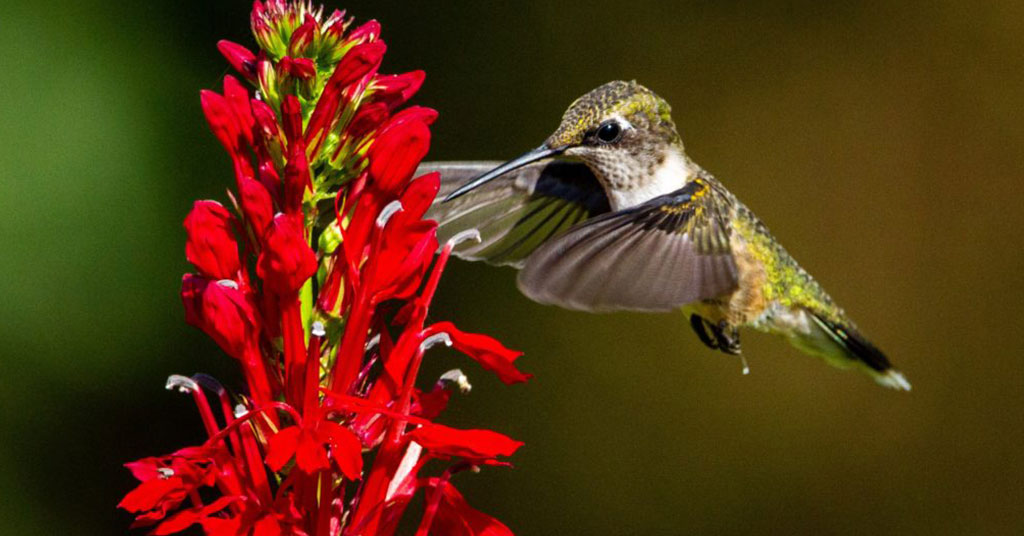
Cardinal Flower, native to the wetlands and stream banks of eastern North America, is a show-stopping perennial with vivid red blossoms that seem to set the garden ablaze. These dramatic flowers attract a multitude of dragonflies, as well as hummingbirds and bees, drawn to their rich nectar. I’m always thrilled to see how Cardinal Flower’s vibrant display transforms a shaded garden area into a dynamic hotspot for wildlife, enhancing both visual appeal and ecological balance! Although it’s a native species, Cardinal Flower can be sensitive to overly rich soils, so a well-drained environment is key to keeping it healthy and non-invasive.
In addition to its eye-catching blooms, Cardinal Flower creates a microhabitat that supports beneficial insects and even provides shelter for small birds looking for a quiet nesting spot. Its natural tendency to grow along water margins makes it ideal for bordering ponds or streams, where its dramatic color stands out against the lush greenery. This plant not only adds beauty but also plays a critical role in maintaining a healthy, balanced ecosystem in your garden!
Joe-Pye Weed (Eutrochium maculatum)
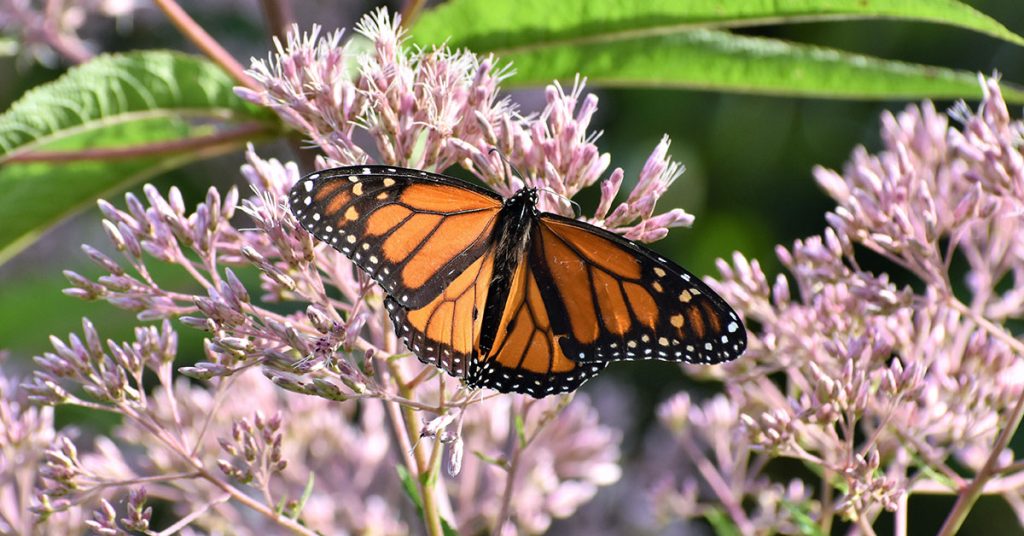
Joe-Pye Weed is a native perennial of North American wetlands, renowned for its tall, showy clusters of pink to purple flowers that attract an array of dragonflies. I’ve always been impressed by how this plant’s robust stature and dense flowering spikes create a natural beacon for dragonflies and other beneficial insects. The way Joe-Pye Weed sways gracefully in the summer breeze is a constant reminder of nature’s resilience and beauty. It remains non-invasive in a well-managed garden and thrives in moist, sunny conditions, making it an excellent addition to any water feature area.
Moreover, Joe-Pye Weed enhances your garden’s ecosystem by providing essential habitat for beneficial pollinators and small invertebrates. Its sprawling roots help stabilize the soil near water bodies, reducing erosion and improving water quality. This natural synergy not only supports a thriving insect population but also contributes to the overall health and productivity of your landscape. It’s a true testament to the power of native plants in creating a harmonious garden!
Blue Vervain (Verbena hastata)
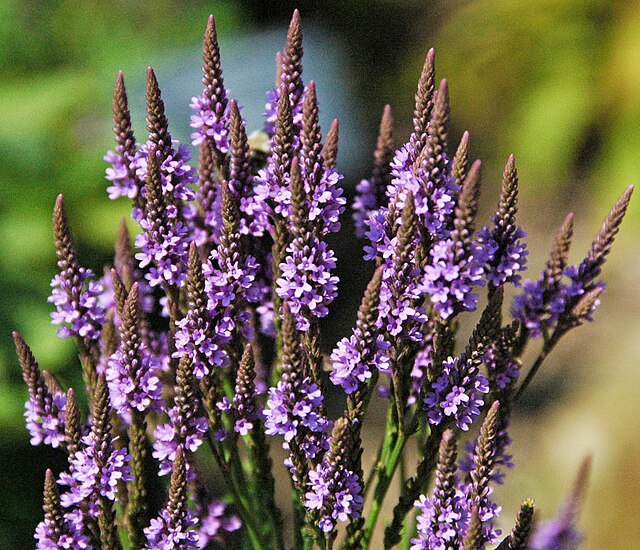
Blue Vervain, native to North America, is a perennial herb known for its slender spikes of delicate, sky-blue flowers that exude a calming charm. These blossoms attract dragonflies, along with a host of bees and butterflies, creating a lively microhabitat that enhances your garden’s biodiversity. I love how Blue Vervain’s airy, graceful form adds both a splash of color and an inviting scent to any sunlit garden area! Despite its vigorous growth in the wild, cultivated Blue Vervain is non-invasive and thrives with minimal care, making it a sustainable choice for eco-conscious gardeners.
In addition to drawing in pollinators, Blue Vervain provides a natural perch for dragonflies as they hunt for smaller insects among its flowering spikes. Its fine, feathery leaves contribute to a soft, natural texture that contrasts beautifully with bolder plants. The plant’s native habitat in prairies and open woodlands ensures that it is well-adapted to full sun and dry conditions, making it a reliable and resilient choice for your garden. It’s a delightful, low-maintenance herb that brings a touch of tranquility and ecological balance to your outdoor space!
Swamp Milkweed (Asclepias incarnate)

Swamp Milkweed is a graceful perennial native to the wetlands of North America, known for its fragrant clusters of pink to white flowers that attract a dazzling array of pollinators, including dragonflies. I’ve always been enchanted by its elegant, arching stems and the way its blossoms seem to shimmer in the summer light, creating a natural, ethereal display. Its ability to thrive in moist, sunny conditions makes it a perfect choice for pond edges or damp garden beds, and it remains non-invasive when cultivated properly.
Beyond its stunning floral display, Swamp Milkweed plays a pivotal role in supporting wildlife. It not only offers nectar to dragonflies and bees but also provides a safe haven for small insects and even serves as a potential nesting spot for certain bird species. Its roots help stabilize wet soils, contributing to overall ecosystem health and reducing erosion. This remarkable plant embodies the delicate balance between beauty and function, ensuring that your garden remains vibrant and alive all season long!
Pickerel Rush (Pontederia cordata)

Pickerel Rush, native to North America’s freshwater marshes, is a striking aquatic plant with graceful, paddle-shaped leaves and clusters of blue-violet flowers. Its elegant, upright growth along the edges of ponds or water features makes it a magnet for dragonflies and other beneficial insects, which are drawn to its nectar-rich blossoms. I’m always delighted by how Pickerel Rush transforms a water garden into a serene, natural paradise, where dragonflies dart gracefully above the water’s surface! Although it spreads naturally along water margins, it is generally non-invasive in a well-managed garden setting.
In addition to its visual appeal, Pickerel Rush plays a crucial role in supporting aquatic ecosystems. Its roots help stabilize pond banks and improve water quality, while its dense foliage provides shelter and breeding grounds for small aquatic organisms and amphibians. This plant’s ability to attract a diverse array of wildlife makes it a valuable addition to any garden with a water feature, creating a balanced, vibrant ecosystem that benefits the entire landscape. It’s a natural, multifunctional wonder that bridges the gap between land and water beautifully!
Marsh Marigold (Caltha palustris)
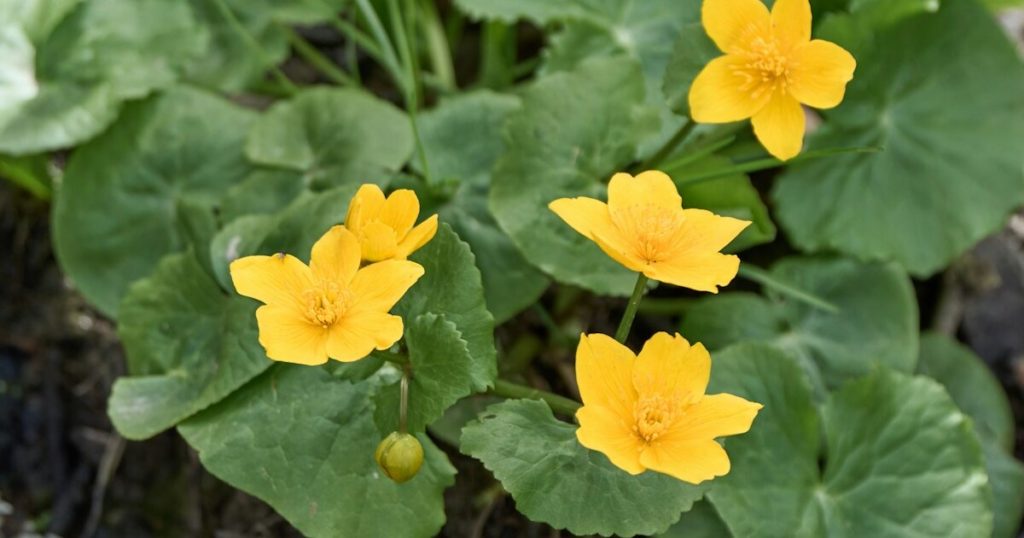
Marsh Marigold, native to the wetlands of Europe and North America, is a charming perennial that bursts into cheerful, butter-yellow blooms in early spring. Its radiant flowers, which thrive in moist, sunlit conditions, attract dragonflies along with a host of bees and butterflies, creating a lively microhabitat in and around water. I love how Marsh Marigold brings a burst of sunshine to damp garden areas, transforming even the gloomiest wetland corners into vibrant, blooming displays! While it prefers marshy environments, it remains non-invasive in managed settings, making it ideal for naturalized garden beds.
In addition to its stunning blossoms, Marsh Marigold plays an essential role in wetland ecology by stabilizing soil and promoting healthy water flow. Its broad leaves help filter impurities from the water, creating a cleaner, more balanced ecosystem that benefits all nearby plants and wildlife. The plant’s natural behavior and delicate beauty make it a beloved addition to any garden that includes a water feature or damp, shady area. It’s a true celebration of nature’s resilience and a charming way to attract beneficial insects and dragonflies alike!
Blue Flag Iris (Iris versicolor)
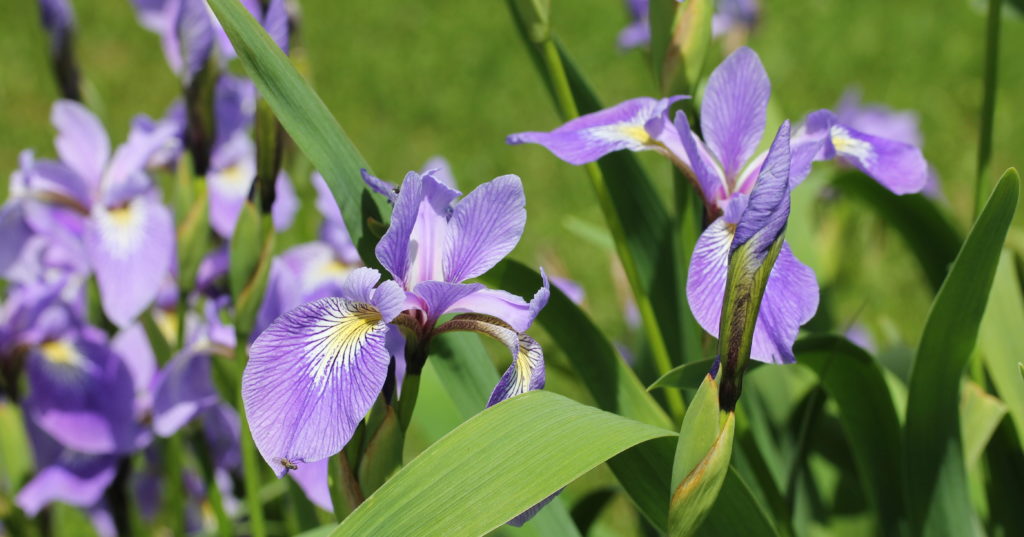
Blue Flag Iris, native to North America, is a stunning perennial renowned for its striking blue-violet flowers and graceful, sword-like foliage. Thriving in wet, sunny environments, this plant is a natural magnet for dragonflies and other pollinators that frequent pond margins and damp garden beds. I’m always captivated by the way Blue Flag Iris adds a splash of regal color to any water feature, creating a natural, serene backdrop that draws the eye and the dragonflies! While it can spread naturally in wetlands, it remains non-invasive in a controlled garden environment, making it an ideal choice for eco-friendly landscaping.
In addition to its ornamental beauty, Blue Flag Iris contributes to the overall health of your garden by stabilizing wet soils and improving water quality. Its deep roots help bind the soil, preventing erosion and supporting a diverse array of beneficial microorganisms. The elegant blooms and stately form of this iris not only enhance the visual appeal of your garden but also create a nurturing habitat that supports local wildlife. It’s a true testament to nature’s splendor, adding both elegance and ecological value to your outdoor space!
Water Lily (Nymphaea spp.)
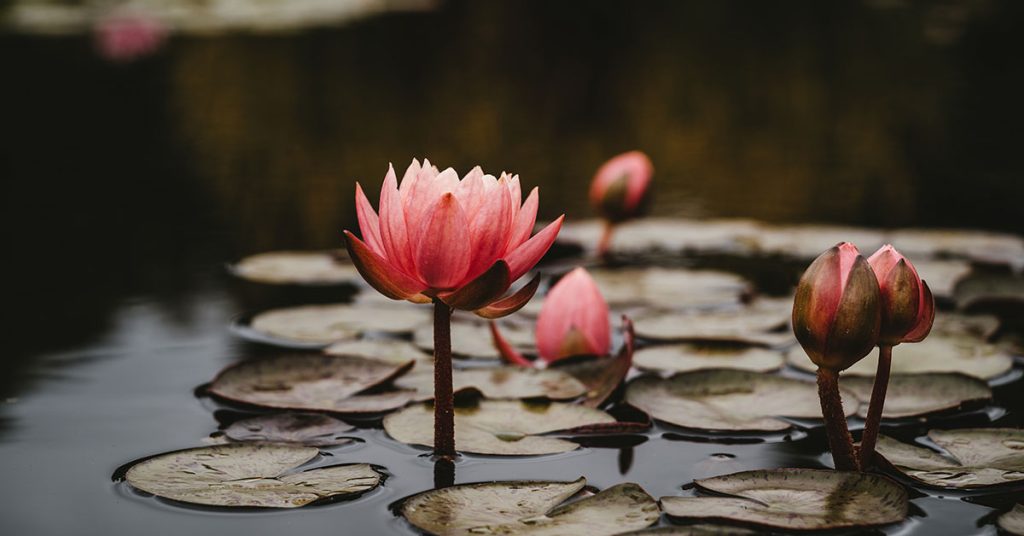
Water Lilies are the crown jewels of any aquatic garden, native to temperate and tropical regions around the world. These enchanting plants float gracefully on the surface of ponds, their broad, rounded leaves and stunning, fragrant blooms creating a mesmerizing display that attracts dragonflies, bees, and even small water birds. I love how Water Lilies transform a simple water feature into a serene, magical oasis where nature and tranquility converge! Although some species can spread vigorously in the wild, cultivated Water Lilies are typically non-invasive when maintained in a managed pond or water garden.
In addition to their captivating beauty, Water Lilies play a vital role in improving water quality by providing shade and reducing algae growth. Their dense foliage creates a microhabitat that supports aquatic insects and offers nesting spots for small birds along the pond’s edge. This natural interplay between water, light, and life makes Water Lilies a perfect choice for anyone looking to enhance their garden’s biodiversity. They’re a living testament to nature’s artistry, turning any water garden into a sanctuary of beauty and serenity.
Wild Rice (Zizania palustris)
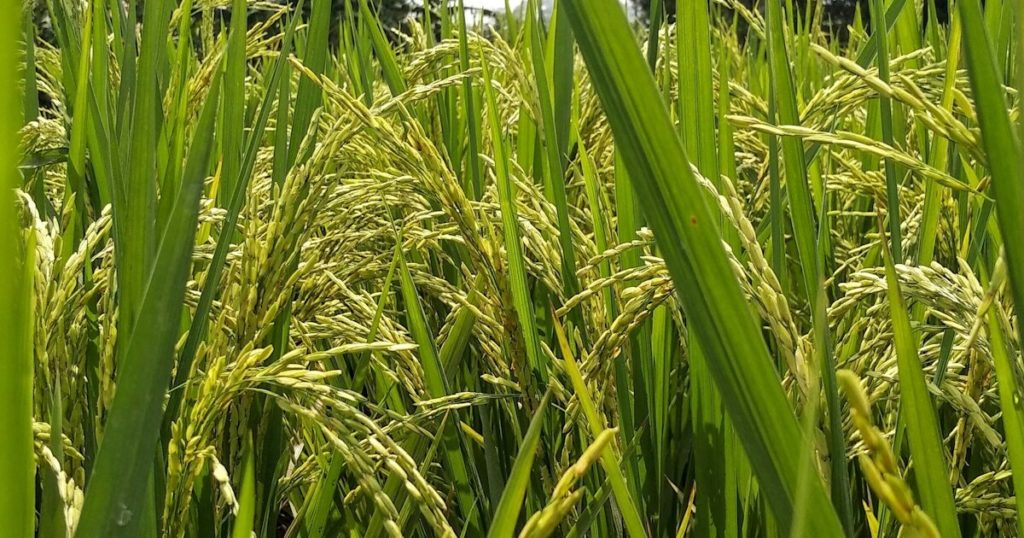
Wild Rice is an aquatic grass native to North America that offers an unexpected yet charming addition to a garden focused on attracting dragonflies. Thriving in shallow water or along wet margins, Wild Rice produces delicate, feathery plumes that sway gracefully in the breeze, drawing in dragonflies and other beneficial insects. I’ve been fascinated by how this plant not only provides a unique texture and height to water gardens but also supports natural pest control by hosting a variety of pollinators! Although wild rice can self-seed in natural wetlands, cultivated varieties in managed gardens remain non-invasive and easy to control.
Beyond its ornamental appeal, Wild Rice plays an important role in enhancing water quality and stabilizing pond edges. Its deep, fibrous roots help bind the soil, reducing erosion and improving the overall structure of the aquatic habitat. The plant’s natural growth cycle contributes to a vibrant ecosystem, where dragonflies and other insects find ample food and shelter. Incorporating Wild Rice into your garden adds both beauty and ecological function, making it a must-have for any water feature dedicated to supporting wildlife.
Cattails (Typha spp.)
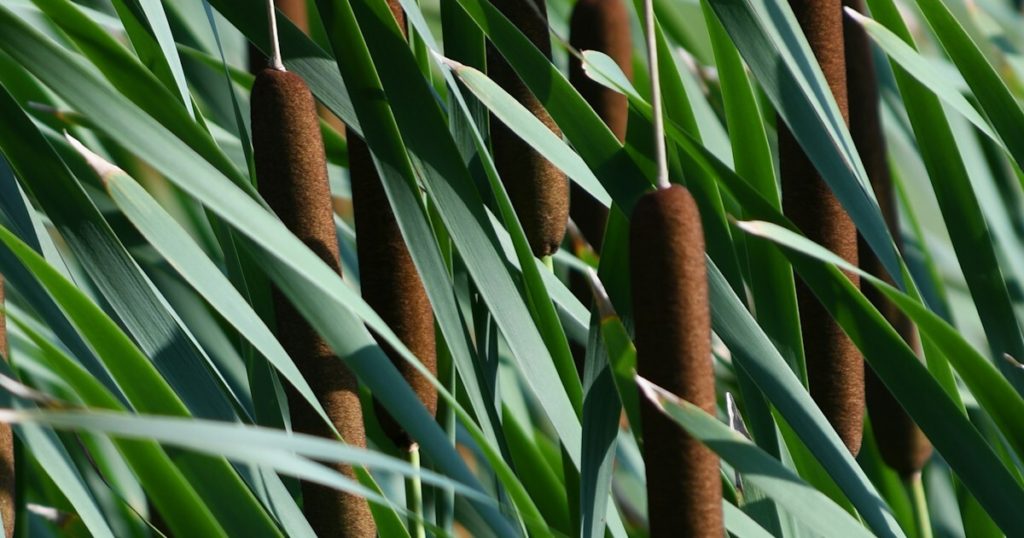
Cattails are iconic wetland plants native to North America that bring a wild, untamed beauty to water gardens and pond margins. Their tall, reed-like stalks and distinctive brown, cigar-shaped flower spikes provide a striking visual contrast against the lush greenery. I’ve always been impressed by how cattails create a natural haven for dragonflies and other pollinators, as well as a safe nesting area for small birds! While they can be invasive in some unmanaged wetlands, in a well-controlled garden setting, cattails remain non-invasive and contribute significantly to the ecological balance of your water feature.
In addition to their ornamental value, cattails play a crucial role in filtering and purifying water. Their dense root systems help stabilize soil, prevent erosion, and capture excess nutrients, creating a healthy environment for aquatic life. The structure of cattails offers shelter for beneficial invertebrates and supports the natural food web, enhancing the overall biodiversity of your garden. Growing cattails near your water garden not only elevates the landscape visually but also reinforces the sustainable, eco-friendly ethos of your outdoor space!
Sedges (Carex spp.)

Sedges, particularly native varieties like Carex pensylvanica, are versatile perennial grasses that thrive in moist, sunlit areas and make excellent companions in water gardens and along pond edges. These non-invasive plants offer delicate, arching foliage that creates a soft, natural border, inviting dragonflies and other beneficial insects into your garden. I’m always delighted by how sedges add texture and movement to a landscape, their graceful blades dancing in the breeze and creating a serene, natural vibe! Their native adaptability ensures that they integrate seamlessly into the local ecosystem without overtaking your garden.
Beyond their visual charm, sedges play a vital role in supporting soil health and water quality. Their extensive root systems help stabilize soil, improve drainage, and retain moisture, which benefits all surrounding plants. The natural habitats formed by sedges encourage a diverse range of pollinators and small wildlife, creating a balanced, resilient ecosystem. They’re a sustainable, low-maintenance option that enhances both the beauty and functionality of your outdoor space.
Swamp Hibiscus (Hibiscus moscheutos)

Swamp Hibiscus, native to the wetlands of eastern North America, is a striking perennial that thrives in moist, sunny conditions and adds a tropical flair to any water garden. Its large, showy blossoms, which range from pink to deep red, are a magnet for dragonflies, bees, and butterflies, turning your pond edge into a vibrant, lively oasis! I’m always amazed by how Swamp Hibiscus not only provides dramatic visual impact but also supports a thriving ecosystem by offering natural nesting sites for beneficial insects. Although it grows vigorously, this plant remains non-invasive in managed garden settings, making it a safe and stunning choice.
In addition to its ornamental appeal, Swamp Hibiscus plays a critical role in stabilizing wet soils and filtering water. Its broad leaves and robust root system help prevent erosion and improve water quality, creating a balanced microhabitat for a variety of aquatic life. The plant’s natural behavior of attracting pollinators and serving as a perch for dragonflies makes it an invaluable component of any water garden. It’s a true celebration of nature’s resilience and beauty, perfect for gardeners seeking to enhance their outdoor space with a touch of tropical elegance!
Arrow Arum (Peltandra virginica)
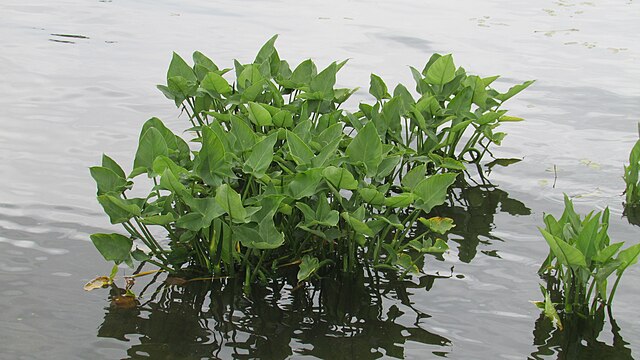
Arrow Arum, native to the wetlands of North America, is a unique perennial that adds both texture and interest to your water garden. Its broad, arrow-shaped leaves and subtle, inconspicuous flowers create a natural, sculptural effect that serves as a backdrop for the vibrant life around water features. I’m always captivated by how Arrow Arum’s lush foliage offers shelter for beneficial invertebrates and small birds, forming a natural microhabitat that enhances the overall ecosystem. Although it thrives in wet conditions, Arrow Arum is non-invasive when cultivated in a controlled garden setting, making it an excellent choice for sustainable landscaping.
Beyond its decorative qualities, Arrow Arum plays a vital role in water purification and soil stabilization. Its extensive root system helps bind the soil and filter impurities from the water, contributing to a healthier aquatic environment. The plant’s native status means it has evolved to coexist with local wildlife, attracting pollinators and providing a natural refuge for beneficial insects. Growing Arrow Arum near your pond not only enriches the visual appeal of your garden but also supports a balanced, thriving ecosystem that benefits all the plants and creatures around it!
Soft Rush (Juncus effusus)
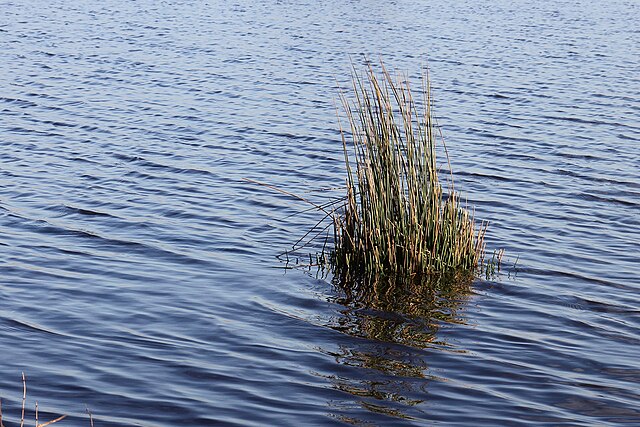
Soft Rush, a perennial grass native to wetlands across North America and Europe, is a superb choice for creating a natural, living edge around ponds and water features. Its tall, graceful, reed-like stems and feathery seed heads add a soft, organic texture that complements the vibrant activity of dragonflies and other pollinators. I’m always impressed by Soft Rush’s ability to thrive in damp conditions, offering a natural barrier against erosion and providing excellent cover for nesting insects and small birds. Its non-invasive nature ensures that it integrates beautifully into your garden without overtaking other species.
In addition to its ornamental qualities, Soft Rush plays an essential role in maintaining water quality and soil stability. Its robust root system helps to secure the soil along water margins, reducing erosion and improving drainage. The plant’s airy structure creates microhabitats that support a rich diversity of beneficial soil organisms, contributing to a balanced ecosystem. Soft Rush is a versatile, low-maintenance plant that not only enhances the beauty of your water garden but also fortifies it against environmental challenges—a true natural marvel!
Sweet Flag (Acorus calamus)
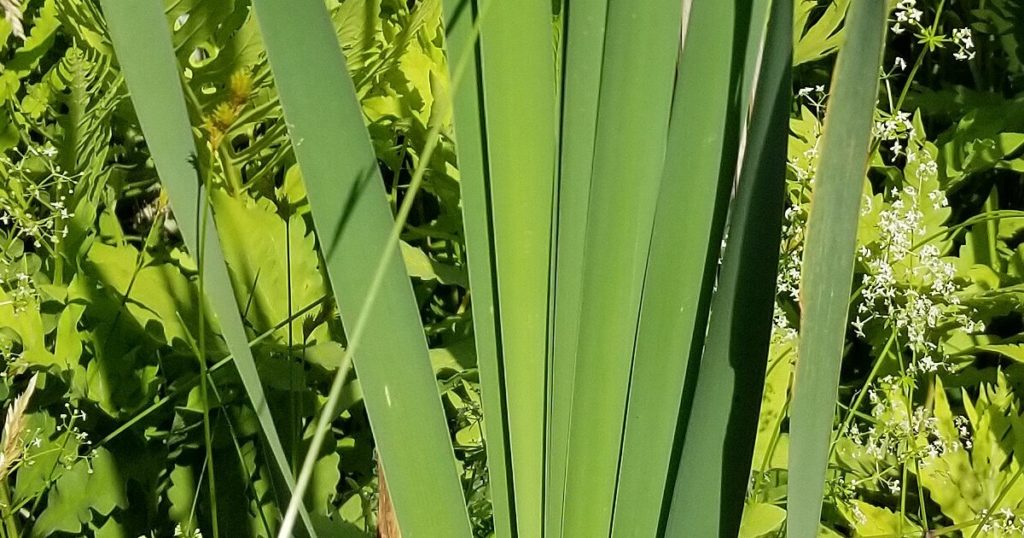
Sweet Flag, native to wetlands in Asia and parts of Europe, is a unique, fragrant perennial that adds an exotic touch to any water garden or moist landscape. Its arching, reed-like leaves and delicate, spadix-like flowers create a soft, elegant display that is especially attractive to dragonflies and other beneficial pollinators. I love how Sweet Flag’s aromatic presence transforms a simple water edge into a sensory delight, infusing the air with a subtle, spicy fragrance that’s utterly captivating! However, it’s important to note that in some regions, Sweet Flag can be invasive, so be sure to check your local guidelines and manage it accordingly.
Despite its potential for invasiveness in uncontrolled environments, when cultivated responsibly in a garden setting, Sweet Flag remains a non-invasive, valuable addition. Its natural behavior in wet conditions includes creating a dense, stabilizing mat that prevents soil erosion and improves water quality. This remarkable plant not only enhances the visual appeal of your water garden but also contributes to a balanced ecosystem by supporting beneficial soil microbes and providing shelter for small wildlife. It’s an enchanting, multifunctional plant that brings a touch of the exotic to your garden!