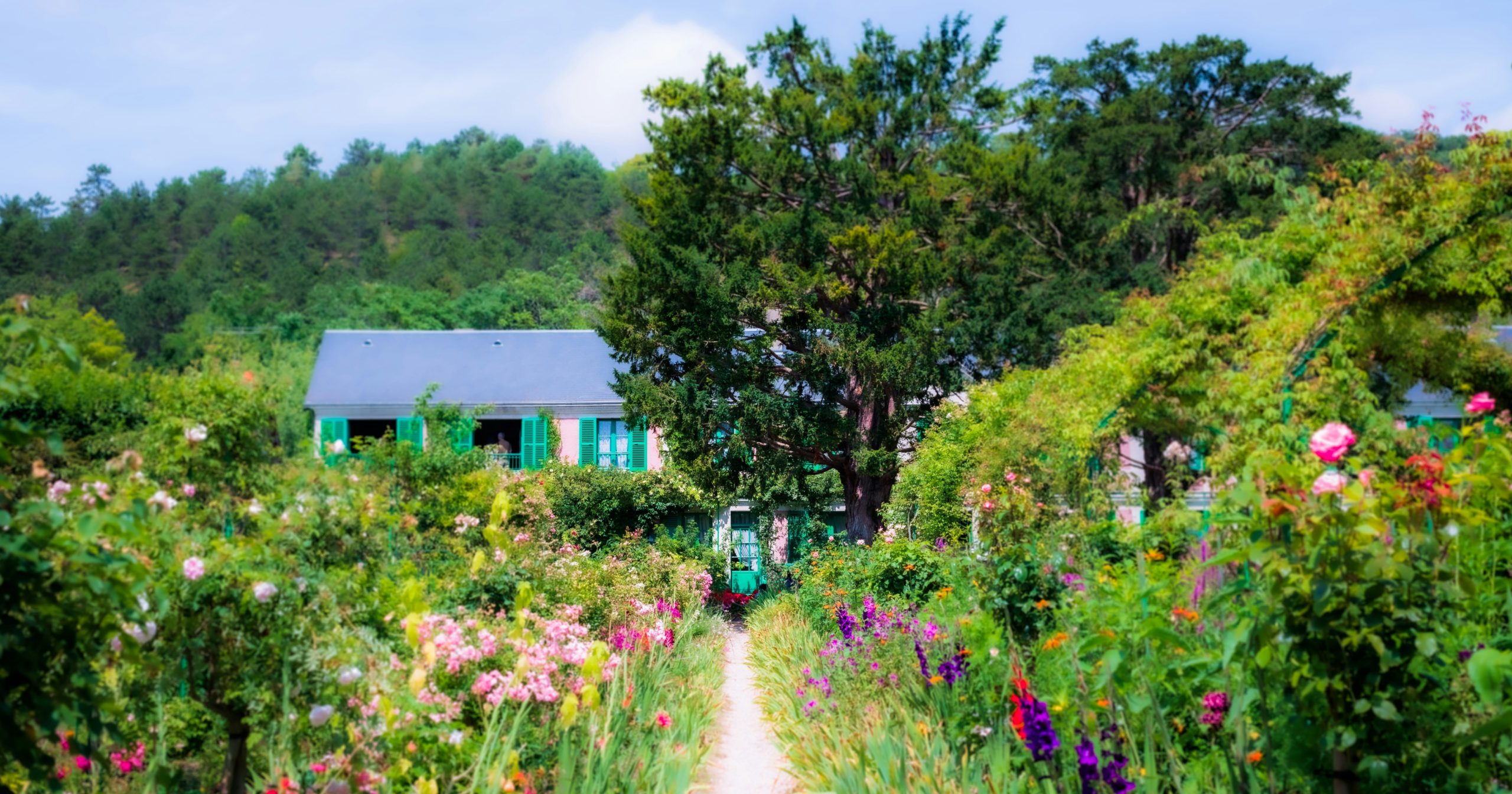

I’ve been there—wishing my garden could be a perpetual oasis of color, fragrance, and life. Over the years, I’ve discovered that the secret to a thriving garden lies in embracing seasonal maintenance tips that work in harmony with nature. Whether it’s prepping your beds for the vibrant rebirth of spring or protecting delicate blooms during winter’s chill, the right strategies can transform your outdoor space into a year-round haven. It’s such a bummer when unexpected weather or pests ruin your hard work, so let’s dive into some practical tips that ensure your garden remains gorgeous in every season!
I’m excited to share a variety of seasonal maintenance tips that will not only preserve your garden’s beauty but also support its natural ecosystem. From enhancing soil fertility and attracting beneficial wildlife to implementing smart pruning techniques and eco-friendly pest control, these tips are designed with both aesthetics and sustainability in mind. Each section is packed with details on the native origins of plants, their ecological behaviors, and whether they’re invasive—so you can make informed decisions for a healthy, balanced garden.
Summer Watering and Pest Management

During the sweltering summer months, keeping your garden lush and vibrant requires a delicate balance between hydration and natural pest control. Many plants, especially those native to drought-prone regions like the Mediterranean, have evolved to thrive on minimal water. I always ensure that my garden receives deep, infrequent watering to encourage strong root systems. This method not only conserves water but also minimizes the risk of fungal diseases—a common bummer when pests take over your garden! Meanwhile, by strategically placing water-loving companion plants alongside drought-tolerant species, you can create a self-regulating microhabitat that attracts beneficial insects while deterring harmful pests.
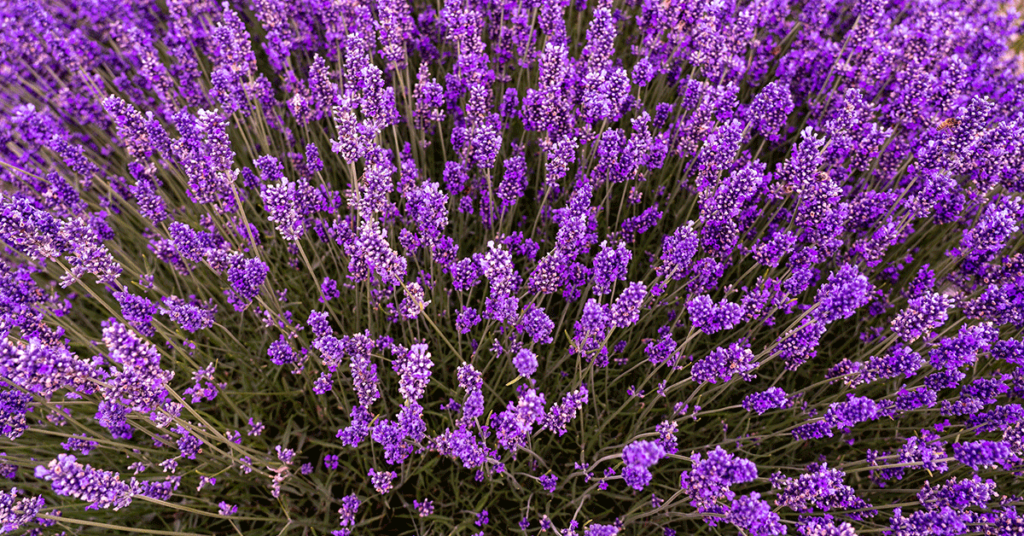
In addition to careful watering, summer is the perfect time to encourage natural pest management by planting wildflowers and herbs that are known for their pest-repelling properties. For example, incorporating native species like lavender and rosemary not only adds a delightful aroma but also draws in bees and butterflies that help control pest populations. Their deep roots and resilient structures, honed in arid conditions, ensure they remain non-invasive while boosting overall garden health. With these strategies, your garden can stay gorgeous even under the intense summer sun!
Fall Cleanup and Soil Enrichment

As the vibrant colors of summer fade into the crisp air of fall, it’s time to focus on cleanup and soil enrichment. Fall cleanup involves removing spent blooms and decaying plant material, which might otherwise harbor pests and diseases over the winter. I make it a point to carefully compost these remnants, allowing the natural nutrients to cycle back into the soil. Many of the plants in my garden, whether native to North America or Europe, thrive on the rich, organic matter that results from a proper fall cleanup. This process not only revitalizes the soil but also attracts beneficial soil organisms and earthworms that aerate and enrich the earth.
Additionally, fall is the ideal season for planting cover crops and incorporating organic mulch to protect your garden during the colder months. By spreading a layer of natural mulch or planting nitrogen-fixing cover crops, you create a microhabitat that retains moisture, suppresses weeds, and provides essential nutrients for the next growing season. This practice mimics the natural leaf litter found in forests and fields where many plants are native, ensuring that your soil remains fertile and vibrant. It’s a sustainable way to prepare your garden for a robust spring rebirth!
Winter Protection and Pruning
Winter can be a harsh time for your garden, but with proper protection and timely pruning, you can ensure that your plants emerge healthy and strong in the spring. For many perennials, especially those native to temperate regions, providing a protective layer of mulch or straw can shield roots from freezing temperatures. I always take care to cover vulnerable plants with organic material, which not only insulates them but also gradually enriches the soil as it decomposes. This natural method of winter protection is far superior to chemical treatments and helps create a stable microhabitat that supports beneficial soil microbes even during the cold months.
Pruning in winter is also a crucial step in maintaining plant health. By removing dead or diseased branches, you encourage new growth and prevent the spread of pathogens—a true lifesaver when pests take over your garden! In addition, strategic pruning can help shape the plants to maximize sunlight exposure and improve air circulation, which is especially important for species that are native to warmer climates. I’ve found that this careful winter maintenance not only preserves the beauty of my garden but also sets the stage for a vibrant, flourishing spring. It’s a practice that pays dividends year after year!
Spring Garden Renewal
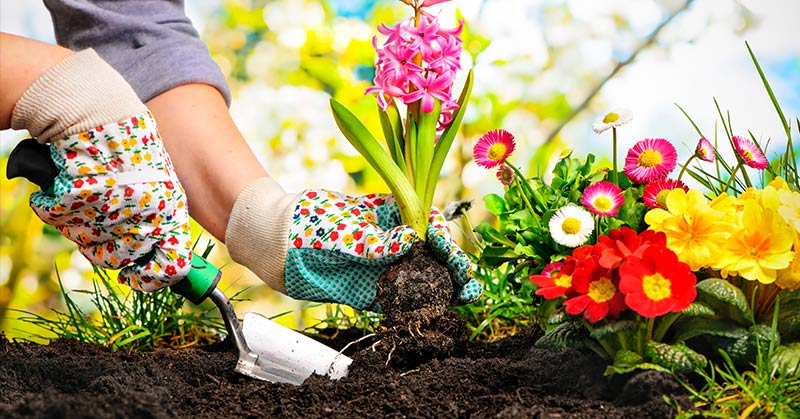
Spring is the season of renewal and rebirth, and it’s the perfect time to breathe new life into your garden with some proactive maintenance. As the weather warms and the days grow longer, many plants native to temperate regions begin to burst into bloom. I always kick off spring by clearing away winter debris and refreshing the soil with organic compost—this not only nourishes your plants but also attracts beneficial microbes and insects that support healthy growth! It’s such a bummer when neglected soil hampers plant development, so a thorough spring renewal is essential for a vibrant garden.
In addition to soil preparation, spring is the ideal time for planting new perennials and annuals that will provide color and function throughout the year. I love choosing plants that not only add beauty but also attract pollinators, such as bees and butterflies, to help with natural fertilization. By incorporating native species and ensuring proper spacing, you create a diverse microhabitat that mimics nature’s balance. This proactive approach sets the stage for a productive growing season, ensuring that your garden remains gorgeous and resilient from spring through summer and beyond!
Year-Round Mulching and Fertilization

A well-mulched and fertilized garden is the cornerstone of sustained beauty and productivity throughout the year. Mulching, using organic materials like shredded leaves or straw, helps retain moisture, suppress weeds, and provide a slow-release source of nutrients as it decomposes. I’ve seen firsthand how consistent mulching transforms the soil into a living, breathing ecosystem that attracts beneficial microbes and supports robust plant growth. This practice is especially important in gardens with plants native to dry or nutrient-poor regions, ensuring they remain healthy and non-invasive in your managed landscape!
Fertilization is equally critical for a year-round garden, as it replenishes the soil with essential nutrients that promote continuous blooming and vigorous growth. I always opt for organic fertilizers that mimic natural nutrient cycles, enhancing the soil’s structure and encouraging a thriving community of soil organisms. Together, mulching and fertilization create a nurturing microhabitat that not only boosts plant health but also supports beneficial insects and wildlife. It’s a sustainable approach that ensures your garden remains gorgeous in every season, with lush, vibrant plants that are the envy of every neighbor!
Attracting Beneficial Wildlife

One of the most exciting aspects of a well-maintained garden is its ability to attract beneficial wildlife. By choosing plants that provide natural nectar, pollen, and shelter, you can create a thriving habitat for birds, bees, and butterflies all year long. I’ve found that integrating a variety of perennials, such as coneflowers and bee balm, not only adds stunning visual appeal but also encourages nesting and foraging by local fauna. These natural allies play a vital role in pollination and pest control, contributing to a balanced and resilient garden ecosystem!
Furthermore, creating microhabitats with features like bird feeders, small water sources, and flowering borders encourages a diverse range of species to visit and nest in your garden. This biodiversity is essential for natural pest management and helps ensure that every plant in your garden can flourish. By focusing on plants that attract beneficial wildlife, you’re not only enhancing the beauty of your garden but also its ecological health. It’s a delightful, symbiotic relationship that makes your outdoor space a true haven for nature!
Efficient Pruning and Plant Health

Efficient pruning is key to maintaining a garden that’s not only beautiful but also robust and healthy year-round. Properly timed pruning helps remove dead or diseased growth, promotes better air circulation, and encourages new, vigorous blooms. I always ensure that I use clean, sharp tools to prune my perennials, which prevents the spread of pathogens and keeps the plants in top condition. Regular pruning creates open spaces that allow sunlight to reach the ground, attracting beneficial ground-dwelling insects and supporting healthy soil ecosystems!
Beyond its immediate benefits, effective pruning also helps shape the plants to maximize their natural behaviors, such as attracting pollinators and offering nesting sites for small birds. In my garden, I’ve noticed that well-pruned plants not only look more attractive but also contribute to a more balanced microhabitat, where every trimmed branch can encourage new growth and a richer bloom. This practice is essential for preventing overcrowding and ensuring that each plant has ample space to thrive, resulting in a garden that is as productive as it is picturesque.
Embracing Eco-Friendly Practices
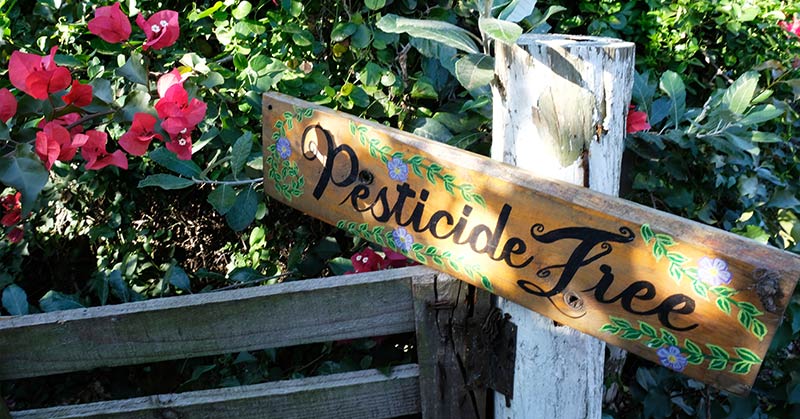
Embracing eco-friendly practices in your garden not only protects the environment but also creates a resilient, self-sustaining ecosystem. By reducing the use of chemical fertilizers and pesticides, you encourage the growth of beneficial soil organisms and pollinators that naturally support plant health. I’ve always been passionate about cultivating a garden that works in harmony with nature, and eco-friendly practices like composting and organic mulching help achieve that goal. These practices are particularly effective with perennial plants that are native to the area and remain non-invasive, ensuring that your garden remains a safe haven for wildlife!
Moreover, eco-friendly gardening fosters a dynamic microhabitat where every plant contributes to a balanced ecosystem. Natural pest control, efficient water usage, and organic soil enrichment all work together to create an outdoor space that is both productive and sustainable. This approach not only saves you time and money but also results in a garden that’s bursting with life and natural beauty. It’s a rewarding, holistic way to care for your garden that benefits both you and the planet, and it’s something I’m always excited to share with fellow gardeners!