
There’s something incredibly uplifting about a landscape that stays colorful and cheerful from early June to late September, no matter how hot the weather gets. I know how disappointing it can be when pests or harsh sunlight seem to rob your garden of its beauty. That’s why I’m excited to share 15 amazing plants that bloom all summer long, ensuring that your garden remains a lively oasis of color and life even when the heat is on!
In this article, I’ll take you on a journey through a diverse selection of summer bloomers—from native perennials that attract buzzing pollinators and provide nesting spots for beneficial insects, to annuals that add an instant splash of color without any invasive concerns. Each plant has its own fascinating history and unique characteristics, and I’ll share tips on how to care for them so they flourish all season. Whether you’re an experienced green thumb or just starting out, these plants are sure to inspire you to create a garden that’s vibrant, resilient, and full of endless summer joy!
Petunia
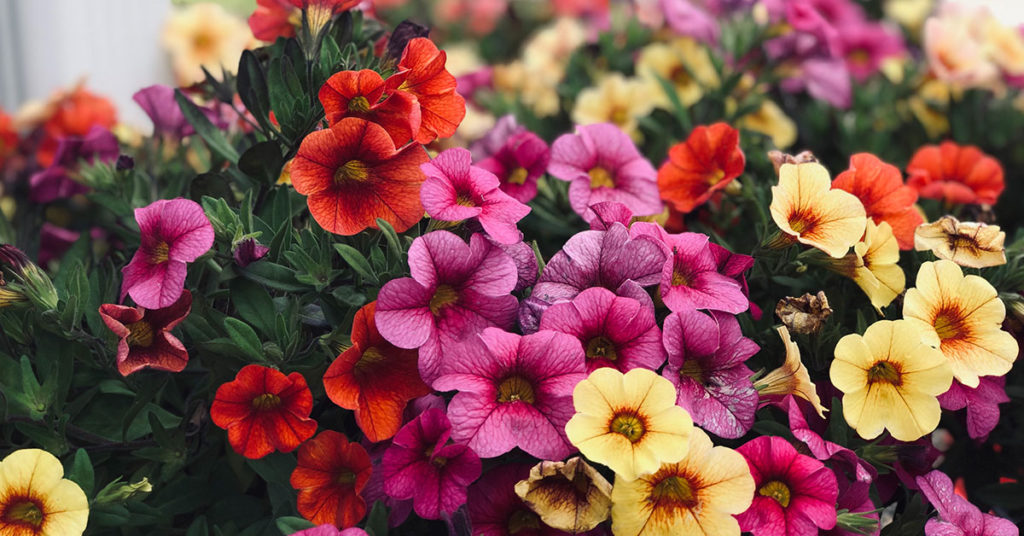
Petunias are a staple of summer gardens, celebrated for their abundant, trumpet-shaped blooms and a dazzling array of colors. Native to South America, these annuals have been selectively bred to produce a profusion of flowers that can withstand the heat and shine of summer sun. I love how petunias transform a garden with their cascading, colorful display—each blossom seems to capture the essence of summer! They’re non-invasive and easy to care for, making them an ideal choice for gardeners who want a quick, dramatic burst of color in their landscape.
Besides their visual appeal, petunias attract a host of beneficial pollinators like bees and butterflies, who are drawn to their nectar-rich blooms. Their vigorous growth can even provide a microhabitat for small insects that help keep pest populations in check. I’ve found that with proper watering and occasional deadheading, petunias will reward you with continuous blooms throughout the season. They truly embody the spirit of summer by filling every corner of your garden with life and color!
Lantana

Lantana is a vibrant, hardy plant native to tropical regions of the Americas, and it’s renowned for its clusters of multi-colored flowers that bloom abundantly throughout the summer. I’ve always been fascinated by its ability to thrive in hot, dry conditions while still producing a brilliant display of orange, yellow, red, or even purple blooms. Lantana’s natural charm is enhanced by its capacity to attract butterflies and bees—beneficial pollinators that help maintain a lively, biodiverse garden! Although it can be invasive in some tropical areas, when grown in controlled garden settings it remains beautifully manageable.
In addition to its eye-catching blossoms, lantana creates a natural microhabitat by offering shelter for small insects and sometimes even providing a cozy resting spot for tiny birds. The plant’s robust growth and drought tolerance make it an excellent choice for summer gardens, especially in regions where water conservation is a priority. I love how lantana not only fills the landscape with brilliant color but also contributes to the overall health of the ecosystem. It’s a true testament to nature’s resilience and vibrant spirit!
Zinnia
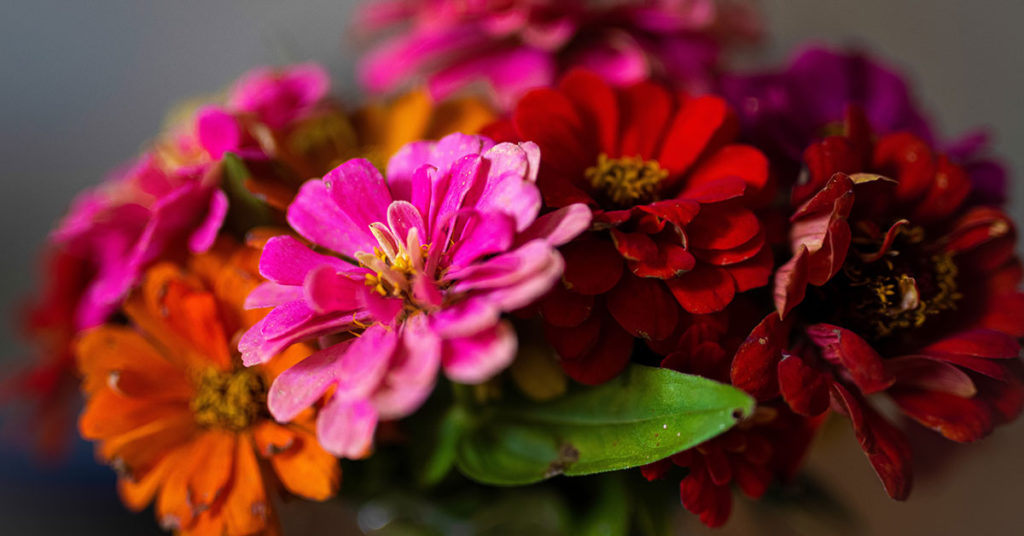
Zinnias, native to Mexico and the southwestern United States, are a favorite for gardeners seeking fast-growing annuals that burst into brilliant color. Their daisy-like blooms come in a kaleidoscope of hues, adding a playful and energetic vibe to any garden. I’ve always been thrilled by how quickly zinnias sprout and flower, creating a vibrant display that lasts from early summer until the first frost! These non-invasive plants are a fantastic choice for adding instant impact and are particularly attractive to butterflies and bees, which help pollinate the blossoms.
The cheerful, bold nature of zinnias makes them a delightful addition to any garden setting, whether used in mixed borders or as standalone focal points. Their open, inviting flowers create microhabitats that can encourage beneficial insects to take up temporary residence, adding to the overall biodiversity of your yard. With regular watering and well-draining soil, zinnias maintain their stunning color and form, making them a must-have for anyone looking to infuse their garden with nonstop summer cheer!
Salvia
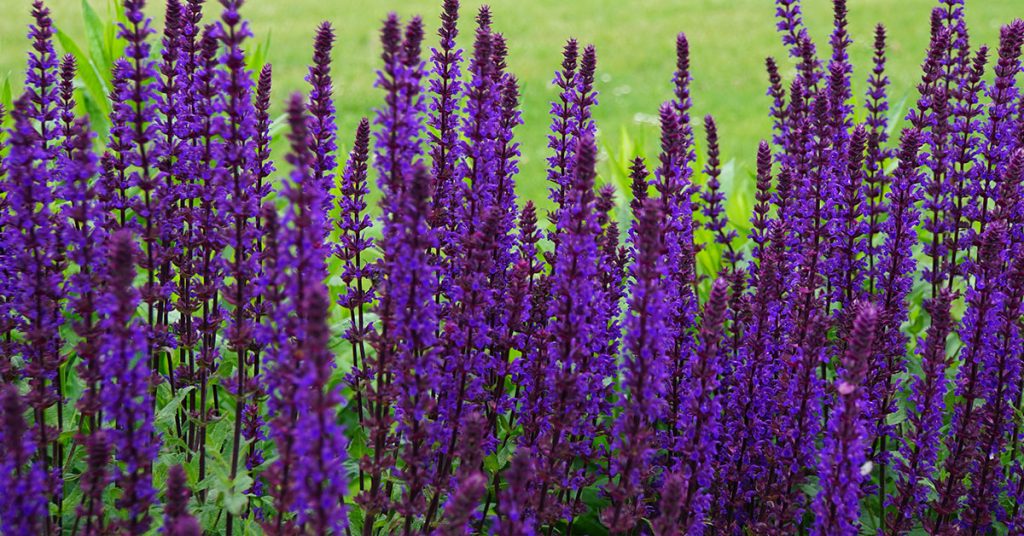
Salvia is an enchanting perennial native to the Mediterranean region, known for its spiky, vibrant flower spikes that bloom continuously throughout the summer. I’ve been captivated by its rich hues of blue, purple, red, and pink, which create dramatic focal points in any garden. Salvia’s long-lasting blooms are a magnet for bees and hummingbirds, providing essential nectar while adding a burst of color to your landscape. Its adaptability and non-invasive nature make it a reliable choice for gardeners who want to enjoy summer blooms without a lot of fuss!
In natural settings, salvia not only supports a diverse array of pollinators but also contributes to a healthy microhabitat by attracting beneficial insects that aid in pest control. The plant’s upright growth habit and sturdy stems offer a natural support structure for other plants, fostering an integrated ecosystem. I’ve found that salvia thrives with minimal maintenance, only requiring occasional pruning to encourage further blooming. It’s a true delight that keeps your garden lively and full of energy all summer long!
Marigold
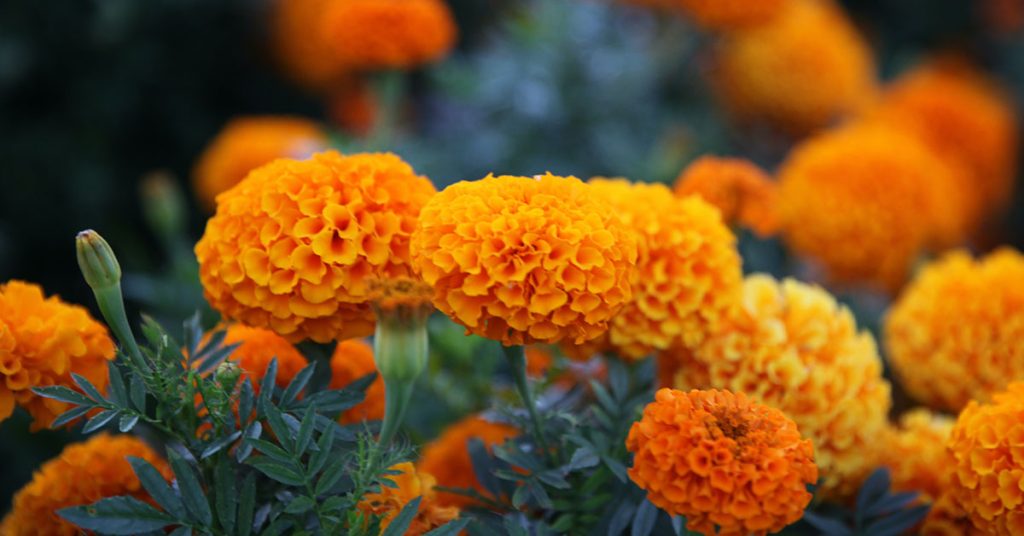
Marigolds, native to the Americas, are bright and cheerful annuals that are beloved for their fiery orange and yellow blossoms. These resilient flowers are perfect for adding a burst of warmth and color to your summer garden, and they bloom profusely even in the hottest weather! I love how marigolds have a dual purpose: not only do they beautify your landscape, but they also naturally deter pests with their strong aroma—a real bonus when you’re battling those pesky garden invaders.
Marigolds are also fantastic at attracting beneficial insects, such as ladybugs and parasitic wasps, which help control pest populations naturally. Their dense, vibrant blooms create mini microhabitats that encourage a diverse range of pollinators, enhancing the overall health of your garden ecosystem. With minimal care and robust growth habits, marigolds remain non-invasive while adding an energetic and protective barrier around your other plants. They’re a bright reminder that nature’s simplest flowers can yield the most profound benefits!
Coneflower (Echinacea)

Coneflowers, particularly Echinacea purpurea, are striking perennials native to North America that offer a brilliant display of purple-pink petals and a spiky, cone-shaped center. These robust blooms are celebrated not only for their beauty but also for their medicinal properties and their role in attracting pollinators. I’m continually impressed by how coneflowers thrive in various conditions, maintaining their vibrant colors all summer long even in less-than-ideal soil. Although wild varieties can be somewhat invasive in certain regions, cultivated coneflowers are typically well-behaved in managed gardens.
Beyond their ornamental value, coneflowers play a significant role in the ecosystem by drawing in bees, butterflies, and even hummingbirds. Their nectar-rich centers serve as a crucial food source for pollinators, and their sturdy structure can provide shelter for small beneficial insects. In my garden, these resilient blooms create a natural, thriving microhabitat that supports biodiversity and promotes a healthy balance. Their enduring beauty and ecological benefits make coneflowers a must-have for any summer garden!
Daylily
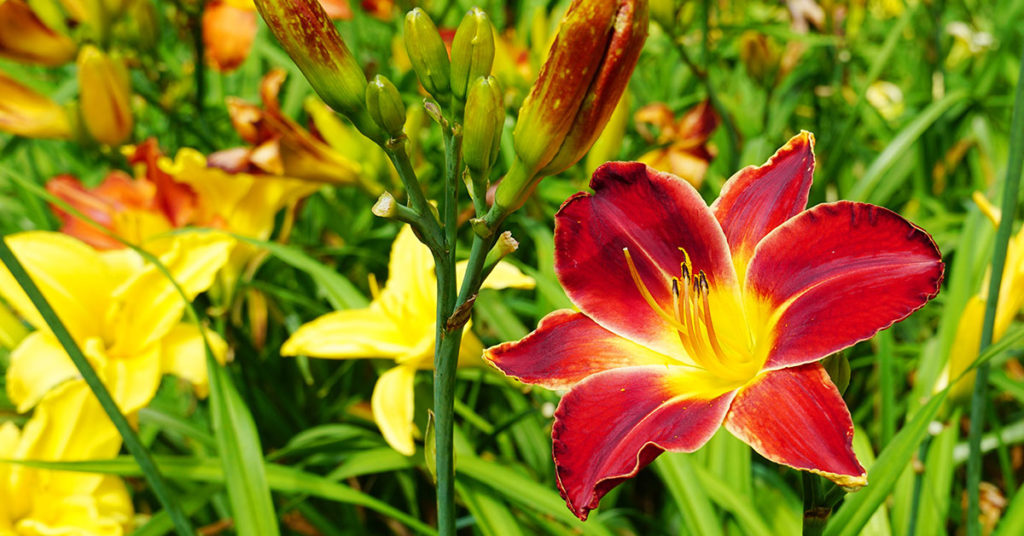
Daylilies are a perennial favorite for gardeners worldwide, known for their trumpet-shaped flowers that bloom brilliantly throughout the summer. Native to parts of Asia, daylilies have been celebrated for their hardy nature and low-maintenance requirements. Each flower lasts only a day, but the continuous cycle of blooms over the entire season creates a spectacular, ever-changing display! I love how daylilies can effortlessly fill a garden with a rainbow of colors, proving that even fleeting beauty can leave a lasting impression.
In addition to their stunning visual impact, daylilies attract a wide range of beneficial pollinators, including bees and butterflies, which help maintain a balanced microhabitat. Their dense clumps provide a natural shelter for small insects, contributing to a dynamic ecosystem in your yard. While some wild species can spread aggressively, cultivated daylilies remain non-invasive and manageable in most gardens. Their resilience and charm make them a reliable, colorful addition to any summer landscape!
Black-Eyed Susan
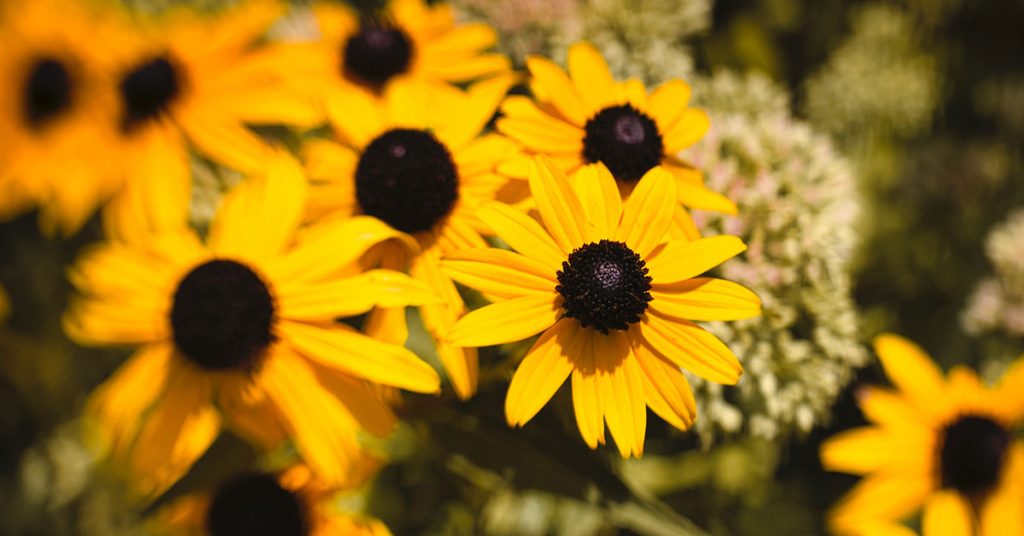
Black-Eyed Susans, native to North America, are iconic perennials that are known for their bright yellow petals and dark, contrasting centers. These cheerful blooms light up gardens all summer long and are exceptionally hardy, thriving in a variety of soil conditions. I’ve always found Black-Eyed Susans to be a joyful addition to my garden—they evoke a sense of warmth and optimism that is simply contagious! Their non-invasive nature makes them an excellent choice for creating a wildflower-like look without the worry of them overrunning your space.
Beyond their striking appearance, Black-Eyed Susans play an important role in attracting beneficial pollinators such as bees and butterflies. Their open, daisy-like structure offers a perfect landing pad for these tiny helpers, encouraging natural pollination and contributing to a vibrant microhabitat. In nature, these flowers help sustain local wildlife by providing a food source for various insects and birds. Their resilience and ease of care make them a staple for summer gardens, ensuring that your yard stays full of life and color all season long!
Blanket Flower (Gaillardia)
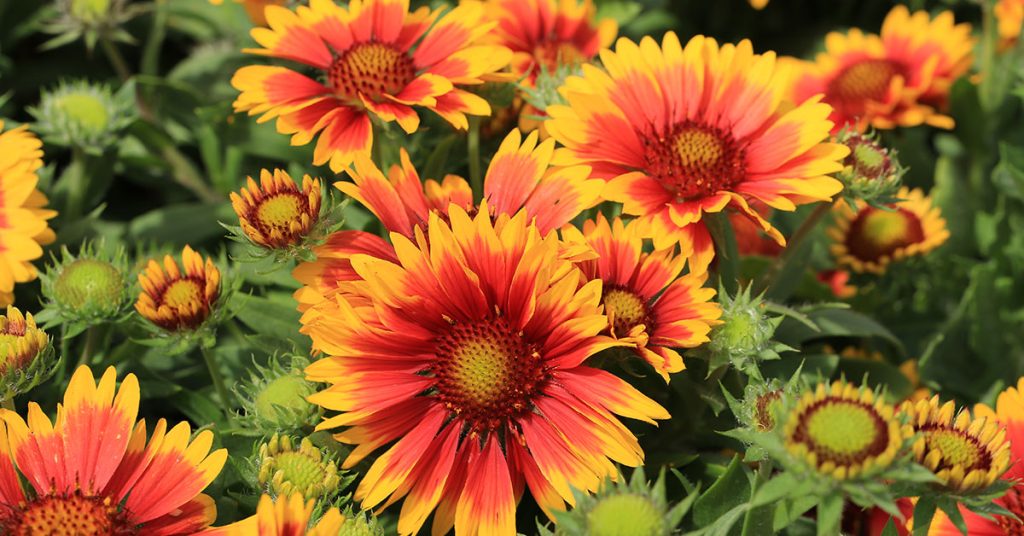
Blanket Flower, or Gaillardia, is a vibrant annual native to North America that is celebrated for its fiery, sunlit blooms. With its blend of red, orange, and yellow petals surrounding a contrasting central disc, this flower lights up any garden with a burst of color. I’ve been impressed by how well Blanket Flower performs throughout the summer, maintaining its brilliant display even in hot, dry conditions. While it’s known to self-seed in the wild, cultivated Blanket Flowers are generally non-invasive and easy to manage in a garden setting!
In addition to their dazzling appearance, Blanket Flowers attract an array of pollinators, including bees, butterflies, and even hummingbirds. Their open, daisy-like structure provides an ideal landing pad for these beneficial insects, creating a vibrant microhabitat that supports biodiversity. This natural synergy not only enhances the garden’s visual appeal but also promotes a healthy ecosystem. With minimal care and a robust growth habit, Blanket Flowers are a must-have for anyone seeking a continuous splash of summer color and ecological balance.
Coreopsis
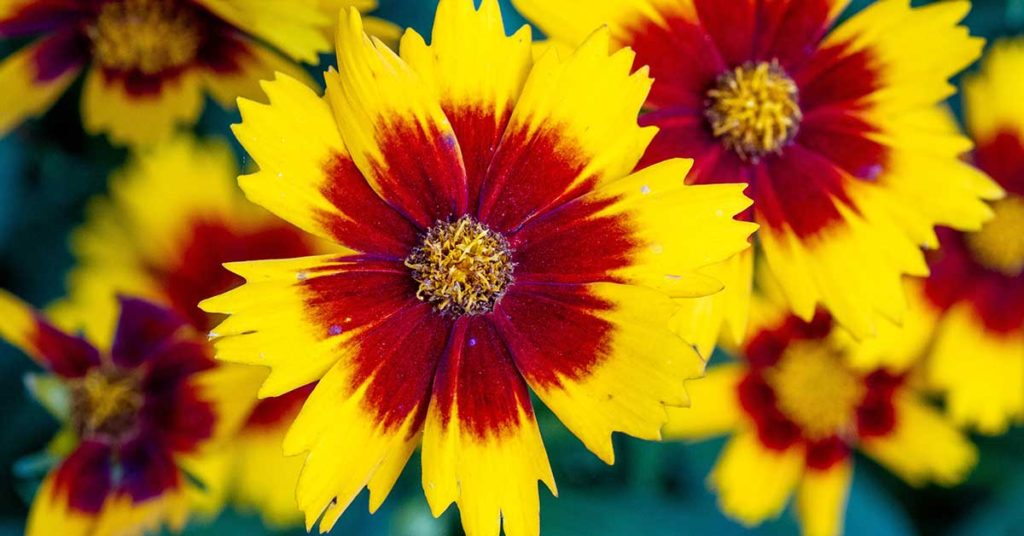
Coreopsis, also known as tickseed, is a cheerful perennial native to North America that produces masses of bright, daisy-like flowers throughout the summer. Its vibrant yellow blooms with hints of orange bring a burst of energy to any garden, making it a favorite among gardeners seeking continuous color. I’ve found that Coreopsis thrives in well-drained soil and full sun, yet it adapts remarkably well to various conditions, ensuring a long season of blooms! Though it can spread in wild settings, cultivated Coreopsis remains non-invasive and easily managed, perfect for adding sustained color to your landscape.
Coreopsis not only delights the eye but also supports a thriving microhabitat by attracting beneficial pollinators like bees and butterflies. Its open flower structure creates a welcoming environment for these tiny creatures, which in turn help with natural pest control and pollination. The natural interplay between the vibrant blooms and the insects makes Coreopsis an excellent choice for a dynamic, colorful garden. With its ease of care and robust performance, Coreopsis is a true celebration of summer’s endless energy and beauty!
Snapdragons
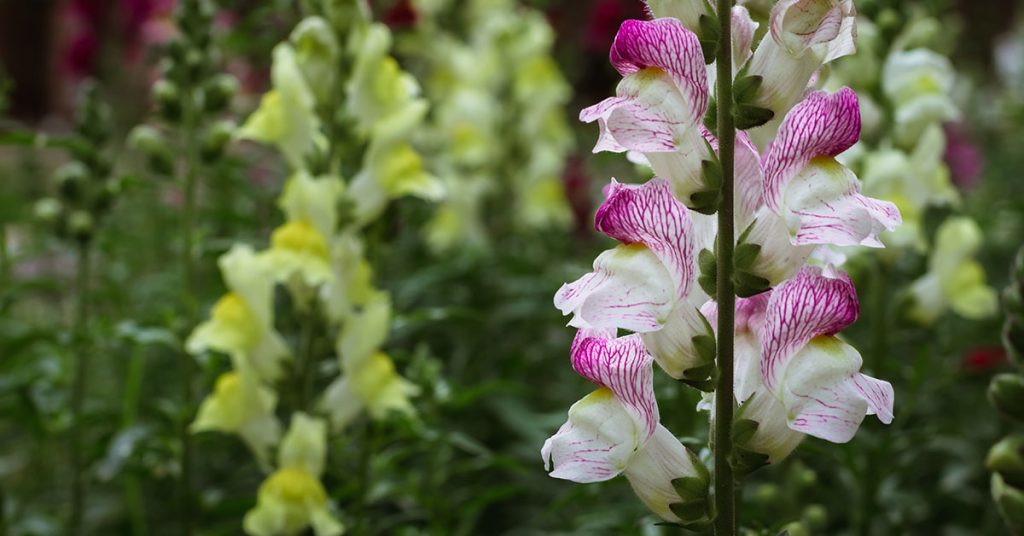
Snapdragons are a delightful and whimsical addition to any summer garden, known for their uniquely shaped, dragon-like blooms that come in a variety of colors. Native to the Mediterranean region, these annuals have been cherished for centuries for their playful appearance and long blooming period. I love how snapdragons add a touch of fantasy and charm to my garden—each flower seems to stand guard, as if protecting a secret, magical realm! Although snapdragons are not invasive, they require regular deadheading to maintain their vibrant display throughout the season.
Their distinctive blooms attract a wide range of pollinators, including bees and small butterflies, which help maintain a balanced microhabitat around the plants. The dense clusters of snapdragon flowers provide natural shelter for beneficial insects, creating a mini ecosystem that supports the overall health of your garden. Their ease of cultivation and striking form make snapdragons a perfect choice for gardeners who appreciate a touch of whimsy and a dash of drama in their summer landscapes. They’re a true celebration of nature’s playful spirit!
Nasturtiums
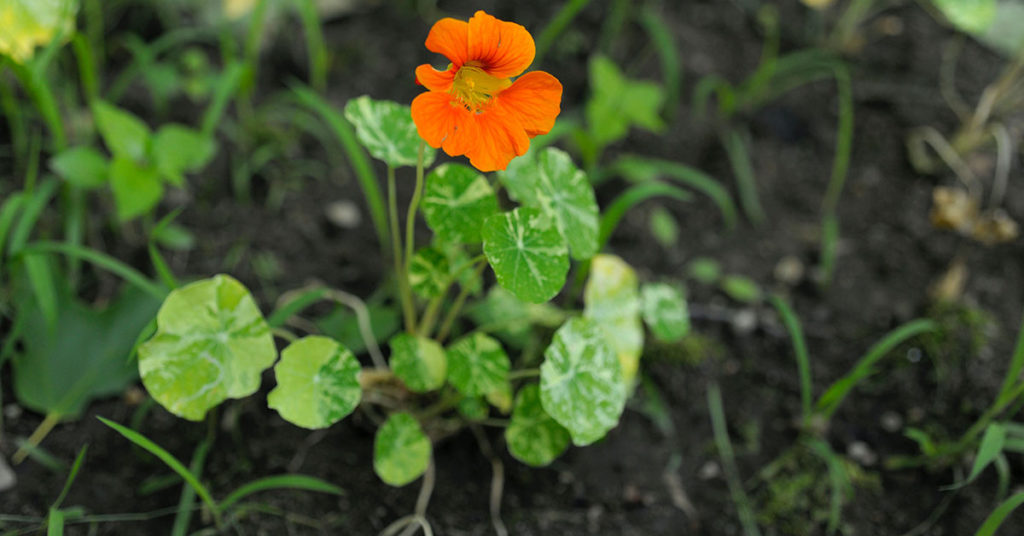
Nasturtiums are an unusual yet delightful addition to any summer garden, known for their vibrant, peppery blooms and edible leaves. Native to South America, these annuals are highly versatile—they brighten up garden borders with their vivid colors and can also be used in salads for a spicy kick. I’ve always been fascinated by how nasturtiums can add both beauty and flavor to a space, making them a practical yet whimsical choice for any garden. Their trailing habit makes them especially suited for hanging baskets or as ground cover, and they remain non-invasive in well-tended beds!
Beyond their culinary appeal, nasturtiums attract beneficial pollinators such as bees and hoverflies, which help maintain a vibrant, balanced ecosystem. Their lush, cascading foliage and bright, tubular flowers create natural microhabitats that support a variety of insects, adding to the overall biodiversity of your garden. Nasturtiums are not only a feast for the senses but also a functional addition that contributes to natural pest control. With minimal care and an exuberant display of color, nasturtiums are a perfect example of how beauty and utility can bloom side by side!
Hibiscus

Hibiscus is a tropical wonder that brings a splash of exotic color to summer gardens with its large, showy blooms. Native to warm regions around the world, including Asia and the Caribbean, hibiscus plants are celebrated for their dramatic, trumpet-shaped flowers that can fill a yard with brilliant reds, pinks, yellows, and oranges. I love the way hibiscus instantly transforms a garden into a tropical paradise, evoking feelings of vacation and relaxation even in the midst of summer’s heat! While some hibiscus species can be invasive in tropical climates, ornamental hibiscus grown in containers or managed landscapes remain beautifully contained.
The stunning flowers of hibiscus attract a host of pollinators, including bees and hummingbirds, which are drawn to their nectar-rich blooms. Their broad, lush foliage provides a natural habitat for small insects and creates a microenvironment that enhances soil moisture retention and overall garden health. With proper care and occasional pruning, hibiscus plants can thrive and bloom continuously throughout the summer, adding an exotic, cheerful touch to any landscape. They are a true celebration of tropical beauty and resilience, making them a must-have for gardeners seeking a splash of bold color!
Gardenia
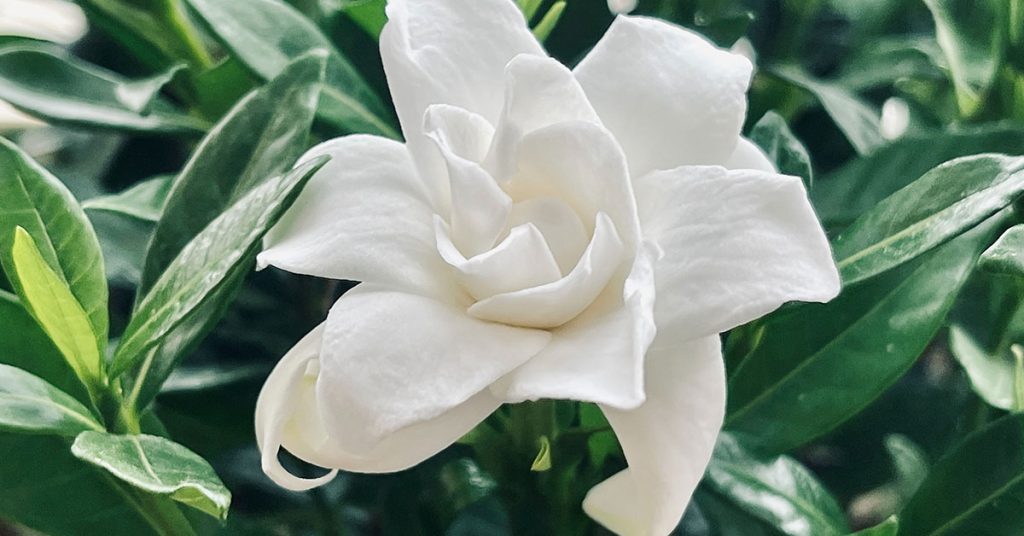
Gardenias are an elegant, fragrant option for summer gardens, renowned for their creamy, velvety blossoms and glossy evergreen leaves. Native to tropical and subtropical regions of Africa and Asia, gardenias have been cherished for centuries for their intoxicating scent and classic beauty. I’ve always been captivated by the way gardenias can fill a yard with a delicate perfume that lingers in the evening air—a sensory delight that instantly elevates the garden experience! While gardenias require a bit more care and attention to moisture levels, they remain non-invasive in cultivated gardens and are a true symbol of timeless beauty.
In addition to their alluring fragrance, gardenias attract beneficial insects such as moths and small bees that aid in natural pollination. Their dense, glossy foliage creates microhabitats that support a variety of soil microorganisms, contributing to a healthier overall ecosystem. Gardenias not only add color and aroma to your garden but also provide an oasis of calm and sophistication. Their ability to thrive in the right conditions makes them an exceptional choice for anyone who values both aesthetic and ecological harmony in their outdoor space!
Plumeria (Frangipani)

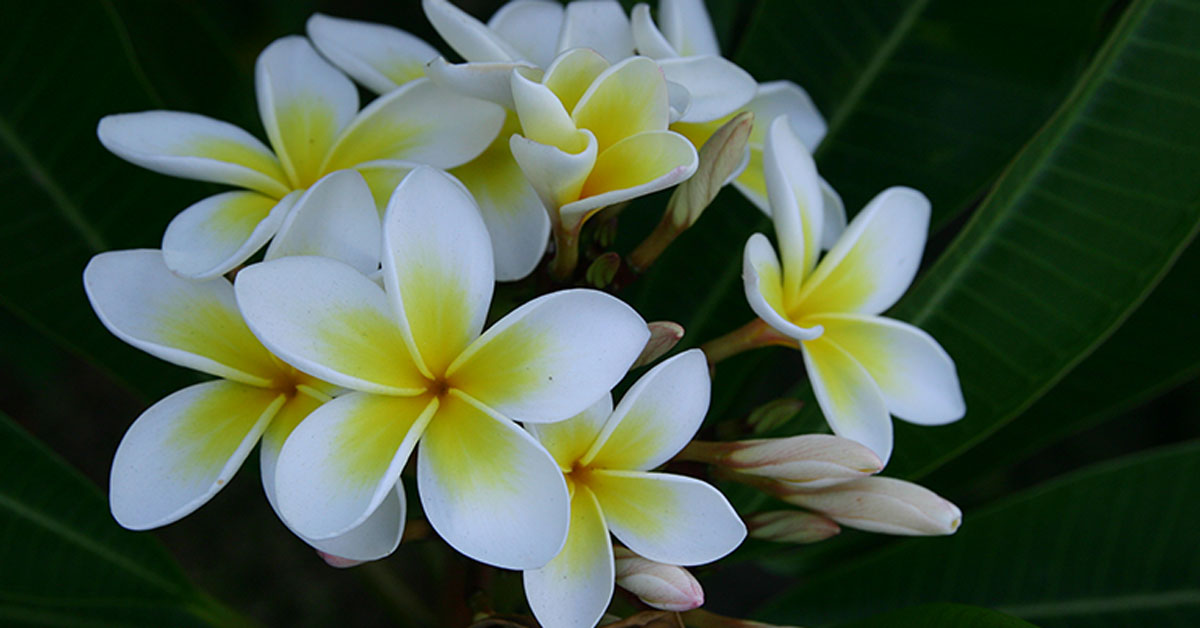
Plumeria, also known as Frangipani, is a tropical delight native to Central America and the Caribbean, celebrated for its gorgeous, multi-colored blossoms and rich, sweet fragrance. These trees produce clusters of star-shaped flowers that bloom throughout the summer, exuding an exotic charm that instantly transports you to a tropical paradise. I’ve been absolutely enchanted by the way plumeria transforms a garden into a vibrant, sensory experience, with its blooms attracting hummingbirds and butterflies that add to the magical ambiance! Although plumeria can be vigorous outdoors, when grown in pots or managed settings, they remain non-invasive and perfectly suited for adding tropical flair to your yard.
Plumeria not only delights the senses but also contributes to the overall biodiversity of the garden by creating microhabitats that support beneficial insects and small birds. Their dense, aromatic blossoms serve as natural lures for pollinators, ensuring a continuous cycle of bloom and renewal. With a little care and plenty of warmth, plumeria can thrive and become a striking focal point in any summer garden. Their ability to combine beauty, fragrance, and ecological benefits makes them an exceptional choice for anyone looking to infuse their space with a bit of tropical magic!