

If you’ve ever gazed upon a yard transformed by vibrant blossoms and felt a surge of joy, you know the magic that flowering trees can bring. There’s something truly inspiring about watching a tree burst into a riot of color, whether it’s the gentle blush of a redbud or the deep purple hues of a jacaranda. As a gardener who’s spent countless hours tending to these living works of art, I understand how disheartening it can be when your space lacks that captivating splash of natural color. That’s why I’m excited to share with you seven of the best flowering trees that can add unmatched beauty and vitality to your yard!
Each of these trees has its own fascinating history and unique behavior—from attracting beneficial pollinators and even offering nesting spots for small birds, to thriving in their native environments while remaining non-invasive in cultivated landscapes. In the following sections, I’ll dive into details about where these trees are native, how they interact with their surroundings, and why they deserve a special place in your garden.
Dogwood
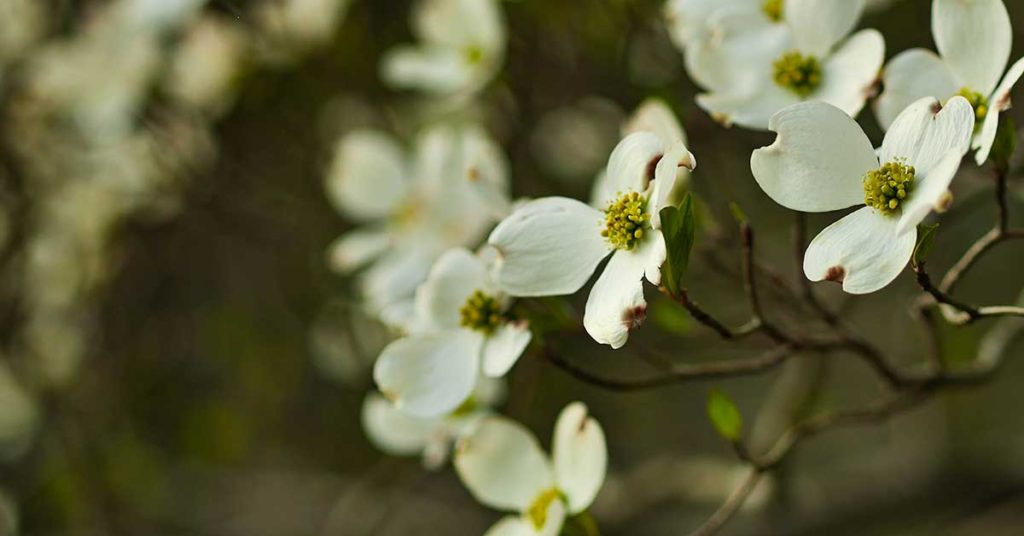
Dogwood trees, native to Eastern North America, are a true symbol of seasonal change with their brilliant spring blossoms and rich autumn foliage. These graceful trees produce clusters of delicate white or pink flowers that burst into bloom in early spring, creating an enchanting display that attracts pollinators like bees and butterflies. I’ve always been amazed by the way dogwoods transform my yard into a living tapestry of color and light, offering a natural remedy for the dullness of winter’s end! Their compact, ornamental form makes them ideal for smaller yards, and they generally maintain a non-invasive growth habit in cultivated landscapes.
In addition to their stunning floral display, dogwoods provide a welcoming habitat for small birds and beneficial insects. The dense branching and layered structure of their canopy can serve as nesting sites for various avian species, while the fallen leaves enrich the soil with organic matter. In my own garden, I appreciate how dogwoods not only enhance visual appeal but also contribute to the overall health of the ecosystem. Their gentle presence is a constant reminder that nature’s beauty is both intricate and enduring!
Magnolia
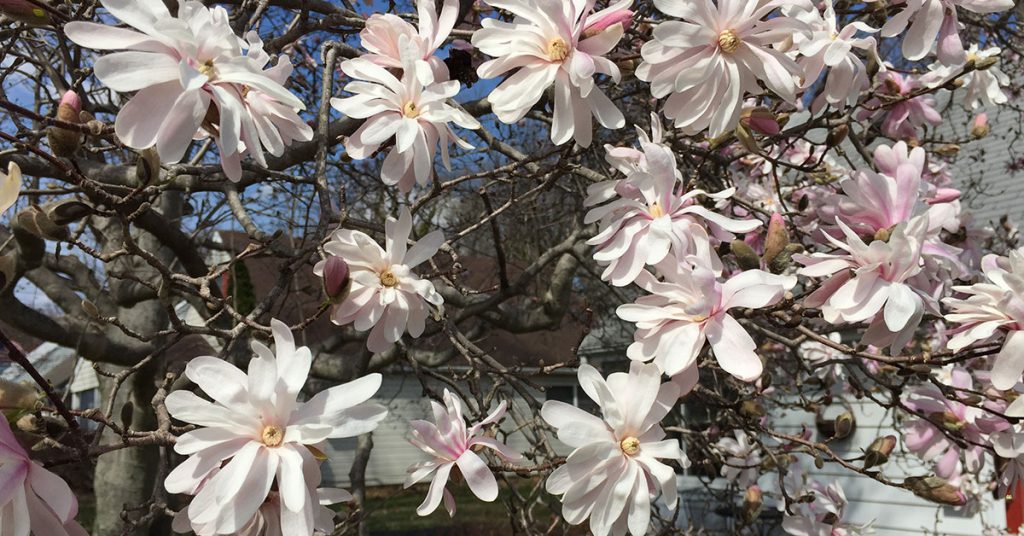
Magnolia trees, with their grand, fragrant blossoms, are native to the warm climates of the Southeastern United States and parts of East Asia. Renowned for their large, creamy white or pink flowers, magnolias exude a timeless elegance that elevates any landscape. I’ve found that the captivating scent and impressive stature of a Southern Magnolia can instantly transform a yard into a luxurious retreat, even on the busiest of days! Although some magnolia species can grow quite large, many dwarf varieties are available, ensuring they remain non-invasive and well-suited for smaller gardens.
Beyond their ornamental allure, magnolias create a rich microhabitat that attracts a variety of beneficial pollinators, such as bees and butterflies, who are drawn to their sweet fragrance. Their broad leaves and sturdy branches provide shelter for small birds and insects, enhancing the ecological balance of your garden. In their native habitats, magnolias contribute to soil fertility through leaf litter, and indoors or in managed landscapes, they continue this nurturing role. Their majestic presence and natural resilience make them a must-have for any gardener looking to add a touch of Southern charm and everlasting beauty to their yard!
Crape Myrtle
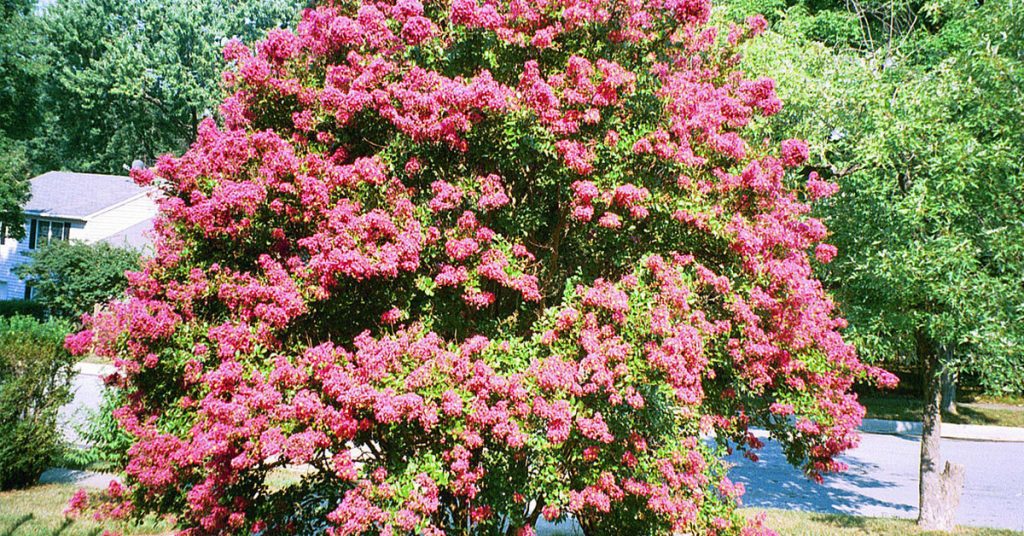
Crape Myrtle, native to Southeast Asia, is celebrated for its long-lasting, vibrant blossoms and unique, peeling bark that adds texture and color to the landscape. These ornamental trees produce an array of flower colors—from deep reds to soft pinks and pure whites—creating a spectacular display during the summer months. I’ve been delighted by the way crape myrtles transform a modest yard into a festive haven of color and light, all while being remarkably easy to maintain. Although wild varieties can be invasive in some regions, the cultivated forms used in ornamental gardening remain well-behaved and perfect for urban settings!
In addition to their stunning blooms, crape myrtles attract a host of beneficial insects, including bees and butterflies, which help with natural pollination and create a lively, balanced ecosystem. Their peeling bark and robust branching structure offer potential nesting spots for small birds, adding another layer of natural beauty to your garden. In my experience, the dynamic interplay of color and texture provided by crape myrtles is simply mesmerizing—they’re not only a feast for the eyes but also a vital contributor to a healthy, vibrant garden. Their cheerful display makes every summer day a celebration of nature’s artistry!
Jacaranda
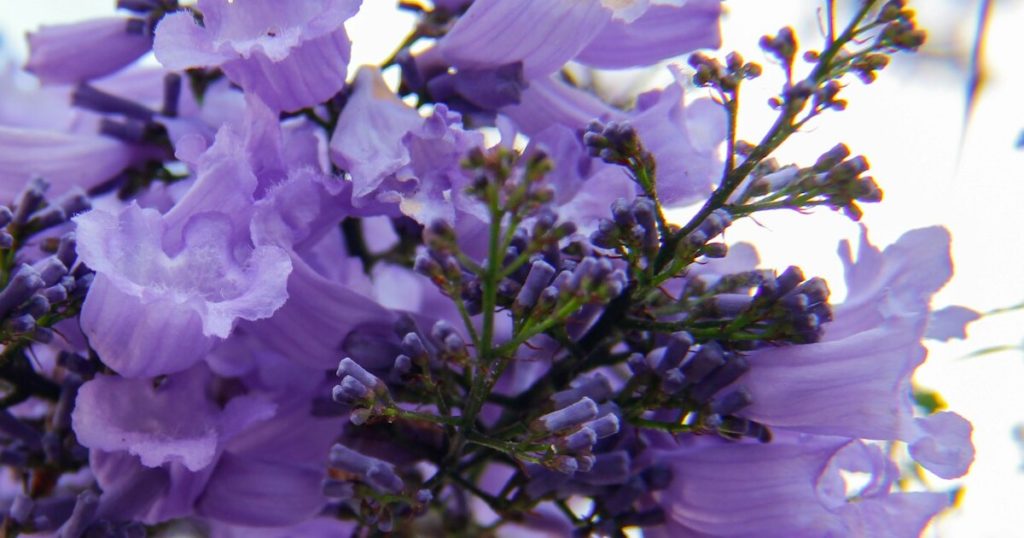
Jacaranda trees, native to South America—particularly Brazil and Argentina—are a spectacular addition to any yard with their breathtaking, purple-blue blossoms. Known for their cascading clusters of trumpet-shaped flowers, jacarandas create an almost ethereal canopy of color that seems to transform the entire landscape. I’ve often been captivated by the way a jacaranda tree turns a simple street or yard into a dreamlike scene reminiscent of a distant tropical paradise! While these trees can grow quite large outdoors, they are non-invasive when properly managed, and many urban gardeners love them for their striking visual impact.
The allure of jacarandas goes beyond their stunning blossoms; they also attract a diverse array of pollinators, including bees and butterflies, that are drawn to the vibrant color and nectar-rich flowers. In their native habitats, jacarandas contribute to a dynamic ecosystem by offering shelter and nesting sites for small birds and insects among their dense, arching branches. This natural interplay between flora and fauna creates a thriving microhabitat that enriches the garden’s overall biodiversity. For anyone looking to add a touch of exotic splendor and a burst of purple brilliance to their yard, jacaranda trees are an absolute must-have!
Eastern Redbud
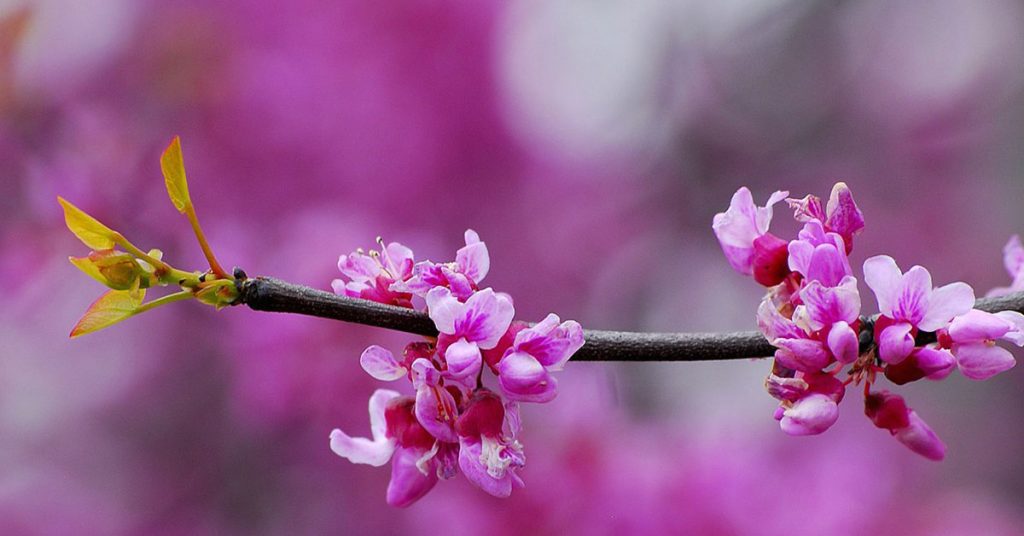
Eastern Redbud, native to the woodlands of Eastern North America, is a striking small tree known for its early spring display of pink or purple blossoms. This charming tree’s heart-shaped leaves and vibrant flowers create an enchanting, fairy-tale-like atmosphere that signals the arrival of warmer weather. I’ve been captivated by the delicate beauty of Eastern Redbud in my own yard—it’s the perfect tree to brighten up a modest space without overwhelming it! Though it’s a native species, its growth remains non-invasive in cultivated gardens, making it an excellent choice for urban landscapes.
In addition to its ornamental charm, Eastern Redbud plays a key role in attracting beneficial pollinators. Its clusters of blossoms provide a rich nectar source that draws bees, butterflies, and other small insects, fostering a lively microhabitat that supports natural pest control. The tree’s broad canopy and textured bark also offer nesting sites for various bird species, contributing to the ecological balance of the area. Eastern Redbud is a gentle reminder that nature’s splendor often comes in the form of understated beauty—an ideal addition for anyone who cherishes a garden filled with color, life, and natural harmony!
Cherry Blossom (Prunus serrulata)

Cherry Blossom trees, especially the iconic Prunus serrulata, are celebrated worldwide for their ephemeral, delicate beauty and cultural significance. Native to Japan and parts of East Asia, these trees burst into bloom with soft pink or white petals that float gracefully to the ground, creating a scene of pure enchantment. I’ve always been mesmerized by the fleeting wonder of cherry blossoms—they evoke a sense of renewal and hope that brightens even the darkest days! Despite their majestic display, cherry blossom trees are generally non-invasive when cultivated in managed landscapes, making them a popular choice for ornamental gardens and urban spaces.
Their delicate blossoms are more than just a visual spectacle; they attract a host of pollinators, including bees and butterflies, which help maintain a balanced ecosystem. The falling petals create a natural mulch that enriches the soil, while the trees themselves provide shade and shelter for small insects and birds. In natural settings, cherry blossoms have inspired countless works of art and literature, and in your garden, they can create a peaceful, almost magical atmosphere that reminds us of nature’s transient beauty. They’re a timeless addition to any yard, symbolizing both the fragility and the enduring spirit of life!
Japanese Maple (Acer palmatum)

Japanese Maple trees are cherished for their exquisite foliage and delicate structure, making them a unique, yet practical, choice for adding color and texture to your yard. Native to Japan, these trees have been celebrated for centuries for their stunning autumn hues and artistic, lacy leaves. I love the way a Japanese Maple can serve as a living piece of art, transforming a garden with its vibrant reds, oranges, and purples. Although they are slow-growing and non-invasive, their dramatic seasonal changes provide endless inspiration and beauty throughout the year!
In addition to their ornamental value, Japanese Maples create microhabitats that attract beneficial insects and even provide shelter for small birds during the cooler months. Their elegant form and dense canopy help regulate the microclimate in your garden, promoting a balanced ecosystem that benefits all nearby plants. The intricate interplay between light and shadow on their finely cut leaves is a constant source of wonder for me, reminding me that every corner of nature has its own unique story to tell. Japanese Maples are a timeless addition to any yard, symbolizing grace, resilience, and the transformative power of nature!