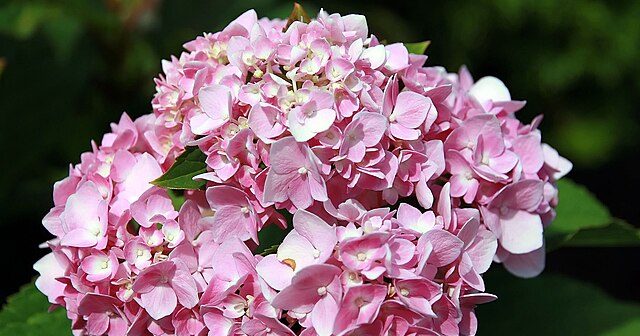

Welcome, fellow garden enthusiasts! I’m thrilled to share my journey and hard-earned tips on cultivating the stunning Endless Summer Hydrangeas—the very same showstoppers that seem to grace the most glamorous events (yes, even the Grammys!). In my years of gardening, nothing compares to the joy of watching these blooms unfold into a dazzling display of color and life. Whether you’re a seasoned green thumb or just starting out, I understand the ups and downs of nurturing a garden that truly reflects your passion. It’s such a relief when you finally see a plant thrive after battling unpredictable weather and occasional pests!
In this article, we’ll explore every aspect of growing these beloved hydrangeas, from selecting the ideal spot in your garden to mastering watering routines and warding off pests—all while understanding their unique behaviors and origins. Native to the temperate regions of East Asia, particularly Japan and Korea, these hydrangeas bring with them a legacy of beauty and resilience. Plus, you’ll learn how to recreate their natural habitat without worrying about invasiveness, ensuring a harmonious blend with your garden’s ecosystem. Let’s dive in and make your garden as unforgettable as a star-studded event!
Watering, Feeding, and Ongoing Care
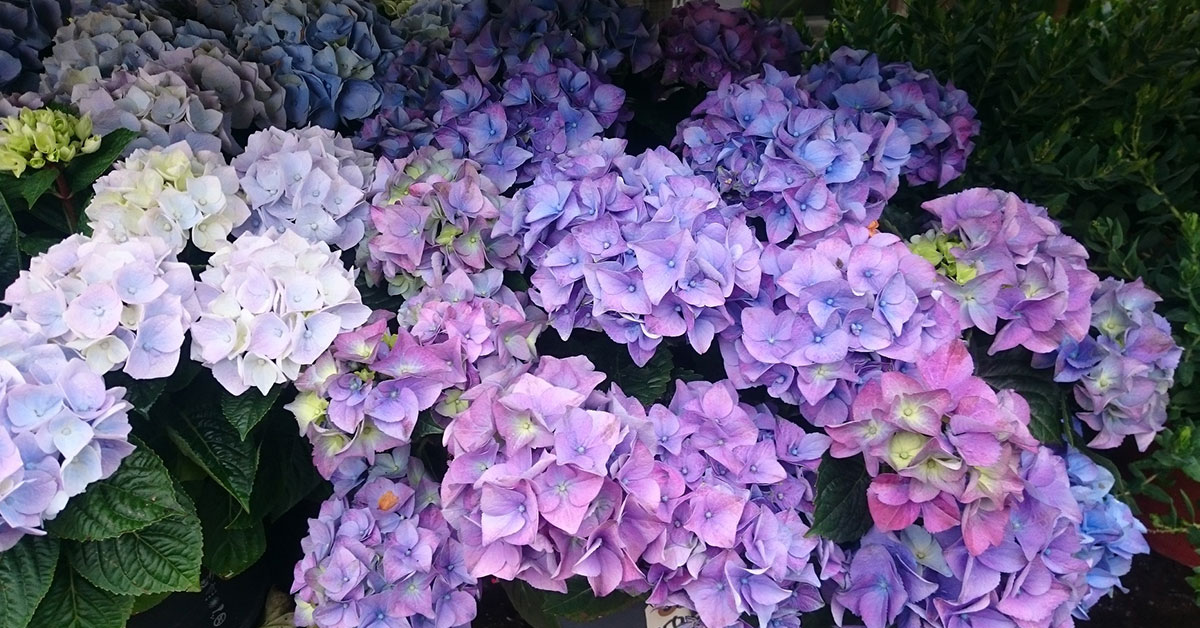
One of the secrets to a thriving Endless Summer Hydrangea is maintaining the perfect moisture balance in the soil. I’ve discovered that a consistent morning watering routine, especially during those hot summer days, keeps the soil evenly moist without drowning the roots. These hydrangeas thrive in conditions that mimic their native, rain-kissed habitats in East Asia, where well-draining yet nutrient-rich soil is abundant. Remember, while they appreciate plenty of water, overwatering can lead to root rot—so it’s all about finding that happy medium!
Feeding your hydrangeas with a balanced fertilizer helps them produce their characteristic lush blooms on both new and old wood. I always apply a slow-release, acid-forming fertilizer to support their growth, much like the natural conditions they evolved in. Beyond their aesthetic appeal, these plants exhibit fascinating behaviors; their dense foliage not only offers a burst of color but also creates microhabitats that attract beneficial insects. It’s a win-win: you get a stunning display and a naturally balanced ecosystem in your garden!
Dealing with Pests and Encouraging Beneficial Wildlife
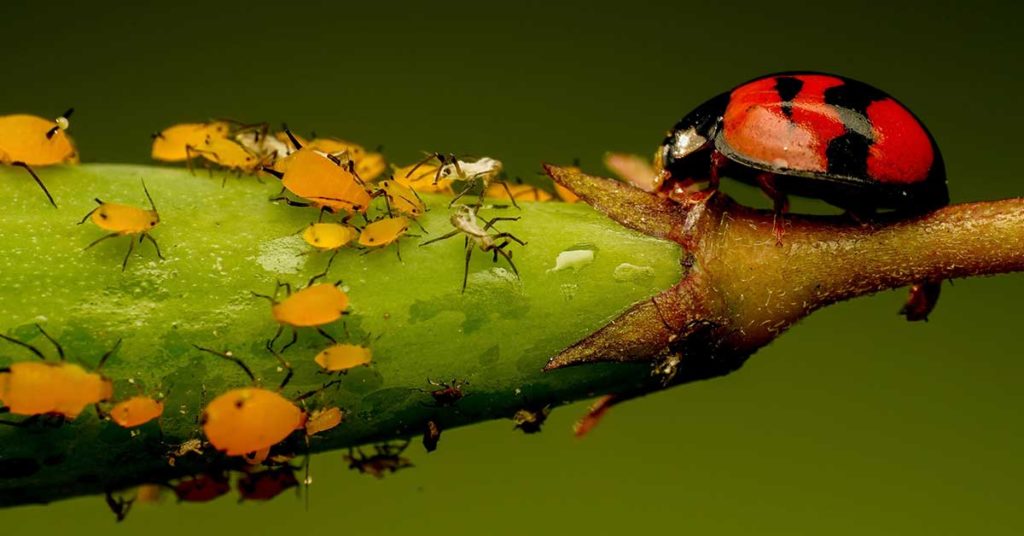
I know how disheartening it can be when pests decide to pay an unwelcome visit to your garden. Endless Summer Hydrangeas, despite their resilient nature, can sometimes attract aphids, slugs, and other minor nuisances. Over the years, I’ve learned that a proactive approach—such as regularly inspecting your plants and introducing natural predators like ladybugs—can keep these unwelcome guests at bay. The best part? These hydrangeas are not invasive, so once you establish a healthy ecosystem, nature tends to maintain its own balance without your constant intervention!
What really excites me is watching how these gorgeous blooms serve as a magnet for beneficial wildlife! Their thick, vibrant clusters offer ideal spots for bees, butterflies, and even small birds to perch or nest. I’ve seen tiny birds take refuge in the dense branches, and it’s heartwarming to know that by caring for these hydrangeas, you’re also fostering a mini habitat for nature’s little helpers. This natural synergy not only enhances your garden’s beauty but also creates an inviting space that mirrors the harmony found in pristine natural environments!
Preparing the Soil and Planting Techniques

A successful garden starts beneath the surface, and for Endless Summer Hydrangeas, soil preparation is key. I always begin by testing my soil’s pH and amending it to achieve a slightly acidic environment, similar to the conditions found in their native Japanese and Korean landscapes. Incorporating rich compost and organic mulch can make a world of difference, ensuring that your hydrangeas have all the nutrients they need to thrive. In my experience, taking the time to prepare your soil properly sets the stage for a flourishing garden that truly pops with life!
Planting these hydrangeas is an art in itself. When it comes time to set your plants in the ground, make sure to dig a hole that’s at least twice the width of the root ball to encourage healthy root expansion. This method not only supports robust growth but also helps prevent the plant from becoming overly dominant—keeping it well-behaved and non-invasive in your garden space. I love the way these hydrangeas adapt to their environment, and with a little extra care during the planting process, you can ensure that they establish a strong foundation for years of enchanting blooms!
Getting to Know Your Endless Summer Hydrangeas
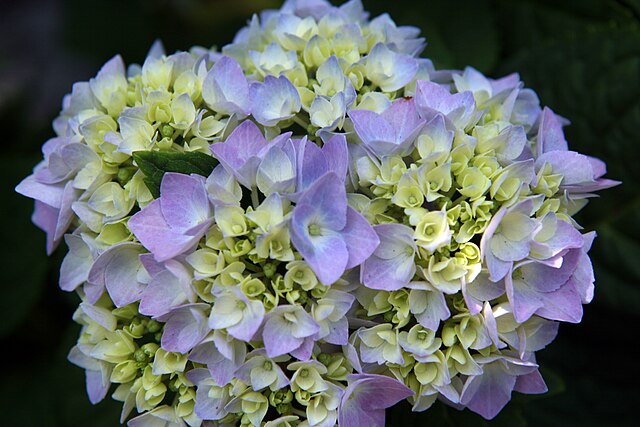
Learning about your plants can transform the gardening experience into a delightful adventure. Endless Summer Hydrangeas boast a rich heritage, having been nurtured for generations in the temperate climes of East Asia. Their unique ability to bloom on both old and new wood is a testament to their enduring vigor—a feature that has captured the hearts of gardeners around the world, including mine! Their origins remind us that nature’s designs are both intricate and purposeful, offering beauty that stands the test of time.
Beyond their historical and cultural significance, these hydrangeas exhibit intriguing behaviors that make them a joy to grow. Their expansive flower clusters not only mesmerize with vibrant hues that can shift depending on soil pH, but they also create cozy nooks that encourage local wildlife to linger. I’ve observed bees buzzing around and even small birds scouting for a secure spot to nest in the thick, leafy branches. It’s a constant reminder that every plant in our garden plays a role in a larger, beautifully orchestrated ecosystem!
Selecting the Perfect Spot for Your Hydrangeas
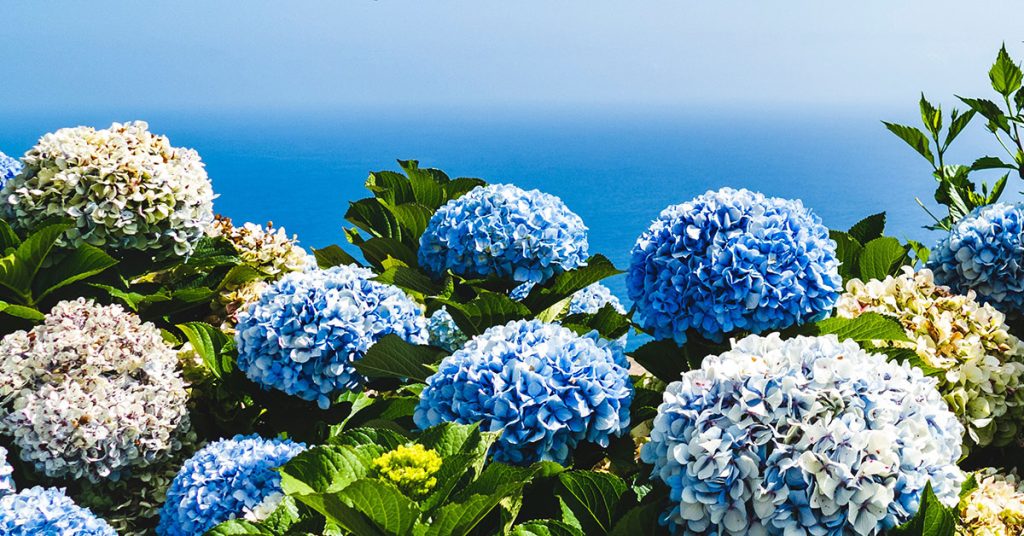
Choosing the right location for your Endless Summer Hydrangeas can be as crucial as the care you give them. These plants flourish in areas that offer morning sun and afternoon shade, which is ideal for mimicking the dappled light of their natural habitats. I often recommend scouting for a spot that not only meets these light requirements but also provides some natural wind protection. Trust me, it’s so rewarding to see your blooms thrive when you’ve found that perfect little nook in your garden!
It’s also important to consider soil drainage and humidity levels when selecting your site. A well-situated hydrangea can benefit from a nearby water source or a location that retains moisture without becoming soggy. In my own garden, placing these beauties near a sheltered fence or wall has worked wonders—shielding them from harsh winds and creating a mini microclimate that they absolutely adore. Remember, replicating the hydrangeas’ native environment from Japan and Korea will help them flourish and add a touch of elegance that’s nothing short of spectacular!
Seasonal Tips and Common Challenges
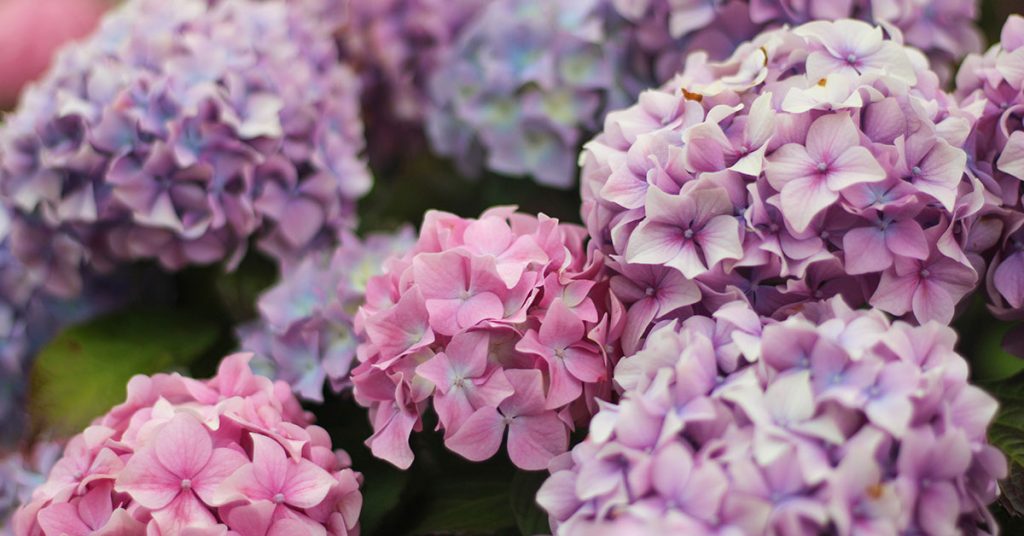
Gardening is an ever-changing adventure, and hydrangeas are no exception to the seasonal rhythms of nature. As spring ushers in new growth and summer brings an explosion of blooms, it’s important to adjust your care routine to meet your hydrangeas’ evolving needs. I’ve learned firsthand that early spring pruning and proper mulching can set the stage for an outstanding display in the warmer months. Of course, unexpected weather changes—be it a sudden frost or an unrelenting heat wave—can throw a wrench in your plans, but with a bit of adaptability, you can overcome these challenges and keep your garden thriving!
Each season presents its own set of trials and triumphs, and managing water levels and nutrient supply is paramount. I make it a point to inspect my plants regularly, ensuring that dead branches are pruned away and that the soil remains well-nourished. While it can be disheartening when nature throws you a curveball, rest assured that a little extra care goes a long way. By embracing these seasonal tips and addressing common challenges head-on, you’re well on your way to cultivating a garden that’s as resilient and breathtaking as the star-studded events that inspire us all!