

Hello there, fellow garden enthusiasts! If you’ve ever dreamed of adding a touch of mystery and drama to your outdoor space, then exploring the world of stunning black flowers is an adventure you won’t want to miss. I’m excited to share my discoveries of 15 uniquely dark blooms that bring sophistication, contrast, and a hint of the fantastical to any garden. Whether you’re a seasoned horticulturist or just beginning your gardening journey, these remarkable flowers promise to ignite your creativity and spark conversations with their unusual, almost otherworldly allure!
I know all too well how frustrating it can be when your garden lacks the wow factor, or when the same old colors fail to evoke the wonder you crave. Trust me, I’ve been there—searching for something different, something bold! In this article, I’ll guide you through 15 of the most stunning black flowers, complete with insights on their native habitats, care tips, and even notes on any invasive tendencies. So, put on your gardening gloves and join me as we delve into a world where darkness blooms with beauty and charm!
Black Orchid
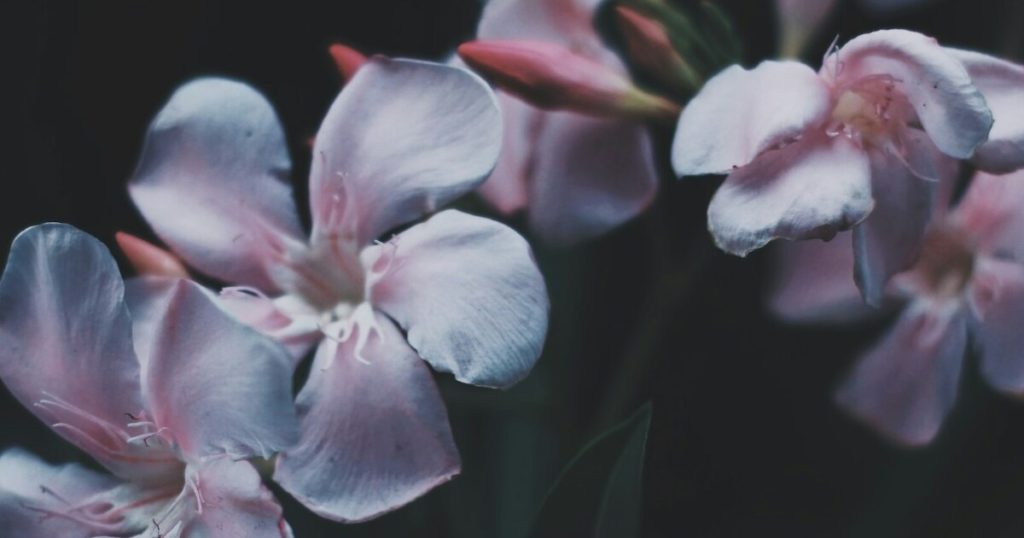
Black Orchids are among the most exotic and captivating blooms I’ve ever had the pleasure of cultivating on my patio! Often found in tropical regions such as Southeast Asia and parts of South America, these orchids boast an almost velvety, deep black hue that seems to defy nature. Their mysterious allure is heightened by the delicate structure of their petals and the faint, enchanting fragrance they sometimes exude. In my experience, Black Orchids create an exotic focal point that draws both the eye and curious pollinators, adding a touch of luxury to any container garden.
While true black orchids are relatively rare in the wild, many cultivars have been developed to showcase this dramatic color. These plants thrive in warm, humid environments and benefit from indirect light and high air circulation. They are not typically invasive, making them perfect for a controlled porch or indoor garden setting. I love the way they invite attention from hummingbirds and specialized orchid enthusiasts alike, proving that even in a small space, a touch of tropical mystery can transport you to far-off lands!
Black Tulip

Black Tulips, particularly the famed “Queen of Night” variety, are a bold statement in any garden setting! Native to regions in Central Asia and cultivated extensively throughout Europe, these dramatic flowers are celebrated for their deep, velvety petals that border on ebony. I relish the sight of Black Tulips standing tall in my garden, their unusual color providing a stunning contrast against lighter blooms. They create a sense of elegance and mystery that is perfect for a modern, edgy landscape design.
When planting Black Tulips, it’s important to remember that they prefer well-drained soil and a good dose of sunlight to truly thrive. Although not invasive by nature, ensuring proper spacing is key to allowing their unique color to shine without crowding out other plants. Their subtle fragrance and robust form make them attractive to certain pollinators, including bees that occasionally find shelter among the sturdy foliage. These tulips offer both visual drama and a gentle nod to nature’s artistry, making every planting season feel like a royal affair!
Black Daylily
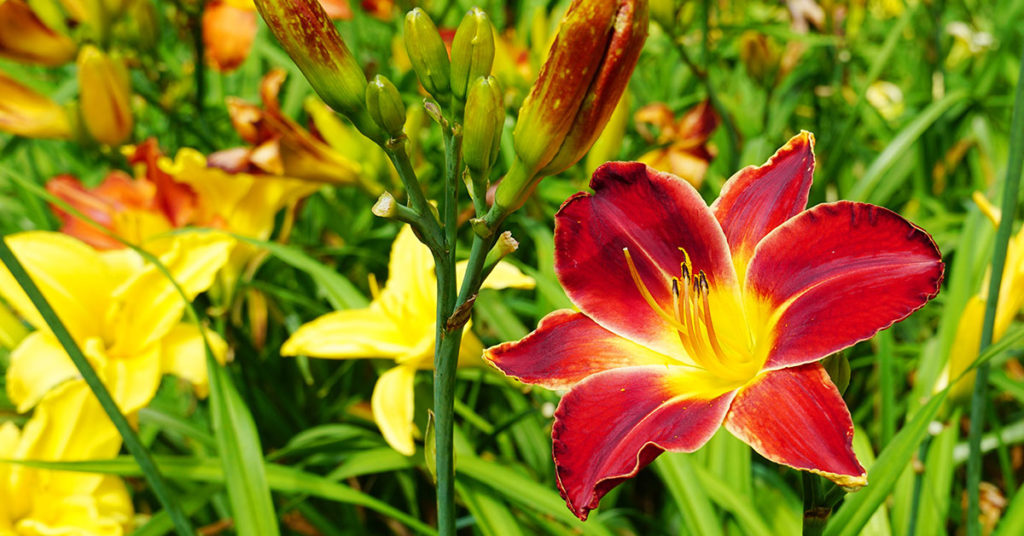
Black Daylilies, with their almost mystical dark blooms, bring a sophisticated charm to any garden corner! Although “black” daylilies are often deep purples or burgundy shades, they are revered for their dramatic color that appears nearly black in certain lighting. Native to parts of Asia, these perennials are known for their resilience and ease of cultivation. In my garden, I’ve observed that their lush, arching leaves provide a perfect backdrop for other colorful companions, while their flowers attract bees and butterflies, creating a dynamic, living tapestry.
Daylilies are generally low-maintenance and not considered invasive, which makes them ideal for smaller gardens or container planting on a porch. Their ability to adapt to various soil types and withstand different weather conditions has always impressed me. Regular deadheading encourages prolonged blooming, and their natural charm often leads to delightful moments when local pollinators explore the intricacies of each blossom. Black Daylilies prove that even a subtle twist on a classic plant can create a bold, enchanting statement in your garden!
Black Pansy
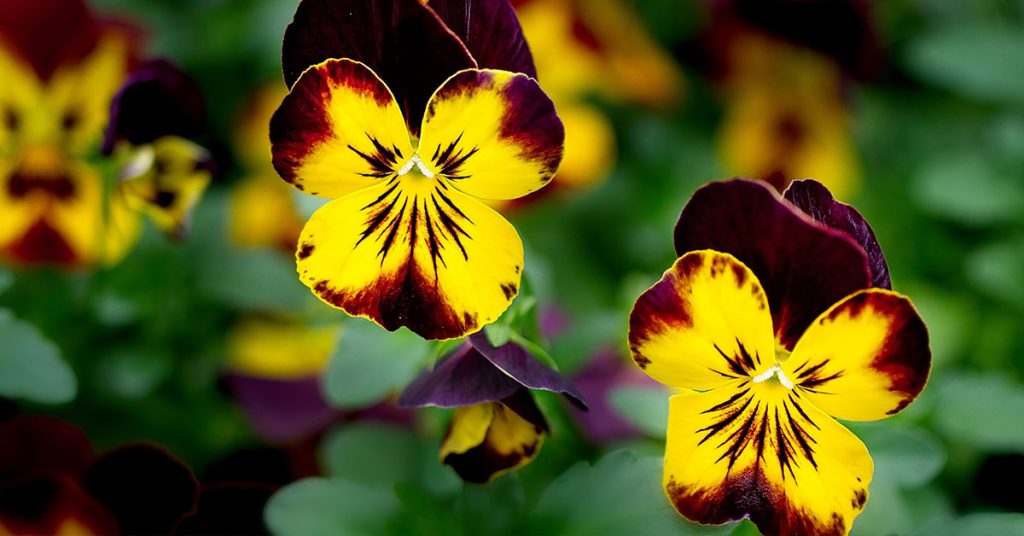
Black Pansies are a true gardener’s delight, offering a rich, dark palette that contrasts beautifully with spring’s vibrant hues! Originating from Europe and now cultivated worldwide, these pansies are known for their velvety, nearly black petals that often feature delicate splashes of deep purple or blue. I’ve found that their cheerful faces and intriguing color make them a magnet for pollinators such as bees, who appreciate both the nectar and the shelter these blooms provide. They are perfect for adding a dramatic pop of color to containers or garden beds, especially during cooler seasons.
While Black Pansies are not invasive, they do have a tendency to reseed under optimal conditions, which can be a bonus if you’re looking to naturally expand your garden’s appeal. Their ability to withstand frost and cooler temperatures makes them especially popular in temperate climates, and I’ve enjoyed the way they transform a simple porch into a scene from a fairytale! With proper care, including regular watering and sun exposure, these pansies continue to provide a bold, enduring splash of dark beauty that is as captivating as it is practical for urban gardening.
Black Nicotiana
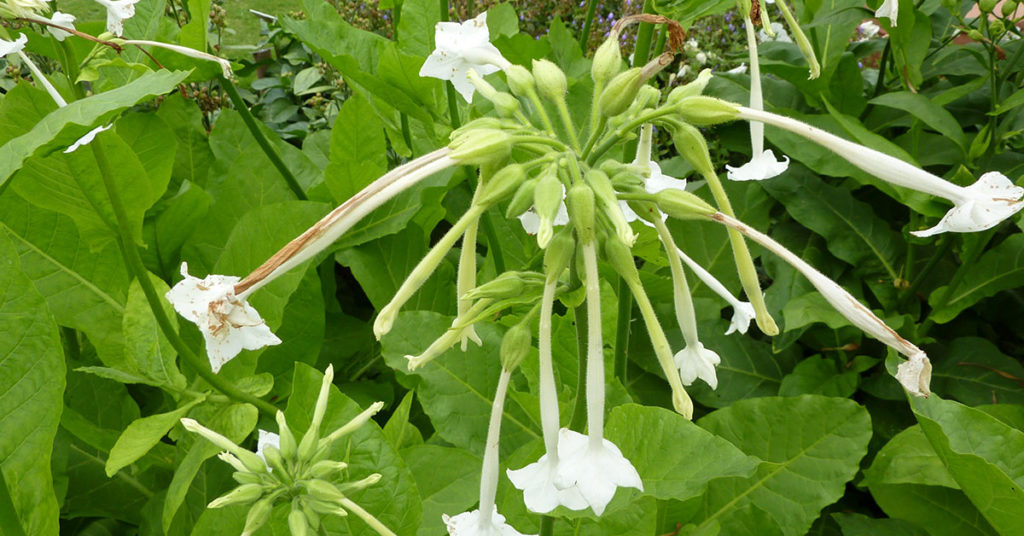
Black Nicotiana, sometimes known as “Black Magic Nicotiana,” is an intriguing and aromatic addition to any garden! Native to parts of South America, these flowering tobacco plants have been selectively bred to display deep, almost inky blossoms that exude a subtle, enchanting fragrance. I’ve found that their mysterious scent and unique appearance not only attract bees and butterflies but also provide a fascinating conversation starter for visitors. They perform particularly well in warm climates and can add a touch of exotic flair to container gardens on a porch or patio.
Growing Black Nicotiana requires a bit of attention to sunlight and soil moisture; they thrive in well-drained soil and need full to partial sun to maintain their dramatic color and scent. Although they aren’t generally invasive in container settings, it’s important to monitor their growth to ensure they don’t spread too rapidly. I appreciate the way these plants invite a diverse array of pollinators and even offer subtle shelter for small beneficial insects. Their captivating beauty and unique fragrance truly make them a standout in any urban garden setting!
Black Hellebore
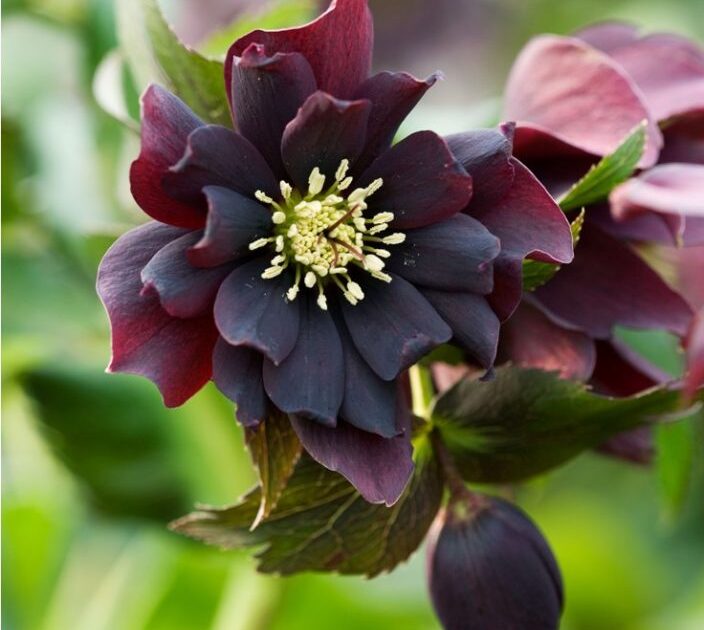
Black Hellebores, often called “Christmas Roses” due to their winter bloom, offer a mysterious and elegant charm to the garden! Native to regions of Central and Southern Europe, these perennials boast deep, dark petals that can appear almost black in the right light, providing a striking contrast against winter’s often drab scenery. I’ve always been fascinated by how they bloom during the colder months, attracting a few hardy pollinators that help sustain their unique lifecycle. Their evergreen foliage and long-lasting blooms make them a cherished addition for those looking to extend their garden’s beauty into the winter.
Hellebores are relatively low-maintenance and not known to be invasive, which is perfect for gardeners with limited space. They thrive in well-drained, humus-rich soils and appreciate a bit of shade during the harshest sunlight, making them ideal for sheltered porch gardens. Regular care and the occasional trimming of faded blooms help maintain their striking appearance. I enjoy watching them transform a chilly garden into a vibrant display of dark, velvety splendor—a true winter wonder that continues to captivate and surprise!
Black Bat Flower

The Black Bat Flower, with its unique shape and dramatic presence, is one of the most exotic additions you can bring to your garden! Native to the tropical rainforests of Southeast Asia, this unusual bloom is renowned for its dark, almost black petals that resemble the wings of a bat—a sight that never fails to spark awe and curiosity. I’ve found that its striking appearance not only makes it a focal point in any setting but also attracts specialized pollinators, including certain species of moths and flies, which are drawn to its mysterious allure. Its tropical nature means it thrives in warm, humid environments, often serving as a conversation starter wherever it is planted.
Cultivating the Black Bat Flower can be a bit of a challenge outside its native climate, but in a controlled greenhouse or warm porch setting, it thrives beautifully. It requires rich, well-draining soil and a bit of extra humidity to replicate its natural habitat. Although it is not known to be invasive in cultivation, careful monitoring is essential due to its vigorous growth in ideal conditions. For those looking to add an edge of the exotic and the eerie to their garden, the Black Bat Flower is an absolute must-try—its dramatic beauty is simply unforgettable!
Chocolate Cosmos (Black Cosmos)

Chocolate Cosmos, often dubbed as Black Cosmos, is a captivating flower with velvety petals that appear nearly black and exude a subtle, sweet fragrance reminiscent of cocoa! Native to Mexico, this rare perennial is a true delight for gardeners seeking a splash of dark drama combined with an unexpected aroma. In my garden, the deep, almost mystical hues of the Chocolate Cosmos create an enchanting backdrop that attracts butterflies and bees, each drawn by its unusual scent and alluring shape. It’s a plant that adds both beauty and a sensory twist to any container or border display.
While Chocolate Cosmos is not invasive, its delicate nature means that it thrives best in well-drained soil and full sun, with regular watering during dry spells. I’ve learned that providing these conditions helps ensure a long-lasting bloom that continues to impress throughout the growing season. Their unique fragrance and striking appearance often lead to curious glances and delighted compliments from garden visitors. For anyone looking to add a touch of edible enchantment and velvety allure to their garden, Chocolate Cosmos offers a truly magical experience!
Black Calla Lily
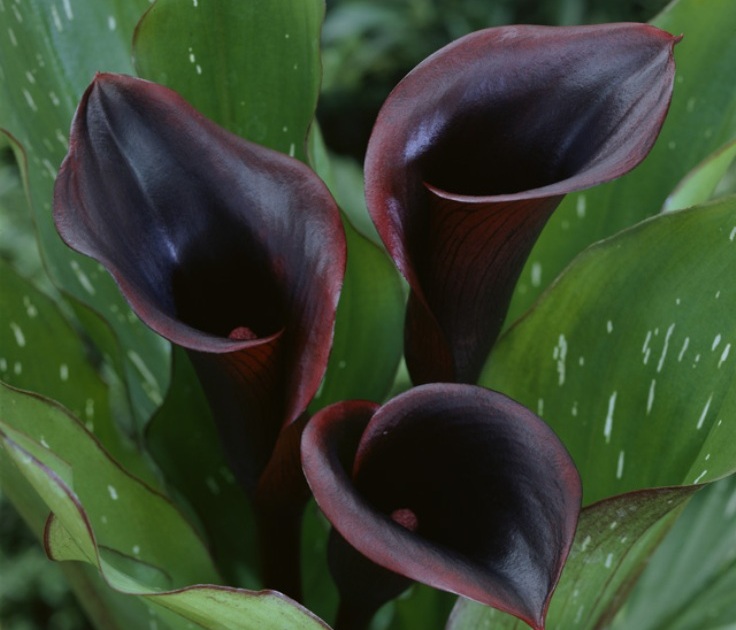
Black Calla Lilies, often known by names like “Black Star” Calla Lily, are a showstopping addition that infuse any garden with dramatic elegance! Native to southern Africa, these lilies have been carefully bred to showcase deep, almost black blooms that stand in stark contrast to their glossy, dark green leaves. I’m always thrilled by how these flowers bring a sense of sophistication and mystery to a garden setting, drawing the attention of both people and beneficial insects. Their unique shape and dark hue create an almost gothic yet refined atmosphere, making them a perfect choice for modern or unconventional garden designs.
These calla lilies thrive in moist, well-drained soil and prefer a spot with filtered sunlight, which makes them ideal for container planting on a porch. They are not considered invasive, so you can enjoy their elegant blooms without worrying about them overtaking your space. Regular watering and a bit of organic fertilizer help ensure that they continue to produce their striking, long-lasting flowers. I love how Black Calla Lilies add an unexpected twist of drama and class to my garden—a true conversation piece that never fails to impress!
Black Iris
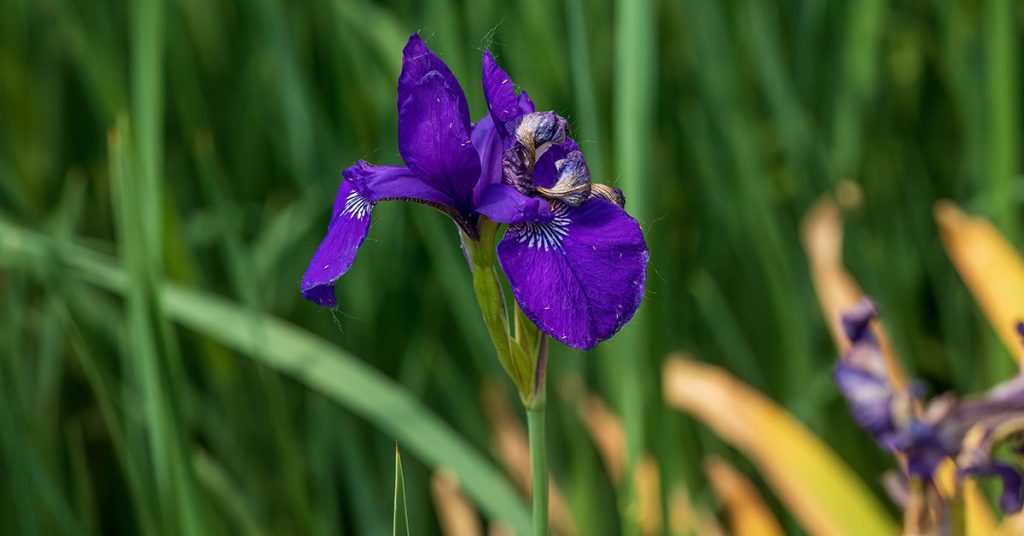
Black Iris varieties, such as the renowned “Black Knight” Iris, bring an air of mystery and regal beauty to any garden setting! Native to Europe and parts of Asia, these irises have been admired for centuries for their dark, velvety petals and striking contrast against lush, green foliage. In my experience, Black Iris not only creates a dramatic focal point in a container or garden bed but also attracts bees and other pollinators that are drawn to its subtle fragrance and vibrant form. Their unique color and texture make them a favorite for gardeners who love to experiment with unconventional palettes.
These irises thrive best in well-drained soil and a sunny location, which allows them to fully display their stunning, dark blooms. While not invasive, it’s important to provide them with ample space to grow, as their robust foliage can sometimes crowd neighboring plants if not managed properly. Regular deadheading and dividing every few years help keep them healthy and vibrant. For anyone looking to introduce a touch of elegance and enigma to their garden, Black Iris are a superb choice that exudes timeless charm and resilience!
Black Celosia

Black Celosia, often recognized for its flame-like, dark plume-like inflorescences, is a truly unique addition to any container garden! Native to tropical regions in Africa, this annual plant is celebrated for its almost-black, velvety flower heads that add an intriguing textural element to the landscape. I’ve found that Black Celosia creates a striking contrast with lighter, more traditional blooms, making it a favorite for those who appreciate bold, artistic displays. Its distinctive appearance not only captures the eye but also attracts a variety of pollinators, such as bees and butterflies, which find shelter and nectar in its dense, unusual blossoms.
While Black Celosia is not considered invasive, its vibrant growth habit means that it can spread rapidly in optimal conditions. I always recommend planting it in a container where its dramatic effect can be contained and appreciated. It thrives in full sun with well-draining soil and benefits from occasional deadheading to prolong its show-stopping display. Watching these dark, almost surreal plumes sway in the breeze is a reminder of the endless creativity nature offers—truly a conversation starter that adds depth and drama to any garden space!
Black Dahlias
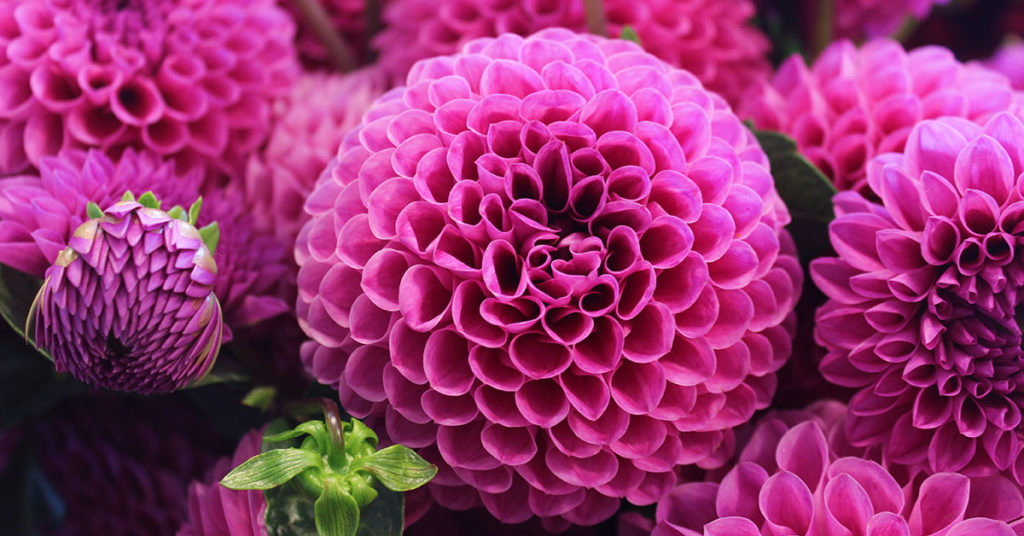
Black Dahlias are the epitome of bold garden statements, with deep, almost black petals that exude an air of mystery and passion! Originating from Mexico and Central America, dahlias have long been a favorite among gardeners for their diverse shapes and striking colors, and the darker varieties take this appeal to a whole new level. In my garden, the rich hues of Black Dahlias serve as a captivating focal point that draws in not only admiring glances but also essential pollinators like bees and butterflies. Their impressive, layered blooms offer both a visual feast and a sense of theatrical grandeur.
Dahlias generally prefer a sunny spot with rich, well-draining soil and require regular watering and feeding to maintain their robust growth. While they are not invasive in a container or controlled garden setting, they do benefit from routine maintenance, including deadheading and staking, to keep their exuberant form in check. I relish the challenge of nurturing these dramatic blooms, which reward me with a spectacular display of dark beauty throughout the summer and fall seasons. For anyone seeking to make a bold, unforgettable statement in their garden, Black Dahlias are an exceptional choice!
Black Scabiosa

Black Scabiosa, known for its deep, dark purple to almost black flower heads, is an enchanting addition that brings an air of elegance and intrigue to your garden! Native to the Mediterranean region, this perennial is cherished for its uniquely textured blooms that seem to defy the ordinary. I’ve always been fascinated by how Black Scabiosa transforms a simple garden bed or container into a canvas of dramatic color and delicate charm. Their unusual hue not only provides a stunning contrast against lighter foliage but also attracts bees and butterflies, which are drawn to their nectar-rich centers and the shelter they provide.
Growing Black Scabiosa is relatively straightforward—it thrives in well-drained soil and benefits from full sun exposure to maintain its intense coloration. Though not invasive, proper spacing is important to allow air circulation and prevent overcrowding, which helps in avoiding common fungal issues. Regular watering and the occasional trimming of spent blooms keep the plant looking fresh and vibrant. I adore how these flowers add a touch of mystique to any garden setup, proving that even the darkest blooms can illuminate your outdoor space with unexpected beauty!
Black Dianthus
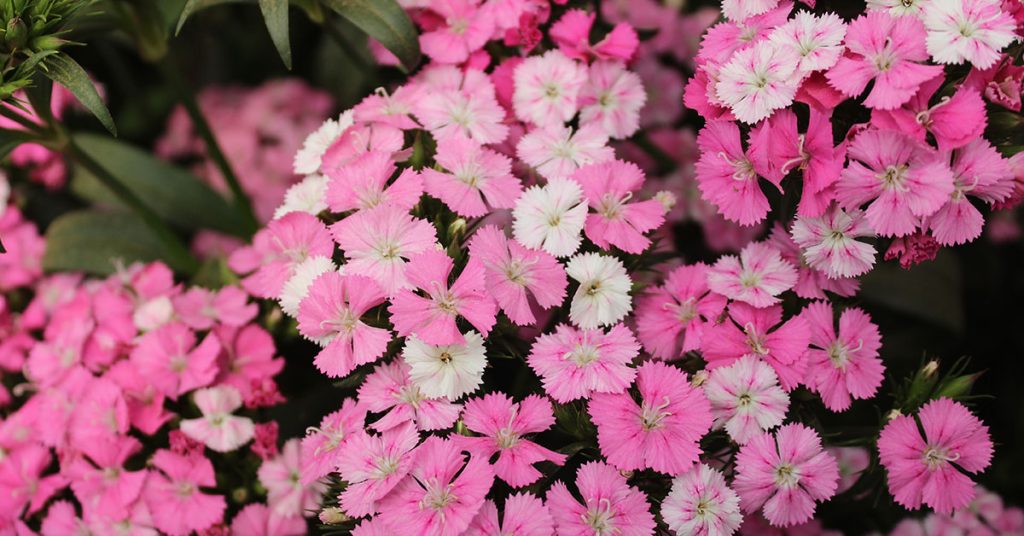
Black Dianthus, with its deep, velvety petals and intricate, fringed edges, is a true gem for gardeners who appreciate subtle yet striking details! Native to regions across Europe and the Mediterranean, these small, charming blooms offer a refined elegance that contrasts beautifully with both bold and delicate garden designs. I’ve noticed that Black Dianthus attracts an array of small pollinators, including bees and butterflies, who are drawn to its delicate fragrance and unique form. Their compact size makes them perfect for borders or rock gardens, where they can add a touch of understated drama without overwhelming the space.
These hardy plants prefer well-drained soil and a sunny spot, thriving best with minimal maintenance and a bit of deadheading to prolong their blooming period. Although Black Dianthus is not invasive, ensuring they have enough room to grow allows their individual beauty to shine without competition. I find it incredibly satisfying to see how these exquisite flowers contribute to a balanced and artistically composed garden, where every bloom plays a vital role in the overall visual harmony. For those who cherish refined beauty with a twist, Black Dianthus is an absolute must-have!
Black Petunia
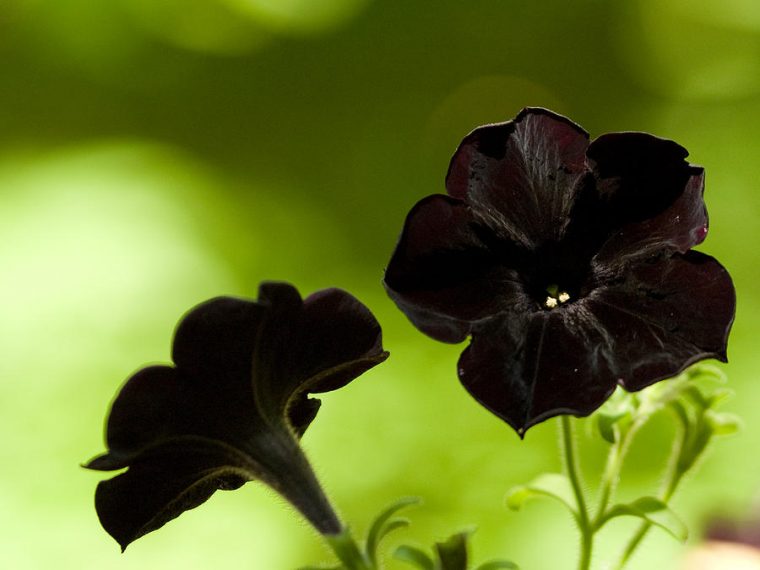
Black Petunias, often referred to as Black Velvet Petunias, offer a dramatic burst of color that borders on the mysterious and the magical! Originally developed through careful breeding from varieties native to South America, these petunias are renowned for their deep, dark blooms that provide a striking contrast to lighter garden elements. In my own container garden, Black Petunias serve as a vivid reminder that even in a small space, bold beauty can flourish. Their velvety texture and subtle fragrance attract bees and butterflies, creating a dynamic interplay of color and life that enhances any urban oasis.
These petunias thrive in full sun and well-drained soil, making them ideal candidates for porch gardens or container displays. While they are not considered invasive, regular deadheading helps maintain their vibrant appearance and encourages continuous blooming throughout the warm months. I appreciate how Black Petunias add a touch of sophistication and edginess to my garden—a perfect blend of classic charm and modern drama. Their ability to captivate both the eye and the senses makes them a standout choice for anyone looking to create a garden that truly feels like a secret haven of beauty and intrigue!