

Designing a perennial border that is both visually stunning and easy to care for is a dream for many gardeners, and I’m excited to share some practical tips to help you achieve that! I know how overwhelming it can be when you’re faced with the prospect of constant garden upkeep, especially when pests and invasive weeds seem to have a mind of their own. With the right planning and plant selection, you can create a border that not only looks fantastic but also attracts beneficial wildlife and supports a thriving, self-sustaining ecosystem.
In this article, I’ll walk you through each step of designing your ideal perennial border—from planning the layout and selecting the perfect plants to preparing the soil and managing maintenance throughout the seasons. Whether you’re working with a sunny patch or a more shaded corner of your garden, there are strategies and plant choices that can suit your specific conditions.
Planning Your Layout and Design

The first step in creating a perennial border is to thoughtfully plan your layout and design. I’ve found that mapping out your garden space not only helps you visualize the final look but also minimizes surprises later on. Consider the size and shape of your border—whether you’re working with a sweeping curve or a structured straight line—and think about how you want the different plant heights and textures to interact. This initial phase is all about creating a blueprint that will support both beauty and easy upkeep!
When planning your design, it’s essential to consider how your chosen plants will grow over time. I always factor in the mature height and spread of each perennial to avoid overcrowding and to ensure that every plant has enough room to flourish. Sketching out a rough plan on paper or using digital garden design tools can be incredibly helpful. Plus, planning ahead makes it easier to create focal points and natural pathways that invite beneficial insects and even small nesting birds into your garden!
Selecting the Right Perennials
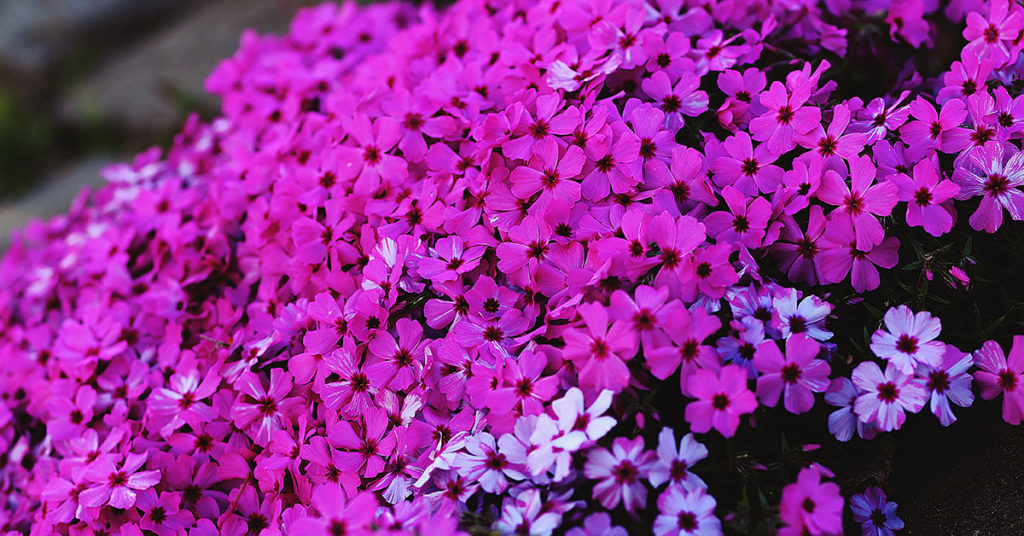
Choosing the ideal perennials for your border is crucial for achieving a low-maintenance yet vibrant display. I always opt for plants that are native to my region or well-adapted to the local climate, as these species generally require less water and fewer chemical interventions. For example, many drought-tolerant perennials from North America or the Mediterranean not only thrive in challenging conditions but also add a touch of rustic charm to the landscape. Remember, some species can be aggressive spreaders, so it’s important to research whether a plant is considered invasive in your area before planting.
When selecting perennials, consider their blooming periods, growth habits, and how they interact with one another. I enjoy mixing varieties that provide sequential color through the seasons—ensuring that your border remains lively from early spring until late fall. Additionally, many of these plants have unique behaviors that can enhance your garden’s ecosystem. For instance, certain perennials produce abundant nectar to attract bees and butterflies, while others offer ideal shelter for small beneficial insects. By choosing the right combination, you’ll create a border that is as functional as it is beautiful!
Soil Preparation and Irrigation

A healthy perennial border starts with well-prepared soil that encourages robust plant growth and minimizes the need for constant care. I always begin by testing the soil pH and nutrient levels to determine what amendments might be necessary. Adding organic compost or well-rotted manure not only improves soil structure but also creates a rich environment for beneficial microorganisms. It’s such a bummer when poor soil conditions lead to weak plant growth, so investing time in proper soil preparation is absolutely worth it!
I also recommend setting up a smart irrigation system that suits the specific needs of your selected perennials. Many low-maintenance perennials are drought-tolerant, but even they benefit from deep, infrequent watering rather than frequent shallow drenching. Drip irrigation or soaker hoses can deliver water directly to the root zones, reducing evaporation and preventing water waste. In my garden, this method not only conserves water but also minimizes the risk of fungal diseases by keeping the foliage dry—a win-win for both plant health and maintenance simplicity!
Attracting Beneficial Wildlife

One of the most rewarding aspects of a well-designed perennial border is its ability to attract a host of beneficial wildlife. I’ve noticed that carefully chosen perennials naturally draw in pollinators such as bees, butterflies, and even hummingbirds, all of which play a vital role in the ecosystem. Many of these plants, especially those native to local regions, produce nectar and pollen that are irresistible to these small helpers. Their presence not only enhances the beauty of your garden but also contributes to natural pest control, creating a more balanced and resilient environment.
Beyond pollinators, a thriving perennial border can also offer shelter and nesting spots for small birds and beneficial insects. Dense clumps and varied foliage provide cozy hiding places from the heat and predators, turning your garden into a mini wildlife sanctuary! I love the idea of watching nature’s little wonders flourish right in my yard—each bloom and leaf acting as a small invitation to the ecosystem. This natural synergy between plants and wildlife is one of the joys of gardening that truly elevates your outdoor space into a living work of art.
Creative Use of Color and Texture
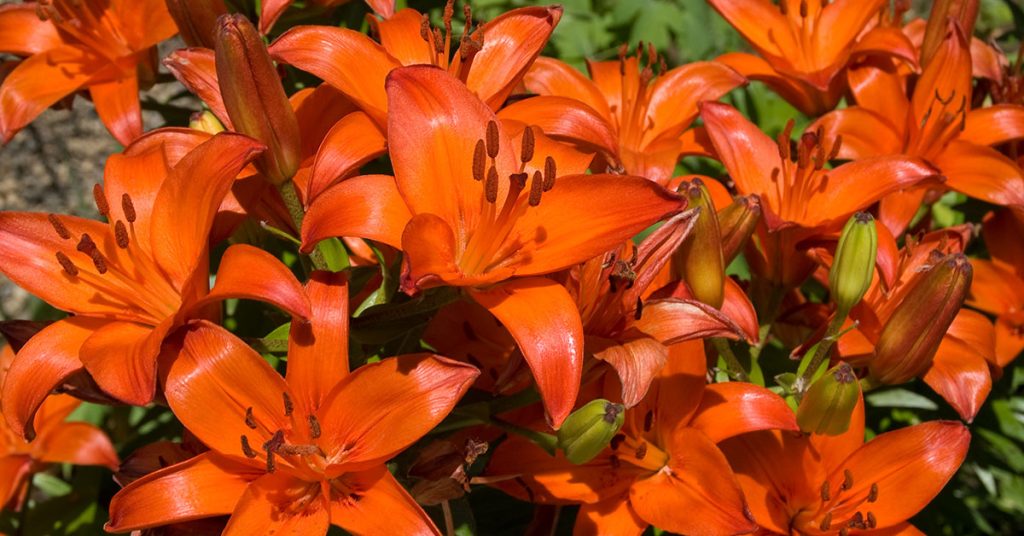
When designing a perennial border, creative use of color and texture is key to achieving an elegant yet low-maintenance look. I like to experiment with contrasting hues and complementary shades that change with the seasons, creating visual interest all year long. Bold colors can serve as focal points, while softer tones provide a calming backdrop that ties the entire design together. It’s important to select plants that not only offer vibrant blooms but also interesting foliage, which can add depth and dimension to your garden even during off-peak blooming periods!
Texture plays an equally important role in garden design, influencing both the aesthetics and the overall feel of the space. I enjoy combining plants with different leaf shapes and surface textures—think the smooth, glossy leaves of hostas juxtaposed with the feathery fronds of ornamental grasses. This variety not only makes the garden visually appealing but also attracts a range of beneficial wildlife that thrive in diverse microhabitats. The interplay of color and texture creates a dynamic and inviting environment that feels both curated and natural, giving your garden an effortless, timeless charm!
Managing Weeds and Invasive Species

A low-maintenance perennial border is as much about managing unwanted growth as it is about nurturing your chosen plants. I’ve learned that proactive weed management is essential to keep your border looking pristine and to prevent competition for water and nutrients. Mulching is one of my favorite techniques—it not only suppresses weeds but also helps retain soil moisture and moderates temperature fluctuations. I know how frustrating it is when persistent weeds steal the spotlight, so a good layer of organic mulch is always a gardener’s best friend!
In addition to weeds, it’s crucial to monitor for invasive species that might encroach on your carefully designed border. While many perennial plants are well-behaved in a managed garden, some can become overly aggressive if left unchecked. Regular maintenance, such as cutting back or carefully removing unwanted runners, keeps the border neat and ensures that your selected perennials continue to thrive. This vigilant approach to garden management not only preserves the aesthetic beauty of your space but also protects the ecosystem balance by preventing harmful species from taking root.
Seasonal Maintenance and Care

Even the most low-maintenance perennial borders require a bit of seasonal care to stay in peak condition. I always look forward to the changing seasons as they offer new opportunities to refresh and rejuvenate my garden. In early spring, a light pruning and the addition of compost can kickstart growth and prepare the plants for a vibrant blooming season. Regular deadheading throughout the growing season not only promotes new blooms but also prevents plants from diverting energy to seed production. It’s such a relief when a few simple maintenance tasks can extend the beauty of your garden for months!
As the seasons change, adapting your care routine becomes essential to address shifting weather conditions. I’ve found that adjusting watering schedules during hot, dry periods and providing extra protection during unexpected frosts can make all the difference. Seasonal maintenance isn’t just about keeping plants healthy—it’s also about ensuring that your border remains a welcoming habitat for beneficial wildlife. With each season, your garden evolves, offering a fresh canvas of colors and textures that reflect nature’s dynamic rhythm. Embrace these changes, and you’ll find that a little extra care goes a long way toward sustaining the effortless charm of your perennial border!
Bringing It All Together
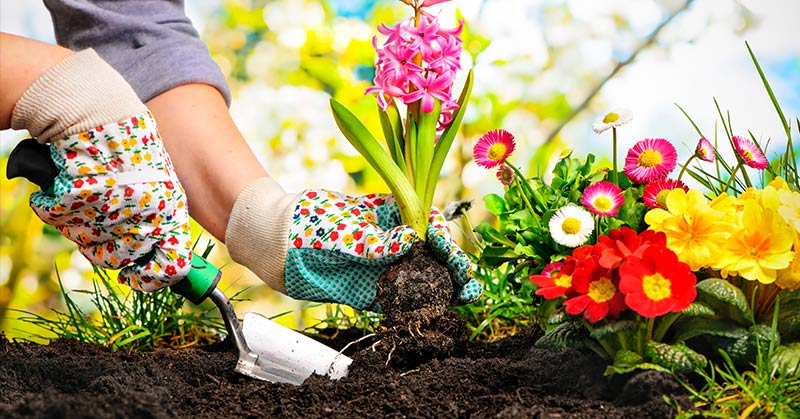
Designing a beautiful yet low-maintenance perennial border is a rewarding endeavor that marries art, science, and a deep love for nature. By thoughtfully planning your layout, selecting the right plants, and implementing smart care practices, you can create an outdoor sanctuary that thrives with minimal fuss. I’ve enjoyed every step of this journey in my own garden—from the excitement of the initial design to the satisfaction of watching beneficial wildlife make their home among the blooms. Each element works together to create a space that is both elegant and resilient!
Remember, the key to success lies in balancing aesthetics with practicality. Embrace the natural behaviors of your plants, take advantage of the benefits they offer to local wildlife, and stay vigilant against weeds and invasive species. With a little creativity and thoughtful planning, your perennial border can become a living masterpiece that brings joy and tranquility to your everyday life. Happy gardening, and here’s to creating a space that reflects both beauty and effortless ease!