
There’s something irresistibly charming about an elegant garden that bursts with classic, timeless blooms. As a devoted gardener who delights in the beauty and history of traditional flowers, I’m thrilled to share my insights on 11 classic flowers that every refined garden should feature. Whether you’re struggling with a lackluster outdoor space or simply looking to add a touch of sophistication to your landscape, these blooms offer a perfect blend of historical significance, stunning aesthetics, and ecological benefits. I understand how frustrating it can be when your garden doesn’t quite have that “wow” factor—trust me, I’ve been there!
In this article, we’ll explore each flower in depth, discussing its native origins, whether it has any invasive tendencies, and how it contributes to the overall harmony of your garden. I’ve arranged these sections in a fun, randomized order to keep things lively and unexpected! So, grab your gardening gloves and join me on this delightful journey as we uncover the secrets of these enduring botanical treasures that attract beneficial insects, offer enchanting fragrances, and add a touch of timeless elegance to any garden setting!
Hydrangeas

Hydrangeas are a true staple in many elegant gardens, renowned for their lush, rounded blooms that can instantly transform any outdoor space. Native to regions in Asia and the Americas, hydrangeas have been cherished for centuries for their versatility and striking beauty. These magnificent plants come in a variety of colors—from soft pastels to vibrant blues and pinks—and create a dramatic visual impact wherever they’re planted. Although they’re not typically considered invasive, it’s wise to manage their growth to prevent them from crowding other plants in a smaller garden setting.
In my own garden, hydrangeas have become a central point of admiration, attracting an array of beneficial pollinators like bees and butterflies with their nectar-rich clusters. The large, showy blooms offer excellent shelter for small insects and even provide a cool microhabitat for birds during the warmer months. Their ability to thrive in moist, well-drained soils makes them a reliable choice for gardeners looking to create a lush, inviting landscape. I find it so gratifying to watch these majestic flowers evolve through the seasons, enhancing both the aesthetic and ecological balance of my garden!
Daffodils
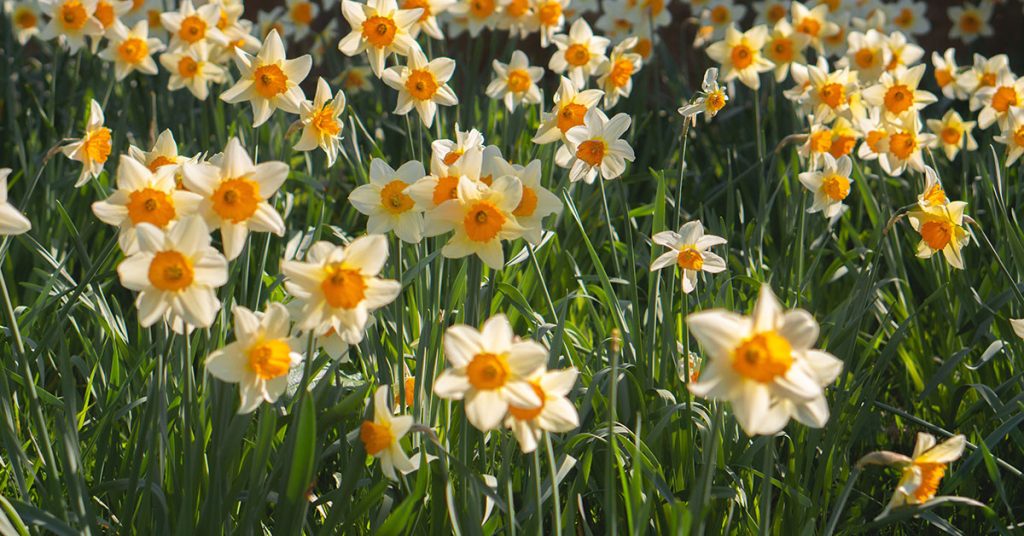
Daffodils bring a burst of cheerful color and a sense of renewal to any elegant garden, heralding the arrival of spring with their radiant yellow and white blossoms. Native to Europe and North Africa, these classic flowers have been cultivated for centuries and are widely celebrated for their hardiness and vibrant appearance. While they are generally well-behaved in garden settings, daffodils can naturalize over time, creating stunning displays without the risk of becoming overly invasive. I always delight in their ability to brighten up even the dreariest winter remnants!
In my gardening adventures, daffodils have proven to be an excellent choice for attracting early-season pollinators such as bees and butterflies. Their bright, trumpet-shaped flowers serve as an inviting beacon in the landscape, encouraging these beneficial creatures to visit and pollinate nearby plants. Additionally, daffodils require minimal maintenance once established, making them a perfect low-effort yet high-impact addition to your garden. Their cheerful disposition and resilience are a constant reminder that nature has an innate way of celebrating life—even after the harshest winters!
Gardenias
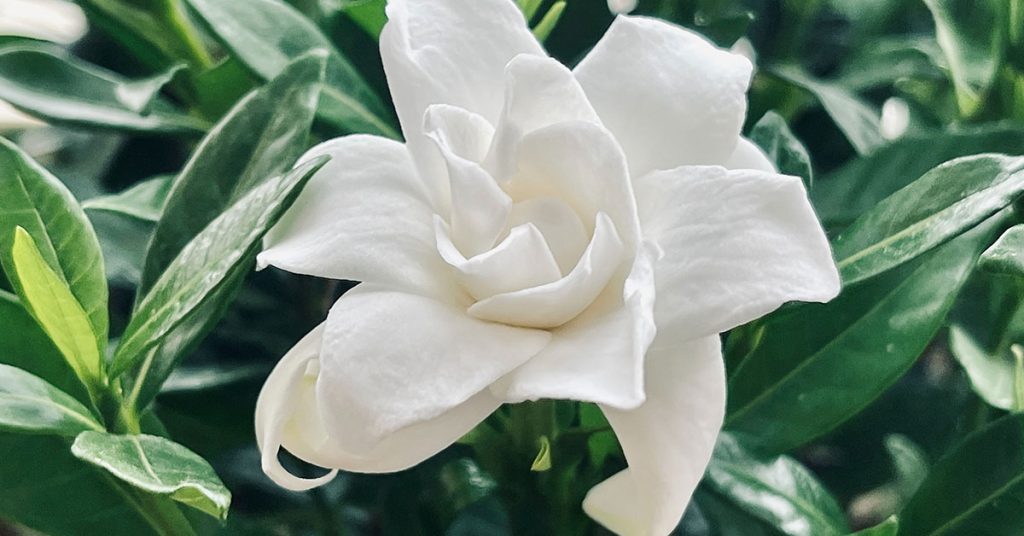
Gardenias exude an air of sophistication with their creamy white blooms and intoxicating fragrance, making them a must-have for any elegant garden. Native to tropical and subtropical regions of Africa, Asia, and the Pacific Islands, gardenias have long been revered in literature and art for their association with love and refinement. While not typically invasive, these shrubs require careful attention to soil acidity and moisture levels to truly flourish, so a well-planned garden spot is essential for their success. I’ve found that with a little care, gardenias reward you with an aroma that can transform your outdoor space into a veritable sensory paradise!
I love watching gardenias in my own garden, where their lush, glossy leaves and exquisitely scented blossoms attract a host of beneficial insects. Bees and other pollinators are drawn to the delicate nectar, while the dense foliage offers a cozy nesting site for various small critters seeking shelter from the heat. The timeless elegance of gardenias not only enhances the visual appeal of your garden but also contributes to a healthier ecosystem by inviting natural allies that help keep pest populations under control. It’s such a pleasure to see these blooms in full swing during the summer months, adding an irresistible touch of luxury to any setting!
Tulips
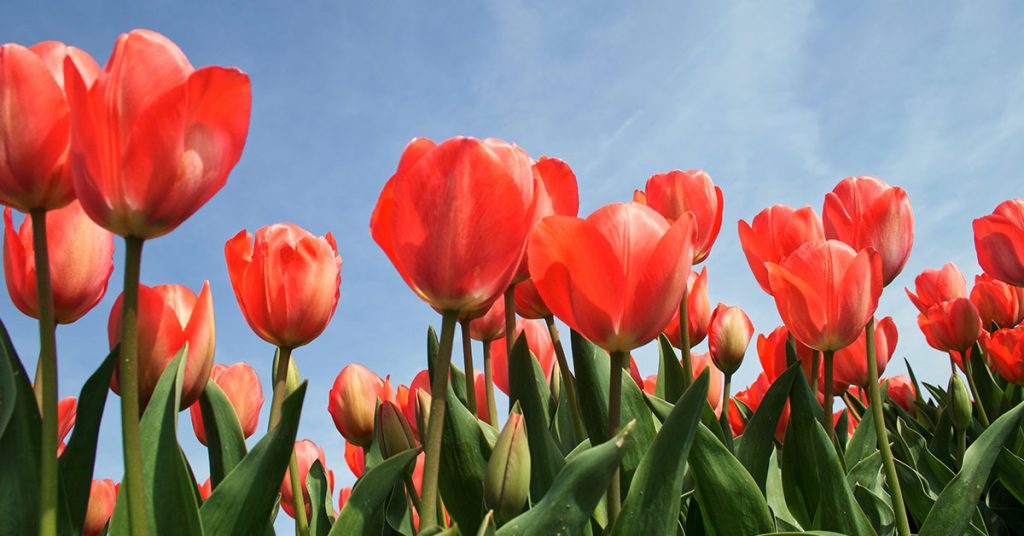
Tulips are arguably one of the most iconic and beloved flowers in the world, symbolizing elegance, grace, and the arrival of spring. Native to Central Asia and widely naturalized in Europe, these perennial favorites have a rich history and an enduring appeal that makes them indispensable in any refined garden. Tulips come in an astonishing array of colors and forms, allowing gardeners to create vibrant displays that are both dramatic and sophisticated. While certain tulip species can self-seed and spread, they are generally easy to manage and add a controlled splash of color to your landscape.
In my own gardening endeavors, tulips are a sure-fire way to attract an array of beneficial pollinators, including bees and butterflies, thanks to their bright, nectar-rich blossoms. The elegant, cup-shaped flowers not only serve as visual delights but also provide natural habitats for tiny insects that contribute to a balanced garden ecosystem. I enjoy the annual ritual of planting and harvesting these beauties, as they always remind me of nature’s cycle of renewal and hope. Their delicate charm and storied past make tulips a perennial favorite for creating an atmosphere of timeless elegance and understated luxury!
Peonies
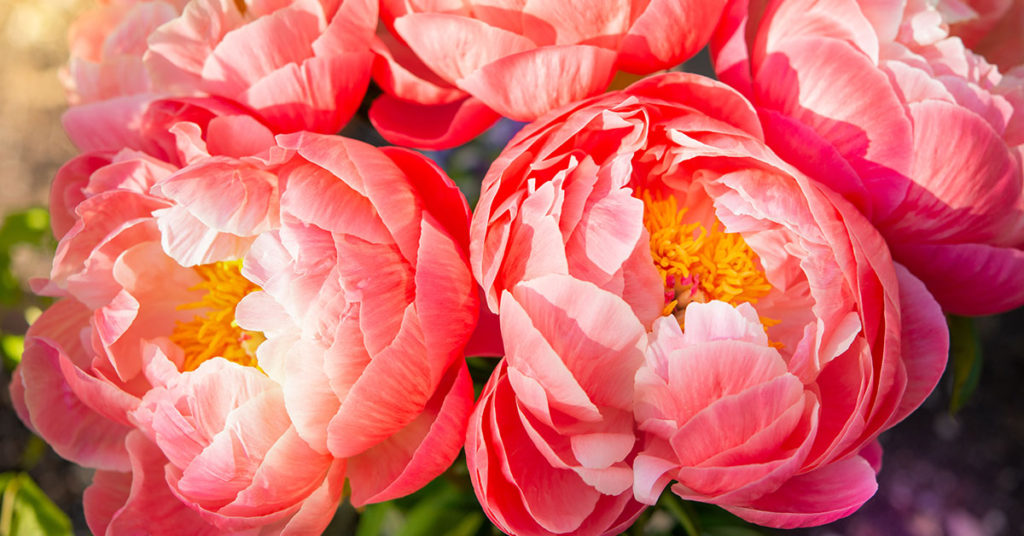
Peonies are the epitome of classic garden elegance, celebrated for their lush, full blooms and intoxicating fragrance that fills the air with romance and nostalgia. Native to Asia, Europe, and Western North America, these perennial treasures have been cherished in gardens for centuries and are renowned for their impressive, long-lasting flowers. Peonies are not typically considered invasive, as they form tight clumps over time, making them an ideal choice for gardeners who appreciate both beauty and order. Their voluminous, ruffled petals and rich hues of pink, red, and white make them a true statement piece in any garden.
In my garden, peonies have quickly become one of my favorite plants, not just for their visual splendor but also for the beneficial insects they attract. Their dense blossoms serve as a sanctuary for bees and butterflies, which are drawn to the abundant nectar hidden within. This natural attraction not only enhances the pollination of nearby plants but also contributes to a thriving, balanced ecosystem. I love the idea of nurturing a plant that not only looks exquisite but also plays a vital role in supporting garden health. Every peony bloom is a reminder of nature’s timeless elegance and the enduring power of beauty!
Roses

No discussion of classic garden flowers would be complete without mentioning the ever-iconic rose. Roses have long been synonymous with romance, elegance, and timeless beauty, making them a cornerstone of sophisticated garden design. Native to regions in Asia, Europe, and North America, these enchanting blooms have captivated hearts for centuries with their layered petals and alluring fragrances. Although some rose varieties can become vigorous and require careful pruning to prevent overgrowth, their enchanting allure makes them well worth the effort. I find that a well-tended rose bush can truly elevate the aesthetic of any garden, offering both visual splendor and a captivating aroma!
In my own garden, roses have a magical way of attracting a wide range of beneficial pollinators and garden inhabitants. Bees, butterflies, and even certain species of birds are drawn to the nectar and vibrant colors of the blooms, creating a lively and harmonious outdoor space. The delicate structure of the rose petals not only enhances its beauty but also provides a natural shelter for small insects that contribute to the garden’s ecosystem. Whether you prefer a classic English rose or a more modern hybrid, roses remain a timeless testament to the enduring power of nature’s artistry and the romance of the natural world!
Lilies

Lilies bring a refined touch to any elegant garden with their graceful, trumpet-shaped blooms and intoxicating fragrance that captivates the senses. Native to temperate regions of the Northern Hemisphere, lilies have been admired for centuries for their bold yet delicate presence in the garden. Although certain species can become quite vigorous, they are generally manageable with proper care and spacing, ensuring that they add beauty without overwhelming your garden’s design. I adore lilies for their ability to stand tall and command attention while simultaneously blending harmoniously with other classic blooms.
In my experience, lilies are a magnet for beneficial wildlife, attracting bees and butterflies that help pollinate the surrounding plants. Their large, showy flowers provide ideal foraging sites and even create nesting opportunities for some small insects, which contributes to a well-balanced garden ecosystem. The elegant appearance of lilies, combined with their rich history in art and literature, makes them a true symbol of sophistication and natural beauty. Every time I see a lily in full bloom, I’m reminded of the delicate interplay between strength and grace—a lesson that resonates deeply with anyone who loves the garden as much as I do!
Daisies
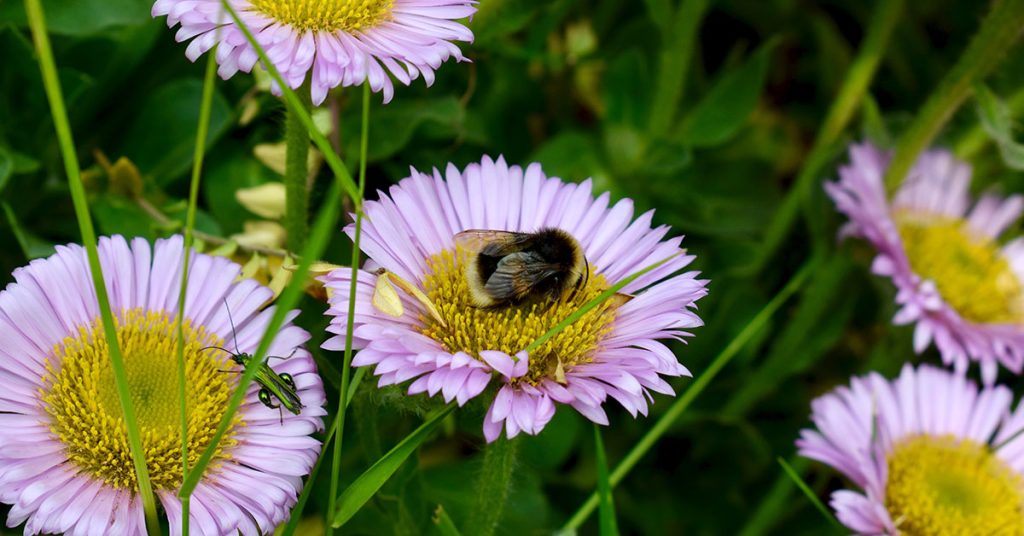
Daisies exude a timeless, cheerful simplicity that belies their important role in creating an elegant garden. Native to Europe and widely naturalized across the globe, daisies are celebrated for their classic white petals and sunny centers that bring a touch of rustic charm to any landscape. Although they can spread somewhat readily in favorable conditions, daisies are typically easy to control, making them a wonderful addition to gardens that seek both beauty and low-maintenance appeal. Their unpretentious nature and unmistakable charm make them a perennial favorite for gardeners looking to infuse their outdoor spaces with light and joy.
In my own garden, daisies are more than just a pretty face—they’re a hub of activity for beneficial insects. Bees, butterflies, and other pollinators love to gather around the bright, open faces of daisies, turning my garden into a lively, natural sanctuary. Their simple yet enduring beauty creates a sense of balance and harmony, providing a gentle counterpoint to the more elaborate blooms around them. I find that the presence of daisies reminds me of the beauty found in simplicity and the quiet elegance that can transform even the most modest garden into a delightful oasis of nature’s best offerings!
Chrysanthemums

Chrysanthemums have a long-standing reputation as classic garden flowers, celebrated for their intricate, multi-layered blooms and rich cultural heritage. Native to East Asia and northeastern Europe, these stunning perennials have been cultivated for centuries for both their ornamental and medicinal qualities. While certain varieties can become vigorous in the right conditions, chrysanthemums are generally well-behaved in a structured garden environment. Their diverse color palette—ranging from warm yellows to deep purples—ensures that there is a perfect chrysanthemum for every elegant garden design, adding a touch of sophistication and tradition.
I’ve found that chrysanthemums are fantastic for attracting a variety of beneficial insects, including bees and ladybugs, which help maintain a balanced garden ecosystem. Their densely packed flowers provide ample foraging opportunities and even serve as safe nesting spots for some of the smaller, less noticeable pollinators. The intricate beauty of chrysanthemums not only elevates the aesthetic of your garden but also honors the rich history of floral cultivation passed down through generations. Every bloom is a reminder of nature’s capacity to evolve and enchant, making chrysanthemums an indispensable element of any refined outdoor space!
Lavender

Lavender is the very definition of understated elegance in the garden, with its slender, silvery-green foliage and spikes of aromatic purple flowers. Native to the Mediterranean region, lavender has a storied past and a timeless appeal that makes it a beloved choice for elegant gardens across the globe. Although it can be somewhat aggressive if not pruned regularly, lavender’s invasive tendencies can be managed easily, ensuring that it remains a controlled yet vibrant part of your garden. I adore lavender not only for its captivating scent but also for the way it adds a sense of calm and sophistication to any landscape!
In my gardening experience, lavender is a magnet for beneficial pollinators such as bees and butterflies. The fragrant blooms provide a rich source of nectar, while the plant’s hardy nature makes it a reliable choice even in challenging growing conditions. Its slender spikes and soft hues contribute to a refined aesthetic that pairs beautifully with other classic flowers, creating an inviting and serene garden environment. Whether you’re planning a formal garden or a cozy, intimate space, lavender is an essential ingredient for cultivating a truly elegant outdoor retreat!
Iris
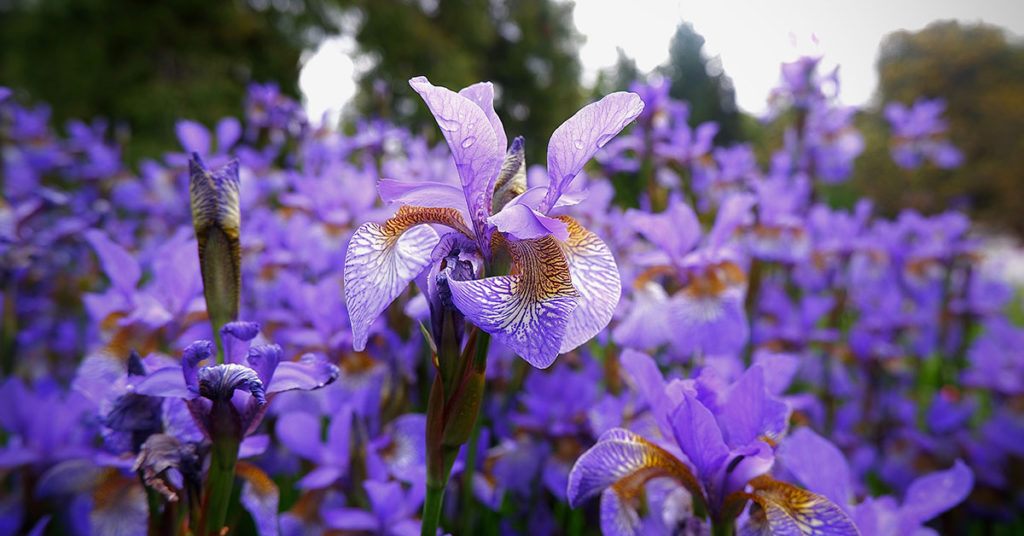
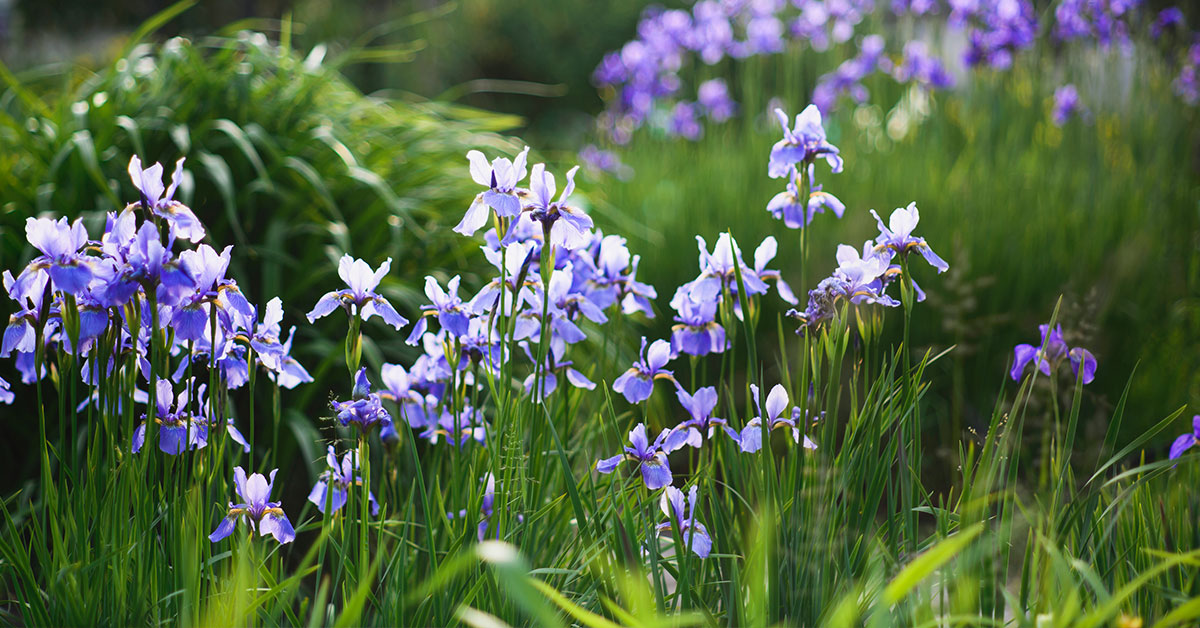
The iris is a flower of distinction and drama, renowned for its striking, sword-like foliage and vibrant, intricate blooms that can truly captivate any garden enthusiast. Native to regions across Europe, North America, and Asia, irises boast a rich history steeped in myth and art, and they continue to be celebrated as symbols of hope, wisdom, and valor. While some iris varieties can spread a bit aggressively under the right conditions, proper care and maintenance ensure that they add a controlled burst of color and sophistication without overwhelming your garden design. I find that irises bring a bold yet elegant statement that complements any refined garden setting!
In my own garden, irises have proven to be excellent at attracting a variety of pollinators, including bees and butterflies, which thrive on the nectar-rich blossoms. Their unique structure not only provides a feast for the eyes but also creates miniature shelters for beneficial insects seeking refuge from the elements. This interplay of beauty and practicality is what makes the iris so indispensable in a well-rounded garden. Every time I see an iris in full bloom, I’m reminded of nature’s incredible ability to combine artistry with functionality—a quality that resonates deeply with any gardener who cherishes both form and purpose!