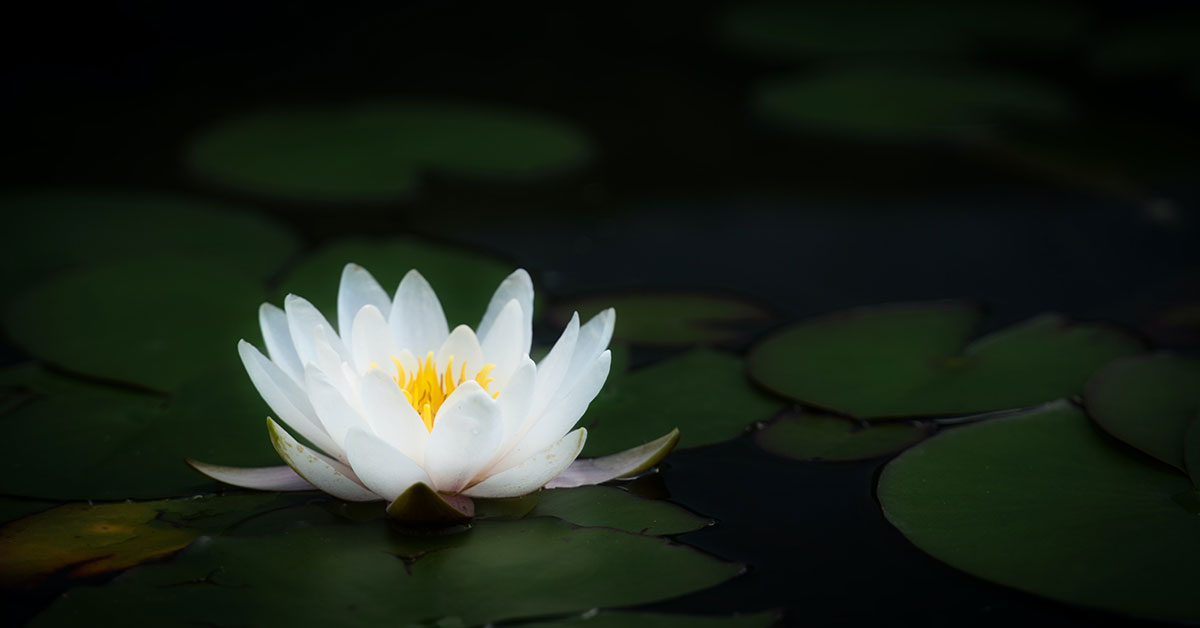

I’ve always been fascinated by the magic of lotus flowers—a plant that embodies purity, resilience, and an almost otherworldly grace. As a devoted gardener with a penchant for water gardens and a deep respect for nature’s wonders, I’m thrilled to share my insights on this extraordinary bloom. The lotus, native to Asia and revered in cultures across the world, has been a beacon of spiritual significance for millennia. Its ability to rise gracefully from murky waters to reveal a stunning, unblemished blossom is nothing short of miraculous!
In this article, we’re going to dive deep into the world of lotus flowers, exploring everything from their unique biological traits to the spiritual symbolism they carry. Whether you’re looking to create a serene water garden or simply appreciate nature’s artistry, I’m here to guide you through every detail—from cultivation tips to the ecological benefits these aquatic marvels bring to your outdoor sanctuary. Let’s embark on this journey together and discover why the lotus remains a timeless emblem of purity and strength!
Garden Behavior and Ecological Contributions

One of the most captivating aspects of the lotus is how it transforms even the most ordinary water garden into a vibrant ecosystem. In my own garden, I’ve observed that lotus plants do more than just beautify the pond—they actively improve water quality by oxygenating their surroundings and providing shelter for a variety of aquatic life. Their expansive leaves create natural umbrellas that offer shade and protection to smaller water creatures, making the pond a lively haven for fish and amphibians alike. It’s truly remarkable how these flowers play a vital role in maintaining a balanced and thriving aquatic environment!
Beyond their aquatic benefits, lotus plants are fantastic at attracting a range of beneficial insects and birds. The blossoms, with their rich nectar, lure pollinators such as bees and butterflies, which in turn support nearby terrestrial plants by facilitating cross-pollination. Even birds are drawn to the water garden, often seen perching on nearby reeds or gently dipping into the water to catch an insect snack. This seamless integration of flora and fauna is one of the many reasons I’m so passionate about incorporating lotus flowers into my garden design—they create a self-sustaining ecosystem that delights all who visit!
Tips for Growing Lotus Flowers

Cultivating lotus flowers can be one of the most rewarding experiences for an aquatic garden enthusiast. I’ve learned that these beauties thrive best in full sun with a consistent water depth that mimics their natural wetland habitats. Start with a sturdy container or pond that allows plenty of room for their expansive roots, and be sure to use a heavy, clay-based soil that won’t float away when the plant begins to establish itself. Regular maintenance, such as thinning out crowded growth and replacing water during extreme heat, ensures that the lotus remains robust and continues to bloom beautifully throughout the season!
I always recommend a bit of patience when it comes to nurturing lotus flowers—these plants may take a season or two to truly settle into their new environment. However, once established, they require minimal intervention and become the crown jewels of any water garden. I find it immensely satisfying to watch the first buds emerge after a long winter and then burst open into stunning blossoms that seem to defy the muddy waters from which they grow. For anyone frustrated by the complexities of gardening in challenging conditions, the lotus offers a gentle reminder that perseverance and natural beauty go hand in hand!
Native Origins and Biology

The lotus flower is deeply rooted in history, both botanically and culturally, with origins that trace back to the wetlands of Asia. Native to regions such as India, China, and parts of Southeast Asia, this aquatic marvel has adapted over millennia to thrive in environments where water and soil conditions are anything but pristine. I find it fascinating that despite the murkiness of its surroundings, the lotus emerges with such clarity and grace—a true testament to nature’s ingenuity! Its broad, waxy leaves and symmetrical petals are not just visually appealing; they’re also functional, designed to repel water and maintain a cool temperature in hot climates.
From a biological perspective, the lotus is a marvel of adaptation. Its unique seed dispersal mechanism allows it to spread far and wide, ensuring the survival of its species even in fluctuating water conditions. While lotus plants are not generally considered invasive due to their slow and deliberate spread, they do require ample space to flourish and can dominate a small pond if not managed properly. This balance between robust growth and controlled expansion makes the lotus a symbol of both power and restraint—a duality that resonates deeply with gardeners who appreciate nature’s complexities.
Sacred Symbolism and Spiritual Aspects

Few flowers capture the imagination quite like the lotus, whose spiritual symbolism has inspired poets, artists, and mystics for centuries. In many Eastern traditions, the lotus is revered as a symbol of enlightenment, purity, and rebirth. I’ve always been moved by the stories of how this flower emerges pristine from murky waters, serving as a metaphor for rising above life’s challenges to reveal one’s true essence. In my garden, the lotus isn’t just a plant—it’s a daily reminder of renewal and hope, offering a quiet moment of reflection amid the hustle and bustle of modern life!
The sacred status of the lotus is celebrated in countless rituals and festivals, especially in Buddhist and Hindu cultures. Its imagery is a common motif in meditation spaces and temples, where it represents the purity of heart and mind despite the trials of existence. When I tend to my lotus water garden, I can’t help but feel a deep connection to these ancient traditions, as if I’m participating in a timeless dialogue between nature and spirit. This blend of natural beauty and profound meaning is what makes the lotus such an irresistible choice for anyone looking to create a space of peace and contemplation!
Attracting Beneficial Wildlife

A remarkable benefit of cultivating lotus flowers is their ability to draw a diverse array of wildlife into your garden. The striking blooms, with their rich hues and delicate fragrance, serve as an open invitation for pollinators such as bees and butterflies. I’ve observed these winged visitors fluttering gracefully around the flowers, each one playing a crucial role in the broader ecosystem by facilitating pollination for nearby plants. Their presence not only enhances the beauty of the garden but also reinforces the natural cycle of growth and renewal that we all cherish as gardeners!
In addition to pollinators, lotus plants create an ideal habitat for other beneficial creatures. The dense clusters of leaves offer a safe haven for small aquatic insects and even provide nesting spots for water-loving birds. It’s a delightful sight to see a bird alight on the edge of the pond, seemingly enjoying the cool shade offered by the lotus foliage. For anyone who’s ever been dismayed by the intrusion of pests or the lack of life in their water garden, the lotus offers a heartwarming solution—a natural magnet for life that brings a dynamic, living quality to any space!
Resilience and Adaptation
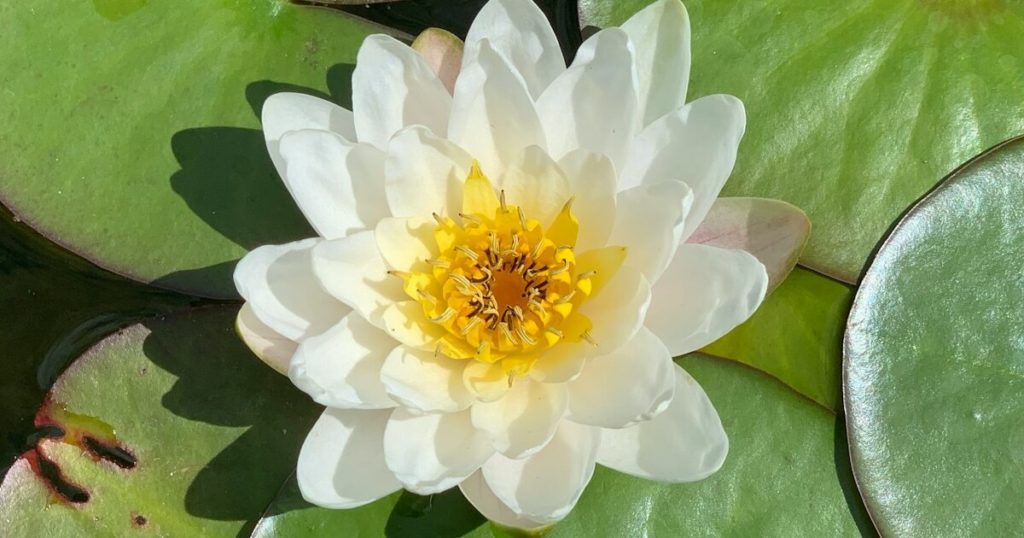
There’s something truly inspiring about the resilience of the lotus flower—a quality that mirrors its symbolic association with purity and perseverance. Despite growing in challenging conditions, such as murky or stagnant waters, the lotus manages to thrive and produce one of nature’s most exquisite blooms. I’ve witnessed firsthand how this hardy plant adapts to fluctuations in temperature and water quality, emerging each season with renewed vigor and beauty. This remarkable adaptability makes it a favorite among gardeners who often face unpredictable weather patterns and water conditions!
The lotus is not only a survivor but also a master of transformation. Its life cycle—from seed to submerged sprout to radiant flower—is a vivid demonstration of nature’s ability to overcome adversity. This transformation is particularly inspiring for those of us who have struggled with our own gardening setbacks, serving as a reminder that beauty often blooms after a period of hardship. Embracing the lotus in your garden is like inviting a symbol of hope and tenacity into your life, a daily nudge to persevere and flourish even in less-than-ideal circumstances!