

I remember the first time I learned about a flower that once reigned supreme as the emblem of love—before roses became the ubiquitous symbol we know today. As an avid gardener with a passion for the hidden stories behind every bloom, I’ve always been captivated by the tale of the carnation. Revered in ancient cultures and celebrated in countless works of art, this delicate flower tells a story of passion, devotion, and timeless beauty that still inspires many today. It’s fascinating to explore how a simple bloom could capture the hearts of lovers long before modern roses took center stage!
In this article, I’m excited to share with you the many facets of the carnation—from its intriguing history and botanical roots to its modern-day benefits in the garden. I know how disheartening it can be when the true charm of a flower is overshadowed by mainstream trends. Whether you’re a seasoned horticulturist or just beginning to nurture your green space, join me as we delve into the world of this extraordinary bloom that once symbolized love in its purest form. Let’s uncover its story, its nature, and the ways it continues to brighten our gardens and our hearts!
Cultural Impact Through the Ages

Throughout history, the carnation has played a pivotal role in cultural rituals and expressions of love. In ancient civilizations, particularly in parts of Europe and the Mediterranean, carnations were bestowed as tokens of admiration and affection. They held a significant place in literature and art, often depicted as the emblem of deep, passionate love long before the rose became the universal symbol we know today. I find it absolutely enchanting to imagine how lovers in bygone eras exchanged these vibrant blooms as promises of undying affection!
Even today, the carnation’s legacy endures in various cultural celebrations and ceremonies around the world. Although modern trends may favor roses, many still cherish carnations for their historical resonance and unique charm. In some regions, carnations are not only admired for their beauty but also for their gentle, spicy fragrance that evokes memories of ancient love stories. As a gardener, it’s a joy to nurture a flower that carries such a rich cultural heritage, reminding us that true love has many faces and often blooms in unexpected ways!
Botanical Profile and Native Origins
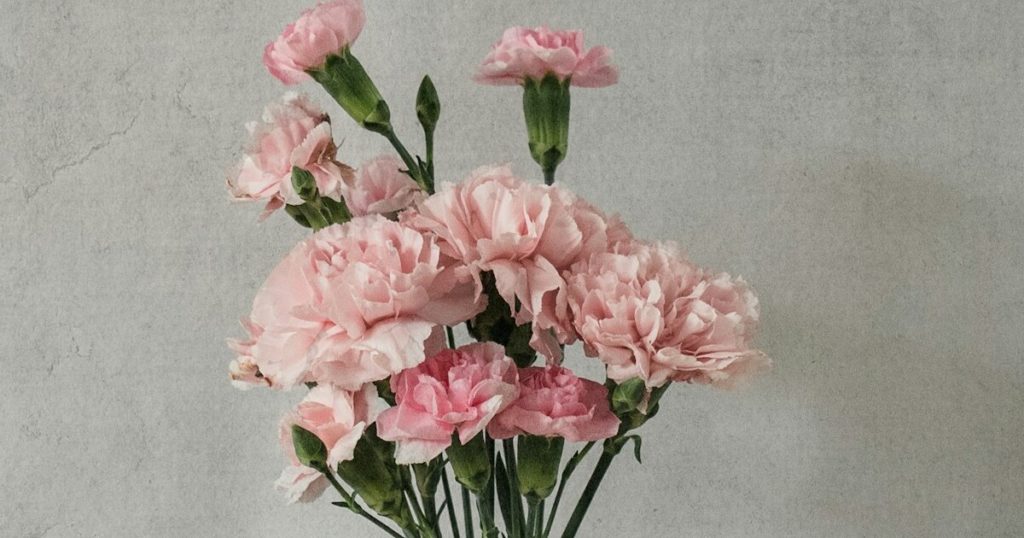
Botanically speaking, carnations are a marvel of nature with a lineage that stretches back to the Mediterranean region. Native to this sun-drenched part of the world, they have evolved to thrive in temperate climates, showcasing a range of colors from deep crimson to soft pastels. I’ve always been impressed by how adaptable carnations are—they flourish in well-drained soil, and while they aren’t considered invasive, they have a natural tendency to spread just enough to create a charming, wild garden effect without overwhelming other plants.
The carnation’s structure is as fascinating as its history. With ruffled petals and a distinct, clove-like scent, these flowers not only captivate the eye but also attract a variety of beneficial insects to your garden. Bees and other pollinators are drawn to their nectar, using the blooms as ideal spots for foraging and sometimes even as nesting sites. The intricate design of the carnation makes it a natural showstopper in any garden bed, offering both aesthetic pleasure and ecological benefits that support a balanced and vibrant garden ecosystem!
Garden Behavior and Ecological Contributions

In my own garden, I’ve noticed that carnations bring more than just beauty to the table—they contribute actively to the health of the ecosystem. Their dense foliage and layered blooms create a microhabitat that is perfect for attracting beneficial insects like bees, butterflies, and even tiny predatory wasps that help control pest populations. It’s such a delight to see these tiny helpers bustling around, making the garden a lively and balanced space without the need for harsh chemicals!
Beyond their role in pest control, carnations also help in improving soil structure. Their roots penetrate moderately deep into the ground, assisting in aeration and nutrient distribution, which in turn supports neighboring plants. This natural synergy among garden residents is one of the reasons I’m so passionate about incorporating heritage blooms like carnations into my planting schemes. They truly embody the idea that every plant, no matter how ancient its reputation, can contribute to a modern, sustainable garden!
Tips for Growing and Attracting Beneficial Insects
Growing carnations in your garden can be a highly rewarding endeavor, and I’m always excited to share a few tips from my own experiences. These flowers thrive in sunny spots with well-drained soil and benefit from regular pruning to encourage a bushier, more vibrant display. I’ve found that a bit of organic fertilizer and careful watering can yield an abundance of blooms that not only dazzle the eye but also serve as natural beacons for pollinators and other beneficial insects. The result is a flourishing garden that balances beauty and practicality in the most delightful way!
What I particularly love about cultivating carnations is how they invite a host of helpful insects to join the party. Their nectar-rich flowers attract bees and butterflies, which in turn help pollinate other plants in the vicinity. The blooms also offer a perfect nesting ground for solitary bees, providing them a safe spot to raise their young away from predators. With each visit from a buzzing bee or a fluttering butterfly, you’re reminded that a well-tended garden is a living ecosystem where every bloom has a role to play. Embrace the art of growing carnations, and you might just find that your garden transforms into a vibrant hub of natural activity!
Historical Significance of the Carnation as a Symbol of Love
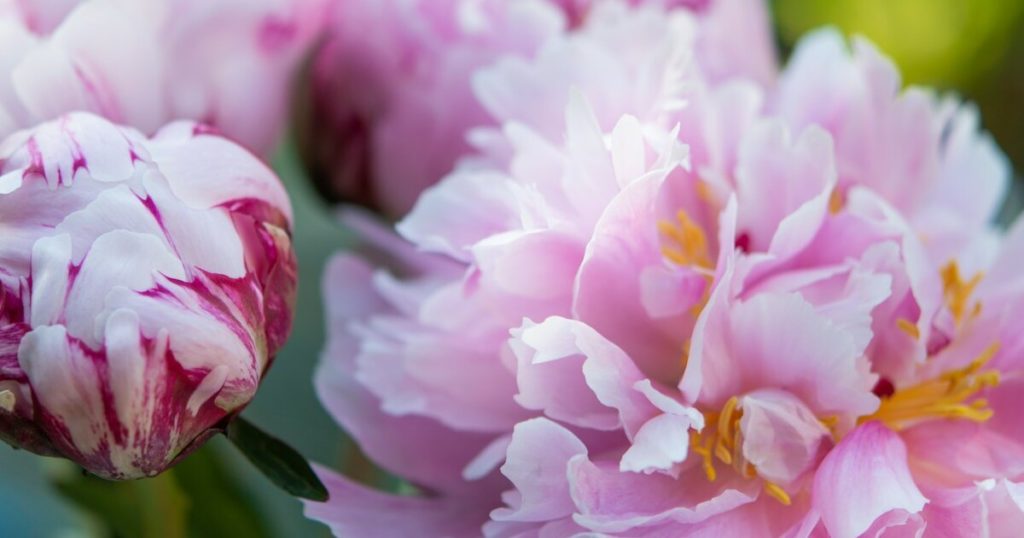
Before the modern rose took over the symbolism of romance, the carnation was the go-to flower for expressing deep affection and admiration. In many ancient European traditions, the carnation was presented as a token of sincere love, with each color conveying a slightly different meaning—red for passionate love, white for pure affection, and even pink for a blend of these emotions. It’s absolutely fascinating to think that what we now often associate with roses was once a domain where the carnation reigned supreme in matters of the heart!
Historical texts and artworks are replete with references to the carnation, underscoring its importance in romantic lore. Lovers exchanged these blooms as promises of fidelity and eternal love, and many historical figures were known to adorn themselves or their loved ones with these exquisite flowers. Although roses have since captured the modern imagination, the carnation’s legacy as a symbol of love remains a powerful reminder of the diverse ways in which beauty and emotion can be expressed through nature. For any gardener or romantic at heart, nurturing carnations is like tending to a living piece of history—one that continues to tell tales of passion and enduring love!