

I know how disheartening it can be when your garden is overrun by pests despite your best efforts. As a passionate gardener who’s spent countless hours nurturing my outdoor haven, I’ve discovered that nature often provides the most elegant solutions. Instead of resorting to harsh chemicals, why not let some truly marvelous flowers do the work for you? In this article, I’m excited to share nine fantastic blooms that not only add beauty to your garden but also naturally repel unwanted insects and critters—all while inviting beneficial wildlife into your green space!
Each of these flowers comes with its own unique charm and pest-repelling prowess, and I’ve arranged them in a fun, randomized order to keep things fresh and surprising. I’ll be diving into details about their native habitats, occasional invasive tendencies, and how they attract helpful allies like bees and ladybugs, all in a friendly tone that I hope resonates with fellow garden enthusiasts. So, grab your gardening gloves and join me on this journey as we explore nature’s very own pest control squad—no pesticides required!
Calendula

Calendula, often known as pot marigold, is a delightful addition to any garden that seeks a natural pest-repelling solution. Native to Southern Europe, this cheerful flower bursts forth with vibrant hues of orange and yellow that can instantly brighten your garden beds! I’ve noticed that calendula not only attracts pollinators like bees and butterflies but also repels aphids and other common garden pests with its subtle, yet effective aroma.
In my own gardening experiments, calendula has proven to be a resilient companion, thriving in both rich and lean soils. While it’s not typically considered invasive, its easy-going nature means it can spread gracefully, filling gaps with bursts of color. The plant’s open, daisy-like blossoms provide an inviting platform for beneficial insects to nest and forage, establishing a natural barrier against pests. It’s such a joy to see nature’s little helpers at work around these sunny blooms!
Lavender

Lavender is a true garden hero, celebrated not only for its intoxicating fragrance and striking purple blooms but also for its remarkable pest-repelling abilities. Hailing from the Mediterranean region, this perennial is cherished around the world and is far from being invasive in most climates. I love how lavender naturally deters moths, fleas, and even mosquitoes, creating a more serene, chemical-free haven in my garden!
In addition to its aromatic appeal, lavender attracts an array of beneficial pollinators who can help maintain a balanced ecosystem in your outdoor space. I’ve witnessed solitary bees and butterflies making regular pit stops among its blossoms, turning my garden into a lively meeting point of nature’s best. Its deep-rooted resilience means that once established, lavender demands minimal care, making it an ideal choice for gardeners seeking both beauty and function. The combination of pest control and natural charm is simply irresistible!
Tansy
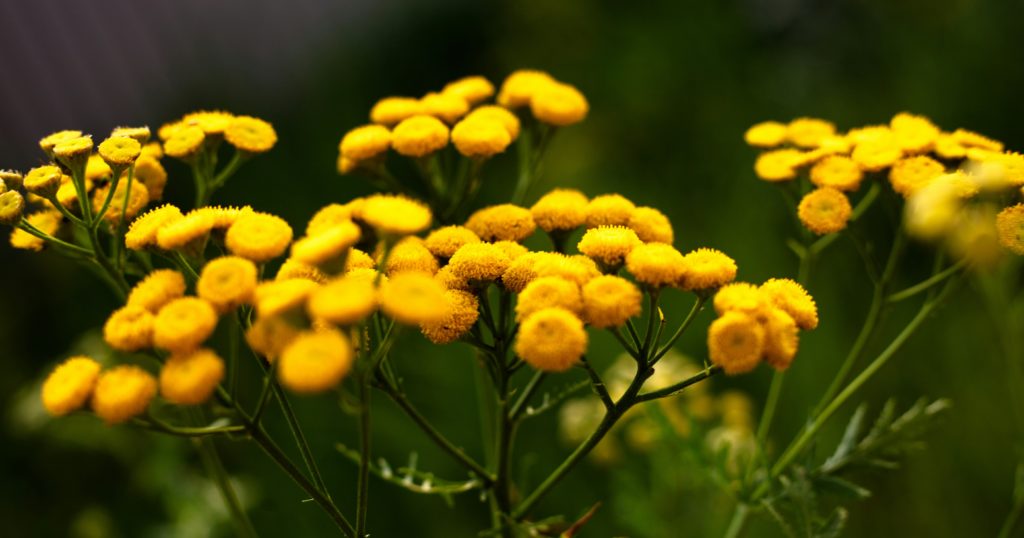
Tansy is a fascinating flower that many gardeners have rediscovered for its potent ability to repel pests naturally. Native to parts of Europe and Asia, tansy is recognized for its bright, button-like yellow blooms and a distinctive scent that insects tend to avoid. Although it has earned a reputation as invasive in some regions due to its vigorous growth, when managed properly it becomes a loyal guardian for your garden beds!
In my own garden, I’ve found tansy to be particularly effective at deterring ants, fleas, and even some types of beetles. The plant’s dense clusters not only form a natural barrier but also provide cozy spots for beneficial insects to nest away from harmful pests. Tansy’s robust nature and pest-repelling properties make it a worthy candidate for those looking to reduce their reliance on chemical sprays. With a bit of care and attention, this powerful bloom can work wonders while adding a splash of vintage charm to your landscape!
Marigold

Marigolds are a staple in many gardens, renowned for their radiant colors and their incredible ability to ward off a variety of pests. Originally native to the Americas, marigolds have been embraced worldwide for their pest-repellent qualities and easy-care nature. Their strong, pungent scent is known to repel nematodes, aphids, and even whiteflies, making them an invaluable natural ally in the fight against garden invaders!
I’ve always been impressed by how marigolds can transform a garden, not just in beauty but in function. Their bold blooms attract beneficial insects like ladybugs, which are instrumental in keeping harmful pests at bay, while also providing a hospitable space for these helpful critters to nest. Although they’re sometimes considered invasive in certain climates due to their prolific nature, proper management can ensure that marigolds remain a beneficial part of your garden ecosystem. Embrace their vibrant presence and let them stand guard over your floral sanctuary!
Petunia
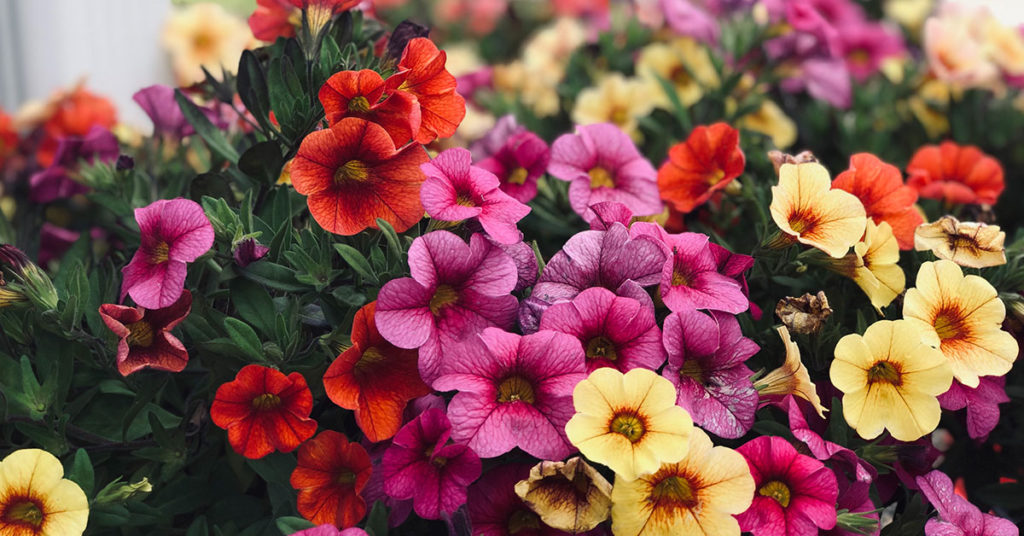
Petunias bring a burst of vibrant color to any garden, and I’ve discovered that their role goes far beyond mere aesthetics—they naturally help keep pests away! Native to South America, particularly Argentina and Brazil, petunias have made their way into gardens around the globe with minimal fuss. Their distinct scent and lush, trumpet-shaped blooms are not only a treat for the eyes but also act as a deterrent for a variety of garden pests, including aphids and whiteflies.
In my experience, petunias attract beneficial insects such as hoverflies and lacewings, which are natural predators to many common pests. Their sprawling habit provides an excellent ground cover that limits the space available for unwanted critters to hide. Even though petunias can spread quite freely, they’re generally well-behaved in most gardens when maintained properly. The dual benefit of aesthetic appeal and natural pest control makes petunias a must-have for any eco-friendly garden!
Borage

Borage is one of those charming blooms that offers a unique combination of beauty and utility in pest control. Native to the Mediterranean region, this annual herb produces stunning, star-shaped blue flowers that attract a host of beneficial insects. Gardeners have long appreciated borage not only for its delightful taste in salads or teas but also for its natural ability to deter pests like tomato hornworms and beetles, making it a versatile and attractive addition to any garden!
I love watching borage in action, as its vibrant blossoms seem to call out to bees and predatory insects that help maintain a balanced ecosystem. The plant’s generous foliage and robust nature create microhabitats where these helpful critters can nest and thrive. Although borage can self-seed generously, it rarely becomes invasive, making it a reliable companion that provides both beauty and pest control. With its striking color and practical benefits, borage truly is a garden gem that I’m always excited to share with fellow gardeners!
Scented Geranium
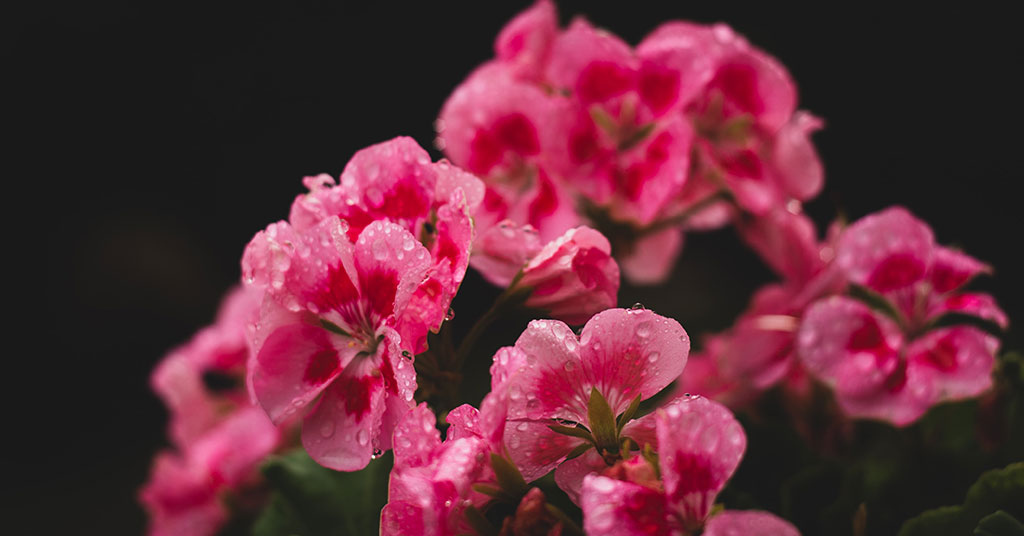
Scented geraniums, particularly those from the Pelargonium genus, bring an aromatic flair and pest-repelling power to your garden that’s hard to beat. Native to South Africa, these plants have journeyed across the globe, charming gardeners with their uniquely scented leaves and vibrant blossoms. Their strong fragrances naturally repel pests such as mosquitoes and even some beetles, making them a practical and beautiful choice for any outdoor space!
In my own gardening escapades, scented geraniums have become a favorite for creating aromatic borders that keep unwanted insects at bay while attracting beneficial pollinators. Their sprawling habit provides ample space for beneficial insects to nest, enhancing the overall health of the garden ecosystem. Despite their prolific nature, scented geraniums are generally non-invasive when given a little guidance, ensuring that they add to your garden’s charm without overwhelming it. Their combination of delightful scents, vibrant colors, and functional benefits makes them an absolute must-have!
Nasturtium

Nasturtiums are a bright and cheery addition to any garden, known for their eye-catching, vibrant blooms and effective pest-repelling properties. Native to the Andes of South America, nasturtiums have become a beloved staple in many gardens around the world. Their peppery scent is particularly effective at repelling aphids, whiteflies, and even some types of beetles, offering a natural way to safeguard your prized plants without relying on chemical pesticides!
I’ve found that nasturtiums not only fend off pests but also attract beneficial insects like predatory wasps and hoverflies that help maintain a healthy garden ecosystem. Their sprawling vines create a living barrier that makes it harder for pests to infiltrate nearby vegetables and other flowers. While they are known to spread somewhat freely, nasturtiums are generally easy to manage and are not considered invasive in most settings. Their dual role as both a pest repellent and a vibrant decorative plant makes them a delightful addition to any garden palette!
Chrysanthemum
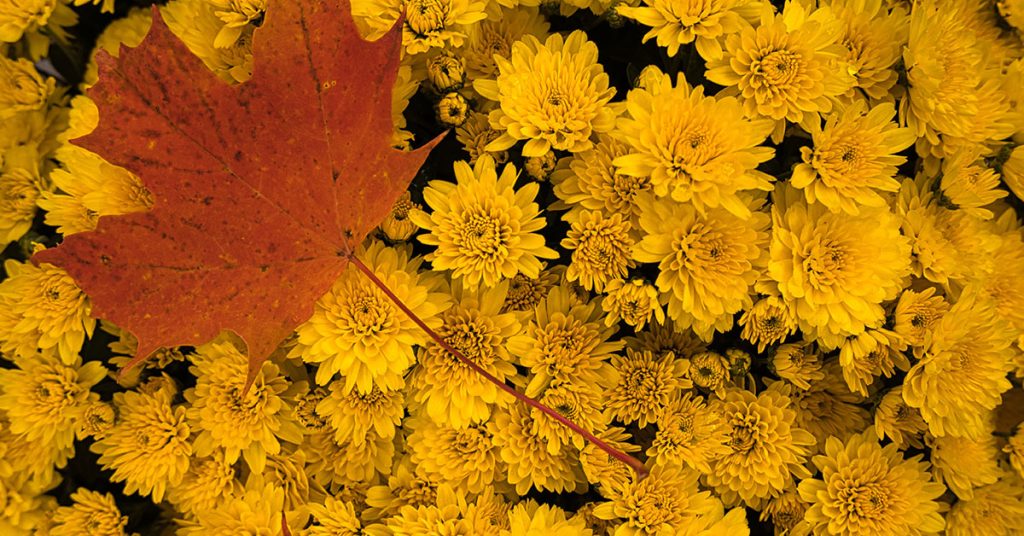
Chrysanthemums, particularly those varieties that produce pyrethrins, are nature’s very own pest control agents. Native to East Asia and northeastern Europe, these flowers have been revered for centuries for their beauty and their ability to deter insects such as roaches, ants, and even ticks. The natural compounds found in chrysanthemums are potent repellents, making them an ideal choice for gardeners looking to create a chemical-free barrier against pests in their outdoor spaces!
In my garden, chrysanthemums have proven to be a reliable defense line, attracting beneficial insects while keeping the nuisances at bay. Their large, multi-layered blooms not only add a dramatic visual appeal but also serve as perfect nesting spots for helpful pollinators like bees and ladybugs. Although some chrysanthemum species can become a bit aggressive in spreading, careful maintenance ensures they remain a welcome addition without overwhelming your garden. Their time-tested pest-repelling properties and stunning floral display make them an essential ally for any organic gardener!