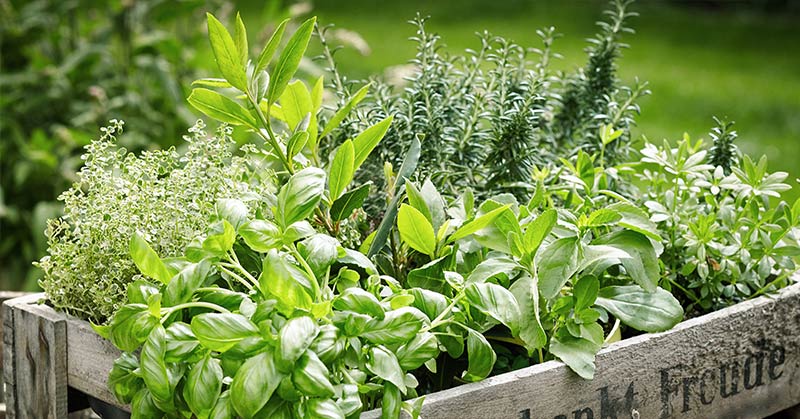

As an enthusiastic gardener, I’m always on the lookout for innovative and low-maintenance ways to keep my garden thriving. One of my favorite discoveries has been growing herbs in just water! This method not only saves space but also simplifies the gardening process, making it perfect for both seasoned green thumbs and beginners alike. Imagine having fresh, aromatic herbs at your fingertips without the hassle of soil and pots – it’s a game-changer for any herb lover!
I understand how challenging it can be to maintain a thriving herb garden, especially if you’re short on space or time. It’s such a bummer when pests take over your plants or when herbs fail to flourish despite your best efforts. But don’t worry! Growing herbs in water offers a hassle-free alternative that can keep your garden lush and productive all year long. Let’s explore eleven fantastic herbs that can thrive in just water, bringing both beauty and functionality to your indoor or outdoor garden!
Mint

Mint is a perennial favorite among gardeners for its vigorous growth and refreshing aroma. Native to the temperate regions of Europe and Asia, mint has been cherished for centuries in culinary dishes, beverages, and traditional medicine. It’s incredibly versatile, adding a burst of flavor to everything from teas and cocktails to salads and desserts. Mint is not considered invasive when grown in controlled environments, making it a delightful addition to any herb collection.
Growing mint in water is exceptionally straightforward and rewarding. Simply place the stems of a healthy mint plant in a glass of water, ensuring that the nodes where leaves meet the stem are submerged. Mint thrives in bright, indirect sunlight, so positioning your glass near a sunny window is ideal. Change the water every few days to keep it fresh and prevent any bacterial growth. With minimal care, mint will continue to produce new shoots, allowing you to harvest fresh leaves whenever you need them!
Basil
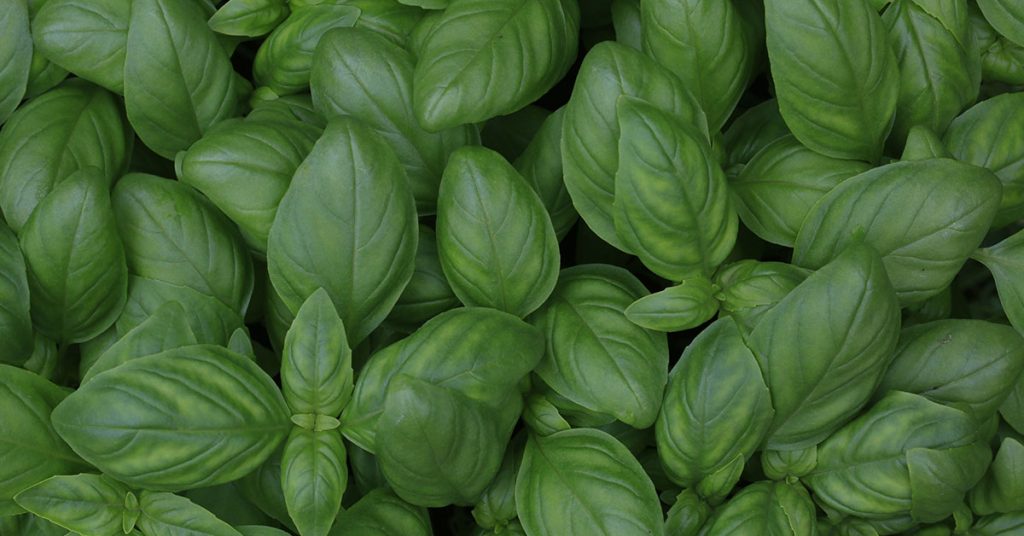
Basil, native to the tropical regions from central Africa to Southeast Asia, is a staple in many cuisines around the world. Known for its sweet, aromatic leaves, basil is essential in dishes like pesto, caprese salad, and various Italian sauces. This versatile herb not only adds flavor to your meals but also brings a vibrant green color to your garden. Basil is not considered invasive, making it a safe addition to most garden spaces.
Growing basil in water is surprisingly easy and can be done year-round with the right care. To start, simply place the stems of a fresh basil plant in a glass of water, ensuring that the nodes where leaves meet the stem are submerged. Basil thrives in bright, indirect sunlight, so placing the glass near a sunny window is ideal. Change the water every few days to keep it fresh and prevent bacterial growth. With regular care, basil will continue to grow and produce new leaves, allowing you to enjoy fresh herbs without soil!
Rosemary

Rosemary is a fragrant evergreen herb native to the Mediterranean region, renowned for its woody stems and needle-like leaves. It’s a culinary powerhouse, perfect for seasoning meats, vegetables, and breads, and its aromatic presence also makes it a favorite for potpourri and essential oils. Rosemary is not considered invasive, and its robust nature makes it a resilient addition to any herb garden.
While rosemary is typically grown in soil, it can also thrive in water with proper care. Start by taking a cutting from a healthy rosemary plant, ensuring that it includes several nodes. Place the cutting in a glass of water, making sure the nodes are submerged. Rosemary prefers bright light, so keep it near a sunny window. Change the water regularly to maintain freshness. With patience, roots will develop, and rosemary will continue to grow, providing you with a steady supply of this aromatic herb without the need for soil!
Chives
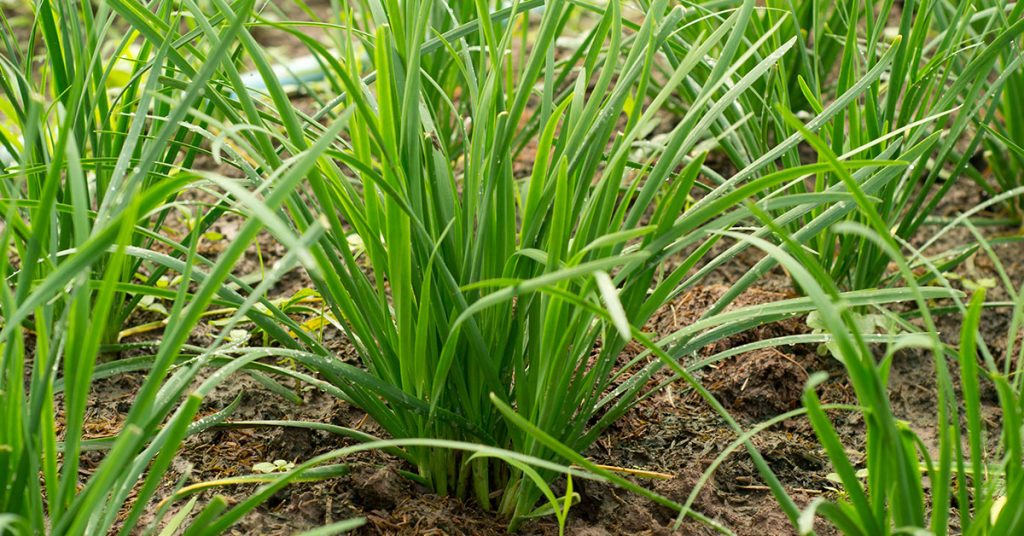
Chives are a charming addition to any herb garden, known for their slender, grass-like leaves and mild onion flavor. Native to Europe, chives are a perennial herb that adds both beauty and functionality to your culinary creations. They’re perfect for garnishing salads, soups, and baked potatoes, and their delicate purple flowers attract beneficial pollinators to your garden. Chives are non-invasive, making them an excellent choice for both indoor and outdoor settings.
Growing chives in water is a breeze and can be done effortlessly throughout the year. Simply place the base of the chive plant in a glass of water, ensuring that the roots are submerged. Chives thrive in bright, indirect sunlight, so a sunny windowsill is the perfect spot for your glass. Change the water every few days to keep it fresh and encourage healthy growth. With minimal maintenance, chives will continue to produce new shoots, providing you with fresh, flavorful herbs whenever you need them!
Parsley
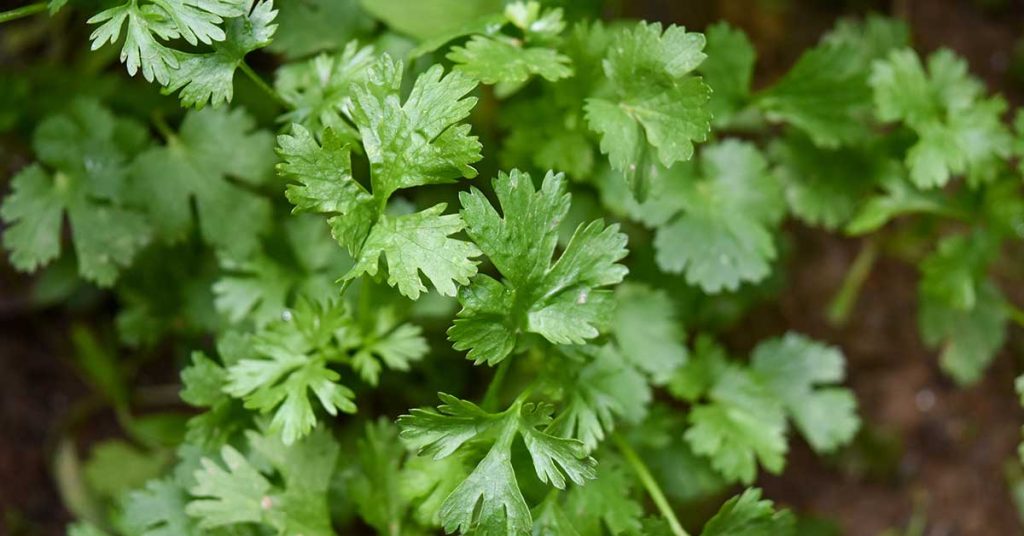
Parsley is a versatile biennial herb native to the Mediterranean region, celebrated for its bright green leaves and fresh flavor. It’s a staple in many cuisines, enhancing dishes like salads, soups, and sauces with its vibrant taste. Parsley is also packed with vitamins and minerals, making it a nutritious addition to your diet. It’s not considered invasive, allowing it to coexist peacefully with other herbs in your garden.
Growing parsley in water is an easy and effective way to ensure a continuous supply of this nutritious herb. To start, place the stems of a fresh parsley plant in a glass of water, making sure the nodes where the leaves meet the stem are submerged. Parsley prefers bright, indirect sunlight, so positioning your glass near a sunny window is ideal. Change the water every few days to maintain freshness and prevent bacterial growth. With regular care, parsley will continue to grow, providing you with fresh leaves to sprinkle over your favorite dishes!
Cilantro
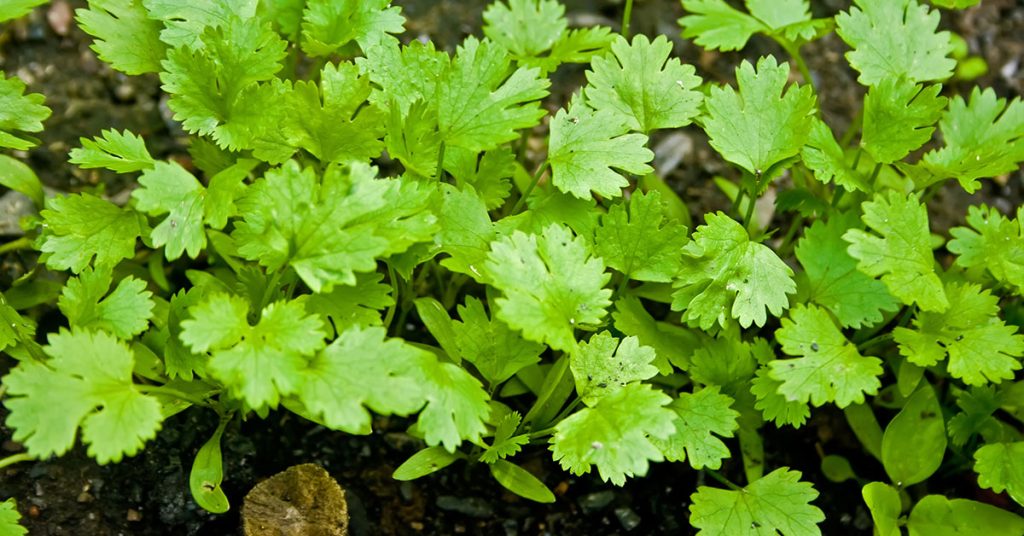
Cilantro, also known as coriander, is an annual herb native to the Mediterranean and Middle Eastern regions. It’s beloved for its bright, citrusy flavor that enhances a wide range of dishes, from salsas and salads to curries and marinades. Cilantro is a favorite among gardeners for its quick growth and ability to attract beneficial insects like bees and butterflies. While cilantro can bolt quickly in hot weather, growing it in water can help extend its growing season.
Growing cilantro in water requires a bit more attention but can yield rewarding results. Start by placing the stems of a healthy cilantro plant in a glass of water, ensuring that the nodes are submerged. Cilantro thrives in cool, bright environments, so a spot with indirect sunlight is perfect. Change the water regularly to keep it fresh and prevent the stems from rotting. With consistent care, cilantro will continue to produce new growth, allowing you to enjoy its fresh leaves for a longer period, even during warmer months!
Oregano
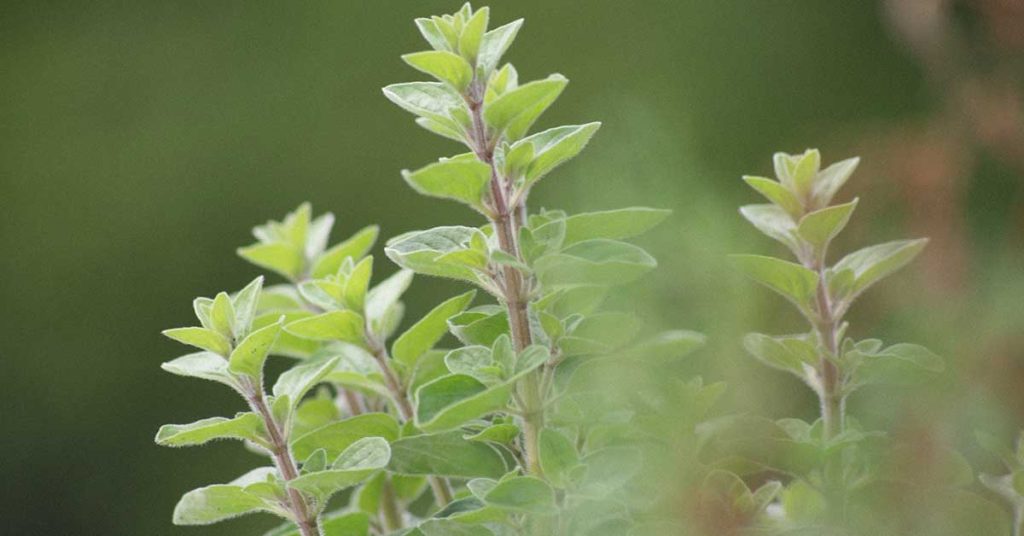
Oregano is a hardy perennial herb native to the Mediterranean region, renowned for its robust flavor and aromatic leaves. It’s a key ingredient in many Italian and Greek dishes, adding depth to pizzas, pastas, and marinades. Oregano is also known for its medicinal properties, including antibacterial and anti-inflammatory benefits. It’s not considered invasive, making it a reliable and beneficial addition to any herb garden.
Growing oregano in water is a simple and rewarding process that can keep this flavorful herb thriving all year long. Begin by taking a cutting from a healthy oregano plant, ensuring it includes several nodes. Place the cutting in a glass of water, making sure the nodes are submerged. Oregano prefers bright light, so keep your glass near a sunny window. Change the water regularly to maintain freshness and encourage root growth. With minimal maintenance, oregano will continue to grow, providing you with fresh leaves to enhance your culinary creations without the need for soil!
Thyme
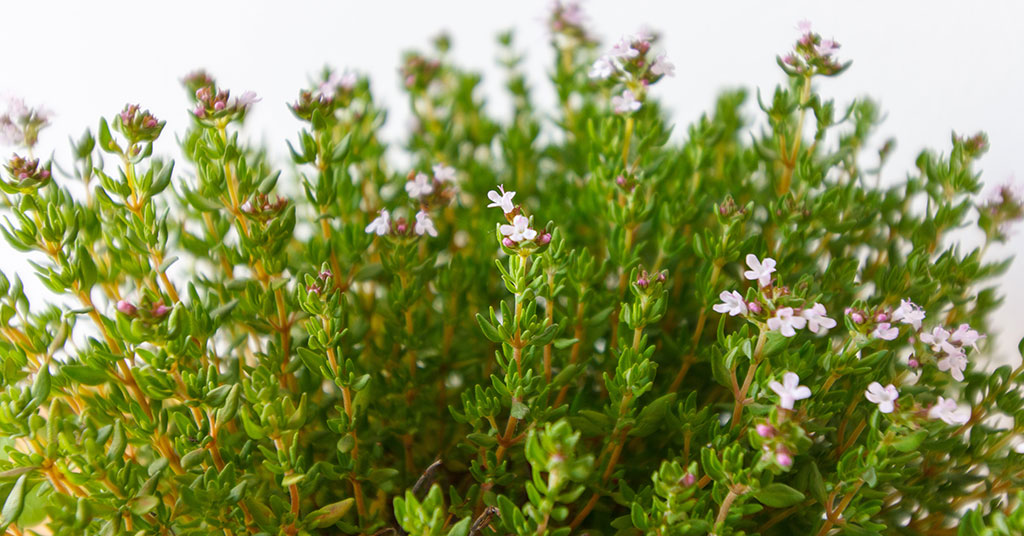
Thyme is a resilient perennial herb native to the Mediterranean region, prized for its subtle, earthy flavor and delicate leaves. It’s a versatile herb used in a variety of dishes, from roasted meats and vegetables to soups and stews. Thyme is also valued for its ornamental qualities, with its small, fragrant flowers adding beauty to garden spaces. It’s not considered invasive, making it a safe and attractive addition to any herb garden.
Growing thyme in water is both easy and effective, allowing you to enjoy this aromatic herb year-round. Start by placing the stems of a fresh thyme plant in a glass of water, ensuring that the nodes are submerged. Thyme thrives in bright, indirect sunlight, so a sunny windowsill is the perfect location for your glass. Change the water every few days to keep it fresh and prevent bacterial growth. With proper care, thyme will continue to grow, providing you with a steady supply of this fragrant herb for your culinary and decorative needs!
Green Onions
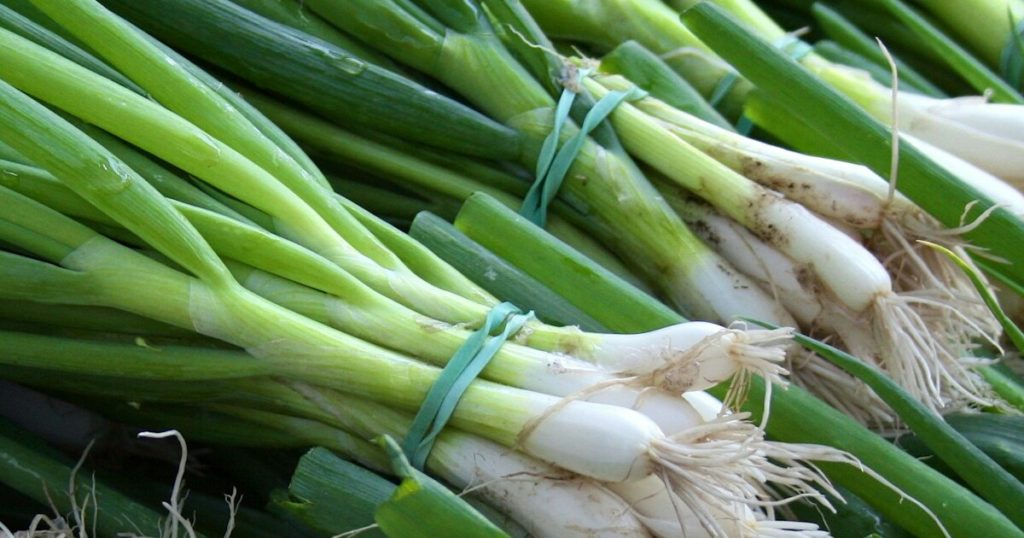
Green onions, also known as scallions, are a versatile and easy-to-grow herb that can thrive in water all year long. Native to Asia, green onions are beloved for their mild onion flavor and tender green stalks, making them a popular addition to salads, soups, and stir-fries. They’re non-invasive and can be grown indoors or outdoors, providing a continuous supply of fresh green onions with minimal effort.
Growing green onions in water is incredibly simple and yields impressive results. Simply place the white roots of green onions in a glass of water, ensuring that the roots are submerged while the green stalks remain above. Green onions thrive in bright, indirect sunlight, so placing your glass near a sunny window is ideal. Change the water every few days to keep it fresh and encourage healthy growth. With regular care, green onions will continue to produce new shoots, allowing you to harvest fresh green tops whenever you need them!
Lemongrass
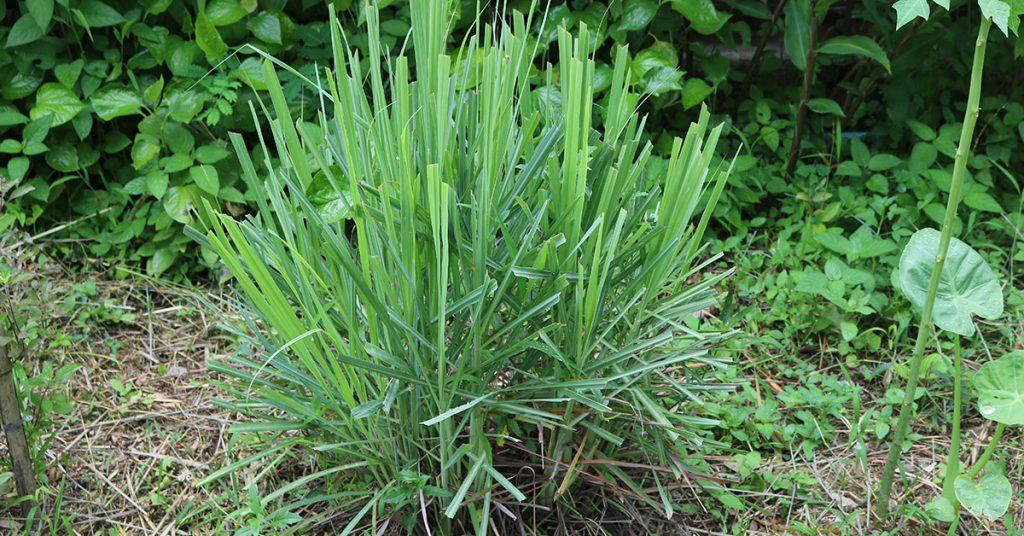
Lemongrass is a fragrant perennial herb native to Southeast Asia, prized for its citrusy flavor and aromatic properties. It’s a key ingredient in many Asian dishes, adding a fresh, lemony taste to soups, curries, and teas. Lemongrass is also used in natural remedies and essential oils for its soothing and antibacterial qualities. It’s not considered invasive, making it a wonderful and aromatic addition to any herb garden.
Growing lemongrass in water is a straightforward process that can keep this aromatic herb thriving all year long. Start by placing the base of a fresh lemongrass stalk in a glass of water, ensuring that the roots are submerged. Lemongrass thrives in bright, indirect sunlight, so placing your glass near a sunny window is ideal. Change the water regularly to keep it fresh and prevent bacterial growth. With proper care, lemongrass will continue to grow, providing you with fresh stalks for your culinary and aromatic needs without the hassle of soil!
Dill
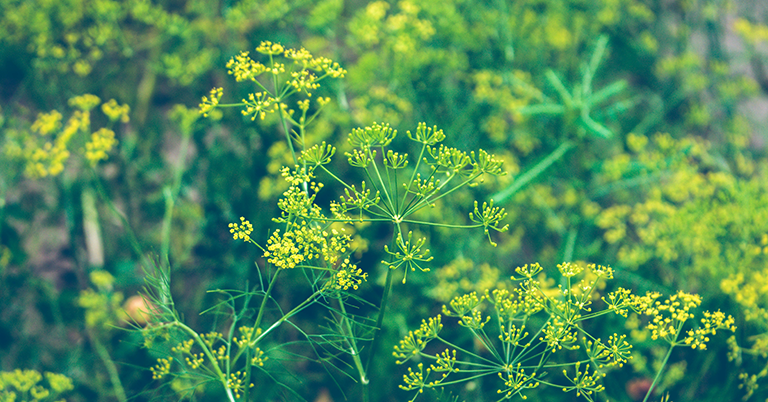
Dill is a delicate annual herb native to the Mediterranean and West Asia, celebrated for its feathery leaves and distinct, tangy flavor. It’s a popular choice for enhancing dishes like pickles, salads, and seafood, and its seeds are used as a spice in various cuisines. Dill is also known for attracting beneficial insects like ladybugs and parasitic wasps, which help control garden pests naturally. While dill can spread if not managed, it’s generally not considered highly invasive, making it a manageable and useful herb for your garden.
Growing dill in water is a simple and effective way to enjoy its fresh, tangy flavor year-round. To start, place the stems of a healthy dill plant in a glass of water, ensuring that the nodes are submerged. Dill thrives in bright, indirect sunlight, so positioning your glass near a sunny window is ideal. Change the water every few days to keep it fresh and prevent the stems from rotting. With regular care, dill will continue to grow, providing you with an ongoing supply of fresh herbs for your culinary adventures!
Tarragon
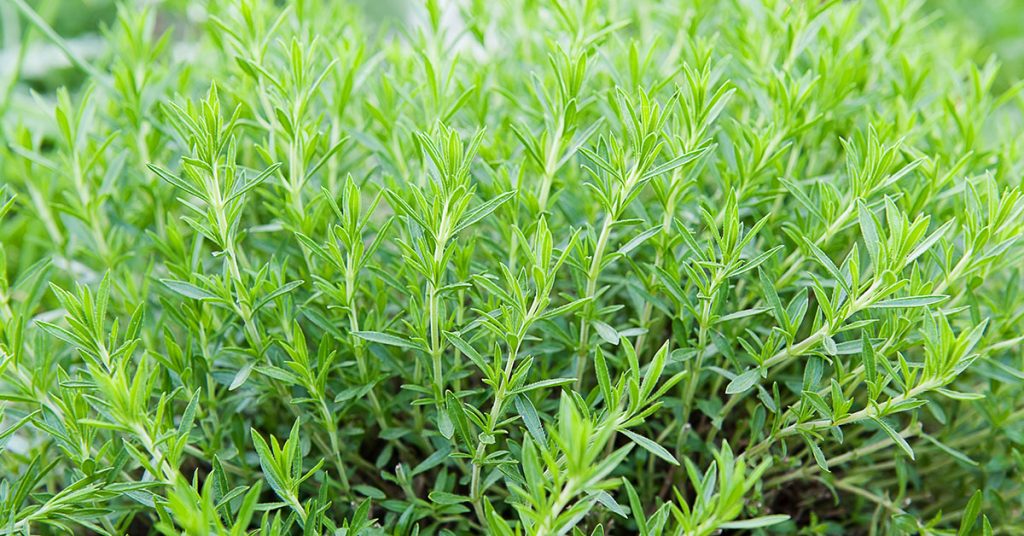
Tarragon is a sophisticated perennial herb native to Eurasia, prized for its distinctive anise-like flavor and aromatic leaves. It’s a key ingredient in French cuisine, enhancing dishes like béarnaise sauce, roasted meats, and vinaigrettes with its unique taste. Tarragon is not considered invasive, allowing it to coexist harmoniously with other herbs and plants in your garden. Its slender, bright green leaves add both flavor and elegance to your culinary creations.
Growing tarragon in water is an easy and rewarding way to ensure a continuous supply of this flavorful herb. Start by placing the stems of a fresh tarragon plant in a glass of water, ensuring that the nodes where leaves meet the stem are submerged. Tarragon thrives in bright, indirect sunlight, so placing your glass near a sunny window is perfect. Change the water regularly to keep it fresh and encourage healthy growth. With consistent care, tarragon will continue to flourish, providing you with fresh leaves to elevate your dishes without the need for soil!
Sage
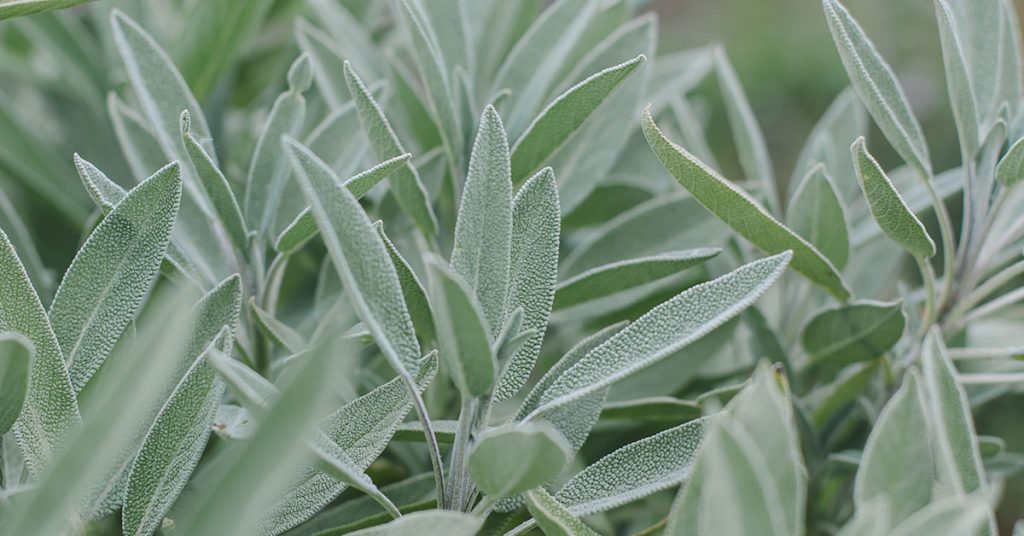
Sage is a hardy perennial herb native to the Mediterranean region, known for its earthy flavor and fragrant leaves. It’s a staple in many culinary traditions, enhancing dishes like stuffing, sausages, and roasted vegetables with its robust taste. Sage is also valued for its medicinal properties, including anti-inflammatory and antioxidant benefits. It’s not considered invasive, making it a reliable and beneficial addition to any herb garden.
Growing sage in water is a straightforward process that can keep this aromatic herb thriving all year long. Begin by placing the stems of a fresh sage plant in a glass of water, ensuring that the nodes are submerged. Sage prefers bright, indirect sunlight, so placing your glass near a sunny window is ideal. Change the water regularly to maintain freshness and encourage healthy growth. With proper care, sage will continue to grow, providing you with fresh leaves for your culinary and medicinal needs without the need for soil!
Conclusion

Growing herbs in water is a fantastic way to enjoy fresh, aromatic flavors all year long with minimal effort and space. From the versatile basil and hardy rosemary to the delicate dill and charming chives, these eleven herbs offer a range of culinary and medicinal benefits that can enhance your garden and your kitchen. Whether you’re looking to simplify your gardening routine or maximize your herb harvest, growing herbs in water provides a convenient and rewarding solution. Embrace this innovative gardening technique and watch your herb collection flourish effortlessly!